
Wonderful Dive Port Galib
Google 4.9/5 (486 reviews)
3 km away as the crow flies
Marsa Alam · Egypt · Red Sea
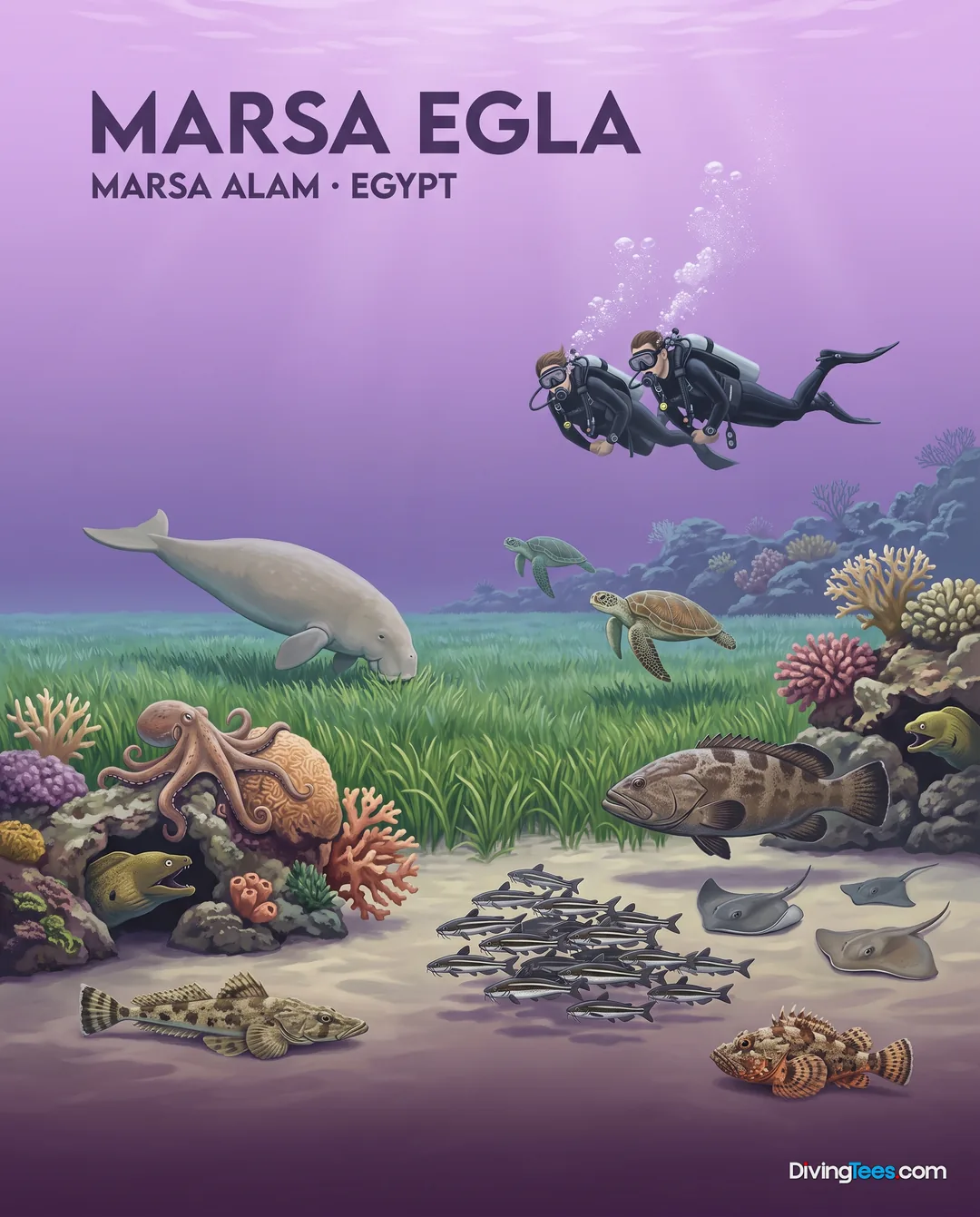
Max. depth · 25 mDescend into Marsa Mubarak's sheltered bay to encounter its resident dugongs and green turtles amidst vast seagrass meadows and vibrant coral gardens.
For subtitles in English: start the video firstthen click the gearat the top right of the video, select “Subtitles/CC”, then “Auto-translate” and choose “English”.
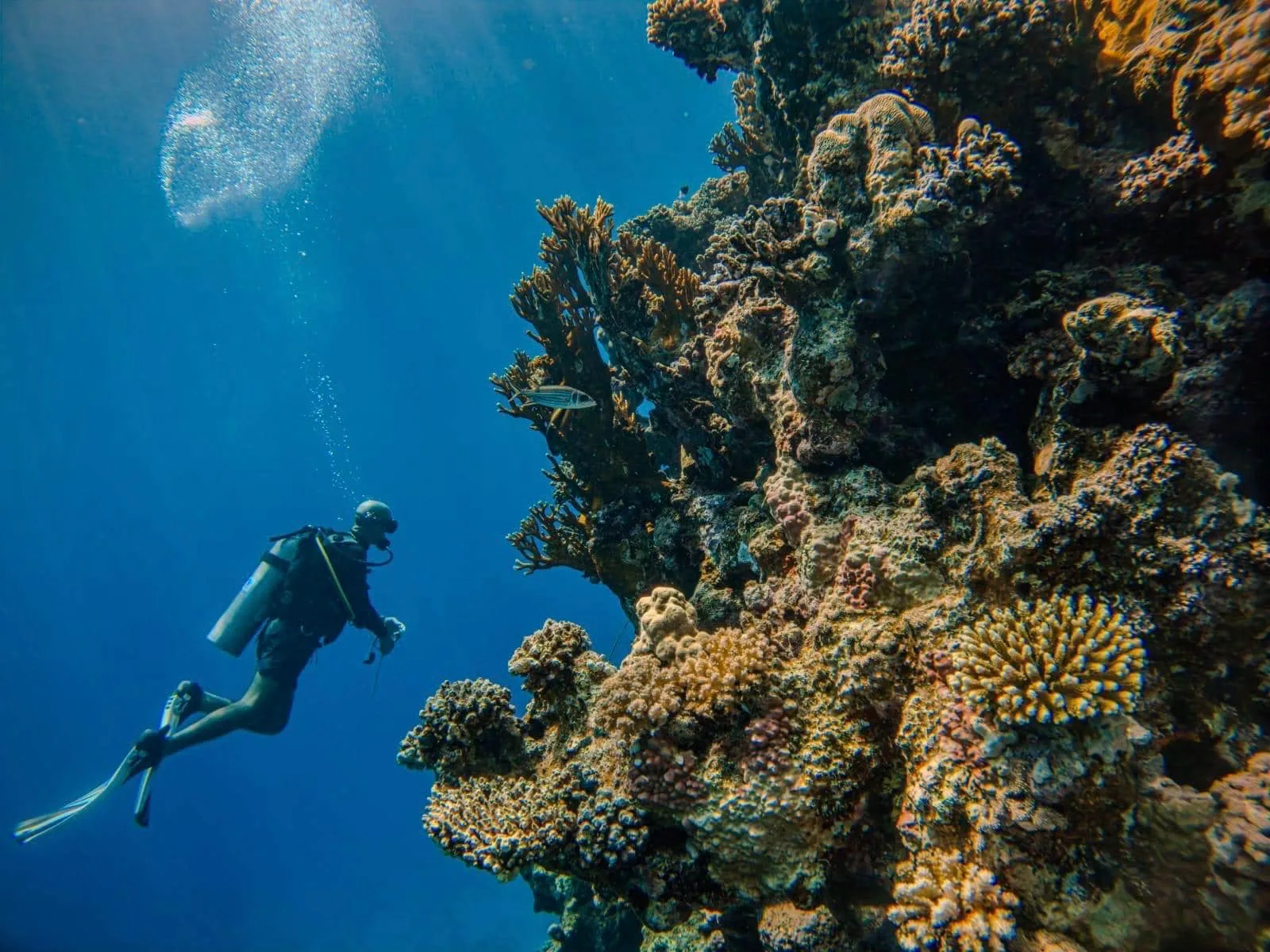
Marsa Mubarak provides a distinctive dive experience within a large, sheltered bay, once designated as a national park. The topography here is defined by two prominent reef systems, one to the north and another to the south, both resting on a sandy floor that gently slopes to a maximum depth of 25 metres. Between these two vibrant reef structures stretches a substantial field of seagrass, making this specific arrangement crucial for the distinctive marine life found within the bay.
Accessing Marsa Mubarak requires a careful approach, often utilizing Zodiacs to minimize disturbance to the delicate seagrass beds that lie at the heart of the bay. Once immersed, the dive often begins by exploring the northern or southern reefs, each presenting its own profile of hard and soft corals teeming with life. As you navigate these formations, bannerfish (Heniochus acuminatus), parrotfish (Scaridae family), and damselfish (Pomacentridae family) are constant companions, darting among the coral heads.
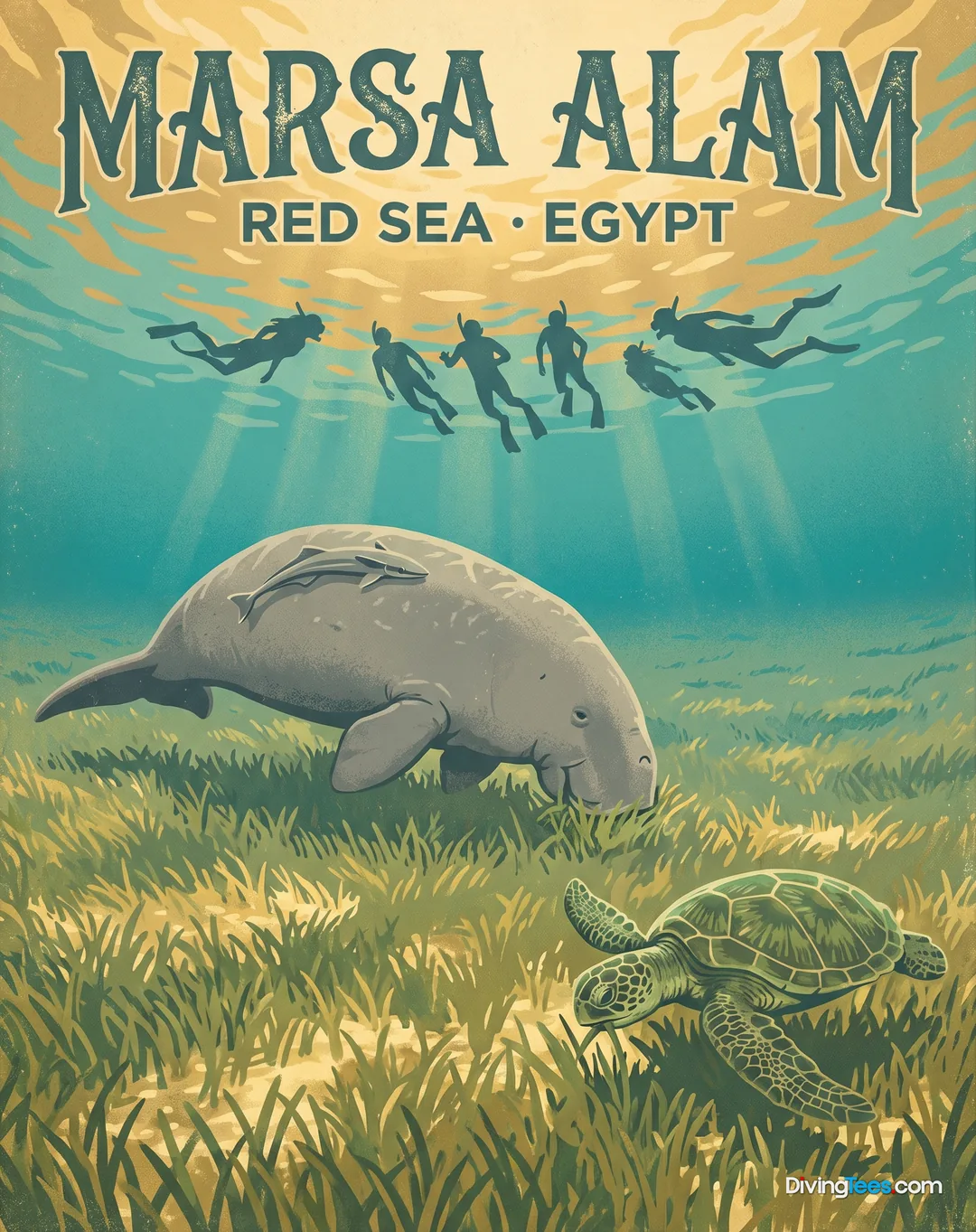
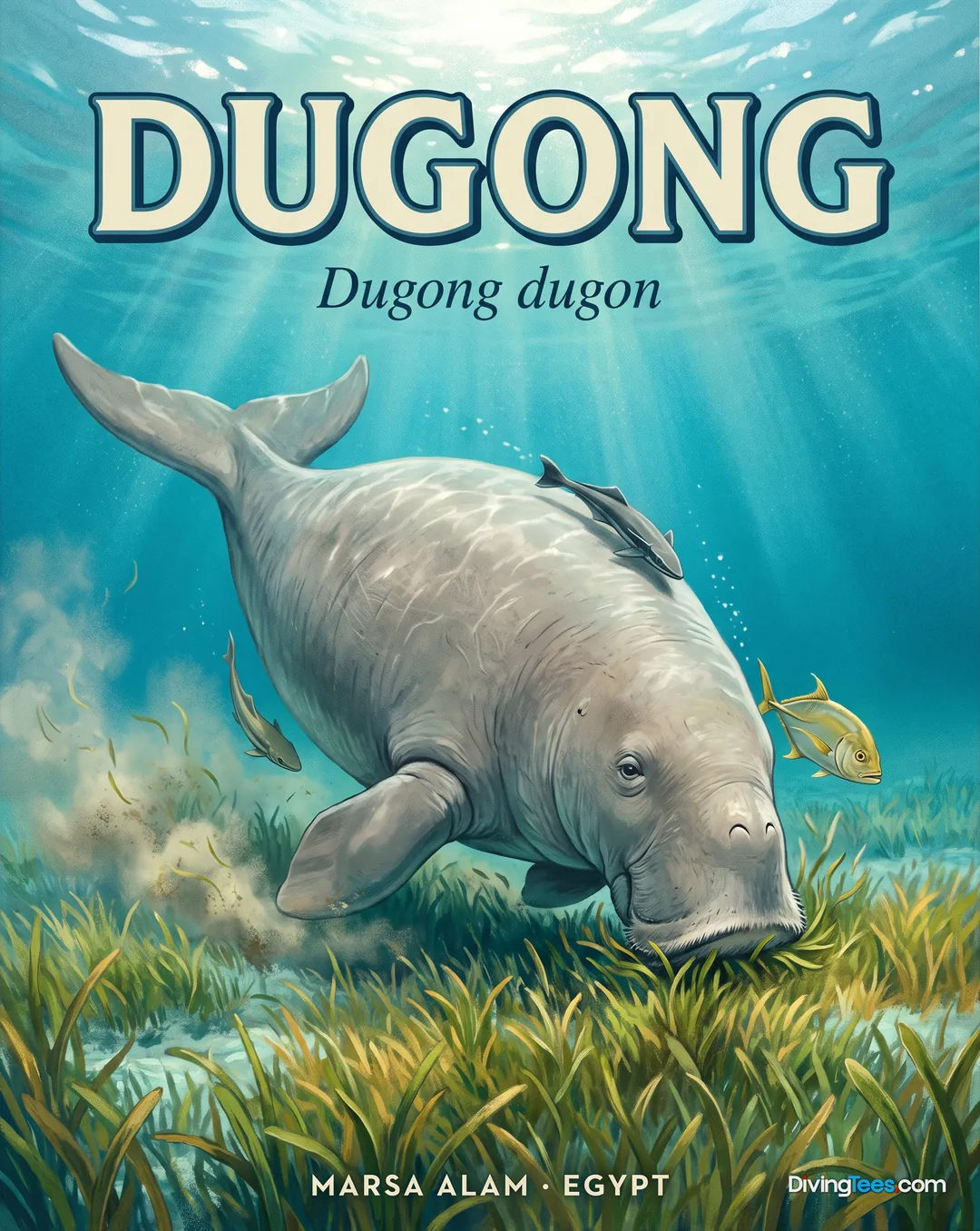
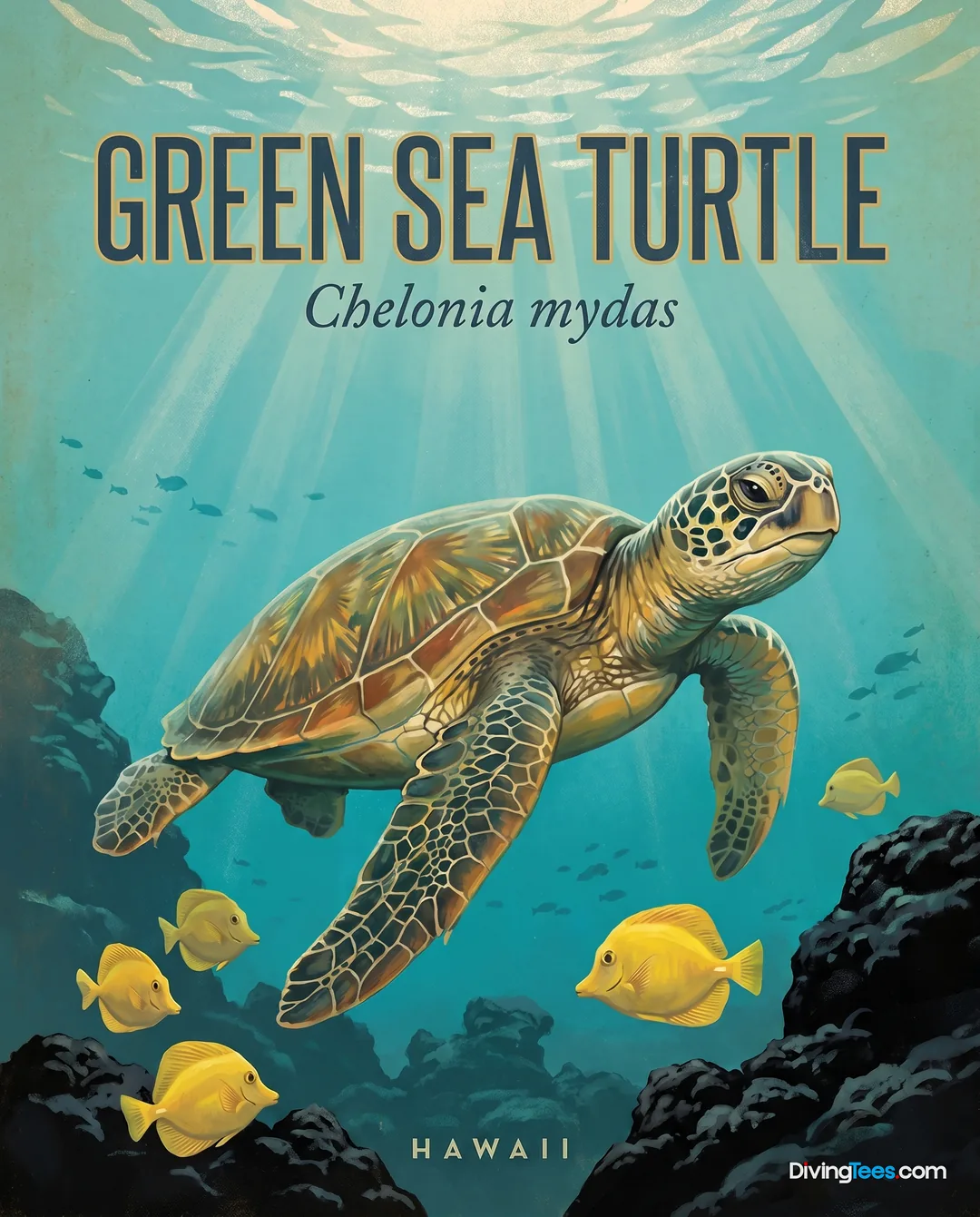
The expansive seagrass meadows are the true gem of Marsa Mubarak, acting as a vital foraging ground for its most celebrated inhabitants. Drifting quietly over these verdant plains, you are almost certain to encounter the majestic dugong (Dugong dugon) peacefully grazing, or come across green turtles (Chelonia mydas) moving gracefully through their underwater garden. This interaction truly sets Marsa Mubarak apart, offering intimate moments with these gentle giants in their natural, protected habitat.
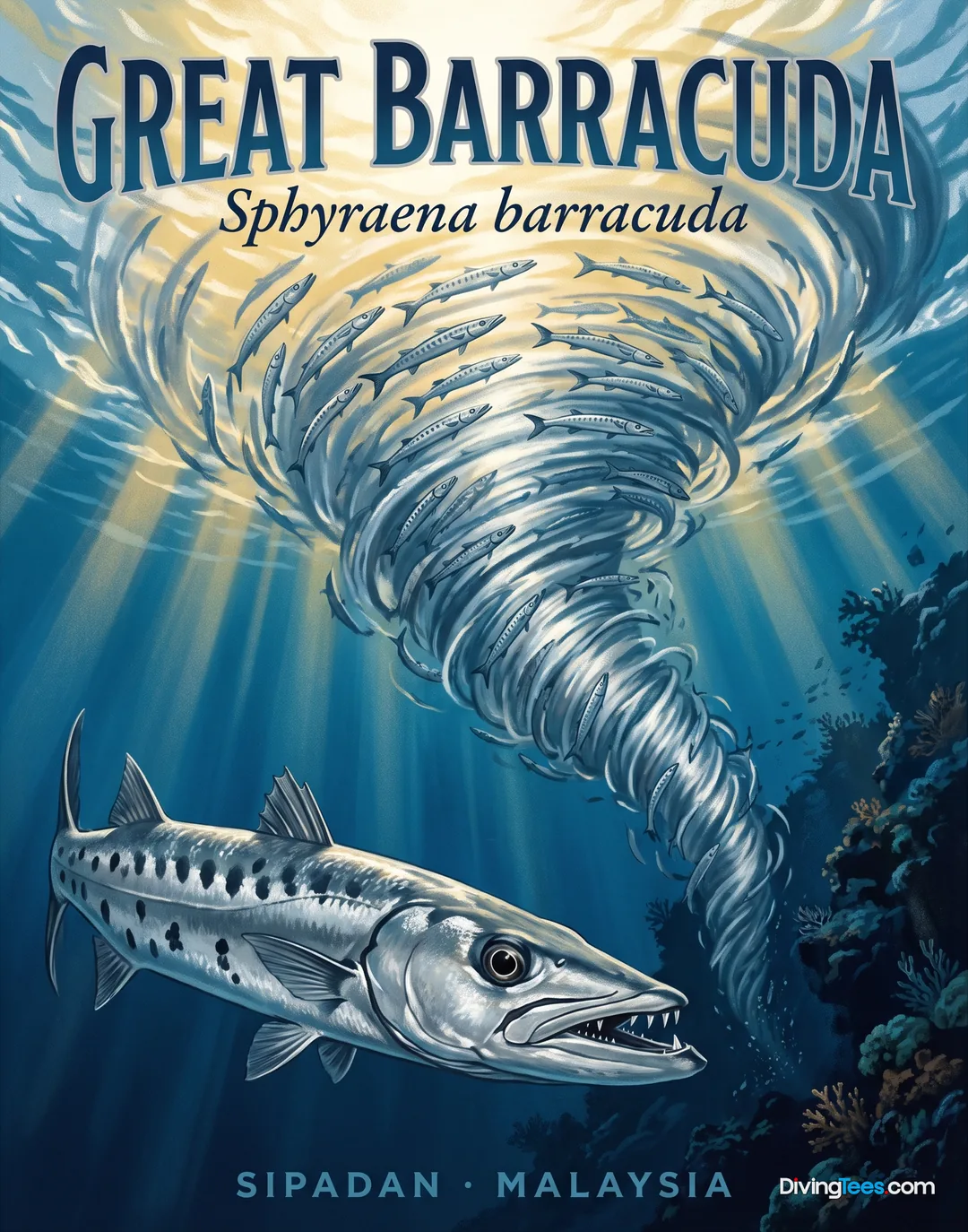
Beyond the confines of the bay, the dive expands into a magnificent coral garden, often explored as a drift dive. This section reveals a different kind of beauty, with intricate coral formations and a greater exposure to open water species. Here, the diversity of marine life broadens, showcasing everything from shy octopuses (Octopus vulgaris) camouflaged against the reef to the striking patterns of scorpionfish (Scorpaenidae family), and the sleek forms of barracudas (Sphyraena barracuda) patrolling the blue.
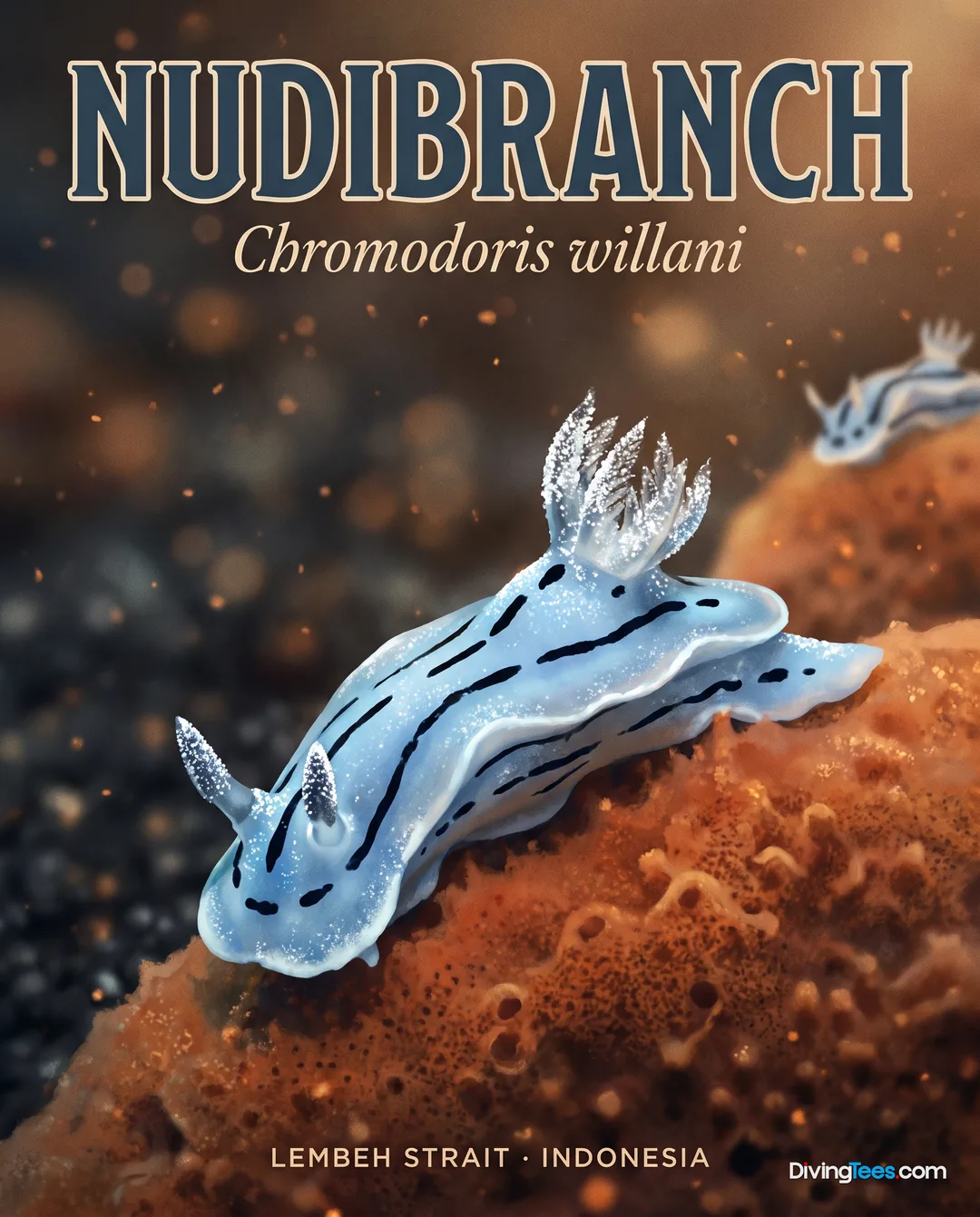
The outer coral garden provides a vibrant contrast to the bay's inner sanctuary, presenting a kaleidoscope of reef dwellers. Among the intricate coral structures, you'll spot delicate nudibranches (Nudibranchia order) in their myriad colours, often overlooked by the casual diver but a delight for those with a keen eye. Clownfish (Amphiprioninae subfamily) tend their anemone homes, their vibrant colours a staple of the Red Sea's rich biodiversity, while turtles (Cheloniidae family) are frequently seen gliding past or resting on ledges.
What makes Marsa Mubarak particularly special is not just the presence of its star attractions, but the reliability with which you can encounter them in a natural setting. The site's status as a former national park highlights its ecological importance, ensuring a healthy environment for its marine residents. This protected status, combined with the site's varied topography from shallow seagrass to deeper coral gardens, caters to different diving interests while maintaining a cohesive and rich underwater experience.
Marsa Mubarak is accessible to divers of all levels, making it an excellent choice for both novices and experienced explorers. Dives here typically range in depth from the surface down to a maximum of 25 metres. Access to the site is primarily via boat excursions from Port Ghalib, with Zodiacs often used for final approach into the bay to protect the fragile seagrass beds.
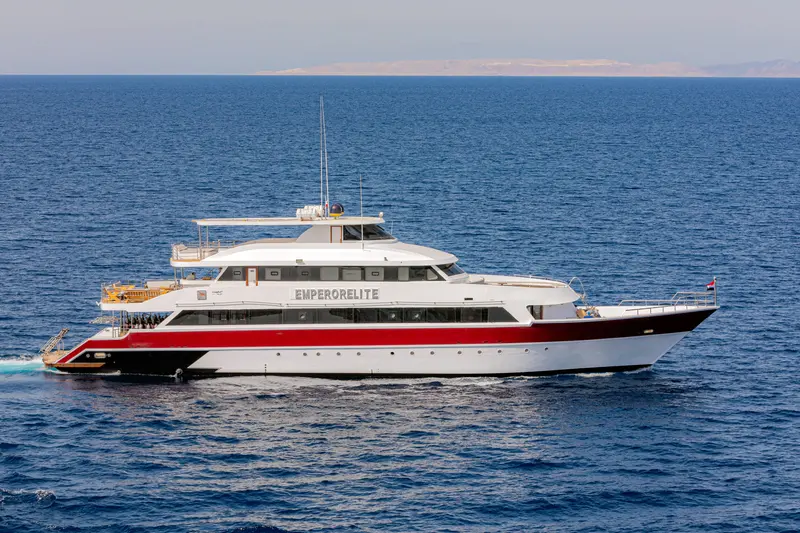
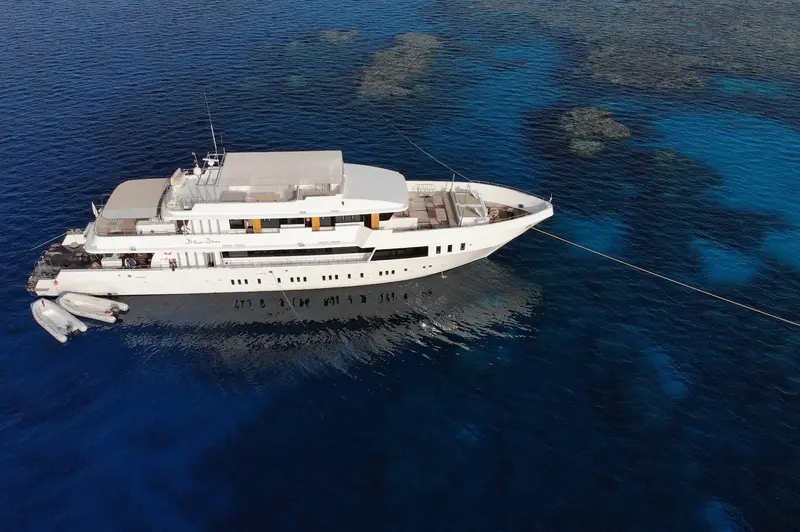
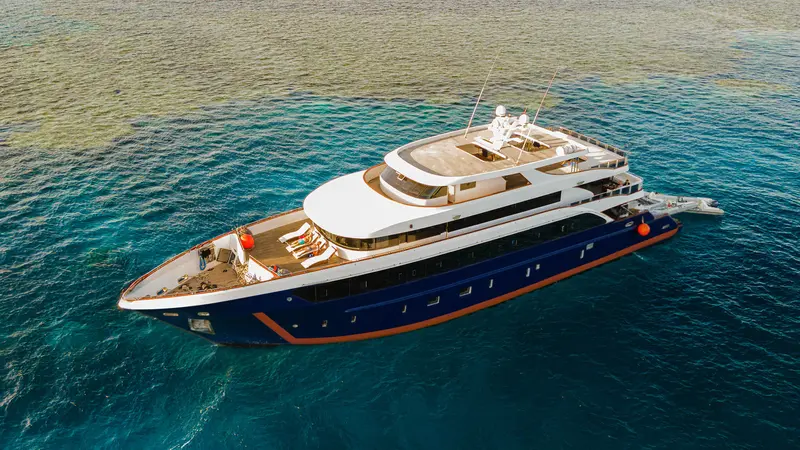
16 liveaboards depart from Marsa Alam another way to explore the region, over several days at sea.
Marsa Mubarak is accessible to divers of all levels, including novices and experienced explorers. Its sheltered bay is calm, with shallow areas that suit extended bottom time. You can explore the northern or southern reef systems, while more experienced divers may enjoy drift diving in the outer coral gardens.
Marsa Mubarak ranges from the surface to a maximum depth of 25 metres. The sandy floor slopes gently between two reef systems, with seagrass meadows occupying the area between them. Shallow sections are suitable for extended bottom time, while the outer coral gardens provide access to deeper reef scenery.
Marsa Mubarak offers a calm bay for divers of all experience levels, while the outer coral gardens provide opportunities for drift diving. Conditions therefore vary by area: the sheltered inner bay supports relaxed exploration, and the exposed outer section offers a different experience as you move over coral formations.
At Marsa Mubarak, you can look for dugongs grazing in seagrass meadows and frequent green turtles. The reefs shelter bannerfish, parrotfish, damselfish, octopuses, barracudas, scorpionfish, nudibranchs, and clownfish among hard and soft corals. The outer coral garden also features turtles, reef structures, and open-water species.