
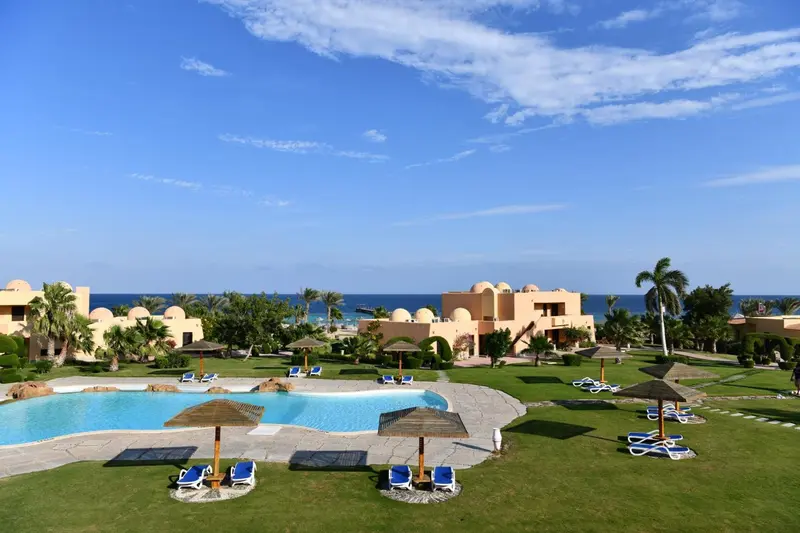
 Dive centre in the hotel
Wadi Lahmy Azur Resort
★★★
Google 4.6/5 (3,172 reviews)
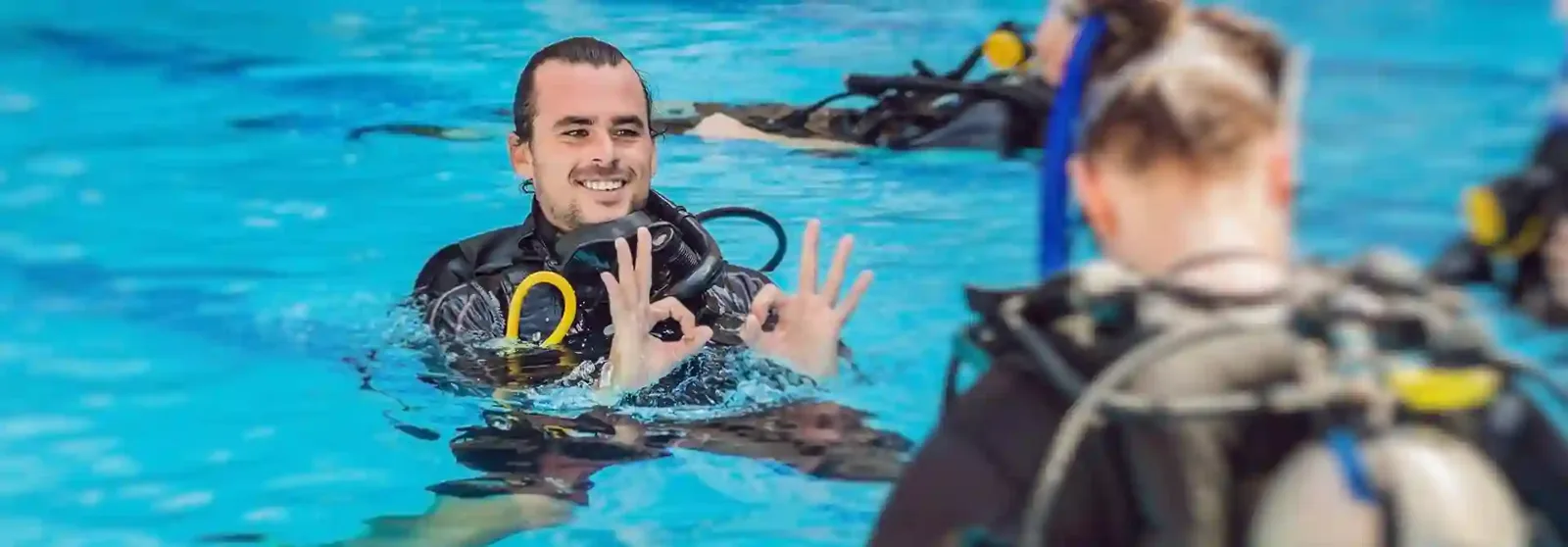
The dive centre
ORCA DIVE CLUB WADI LAHMY AZUR
PADI · SSI · CMAS · NAUI · TDI
Google 4.4/5 (213 reviews)
Egypt · Red Sea
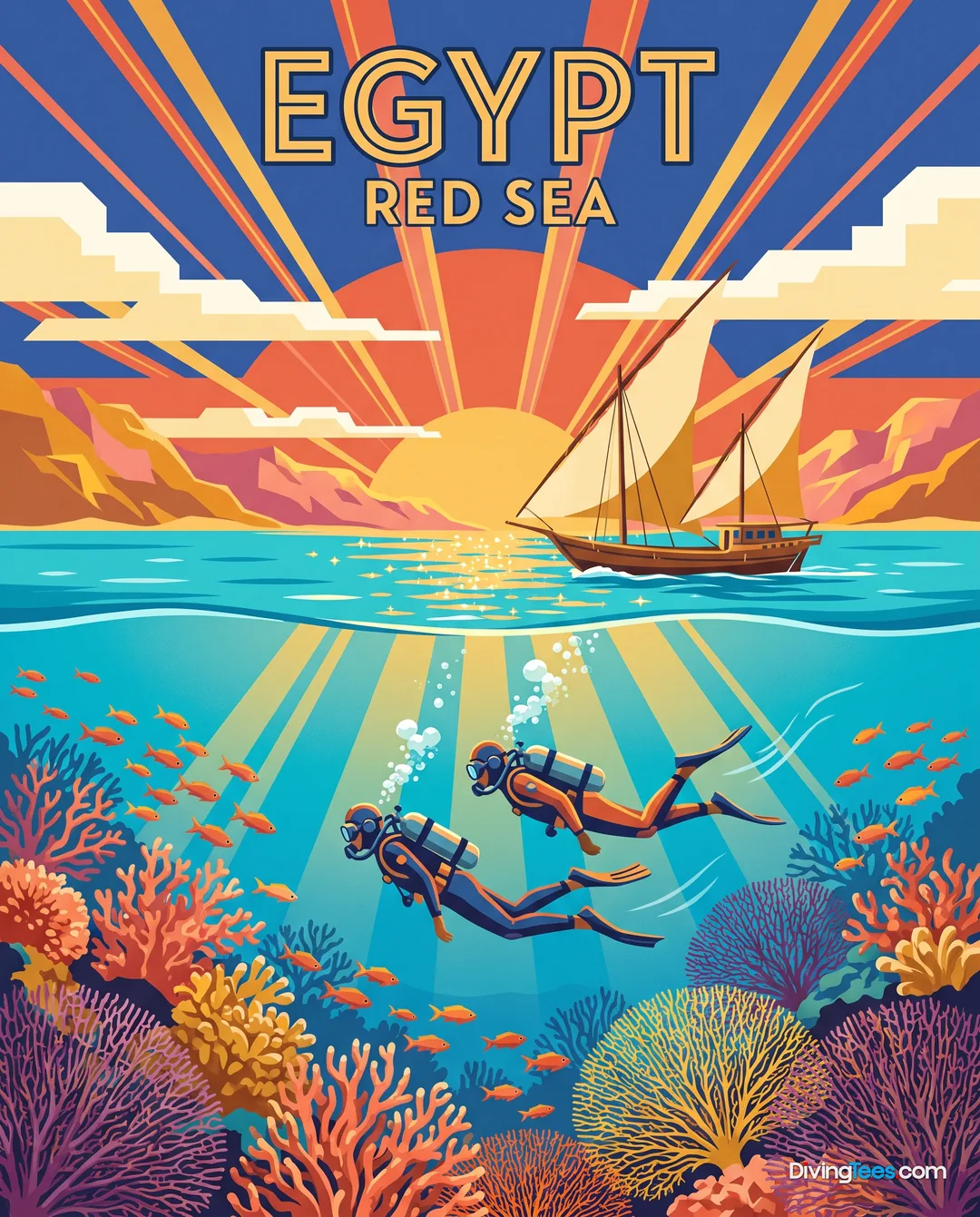
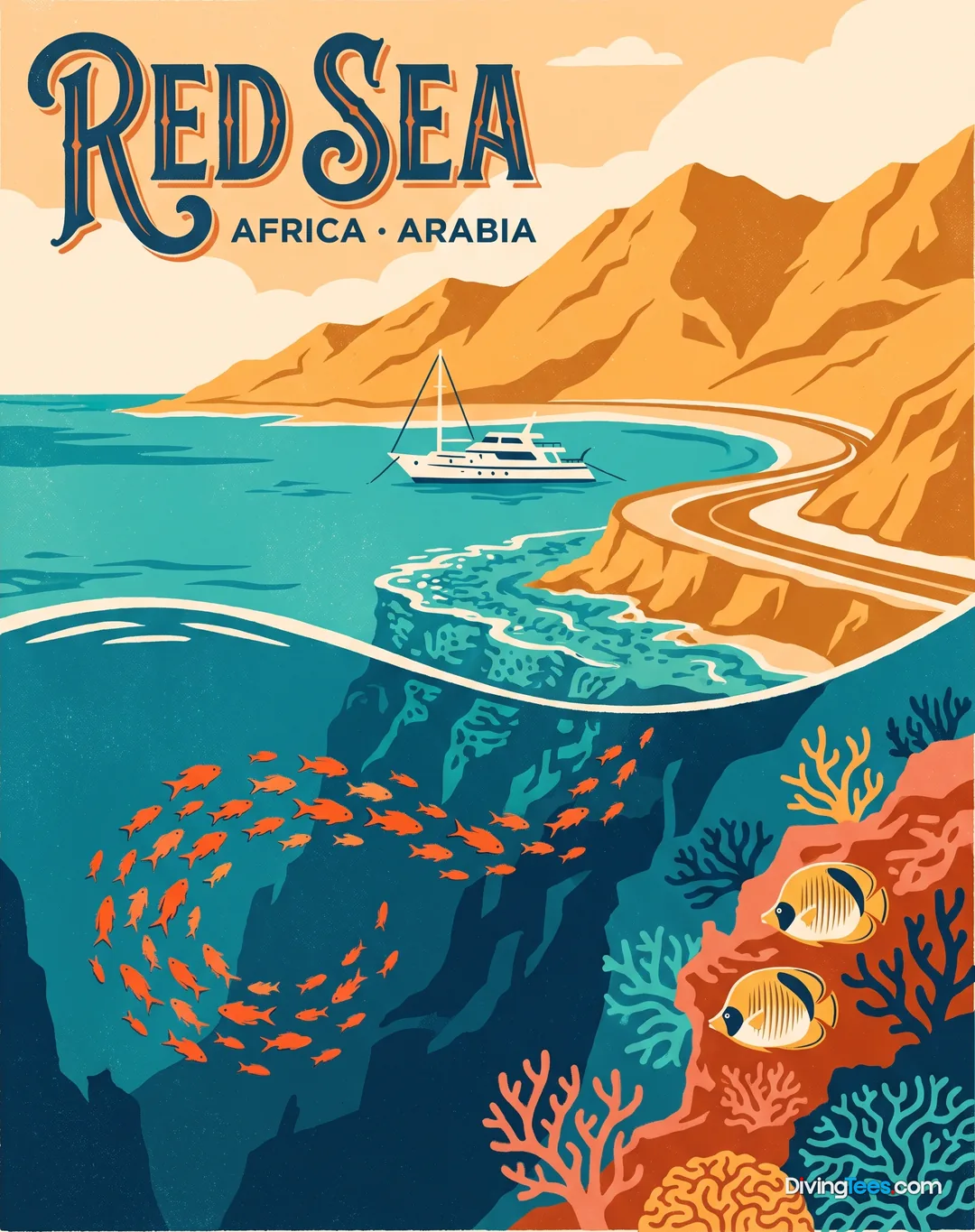
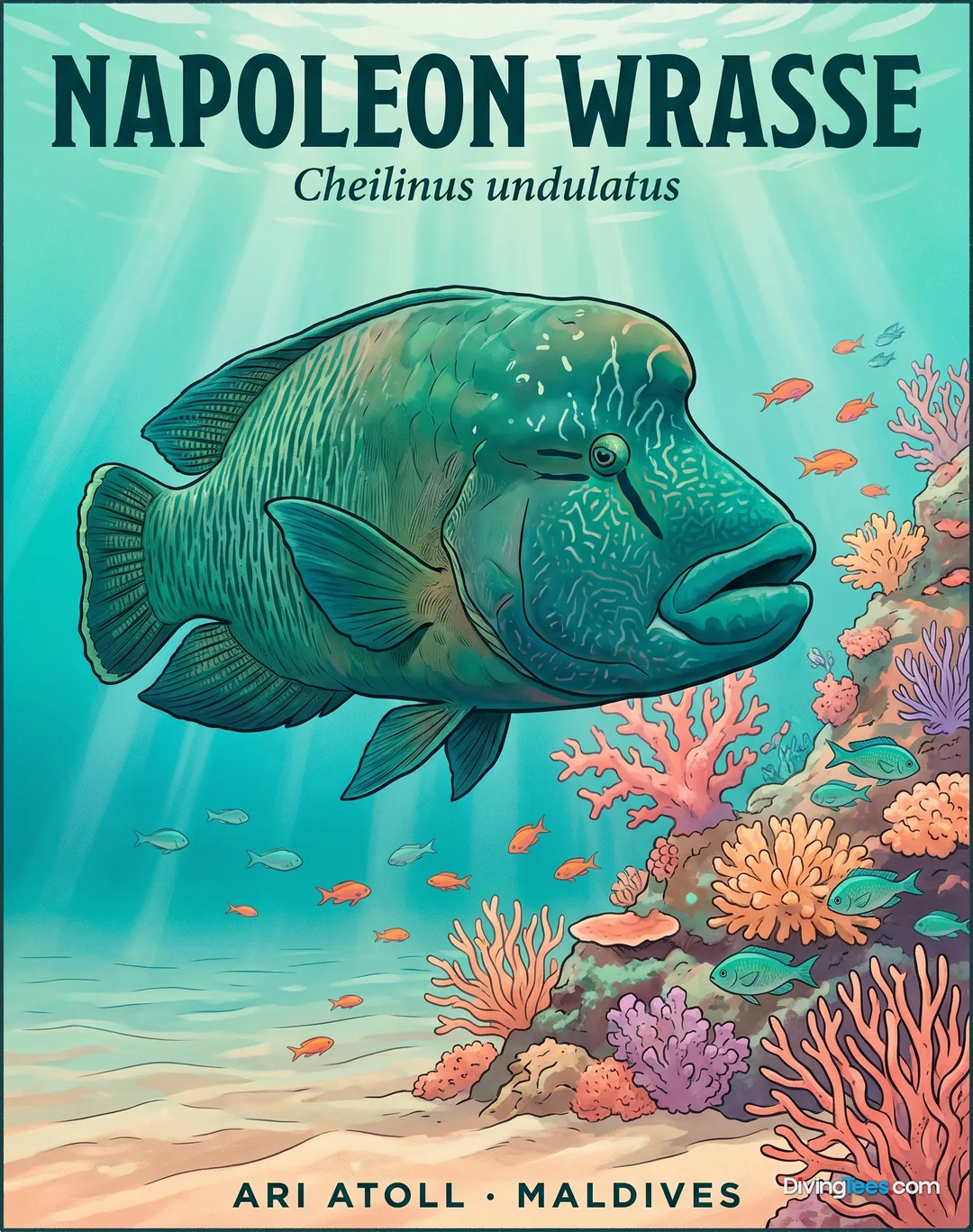
Shallow hard-coral gardens, canyons, swim-throughs and small wrecks lead from Hamata to Fury Shoals, with rays over reefs reaching 24 metres.
For subtitles in English: start the video firstthen click the gearat the top right of the video, select “Subtitles/CC”, then “Auto-translate” and choose “English”.
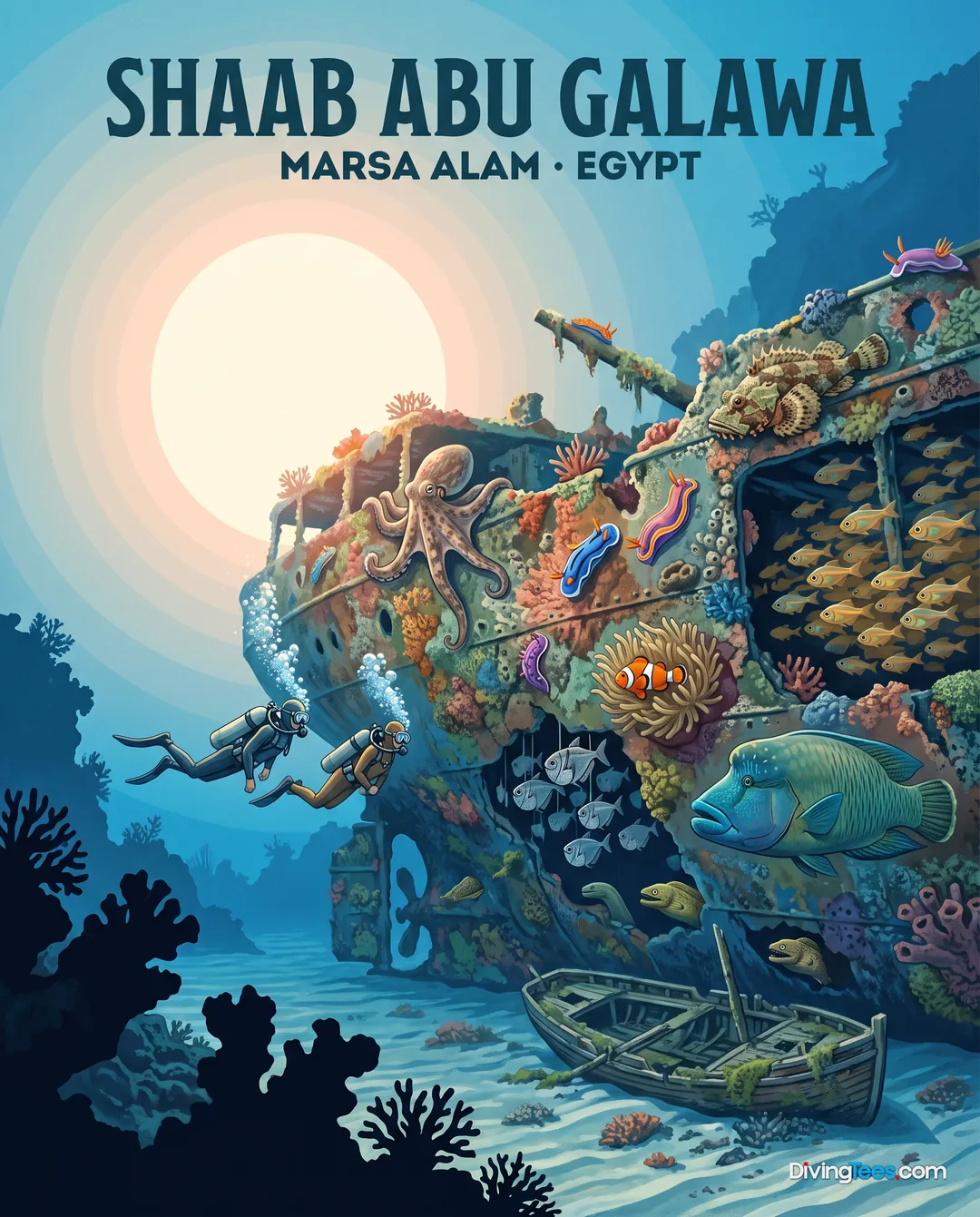
Hamata is a practical southern base for reaching offshore reefs, particularly the Fury Shoals, rather than a resort with a diving operation attached. Days are built around boat departures, long stretches of open water and reefs that remain relatively removed from the busier northern hubs. Underwater, the reward is a mixture of shallow hard-coral gardens, canyons, swim-throughs and occasional wrecks. Abu Galawa Soraya adds a small wreck in accessible depths, while Malahi brings caves and coral-lined passages into the itinerary.
The diving is predominantly by boat, with offshore reefs, drop-offs, shallow coral gardens and reef complexes shaped by channels, caves and swim-throughs. Fury Shoals is the main expression of that character: parts of the reef are shallow and sheltered, while other sections invite divers to follow the contours of a canyon or pass through a coral opening. Currents are variable rather than consistently strong. Abu Galawa Soraya is generally gentle, with depths from six to 24 metres and visibility commonly between 20 and 30 metres, although the channel crossing between the two Abu Galawa reefs can become more demanding. Regional visibility can reach around 25 metres. The result suits a broad range of divers, but the boat routine matters as much as the underwater terrain: this is a day-at-sea destination, not a sequence of effortless shore dives.
Rays are the clearest large-animal attraction in the available Hamata material, and they fit the character of these open reef sites: broad sandy edges, coral slopes and quieter passages give them room to pass. Around the hard corals, divers can expect reef fish moving through the garden rather than a dive based on one guaranteed encounter. Abu Galawa Soraya combines thriving hard corals and fish with its small wreck, while Malahi's caves and canyons create shaded spaces and changes in perspective. Fury Shoals adds the widest mixture of settings, from shallow coral gardens to deeper reef contours and swim-throughs. The appeal is therefore the combination of rays, fish, coral structure and changing light, not a narrowly seasonal wildlife spectacle.
June to August is the measured window for the calmest sea, which matters in Hamata because the principal diving involves boat travel to offshore reefs. Those months are consequently the most straightforward choice for divers who want long days on the water with less concern about a rough crossing. September and October bring the lowest rainfall, a useful alternative for travellers who prefer drier conditions on land. The sensible decision is to match the trip to sea comfort and boat logistics rather than chase a particular animal. A five- to seven-day stay gives enough time for weather and departure patterns to work in the diver's favour.
Hamata is suitable for all certification levels, including BSAC, PADI and SSI divers, provided they are comfortable with boat diving and changing conditions. The shallow, sheltered sections of Fury Shoals and Abu Galawa Soraya can work well for less experienced divers, while variable current and offshore exposure reward sound buoyancy, depth control and calm surface routines. Nitrox is useful for repeated boat dives. A diver does not need to be highly advanced, but should be honest about comfort in open water and about managing a full day away from shore.
From the UK, the journey begins with an international flight from London Heathrow, London Gatwick or Manchester to Egypt, followed by a long road transfer south along the coast to Hamata. There is no indication that Hamata is reached directly by air or ferry; the structural constraint is the combination of flight, overland travel and then boat departures to the reefs. Connections need sensible margins, because the road journey and the diving timetable are linked to the same remote coastal base. Once in Hamata, accommodation is generally arranged around the diving operation and embarkation point. Depending on where the diver is staying, the quay is reached on foot or by a short shuttle rather than through a conventional resort transport network. Light luggage makes the transfers less tiresome.
Hamata works best when the itinerary is built around its southern reefs, not when the diver treats it as a generic beach holiday. The important question before travelling is whether the planned boat programme actually includes Fury Shoals and the protected offshore areas that give the region its character. Keep the transfer day realistic: this is a remote base reached by road after the flight, so avoid creating a tight chain of onward arrangements. Staying close to the embarkation point, or using the short local shuttle, removes much of the daily friction. Pack for repeated boat days and keep luggage manageable. Do not assume that a non-diving companion will find a full resort programme here; the coast and protected desert landscape offer quiet observation and short walks instead. On protected reefs, follow the local rules on anchoring, never touch coral or wildlife, and avoid treating the small wrecks and swim-throughs as places to make contact with the reef.
A typical stay lasts five to seven days and revolves around repeated boat departures, with accommodation in a diving camp or nearby diving-linked lodging. The rhythm is simple: early preparation, a day on the water, equipment care and rest rather than evening entertainment. A cruise is also possible and may be the more coherent format when the aim is to spend most of the trip on distant reefs. Non-divers should expect a peaceful but limited land programme, centred on the coast, Wadi El Gemal and desert surroundings.
Hello, I'm Marina, DivingDeal.com's AI assistant. I guide you through destinations, areas and countries.
Thinking about the whole trip and the flights? Talk it over with Edith →
Marina is an AI. Some links are affiliate links: DivingDeal may earn a commission, at no extra cost to you. Bookings are made with the partner.
In each one, the dive centre is inside the hotel: step out of your room and go diving.
Dive centre in the hotel★★★
Google 4.6/5 (3,172 reviews)
The dive centre
ORCA DIVE CLUB WADI LAHMY AZUR
PADI · SSI · CMAS · NAUI · TDI
Google 4.4/5 (213 reviews)
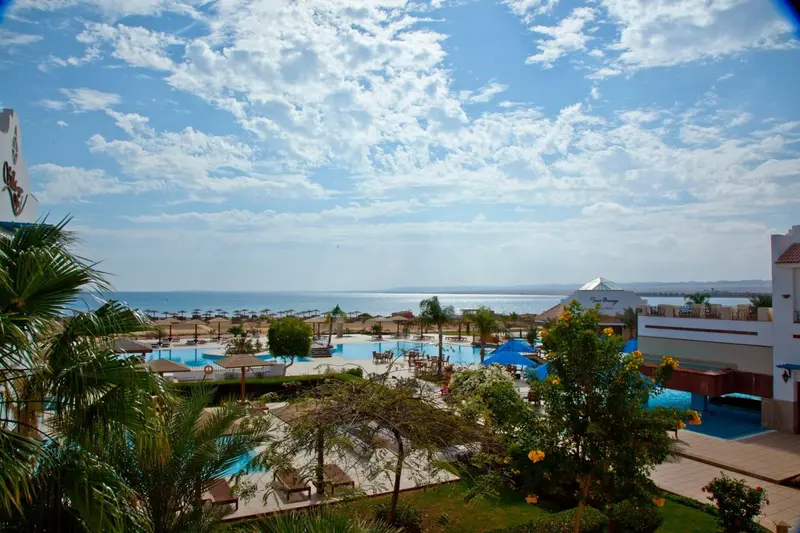 Dive centre in the hotel
★★★★
Google 4.4/5 (901 reviews)

The dive centre
Extra Divers Lahami Bay
SSI
Google 5/5 (9 reviews)
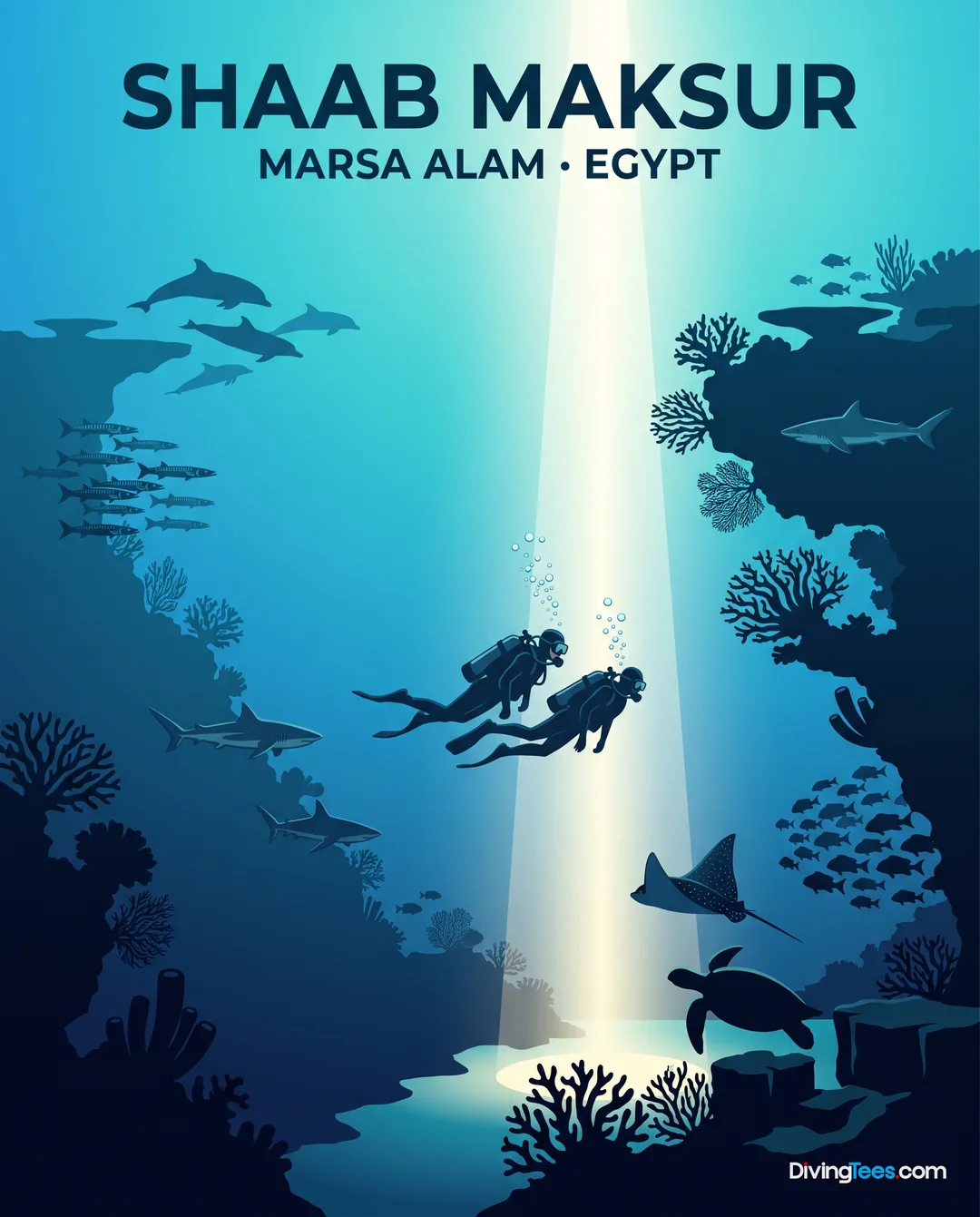
Dives: Sha'ab Claudio, Abu Galawa, Sha'ab Maksur
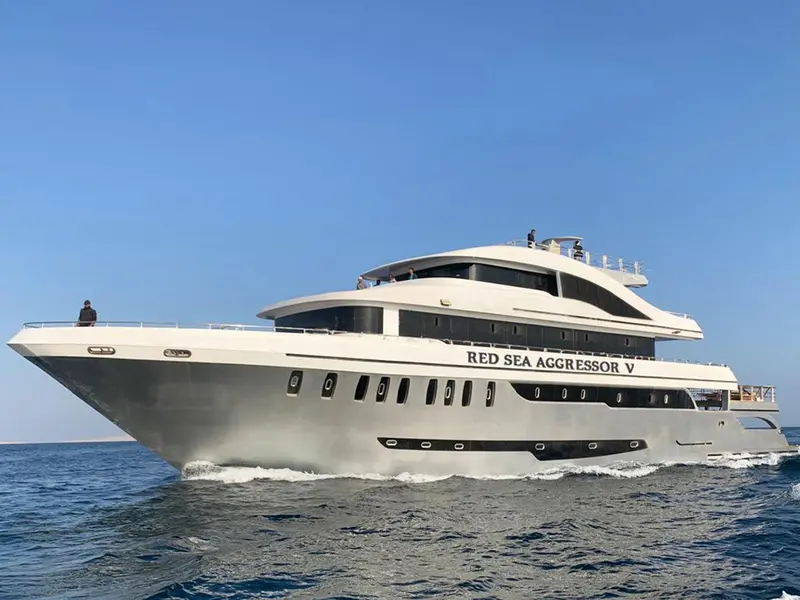
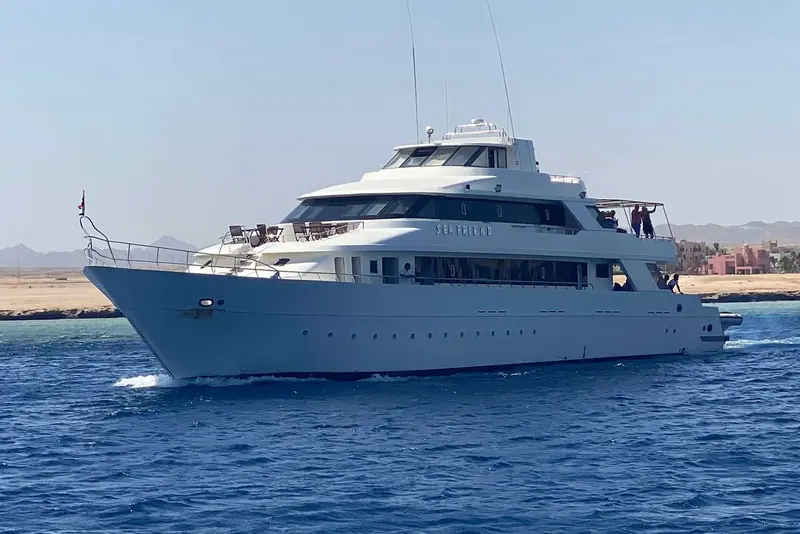
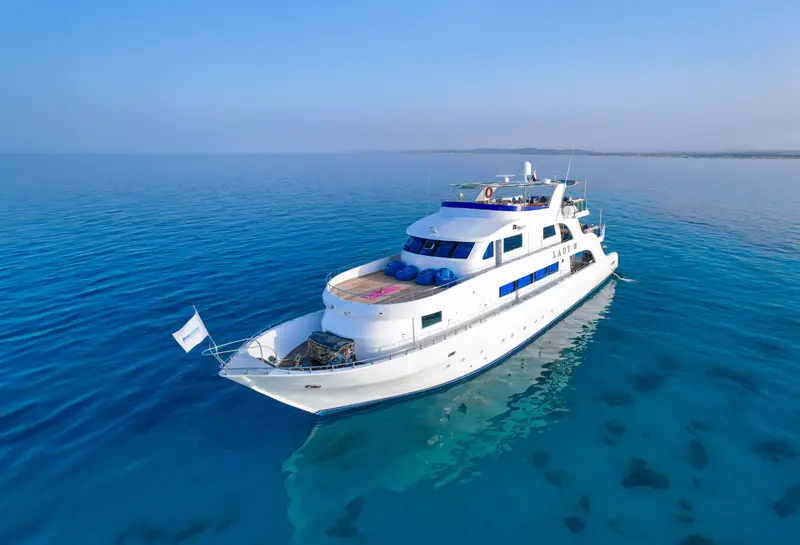
3 liveaboards depart from Hamata another way to explore the region, over several days at sea.
Choose Hamata from June to August if calmer boat conditions are your priority, since diving involves long crossings to offshore reefs. September and October offer the lightest rainfall, which may suit you if dry land conditions matter more. Match your timing to sea comfort and boat logistics rather than a particular animal encounter.
Hamata suits divers of all certification levels, including BSAC, PADI and SSI divers, if you are comfortable with boat diving and changing conditions. Sheltered, shallow areas at Fury Shoals and Abu Galawa Soraya can suit less experienced divers, while variable currents and offshore exposure require buoyancy, depth control and calm surface routines.
In Hamata, you can explore shallow hard-coral gardens, canyons, caves, swim-throughs, drop-offs and small wrecks. Fury Shoals offers varied reef settings, Abu Galawa Soraya combines hard corals and fish with a small wreck, and Malahi adds coral-lined passages. Rays may pass over sandy edges, coral slopes and quieter reef sections.
Plan Hamata around repeated boat departures to southern reefs, with accommodation in a diving camp or nearby diving-linked lodging. From the UK, expect an international flight, a long road transfer south, and then boat travel. Keep transfer connections realistic, stay near the embarkation point when possible, pack light, and allow time for a full day at sea.