
Dive Club diving center
Google 4.9/5 (2,496 reviews)
Egypt · Red Sea
A shore-accessible house reef, sheltered bays, Elphinstone’s exposed walls and possible oceanic whitetip sharks make Port Ghalib more than a departure point.
For subtitles in English: start the video firstthen click the gearat the top right of the video, select “Subtitles/CC”, then “Auto-translate” and choose “English”.
Port Ghalib works both as a straightforward diving holiday and as a launch point for the southern Red Sea. The house reef, reached from the beach or a jetty, gives you a useful shore-based option alongside sheltered bays, daily boat trips and the more exposed walls of Elphinstone. Stay here for flexible local diving, or use the marina as the starting point for a liveaboard itinerary to Daedalus, Fury Shoal or Saint John’s.
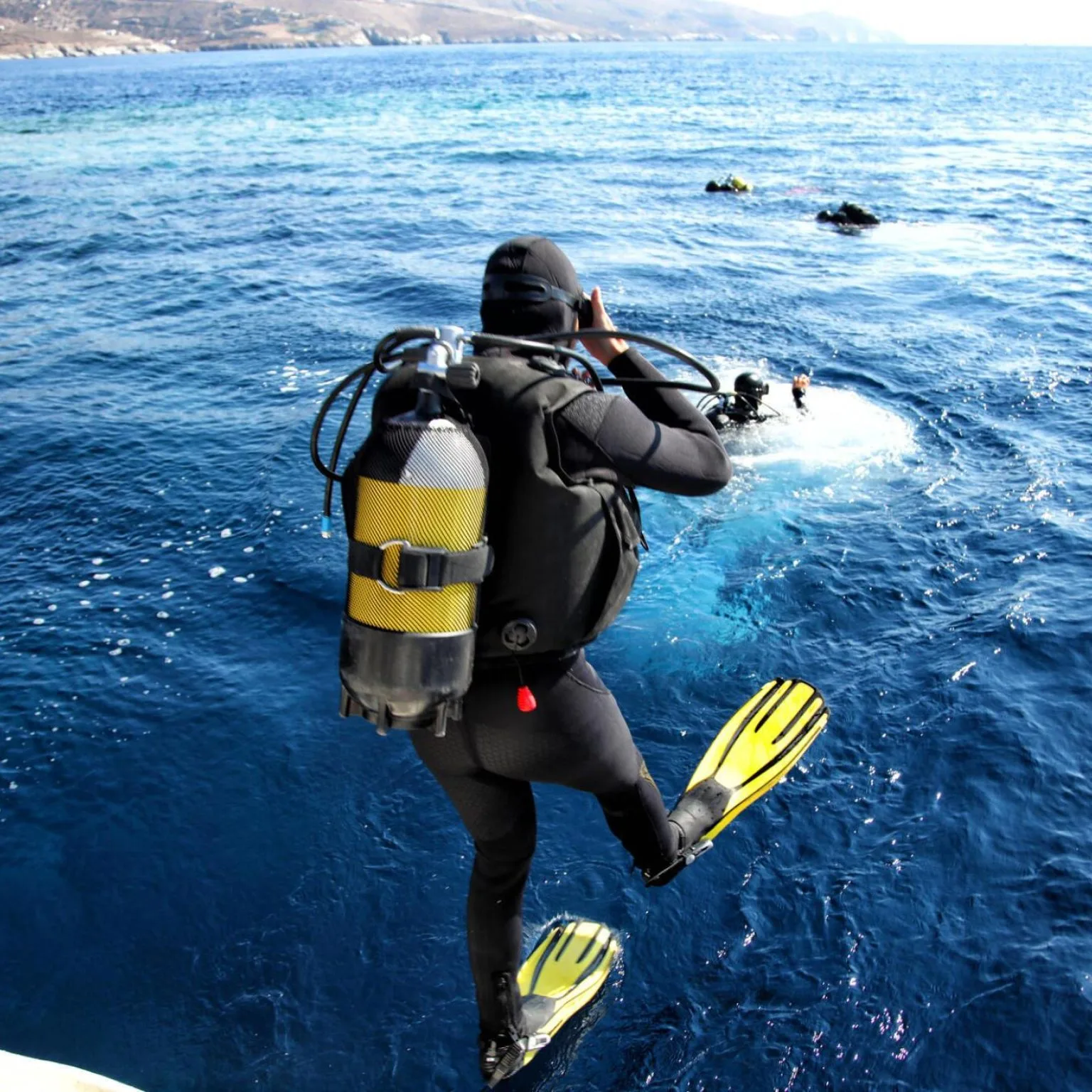
Underwater, Port Ghalib moves from easy shore entries and sheltered bays to exposed offshore walls. The house reef is the practical centrepiece: a beach or jetty entry lets you make a check dive, a relaxed afternoon dive or a shore dive when boats are full or weather changes the plan. Local sites can have little or no current, while exposed reefs and Elphinstone bring variable flow and the possibility of a genuine drift dive. The water is generally clear, with good visibility described across the area, although conditions are not identical on every outing. Daily boats reach nearby and farther reefs, and the choice between a fast boat and a full-day boat affects both travel time and time on the reef. Port Ghalib also serves as a sensible jumping-off point for longer liveaboard trips.
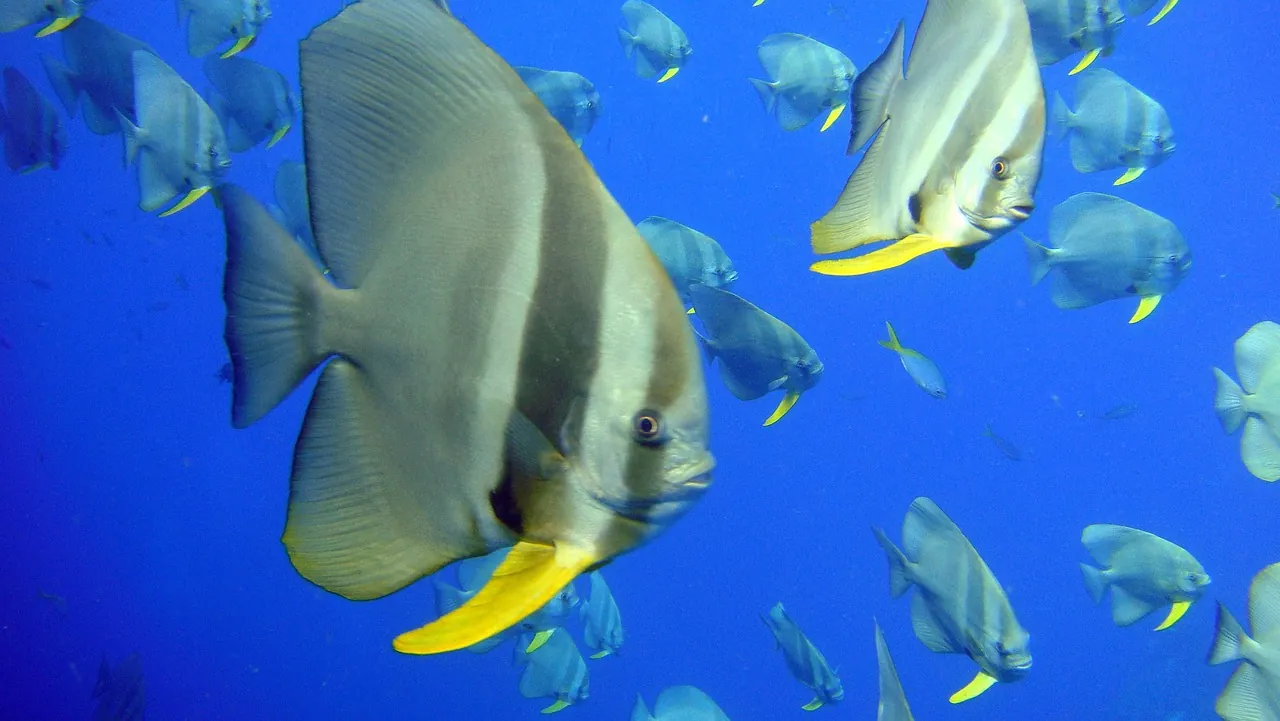
Sea turtles are a regular possibility around the coastal reefs, which is one reason the sheltered bays work well for both divers and snorkellers. Dolphins are occasional, and encounters depend on conditions and the day’s route rather than on a fixed timetable. Elphinstone adds the pelagic appeal: oceanic whitetip sharks may appear, while hammerheads are rare possibilities rather than a dependable feature of every trip. The strongest chance of lively pelagic activity is generally associated with spring, early summer and autumn, when sea conditions are also commonly favoured. That should not be read as a guarantee. A shark encounter at Elphinstone remains a fortunate meeting, and the right response is to build some flexibility into the programme rather than judge the destination by a single animal.
Port Ghalib can be dived throughout the year. March to June and September to November are the most sought-after periods because they commonly combine manageable sea conditions with the possibility of more pelagic activity. Autumn is particularly useful for a mixed itinerary of house-reef dives, boat days and an Elphinstone attempt. Winter can mean quieter sites, but the conditions feel cooler and may be less attractive if the priority is a run of offshore outings. There is no rainy season or monsoon pattern shaping the diving here, so the choice is mainly between comfort, demand and the sort of boat programme you want.
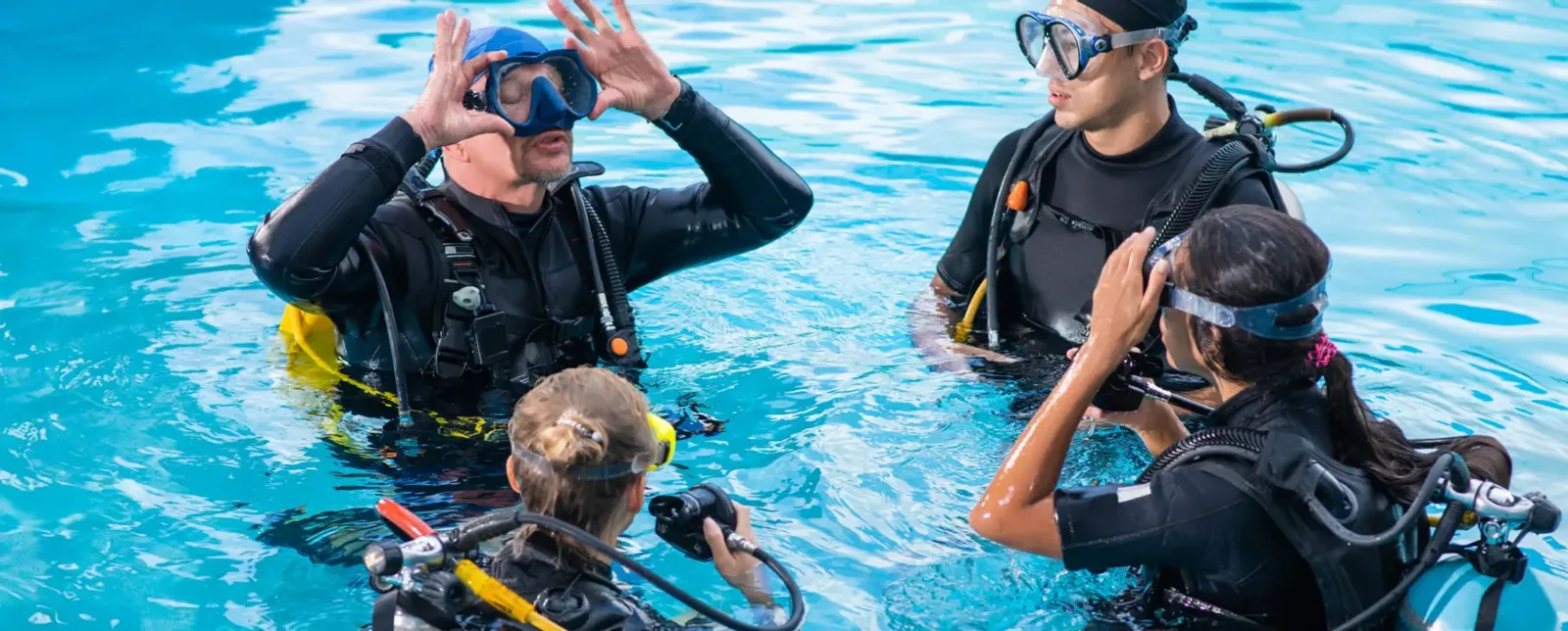
Beginners have sensible starting points in the house reef, sandy entries and protected bays, with room for training and confidence-building before moving offshore. Experienced divers can use the same base for current-affected walls and Elphinstone. Advanced Open Water is useful for deeper sites and exposed drop-offs, while Nitrox suits days built around repeated boat dives. Ask about the level required for each offshore trip rather than assuming that a general holiday package makes every site suitable for every diver.
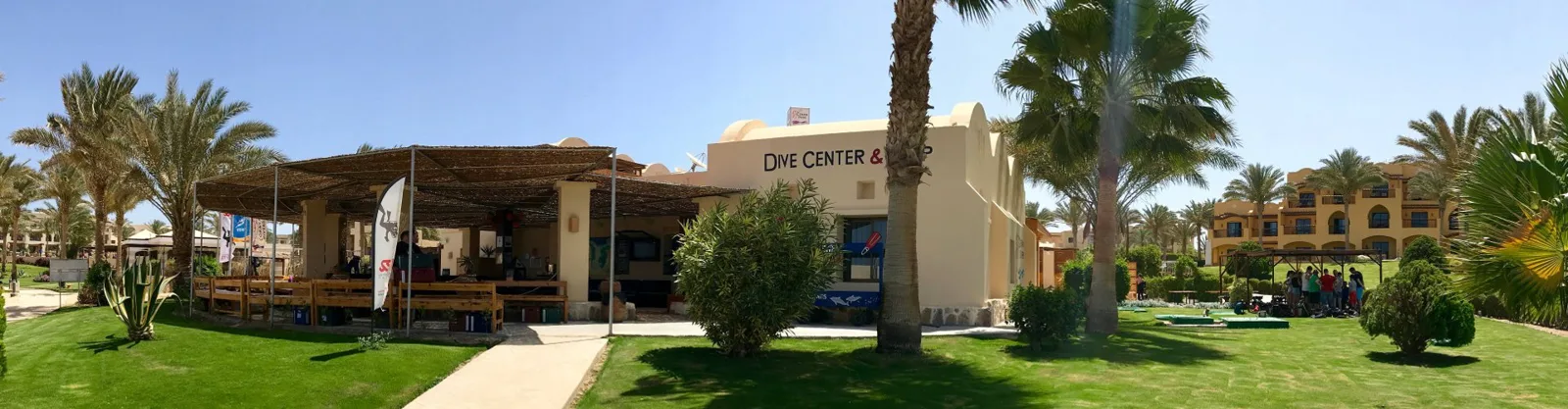
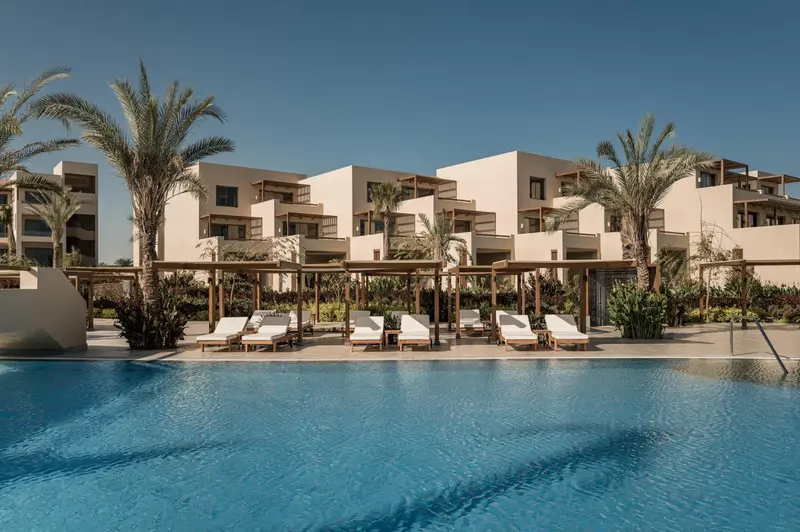
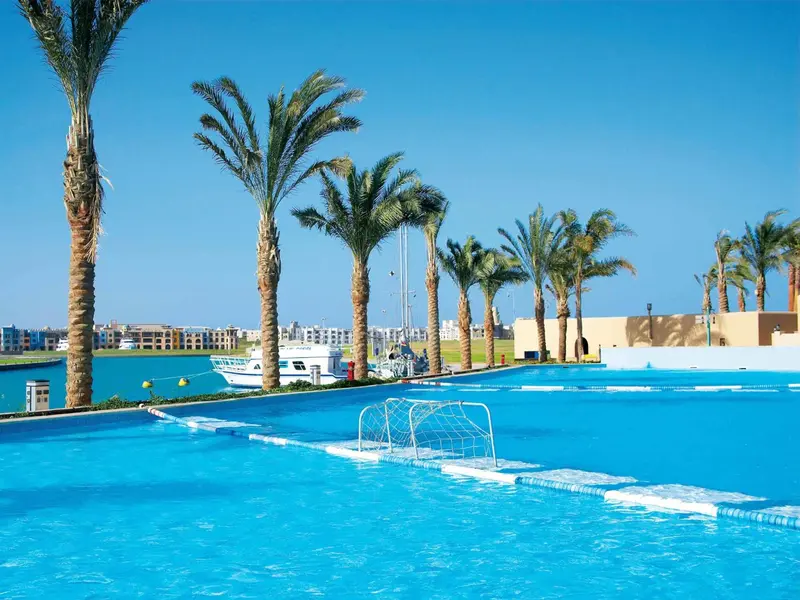
From London Heathrow or Gatwick, or from Manchester, reach Marsa Alam International Airport on a seasonal direct service when one operates from your departure market, or travel via Cairo. Check the current flight programme before fixing the rest of the itinerary, as European links change with the season. No ferry is needed: from the airport, Port Ghalib and its marina are reached by road. Airport transfers are arranged through the marina, accommodation or booked operator, with the exact arrangement depending on where you stay. Once in the marina, several diving facilities and waterfront accommodation are within walking distance. Resorts farther away generally rely on a shuttle or road transfer, so confirm that connection when booking rather than assuming the marina is immediately outside your room.
Keep the house reef in the plan, not merely as a spare option. It is the useful place for a first dive after travelling, and it protects the holiday when a boat is full, cancelled or redirected. For Elphinstone, check the experience requirement and reserve the day ahead, particularly in busy periods. Ask whether the trip uses a fast boat or a full-day boat, because the boat changes the time available at the reef and the feel of the outing. Do not build the whole trip around an oceanic whitetip shark, and do not mistake a catalogue of southern itineraries for local diving from Port Ghalib. If you add a liveaboard to a hotel stay, leave proper margin between the final day at sea and the flight home. Groups with beginners should use the protected bays while stronger divers tackle exposed walls, rather than forcing everyone onto the same profile.
A week to ten days gives Port Ghalib room to show its different sides. Use the house reef and nearby bays for flexible shore diving, then set aside several days for boat trips, including Elphinstone if conditions and experience fit. A longer liveaboard makes sense when the aim is Daedalus, Fury Shoal, Saint John’s or other distant reefs, not simply more local dives. Non-divers have the marina and corniche, desert excursions, bay trips and snorkelling, with a rest day useful before flying home.
Hello, I'm Marina, DivingDeal.com's AI assistant. I guide you through destinations, areas and countries.
Thinking about the whole trip and the flights? Talk it over with Edith →
Marina is an AI. Some links are affiliate links: DivingDeal may earn a commission, at no extra cost to you. Bookings are made with the partner.
Port Ghalib can be dived throughout the year. March to June and September to November commonly offer manageable sea conditions and the possibility of more pelagic activity. Autumn suits a mixed itinerary of house-reef dives, boat trips and an Elphinstone attempt. Winter may bring quieter sites but cooler conditions.
Port Ghalib suits beginners at the house reef, sandy entries and protected bays, where you can train and build confidence. Experienced divers can explore current-affected walls and Elphinstone. Advanced Open Water is useful for deeper sites and exposed drop-offs, while you should check the experience requirement for each offshore trip.
Port Ghalib offers clear water, coastal reefs and sheltered bays where sea turtles are a regular possibility. Dolphins appear occasionally. Elphinstone provides exposed walls, variable current and possible oceanic whitetip shark encounters, while hammerheads are rare possibilities. Local diving also ranges from easy shore entries to drift dives.
Keep the house reef in your plan for a check dive or when boats are full, cancelled or redirected. Combine shore diving with boat trips and reserve an Elphinstone day ahead after checking the experience requirement. Ask whether trips use a fast boat or full-day boat, and leave margin before flying home after a liveaboard.