

Red Sea Secret Diving
Google 4.9/5 (9 reviews)
Sudan · Red Sea
SS Umbria’s wartime cargo holds, Sha'ab Rumi South’s deeper wall, manta ray and great barracuda encounters define Port Sudan’s boat-led diving.
For subtitles in English: start the video firstthen click the gearat the top right of the video, select “Subtitles/CC”, then “Auto-translate” and choose “English”.
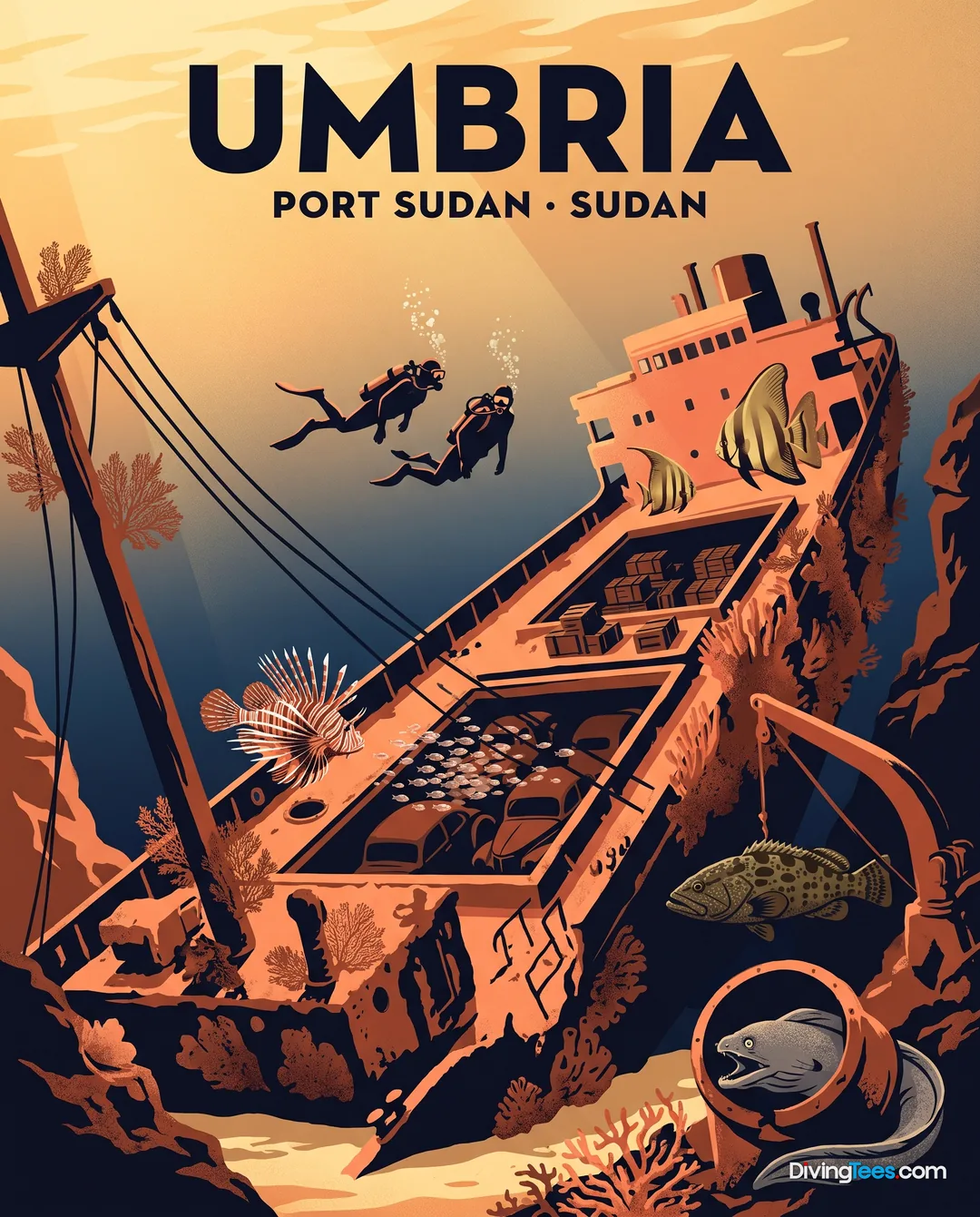
The SS Umbria lies on its port side beside Wingate Reef, with its bow reaching 38 metres and its wartime cargo still in the holds. That wreck is only part of Port Sudan’s appeal: the main business is boat diving around offshore reefs, islands and protected marine habitat. This is a remote, diving-led destination rather than a resort with easy shore entries, and it suits experienced travellers who would rather spend their time on the water than in a busy holiday town.
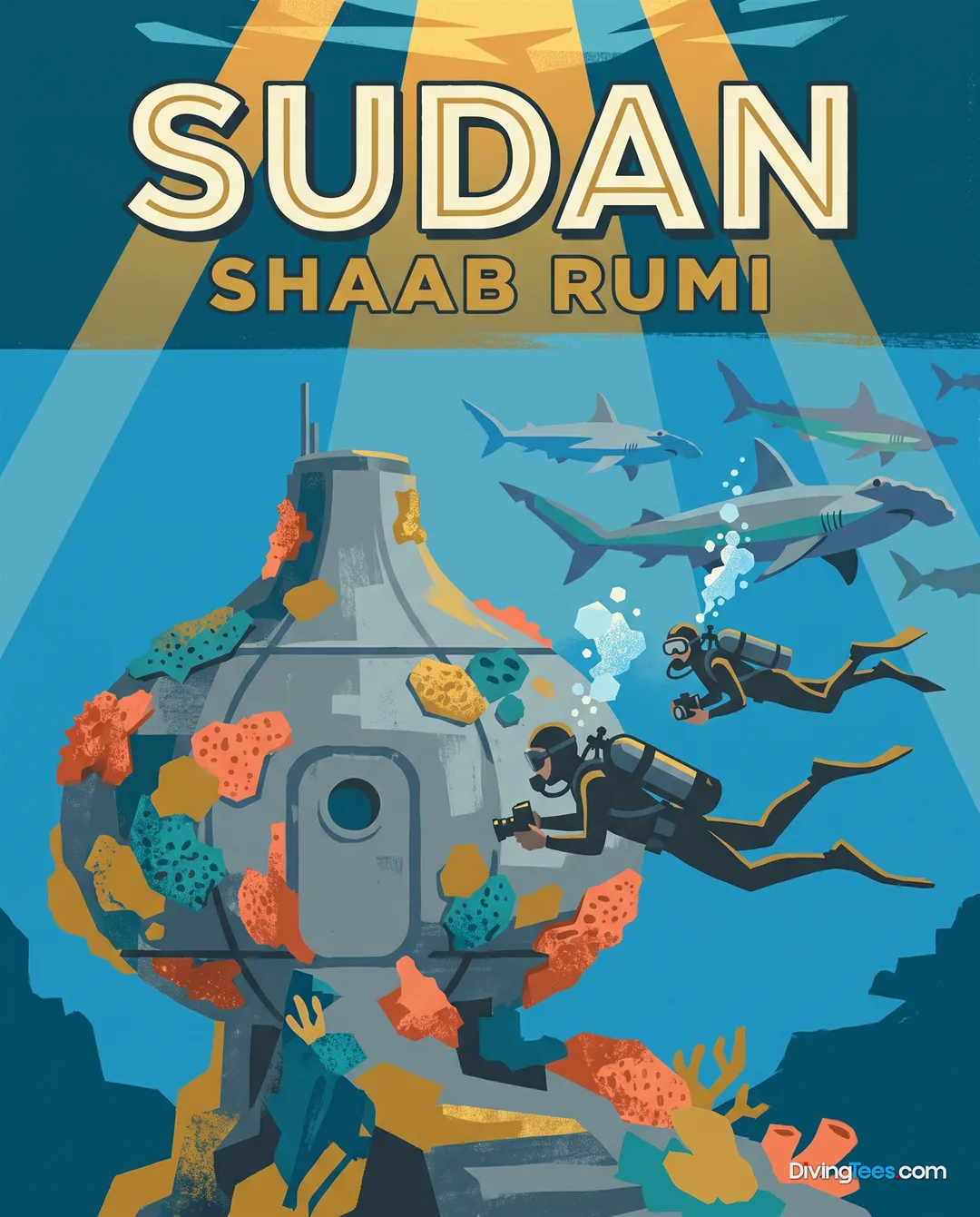
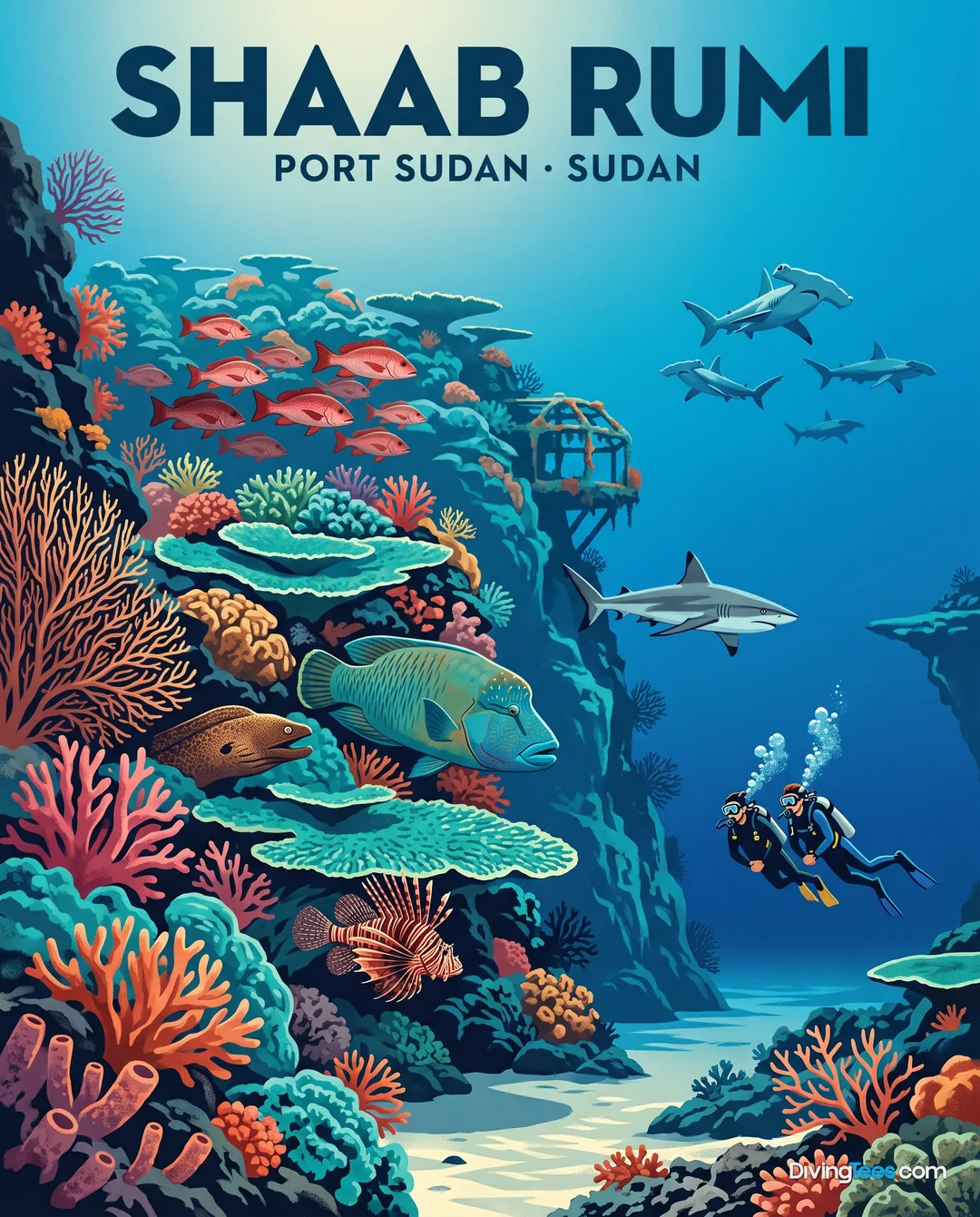
Port Sudan is built around boat dives, with offshore reefs and island sites spread beyond the harbour rather than gathered along an accessible beach. Sha'ab Rumi South shows the character of the area clearly: a reef crest begins around 10 metres, slopes towards a wall reaching 30 metres, and exposed points can carry a moderate current. Drift-diving experience is useful there, particularly when the current brings pelagic life close to the reef. Visibility at this site is commonly 15 to 40 metres, although conditions remain variable across the destination. The SS Umbria offers a different sort of immersion, from shallow external sections at 5 metres to deeper areas at 38 metres, with interior exploration possible for suitably trained divers. Nitrox is useful on repetitive boat days, while an Advanced qualification helps with deeper profiles and current-affected sites.
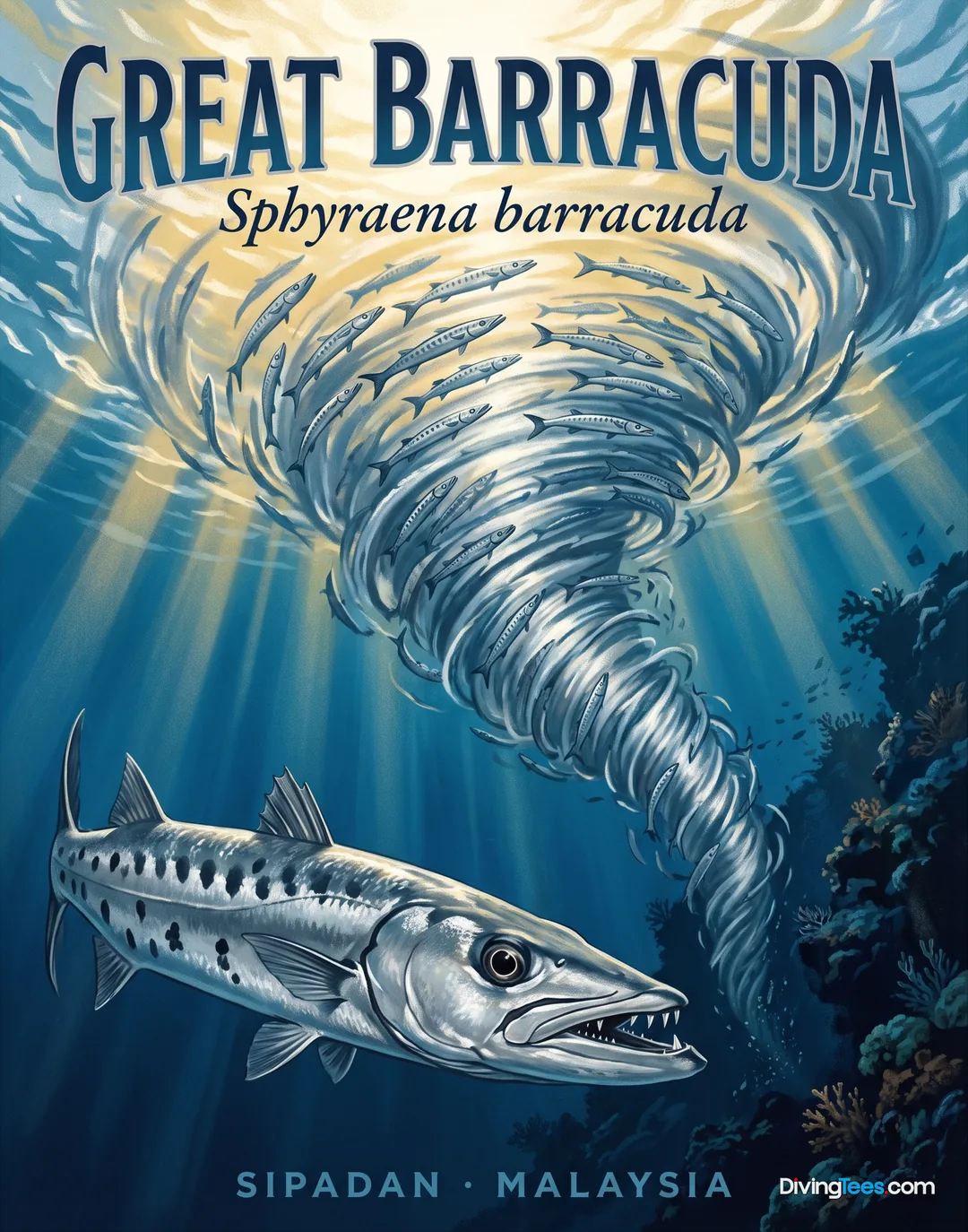
The offshore reefs bring the sort of encounters that reward time spent looking into blue water as well as along the reef face. Manta ray, great barracuda, sweetlips and parrotfish are all part of the local picture. At Sha'ab Rumi South, the deeper wall and exposed southern point are where current and pelagic movement matter most; the diver may spend less time hovering over small coral detail and more time holding position while scanning the water. On the SS Umbria, attention shifts to the wreck itself: its sloping hull, cargo holds and structural spaces create a very different setting for observing reef life. May to November is the more practical period for arranging these offshore encounters because the sea is at its calmest then.
May to November is the clearest choice for a boat-based itinerary, as this is the measured period of calmer sea conditions. That matters more in Port Sudan than it would at a shore-diving resort: the day’s diving depends on reaching offshore reefs and islands, so a workable boat schedule is central to the trip. Rainfall is lowest from March to September, making the overlap from May through September particularly practical. November remains within the calmer measured window, but the broader point is simple: plan around sea conditions and allow room for weather delays rather than treating every day as interchangeable.
The destination welcomes all levels in principle, but it is not equally straightforward everywhere. Open Water divers can explore the shallower external sections of the SS Umbria, while Advanced training is recommended for its deeper parts and penetrable areas. Sha'ab Rumi South is better suited to divers comfortable with moderate current, drift diving and a deeper wall. PADI, SSI and BSAC divers should consider their own depth, current and wreck experience rather than relying on the minimum qualification alone. Nitrox is particularly useful for repetitive days on the boat.
From London, the relevant departure points are Heathrow and Gatwick; Manchester is the other UK option. Port Sudan is reached either by domestic flight to the city or by road from another Sudanese city. The precise routing is therefore part of the trip’s planning, rather than a simple transfer to a resort airport, and connections should be allowed enough margin for the onward journey. Once in Port Sudan, the diving area is not a walk-in shore site: boats take divers from the harbour out to offshore reefs and islands. That boat transfer is built into every serious itinerary, whether the trip is organised around a liveaboard-style programme or a land stay with repeated offshore departures.
Treat Port Sudan as a reef-and-boat trip first, not as a city break with a few dives added on. Before booking, check that the itinerary genuinely reaches the offshore reef and island sector; staying near the harbour is not the same as diving close to town. A schedule with fewer back-and-forth harbour movements will make better use of limited dive days, and a weather buffer is sensible because the boat is central to the plan. Bring personal-fit equipment and small replacement items that would be difficult to source in a remote, lightly developed dive market. Sanganeb Marine National Park is permit-based, with a fee and controlled access, so park compliance is part of the operation. Expect moorings rather than anchoring on reef, and do not touch, collect or fish in protected zones. Port Sudan is not a strong choice for nightlife or a non-diving companion seeking resort distractions.
A seven- to ten-day trip makes the long journey worthwhile and leaves space for offshore boat days, rest and weather delays. The most coherent arrangement is a liveaboard-style itinerary or a boat-based stay organised around reef and island sectors, with Port Sudan serving as the practical base rather than the main attraction. Land-based days are low-key, best used for harbour orientation, shore rest or managing fatigue between repetitive boat outings. Non-divers can join general coastal observation and boat days, but the destination remains firmly diving-led.
Hello, I'm Marina, DivingDeal.com's AI assistant. I guide you through destinations, areas and countries.
Thinking about the whole trip and the flights? Talk it over with Edith →
Marina is an AI. Some links are affiliate links: DivingDeal may earn a commission, at no extra cost to you. Bookings are made with the partner.
May to November is the practical season for Port Sudan because calmer seas support schedules to offshore reefs and islands. The overlap from May through September also brings the lowest rainfall. Build flexibility into your itinerary, since weather can delay boats and each day’s diving depends on reaching sites beyond the harbour.
Port Sudan welcomes different experience levels, but site choice matters. Open Water divers can explore the SS Umbria’s shallower external sections. Advanced training is recommended for deeper wreck areas and penetration. Sha'ab Rumi South suits divers comfortable with moderate current, drift diving and a deeper wall. Nitrox helps on repetitive boat days.
Port Sudan combines the SS Umbria’s wartime cargo holds, sloping hull and structural spaces with offshore reef life. Sha'ab Rumi South offers a reef crest, deeper wall and current-swept points. You may encounter manta rays and great barracuda, along with sweetlips and parrotfish, while visibility there commonly ranges from fifteen to forty metres.
Plan Port Sudan as a boat-based reef and island trip rather than a shore-diving holiday. Choose a liveaboard-style programme or organised land stay with repeated offshore departures, confirm access to the reef sector, and allow weather margin. A seven- to ten-day itinerary leaves room for boat days, rest and delays, while Sanganeb access requires permits and fees.