

Red Sea Secret Diving
Google 4.9/5 (9 reviews)
41 km away as the crow flies
Port Sudan · Sudan · Red Sea
Max. depth · 30 mSha'ab Rumi South delivers consistent pelagic action, particularly with grey reef and hammerhead sharks, on a current-swept plateau at the edge of the deep blue.
Diving Sha'ab Rumi South puts you on the dynamic southern edge of the reef system, a point known for consistent pelagic encounters. The dive typically starts on the shallower reef crest, around 10 metres, before you follow the slope or steep wall as it drops into deeper water. This transition from vibrant coral garden to open ocean is where the action often unfolds, particularly on the outer corners of the plateau where the current is most active. You'll find yourself navigating around dramatic overhangs and crevices that punctuate the coral growth on the main face.
The topography here is characterised by a sloping reef that gives way to a more pronounced drop-off. This structure, combined with the site's exposure to the open sea, creates a funnel effect for currents and a magnet for larger marine life. While the reef provides shelter and food for resident species, the emphasis at Sha'ab Rumi South is often on what comes in from the blue. Keep an eye trained outwards as you move along the reef's contour, particularly when you reach the more exposed corners.
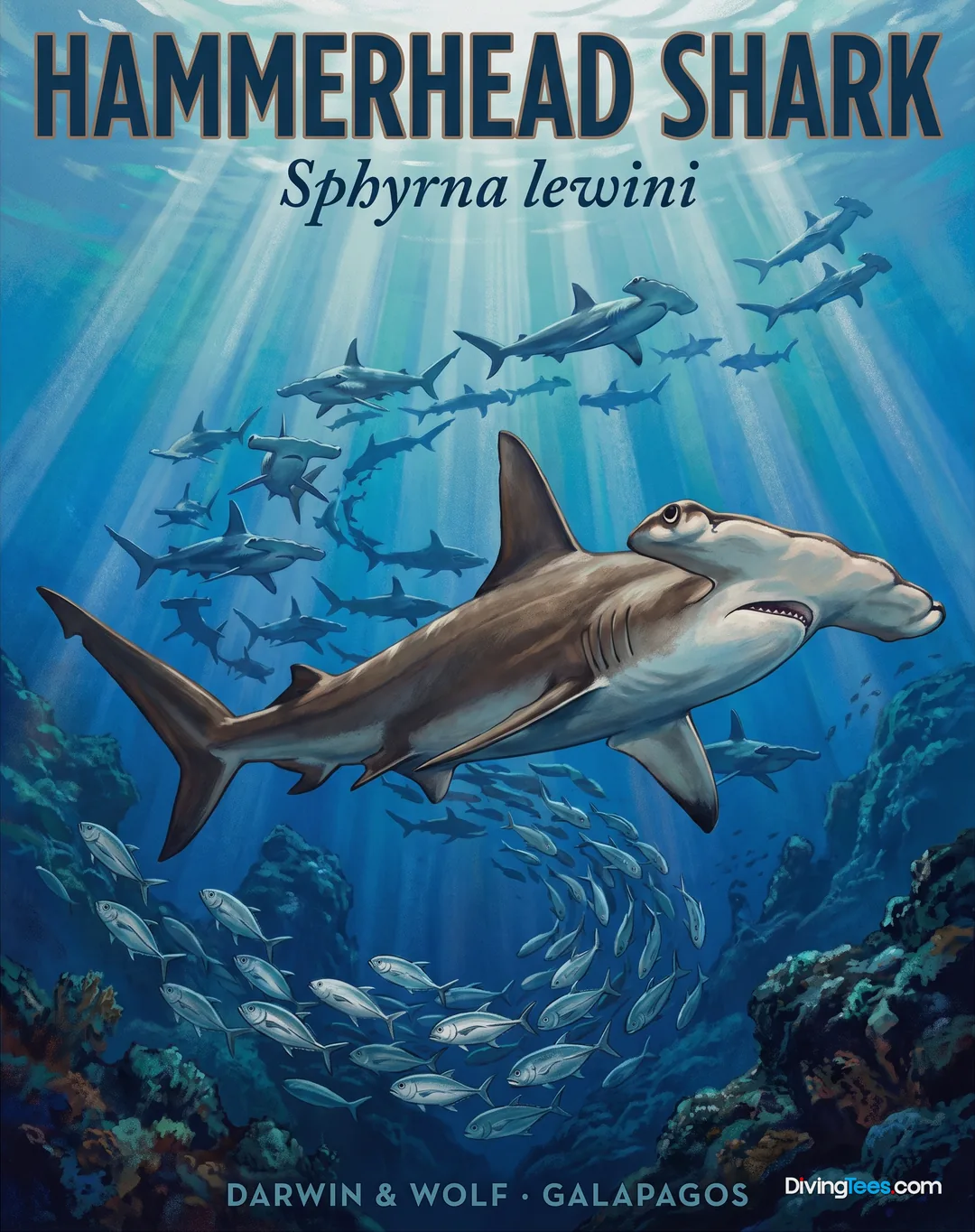
Sha'ab Rumi South is particularly renowned for its shark populations. Grey reef sharks (Carcharhinus amblyrhynchos) are a frequent sight, often patrolling the deeper sections of the plateau and the drop-off. You might also encounter white-tip reef sharks (Triaenodon obesus) closer to the reef structure. The site's reputation, however, is significantly bolstered by the presence of scalloped hammerhead sharks (Sphyrna lewini), which are drawn to the nutrient-rich currents flowing over the southern point.
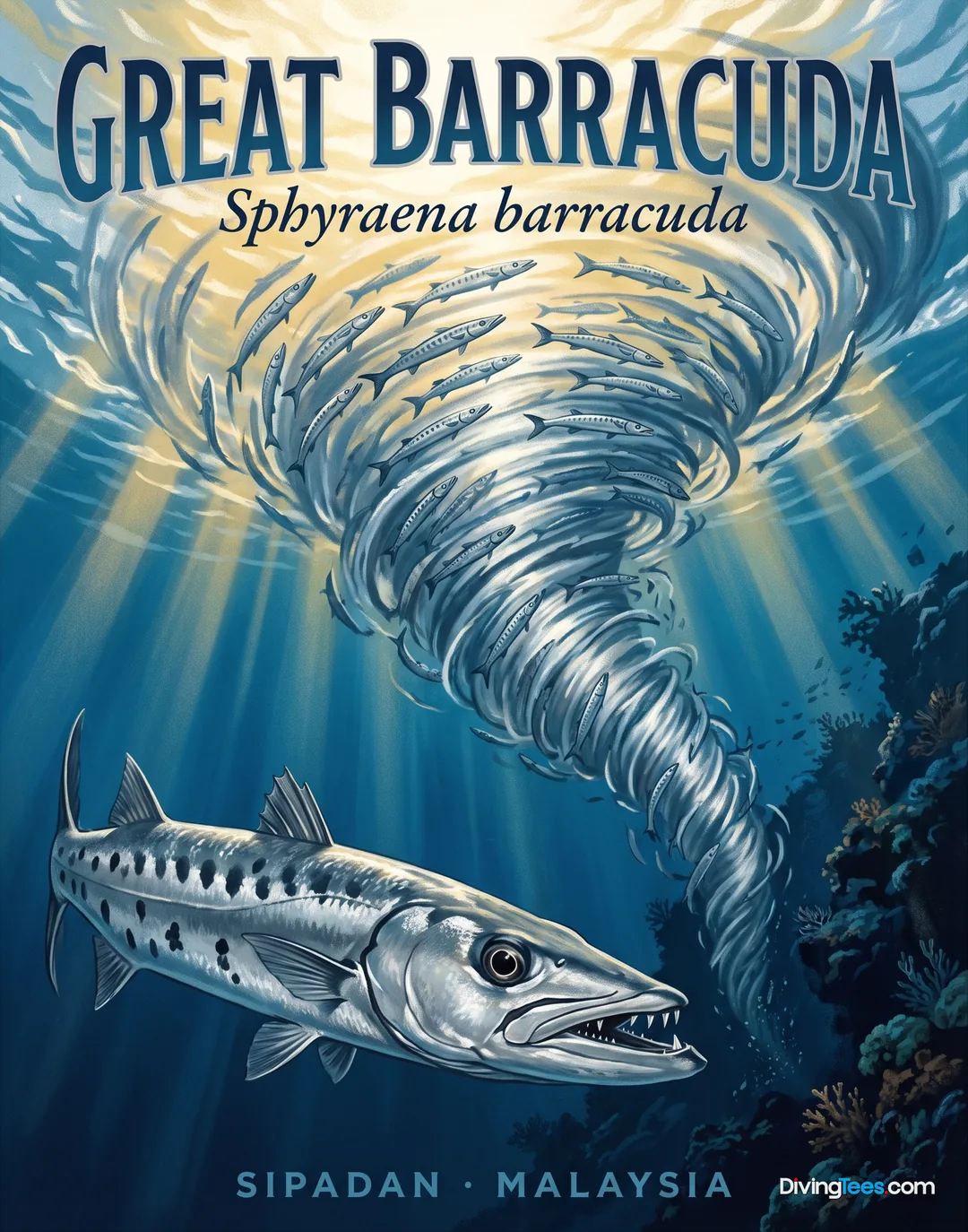
The southern point and plateau are where the current is most pronounced, and it's this flow that orchestrates many of the marine encounters here. Barracuda, jacks, and various snapper species form dense schools, using the current to their advantage as they feed. You'll observe these large aggregations along the reef edge, often hanging just off the wall, creating a dynamic backdrop to the coral formations. This area serves as a busy highway for pelagic life, demanding attention both to your buoyancy and to the open water.
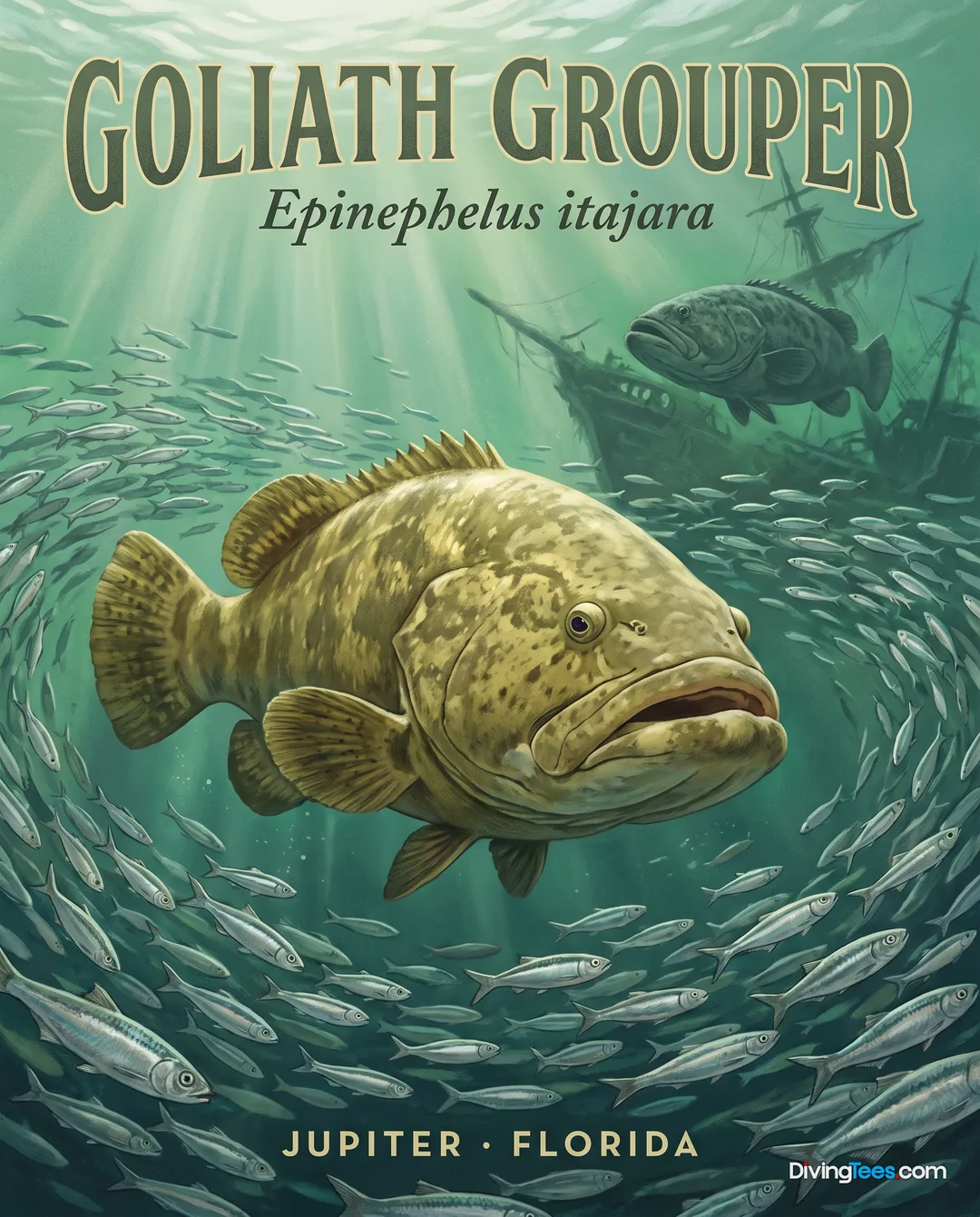
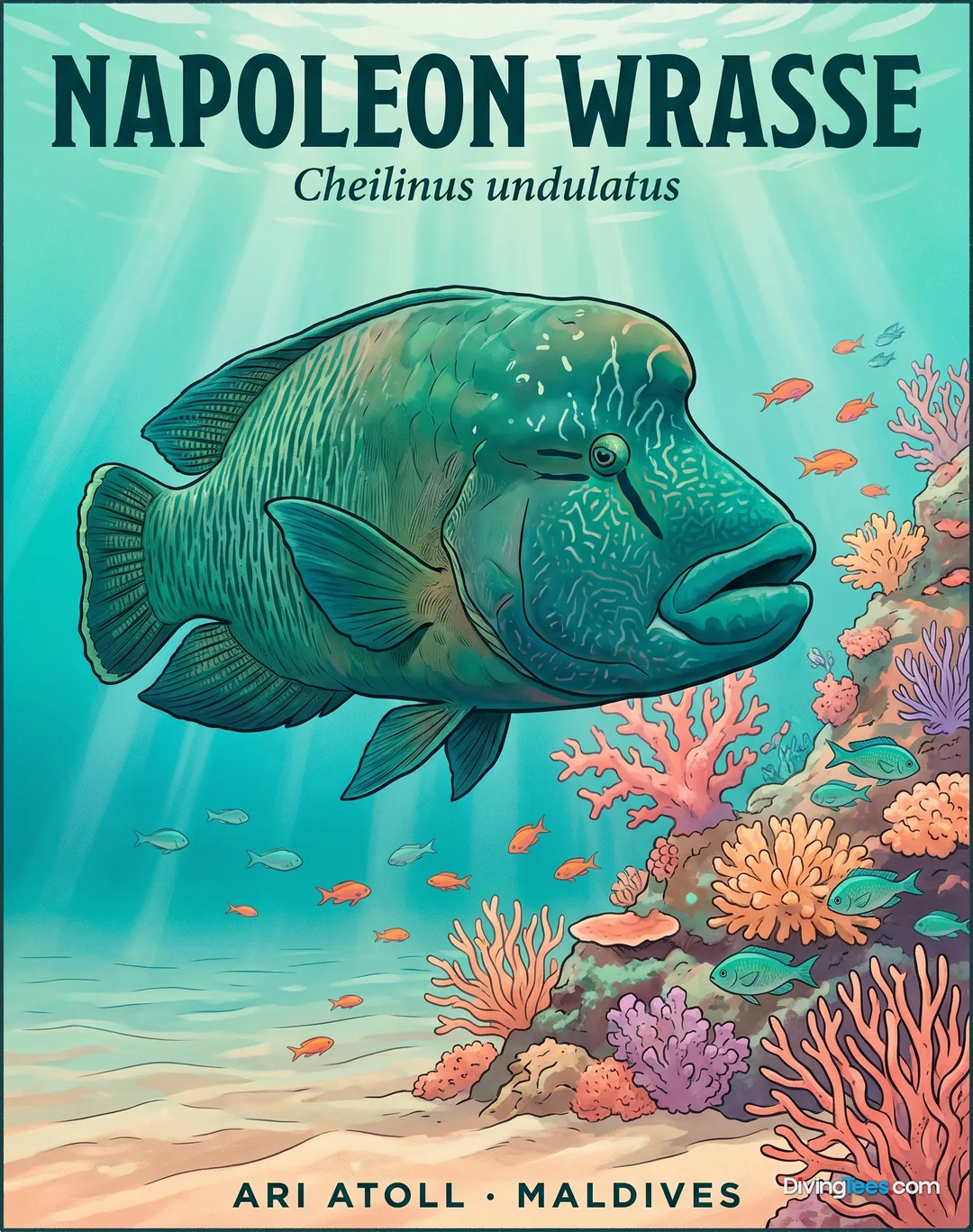
Beyond the sharks and schooling fish, the reef itself supports a rich ecosystem. Napoleon wrasse (Cheilinus undulatus) are regular inhabitants, often seen cruising slowly along the reef face. You'll find moray eels (Muraenidae) in the cracks and crevices, and giant groupers (Epinephelus lanceolatus) often occupy the larger overhangs. The shallower parts of the reef are home to vibrant hard and soft corals, providing shelter for numerous smaller reef fish like parrotfish (Scaridae) and butterflyfish (Chaetodontidae).
Visibility at Sha'ab Rumi South can range significantly, typically between 15 and 40 metres, depending on local conditions and time of year. Good visibility enhances the experience, allowing you to appreciate the scale of the reef and the distant movements of larger pelagics. However, even with moderate visibility, the close-up reef life and the direct encounters with sharks remain a highlight. The site's character is less about limitless views and more about the concentrated energy at its exposed southern tip.
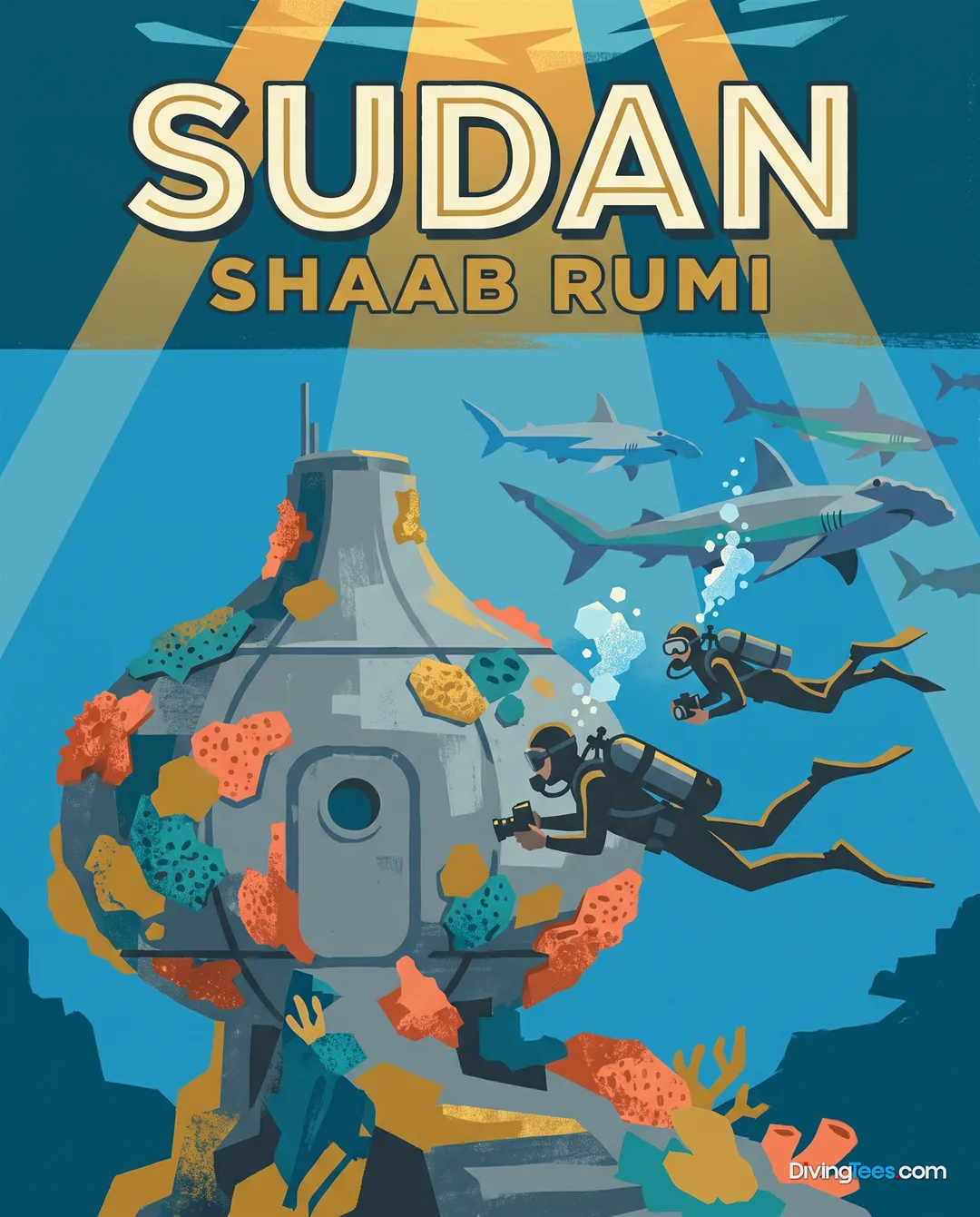
The enduring appeal of Sha'ab Rumi South lies in its consistent ability to deliver true open-ocean encounters, making it distinct from many other reef dives in the region. The proximity to the historic Precontinent/Conshelf II structures, part of the broader Sha'ab Rumi reef system, adds a layer of human history to the natural spectacle. It's a dive that requires an understanding of currents and an appreciation for the raw energy of the Red Sea, rewarding divers with genuine pelagic excitement.
This is an Advanced level dive, with current and drift diving experience strongly recommended. Depths range from 10 metres on the shallower reef crest down to 30 metres along the drop-off. Moderate current is typical, particularly on the exposed southern point, which draws in the larger pelagic life. Visibility usually spans 15 to 40 metres. For the best chance of encountering hammerheads (Sphyrna lewini), the period from December to May is generally considered prime, though overall marine activity is strong from October to June.
Sha'ab Rumi South is generally active from October to June, while December to May is considered prime for encountering scalloped hammerheads. Marine activity remains strong through the broader season, and the southern point is known for pelagic encounters. Conditions and visibility can vary, with visibility typically ranging from fifteen to forty metres.
Sha'ab Rumi South is an advanced-level dive. Current and drift-diving experience are strongly recommended because the exposed southern point is affected by moderate current. You should be comfortable managing buoyancy while following the reef contour, particularly near the plateau, steep drop-off, outer corners, and open water where pelagic encounters occur.
Sha'ab Rumi South begins on a shallow reef crest at around ten metres, then follows a slope or steep wall into deeper water. The drop-off reaches about thirty metres. This profile takes you from vibrant coral gardens and reef structure toward deeper plateau sections where sharks and other pelagic life may appear.
Sha'ab Rumi South typically has moderate current, particularly around the exposed southern point and plateau. The flow attracts grey reef sharks, scalloped hammerheads, barracuda, jacks, snapper schools, and occasional white-tip reef sharks. Coral gardens, Napoleon wrasse, moray eels, giant groupers, dramatic drop-offs, and Precontinent or Conshelf II structures add variety.