Shark Cage Diving Gansbaai | White Shark Projects™
Google 4.8/5 (539 reviews)
Gansbaai · South Africa · Africa
Max. depth · 2 mDyer Island offers a direct connection to a thriving marine food chain, where the confluence of ocean currents draws apex predators to its shallow, nutrient-rich waters.
For subtitles in English: start the video firstthen click the gearat the top right of the video, select “Subtitles/CC”, then “Auto-translate” and choose “English”.
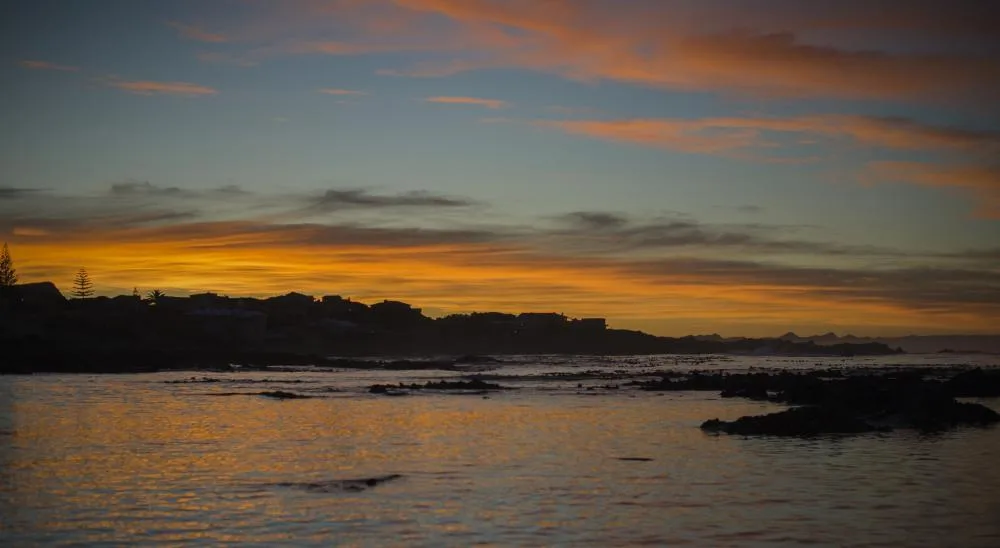
Dyer Island rises from the South African coast near Gansbaai, a true island dive experience that begins with a 20-minute boat ride from Kleinbaai. This site is less about deep reefs and more about the dynamic interactions of a powerful marine ecosystem. The island itself is a protected nature reserve, meaning no public landing, and the focus here is on the rich pelagic life drawn to its shores, particularly during the peak activity months from April to September.
The topography around Dyer Island is defined by shallow coastal waters, with the main activity concentrated adjacent to the island and within Shark Alley, the channel between Dyer Island and Geyser Rock. While traditional scuba diving as you might know it from a coral reef isn't the primary mode here, understanding the currents and the behaviour of the larger species is key. The area is a vital anchoring point for marine life observations, driven by the unique oceanography of the region.
What sets Dyer Island apart is the confluence of the warm Agulhas Current from the Indian Ocean and the cold Benguela Current from the Antarctic. This interaction creates a nutrient-rich environment, supporting an abundance of life from plankton up to apex predators. This dynamic interaction is the engine behind the significant marine activity you'll witness, making it a hotspot for pelagic species and a prime location for understanding a thriving food chain.
The presence of Cape Fur Seals (Arctocephalus pusillus pusillus) is a constant draw for the larger predators. These seals are a regular sight in these waters, and their colony acts as a natural magnet, shaping the behavioural patterns you might observe. This interaction between predator and prey is a core part of the Dyer Island experience, offering a raw, untamed glimpse into the natural world.
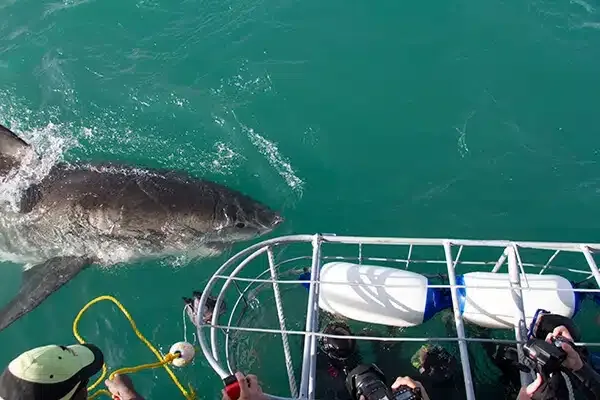
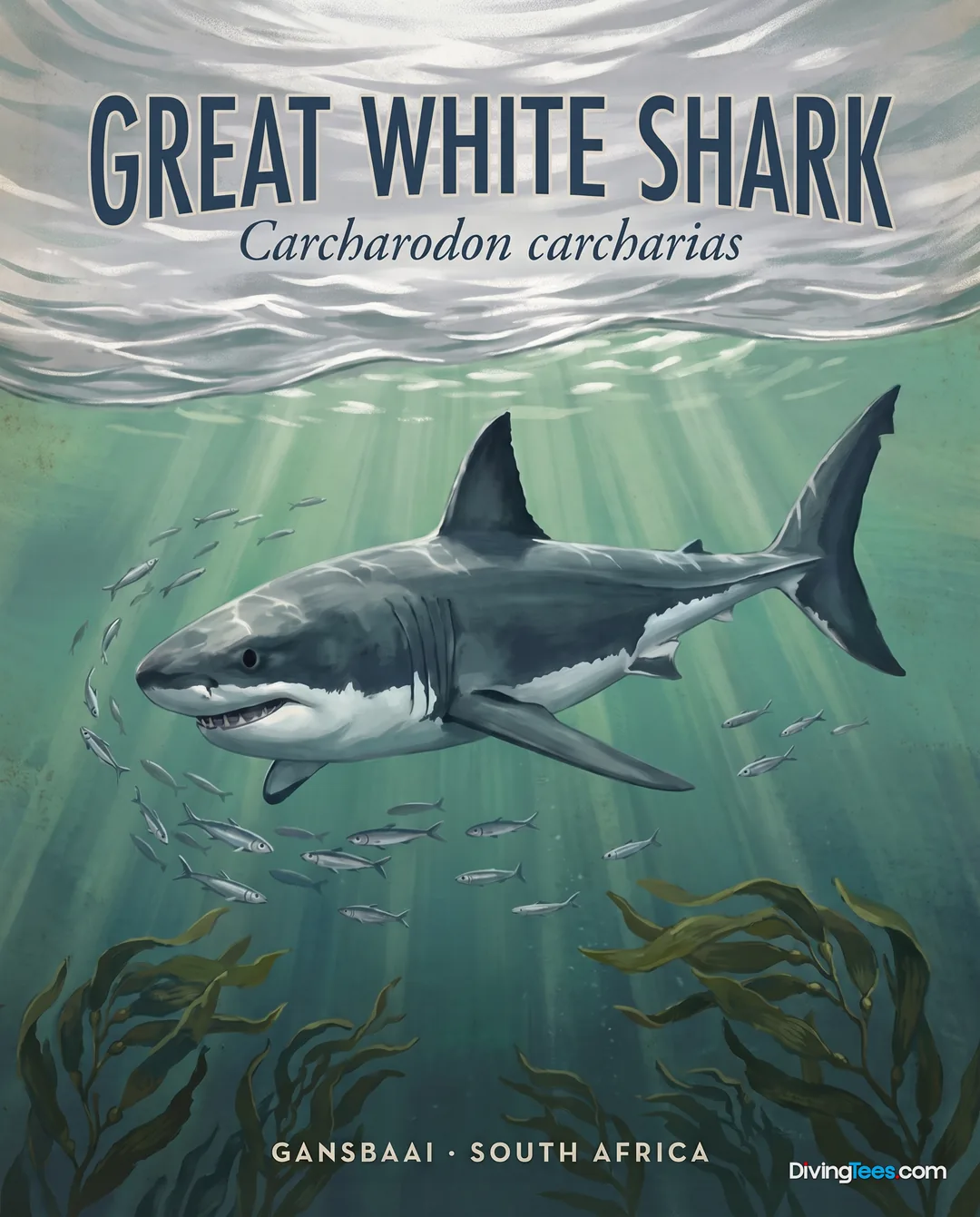
While the site is internationally known for Great White Shark (Carcharodon carcharias) observations, you are also likely to encounter Bronze Whaler Sharks (Carcharhinus brachyurus), also known as Copper Sharks. The prehistoric-looking Broadnose Sevengill Shark (Notorynchus cepedianus) also frequents these waters. These encounters are often at the surface or in very shallow depths, driven by the seals and the rich food source.
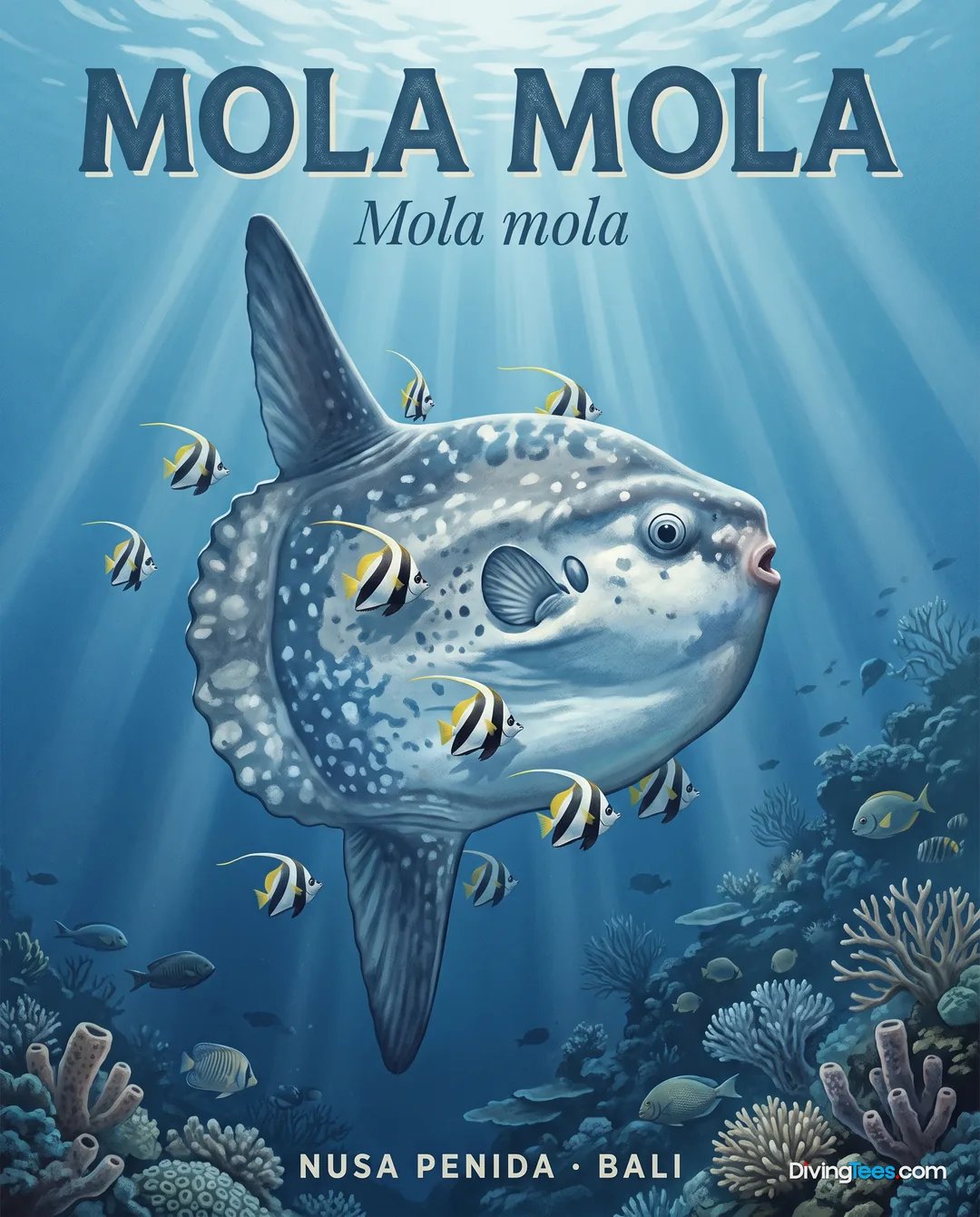
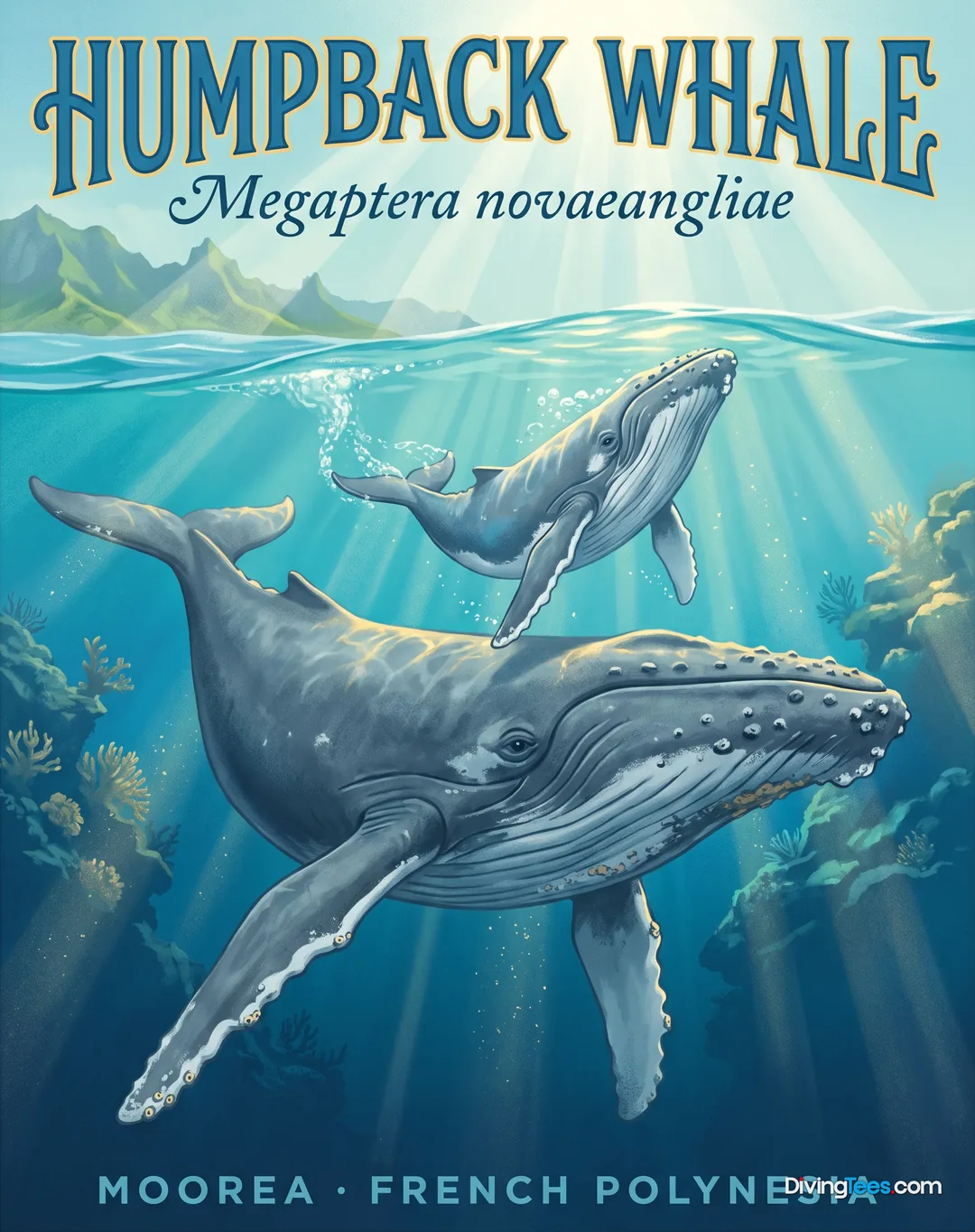
Beyond the sharks, the waters surrounding Dyer Island are home to a broader tapestry of marine creatures. Rays glide effortlessly across the seabed, and the majestic Ocean Sunfish (Mola mola) can often be seen navigating the currents. The richness extends to the surface, where various seabirds patrol, and seasonally, the arrival of Southern Right Whales (Eubalaena australis) and Humpback Whales (Megaptera novaeangliae) adds another layer to the diverse ecosystem.
Visibility here typically ranges from 3 to 8 metres, and conditions are heavily weather-dependent. Turbidity and currents can increase significantly during storms, impacting in-water activities. Planning for potential weather disruptions, especially during the austral winter months from April to September, is advisable to ensure you have the best chance to experience the site's full potential.
Dyer Island is accessible to divers of all levels, including beginners and non-divers, as activities primarily involve surface-floating shark cages with no scuba qualification required. Depths for in-water activities are very shallow, typically between 0 and 2 metres. Currents around the island are variable and can be strong, particularly with changing weather conditions. Visibility ranges from 3 to 8 metres. The best time for shark activity is generally from January to September, with optimal underwater visibility for cage diving from May to August.
Shark activity at Dyer Island is generally strongest from January to September, with peak activity from April to September. Cage diving visibility is typically more favourable from May to August. Weather can disrupt activities, particularly during the austral winter from April to September, so conditions may affect your plans.
Dyer Island is accessible to divers of all levels, including beginners, and non-divers can also participate. Activities mainly involve floating at the surface in shark cages, so no scuba qualification is required. This is not a traditional deep reef dive, but a shallow marine-life observation experience.
In-water activities at Dyer Island are very shallow, typically between 0 and 2 metres. Currents around the island are variable and can be strong, especially when weather changes. Storms may increase both turbidity and current strength, affecting visibility and in-water activities around the island and Shark Alley.
At Dyer Island, you can observe Great White Sharks, Bronze Whaler Sharks and Broadnose Sevengill Sharks, along with Ocean Sunfish, rays and abundant Cape Fur Seals. Various seabirds are present, while Southern Right Whales and Humpback Whales may appear seasonally. Visibility typically ranges from 3 to 8 metres.