
Zanzibar Queen Hotel
★★★★
★ 9.3/10 (215 reviews)
4.4 km away as the crow flies
Dive centre · Zanzibar · Tanzania
4.8160 Google reviewsExplore the vibrant reefs of the Mnemba Atoll aboard traditional wooden dhows and semi-rigid boats.
For subtitles in English: start the video firstthen click the gearat the top right of the video, select “Subtitles/CC”, then “Auto-translate” and choose “English”.
Located on the northern and north-eastern coasts of Zanzibar, Dive Point Zanzibar operates from two strategic bases. The Matemwe centre sits directly opposite the Mnemba Atoll, while the Nungwi location provides easy access to Tumbatu Island and Shanes Reef.
As a PADI 5 Star Resort, the centre is built around professional standards and a commitment to marine conservation. Whether you are looking to complete your first certification or advance into technical diving, the facilities are designed to support a wide range of experience levels.
The team is composed of passionate divers and marine life enthusiasts who speak a variety of languages, including English, French, Italian, Dutch, Polish, Danish, German, and Swahili. This multilingual approach ensures clear communication for international divers throughout their training or guided trips.
Safety is a core priority, with a strict diver-to-guide ratio of four divers per guide. This ensures close supervision during dives, which is particularly important when navigating the diverse reef environments of the archipelago.
The centre offers a comprehensive range of PADI training. Beginners can start with Discover Scuba Diving, the PADI Scuba Diver course, or the PADI Open Water Diver programme, including E-learning and referral options.
For more experienced divers, the curriculum extends to Advanced Open Water, Rescue Diver, and Emergency First Response. The centre also provides Enriched Air / Nitrox Diver training and Divemaster programmes. For those moving into technical diving, PADI TecRec courses are available.
The centre operates four boats to transport divers to the local reefs. The fleet includes traditional wooden dhows and semi-rigid boats, with capacities ranging from 12 to 25 people per vessel.
Motorisation varies across the fleet, including 40cv, 85cv, and twin 100cv engines to ensure reliable transit. Trips typically depart at 08:30, with two dives scheduled around the Mnemba Atoll. During the surface interval, tea, water, fruit, and cakes are served on board.
On-shore facilities include a dedicated diving pool, a classroom for theory work, a lounge, and changing rooms. There is also a specific area for equipment storage and rinsing.
Full kit hire is available for those not travelling with their own equipment. For those looking to extend their bottom time, Nitrox is available on-site, and the centre maintains oxygen safety equipment for emergency use.
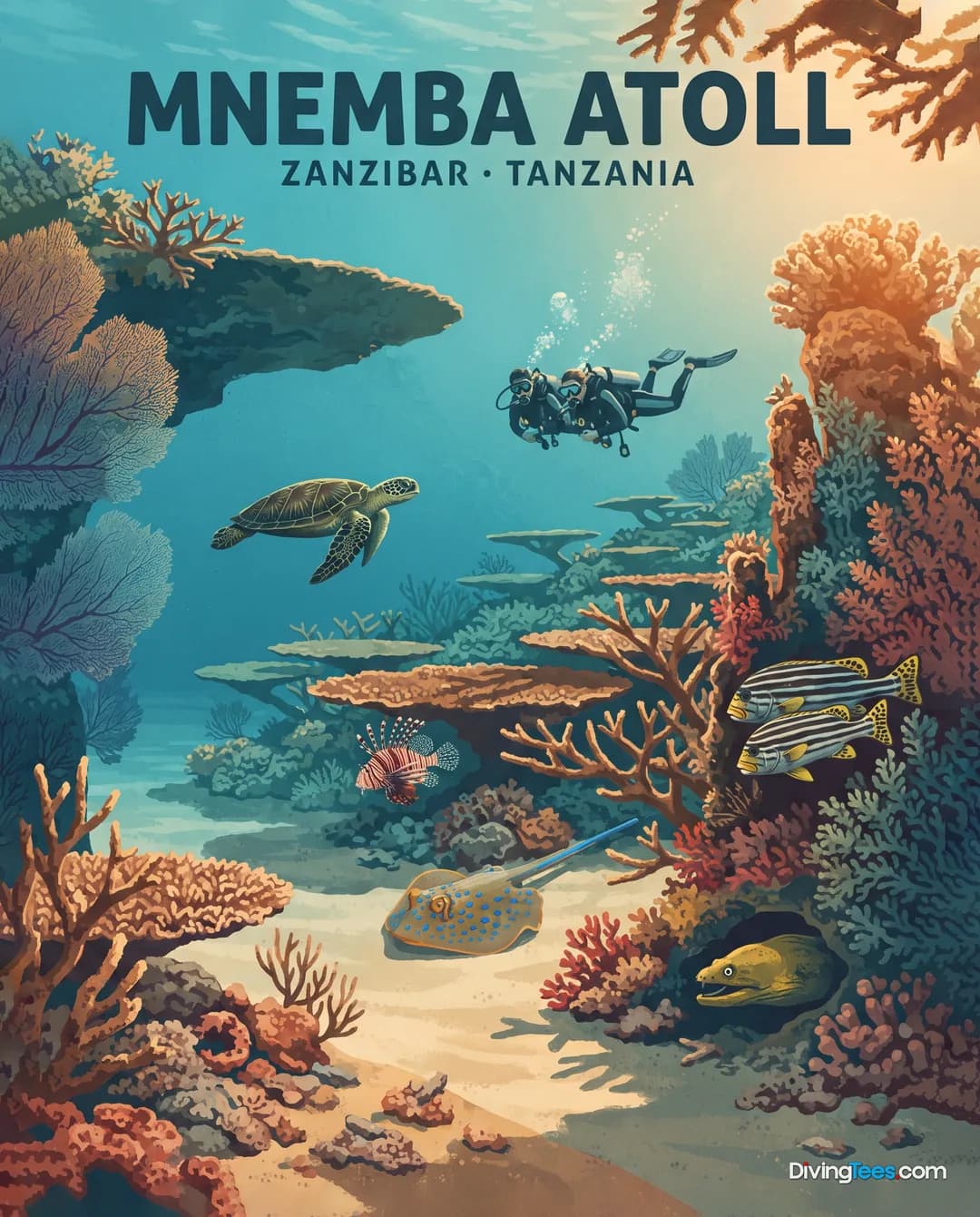
Mnemba Atoll is a premier reef destination located in front of Matemwe. The dives here typically range from 5 to 14 metres in depth and are suitable for all experience levels.
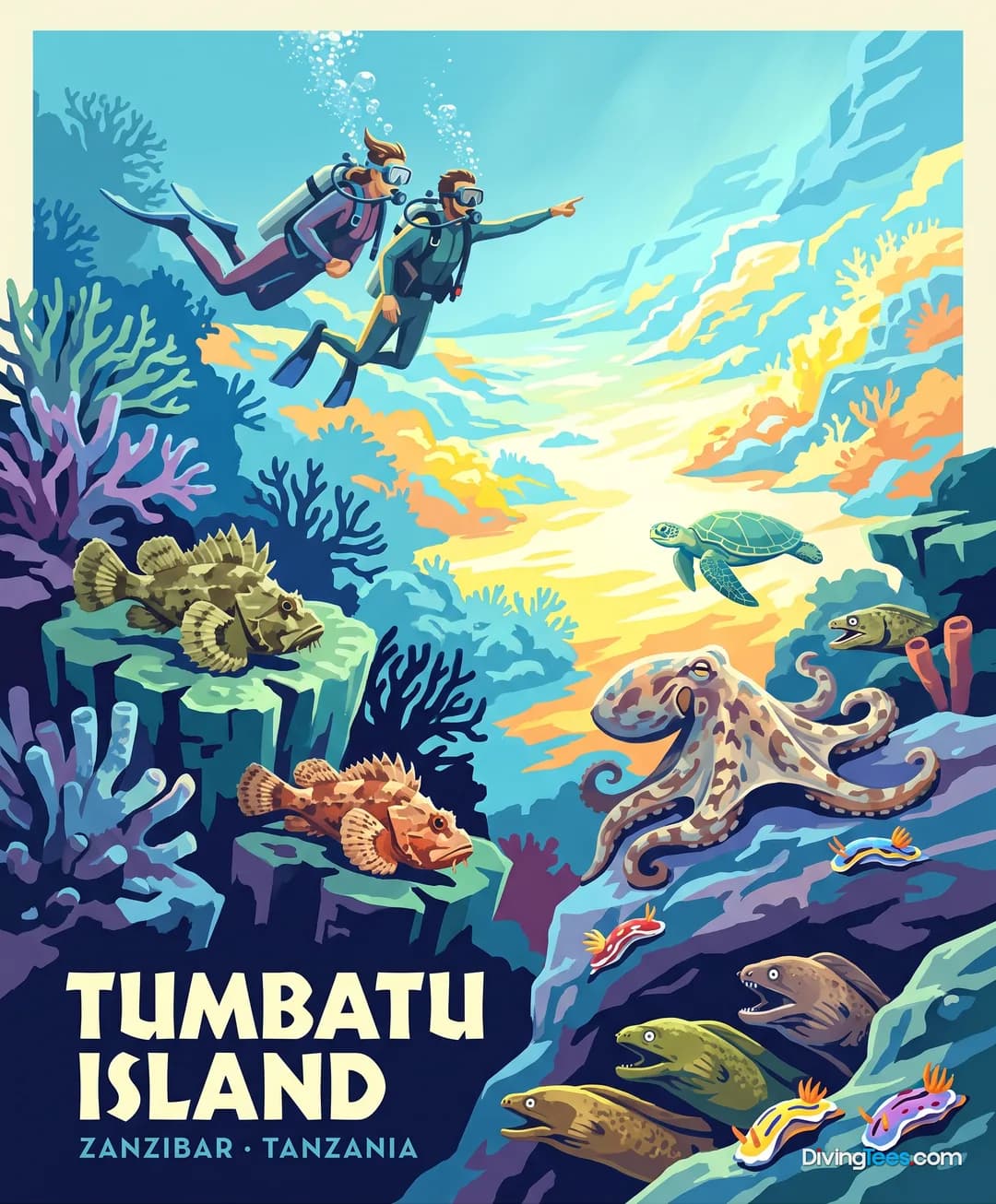
Tumbatu Island offers fantastic diving opportunities near Nungwi. It is an excellent location for those looking to explore the varied marine life of the northern coast.
Shanes Reef is a highly regarded reef site situated close to Nungwi, providing reliable reef diving for all certification levels.
And some of the dive sites the centre runs.
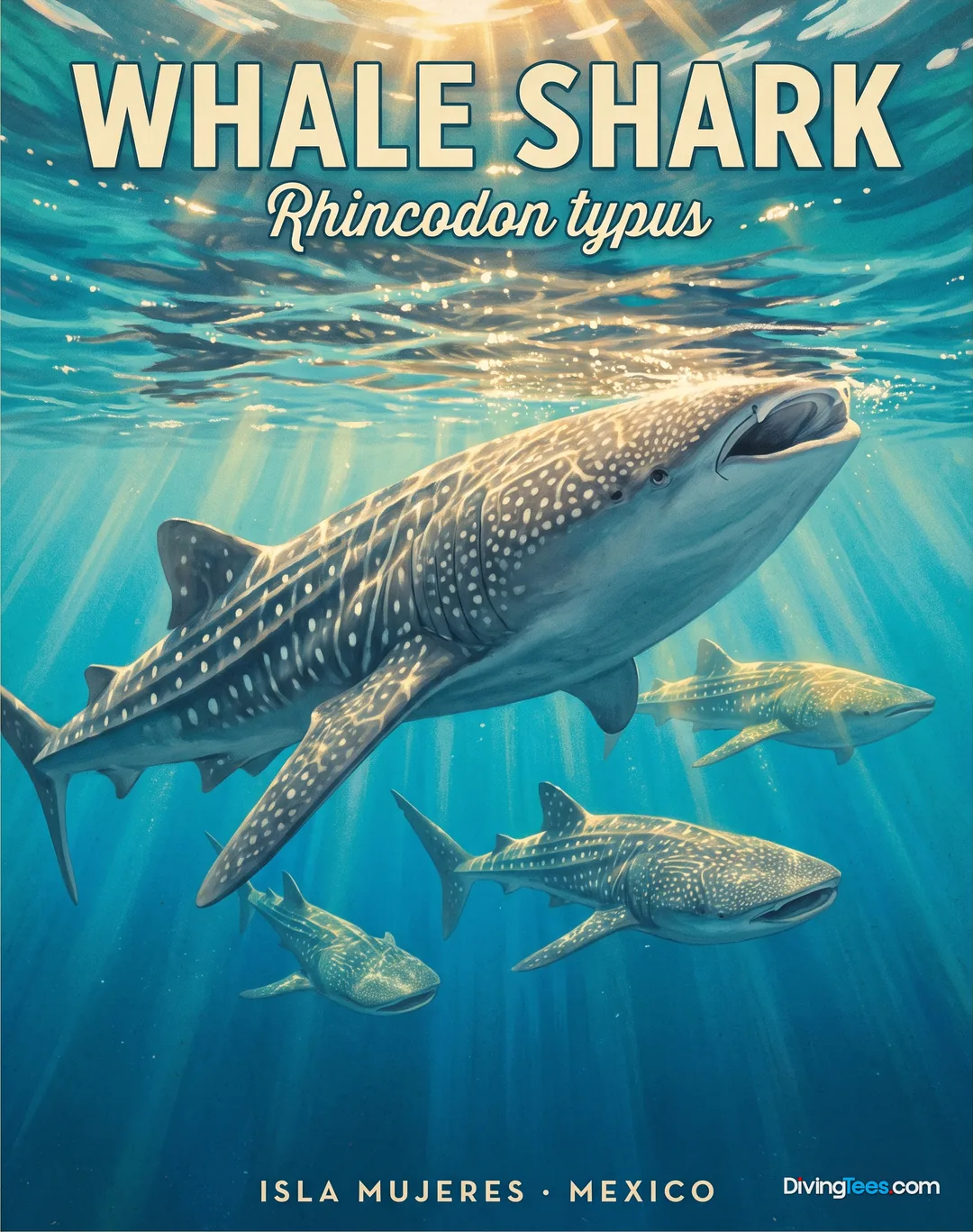
The reefs are home to a vast array of colourful inhabitants, including schools of tropical fish, snappers (Lutjanus), and various species of butterflyfish (Chaetodon). You will often see large numbers of fusiliers (Caesio), angelfish (Pomacanthidae), and surgeonfish (Acanthuridae) patrolling the coral structures. Larger predators such as blue trevallies, barracuda, and various types of sharks, including whitetip reef sharks (Triaenodon obesus), are also part of the ecosystem.
Macro life enthusiasts can find many interesting subjects, such as the octopus (Octopus vulgaris), various species of frogfish (Antennarius), and ghost pipefish (Solenostomidae). Look closely for seahorses (Hippocampus kuda), nudibranchs (Chromodoris willani), and various species of shrimp and crabs among the reef crevices.
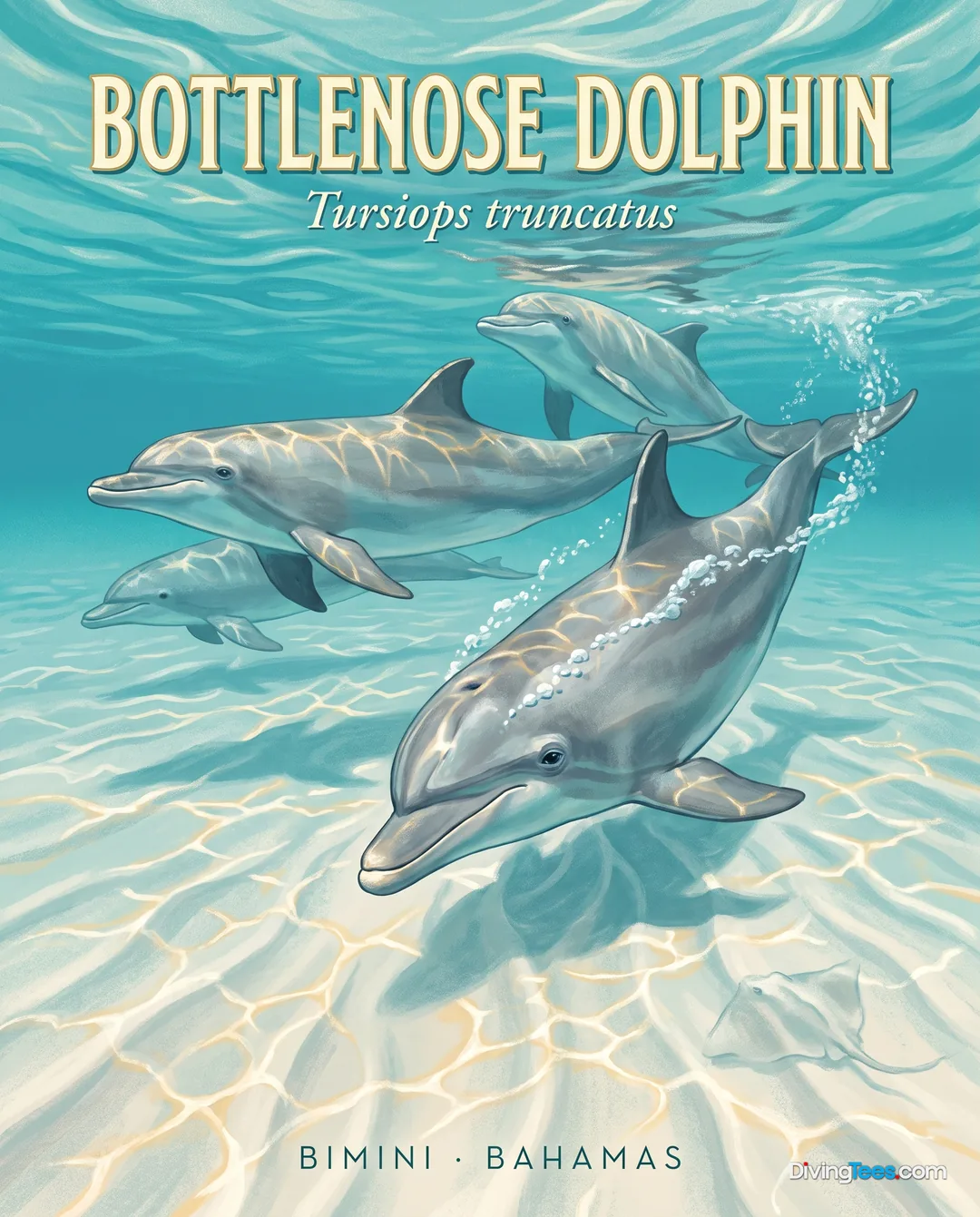
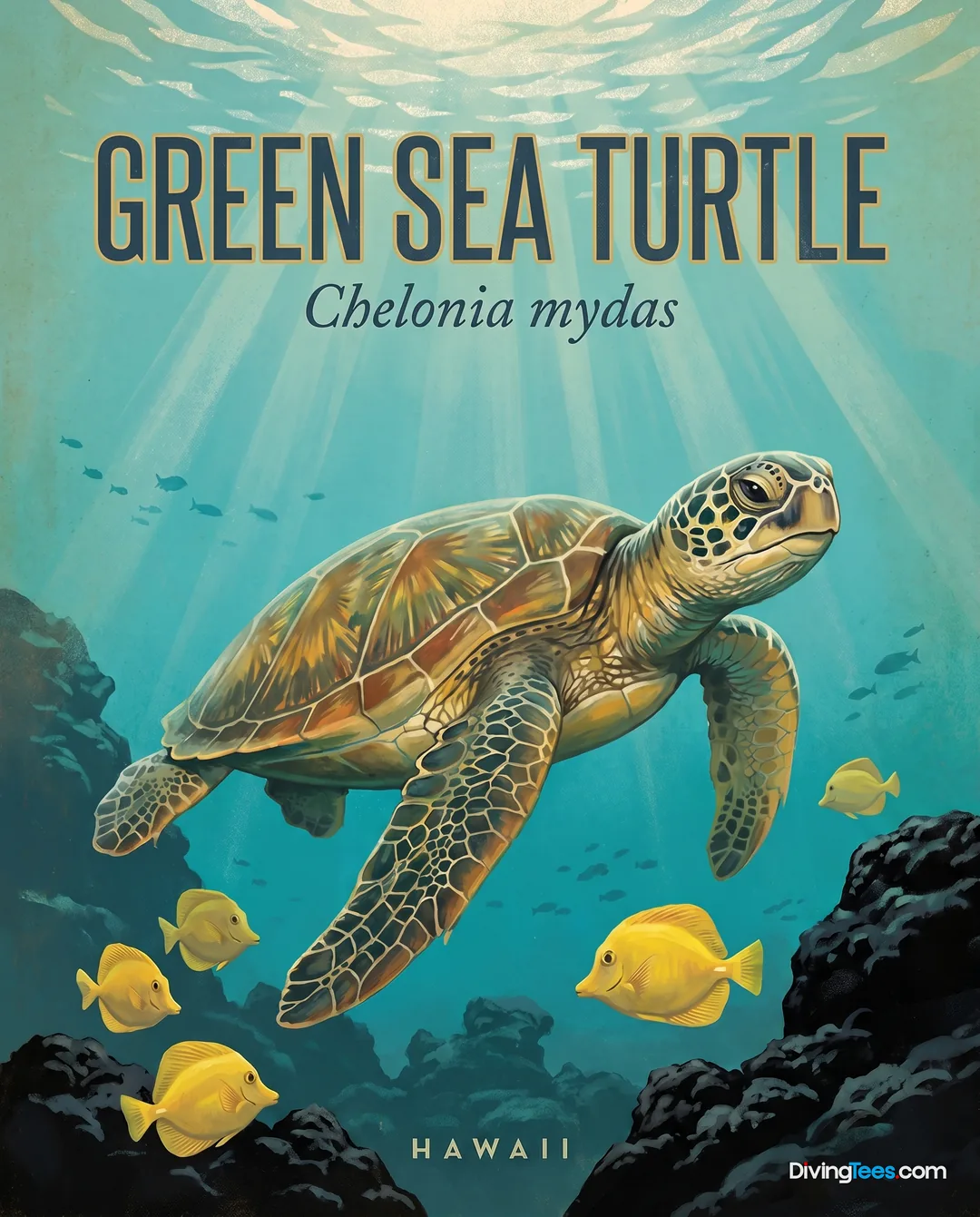
In October, the area sees seasonal visits from Bottlenose dolphins (Delphinidae) and Humpback whales. You may also encounter green turtles (Chelonia mydas) and other sea turtles throughout the year.
The best time to dive in this region is during March or between October and November, when the weather is stable and visibility is at its best. During these windows, the marine life is particularly abundant.
Conversely, December and January can be the windiest months, which may result in rougher sea conditions. It is advisable to plan around these seasonal shifts to ensure the most comfortable diving experience.
Hello, I'm Marina, DivingDeal.com's AI assistant. I answer in detail about hotels, dive centres and liveaboards.

Thinking about the whole trip and the flights? Talk it over with Edith →
Marina is an AI. Some links are affiliate links: DivingDeal may earn a commission, at no extra cost to you. Bookings are made with the partner.
Your last day stays dry: no diving in the 18-24 hours before a flight the perfect window to see the destination from another angle.
 Culture
⏱ 2 h · ★ 5.0 (75 reviews)
from €17
see on Viator ↗
 Nature
⏱ 10 h · ★ 5.0 (33 reviews)
from €440
see on Viator ↗
 Culture
⏱ 5 h · ★ 5.0 (22 reviews)
from €103
see on Viator ↗
 City
City⏱ 4 h · ★ 5.0 (13 reviews)
from €145
see on Viator ↗
Ratings and reviews collected by Viator and Tripadvisor.