
Zanzibar Queen Hotel
★★★★
★ 9.3/10 (215 reviews)
42 km away as the crow flies
Dive centre · Zanzibar · Tanzania
4.927 Google reviewsExplore 65 km of untouched coral reefs aboard a handmade mahogany dhow.
For subtitles in English: start the video firstthen click the gearat the top right of the video, select “Subtitles/CC”, then “Auto-translate” and choose “English”.
Rising Sun Dive Center holds a unique position on the east coast of Zanzibar. As the first dive centre established in this area, they have personally discovered and named many of the local dive sites. Their location in Bwejuu provides access to the southeast coast, one of the few remaining stretches of the Indian Ocean that remains largely intact.
This proximity to untouched coral reefs allows for dives in environments that feel truly remote. The centre focuses on small groups to ensure every diver can enjoy the biodiversity of the region without the crowds found in more commercialised hubs.
The centre operates with a professional team of PADI instructors who bring extensive experience to every dive. They maintain a strict instructor-to-diver ratio, ensuring that no more than three buddy pairs are under the supervision of a single guide. This approach allows for a personalised experience, whether you are completing your first certification or working on advanced specialties.
As a PADI 5 Star Gold Palm and National Geographic affiliated centre, the focus remains on high standards of training and local knowledge. The team is well-versed in the specific topography and marine life of the Zanzibar reefs, guiding you through everything from shallow reef flats to deep wall dives.
The training programme is comprehensive, covering the full spectrum of PADI certifications. You can start with Scuba Diver or Open Water Diver (OWD) and progress through Advanced Open Water Diver (AOWD), Rescue Diver, and Divemaster. They also offer specialised training such as the PADI Deep Diver course, Wreck Diver, and Drift Diver.
For those looking to refine their skills, the centre provides Peak Performance Buoyancy, Navigation, and Multi-level Diver courses. They also offer professional and specialty training including Coral Reef Conservation, Equipment Specialist, and Underwater Naturalist programmes, as well as RAID specific courses like RAID Explorer 30 and RAID Advanced 35.
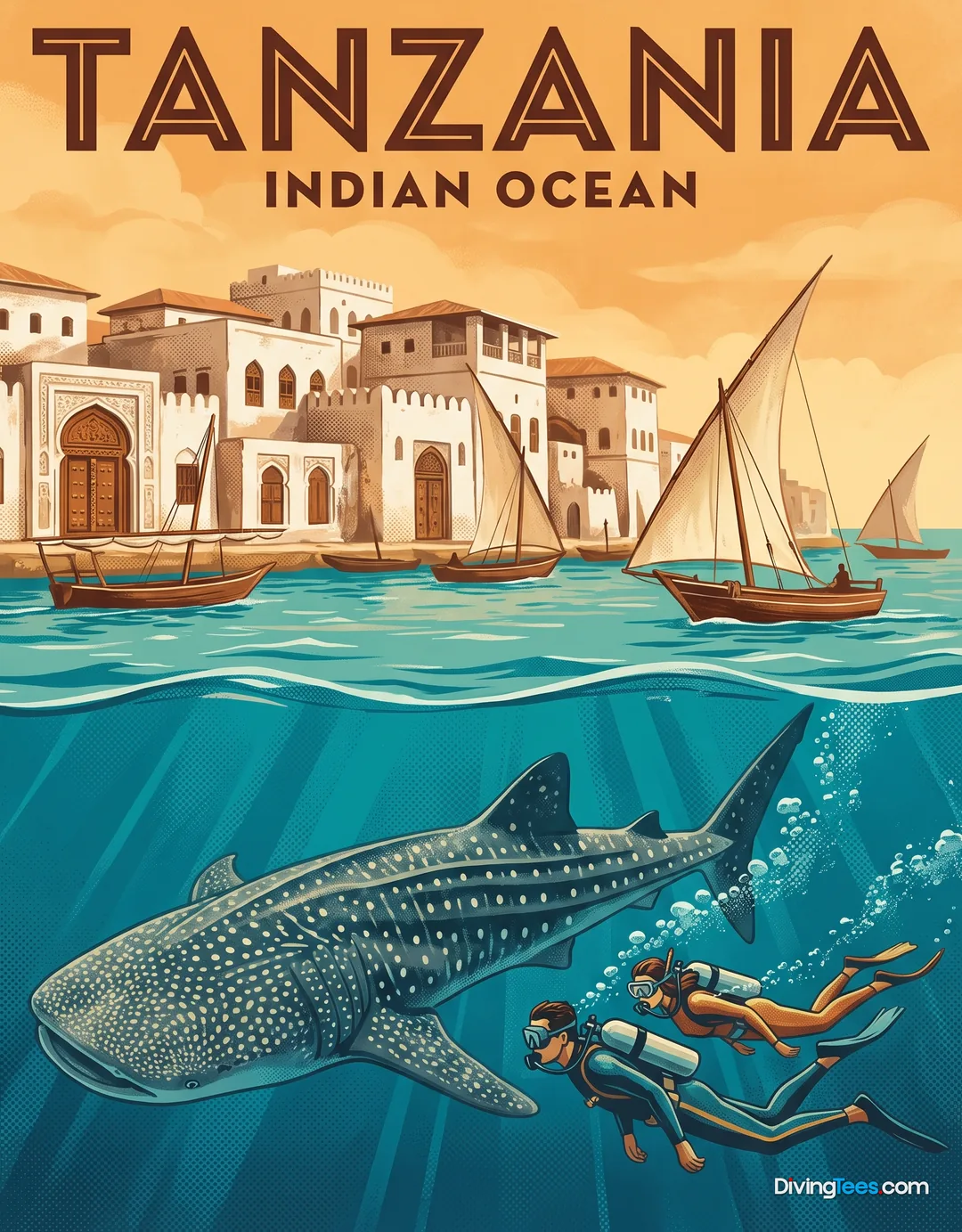
Dives are conducted from a traditional, handmade mahogany dhow. This vessel provides a distinctive and authentic way to reach the various reef systems spread across the coast. The dhow allows you to access up to 65 km of pristine coral reefs that are often inaccessible to larger, more modern vessels.
The centre is equipped to support various diving needs, including the availability of Nitrox for divers looking to extend their bottom time or manage nitrogen loading on multi-level dives. They also facilitate night dives, providing the necessary support for exploring the reef after dark.
Ukwehli is a significant reef point that descends from 25m to a 40m drop-off. It is an ideal site for those seeking larger pelagics, where you may encounter Whitetip reef sharks (Triaenodon obesus), Napoleon wrasse (Cheilinus undulatus), and various rays.
Blue Wall is a challenging site featuring an abrupt wall that plunges into deep water. This site is reserved for well-trained divers looking to encounter the larger marine life that inhabits the deeper reaches of the reef.
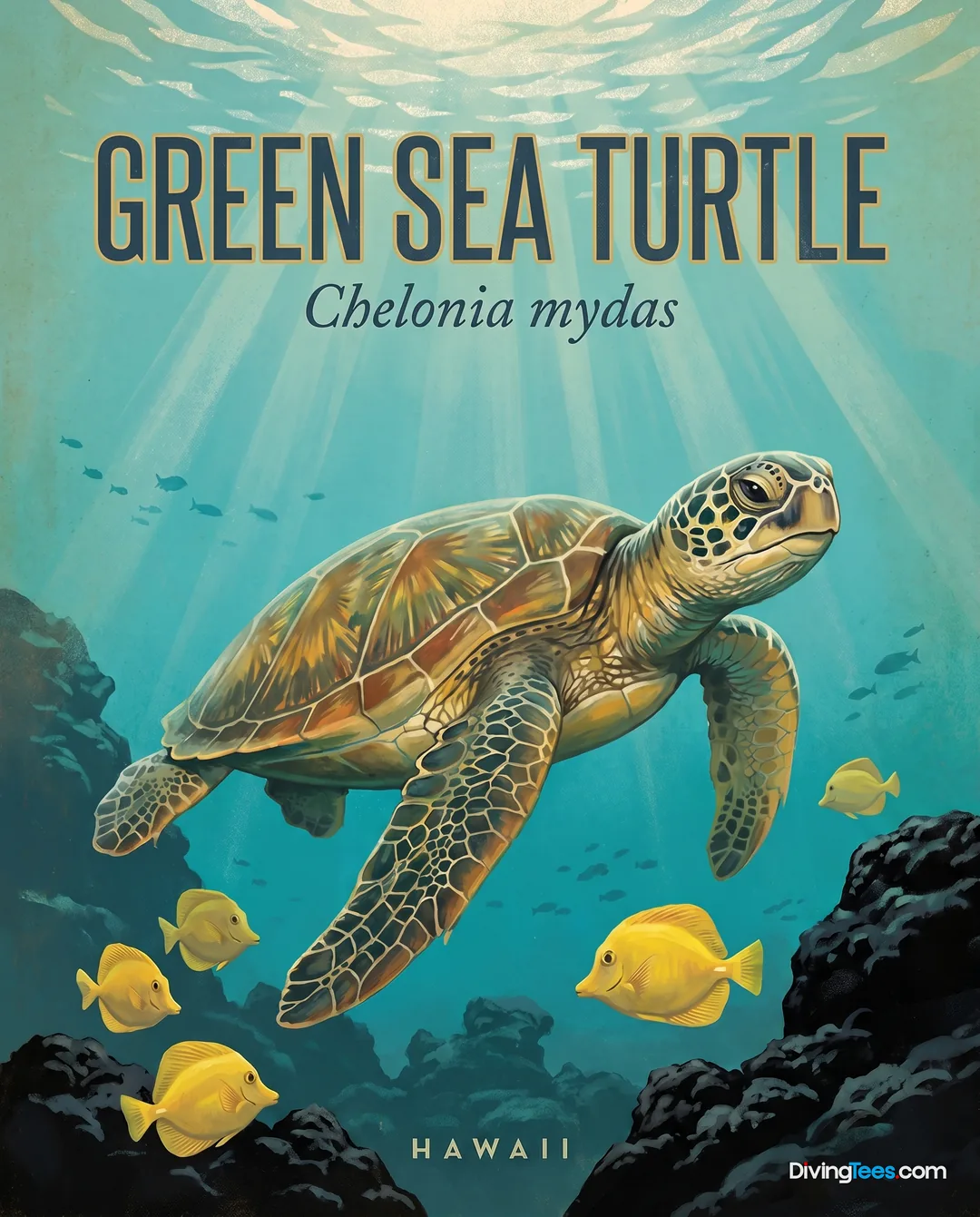
Sponge is a sloping reef site with depths between 22m and 30m, characterised by large barrel sponges and various overhangs. It is a frequent haunt for moray eels and green turtles (Chelonia mydas) hiding within the crevices.
Cave 20 is a beautiful overhang site with depths ranging from 18m to 28m. While not a true cave dive, the structure provides a home for pink whip rays, spotted stingrays, and various species of cleaning shrimp.
And some of the dive sites the centre runs.
The reefs are teeming with a diverse array of tropical fish, including schools of snappers (Lutjanus), colourful reef fish, and various species of butterflyfish (Chaetodon). You will often see larger predators such as Great barracuda (Sphyraena barracuda), blue trevallies, and whitetip reef sharks (Triaenodon obesus) patrolling the deeper sections. Schools of fusilier (Caesio) and various wrasse add constant movement to the reefscape.
In the shallower reef flats and slopes, you can find green turtles (Chelonia mydas) and various species of rays, including blue-spotted stingrays. Large Napoleon wrasse (Cheilinus undulatus) and various groupers are also common sights amongst the coral formations.
For macro enthusiasts, the sites offer plenty of interest. You can find various species of Nudibranch (Chromodoris willani), garden eels (Gorgasia), and various types of shrimp, including cleaner shrimp (Lysmata). The crevices and sandy patches are also home to octopuses (Octopus vulgaris), various species of goby (Gobiidae), and diverse crustaceans.
The southeast coast of Zanzibar faces the open ocean, which provides a variety of diving environments. While the reef flats are often calm and suitable for beginners, the deeper walls and points can be subject to different current patterns depending on the tide and season.
Hello, I'm Marina, DivingDeal.com's AI assistant. I answer in detail about hotels, dive centres and liveaboards.

Thinking about the whole trip and the flights? Talk it over with Edith →
Marina is an AI. Some links are affiliate links: DivingDeal may earn a commission, at no extra cost to you. Bookings are made with the partner.
Your last day stays dry: no diving in the 18-24 hours before a flight the perfect window to see the destination from another angle.
 Culture
⏱ 2 h · ★ 5.0 (75 reviews)
from €17
see on Viator ↗
 Nature
⏱ 10 h · ★ 5.0 (33 reviews)
from €440
see on Viator ↗
 Culture
⏱ 5 h · ★ 5.0 (22 reviews)
from €103
see on Viator ↗
 City
City⏱ 4 h · ★ 5.0 (13 reviews)
from €145
see on Viator ↗
Ratings and reviews collected by Viator and Tripadvisor.