


Spanish Dancer Divers
Google 4.9/5 (795 reviews)
Zanzibar · Tanzania · Africa
Descend into Hunga's vibrant reef, where hard coral bommies host schooling barracudas and watchful crocodilefish on Zanzibar's northern tip.
For subtitles in English: start the video firstthen click the gearat the top right of the video, select “Subtitles/CC”, then “Auto-translate” and choose “English”.
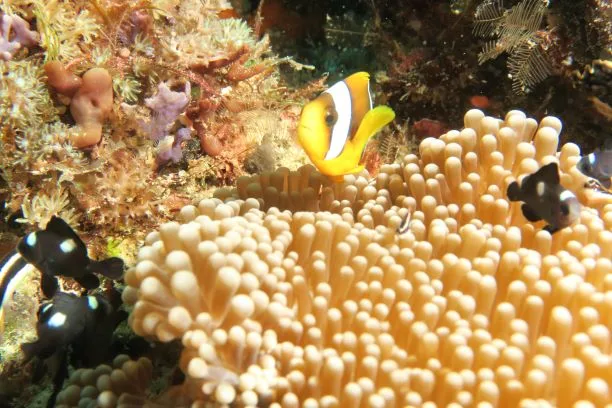
Dropping into Hunga Reef, you're immediately greeted by the expansive, flat bottom that characterises this site, rich in hard corals. This reef system, sharing its vibrant neighbourhood with Nankiville, forms an intricate underwater landscape. The descent reveals large, scattered bommies, each a living structure teeming with activity, providing shelter and hunting grounds for a diverse array of fish. The excellent visibility often allows you to appreciate the full scope of this bustling ecosystem from the moment you leave the surface, making for a smooth and visually engaging entry into the dive.
As you cruise along the reef at a consistent 16 meters, the light filters through the clear Tanzanian waters, illuminating the colourful coral formations. The topography here encourages a relaxed dive profile, allowing ample time to observe the resident marine life. You'll find yourself gliding over extensive hard coral gardens, a stark contrast to some of the more dramatic wall dives, yet equally rewarding in its intricate beauty and the sheer density of life it supports. This gentle, undulating terrain is what makes Hunga such a welcoming environment for divers still honing their skills.
Keep an eye out for the dynamic schools of barracudas (Sphyraenidae) and snappers (Lutjanidae) that frequently patrol the reef's edge and gather around the larger bommies. These impressive aggregations move with a unified grace, a testament to the health of the ecosystem. Close by, you'll often encounter sweetlips (Haemulidae), their distinctive patterns adding to the reef's visual tapestry. The steady presence of these species indicates a rich food chain, supporting not just the transient schools but also the more solitary residents.
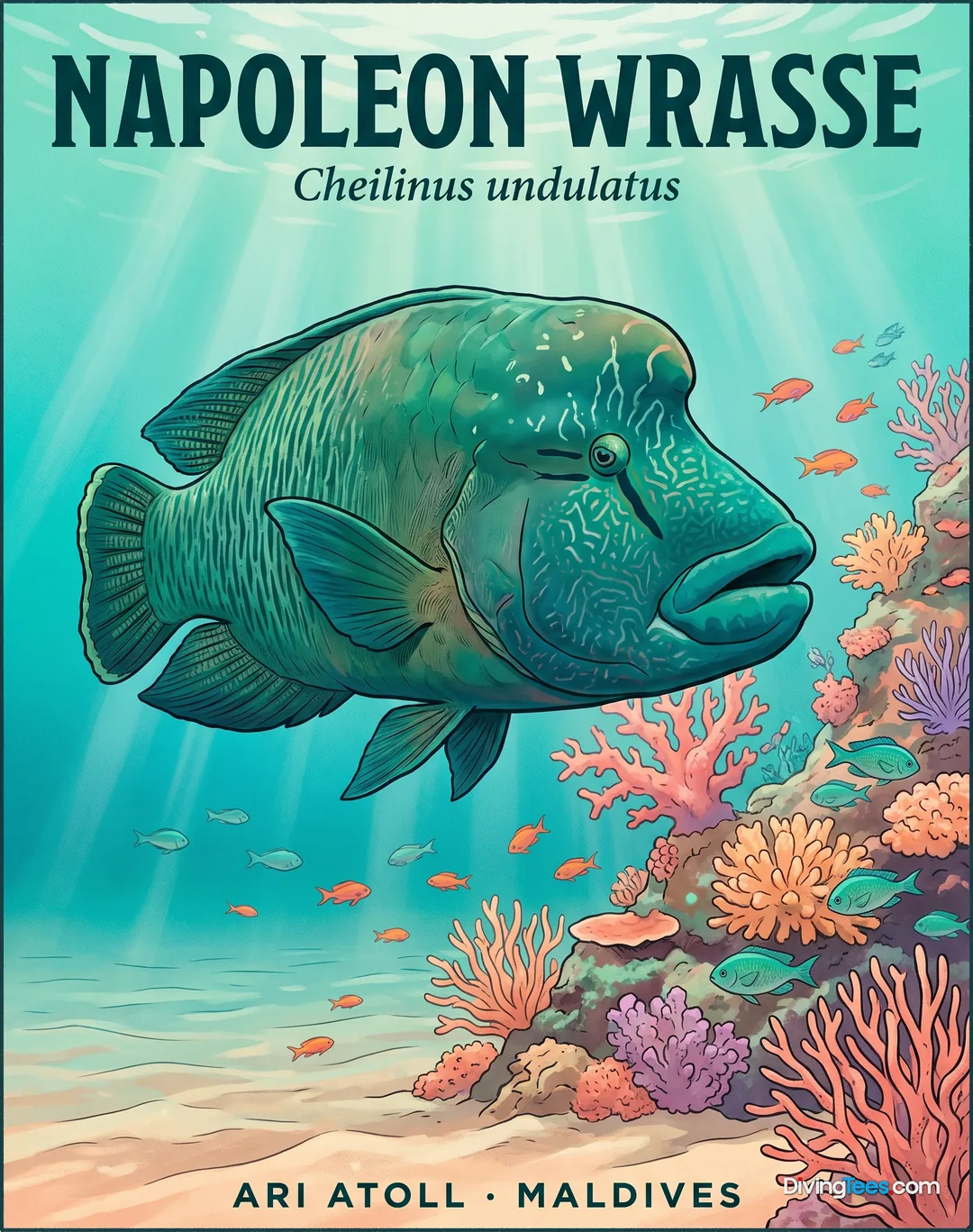
Beyond the schooling fish, Hunga is home to individual, larger predators and interesting bottom dwellers. Solitary Napoleon wrasse (Cheilinus undulatus), with their majestic presence, glide effortlessly over the corals, while various groupers (Epinephelinae) maintain their watchful vigil from crevices and ledges. Don't forget to direct your gaze downwards, particularly into the sandy patches between the rocky outcrops. This is where you'll discover expertly camouflaged crocodilefish (Cymbacephalus beauforti) and stonefish (Synanceia horrida), masters of ambush, blending seamlessly with their surroundings.
Hunga Reef is accessible for divers from beginner to intermediate levels, with a minimum depth of 16 meters. Visibility is consistently good, allowing for clear views of the expansive reef. Local conditions for the region generally offer light currents, though specific on-site current reports should always be checked.
Hunga is accessible to beginner and intermediate divers. Its extensive hard coral bommies and gently undulating reef create a welcoming setting for you to develop your skills while observing marine life. The relaxed profile and clear views support an engaging dive without the dramatic topography associated with wall sites.
Hunga has a minimum depth of 16 meters, with the dive profile described as remaining consistently around that depth. You can explore the expansive flat bottom, scattered coral bommies, hard coral gardens, and sandy patches between rocky outcrops while maintaining a relaxed profile in clear Tanzanian waters.
Hunga generally has light currents according to regional conditions, helping create a relaxed experience over the reef. However, conditions can vary at the site, so you should check specific current reports before diving. The gentle reef terrain allows you to cruise around the bommies and coral gardens.
At Hunga, you can explore extensive hard coral bommies and encounter large schools of barracudas and snappers. Sweetlips, a solitary Napoleon wrasse, and groupers also inhabit the reef. Look into sandy patches for camouflaged crocodilefish and stonefish blending with their surroundings around the rocky outcrops.