
Spanish Dancer Divers
Google 4.9/5 (795 reviews)
2.7 km away as the crow flies
Zanzibar · Tanzania · Africa
Max. depth · 18 mDescend into Mbwangawa, where a vibrant coral slope leads to a sandy expanse teeming with stingrays and guitarfish before you encounter an extraordinary concentration of resident turtles.
For subtitles in English: start the video firstthen click the gearat the top right of the video, select “Subtitles/CC”, then “Auto-translate” and choose “English”.
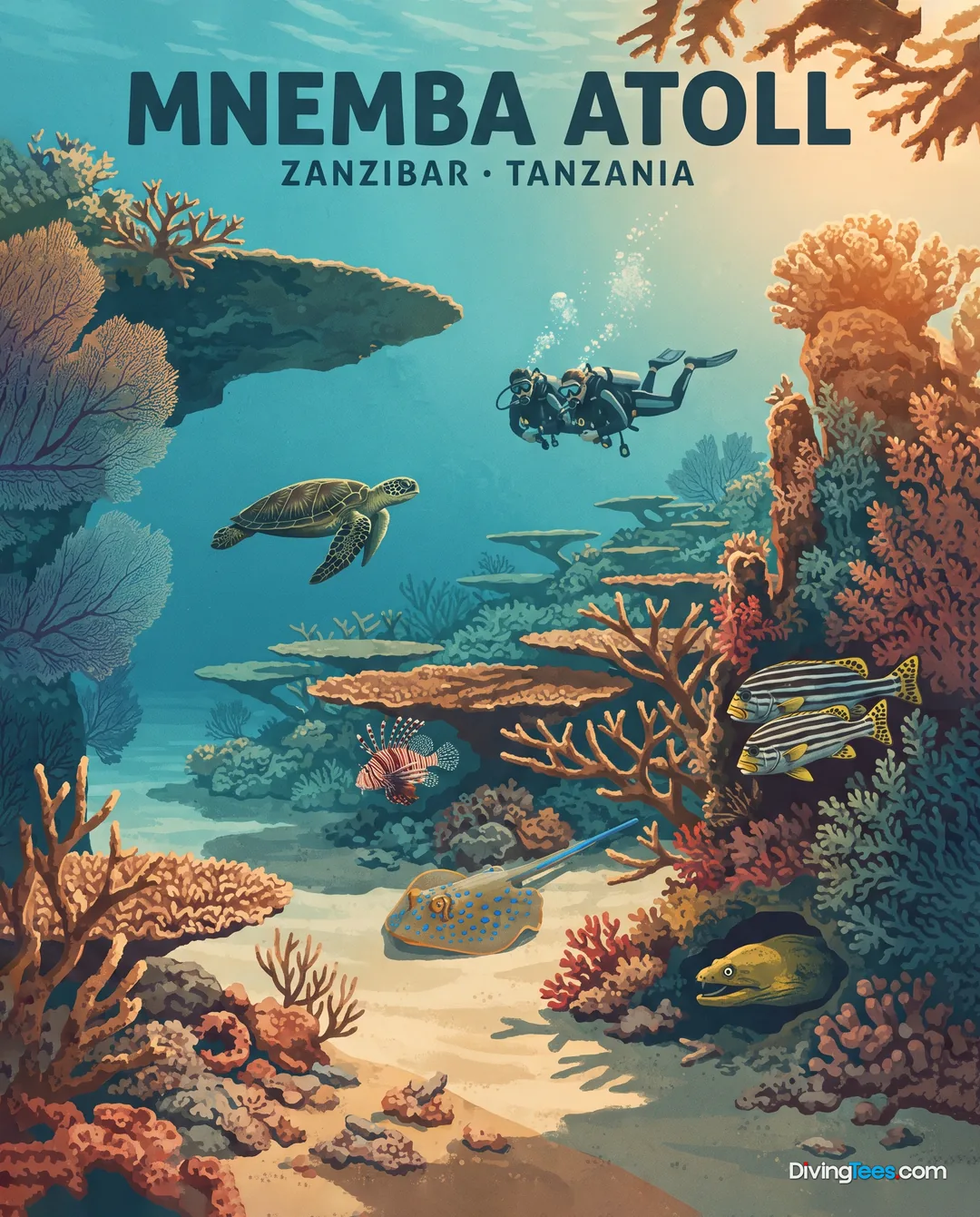
Dropping into Mbwangawa, you immediately find yourself drifting along a vibrant section of Zanzibar's coral barrier reef. The descent begins at a comfortable 8 metres, easing you into a world dominated by expansive growth. As you move along the slope, the topography reveals a dynamic display of marine architecture, transitioning from massive brain corals that anchor the reef to a rich tapestry of soft corals swaying gently with the water's movement. Further down, striking areas of plate corals form layered structures, providing shelter and foraging grounds for countless tropical reef fish.
Following the natural contour of the reef, the slope gradually deepens, reaching its maximum at 18 metres. It's a dive profile that encourages observation, allowing you to absorb the intricate details of the coral formations and the life they support. The current, often a gentle push, enhances the drift experience, carrying you effortlessly past schooling species and individual hunters alike. The transition in coral types as you go deeper illustrates a healthy and diverse ecosystem, constantly shifting in texture and colour.
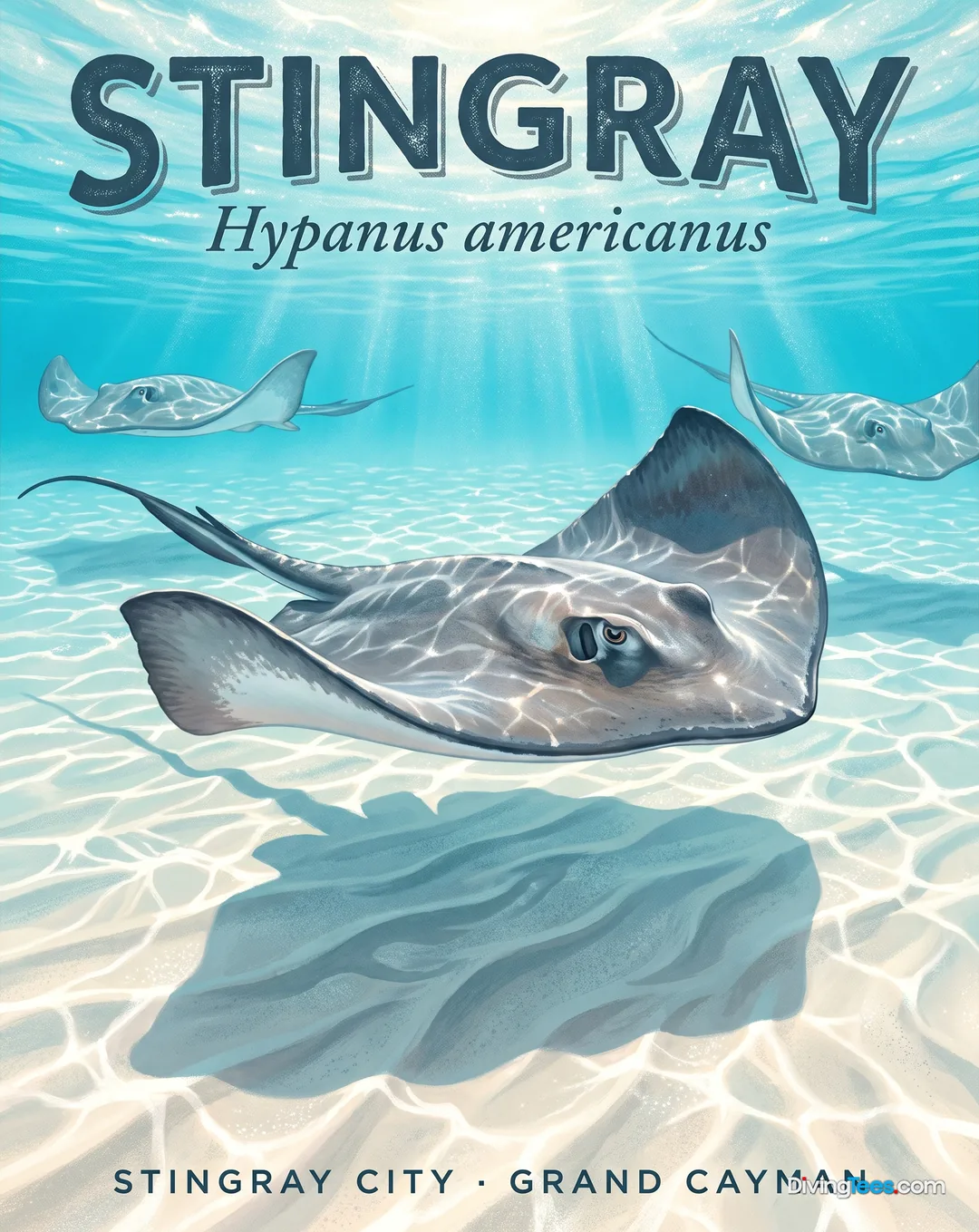
As the coral slope levels out, the reef gives way to a flat, sandy area at the base. This transition zone is a prime location for encounters with a diverse array of bottom dwellers. Here, your eyes should trained on the sand. It's common to spot impressive stingrays (Dasyatidae) camouflaged against the seabed, their outlines often betrayed by the subtle movement of their wings. Keep an eye out for guitarfish (Rhinobatidae), whose elongated bodies and distinct profiles make them a fascinating sight as they cruise or rest on the sandy bottom. Blue-spotted rays (Taeniura lymma) also frequent this area, their vivid markings standing out against the golden sand.
Almost at the very end of this expansive reef system, you'll encounter a truly special section known as 'Turtle House.' This unique area, situated on a sandy patch interspersed with small rocky outcrops, is home to an astonishing concentration of green sea turtles (Chelonia mydas) and hawksbill turtles (Eretmochelys imbricata). It's not uncommon to count up to a dozen individual turtles here on a single dive, a testament to the site's importance as a resting and feeding ground for these magnificent creatures. Observing their serene behaviour in their natural habitat provides a quiet, memorable close to the dive.
Mbwangawa is accessible for divers operating between a minimum depth of 8 metres and a maximum of 18 metres. While current information is not specified, Zanzibar's waters generally feature light currents on many sites, though some areas can experience stronger flows. Visibility in the region typically ranges from 10 to 30 metres. Diving here is possible year-round, with the dry seasons from June to October and December to March often offering stable conditions.
You can dive Mbwangawa year-round. The dry seasons from June to October and December to March often provide stable conditions. Regional visibility typically ranges from 10 to 30 metres, helping you appreciate the coral slope, sandy bottom and marine life along this section of Zanzibar’s barrier reef.
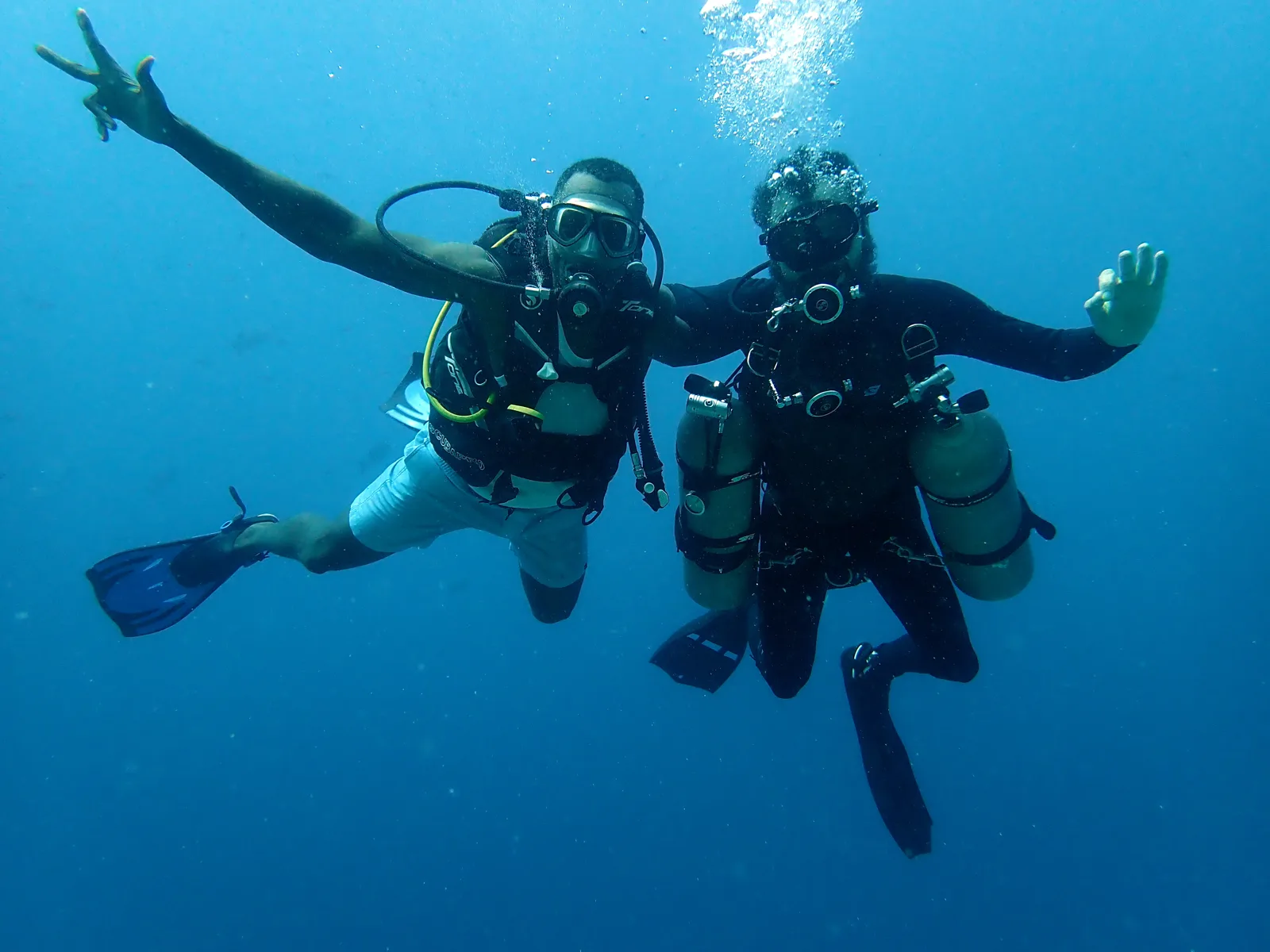
You begin the dive at 8 metres, where the descent reaches the coral slope. Following the reef’s natural contour, you can continue down to a maximum of 18 metres. The profile moves from brain, soft and plate corals toward a flatter sandy area at the reef base.
Mbwangawa is described as a drift dive, with a current that is often a gentle push along the reef. Zanzibar sites generally have light currents, although some areas can experience stronger flows. The movement carries you past coral formations, schooling species and individual hunters while you follow the reef’s contour.
You can see brain, soft and plate corals, tropical reef fish and sandy-bottom animals including stingrays, guitarfish and blue-spotted rays. At Turtle House, green and hawksbill turtles gather among sand and rocky outcrops, with up to 12 individuals possible on a single dive.