
In 2 Deep, Inc.
Google 4.9/5 (93 reviews)
United States · Americas
Kelp forests, the UB-88 wreck, rocky reefs and garibaldi shape diving between Los Angeles County and Catalina Island in one trip
For subtitles in English: start the video firstthen click the gearat the top right of the video, select “Subtitles/CC”, then “Auto-translate” and choose “English”.
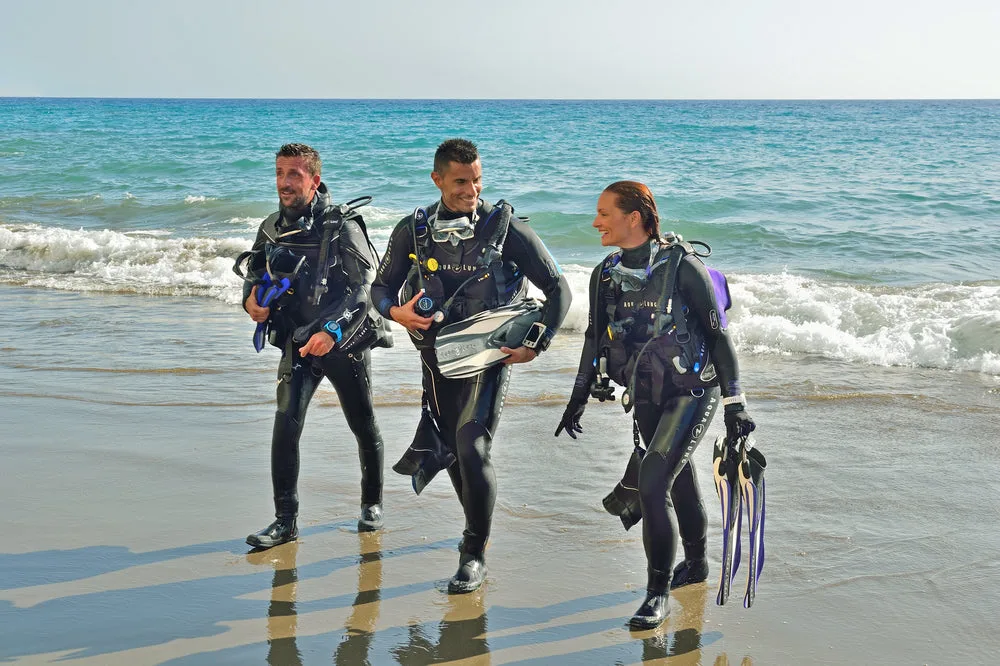
At Casino Point, a stairway drops divers into protected kelp and rocky reef beside Avalon, while the mainland brings shore entries around Palos Verdes and Redondo. Beyond them lie boat dives around Catalina Island, including kelp-covered reefs and wrecks such as the UB-88. Los Angeles suits divers who want California’s temperate-water character without giving up a city break, but it rewards planning: Catalina is an island trip, not simply another coastal suburb.
The diving moves between shore entries, boat trips, rocky reefs, dense kelp and wrecks. Casino Point is the straightforward starting point, with a stairway entry and a generally sheltered layout. Conditions elsewhere are less uniform. Palos Verdes can bring stronger currents, and exposed reefs or wrecks demand more judgement than the calmest Catalina shore diving. Kelp makes the scenery three-dimensional, but it also affects orientation and ascent planning. Visibility changes sharply between locations and with plankton, swell and coastal run-off, so a blue-water expectation is unwise. Catalina sites away from Avalon are reached by dive boat, which opens more exposed terrain than a ferry-based day around the harbour. The result is a varied mixture of shore diving and boat diving, with the character changing from an easy, organised entry to a more committed outing where current and sea state matter.
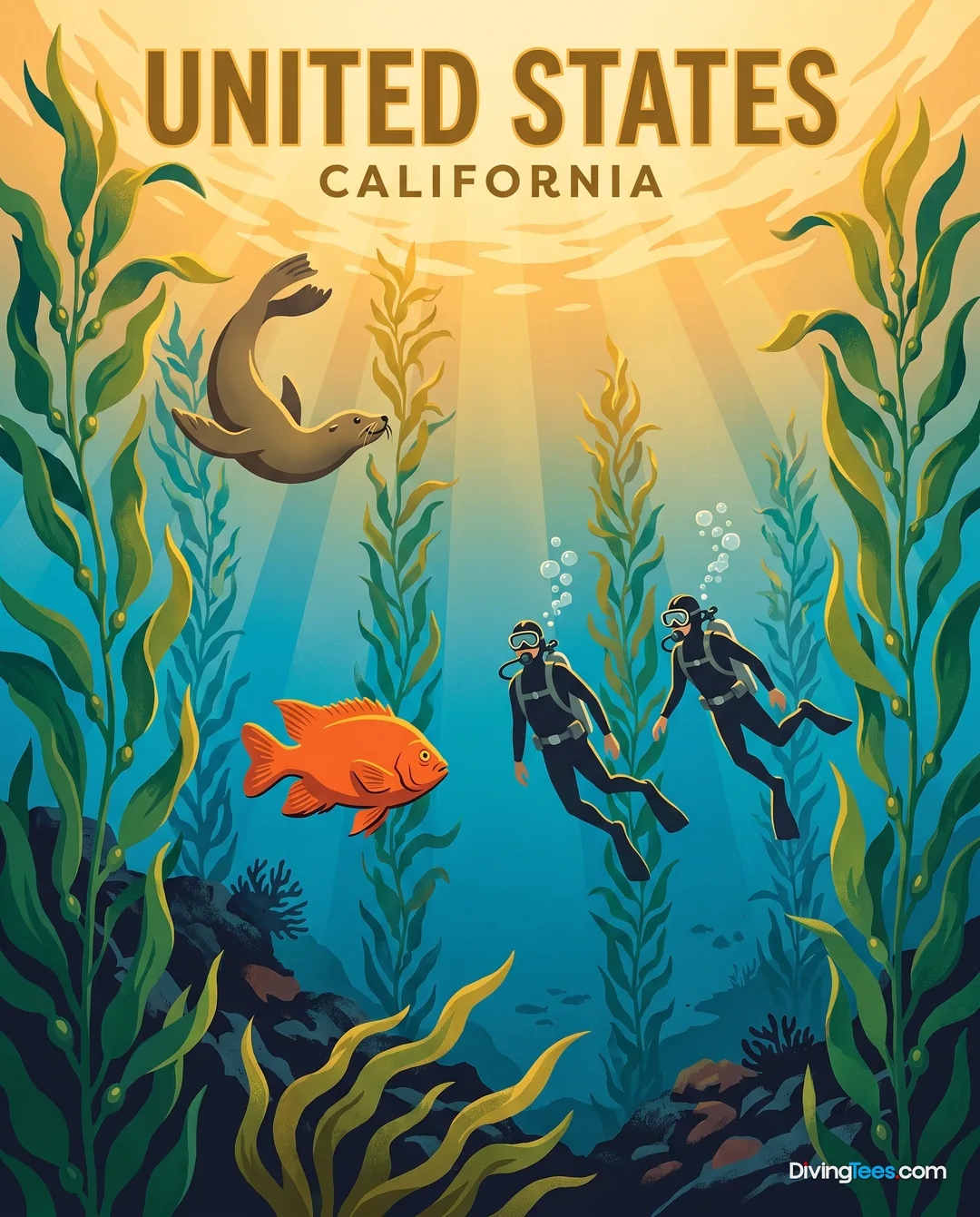
Garibaldi are the dependable residents here, their bright orange colour standing out among kelp and rocky reef throughout the year. At Casino Point, the protected habitat also offers the possibility of seeing giant black sea bass, an encounter that fits the slower pace of a sheltered Catalina dive. These large fish are more occasional than guaranteed, with sightings most likely in summer and autumn. Winter can bring migratory wildlife, although it is less predictable than the resident reef life. The kelp itself is part of the attraction, forming the living structure around which coastal fish gather. Look closely rather than racing over the bottom: the appeal is the combination of forest, rock, fish and changing light, not a parade of guaranteed sightings.
August, September and October are the most dependable months for a comfortable balance of calmer water, warmer conditions and better visibility. Spring, particularly March and April, can be more demanding, with stronger currents on exposed Palos Verdes sites. Plankton, swell and coastal run-off can reduce visibility at any time, and local conditions may differ greatly between the mainland and Catalina. Diving remains possible year-round. Summer and early autumn also suit a Catalina plan because the island is easier to enjoy between dives, while winter adds the possibility of migratory wildlife without making sightings certain.
Casino Point can suit a newer diver when conditions are favourable, thanks to its stairway entry and relatively sheltered water. The wider destination is not uniformly gentle. Palos Verdes reefs, exposed Catalina sites and wrecks call for sound buoyancy, navigation and current awareness. Advanced training is useful for deeper wreck profiles and variable conditions, while a Wreck qualification is appropriate for wreck diving. Nitrox may help with repetitive days where the centre and planned profiles allow it. BSAC, PADI and SSI divers should match the outing to recent experience, not just certification level.
From London Heathrow, Gatwick or Manchester, reach Los Angeles and then continue by road to the coastal departure points. Mainland shore dives and boat trips are spread along the coast, so allow for road transfers rather than treating them as walks from one base. Catalina adds the fixed constraint: take a ferry from San Pedro, Long Beach or Dana Point, or join a dive boat leaving from a mainland harbour. If staying in Avalon, the ferry becomes part of the day’s structure. Casino Point is walkable from the harbour area, but Catalina sites beyond Avalon require a boat trip. On the mainland, a car or taxi is the practical way to connect coast, harbour and accommodation.
Treat Catalina as a separate transport plan. Ferry times control a day trip, and a missed connection is not solved by simply driving on to the next site. For a first Catalina dive, start at Casino Point, preferably early or on a weekday if you want less crowding around the entry. Do not assume its sheltered conditions represent the whole island. Book a boat outing for sites beyond Avalon rather than relying on ferry travel and a long surface transfer. On the mainland, group shore dives by coastal sector, keeping Palos Verdes, Redondo and more distant areas from eroding the day in the car. In spring, be cautious about exposed Palos Verdes reefs and wrecks, where currents can change the character of the dive. Carry exposure protection suited to marked temperature changes through the thermocline, and take extra care with buoyancy and orientation in dense kelp. At Casino Point, leave every animal, rock and object in place: it is a no-take protected area.
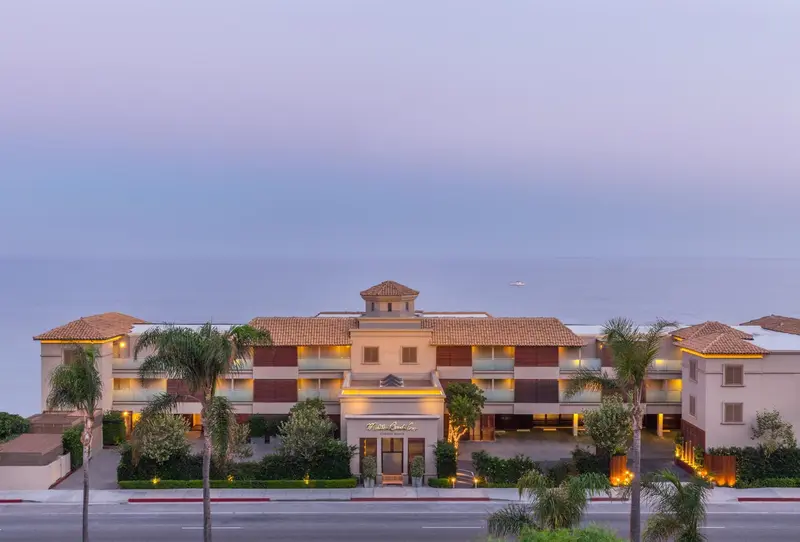
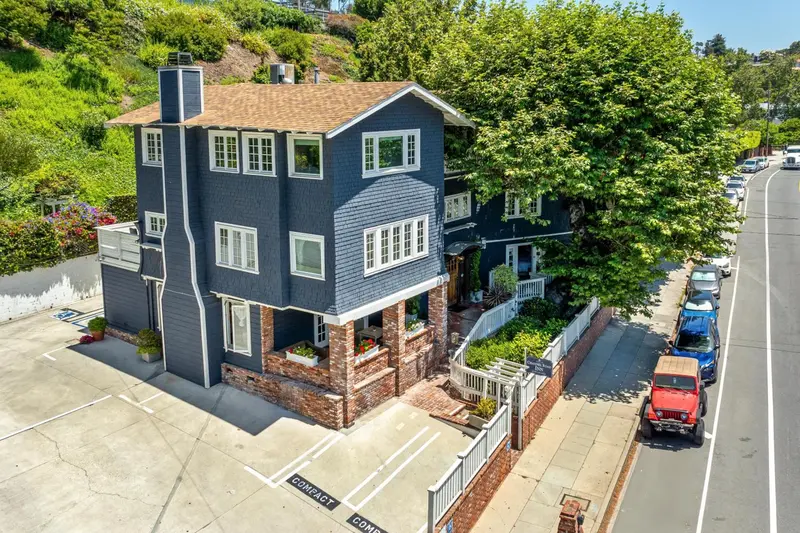
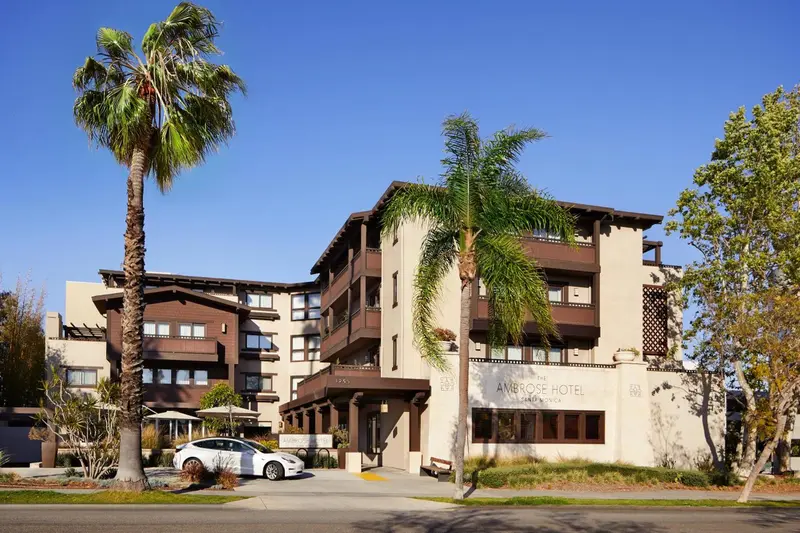
Allow five to seven days for a sensible mix of mainland shore diving, boat outings and a day or more on Catalina. Stay on the continent for access to the coastal sites, then use a ferry excursion or make Avalon an island stop. Accommodation and dive operations are spread along the mainland, so daily driving is part of the arrangement. Avalon is easier on foot around the harbour and Casino Point. Non-divers have Los Angeles’s beaches, neighbourhoods and cultural attractions, plus walking and surface-water activities on Catalina.
Hello, I'm Marina, DivingDeal.com's AI assistant. I guide you through destinations, areas and countries.
Thinking about the whole trip and the flights? Talk it over with Edith →
Marina is an AI. Some links are affiliate links: DivingDeal may earn a commission, at no extra cost to you. Bookings are made with the partner.
August through October offers a dependable balance of calmer water, warmer conditions and better visibility. Diving remains possible year-round, but plankton, swell and coastal run-off can reduce visibility at any time. Summer and early autumn also suit Catalina plans, while winter may bring migratory wildlife without guaranteed sightings.
Casino Point can suit newer divers when conditions are favourable, with its stairway entry and relatively sheltered water. Palos Verdes reefs, exposed Catalina sites and wrecks require sound buoyancy, navigation and current awareness. Advanced training helps with deeper wreck profiles and variable conditions, while wreck diving calls for a Wreck qualification.
Expect kelp forests, rocky reefs, wrecks and garibaldi throughout the year. Catalina’s Casino Point may offer giant black sea bass, with sightings most likely in summer and autumn. The UB-88 is among the wreck options, while the kelp provides structure for coastal fish and changing light rather than guaranteed encounters.
Allow enough time for mainland shore dives, boat outings and Catalina. Group mainland sites by coastal sector because road transfers connect shore entries, harbours and accommodation. Treat Catalina as a separate transport plan by using a ferry or dive boat, and start at Casino Point before arranging boat dives beyond Avalon.