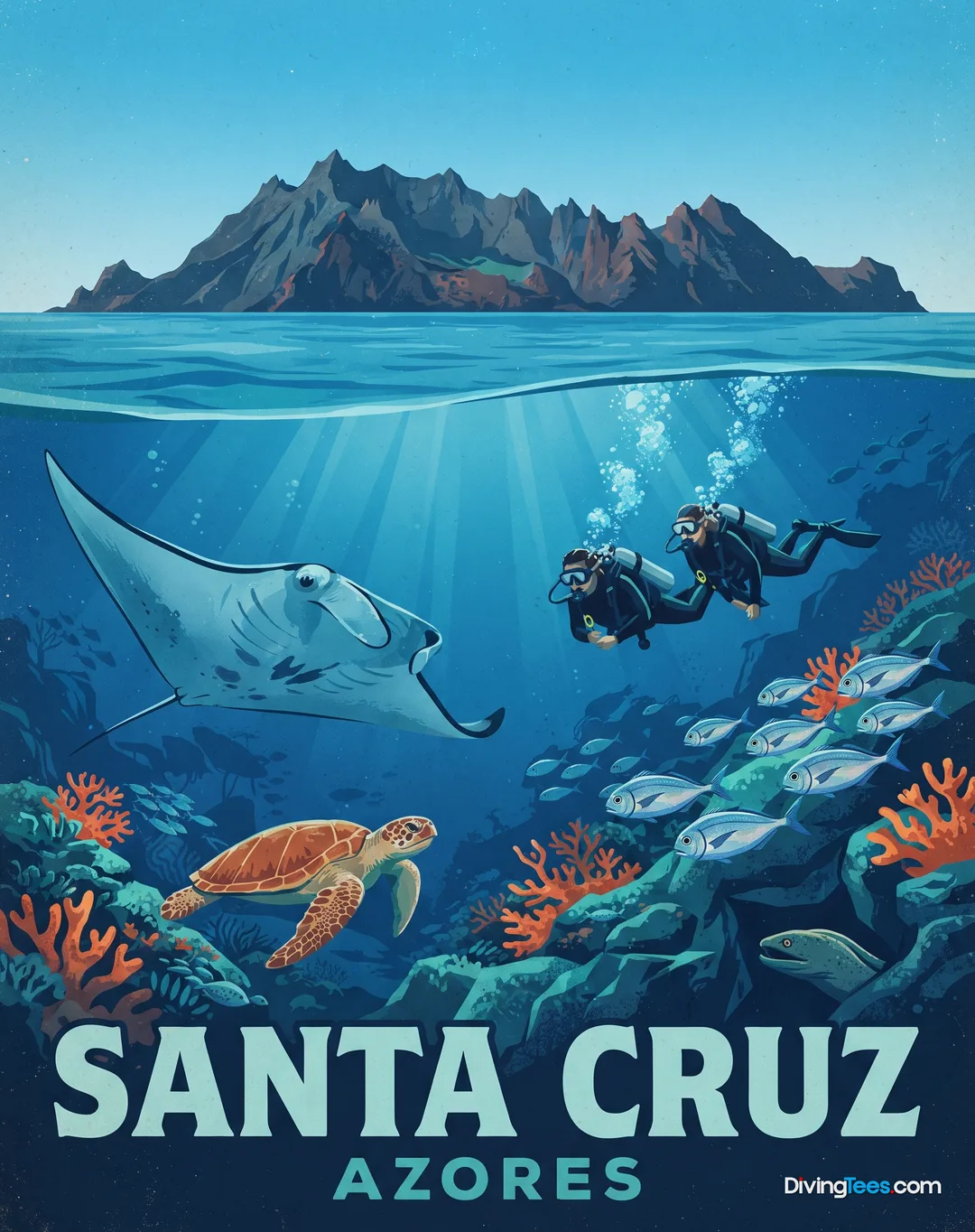
Santa Cruz · Azores · Atlantic
Max. depth · 40 mMonte da Guia, Faial: Coastal Diving in an Azorean Reserve
Explore the volcanic underwater topography of Monte da Guia, a protected coastal reserve south of Horta, offering diverse dive profiles from shallow reefs to deep caverns.
What makes this site special
- Coastal diving within a natural marine reserve.
- Volcanic underwater topography with walls and platforms.
- Multiple large caverns and cave corridors.
- Small metal shipwreck between two caverns.
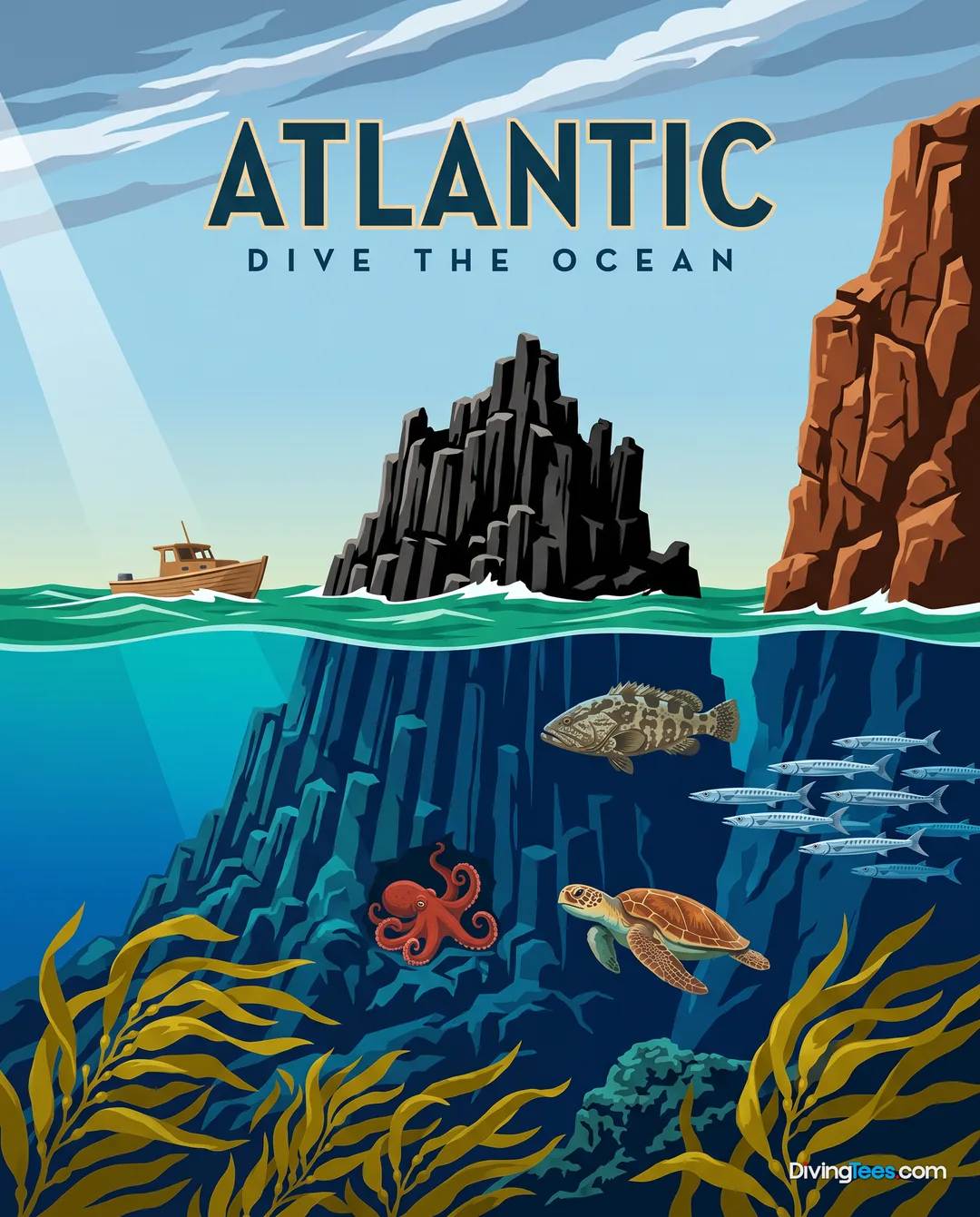
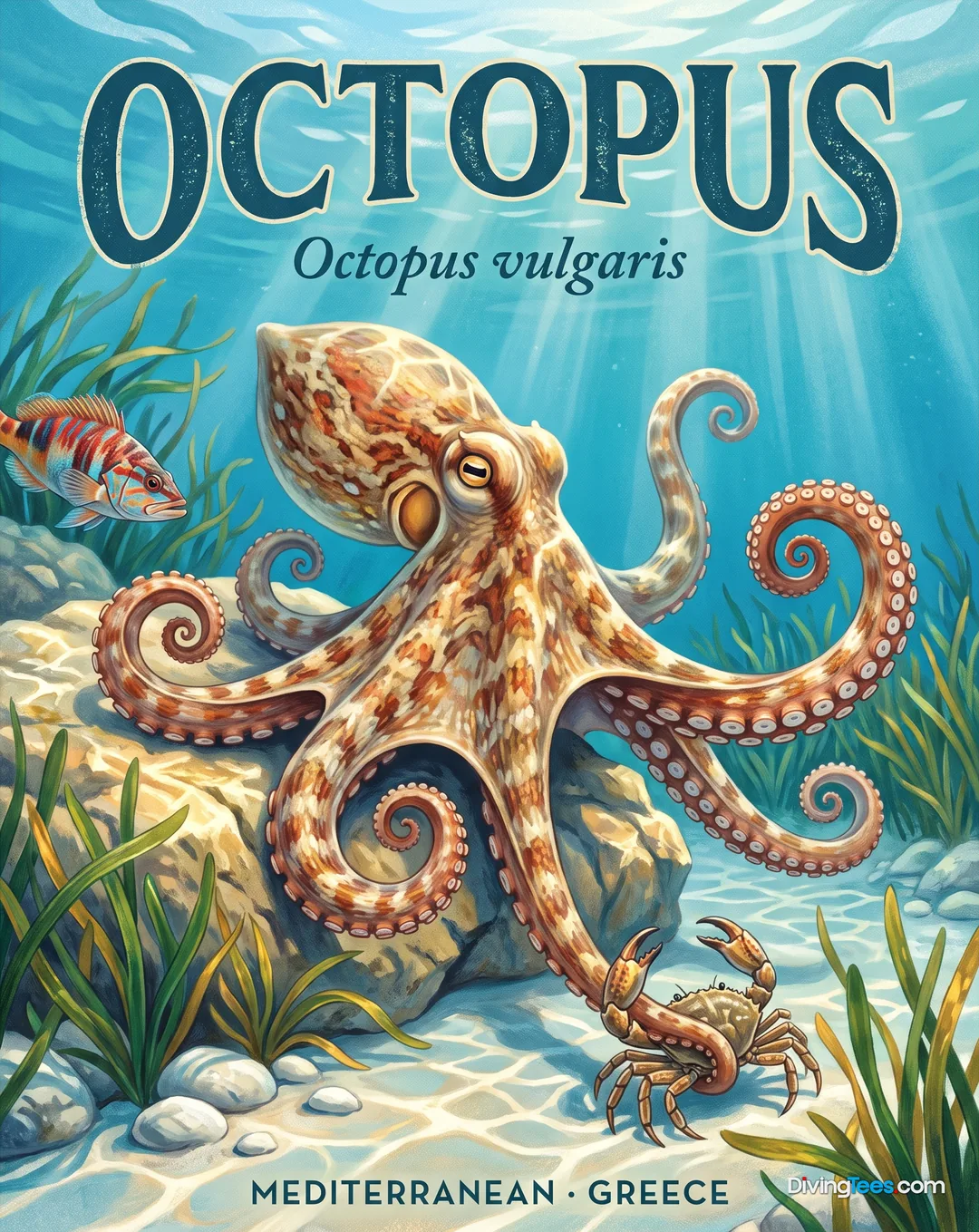
- Resident dusky groupers, moray eels, and octopus.
- Occasional eagle rays and stingrays.
- Rich invertebrate life, including black coral.
- Accessible by boat, 5-15 minutes from Horta.
For subtitles in English: start the video firstthen click the gearat the top right of the video, select “Subtitles/CC”, then “Auto-translate” and choose “English”.
Monte da Guia about the site
Diving Monte da Guia places you within the Azores' first marine protected area, a volcanic peninsula situated just south of Horta on Faial. This designation means you're exploring an environment where marine life benefits from conservation efforts, offering a glimpse into the thriving Azorean underwater world. The site's topography is shaped by volcanic forces, presenting a landscape of steep walls, multi-level reef platforms, and sandy bottoms that differs from the more exposed offshore seamounts. You'll find a variety of dive profiles here, depending on your entry point and the prevailing conditions.
The underwater landscape around Monte da Guia is complex, featuring several distinct areas. You can explore vertical drops that begin from shallow reef tops, leading down to deeper sections. The interplay of light and shadow against these volcanic rock faces creates a dynamic environment, especially as you navigate the site's unique geological features. This coastal setting provides a refuge for resident species, contrasting with the more pelagic encounters found at oceanic sites further offshore.
Among the most distinctive features are the large caverns cut into the slope of Monte da Guia, some of which include narrow corridors opening into expansive chambers. These caverns often present striking backlight effects and are home to colourful invertebrate life. Within this network of underwater formations, you'll also find a small metal shipwreck resting on a sandy patch between two of these caverns, adding another point of interest to the dive.
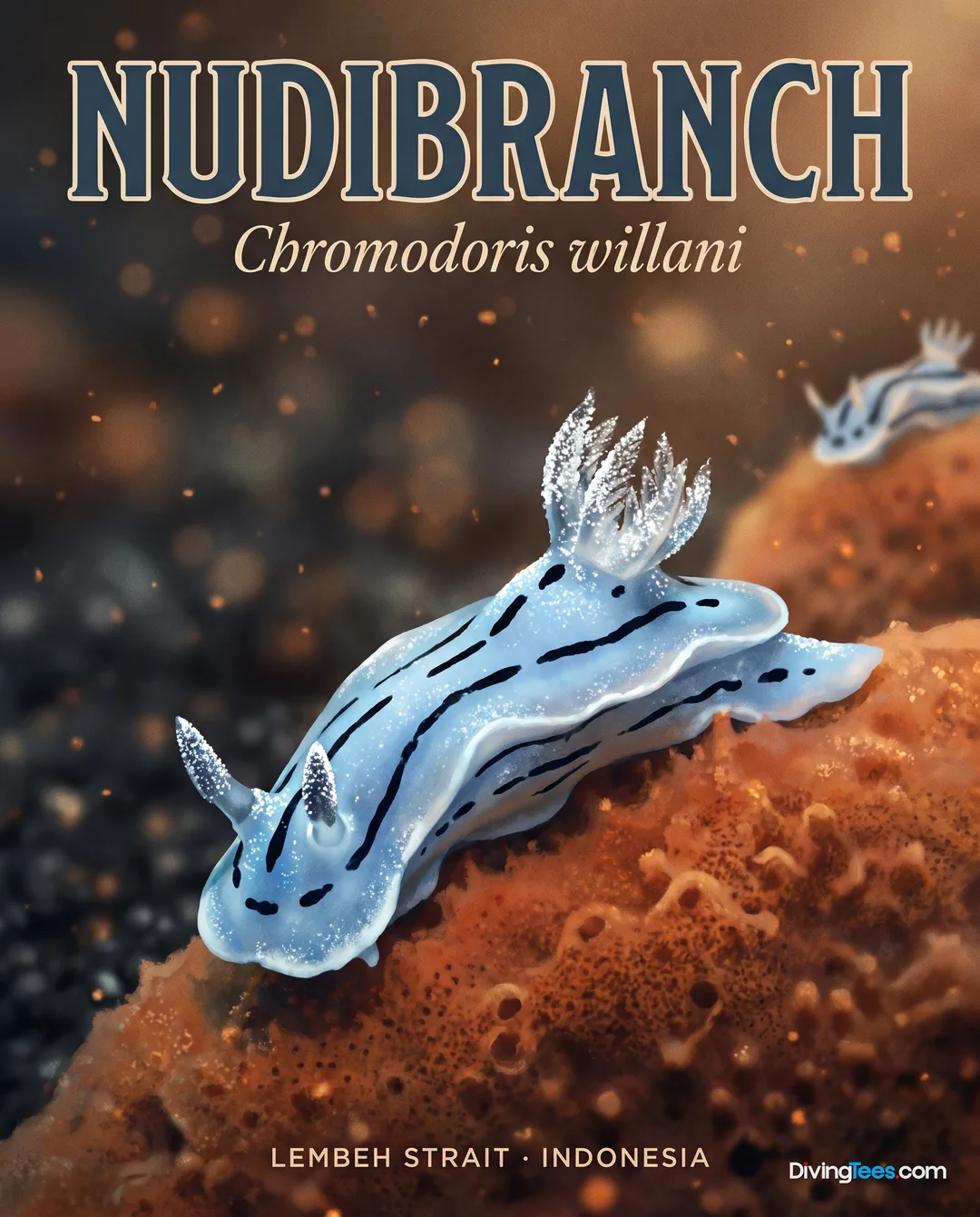
The site's protected status contributes to a healthy and dense marine community. As you move through the different depth zones, from the shallow platforms to the deeper walls, you'll encounter a range of species. Dusky groupers and moray eels are common residents, often found in crevices and under ledges. Octopus and various nudibranchs are also present, requiring a keen eye to spot them against the volcanic rock.
The invertebrate life here is particularly rich, with European fan worms swaying in the gentle surge and yellow cluster anemones adorning the rock faces. You might also spot narwal shrimp in the darker recesses of the caverns. Black coral, though slow-growing, is also found in deeper, less exposed areas, indicating the long-term stability of this protected ecosystem.
Fish life includes schools of Azores chromis, which are ubiquitous on the reefs, alongside Mediterranean rainbow wrasse and ornate wrasse. Mystery blennies can be observed darting between rocks, while lizardfish blend into the sandy patches. Occasionally, larger pelagic species such as eagle rays and stingrays pass through the area, especially over the sandy bottoms or near the deeper drop-offs, adding an element of surprise to the dive.
Monte da Guia offers a more intimate interaction with the local marine inhabitants compared to more exposed sites. The variety of habitats, from shallow, sunlit reefs to deeper, darker caverns, supports a diverse ecosystem. This richness makes it a rewarding site for underwater photographers and marine enthusiasts looking to observe the specific adaptations of Azorean coastal species within a well-preserved environment.
Diving Monte da Guia: the marine life you’ll meet
Diving conditions
Diving at Monte da Guia is accessible from a minimum Open Water Diver certification, with depths ranging from 3 to 40 metres. However, exploring the narrow cave corridors and large chambers of Furnas do Monte da Guia or Gruta dos Camarões requires specific cave or cavern diving training and a check-dive with local operators due to the overhead environment. Visibility typically ranges from 15 to 30 metres. Currents are generally manageable within the protected area but can be variable, influenced by Atlantic weather patterns. The best season for diving here is from April to October, when water temperatures are between 20 and 24°C.