

Flare Dive
Google 5/5 (424 reviews)
6.6 km away as the crow flies
Okinawa · Japan · Asia
Max. depth · 20 mA shallow shore entry into the Nakayukui reef area, characterized by white sand slopes and dense coral patches.
For subtitles in English: start the video firstthen click the gearat the top right of the video, select “Subtitles/CC”, then “Auto-translate” and choose “English”.
Diamond Beach serves as a direct shore entry into the northern reaches of the Nakayukui reef system. The topography begins with a shallow white sand slope that transitions into a fringing coral reef as you move away from the shoreline. You will find various sandy patches interspersed with coral heads and reef flats close to the shore. This layout is typical of the Onna Village west coast, where the seabed rises gradually before reaching the deeper reef edge. The approach is straightforward, allowing for a controlled descent directly from the natural beach.
The dive profile remains relatively shallow, generally staying within the upper 20 metres of the water column. As you descend, the light reflects off the white sandy bottom, providing high visibility through the water column. You will navigate through a series of reef flats that are part of the protected Onna Marine Park zone. The terrain is not vertical but rather a series of undulating slopes and coral formations. This depth range makes the site accessible for a wide range of divers seeking a relaxed reef environment.
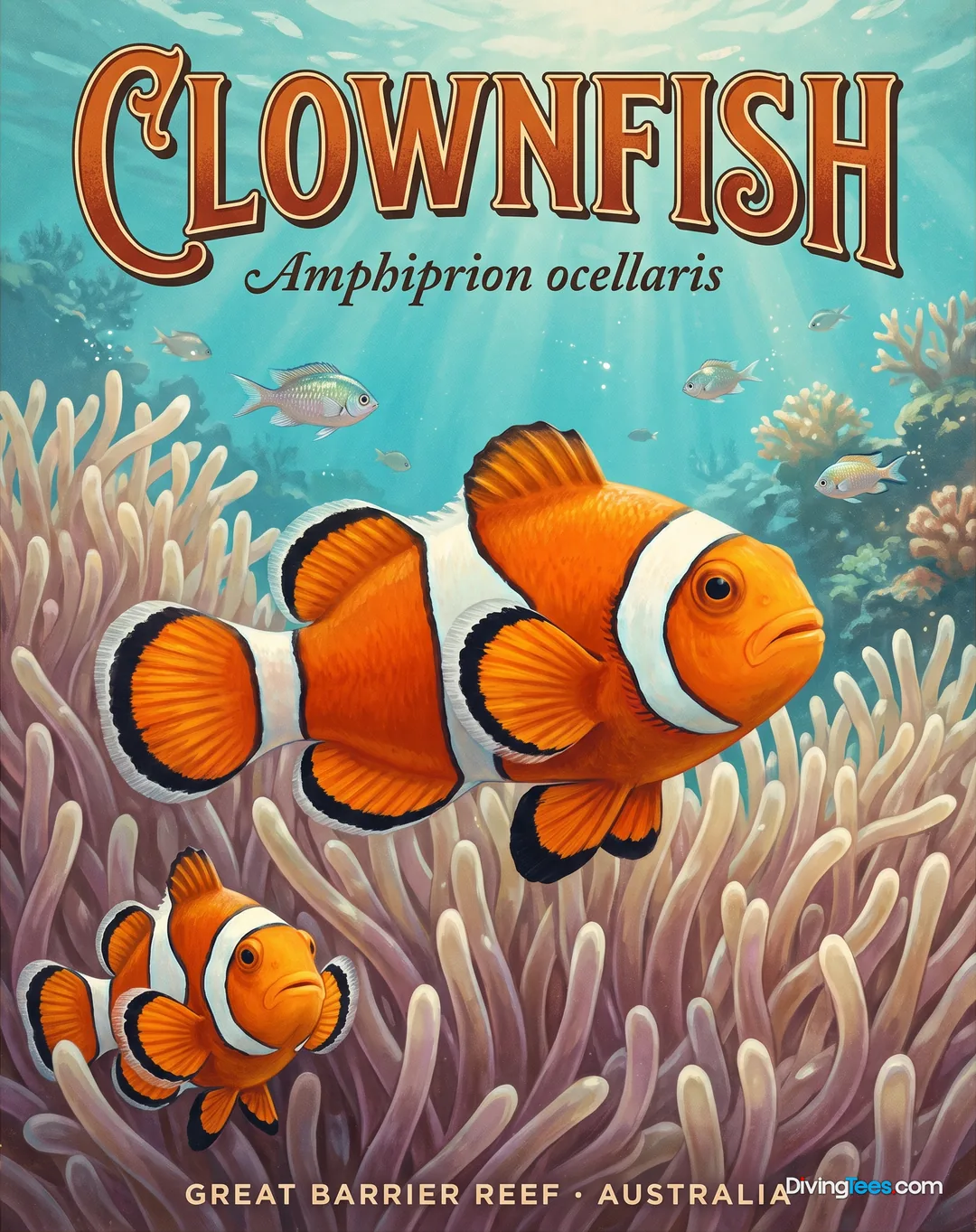
Marine life at this site is concentrated around the coral heads and the reef flats. You will frequently encounter clownfish and damselfish hiding within the various anemones and reef structures. Reef butterflyfish and parrotfish are common throughout the shallower sections of the reef. For those observing the reef floor, searching around the coral heads often reveals more resident species. The ecology here is healthy and characteristic of the productive reef systems found in the Okinawa region.
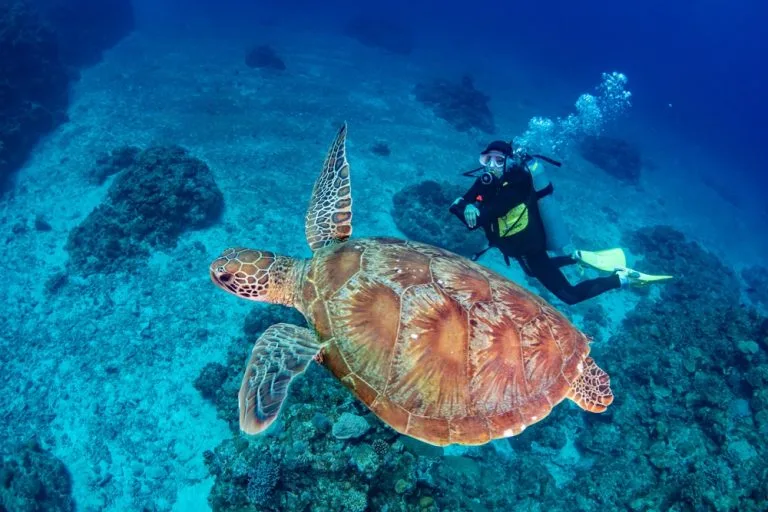
One of the most consistent highlights is the presence of the green sea turtle (Chelonia mydas). These animals often cruise the shallower reef slopes and sandy patches looking for food. Because the site is relatively calm, you have a good opportunity to observe their slow, rhythmic movement through the water. They are typically found in the shallower, sunlit areas where the reef meets the sand. Monitoring their movement requires patience rather than active searching, as they often move between the reef and the sand.
The site is characterized by its natural, undeveloped state compared to the more commercialized resort beaches nearby. There is no formal swimming infrastructure or designated beach access road at Diamond Beach. Instead, access is achieved through natural walkways located behind local establishments. This gives the site a quieter, more secluded character for those looking to avoid large crowds. It remains a primary entry point for both shore divers and snorkelers exploring the Nakayukui area.
Visibility at the site typically ranges between 15 and 20 metres. This clarity is influenced by the local water conditions and wind direction, which can affect how much sediment is stirred up from the sandy bottom. On a calm day, the visibility is excellent, providing a clear view of the reef structures and the marine life they support. The interaction of light with the white sand creates an bright environment for photography and observation. It is a reliable site for those seeking clear, shallow reef exploration.
The water conditions are generally calm with light to no current in the nearshore reef area. This makes the site particularly suitable for shore entries and for those who prefer to dive in stable conditions. However, you must remain aware of the topography as you move further offshore. While the immediate reef is calm, the drop-off and channels can experience different conditions. Understanding the local terrain is key to maintaining buoyancy and control during your dive.
Depth ranges from 0 to 20 metres. The site is accessible from the Open Water level, provided you are comfortable with shore entries. Visibility is typically between 15 and 20 metres. The best time to dive here is from April to October for warmer and calmer water conditions.
Plan your dive between April and October, when Diamond Beach generally offers warmer and calmer water conditions. Visibility is typically between 15 and 20 metres, although wind direction can stir sediment from the sandy bottom and affect clarity on some dives.
Diamond Beach is accessible from the Open Water level if you are comfortable with shore entries. You enter from a white sand beach and descend in a controlled way over a shallow sand slope, making the site suitable for various levels and relaxed reef exploration.
Diamond Beach remains relatively shallow, with depths from 0 to 20 metres. The seabed begins as a white sandy slope, then transitions into coral heads, reef flats, sandy patches, and gently undulating formations within the Onna Marine Park near shore.
Nearshore conditions at Diamond Beach are generally calm, with light to no current. You can look for green sea turtles around shallow reef slopes and sandy patches, along with clownfish, damselfish, butterflyfish, and parrotfish among the coral heads and reef flats.