


Diving Shop Lei
Google 5/5 (3,134 reviews)
9 km away as the crow flies
Okinawa · Japan · Asia
Max. depth · 40 mA technical wall dive characterized by vertical cliffs, complex swim-throughs, and high-energy currents off Cape Zanpa.
For subtitles in English: start the video firstthen click the gearat the top right of the video, select “Subtitles/CC”, then “Auto-translate” and choose “English”.
Bolo Point sits directly off the exposed edge of Cape Zanpa, presenting a topography defined by massive vertical cliffs that drop into the open ocean. The underwater landscape is a complex mix of high walls, steep gorges, and underwater mountains that create a highly varied environment. For those approaching from the shore, the descent begins after a rigorous hike over jagged coastal rocks to reach the waterline. Once in the water, the site reveals a massive primary cavern accompanied by more than twenty smaller tunnels and swim-throughs. This structural density provides a significant amount of habitat for reef-dwelling species within a relatively compact area.
The dive profile is shaped by the steepness of the reef, with depths transitioning from 10 metres down to 40 metres. Divers will find that the upper layers of the reef consist of platter coral formations that provide essential structure for various tropical fish. As you move deeper along the wall, the terrain shifts into more vertical sections where the light begins to fade and the scale of the caverns becomes apparent. Navigating through the various tunnels requires careful buoyancy control, especially when moving between the open wall and the more confined overhead environments. The presence of these large and small caverns makes the site a significant destination for those looking to explore complex reef architecture.
Current management is a critical component of any dive at Bolo Point due to its position facing open ocean swells and tidal flows. The site is known for strong, rapidly changing currents that can shift in direction and intensity without much warning. These conditions are a direct result of the cape's exposure to the Pacific, making the water movement highly variable. Divers must be prepared to manage their positioning frequently to avoid being swept away from the wall or into unprotected areas. Because the current can become extremely demanding, maintaining a streamlined profile and being mindful of your gas consumption is essential throughout the dive.
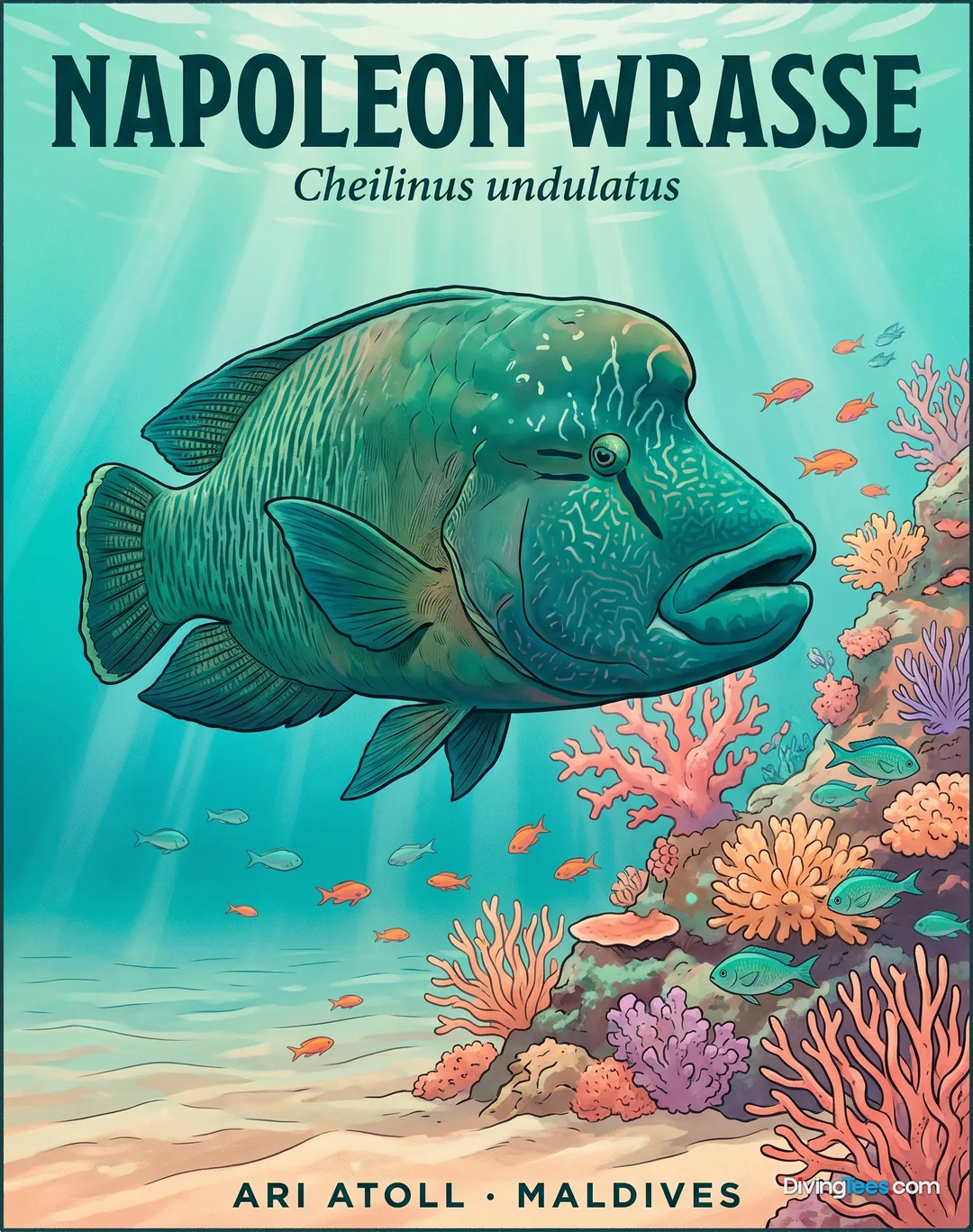
The marine life at Bolo Point is concentrated around the reef structures and the edges of the deep wall. You will frequently encounter large reef fish such as grouper and snapper patrolling the deeper sections. Napoleon wrasse are common residents of these waters, often seen cruising near the coral formations. In the mid-water columns, giant trevally move through the current, while copper sweepers often hover in larger groups near the reef face. The complex topography of the caverns and swim-throughs also provides ideal hiding spots for various tropical reef fish that rely on the reef's structure for protection.
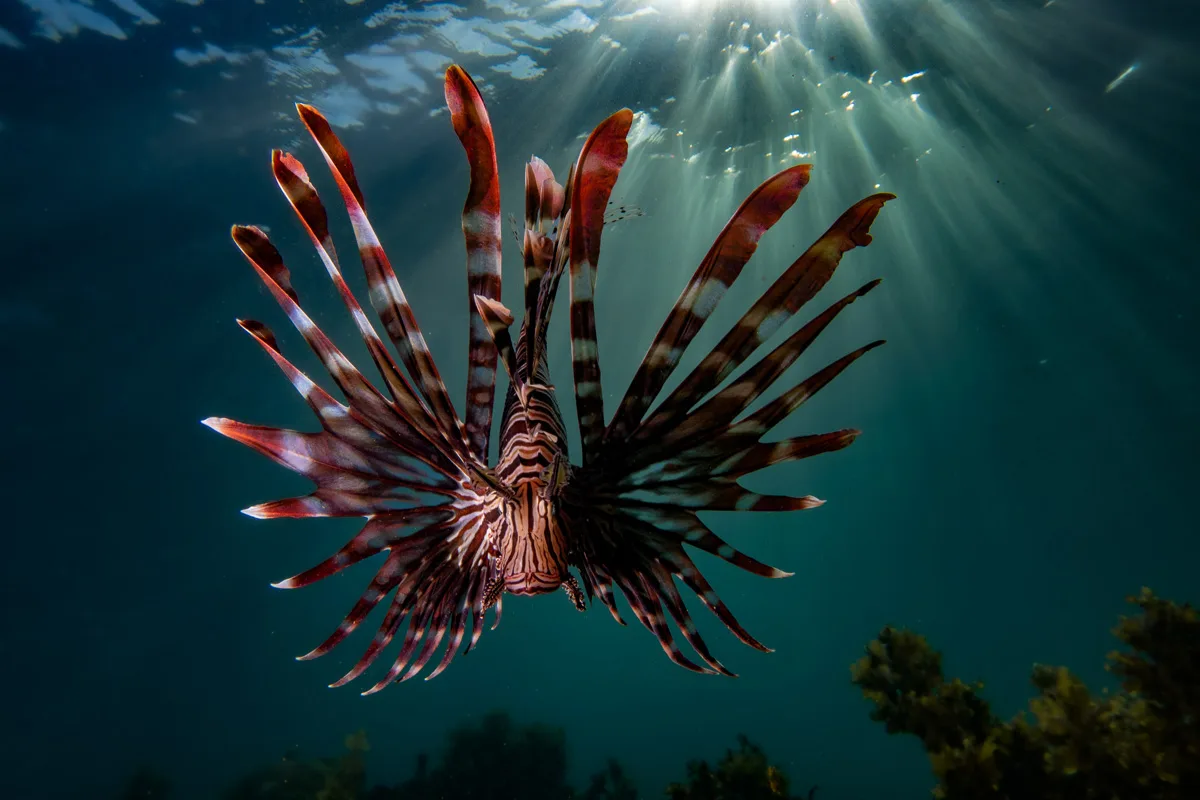
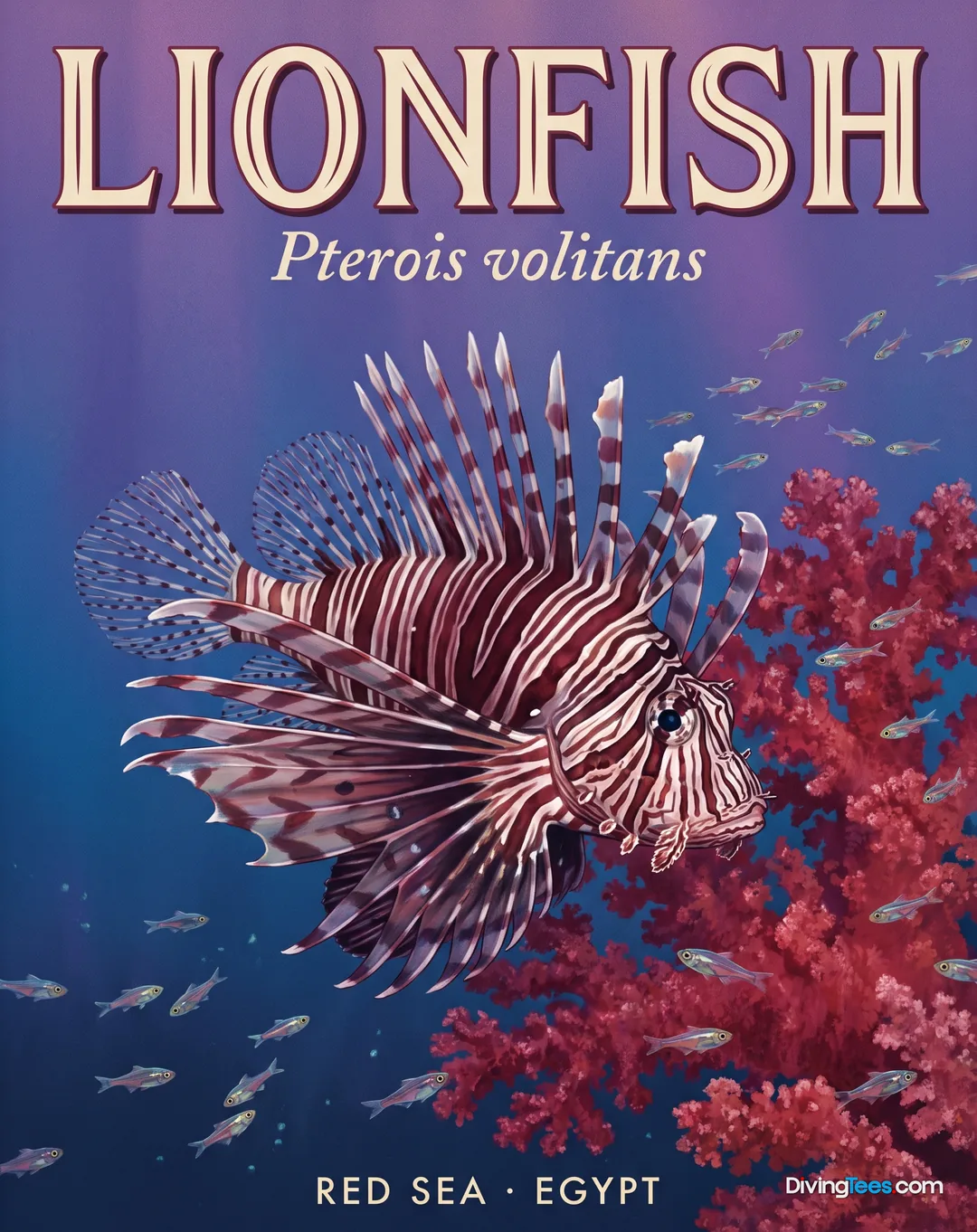
Predatory species and smaller reef inhabitants add to the biological diversity of the site. Nurse sharks are often found resting or cruising along the bottom and within the more sheltered parts of the wall. You may also observe lionfish positioned near the reef edge, utilizing the structure to ambush prey. The interaction between the strong currents and the reef's shape creates a nutrient-rich environment that supports these various species. Monitoring your surroundings is important, as the movement of larger fish is often dictated by the flow of the water through the various gorges and tunnels.
Light and visibility play a significant role in how the site is experienced, particularly when navigating the cavern systems. During the late summer and early autumn, visibility typically reaches around 25 metres, allowing for clear views of the deeper wall and the larger structures. However, the shadows cast by the many overhangs and the depth of the gorges can create areas of low light even on bright days. This contrast between the brightly lit coral platters and the dark recesses of the caverns provides a sense of scale to the underwater landscape. Managing your torch or dive light becomes a practical necessity when exploring the more enclosed swim-throughs.
Bolo Point is regarded by the local diving community as one of the more advanced sites on Okinawa's main island. The combination of deep walls, overhead environments, and unpredictable water conditions requires a high level of proficiency. It is not a site for casual exploration; rather, it demands a diver who can maintain composure in moving water while navigating technical terrain. The site's reputation for being hazardous is rooted in the physical reality of the cape's exposure to the ocean. Mastering the ability to read the current and manage buoyancy in confined spaces is what makes successful diving here possible.
Depths range from 10 to 40 metres. This is an advanced site requiring experience with strong currents, deep walls, and overhead swim-throughs; technical training is recommended for the deeper and cave areas. Currents are strong and can change quickly due to the site's exposure to open ocean swells and tidal flow. Visibility is typically 20-25 metres, with the best conditions occurring between July and October.
You will generally find the best conditions at Bolo Point between July and October, when visibility typically reaches 20 to 25 metres. The site remains exposed to open ocean swells and tidal flow, so water movement can still be variable. Overhangs and caverns create darker areas even in bright conditions.
Bolo Point requires advanced diving experience because you must manage strong currents, deep walls, and overhead swim-throughs. Technical training is recommended for the deeper sections and cave areas. Careful buoyancy control is particularly important when moving between the open wall and confined tunnels, where maintaining composure and position matters.
Bolo Point descends from 10 metres to 40 metres along steep walls, gorges, and underwater mountains. Currents are strong and can change direction and intensity quickly because the site faces open ocean swells and tidal flow. You must frequently manage your position, gas consumption, and exposure to the moving water.
At Bolo Point, you can explore a vertical wall, a large primary cavern, and more than twenty smaller caverns and swim-throughs. Platter coral layers shelter tropical reef fish, while Napoleon wrasse, grouper, nurse sharks, giant trevally, copper sweepers, snapper, and lionfish inhabit the reef and surrounding water.