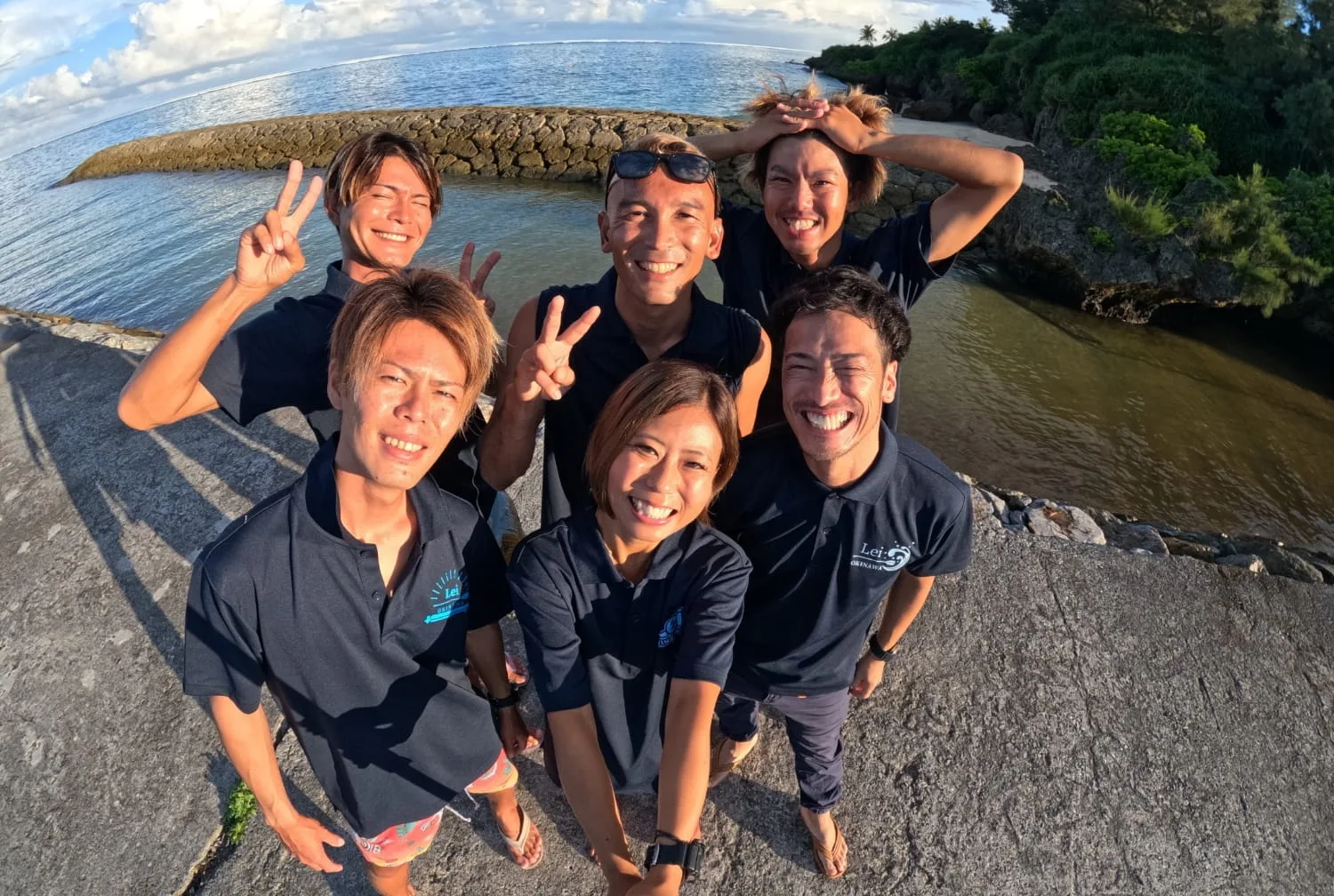

Diving Shop Lei
Google 5/5 (3,134 reviews)
1.1 km away as the crow flies
Okinawa · Japan · Asia
Max. depth · 27 mA versatile reef site featuring active coral cultivation areas and a gentle sloping wall.
For subtitles in English: start the video firstthen click the gearat the top right of the video, select “Subtitles/CC”, then “Auto-translate” and choose “English”.
The topography of Yamada Point is characterized by a broad coral reef area that transitions through several distinct zones. You start in a shallow area defined by sandy bars and reef flats that provide easy entry for those looking for a relaxed dive. As you move further from the shallows, the seabed rises into a mound-like reef structure. This central feature provides a more complex terrain with a steeper, wall-like slope on one side, while the other side continues as a gently sloping sandy terrain.
One of the most distinctive aspects of this site is the visible presence of coral farming. You will notice areas of flat sand where corals are actively being cultivated and transplanted onto the seabed. This creates a unique landscape where natural coral growth meets artificial reef structures designed to bolster the local ecosystem. Observing these managed areas provides a direct look at how reef restoration is integrated into the natural environment of Okinawa.
The depth profile at Yamada is relatively modest, ranging from 4 metres at the shallowest reef flats to approximately 27 metres at the deeper sections of the slope. This gradient allows for a variety of dive profiles, from easy, shallow explorations in the coral gardens to more substantial reef dives along the downward slope. For those navigating the deeper sections, the terrain shifts from sandy bottom to a more structured wall-like drop-off.
Visibility at the site typically stays between 15 and 25 metres, depending on local conditions. The water clarity is generally consistent, making it easier to observe the finer details of the coral structures and the movement of smaller reef fish. Because the site is located in a protected position compared to more exposed coastal points, it offers a consistent experience even when other local sites are experiencing rougher surface conditions.
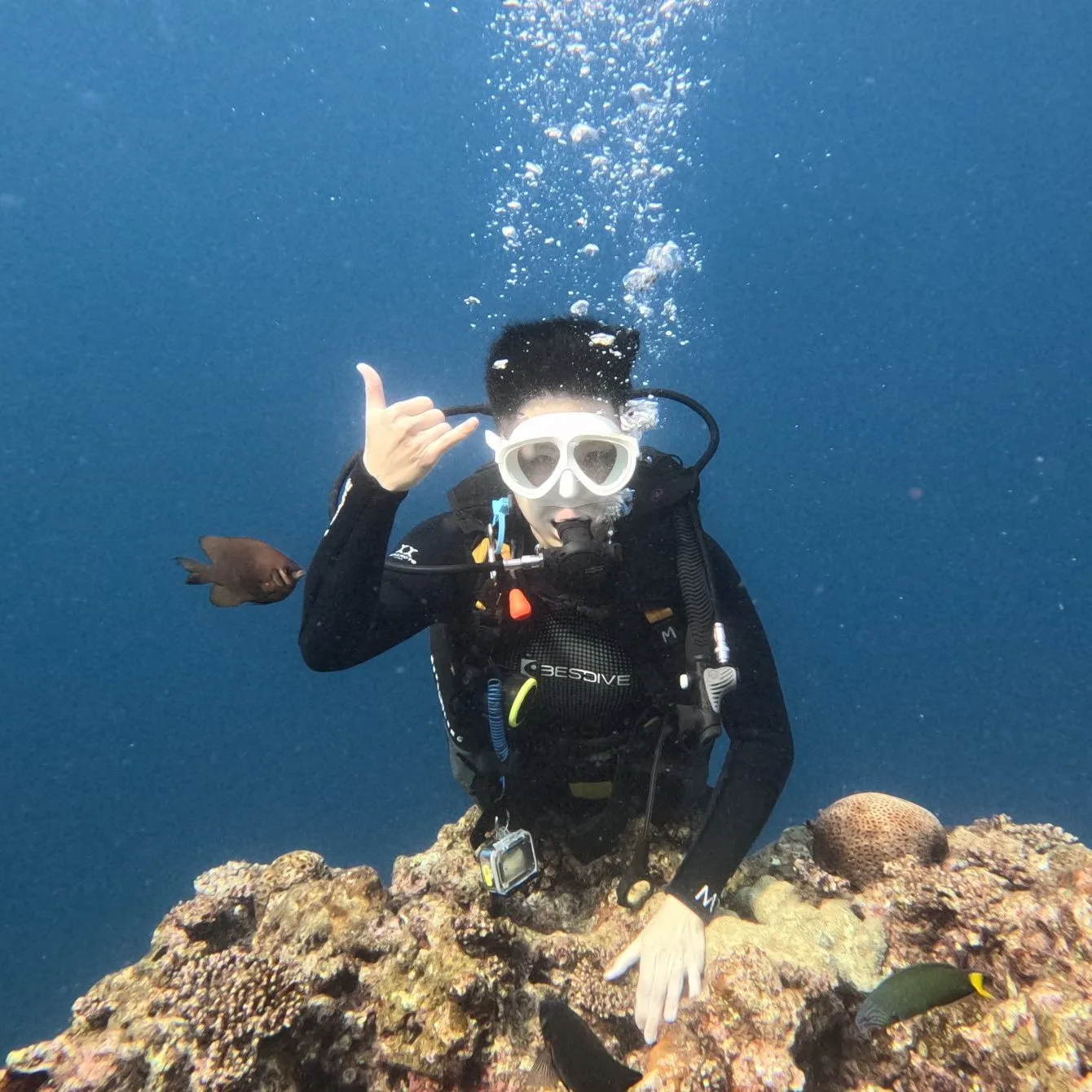
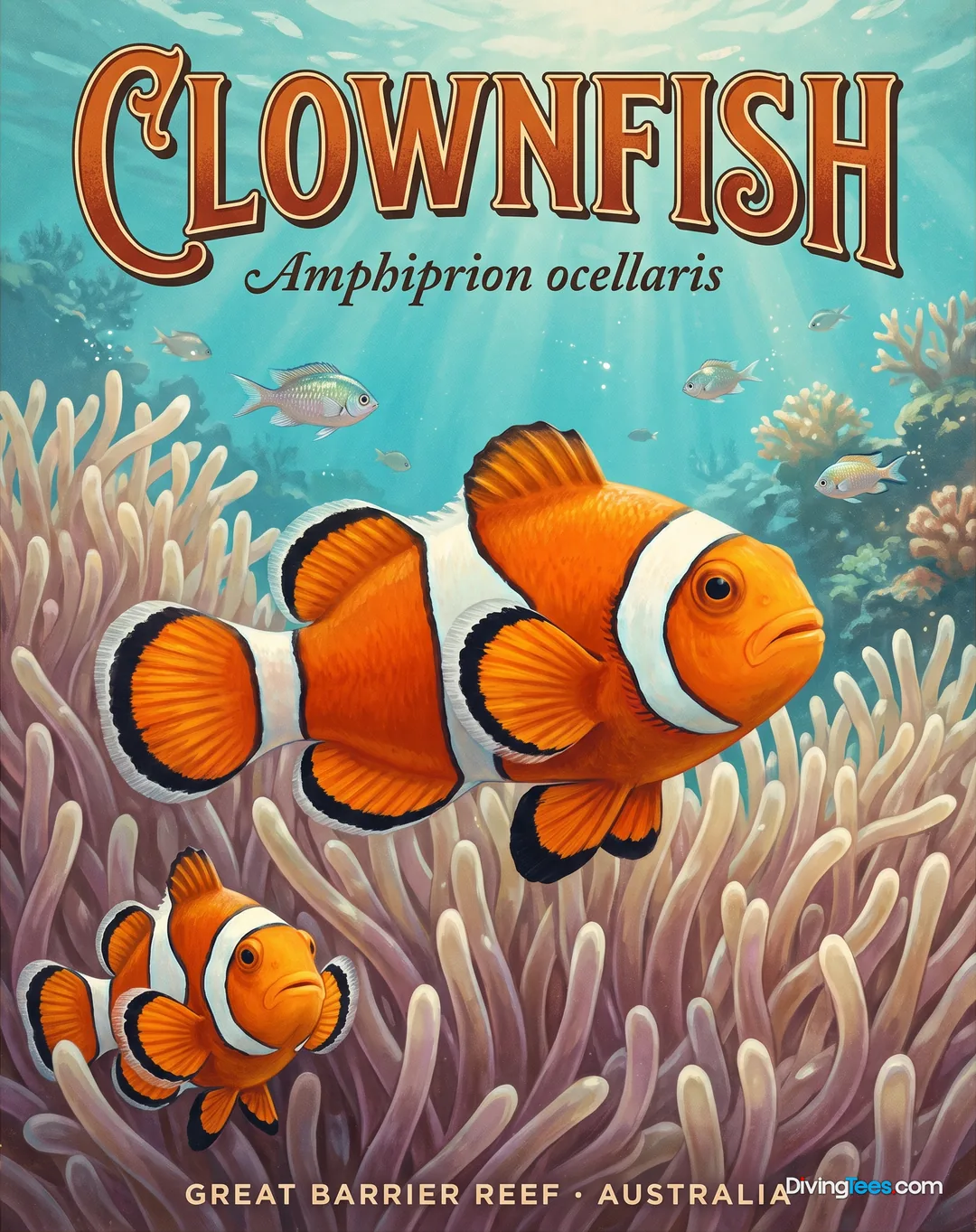
The marine life at Yamada is dominated by a variety of colorful reef fish that inhabit the coral structures. You can expect to see anemonefish and various species of damselfish darting between coral branches. Larger, more slow-moving fish like batfish often cruise through the mid-water, while butterflyfish and other tropical reef fish are abundant throughout the reef flats and slopes. The diversity of the habitat supports a healthy population of these resident species.
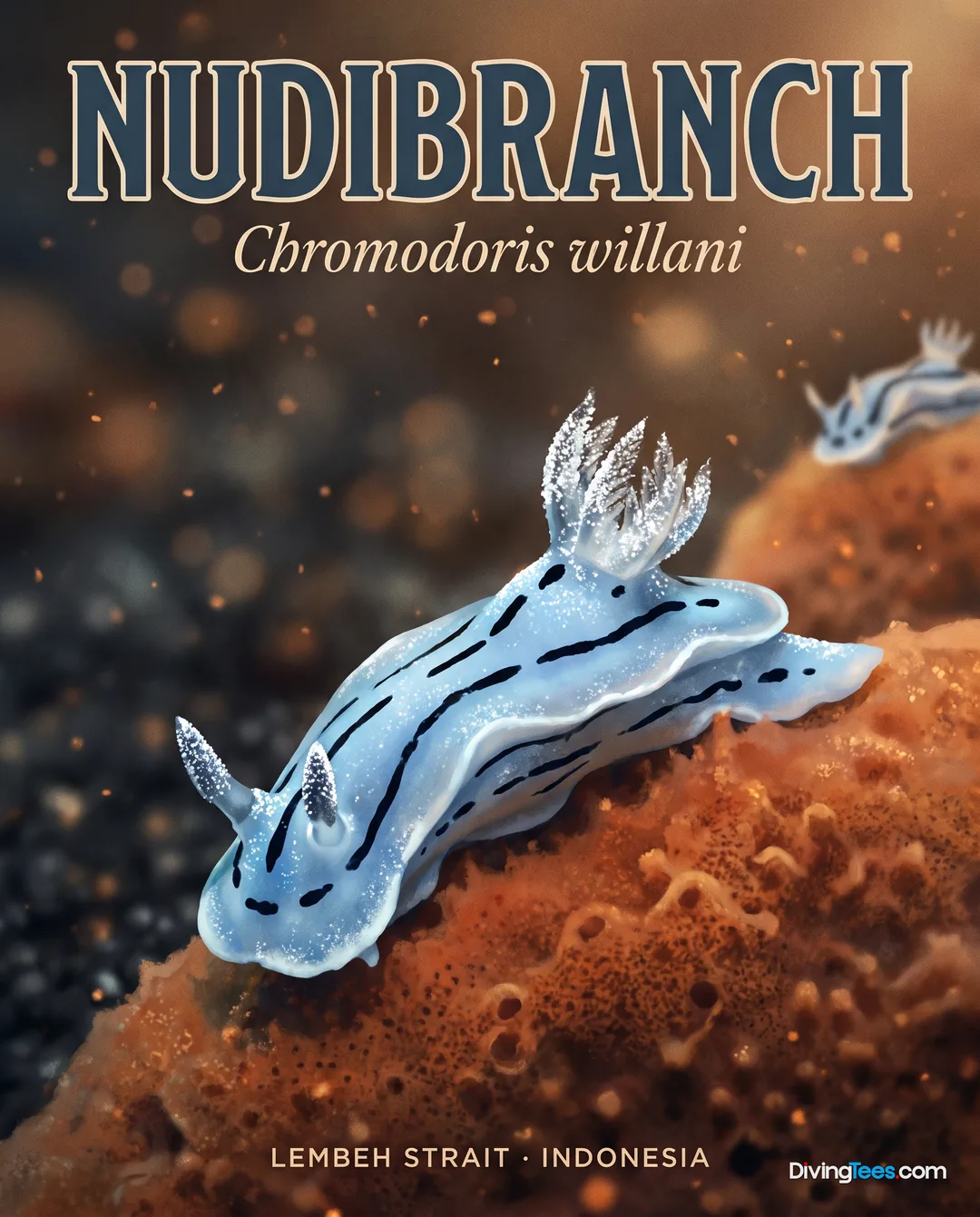
For divers looking for smaller details, the reef surfaces are home to many nudibranchs and other small invertebrates. These can often be found tucked into the crevices of the coral or along the edges of the transplanted structures. The combination of natural reef complexity and the added surface area from coral farming provides numerous hiding spots for these organisms, rewarding those who take the time to observe closely.
Because of its sheltered nature, Yamada is frequently used as a preferred alternative when sea conditions at the nearby Blue Cave or Cape Maeda become too rough for safe diving. The current here is generally light, making it an ideal location for those who prefer calmer water. This makes the site a versatile choice for a wide range of divers looking for a reliable reef experience in the Onna Village area.
Depth ranges from 4 to 27 metres. The site is accessible from Open Water Diver level and is suitable for beginners and experience/intro dives. Currents are generally light, though visibility typically ranges between 15 and 25 metres. The site is suitable for diving year-round.
You can dive Yamada year-round. Its sheltered position compared with Cape Maeda helps provide a consistent experience when other local sites have rougher surface conditions. The site is also used as an alternative when Blue Cave or Cape Maeda conditions become too rough for safe diving.
Yamada is accessible from Open Water Diver level and is suitable for beginners, experienced divers, and introductory dives. Its shallow sandy gardens and reef flats offer relaxed exploration, while the deeper slopes provide a more substantial reef profile. This range lets you choose a dive suited to your experience.
At Yamada, depth ranges from 4 to 27 metres, from shallow reef flats to deeper slope sections. Currents are generally light. The seabed changes from sandy bottom to a more structured, wall-like drop-off, so you can encounter both gentle terrain and a steeper section during the dive.
At Yamada, you can see anemonefish and damselfish among the coral, with batfish, butterflyfish, and other tropical reef fish around the flats and slopes. Look closely in coral crevices and transplanted structures for nudibranchs and other small invertebrates, while active coral cultivation adds a distinctive feature.