

Diving Shop Lei
Google 5/5 (3,134 reviews)
11 km away as the crow flies
Okinawa · Japan · Asia
Max. depth · 20 mExplore a sheltered sandy plateau in Kin Bay featuring artificial structures and diverse macro life.
For subtitles in English: start the video firstthen click the gearat the top right of the video, select “Subtitles/CC”, then “Auto-translate” and choose “English”.
Located within the sheltered waters of Kin Bay on the eastern coast of Okinawa, Kin Red Beach offers a different profile than the typical coral reefs found on the island's western side. Instead of vertical walls or extensive reef systems, this site is defined by a vast, relatively flat seabed composed primarily of sand and silt. The approach begins from the beach, requiring a long swim or a progressive underwater trek toward the offshore features. This coastal setup makes the site particularly accessible for those looking for a controlled environment away from heavy swell.
The topography is punctuated by three large metallic structures situated further out from the shoreline, which serve as the primary points of interest for divers. These mooring structures provide a hard substrate in an otherwise soft-bottom environment, attracting a variety of small organisms that would not typically thrive on open sand. As you navigate toward these installations, the depth increases gradually, allowing for a slow and methodical descent. The presence of these man-made objects creates localized habitats that act as focal points for much of the site's biological activity.
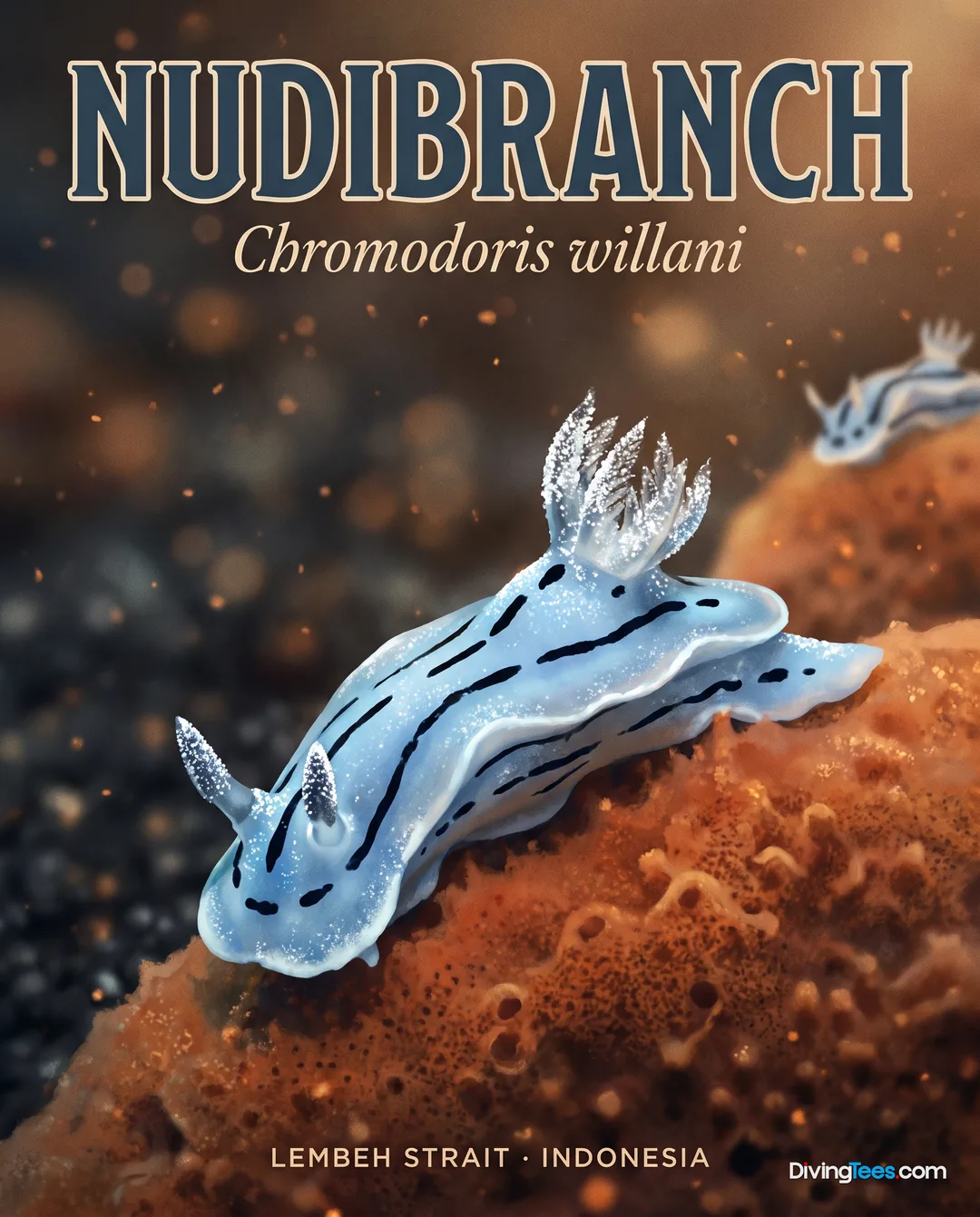
For divers interested in macro photography and close-up observation, the site is highly regarded due to the abundance of small, specialized fauna. The silty and sandy patches around the structures are home to various nudibranchs that move slowly across the bottom. You will also find anemone shrimp tucked into crevices and frogfish blending into the seabed. The habitat is well-suited for spotting leaf eels as they weave through the substrate, providing a steady stream of interest for those who dive with a slow, searching technique.
The marine life here is concentrated around the edges of the artificial structures and within the small pockets of life found on the sandy floor. Swallow fish are frequently observed in these waters, adding movement to the scene. Because the environment is not dominated by large reef structures, much of the focus remains on the micro-ecosystem. This makes the site a practical location for practicing buoyancy control and fine motor skills while searching for camouflaged species like the frogfish.
Visibility at Kin Red Beach can be quite variable depending on the recent weather and sediment movement. While it can reach up to 15 metres, it is not uncommon to encounter much lower visibility due to the silty nature of the seabed. This requires a disciplined approach to finning to avoid stirring up the bottom and further reducing sightlines. Maintaining a steady position above the silt is essential to ensure that both you and your dive buddy can clearly see the small organisms you are searching for.
The site's location in the bay provides significant protection from the northern winds and swell that often affect the western coast of Okinawa. This makes it a reliable alternative when other dive sites are closed due to adverse conditions. However, be aware that the site becomes more exposed when winds shift to a southern direction. When the water is calm, the lack of current makes it an ideal environment for beginners to build confidence in a real-world setting.
Seasonal timing can influence the experience, with the site being particularly notable during the winter months, specifically through March. During this period, the sheltered nature of the bay remains a key advantage for divers. Whether you are moving between the shallow sandy zones or hovering near the metallic moorings, the site rewards patience and a keen eye. It serves as a distinct contrast to the high-energy reef dives found elsewhere in the region.
The site has a depth range of 3 to 20 metres and is accessible from the Open Water Diver level. Currents are generally non-existent, though the site is more exposed to swell when winds come from the south. Expected visibility varies between 1 and 15 metres. The best period for diving here is during the winter, particularly up until March.
Winter is the preferred period for diving Kin Red, particularly through March. The sheltered bay helps protect the site from northern winds and swell, making it a useful alternative when other Okinawa sites are affected. Southern winds can increase exposure, so conditions are more comfortable when the bay remains calm.
Kin Red is accessible from the Open Water Diver level and offers a gradual descent across a sandy, silty seabed. You can dive from 3 to 20 metres, making the site suitable for building confidence and practicing buoyancy control while exploring the artificial mooring structures and nearby habitats.
Currents at Kin Red are generally non-existent, although southern winds can expose the site to more swell. Visibility varies from 1 to 15 metres and may decrease when sediment is disturbed. Use careful finning and hold a steady position above the silt so you can keep sight of your buddy and small marine life.
Kin Red focuses on macro life around three artificial mooring structures and patches of sand and silt. You may find nudibranchs, anemone shrimp, frogfish, leaf eels and swallow fish. The site rewards slow searching around the structures and seabed, where camouflaged animals and small organisms gather.