
Scuba Buddy
Google 4.3/5 (172 reviews)
14 km away as the crow flies
Sipadan · Malaysia · Asia
Max. depth · 25 mExplore a complex limestone cavern system located within the vertical walls of the Sipadan drop-off.
For subtitles in English: start the video firstthen click the gearat the top right of the video, select “Subtitles/CC”, then “Auto-translate” and choose “English”.
The site is located directly within the vertical limestone wall of the Sipadan drop-off. You approach the site from the water column, as the entrance is a bell-shaped opening positioned between 18 and 22 metres deep. Unlike a standard reef arch, this is a true underwater cavern system, meaning it features internal complexity rather than just a single passage through the reef.
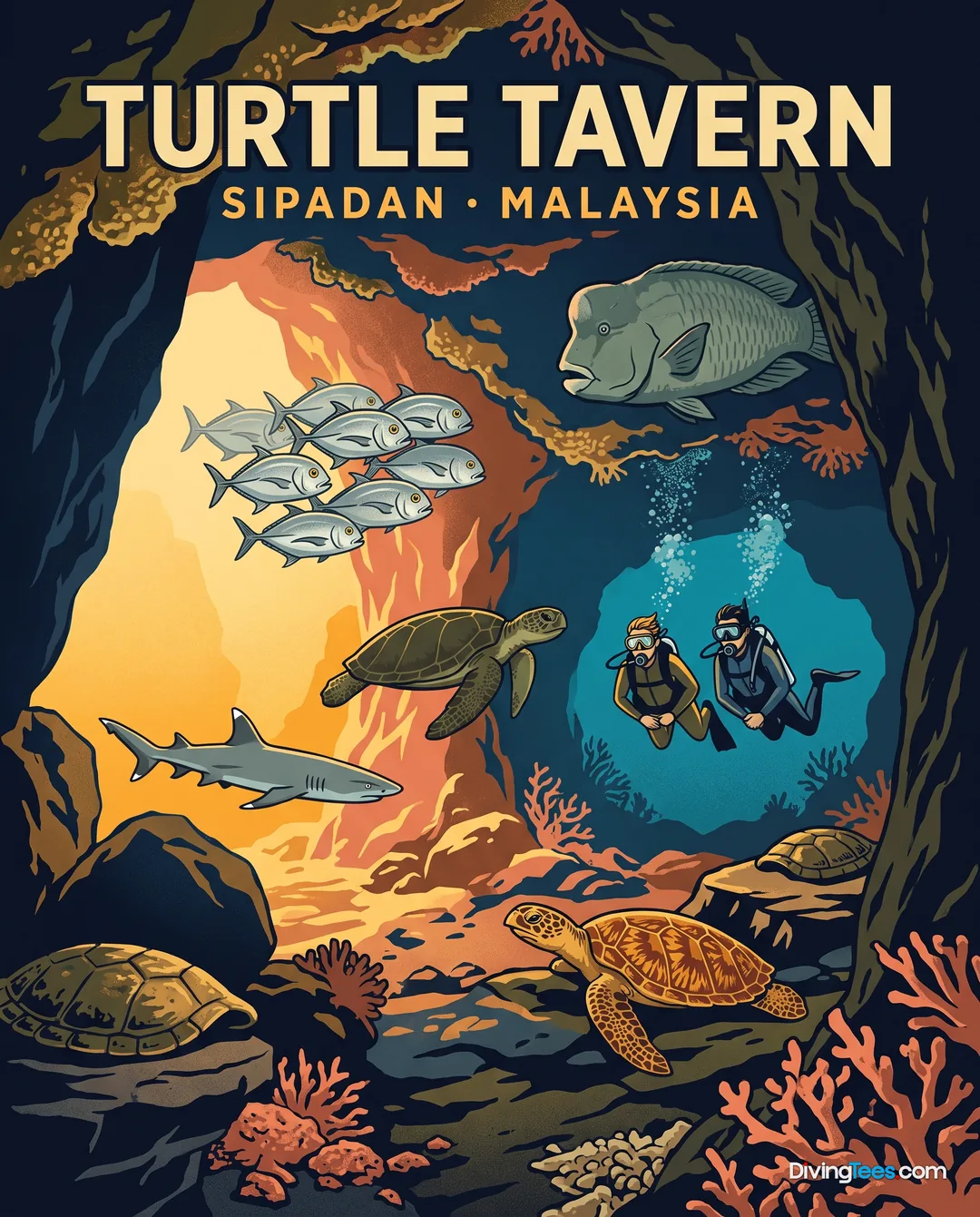
Once you pass through the main entrance, you enter a large limestone chamber that expands into a network of branched tunnels and passages. The topology is defined by several overhangs and more confined spaces that create a varied light environment. These passages connect the primary cavern to a secondary area known as Turtle Tomb, linked via narrow connecting tunnels.
The interior of the cavern system contains unique geological and biological features, specifically the remains of sea turtles. You can find turtle skeletons settled within the chambers and passages, a characteristic that gives the site its name. This makes the site feel significantly different from the open wall dives typical of the surrounding region.
The visibility in the cavern can be highly variable depending on your movement and the local conditions. While you might encounter clarity up to 15 metres, any sudden movement near the floor or walls can stir up sediment. This sediment can quickly reduce visibility to near zero, so precise buoyancy control is essential to avoid a silt-out in the confined passages.
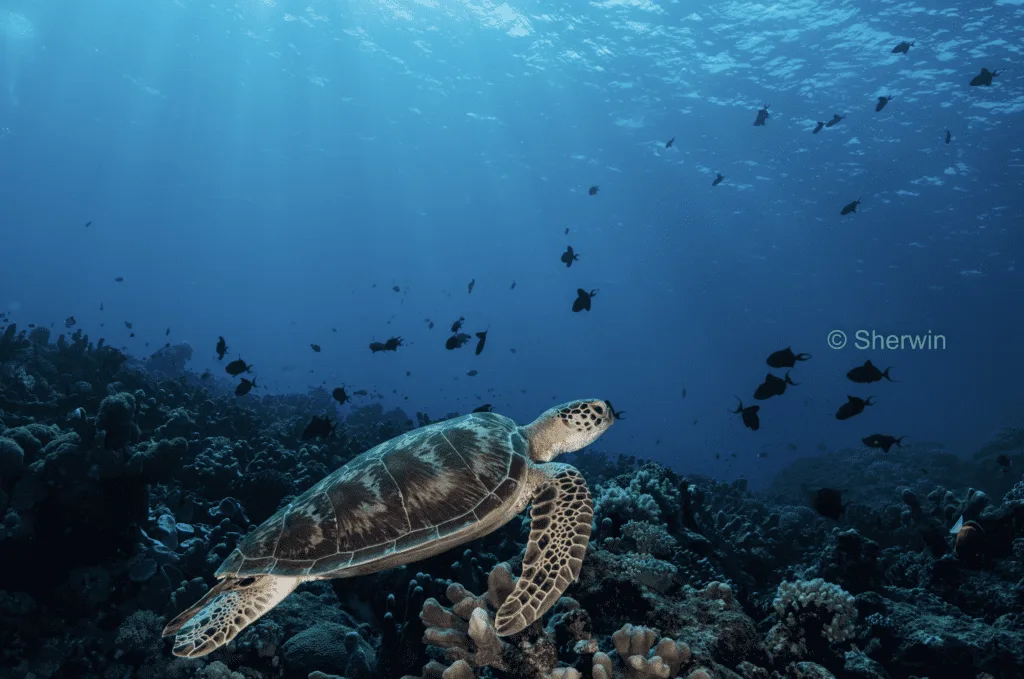
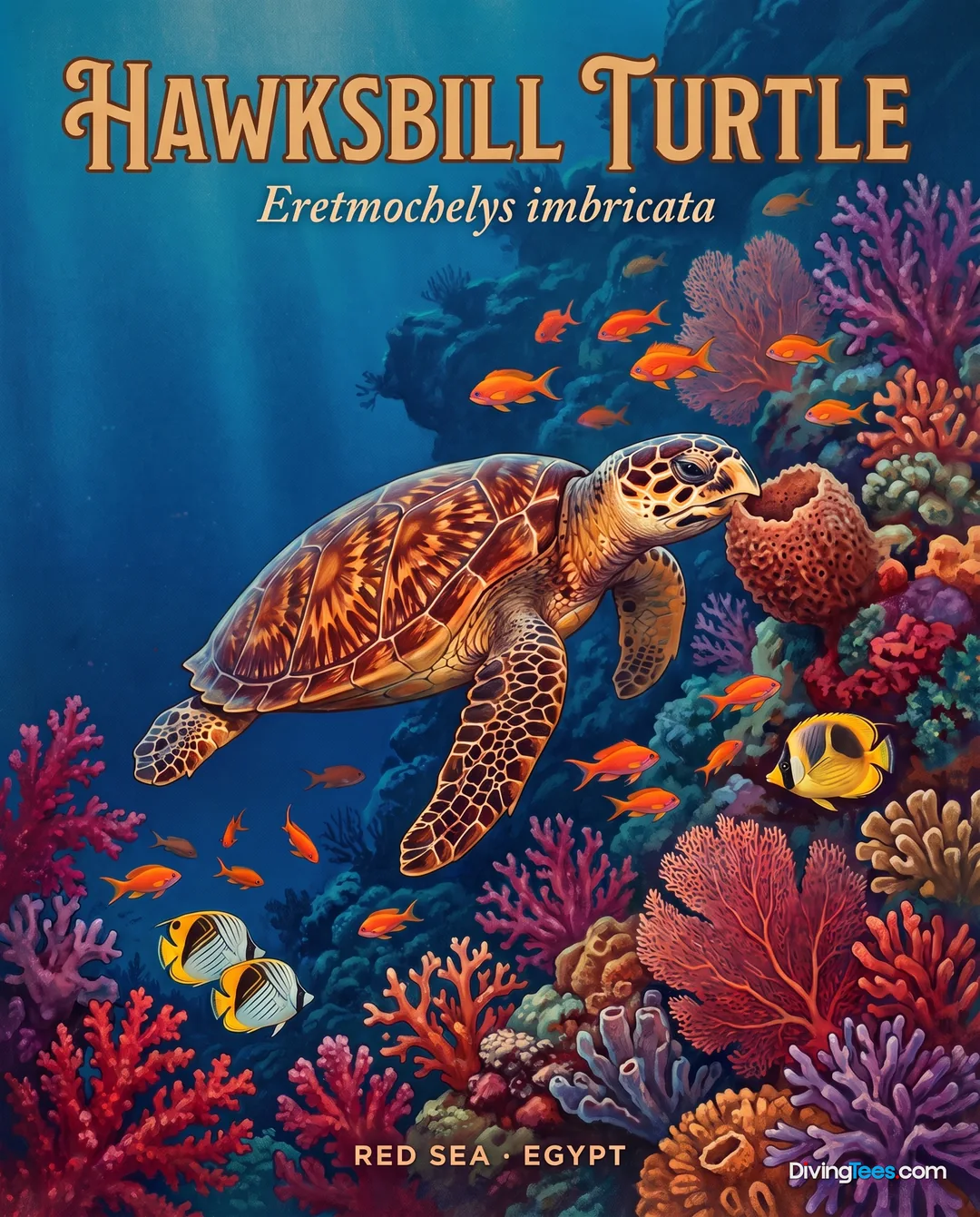
Marine life is largely centered around the residents of the Sipadan ecosystem, specifically Green turtles (Chelonia mydas) and Hawksbill turtles (Eretmochelys imbricata). These turtles use the overhangs and the protection of the cavern entrance as resting sites. You will frequently see them navigating the perimeter of the entrance or hovering near the limestone ledges.
The current at Turtle Cavern is subject to change depending on marine conditions. While the water can remain calm, the topography of the entrance and the vertical wall can create unpredictable flow. Because the site is integrated into the drop-off, you must be prepared for shifts in current as you transition from the open water into the cavern mouth.
Navigation within the cavern requires careful attention to the branching tunnels. The layout is not a straight line but a series of interconnected rooms and passages that demand an understanding of overhead environments. Staying close to a guide is necessary to navigate the branching network and ensure you find the exit successfully.
Depth ranges from 14 to 25 metres. This site requires an Advanced Open Water certification and a minimum of 50 logged dives to safely navigate the currents and topography. For those wishing to enter the inner tunnels and passages, technical training for cave or cavern environments is required. Visibility can drop to 0 metres if sediment is disturbed. Currents are variable and can become strong near the wall.
You need Advanced Open Water certification and at least 50 logged dives to navigate Turtle Cavern’s currents and topography safely. Entering the inner tunnels and passages requires technical training for cave or cavern environments. Careful buoyancy control and attention to overhead spaces are important inside this branched cavern system.
Turtle Cavern ranges from 14 to 25 metres deep. Its bell-shaped entrance is positioned between 18 and 22 metres on the vertical limestone wall of the Sipadan drop-off. From there, you enter a large chamber connected to branched tunnels, passages, overhangs and more confined spaces.
Currents at Turtle Cavern are variable and can become strong near the wall. Water may remain calm, but the entrance and vertical drop-off can create unpredictable flow. You should be prepared for current shifts when moving from open water into the cavern mouth and stay close to your guide.
At Turtle Cavern, you can explore a limestone cavern with branched tunnels, overhangs and confined spaces linked to Turtle Tomb. Turtle skeletons rest in the internal chambers and passages. Green turtles and hawksbill turtles use the entrance, overhangs and limestone ledges as resting areas.