
Scuba Buddy
Google 4.3/5 (172 reviews)
15 km away as the crow flies
Sipadan · Malaysia · Asia
Max. depth · 40 mA versatile reef plateau offering a mix of macro life and large schooling fish in more manageable currents than the main Sipadan drop-offs.
For subtitles in English: start the video firstthen click the gearat the top right of the video, select “Subtitles/CC”, then “Auto-translate” and choose “English”.
Mid Reef functions as a transitional zone within the Sipadan and Kapalai area, offering a topography that combines a shallow coral reef plateau with sandy patches and coral bommies. The terrain is characterized by a gradual slope that eventually gives way to a more defined wall section. This structural variety creates a mosaic of habitats, where sea fans and intricate coral formations provide cover for smaller reef dwellers. Divers typically approach the site via boat, descending onto the reef slope or the wall depending on the specific mooring location chosen for the day.
The dive profile allows for a significant range of exploration, starting from a shallow garden at approximately 5 metres and descending to depths of 40 metres. In the upper reaches, the reef top is dominated by coral heads and sandy areas that host a variety of cryptic life. As you move along the outer slope, the environment shifts toward a more vertical wall structure. This transition is where the habitat becomes more complex, with larger sea fans and sponges attracting a different scale of marine life. The change in depth and angle provides a continuous shift in the visual landscape of the dive.
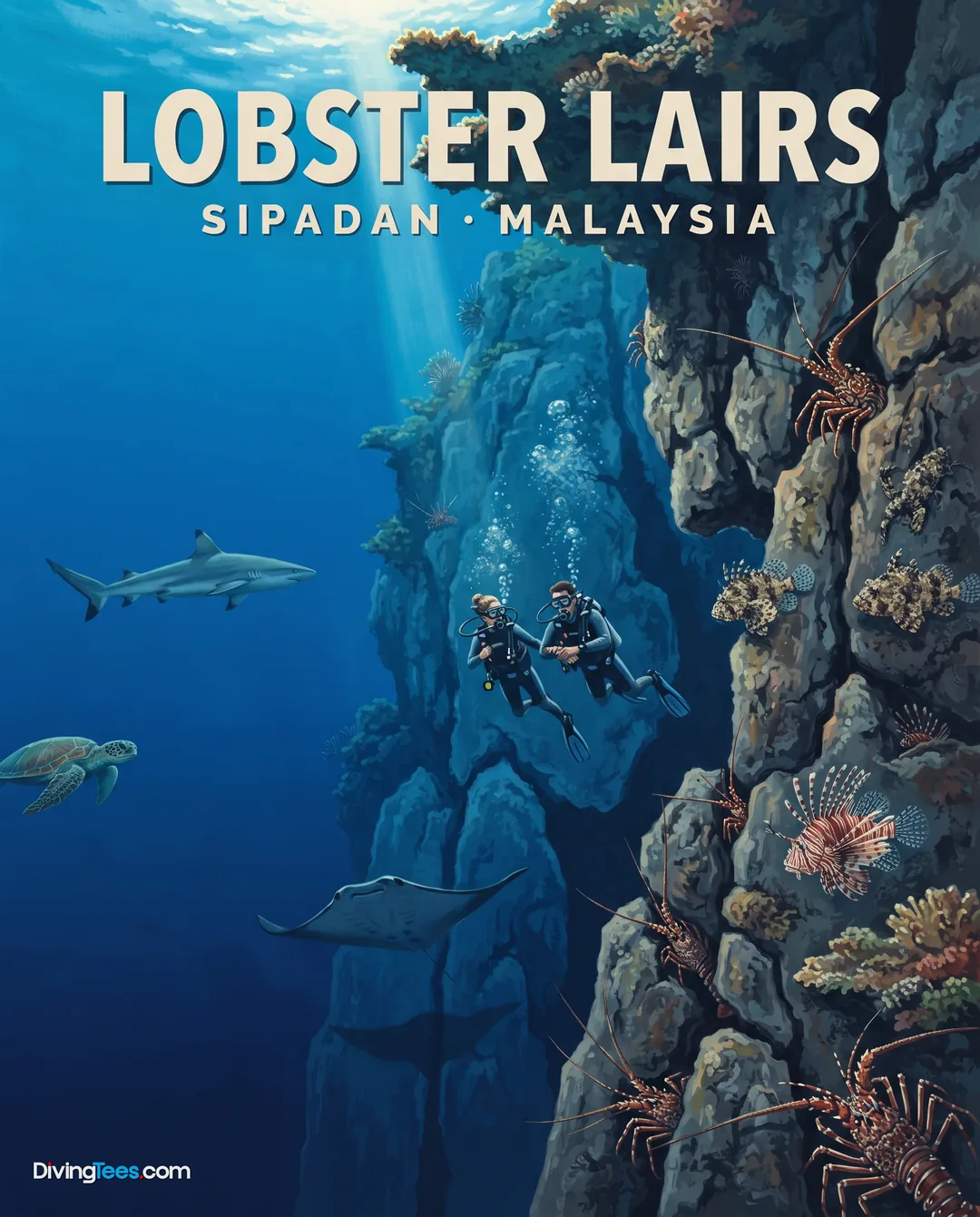
For those interested in pelagic encounters, the site offers regular sightings of reef sharks and large schools of snapper and fusilier. While it lacks the constant high-velocity surge found at some of the more famous nearby points, the presence of these larger species is well-documented along the outer edges. You will often see trevally moving through the water column or patrolling the edges of the reef. The site provides a strategic vantage point to observe these animals as they transit between the deeper oceanic waters and the protection of the reef structure.
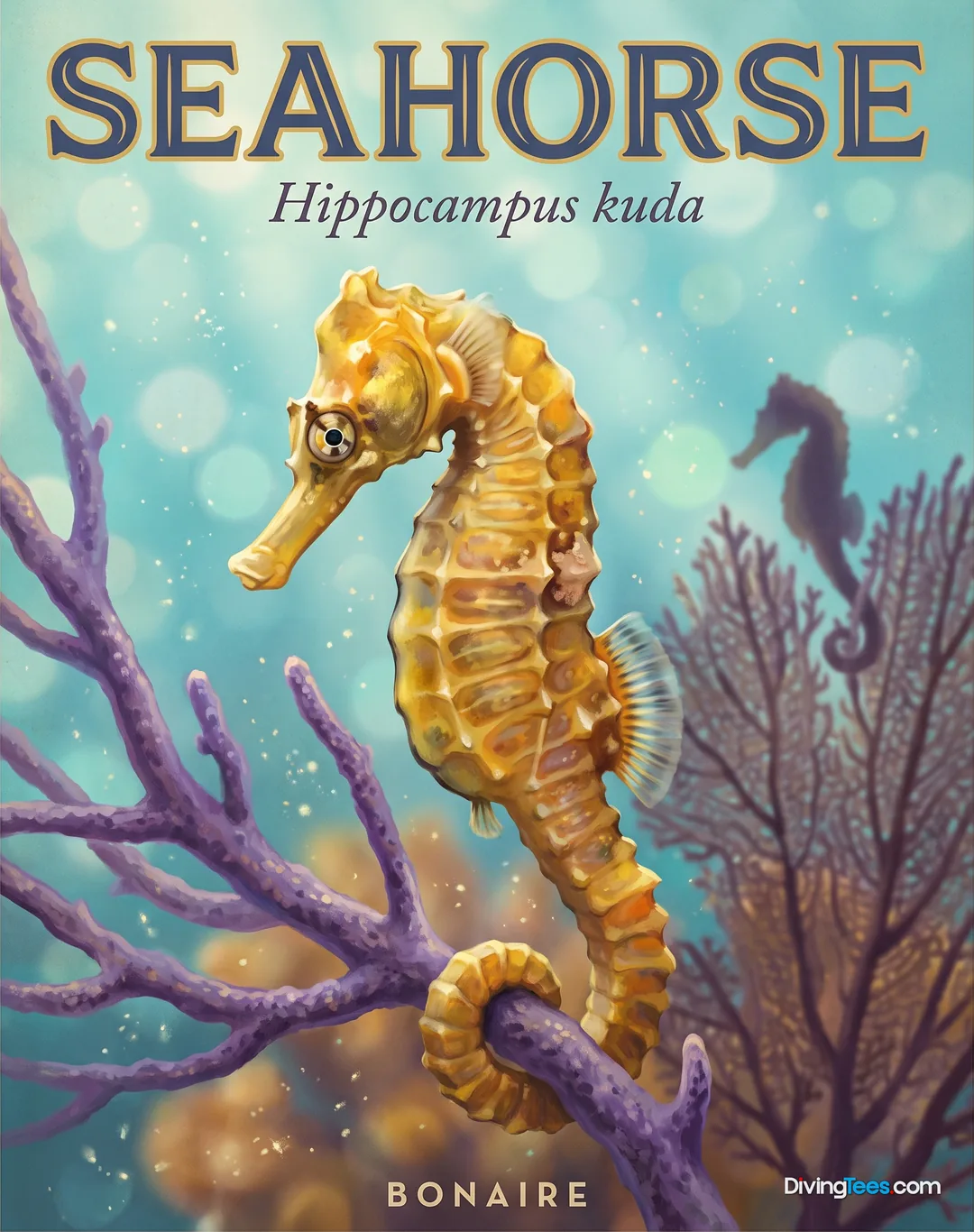
The resident macro and reef fauna are highly concentrated around the coral bommies and the wall. You can find frogfish and stonefish camouflaged among the reef structure, while garden eels often inhabit the sandy patches near the reef edge. The site is particularly noted for pygmy seahorses, which are frequently found clinging to sea fans at depths around 25 metres. Observation requires a slower, more methodical approach to catch these smaller inhabitants that remain hidden within the intricate coral architecture during more active periods of the day.
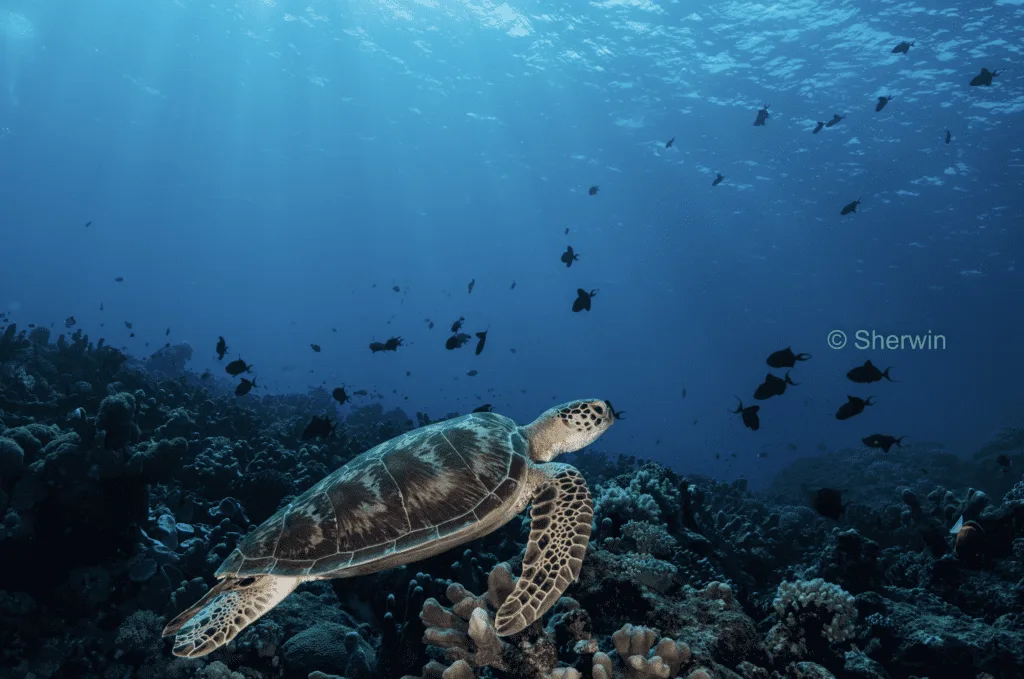
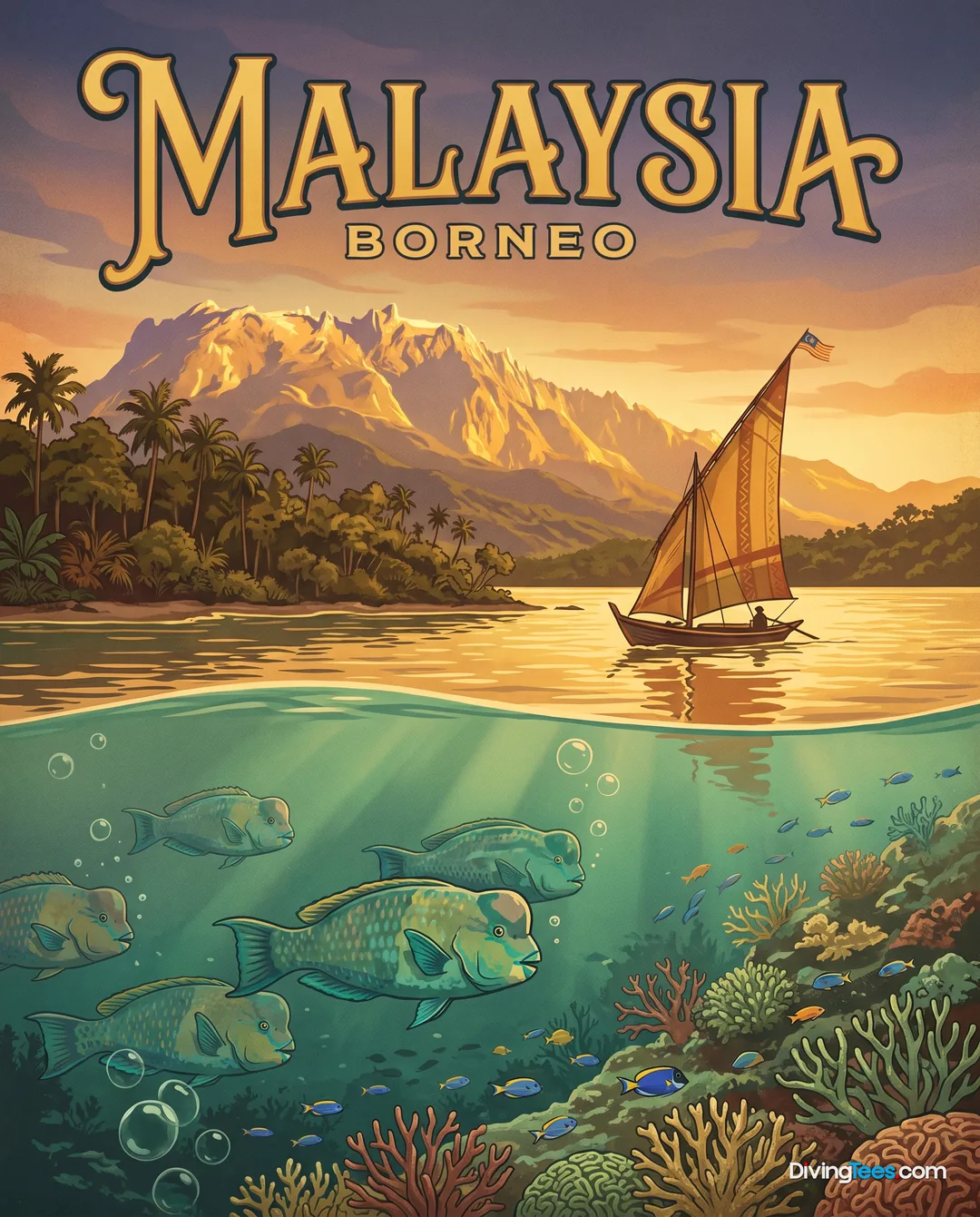
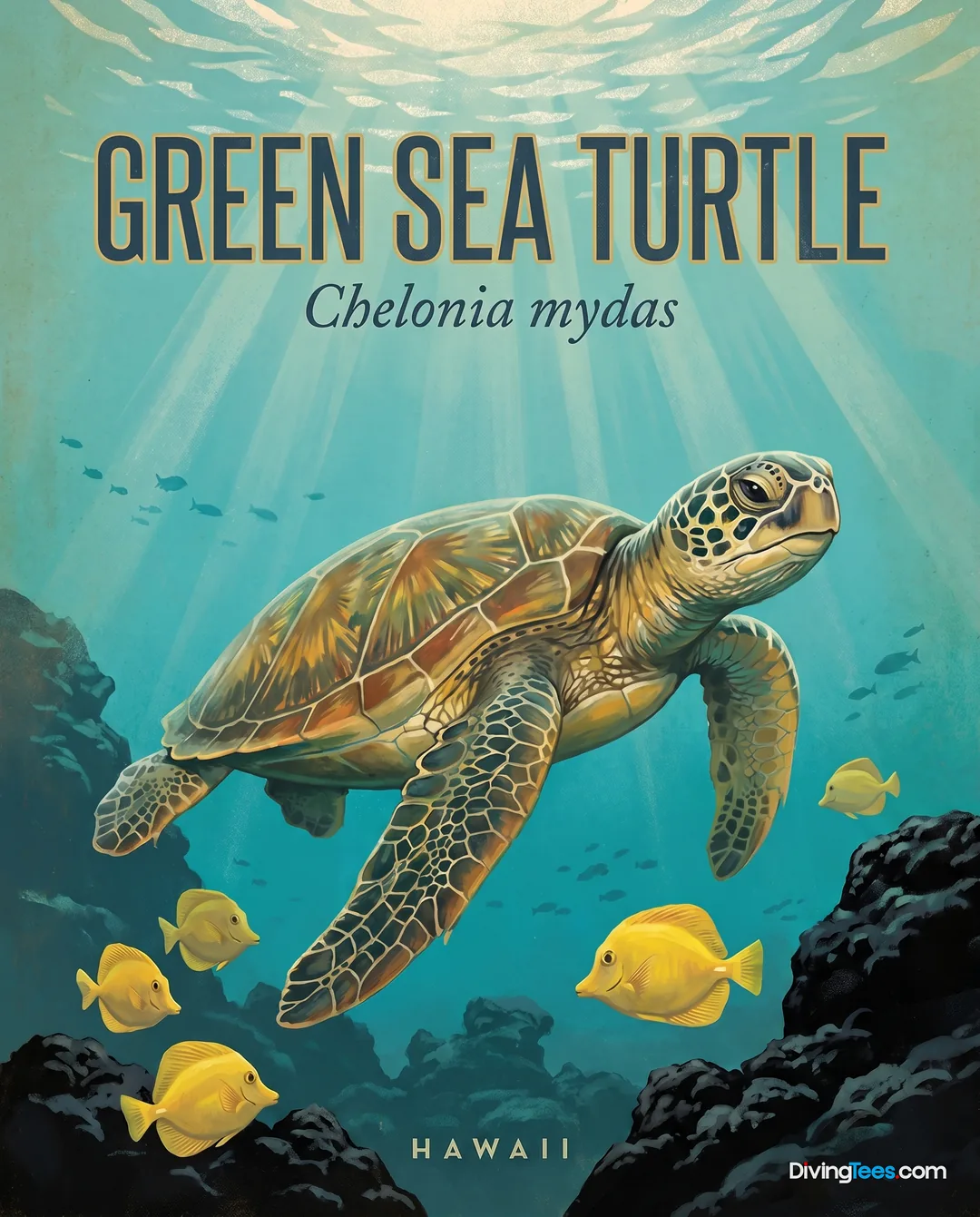
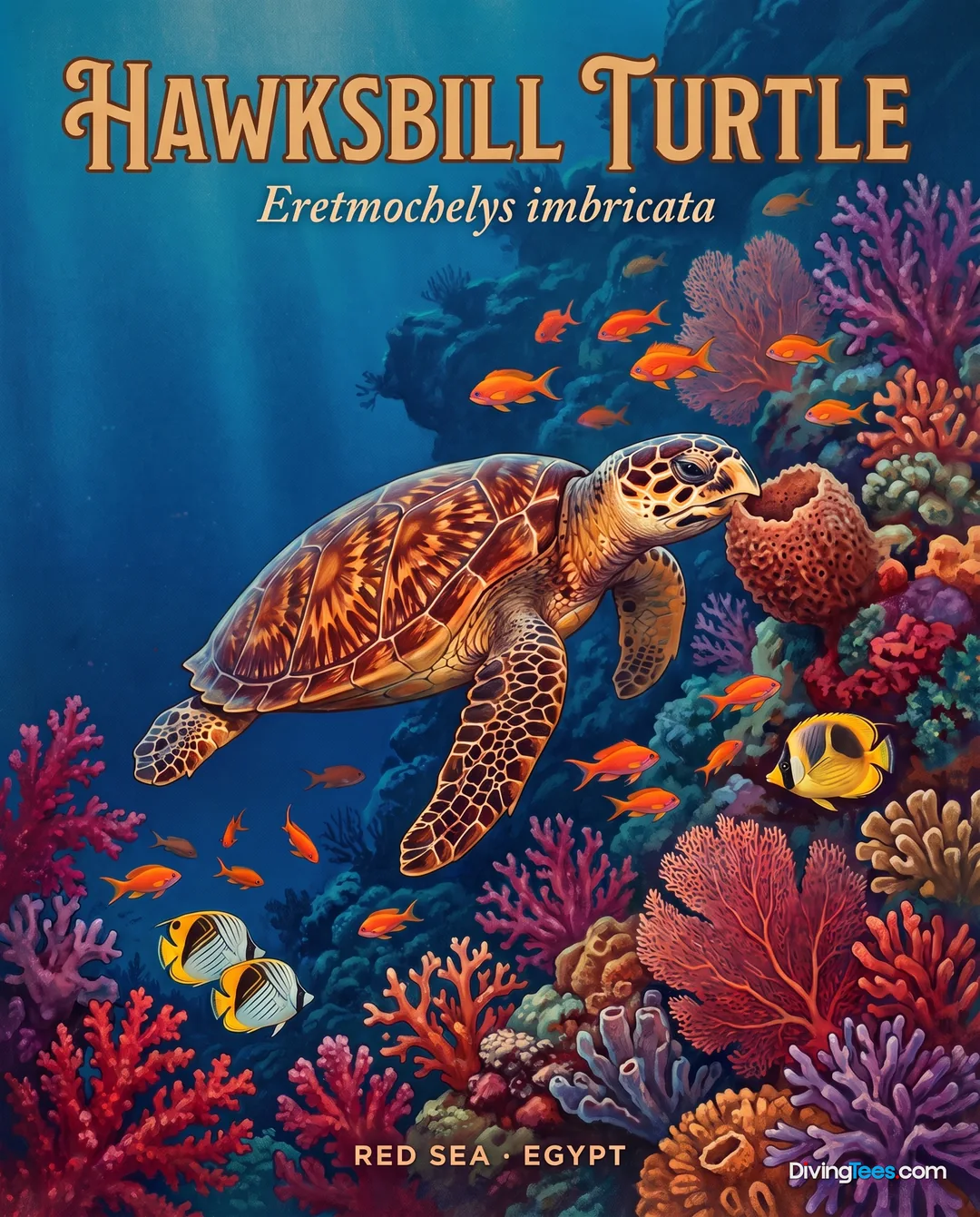
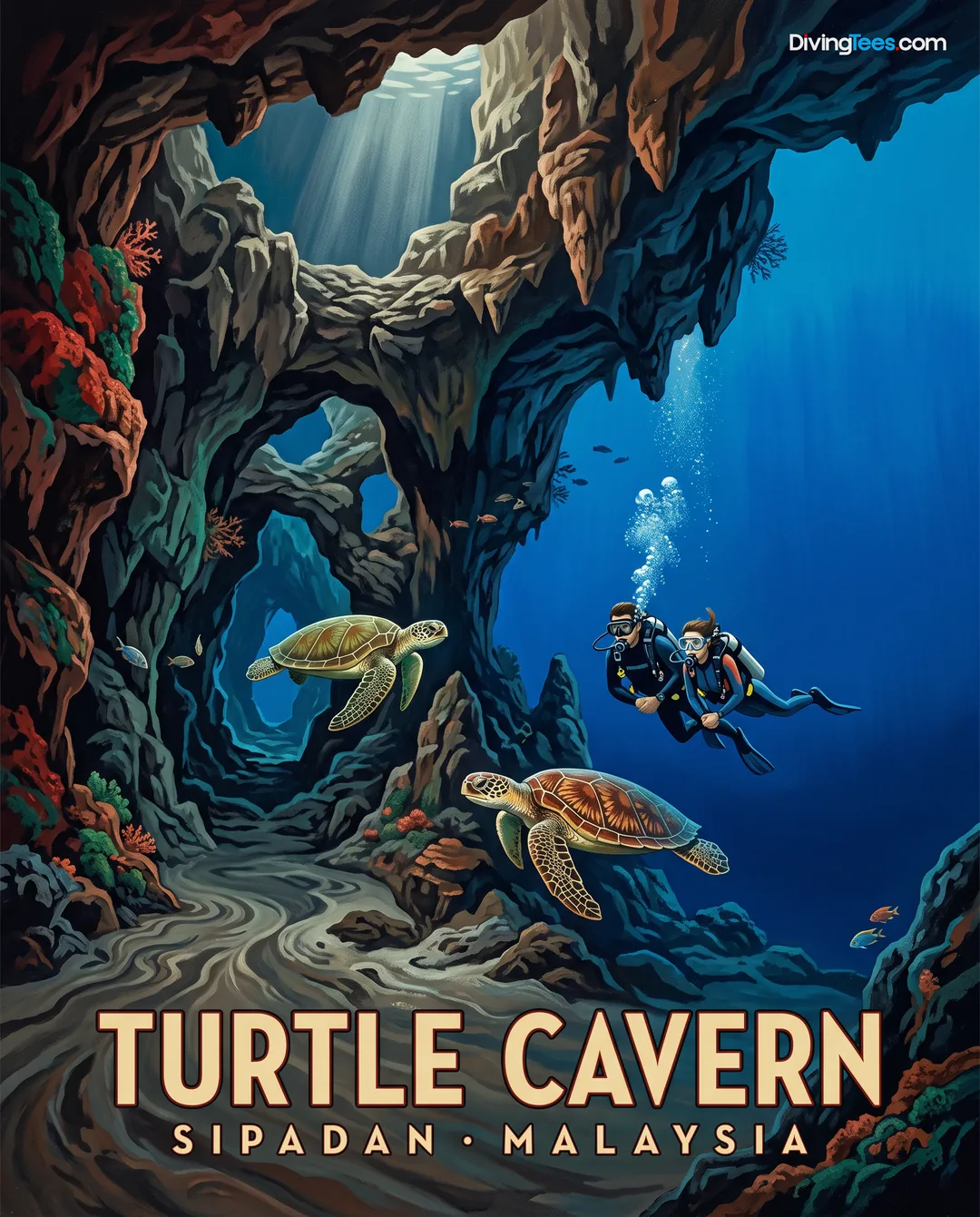
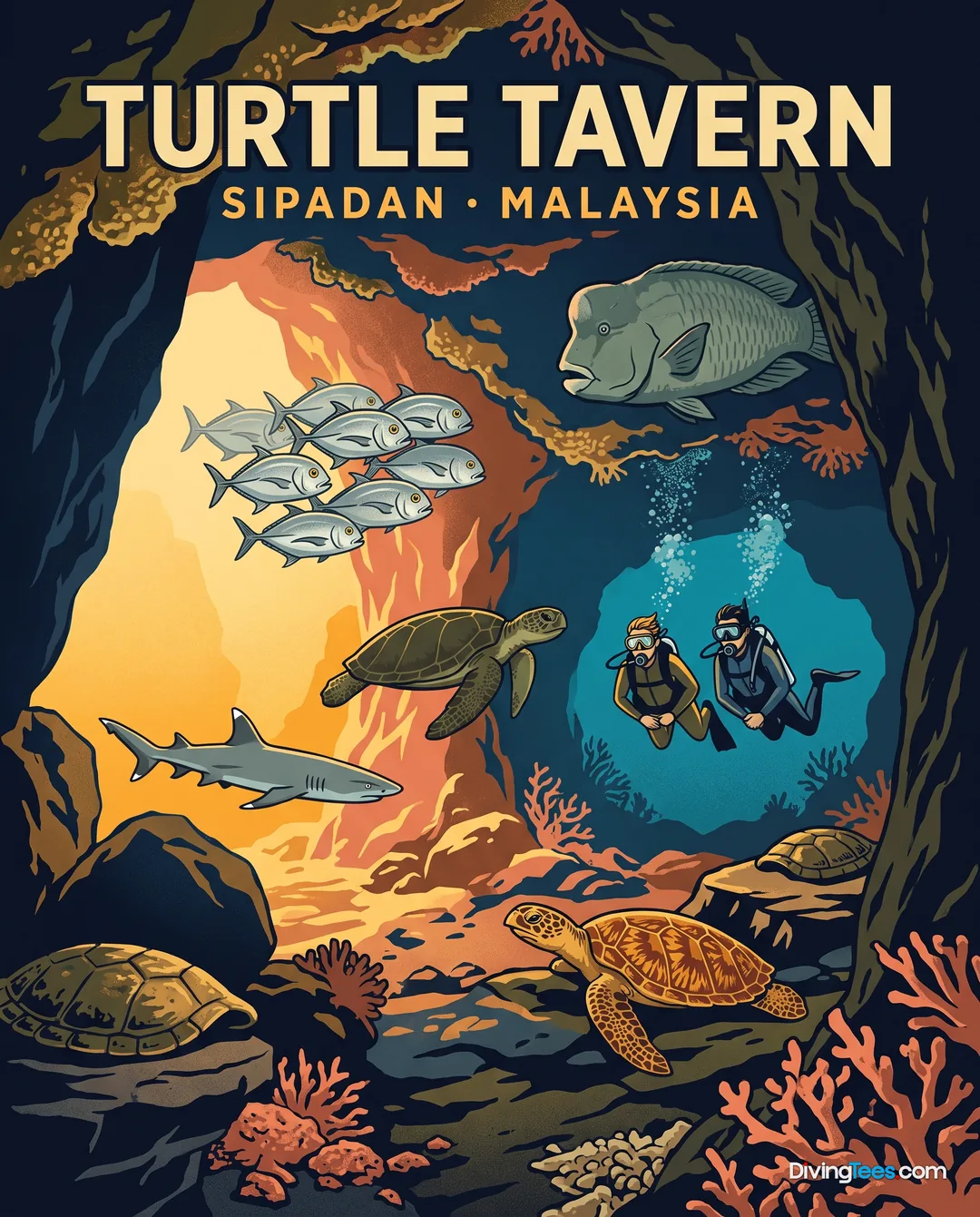
Turtle activity is a consistent feature of Mid Reef, with both green turtles and hawksbill turtles frequently seen grazing on the reef or cruising along the slope. Their presence is often unhurried, making them easy to observe even for those still developing their buoyancy and observation skills. The interaction between the turtles and the reef community, such as bumphead parrotfish moving through the shallows, adds to the biological density of the site. This combination of large reptiles and smaller, specialized species makes the reef a highly productive ecosystem.
Lighting and visibility at Mid Reef are generally reliable, with clarity typically ranging between 15 and 25 metres. This allows for excellent sightlines when scanning the wall for passing sharks or looking for larger fish in the blue. The shallower sections benefit from high light penetration, which brings out the colours of the coral garden, while the deeper 40-metre sections offer a more subdued, dramatic atmosphere. The visibility is most consistent during the dry season, when the surrounding seas are calmer and the water column is less disturbed by seasonal shifts.
Current conditions at the site are described as mild to low-moderate most of the time, which makes it an ideal location for relaxed drift dives. However, the site's position between islands and its proximity to the wall means that conditions can change according to the tide. It is common to experience stronger currents at certain depths or during specific tidal windows. Because it is more sheltered than the most exposed sites in the Sipadan area, it remains a preferred choice when the main points are too difficult to navigate due to heavy surge or high-velocity flow.
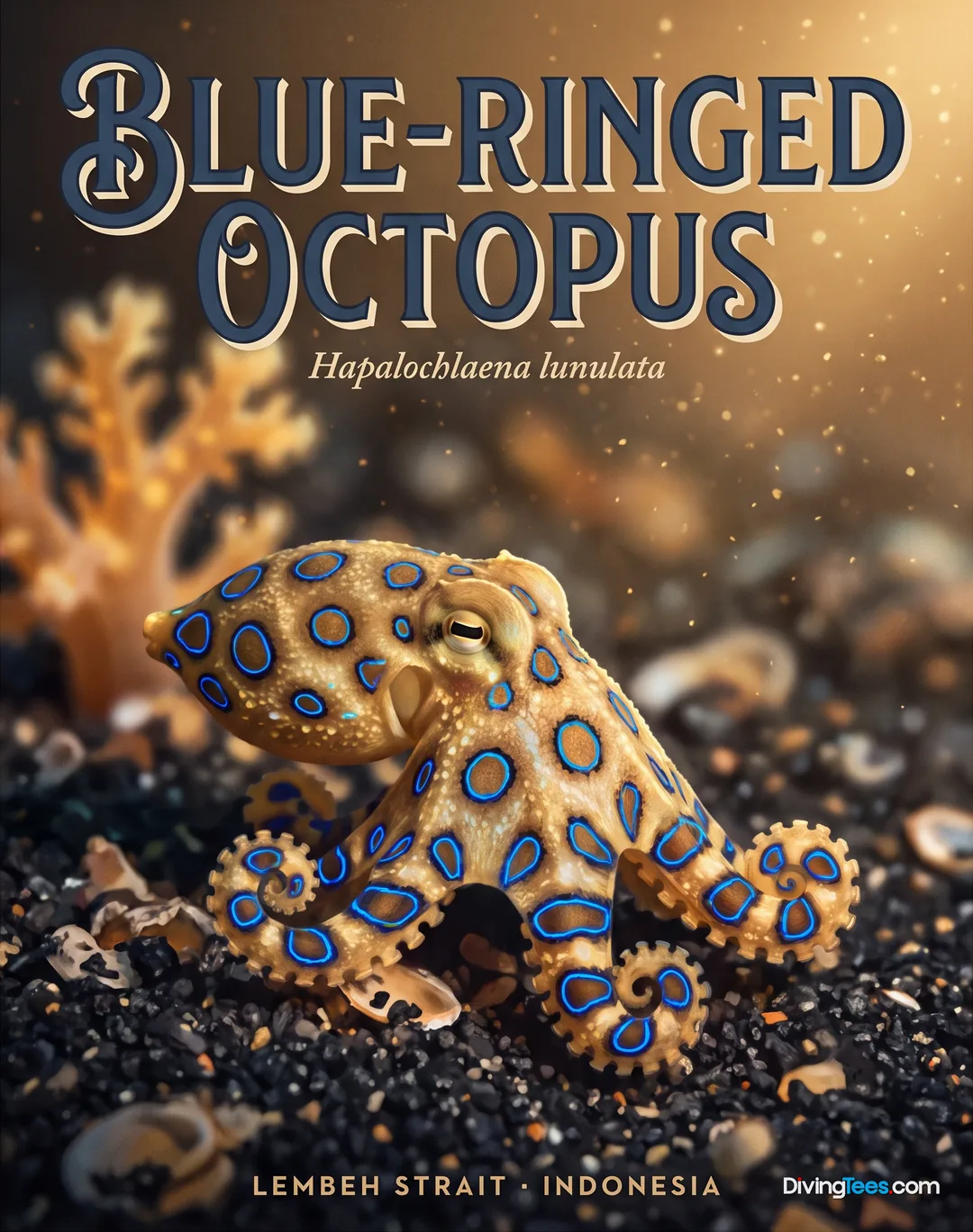
The biological diversity is rounded out by various predatory and scavenger species that inhabit the crevices of the reef. Giant moray eels are often found tucked into the coral, while blue-ringed octopuses may be spotted in the more sheltered sandy or rocky areas. For the observant diver, the site offers a complete spectrum of marine life, from the tiny pygmy seahorse to the larger reef sharks. The mix of shallow plateau and deep wall ensures that every segment of the dive offers a different perspective on the local ecosystem.
Depths range from 5 to 40 metres. The site is accessible from Open Water Diver level, though Advanced Open Water is recommended to comfortably manage the depth and occasional stronger currents at the wall. Visibility is typically 15 to 25 metres. Currents are generally mild to low-moderate but can become strong depending on the tide. The best conditions are found during the dry season.
Mid Reef is generally clearest during the dry season, when surrounding seas are calmer and the water column is less disturbed by seasonal changes. Visibility typically ranges from fifteen to twenty-five metres. Shallow areas receive strong light, while the deeper wall has a more subdued atmosphere.
You can dive Mid Reef with Open Water Diver certification. Advanced Open Water is recommended if you want to manage the site’s depth range and occasional stronger currents at the wall more comfortably. The varied profile includes a shallow coral plateau, a sloping reef, and a deeper wall.
Mid Reef offers a broad depth range, from a shallow garden at five metres to sections reaching forty metres. You may descend along the reef slope or wall, depending on the mooring location. The site changes from coral heads and sandy patches in the shallows to larger sea fans and sponges deeper down.
Currents at Mid Reef are usually mild to low-moderate and suit relaxed drift dives, though tides can bring stronger flow at certain depths or times. You may see green and hawksbill turtles, reef sharks, snapper, fusiliers, trevally, bumphead parrotfish, pygmy seahorses, frogfish, stonefish, and garden eels.