

Scuba Buddy
Google 4.3/5 (172 reviews)
15 km away as the crow flies
Sipadan · Malaysia · Asia
Max. depth · 40 mSouth Point delivers high-octane drift diving on a deep wall, where you push into open water for encounters with schooling hammerheads and other large pelagics.
South Point sits at the southern tip of Sipadan, where the island's reef abruptly transitions into a vertical drop. This wall plunges from shallow terraces down to depths exceeding 600 metres, offering a dramatic blue-water backdrop. Diving here typically starts with a boat drop near the southern end of the point, allowing you to drift along the wall, exploring both its coral-rich face and the open water beyond. The topography here is distinct; shallow reef flats quickly give way to the sheer drop-off, creating a clear boundary between the rich, sunlit reef life and the deep pelagic zone.
As you descend, the wall presents a vibrant tapestry of hard and soft corals, providing habitat for a diverse array of reef fish. However, the real draw of South Point lies in its exposure to the Celebes Sea's currents, which funnel pelagic action directly onto the site. Experienced divers often make excursions into the blue, leaving the wall's shelter to search for larger marine life, particularly in the 30 to 40-metre range. This is where the site truly distinguishes itself, offering a different kind of dive than the more sheltered Sipadan reefs.
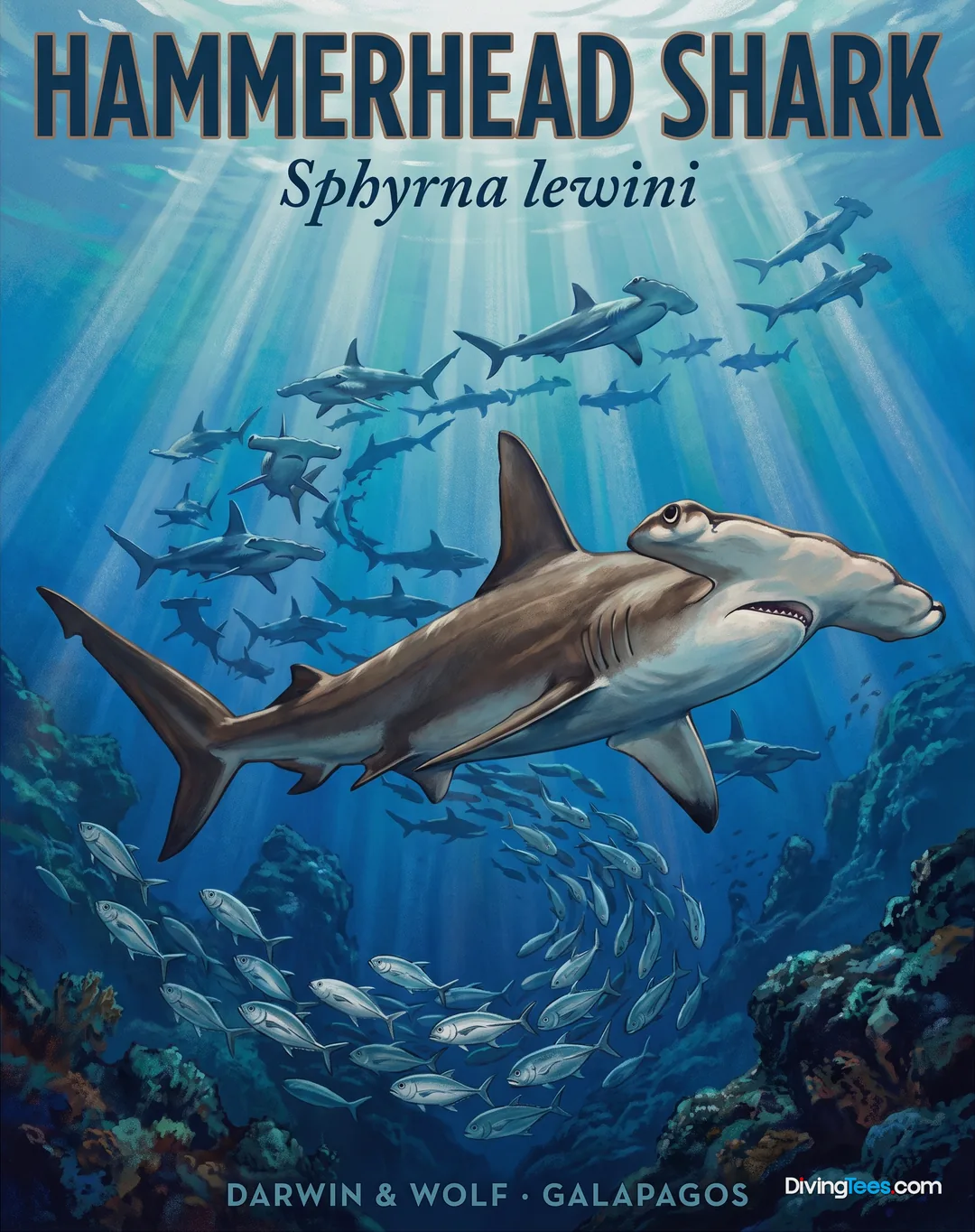
Currents at South Point are a defining characteristic, often strong and reaching speeds of 2 to 3 knots, especially during tidal changes and early morning upwellings. These conditions contribute directly to the site's reputation for pelagic encounters. While the current can be demanding, it's also the force that brings in the schools of scalloped hammerhead sharks (Sphyrna lewini) and other large predators. This is a drift dive, and understanding how to work with the current, rather than against it, is key to navigating the site safely and effectively.
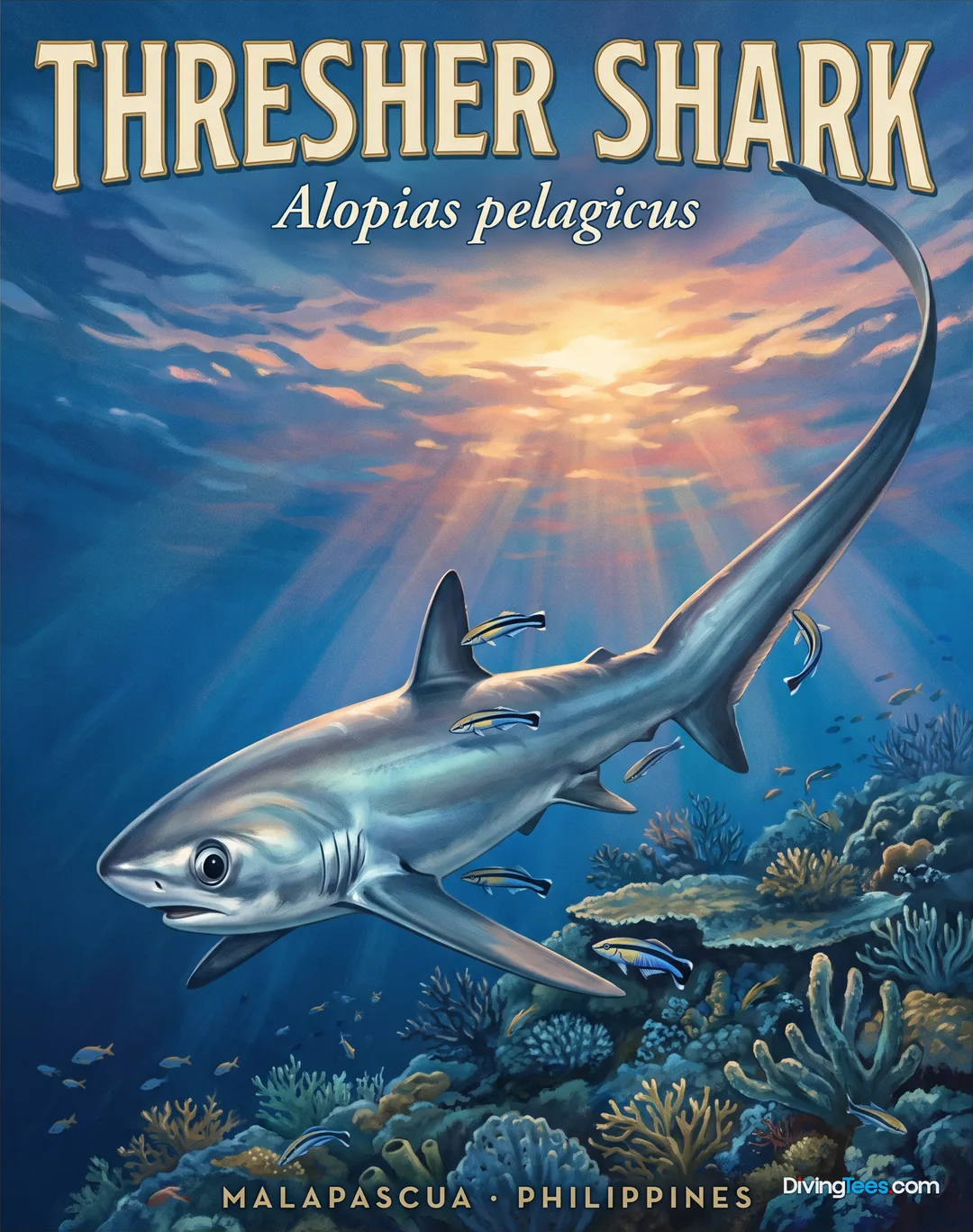
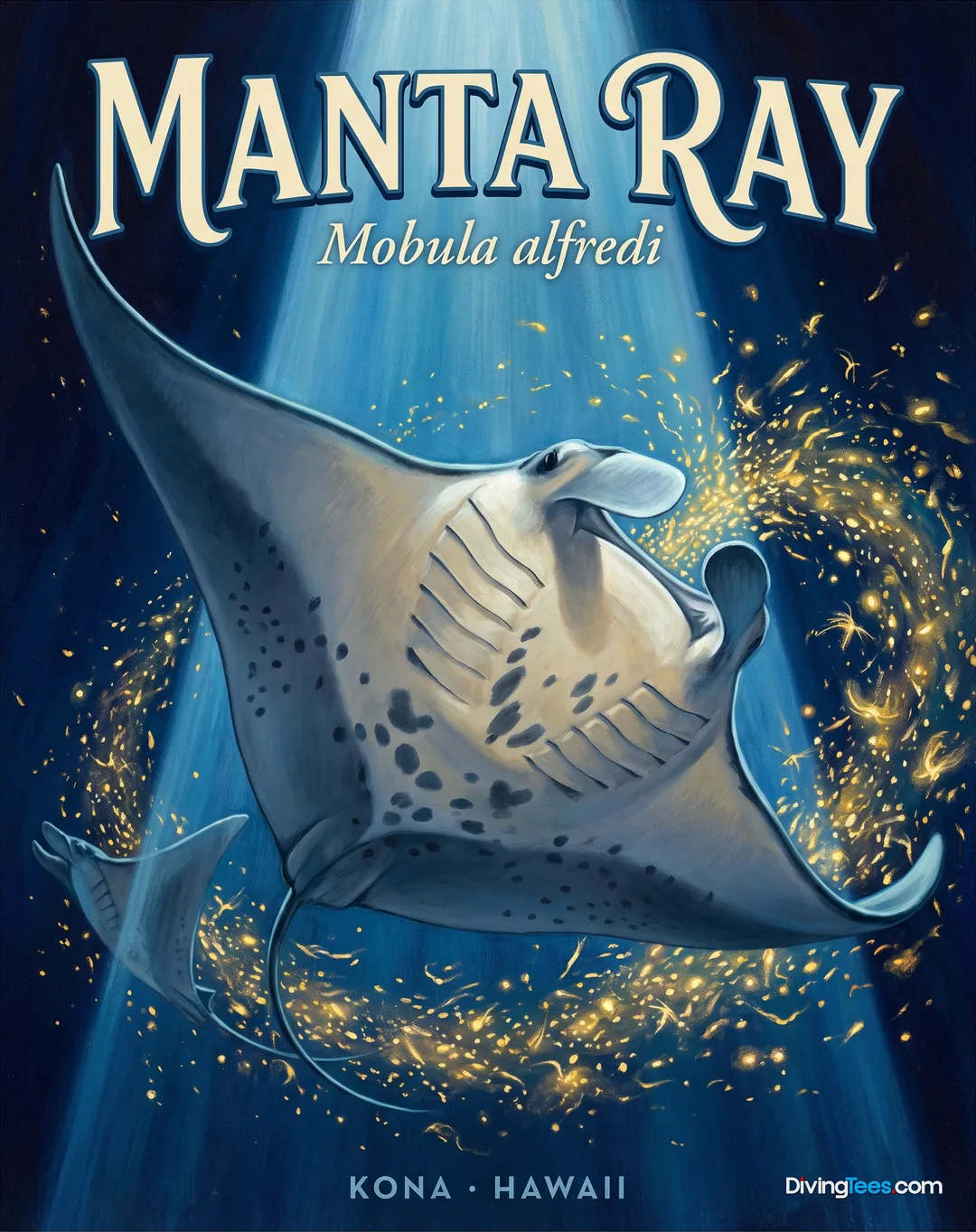
The deeper sections of South Point are particularly known for regular sightings of schooling scalloped hammerheads, often spotted around the 40-metre mark or deeper in the blue. Beyond the hammerheads, you can encounter grey reef sharks and whitetip reef sharks patrolling the wall, along with the more elusive thresher sharks. Manta rays and spotted eagle rays are also frequent visitors, gliding through the deeper water. The dynamic current environment creates an ecosystem that supports this consistent presence of large marine life.
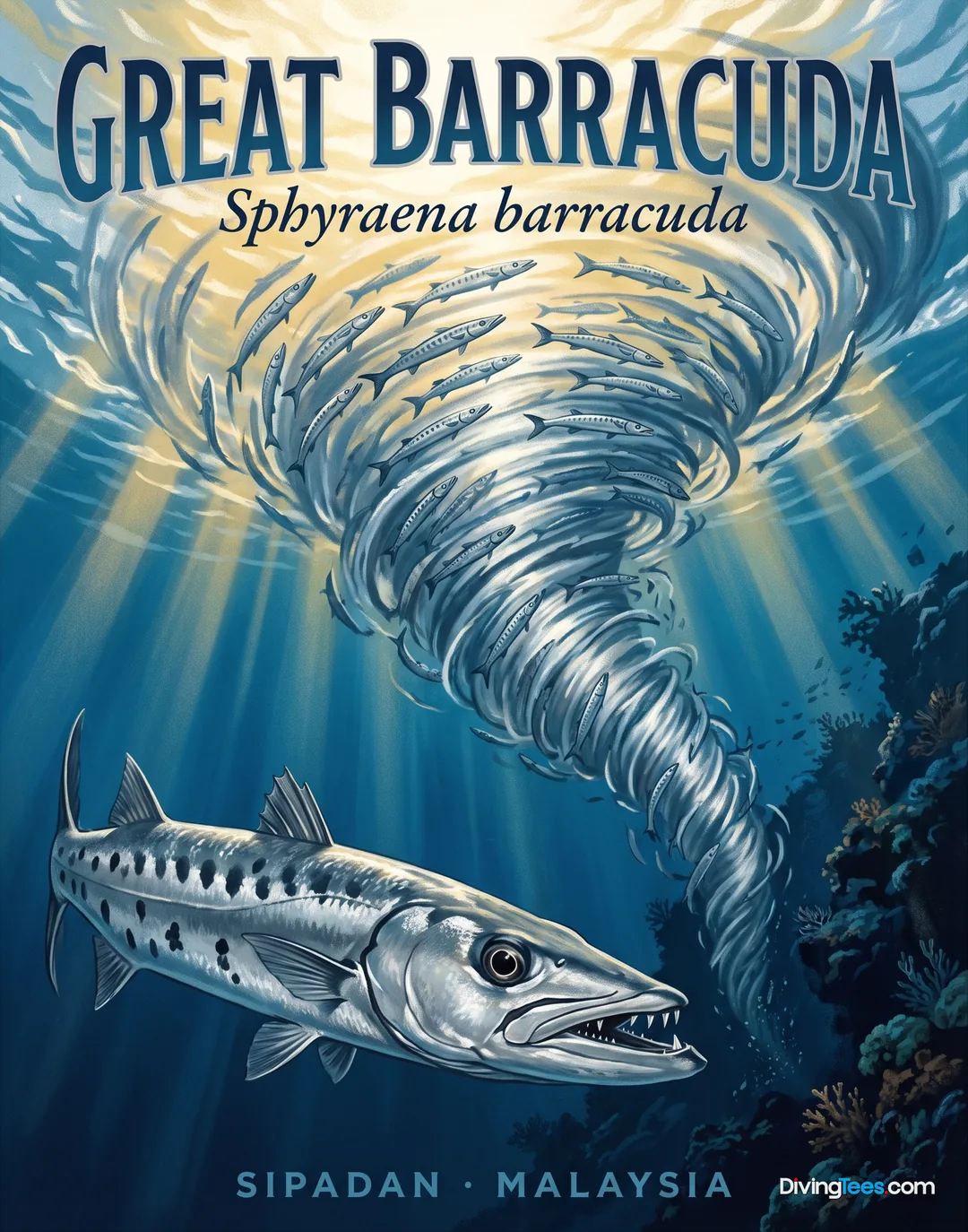
In addition to the charismatic megafauna, the site hosts large schools of bigeye trevally, giant trevally, and tuna, which are often seen hunting along the current lines. Barracudas move in synchronized formations, and batfish are common on the reef edges. Even with the focus on pelagics, the wall itself is teeming with life, from nudibranchs on the coral to groupers and moray eels finding shelter within the reef structure. Triggerfish and surgeonfish add to the vibrant reef scene in the shallower sections.
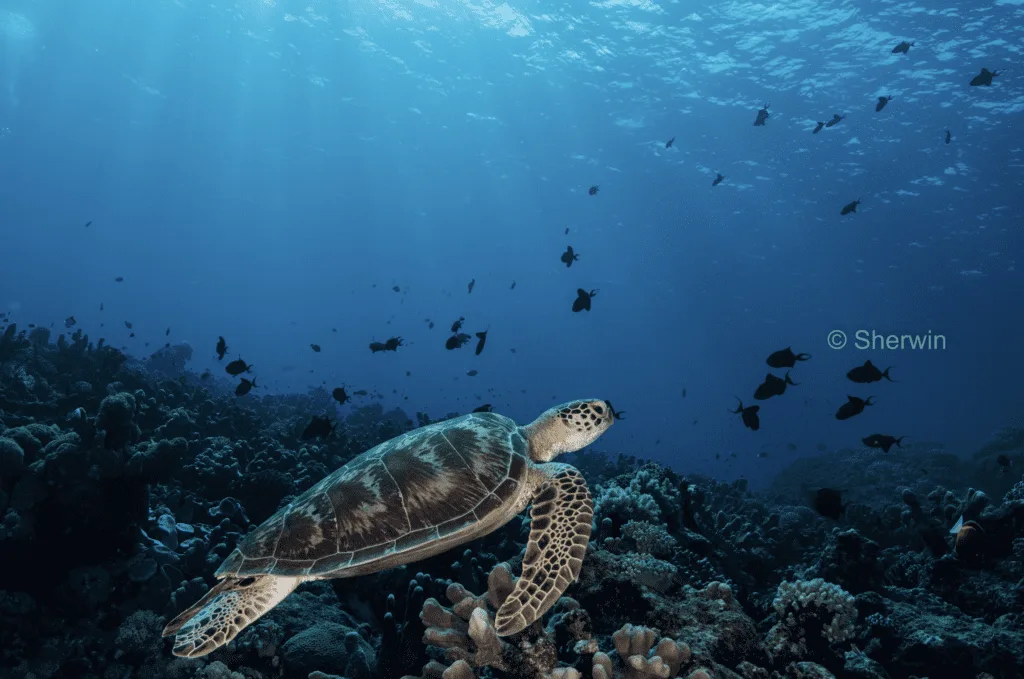
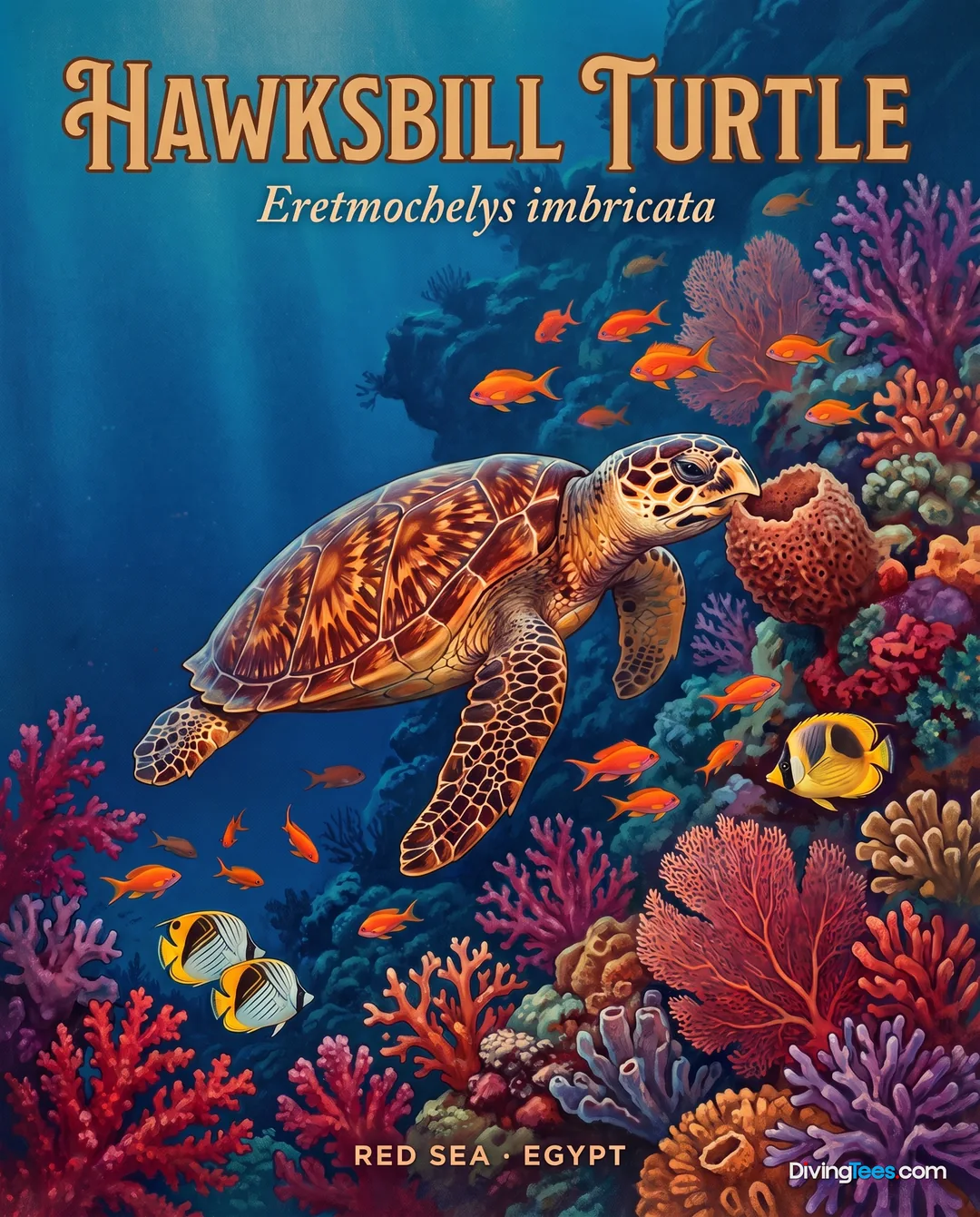
While the deep wall and pelagic action define South Point, the shallower areas still offer a rich environment. Green and hawksbill turtles are abundant across Sipadan, and they are regularly seen grazing or resting on the reef flats and terraces before the steep drop. These shallower zones provide a contrast to the deeper, blue-water explorations, allowing for a slower pace and closer examination of the reef's inhabitants once the deeper drift is complete. It's a testament to Sipadan's overall biodiversity.
For divers seeking the highest probability of encountering schooling hammerheads, the months of March to April and October are often cited as prime, aligning with specific oceanic conditions. However, the site offers recreational diving year-round. While diving is possible throughout the year, many find the conditions more favourable from February to December, recommending avoidance of the rougher monsoon season from November to January. The sheer exposure of South Point means that surface conditions can be as variable as the underwater currents.
South Point is a deep wall dive with profiles ranging from 10 metres to 40 metres. It requires an Advanced Open Water certification and a comfort level with strong, often variable currents. Expect visibility to be consistently in the 20 to 30-metre range. Currents are frequently strong, often reaching 2 to 3 knots, particularly during tidal changes and early morning upwellings, and dictate a drift dive profile. The best months for diving and pelagic encounters are generally March to April and October, though recreational diving is available year-round.
South Point offers recreational diving year-round, with March to April and October generally associated with pelagic encounters. Conditions are often considered more favourable from February to December, while the rougher monsoon season from November to January is recommended for avoidance. Surface conditions can vary because of the site's exposure.
South Point requires Advanced Open Water certification and comfort with strong, often variable currents. The dive is typically conducted as a drift along the wall, with current management central to navigating the site. This profile suits divers prepared for demanding conditions and open-ocean exposure around the drop-off.
South Point has dive profiles from 10 to 40 metres. The wall drops from shallow terraces into a vertical descent exceeding 600 metres, while deeper excursions into the blue commonly focus on the 30 to 40-metre range, where pelagic encounters, including schooling scalloped hammerheads, may occur.
South Point has strong, variable currents that often reach 2 to 3 knots, particularly during tidal changes and early morning upwellings, so diving follows a drift profile. These currents bring schooling scalloped hammerheads, grey reef sharks, thresher sharks, manta rays, eagle rays, trevally, barracuda, and turtles.