
Scuba Buddy
Google 4.3/5 (172 reviews)
15 km away as the crow flies
Sipadan · Malaysia · Asia
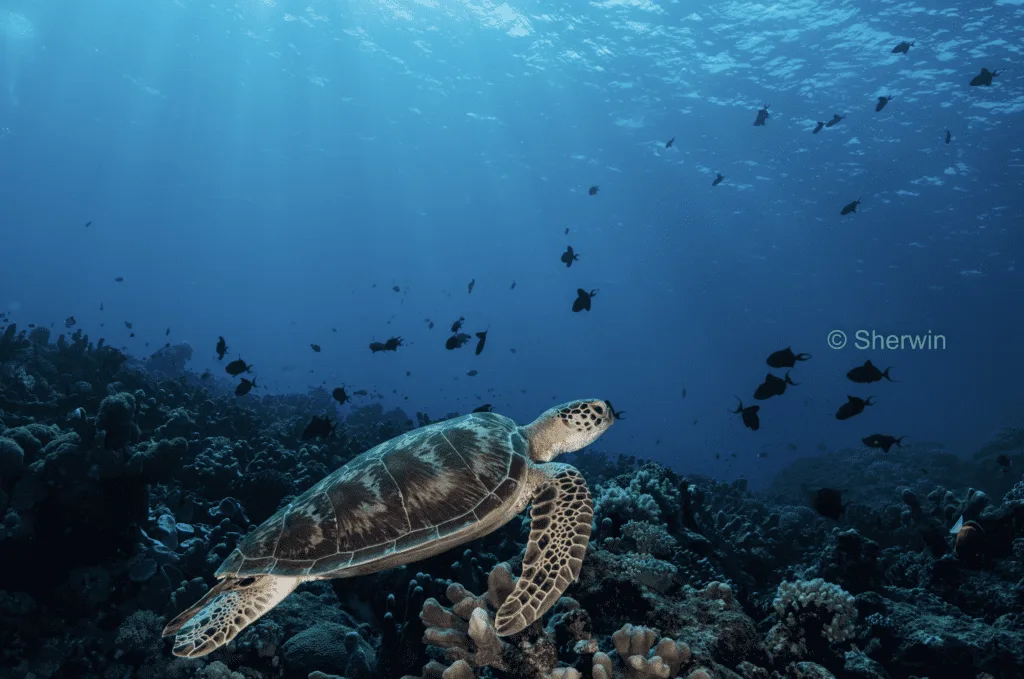
Max. depth · 30 mMassive green sea turtles congregate on the sandy floors and coral tables of these shallow Sipadan terraces.
For subtitles in English: start the video firstthen click the gearat the top right of the video, select “Subtitles/CC”, then “Auto-translate” and choose “English”.
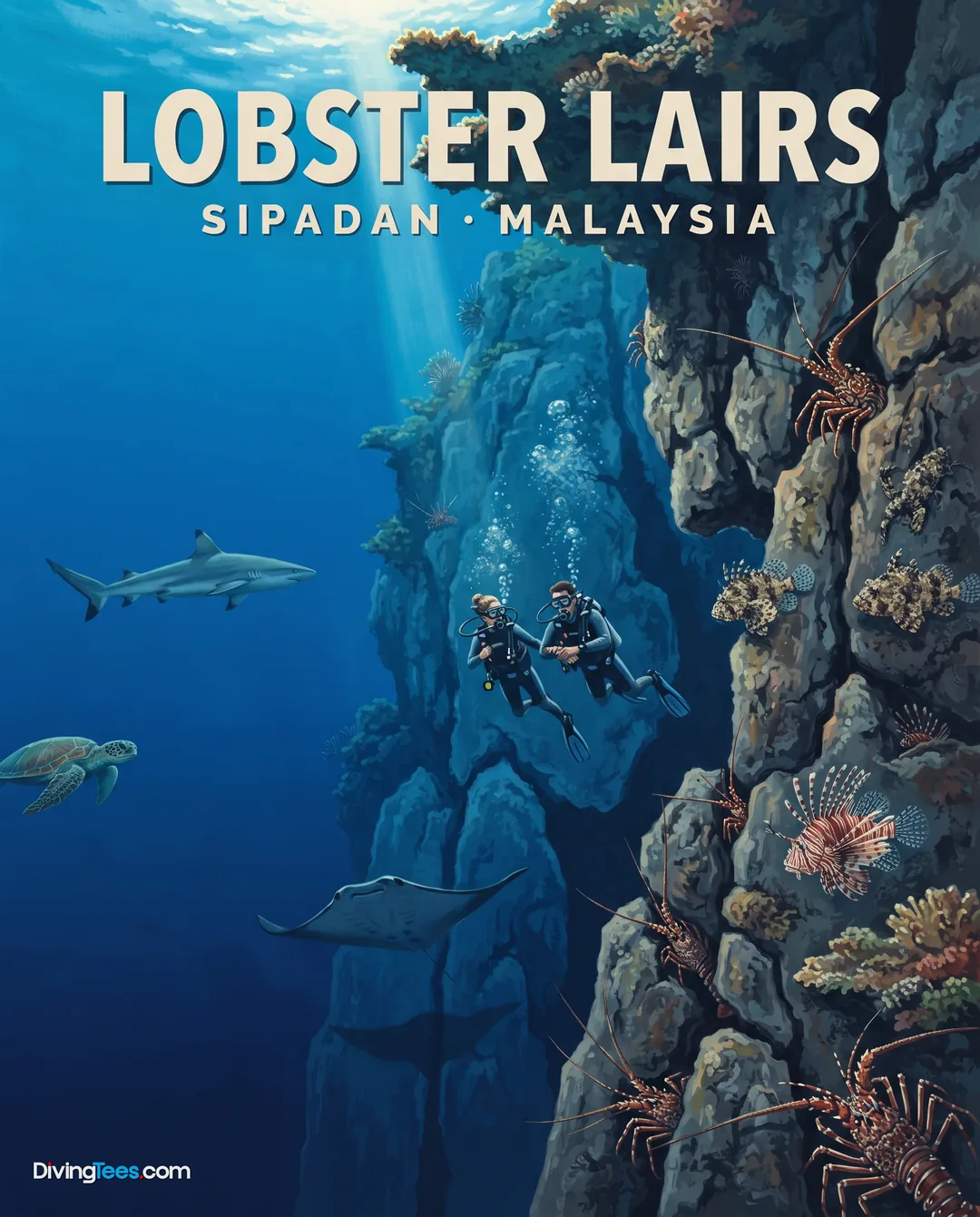
Turtle Patch is situated on the eastern flank of Sipadan Island, specifically anchored in the southeast corner of the island's perimeter. The site is defined by a unique topography consisting of shallow reef terraces that sit atop a more dramatic descent. These upper plateaus are composed of varying substrates, including sandy patches, large tabular coral formations, and extensive areas of soft corals. This structured relief provides a diverse range of micro-habitats within a relatively small area, allowing for different types of marine life to coexist at varying depths.
As you descend onto the site, the profile transitions from these sunlit upper terraces toward a significant wall that drops away into the deeper waters surrounding the island. The shallow zones are particularly well-lit throughout the day, which supports the growth of large coral tables. These tables act as structural anchors for the local ecosystem, providing shelter and feeding grounds. The transition from the relatively calm, shallow reef flats to the steep drop-off marks the boundary between the sheltered reef life and the more current-driven elements of the site.
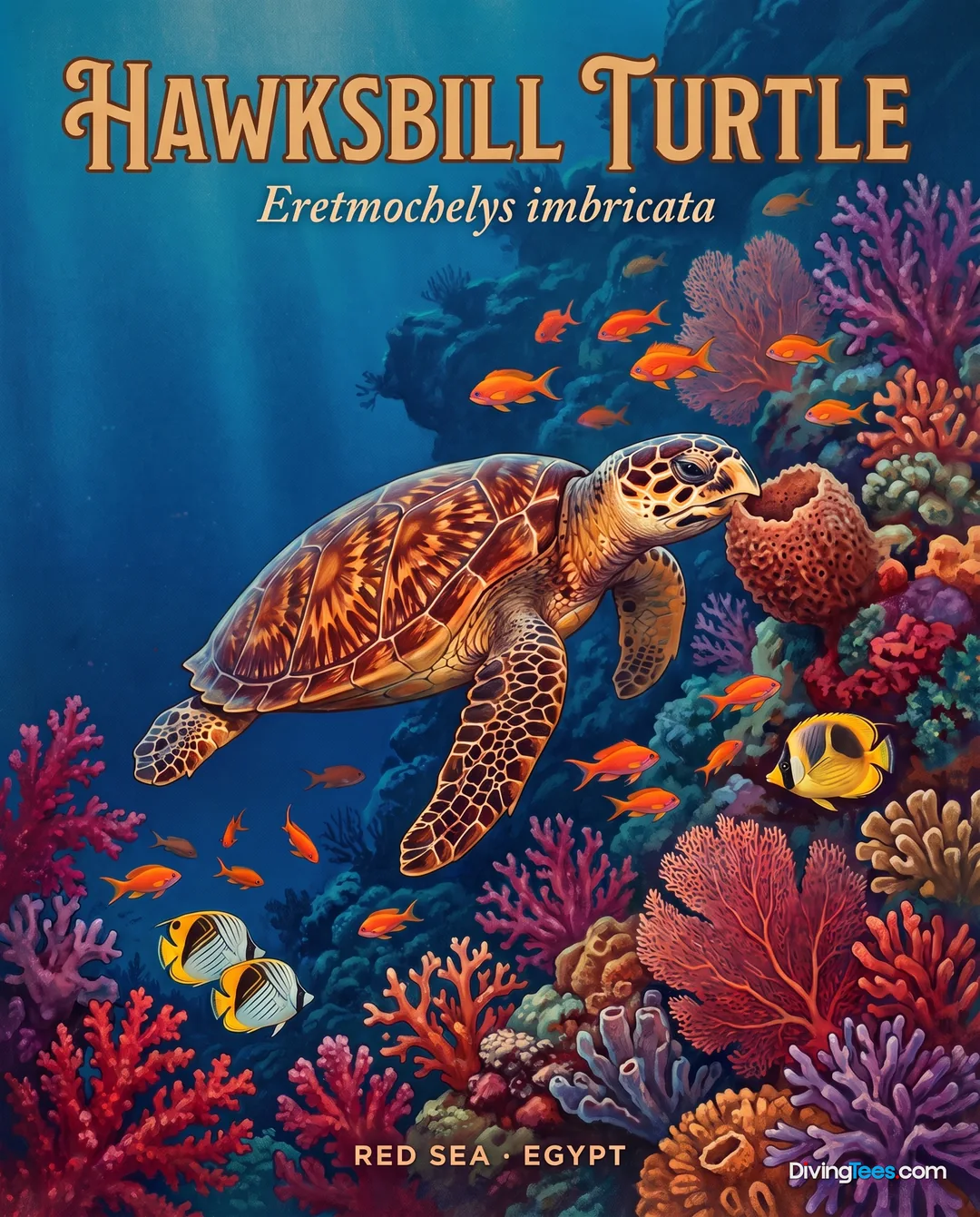
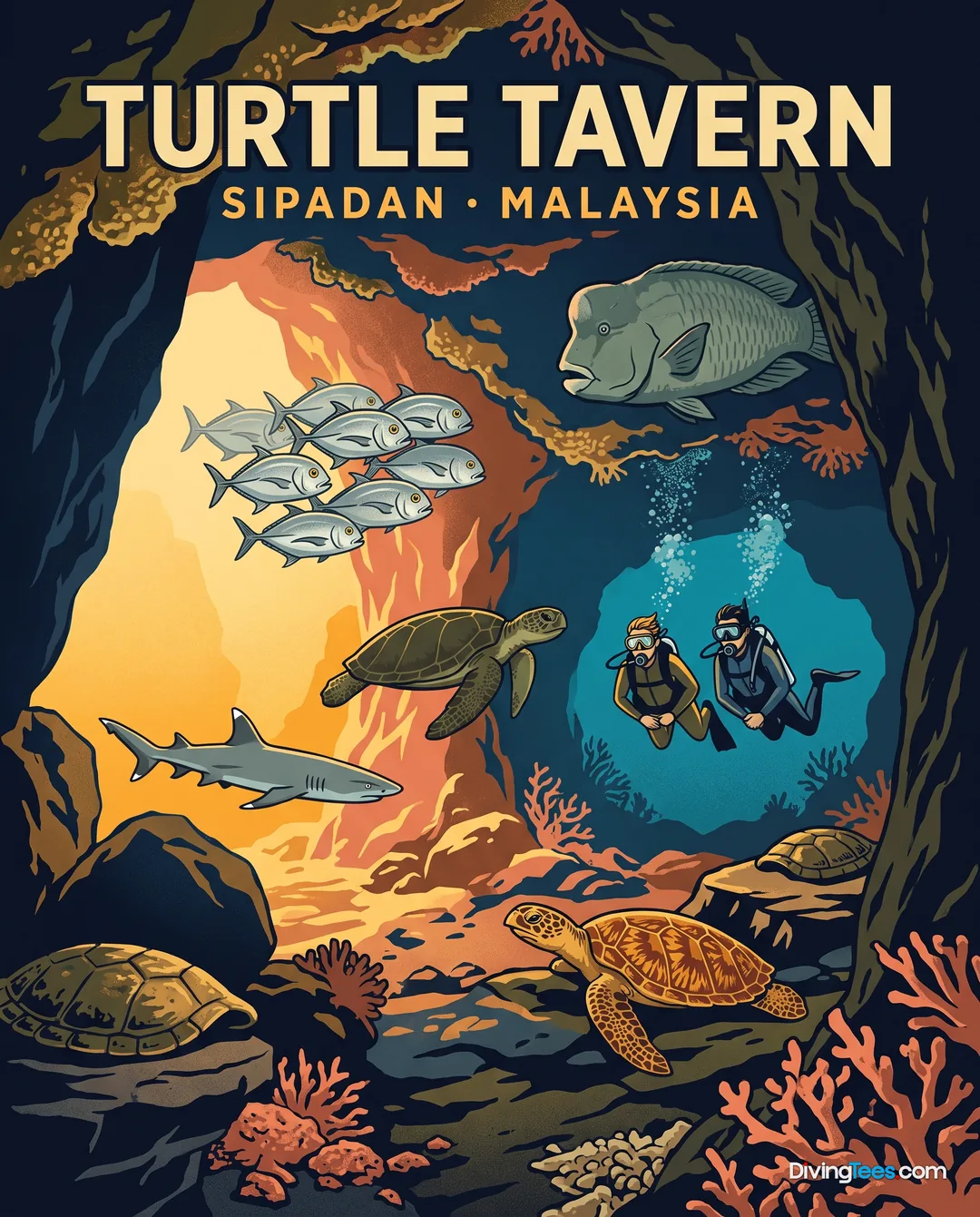
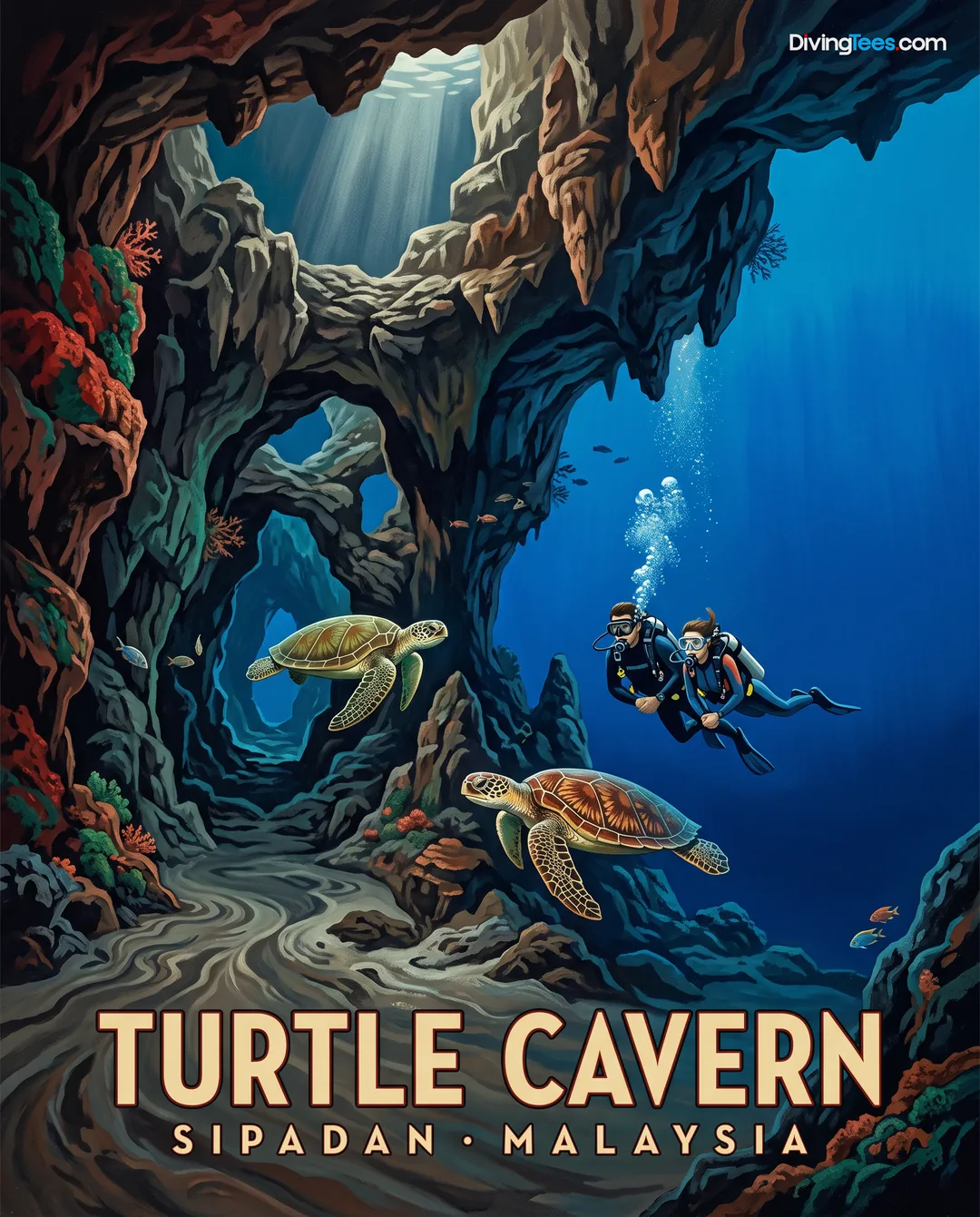
The defining characteristic of this site is the high concentration of sea turtles. You will frequently encounter green sea turtles and hawksbill sea turtles resting on the sandy sections of the terraces or actively feeding on sponges attached to the reef structures. Because these turtles often remain stationary while resting or grazing, it is one of the most reliable locations in the region for close-range observation. They move between the sandy floor and the coral edges, making the shallow portions of the dive profile the primary area for these encounters.
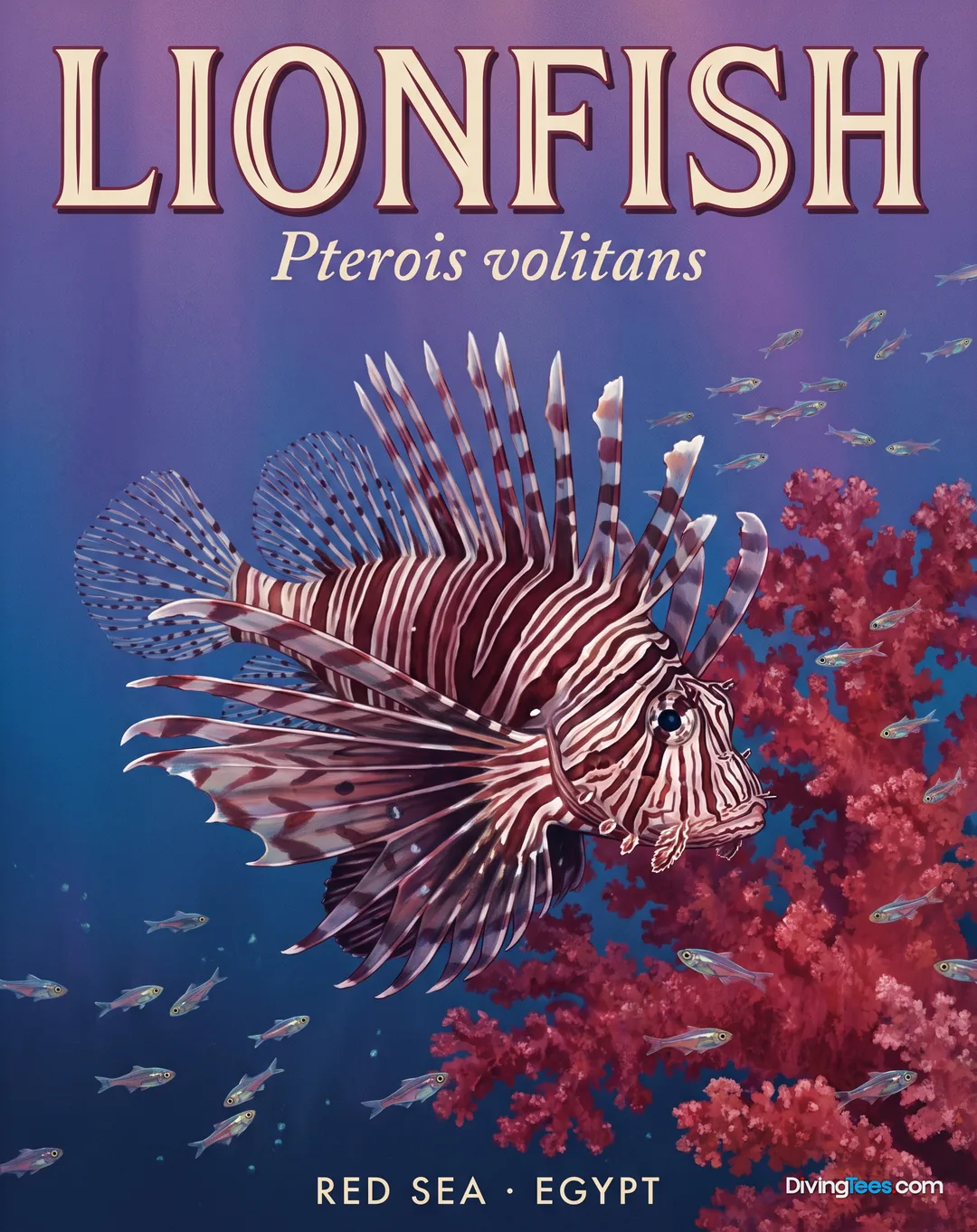
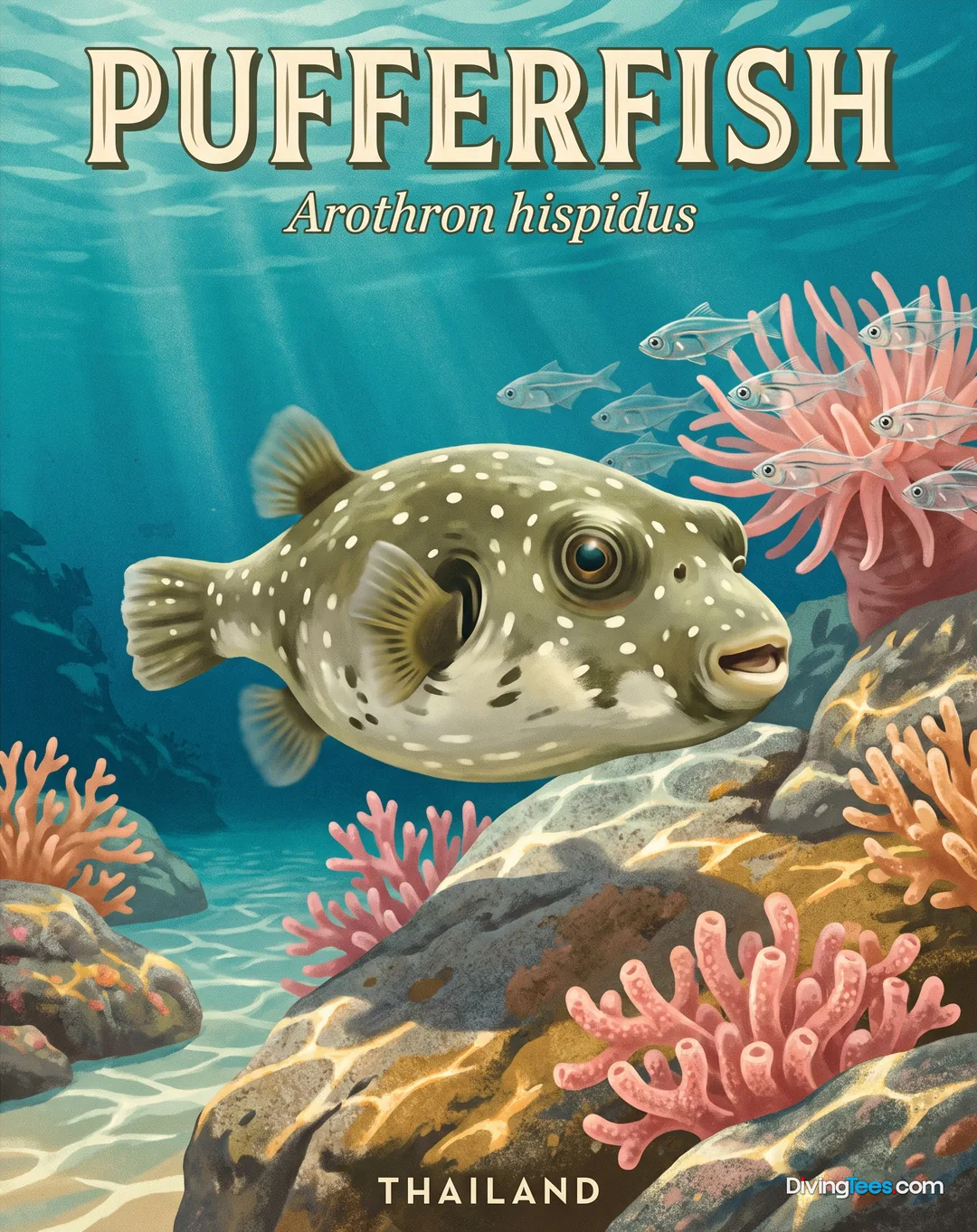
Beyond the turtles, the reef architecture supports a steady population of resident fish. You can observe bumphead parrotfish moving among the corals, alongside various species of parrotfish that graze on the reef surface. Spotted sweetlips are often found hovering near the reef structure, and moray eels frequently inhabit the crevices within the coral tables. The presence of lionfish and pufferfish adds to the diversity of the mid-water and reef-resident fauna, creating a complex biological environment that stays active throughout the day.
The predatory aspect of the site is represented by whitetip reef sharks, which are common visitors to the reef edges. These sharks are often seen patrolling the transition zones between the shallow terraces and the deeper wall. While the turtles dominate the shallow sandy patches, the sharks tend to utilize the deeper contours and the structure of the drop-off. Watching them move through the water column provides a different perspective on the site's ecology, contrasting the slow-moving grazers with the more active predators of the reef.
Current management is a key part of diving this site effectively. The currents can be variable and may allow for a comfortable drift along the shallow reef zones. Because the site is positioned on the eastern face, the conditions are generally more stable and favorable during the morning hours. If you time your dive for the morning, you can take advantage of calmer water and optimal light penetration across the terraces. This allows for better visibility and easier navigation as you move between the coral tables and the sandy areas.
The visibility at Turtle Patch is consistently high, often reaching 30 metres, which extends the visual range across the open sandy patches. This clarity is essential for spotting turtles that may be resting well ahead of your position or watching sharks cruising the deeper edges of the wall. The combination of high visibility and the structured topography means that even at the shallower end of the depth range, you can observe the broader scale of the reef's descent. This makes the site accessible for those looking for high-density marine life in a controlled environment.
The site depth ranges from 5 to 30 metres and is accessible from Open Water Diver level. Currents are variable and can allow for drifting along the shallow zones, but morning dives are generally preferred for better conditions. Expected visibility is 30 metres.
Morning dives are generally preferred at Turtle Patch because conditions are more stable and the water is often calmer. Morning light also penetrates the shallow reef terraces well, helping you navigate between sandy patches, large tabular corals, and soft coral areas while observing the site’s varied topography.
Turtle Patch is accessible from Open Water Diver level, with depths ranging from 5 to 30 metres. You can explore shallow reef terraces, sandy patches, and coral formations, while the profile also transitions toward a deeper wall. The site therefore offers different habitats across a varied depth range.
Currents at Turtle Patch are variable and may allow you to drift along the shallow reef zones. Conditions are generally more stable and favorable during morning hours, when calmer water can make it easier to move between coral tables and sandy areas. Current management remains important throughout the dive.
At Turtle Patch, you can encounter green and hawksbill sea turtles resting or feeding around sandy sections and coral edges. The reef also supports bumphead parrotfish, parrotfish, spotted sweetlips, moray eels, lionfish, pufferfish, and whitetip reef sharks near deeper reef edges and the wall.