


Scuba Buddy
Google 4.3/5 (172 reviews)
14 km away as the crow flies
Sipadan · Malaysia · Asia
Max. depth · 40 mBarracuda Point delivers a high-octane wall dive, famed for its swirling schools of barracuda and continuous pelagic action at depth.
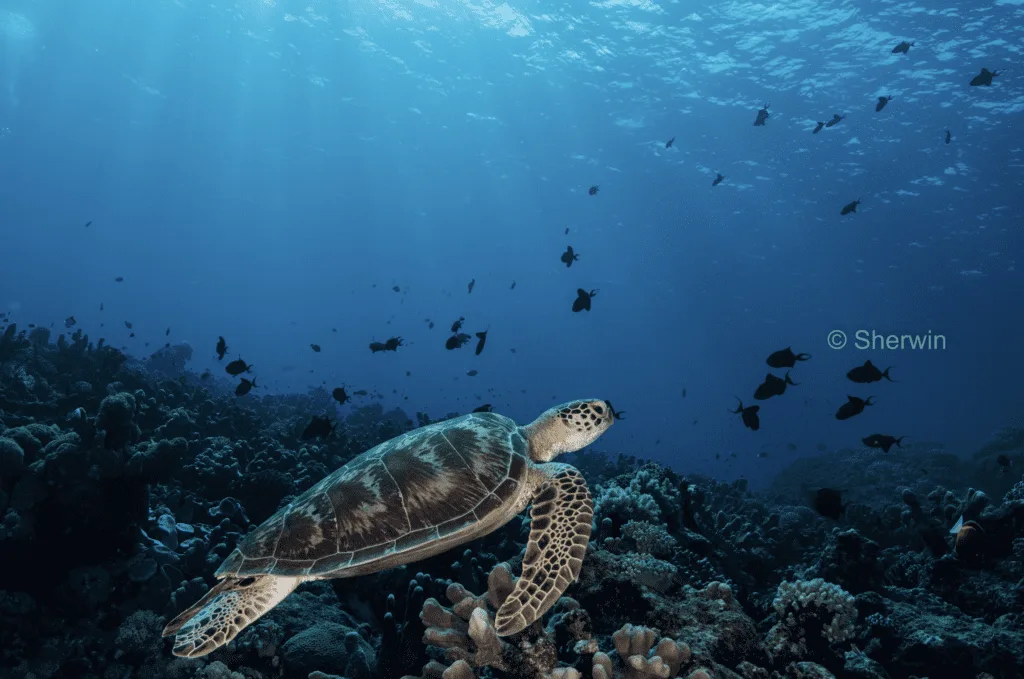
Diving Barracuda Point puts you on the northeastern side of Sipadan Island, where the reef starts shallow, around 5 to 10 metres, before plunging into a dramatic wall. This wall drops far beyond recreational limits, extending over 600 metres into the abyss, but the dive primarily unfolds within the 10 to 40-metre range. Here, the wall is a living tapestry of hard and soft corals, punctuated by crevices and ledges that provide shelter and hunting grounds for a variety of schooling fish and foraging turtles.
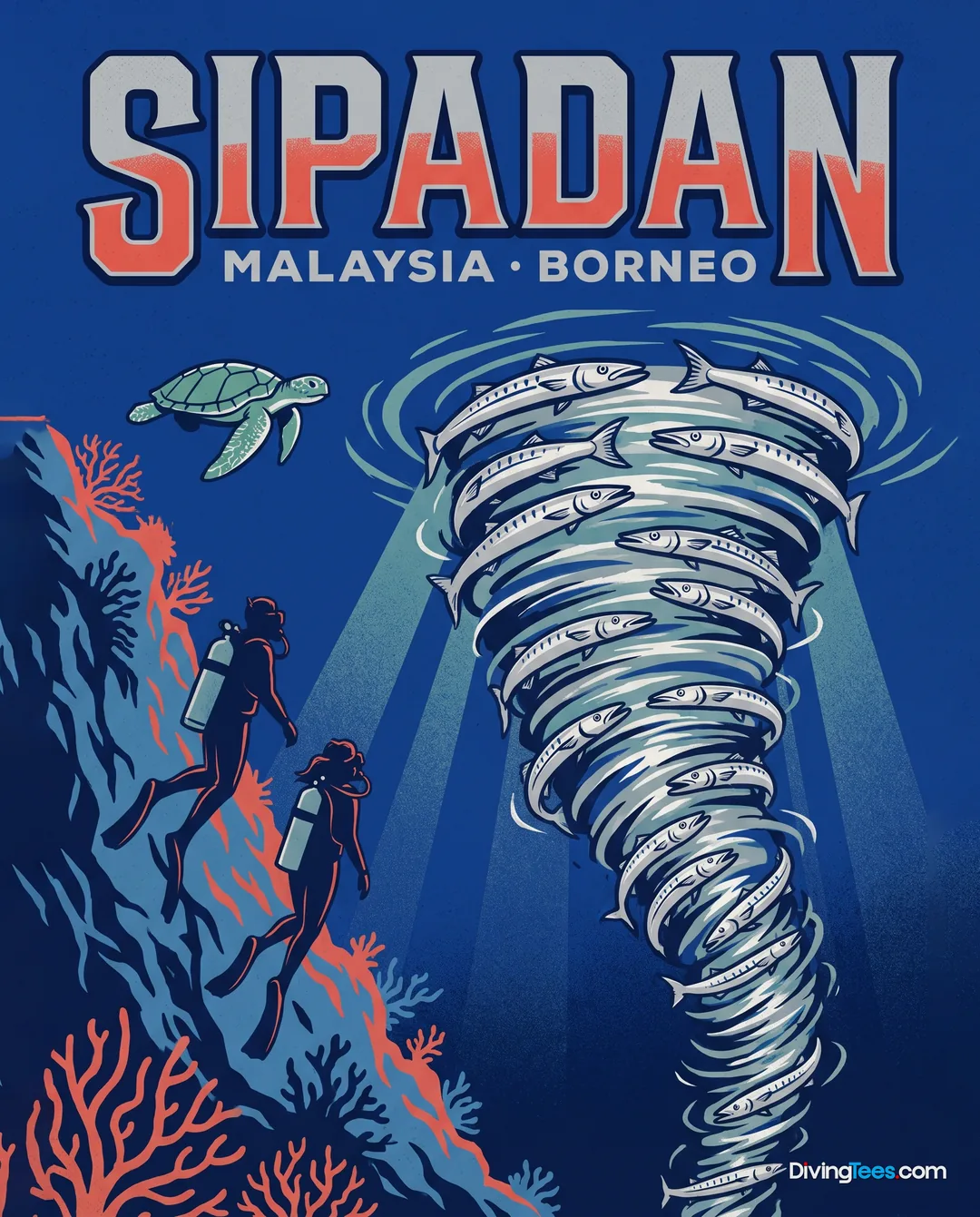
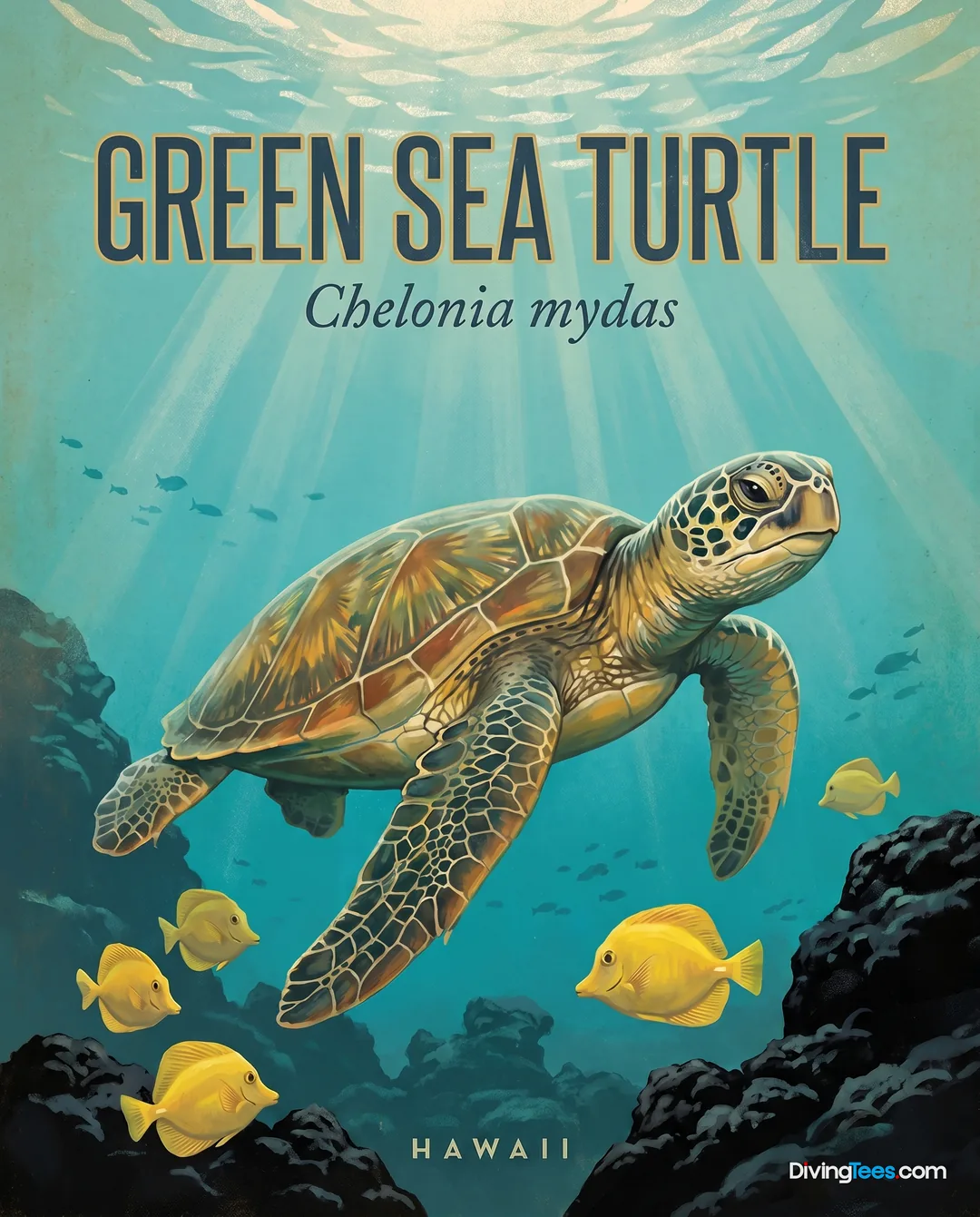
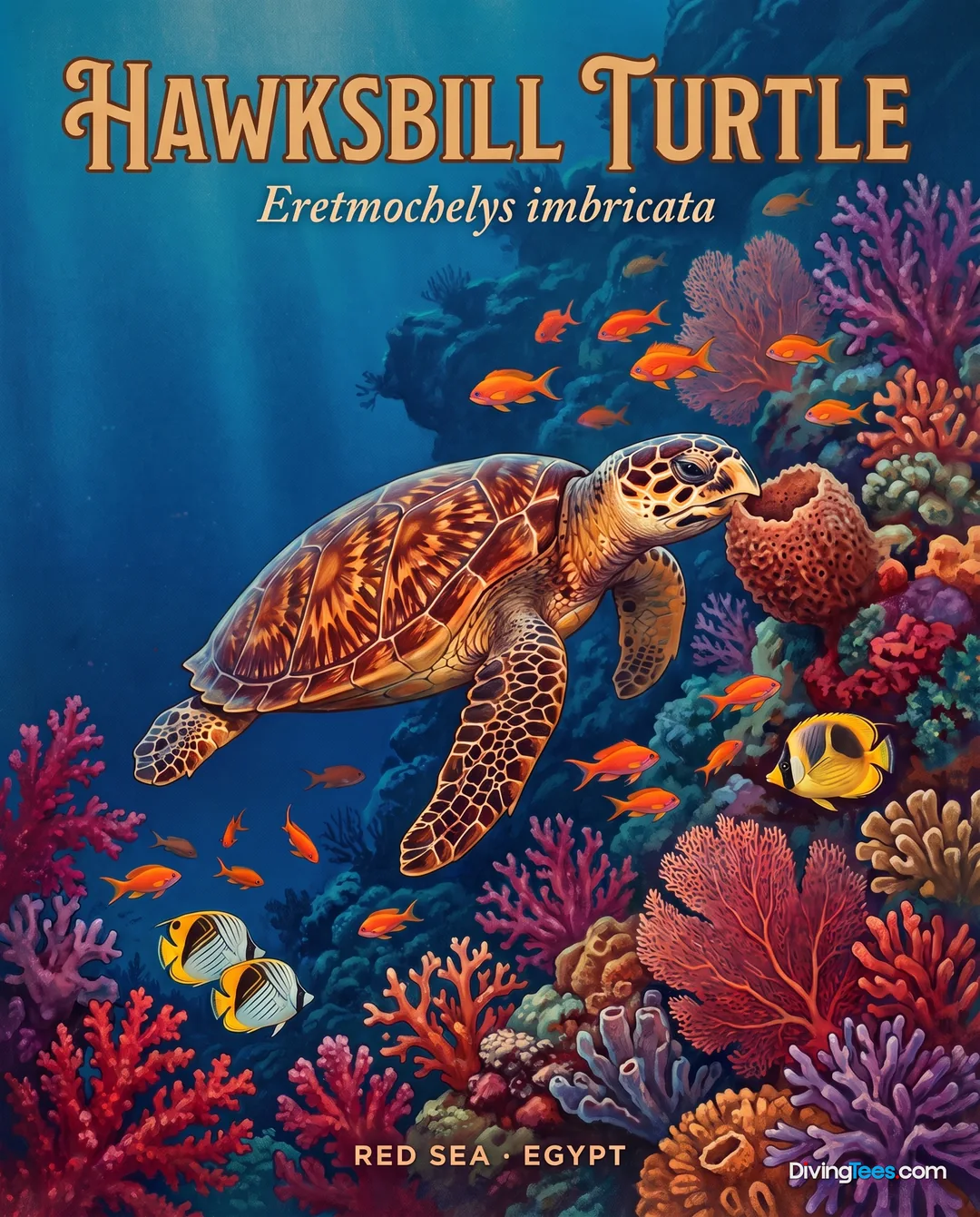
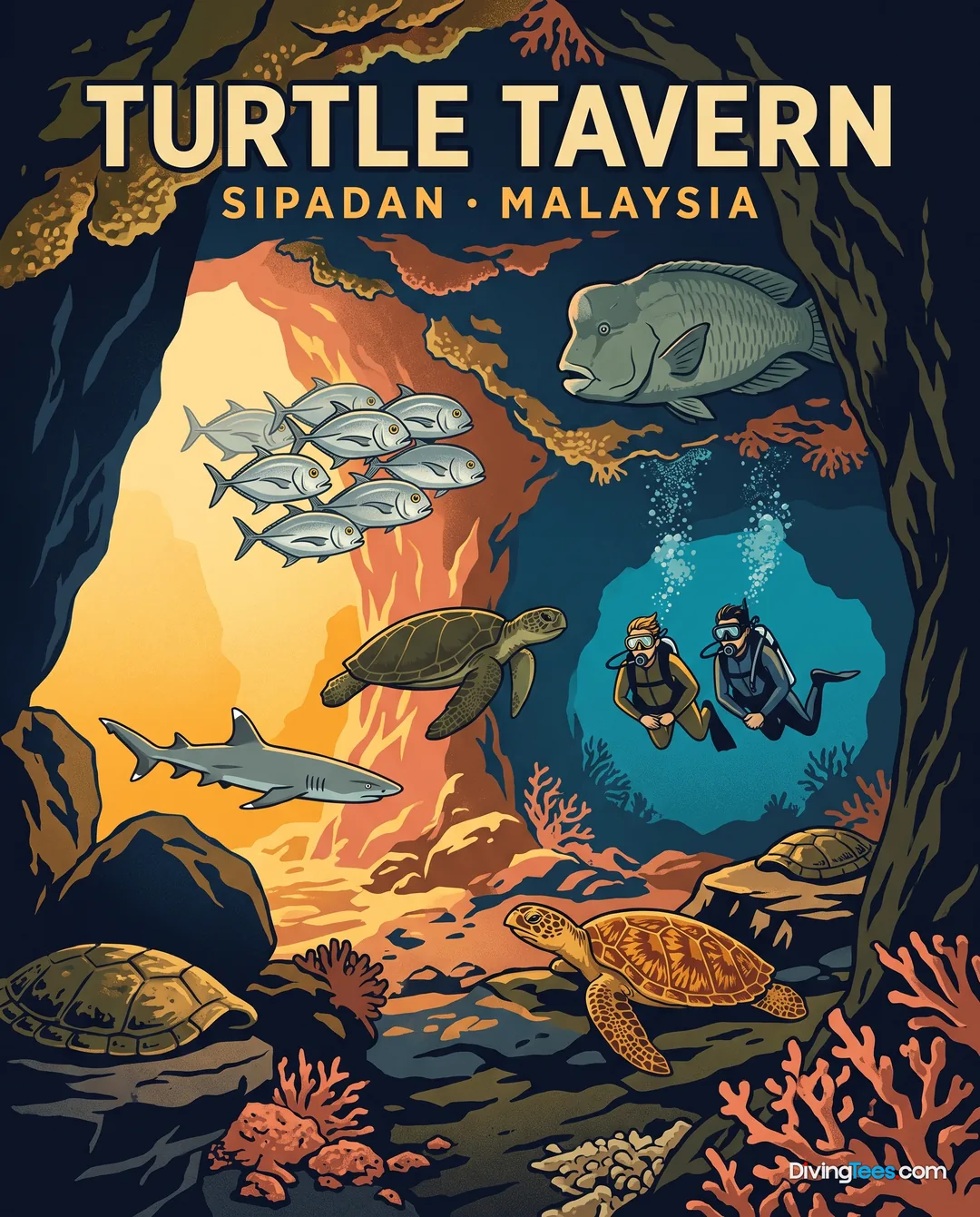
The site's reputation is built around its resident school of chevron and pickhandle barracuda, often encountered in a swirling 'tornado' formation. This spectacle typically hovers above the reef, allowing divers to be enveloped by thousands of fish, a unique interaction that defines the Barracuda Point experience. While the barracuda draw the most attention, the site consistently delivers dense turtle traffic, with both green and hawksbill turtles frequently observed cruising the reef or resting in ledges along the wall.
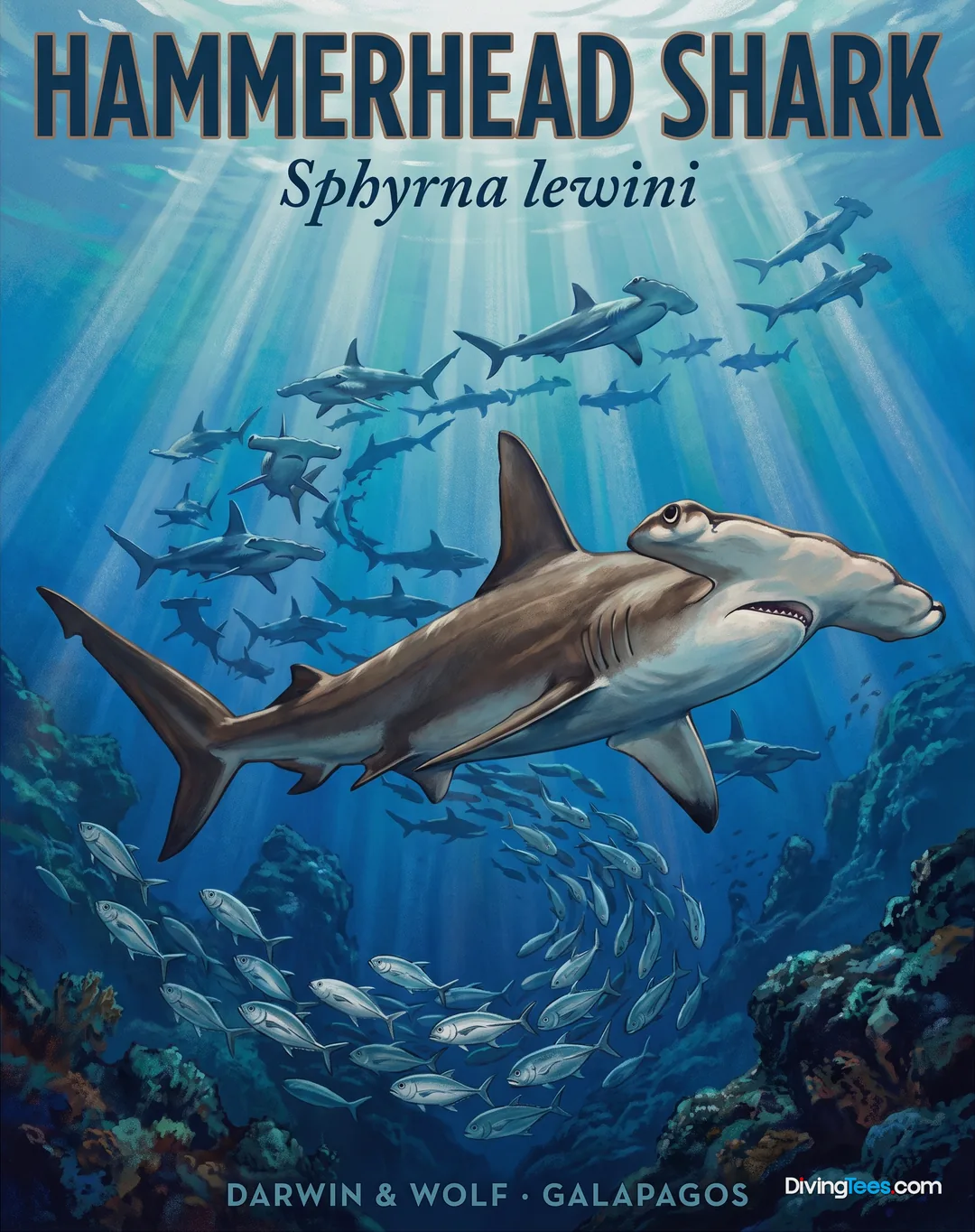
Beyond the barracuda, the pelagic encounters here are diverse and frequent. Large schools of bigeye trevally (jacks) often move in unison, creating dynamic displays against the blue. Whitetip reef sharks and grey reef sharks are common sights patrolling the wall, and the chance of spotting hammerhead sharks in deeper water adds another layer of excitement. These larger predators are drawn to the consistent flow of nutrients and baitfish that the strong currents bring.
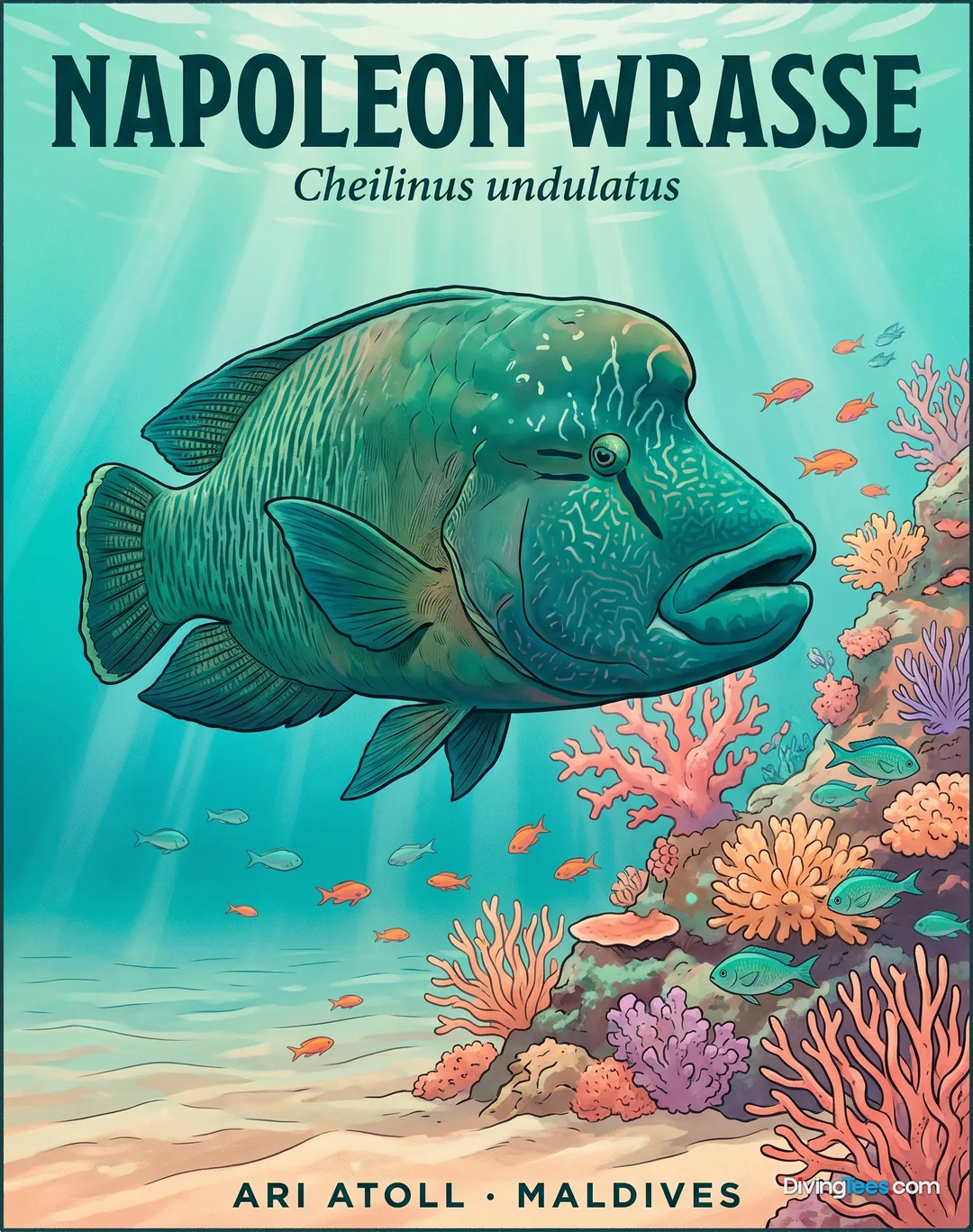
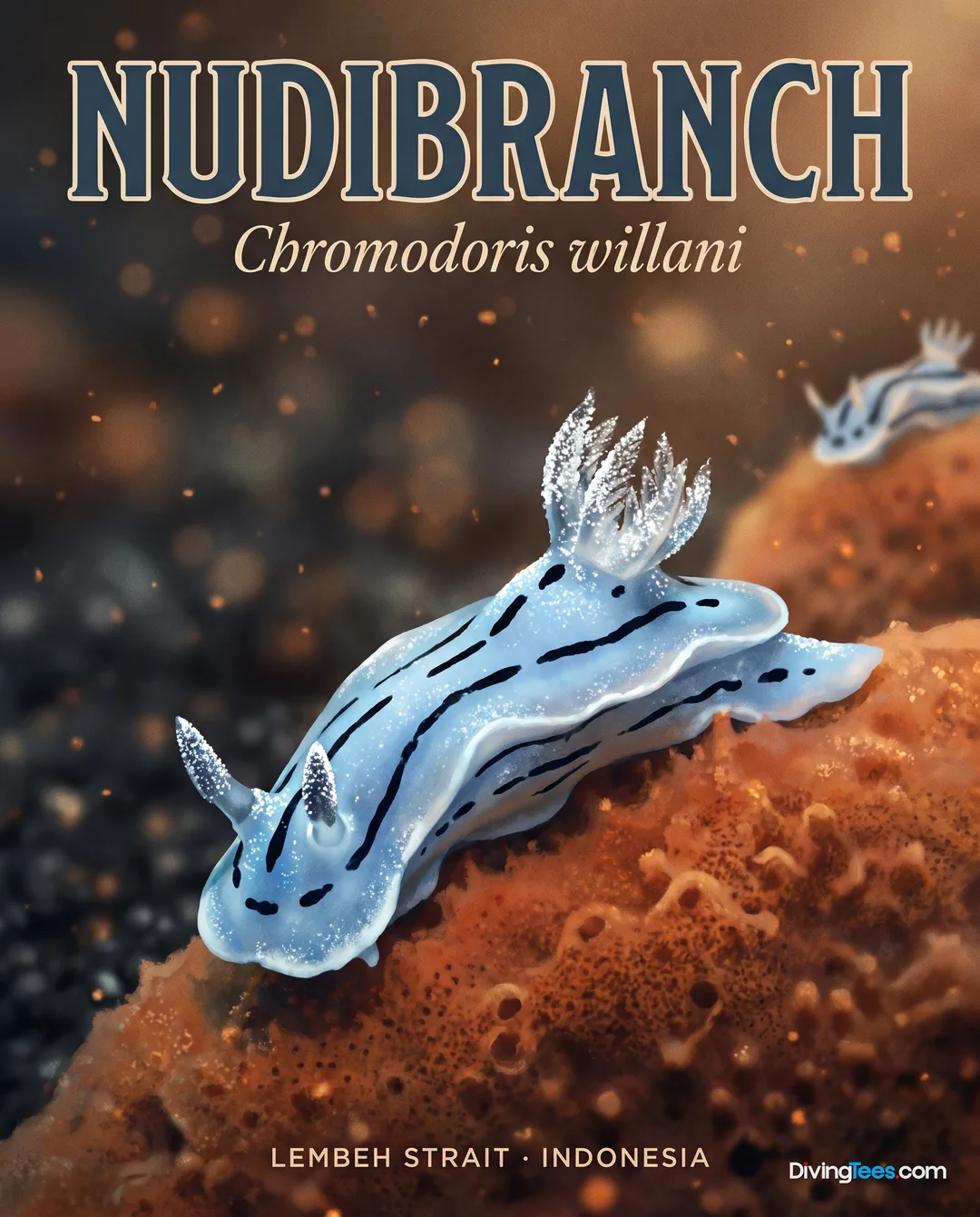
The topography of Barracuda Point is characterised by its steep to vertical drop-off, offering a classic wall dive profile. As you descend, the reef transitions from a brightly lit coral garden to a more somber, deeper ecosystem, where moray eels peer from their hideouts and various nudibranchs move across the coral. Along the deeper sections of the wall, look for solitary Napoleon wrasse and groups of bumphead parrotfish, often seen grazing on the corals.
Currents at Barracuda Point are a defining feature and play a critical role in the site's rich biodiversity. These currents can be substantial, often reaching around 2 knots, and can at times head away from the reef or even create downward pull. This consistent water movement is precisely what attracts and sustains the large schools of fish and pelagic species that congregate here, turning the wall into a dynamic feeding ground.
The variability of current strength and direction is influenced by local tides and broader Sipadan conditions. Dive planning at Barracuda Point therefore focuses on timing the dive to drift along the wall in manageable currents, maximizing the opportunities for pelagic encounters while maintaining diver safety. This allows for observation of other reef inhabitants like leopard sharks resting on sandy patches, eagle rays gliding past, and various snappers, emperors, and triggerfish navigating the reef.
What sets Barracuda Point apart from other wall dives in the region is this combination of sustained strong currents and the resulting concentration of marine life. It creates an environment where massive schools of barracuda and jackfish, frequent shark sightings, and a high density of turtles are not just possibilities but common occurrences. The sheer volume of action makes it one of Sipadan's most consistently productive and adrenaline-rich dive sites, distinct in its sustained intensity.
The wall itself holds secrets in its nooks and crannies. Harlequin sweetlips can be found sheltering, while various butterflyfish feed openly on the corals. Redtooth triggerfish are often seen darting in and out of the deeper reef structure. Even small octopus are present, tucked away in the wall's crevices, showcasing the diversity across all scales of marine life at this dynamic and current-swept location.
Barracuda Point is an advanced dive, requiring comfort in strong currents and blue-water conditions. Depths typically range from 5 to 40 metres. Visibility is generally good, ranging from 10 to 30 metres, with the best conditions usually found between March and October. Strong currents, potentially up to 2 knots, are common and can vary with tides; dives are planned to manage these conditions. This period also typically offers calmer seas and more predictable currents.
Plan your dive between March and October, when visibility is generally good and seas are typically calmer. Currents are also more predictable during this period, although tides still influence their strength and direction. Dive planning focuses on choosing timing that allows a manageable drift along the wall.
Barracuda Point is an advanced dive for divers who are comfortable in strong currents and blue-water conditions. The current can vary with the tides and may move away from the reef or create a downward pull, so you need experience with these conditions and the dive plan used for the site.
The dive typically unfolds between 10 and 40 metres, beginning over a shallow reef around 5 to 10 metres before dropping along a dramatic wall. Strong currents are common and can reach around 2 knots, with strength and direction changing according to tides and local conditions.
You can encounter massive schools of chevron and pickhandle barracuda forming a tornado, along with green and hawksbill turtles, bigeye trevally, whitetip and grey reef sharks, eagle rays, and possibly hammerheads. The coral-covered wall also shelters moray eels, nudibranchs, Napoleon wrasse, bumphead parrotfish, and small octopus.