Seavana Beach Resort
★★★★
Google 4.7/5 (623 reviews)
Thailand · Asia
Koh Rang's coral gardens, Koh Phe's rocky slopes and Mu Ko Chang's forested islets make Koh Mak a calm base for day-boat diving.
For subtitles in English: start the video firstthen click the gearat the top right of the video, select “Subtitles/CC”, then “Auto-translate” and choose “English”.
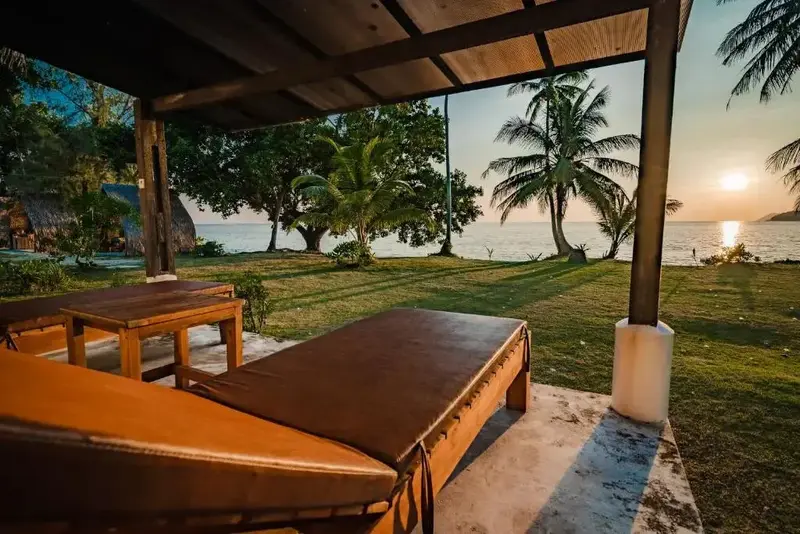
Koh Mak is an island stay organised around boats rather than shore diving. Its underwater focus lies around Koh Rang and the neighbouring islets of Mu Ko Chang National Park, where coral gardens, rocky pinnacles and drop-offs replace a busy succession of local departures. The island itself is quiet and lightly developed, with beaches, cycling and small-scale accommodation. It suits divers who are happy to trade instant access for unhurried days on the water.
The diving runs from shallow coral gardens to rocky pinnacles and wall sections around Koh Rang and the nearby islets. Koh Phe is described as rocky ground between roughly ten and eighteen metres, while other sites can have an established current and reduced visibility. Conditions are variable rather than automatically gentle, so a site that looks straightforward on the chart may involve a drift dive or a more careful descent on the day. Most outings are full-day boat trips, not a pair of quick dives from the beach. Expect the journey to be part of the dive day, with the scenery of the protected island group above water and changing conditions below it. Visibility commonly sits between five and twenty metres, and can alter quickly after rain, wind, swell or plankton blooms.
Coral is the defining feature underwater, from the shallow gardens used for introductory dives to the harder outlines of Koh Phe and the other rocky sites. Reef fish move through these coral areas, giving the dives their life even when visibility is modest. The protected setting around Koh Rang also brings the sense of exploring an island reef system rather than an isolated patch of seabed. Conditions determine how much of that scene is visible: rain, run-off, swell and plankton blooms can turn a clear-looking plan into a close-range coral and fish dive. There is no dependable seasonal wildlife calendar to build the trip around, so Koh Mak rewards attention to reef structure, light and the day's visibility rather than promises of a particular animal.
November to April is the sensible window for Koh Mak, because the sea is generally calmer and boats can reach Koh Rang and the neighbouring park islands more reliably. Visibility is also usually more helpful in this period, although it can still change after wind or rain. From May to October, the monsoon brings a greater chance of swell, rain, current, poorer visibility and cancelled boat trips. Some diving may continue during the rainy season, but it is harder to build a dependable itinerary. The dry-season months are therefore valuable less for a guarantee of clear water than for giving the boats a better chance of running.
Koh Mak can work for all levels, provided the site matches the sea conditions. Beginners may use shallow coral gardens for training or introductory dives, while certified PADI, SSI and BSAC divers can look towards rocky sites and pinnacles when current and visibility are suitable. Experience with boat diving is useful because the main outing is away from the island, and conditions can change between departure and descent. It is not a place to assume that every dive will be a sheltered, effortless reef swim.
From London Heathrow, London Gatwick or Manchester, the journey requires reaching Trat, either by air or by road, before taking a boat or ferry from the mainland to Koh Mak. The overland leg from Bangkok to Trat generally takes around five to six hours, then the sea crossing adds several more hours depending on the port, vessel and conditions. Koh Mak has no airport, and maritime services are seasonal, so allow generous time between the mainland journey, the ferry and any flight home. Once on the island, accommodation is spread out. Depending on where you stay, getting to the departure point means walking, cycling, using a local taxi or arranging a transfer through the diving operation.
Treat Koh Rang as the centre of the diving plan, not as an optional extra, and put those boat trips near the beginning of the stay. That leaves room to move them if wind or rain closes the route. Confirm the actual departure harbour before booking, because the ferry to Koh Mak and the diving boat may use different piers. Keep a spare day before a flight or long onward connection: a delayed ferry can undo a tight plan. Ask about the day's current and visibility rather than relying on an old description, particularly after rain, run-off or swell. Do not put every dive on one day, and do not book the island expecting a liveaboard-style schedule. Koh Mak is a shore-based stay with day boats, park regulation and a possible park entrance fee. Personal camera equipment can be worthwhile when visibility changes, while its protection and handling matter around coral.
A practical stay lasts five to seven days, giving the weather several chances to deliver the Koh Rang outings while leaving room for a cancelled boat. Accommodation is scattered around the island rather than gathered around one obvious centre. Days off the water can be spent on beaches, bicycles, kayaks, snorkelling trips or boat excursions between the islets. A non-diving companion therefore has genuine alternatives, rather than being tied to the boat timetable.
Hello, I'm Marina, DivingDeal.com's AI assistant. I guide you through destinations, areas and countries.
Thinking about the whole trip and the flights? Talk it over with Edith →
Marina is an AI. Some links are affiliate links: DivingDeal may earn a commission, at no extra cost to you. Bookings are made with the partner.
Plan your Koh Mak diving between November and April, when seas are generally calmer and boats can reach Koh Rang and nearby park islands more reliably. Visibility is usually more helpful then, though wind and rain can still change conditions. From May to October, swell, rain, currents, cancellations and poorer visibility are more likely.
Koh Mak can suit beginners and certified divers when the site matches the conditions. Shallow coral gardens support training and introductory dives, while rocky sites and pinnacles suit certified PADI, SSI and BSAC divers when current and visibility allow. Experience with boat diving helps because the main outings leave the island and conditions may change before descent.
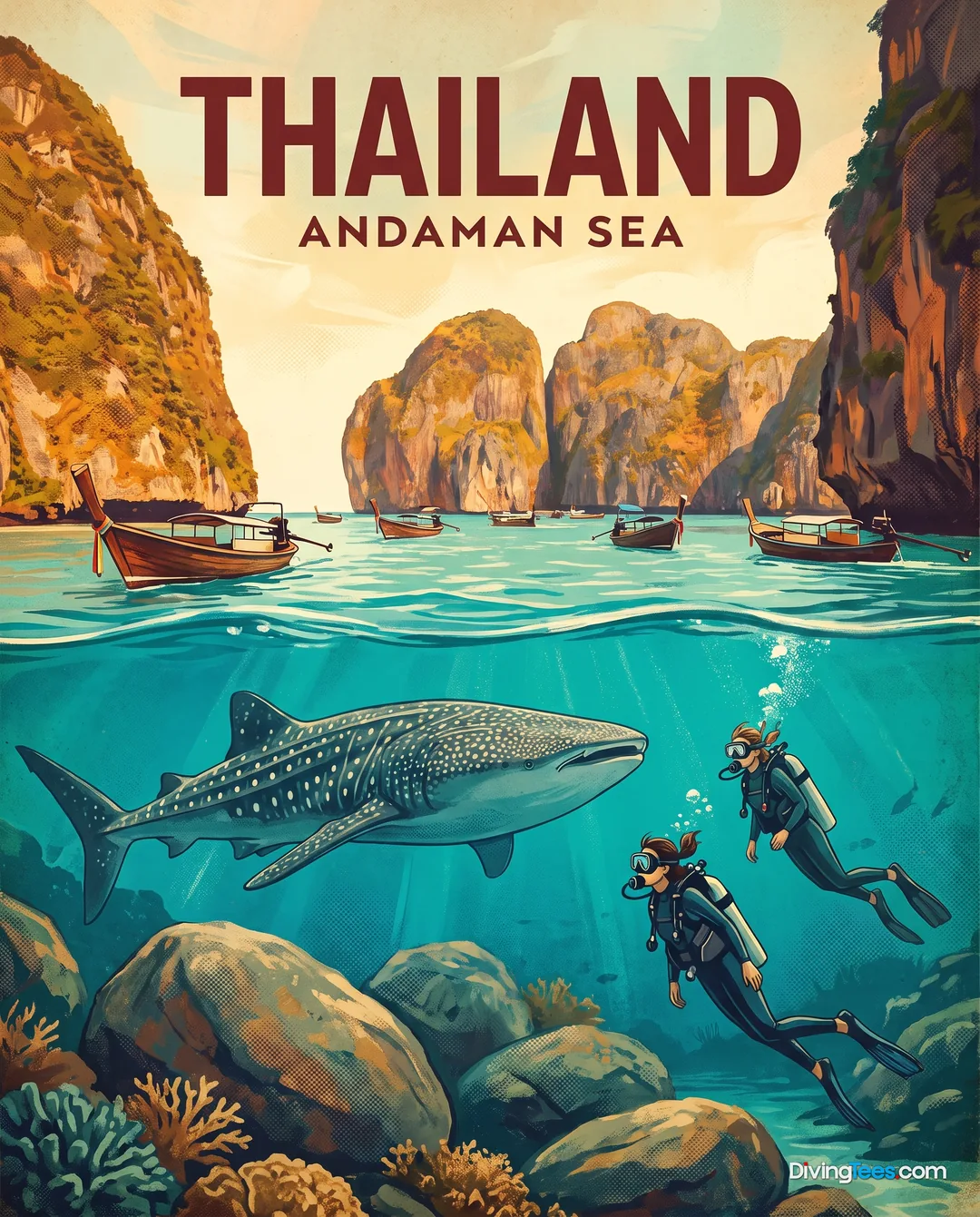
Around Koh Mak, expect coral gardens, reef fish, rocky pinnacles, wall sections and drop-offs around Koh Rang and nearby Mu Ko Chang National Park islets. Koh Phe has rocky terrain, while shallow reefs suit introductory dives. Visibility changes with weather, swell, run-off and plankton, so some dives become close-range views of coral and fish.
Plan Koh Mak as a shore-based island stay with full-day boat trips, not quick shore dives or a liveaboard schedule. Put Koh Rang outings near the start, confirm the departure harbour, allow generous travel time from Trat, and keep flexibility for weather or ferry delays. Accommodation is spread out, so arrange transport to the boat.