
Flip Flop Divers
Google 5/5 (562 reviews)
Thailand · Asia
Red soft corals on deep pinnacles, anemone-covered reefs, wrecks and passing manta rays shape Koh Lanta’s boat-diving days.
For subtitles in English: start the video firstthen click the gearat the top right of the video, select “Subtitles/CC”, then “Auto-translate” and choose “English”.
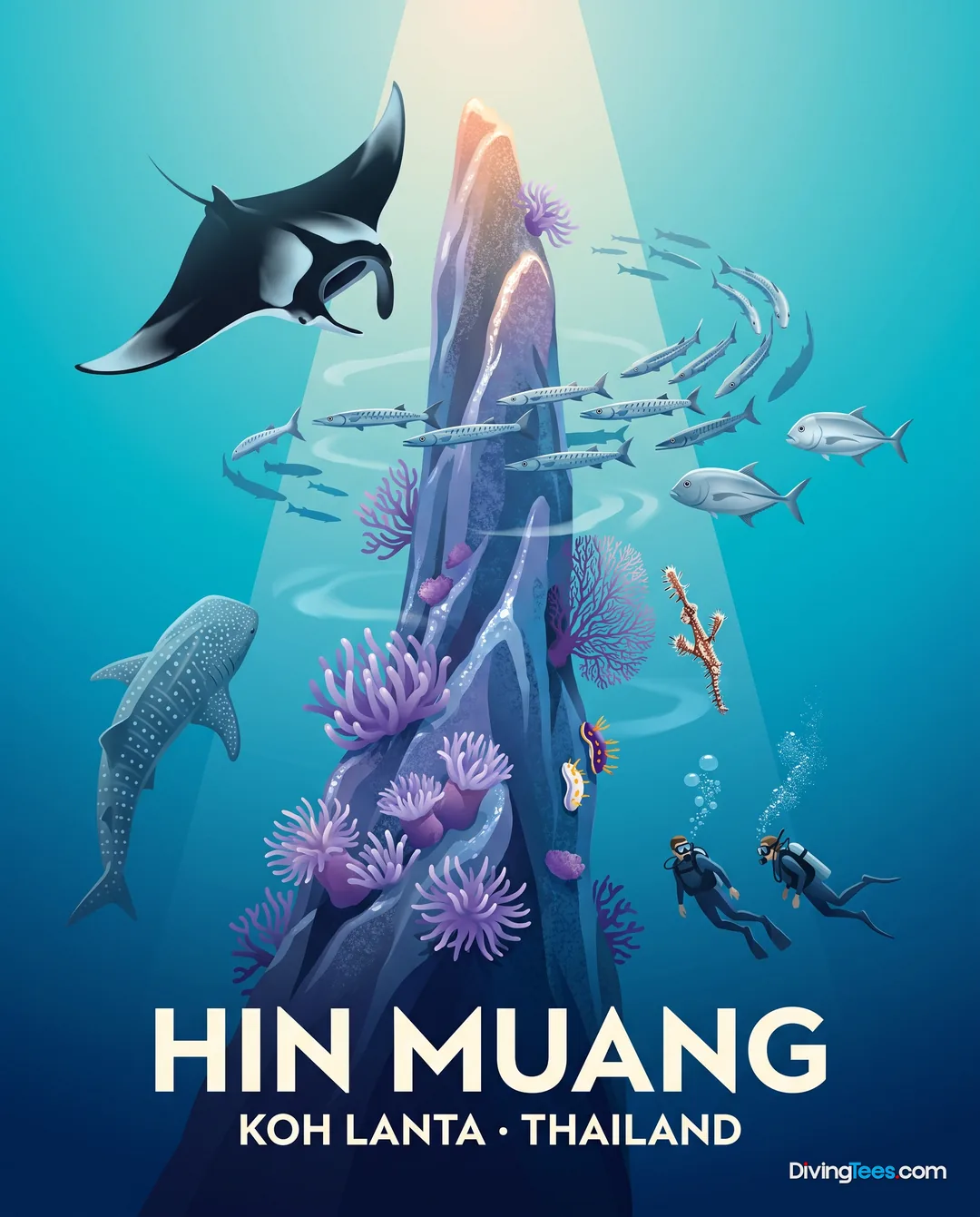
Koh Lanta is an island base for reaching the reefs, pinnacles and wrecks of the surrounding Andaman archipelago. The diving is mainly from boats, with days shaped by sea conditions rather than by a walk-in shore site. Hin Daeng and Hin Muang bring deep walls, red and purple soft corals and the possibility of pelagic encounters; Koh Rok offers a quieter change of pace in shallow coral gardens. It suits a multi-day stay that leaves room for both diving and island life.
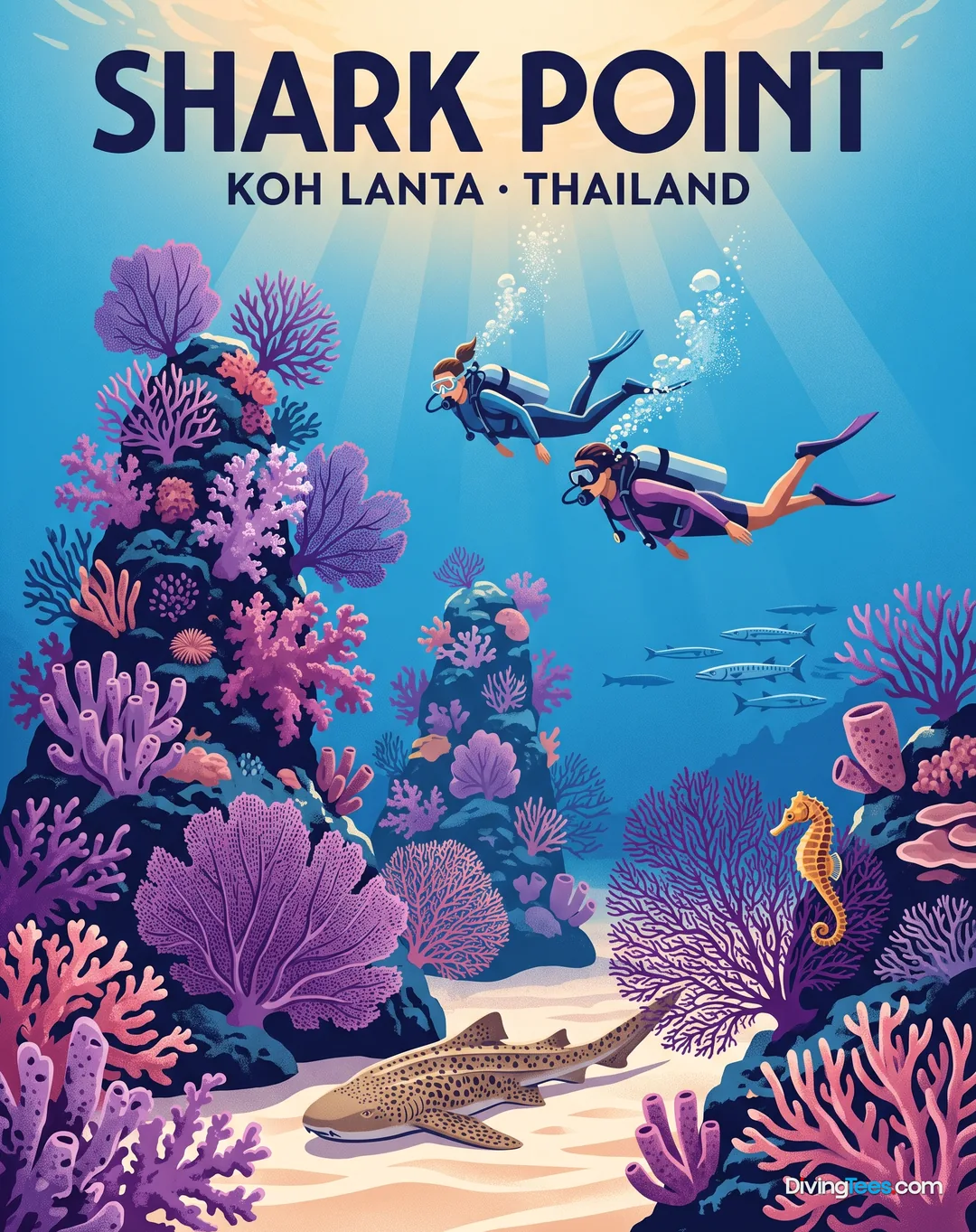
The underwater scenery ranges from submerged pinnacles to coral gardens and an artificial wreck. Hin Daeng drops to around 65 metres and Hin Muang to around 67 metres, with deep profiles and sometimes strong, changeable current; these are serious dives rather than casual extensions to a holiday. Anemone Reef and Shark Point stay within 25 metres, while Kled Geaw Wreck reaches 27 metres and is wrapped in schooling fish. Koh Phi Phi Ley sites reach 35 metres. Visibility varies with wind, swell and rain; several reef sites typically offer around 10 to 20 metres. Most days are arranged as boat trips to neighbouring islands, with the route adjusted when the Andaman becomes unsettled.
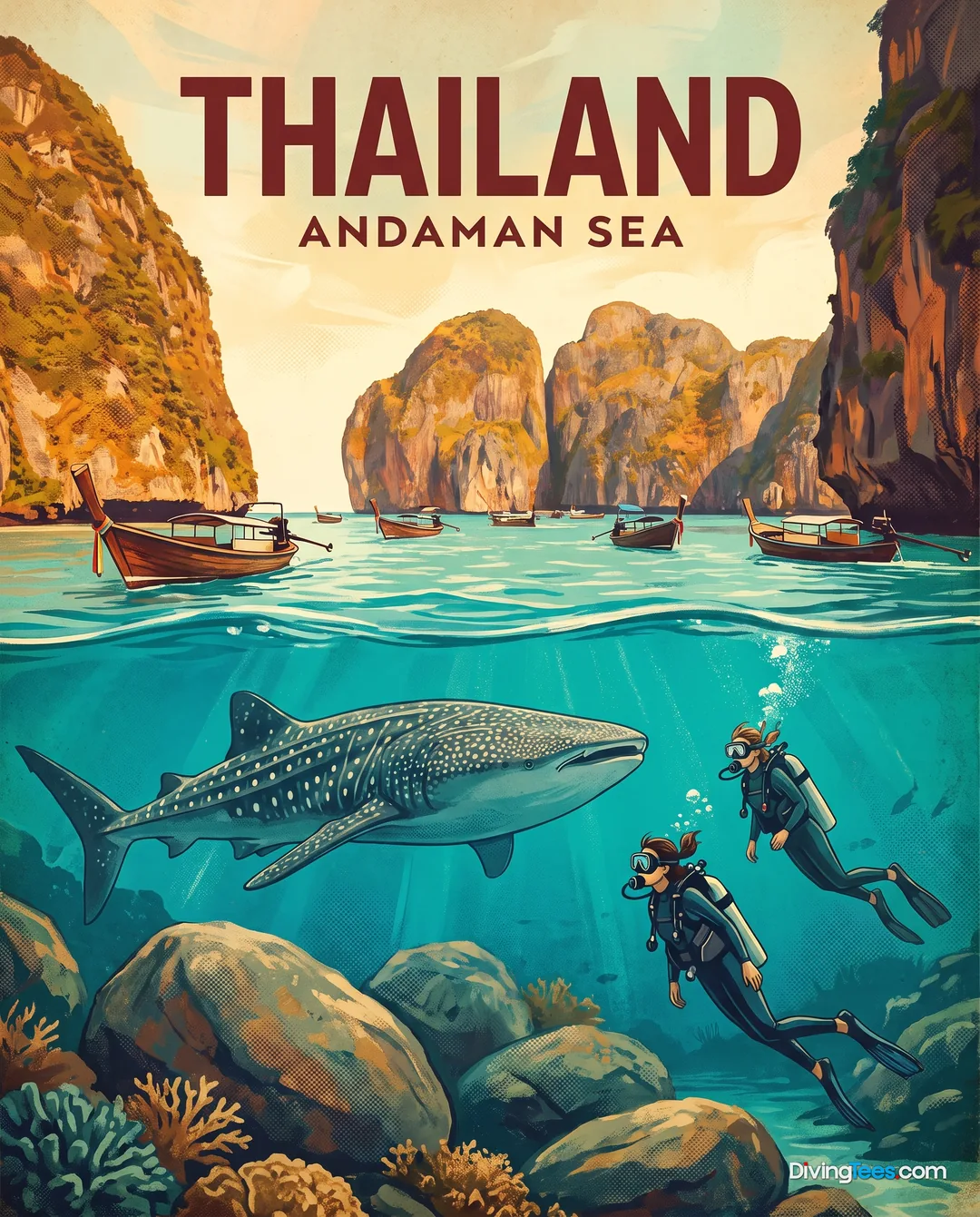
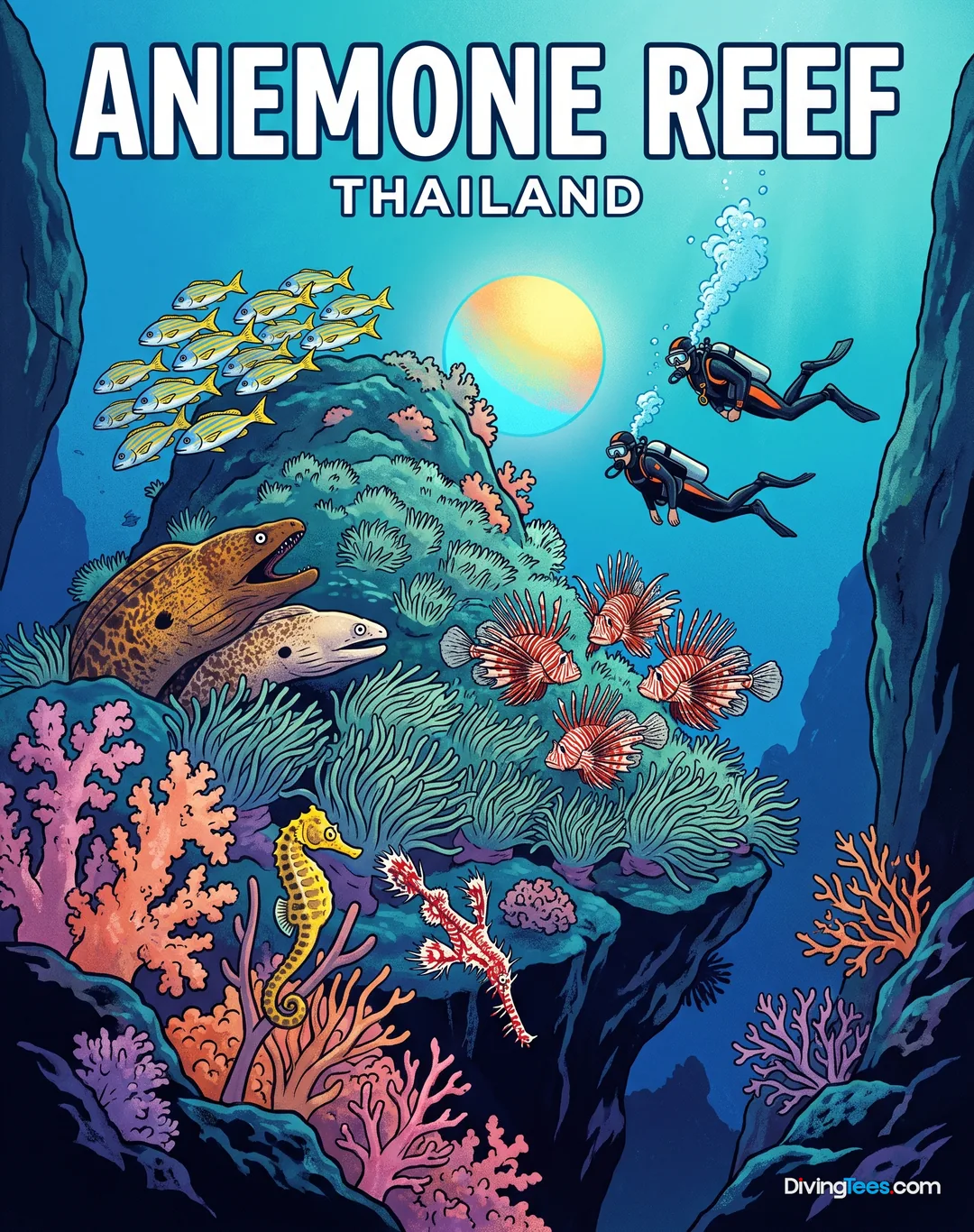
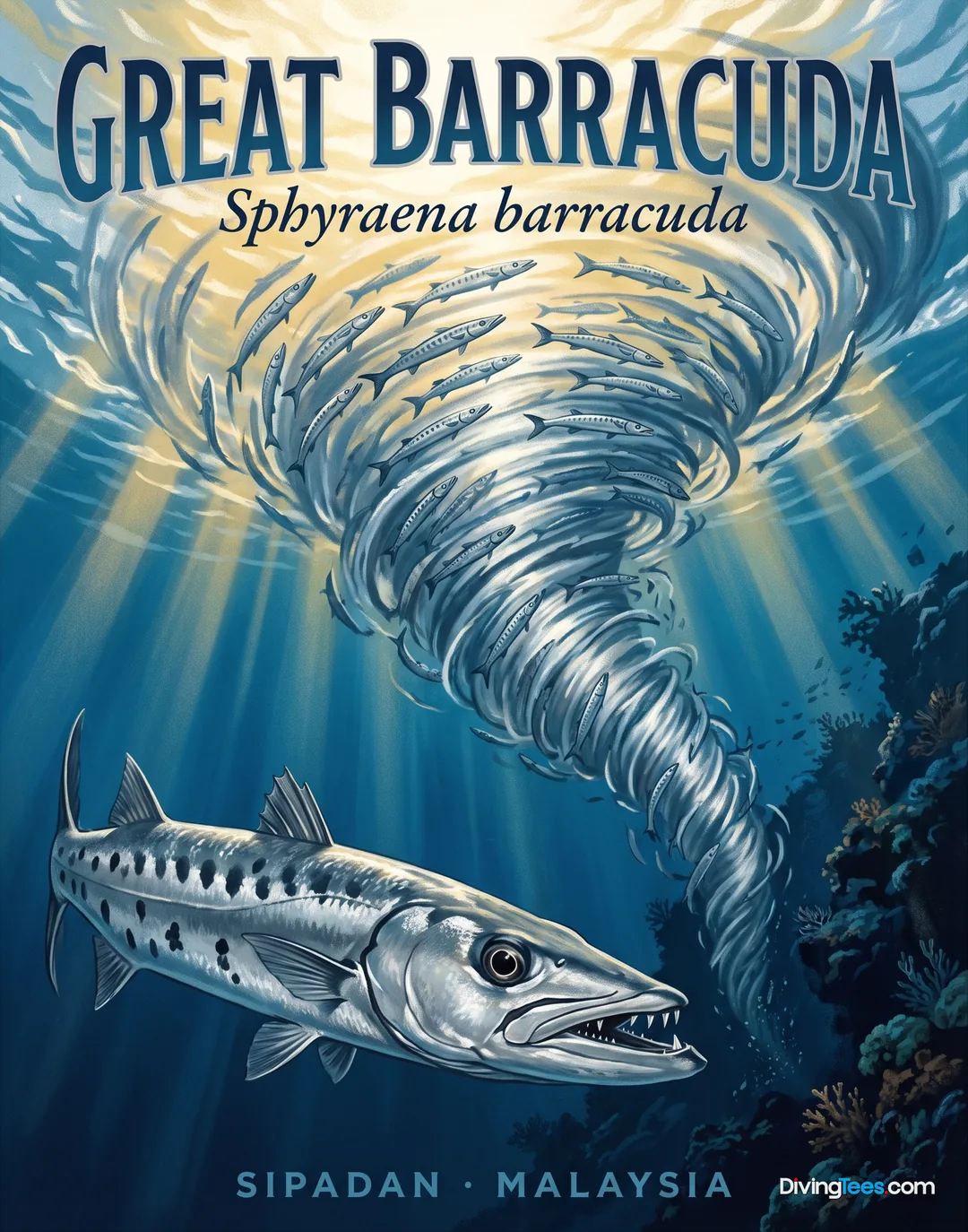
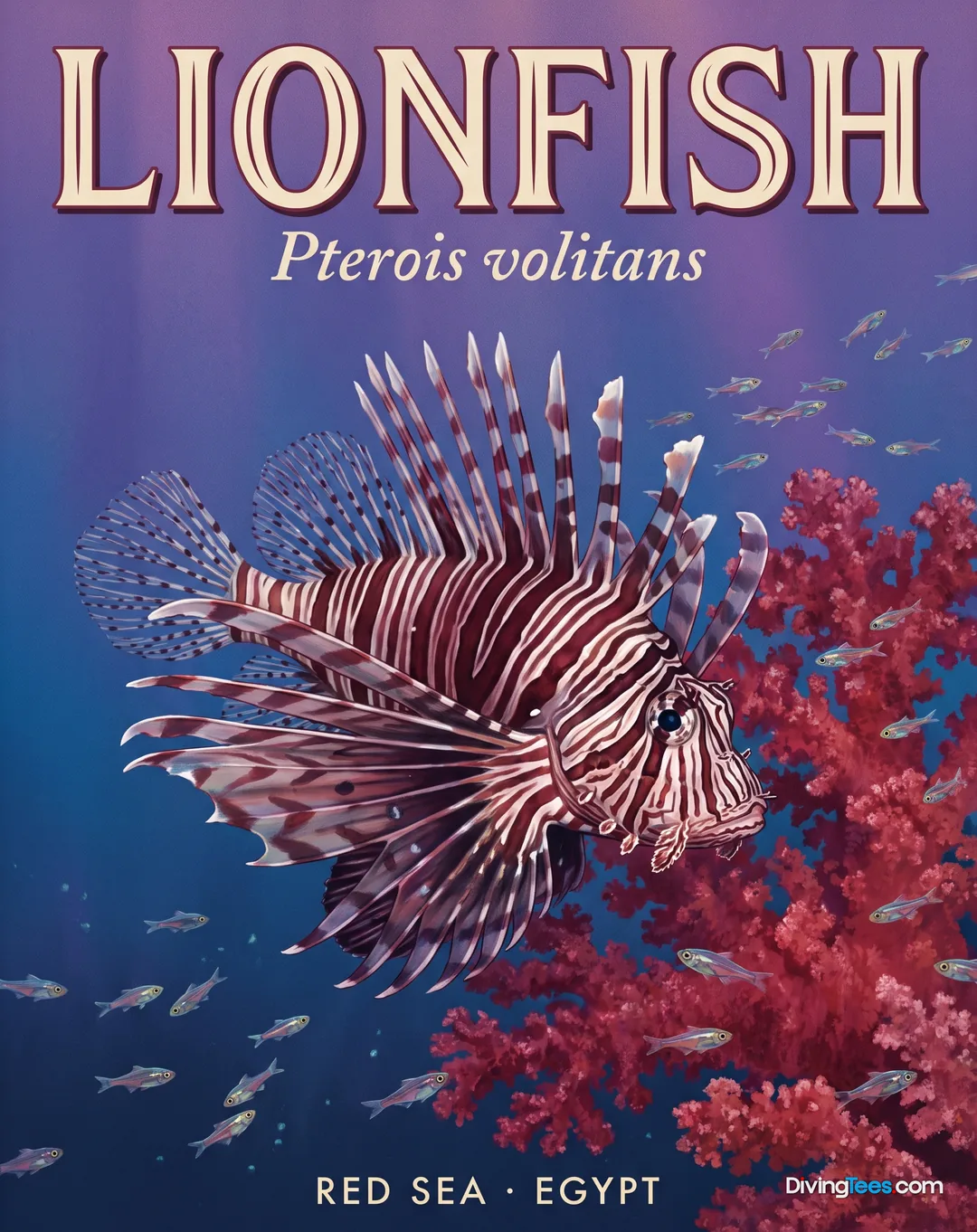
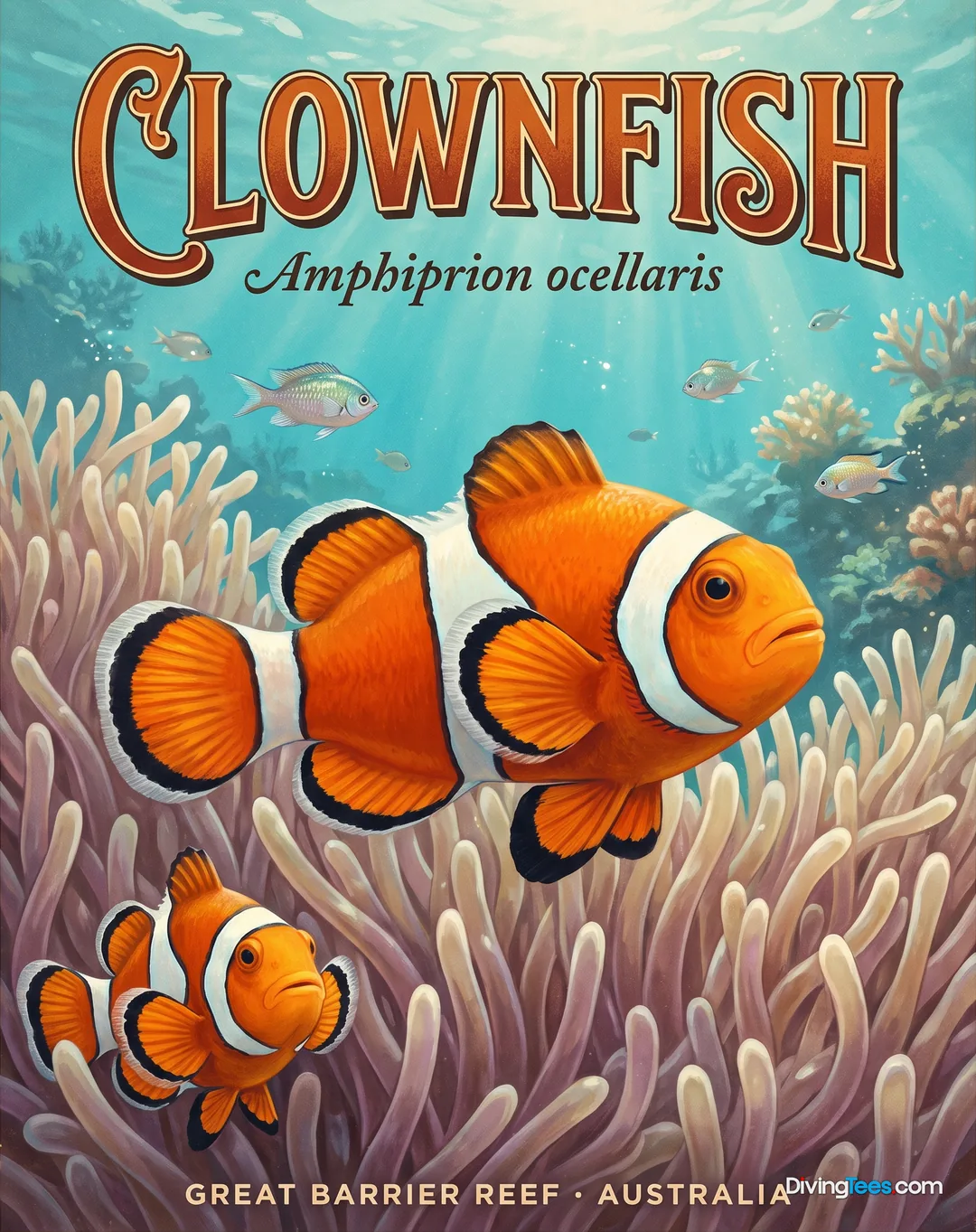
Tropical reef fish are present throughout the year, with clownfish, groupers, butterflyfish, snappers, moray eels and cuttlefish working the reefs. Anemone Reef is particularly suited to slow observation among dense anemones, soft corals and aggregations of lionfish. Koh Rok’s shallow gardens bring hard corals, giant clams and the possibility of sea turtles. More cryptic finds include seahorses, nudibranchs and ornate ghost pipefish. Larger encounters are possible rather than guaranteed: leopard sharks, great barracuda, jacks, manta rays and whale sharks are among the sightings associated with the area. The deeper pinnacles of Hin Daeng and Hin Muang are the places to watch open water, where pelagic species may pass in the current.
The measured calmer period runs from October to April, while November to April is the more dependable window for a diving holiday and December to April brings the lightest rainfall. The reason is the south-west monsoon: wind, swell and runoff can reduce visibility and make boat access unreliable from May to October. Koh Rok is closed from 15 May to 15 October, reinforcing the seasonal nature of some island trips. Even in the dry season, a flexible plan is sensible, since the best site for a particular day depends on the sea state.
Koh Lanta can suit beginners on sheltered, shallower reefs such as Koh Rok, Anemone Reef and Shark Point. The more demanding end is quite different: Hin Daeng and Hin Muang involve depth and potentially strong, variable current, with Advanced Open Water or equivalent deep-diving experience expected. Advanced certification is also useful for Kled Geaw Wreck. Nitrox is worthwhile on repeated boat-diving days, particularly when profiles are deeper or closely spaced. BSAC, PADI and SSI qualifications can all be considered through their equivalent experience requirements.
From London Heathrow, Gatwick or Manchester, the journey involves an international flight to southern Thailand followed by a road transfer and a sea crossing. Koh Lanta has no airport, so a ferry or longtail transfer is an unavoidable part of the final approach; the exact combination depends on the arrival airport, landing time and the available ferry connections. This makes late arrivals worth planning carefully rather than treating the island transfer as an afterthought. Once on Koh Lanta, most divers reach their boat base on foot, by scooter or with a short local transfer from nearby accommodation. The island functions as a settled holiday base, not as an isolated dive camp.
Build the trip around several diving days rather than a single fixed excursion. A rough Andaman can cancel or move a boat trip, so one spare day is more useful than a tightly packed itinerary. Do not assume that staying beside the beach creates a shore-diving option: the worthwhile sites are reached by boat, and the practical choice is a flexible programme able to switch between the nearer archipelago and more sheltered alternatives. Bring personal lightweight equipment if diving on successive days; it avoids relying on a full rental package during a busy island schedule. Nitrox makes sense for repeated or deeper profiles, but it does not remove the need to judge the day’s conditions. At national-park sites, allow for the park entry charge and follow the local restrictions: no marine-life collection, no coral contact and no anchoring outside permitted areas. A properly planned surface interval and an unhurried return day also fit the island’s transport logistics better than flying immediately after an ambitious final dive.
Five to seven days works well as a land-based diving holiday, giving the weather some room to rearrange the boat schedule. Diving can be mixed with beaches, coastal outings, non-diving boat trips and visits to protected areas. An accompanying non-diver has genuine options away from the water, especially if accommodation is chosen on the livelier side of the island. A rest day before the journey home is sensible after several boat-diving days.
Hello, I'm Marina, DivingDeal.com's AI assistant. I guide you through destinations, areas and countries.
Thinking about the whole trip and the flights? Talk it over with Edith →
Marina is an AI. Some links are affiliate links: DivingDeal may earn a commission, at no extra cost to you. Bookings are made with the partner.
Your last day stays dry: no diving in the 18-24 hours before a flight, the perfect window to see the destination from another angle.

⏱ 4 h · ★ 4.9 (17 reviews)
from £48$64€57
see on Viator ↗
 City
City⏱ 3 h · ★ 3.7 (9 reviews)
from £12$17€15
see on Viator ↗
 Adventure
⏱ 1 h · ★ 5.0 (2 reviews)
from £31$41€37
see on Viator ↗
 Culture
⏱ 4 h · ★ 5.0 (1 reviews)
from £48$64€57
see on Viator ↗
Ratings and reviews collected by Viator and Tripadvisor.
Choose Koh Lanta during the calmer period from October to April, with November to April offering a more dependable diving window and December to April bringing lighter rainfall. From May to October, south-west monsoon conditions can bring wind, swell and runoff, reducing visibility and making boat access unreliable. Koh Rok is closed seasonally.
Koh Lanta suits beginners on sheltered, shallower reefs such as Koh Rok, Anemone Reef and Shark Point. Hin Daeng and Hin Muang are more demanding, involving depth and potentially strong, variable current, so Advanced Open Water or equivalent deep-diving experience is expected. Advanced certification is also useful for the Kled Geaw Wreck.
Around Koh Lanta, you can see red and purple soft corals, anemone-covered reefs, shallow coral gardens, wrecks and schooling fish. Marine life includes clownfish, moray eels, turtles, seahorses and ornate ghost pipefish. Leopard sharks, barracuda, jacks, manta rays and whale sharks are possible sightings, especially around deeper pinnacles.
Plan Koh Lanta as a multi-day, land-based boat-diving stay with flexibility for changing sea conditions. Allow a spare day because trips can be cancelled or moved, and include a rest day before travelling home. Koh Lanta has no airport, so arrange the road transfer, sea crossing and accommodation location carefully, especially after a late arrival.