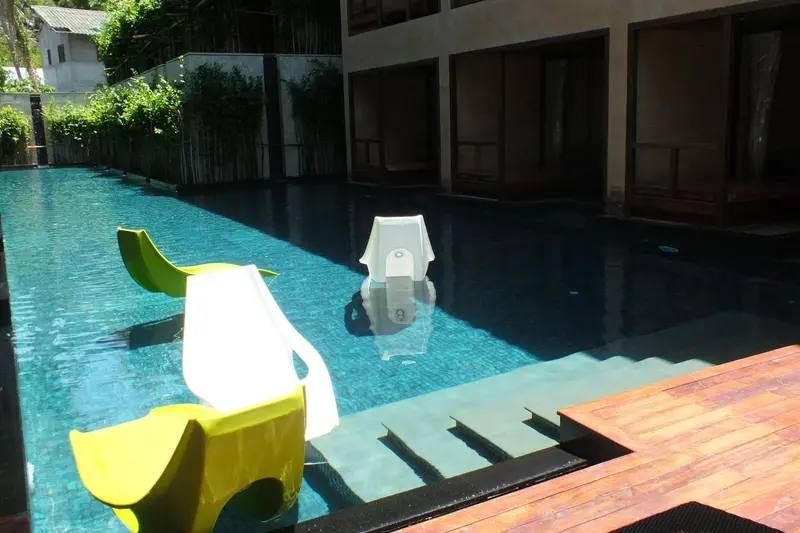


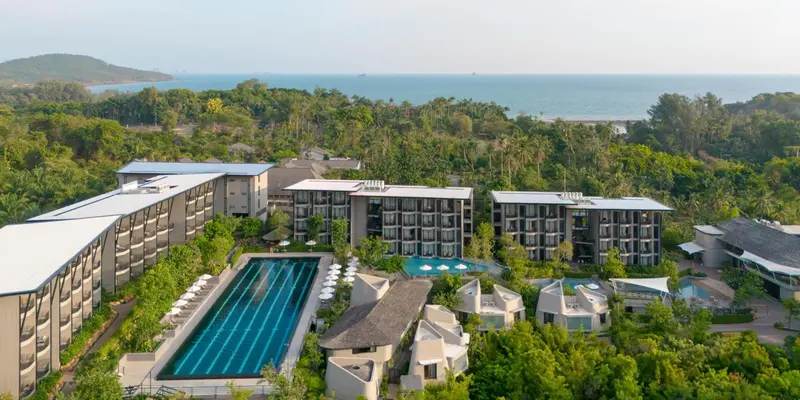
 Dive centre in the hotel
VARANA Krabi Hotel
★★★★★
Google 4.7/5 (1,467 reviews)
The dive centre
Varana Diving School
PADI
Google 4.7/5 (1,511 reviews)
Dives: Hong Island, Lao Lading Island, Pakbia Island
Thailand · Asia
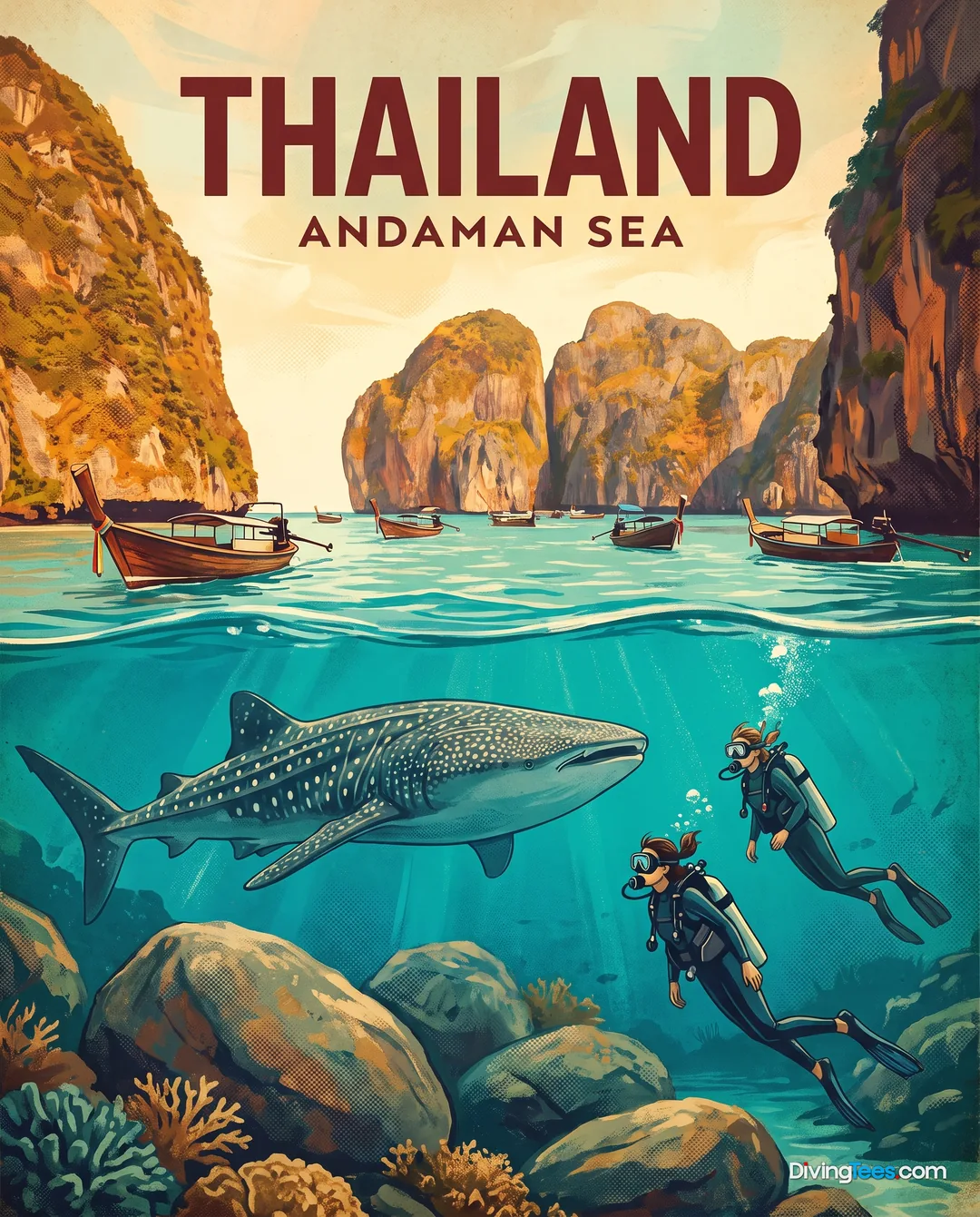
Limestone walls, coral gardens, underwater caverns and the occasional sea turtle define Ao Nang’s boat diving around Krabi and the neighbouring islands.
For subtitles in English: start the video firstthen click the gearat the top right of the video, select “Subtitles/CC”, then “Auto-translate” and choose “English”.
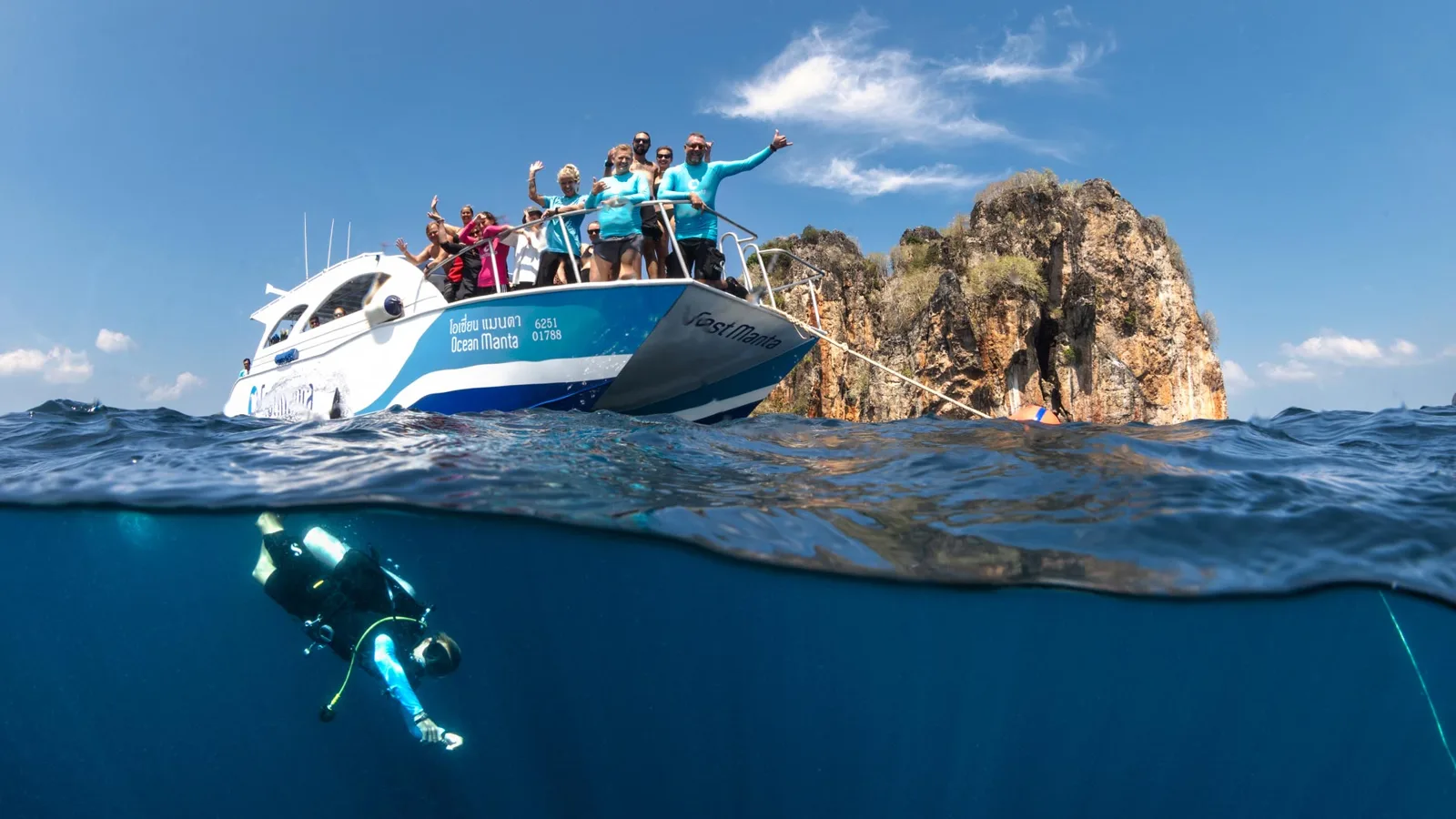
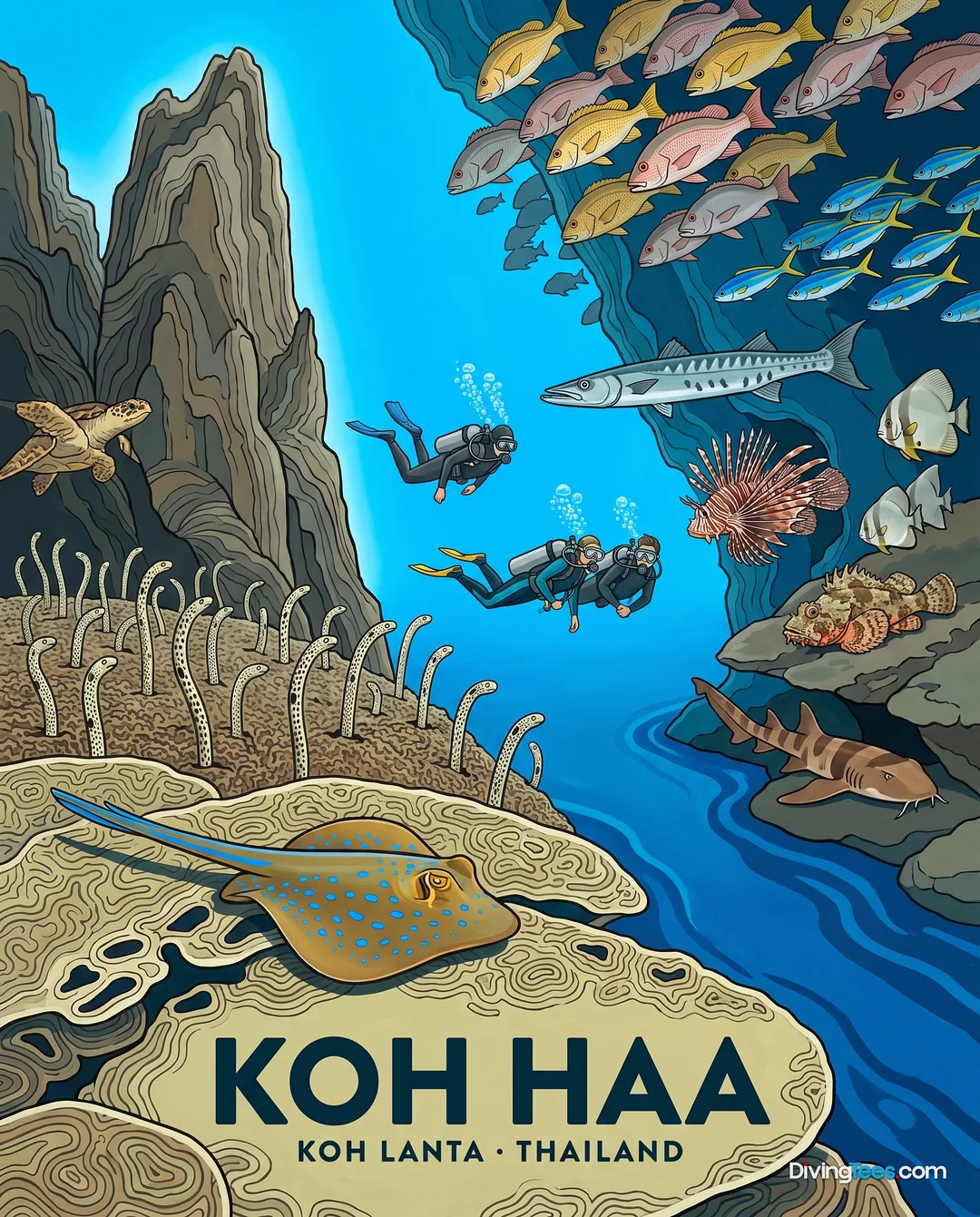
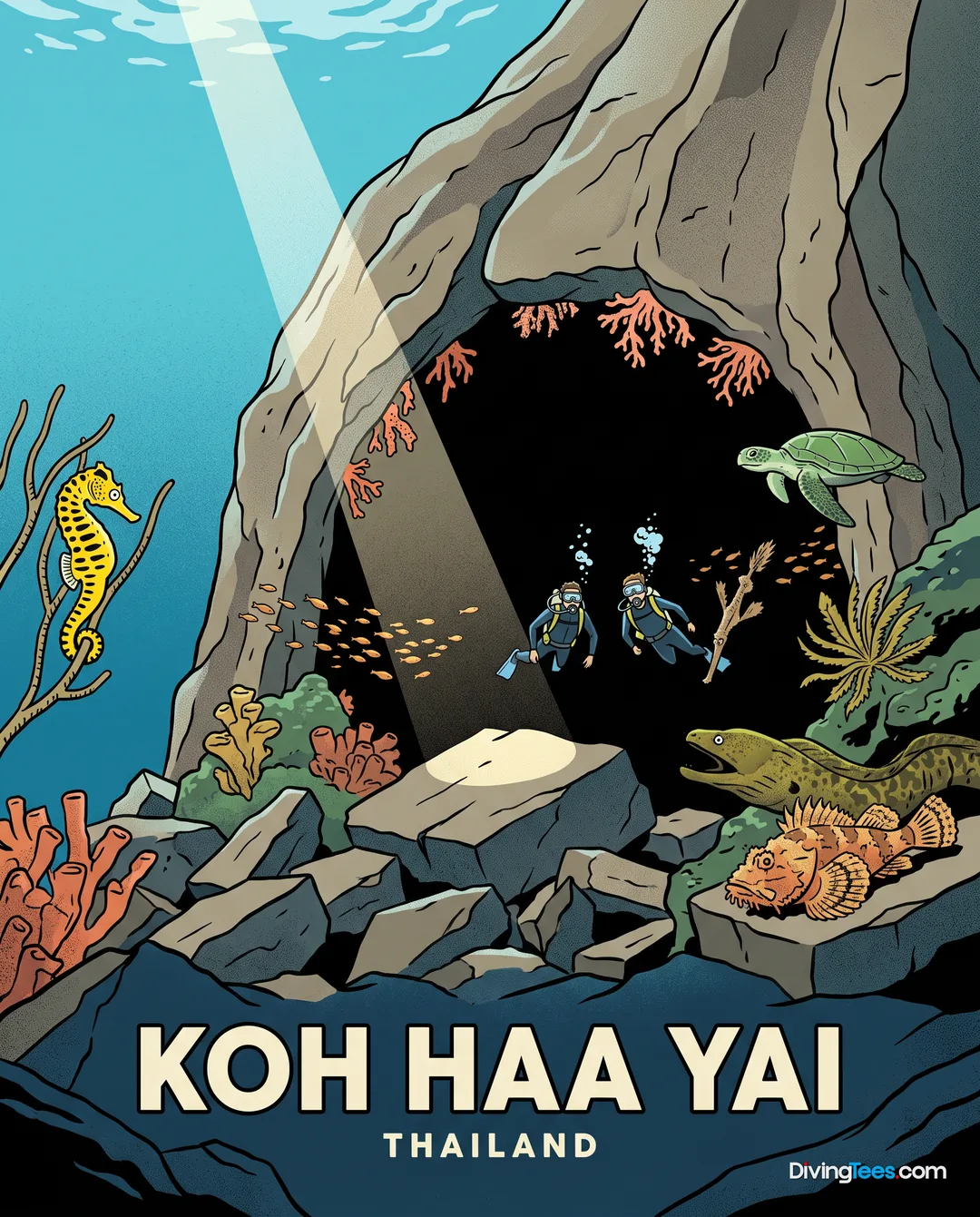
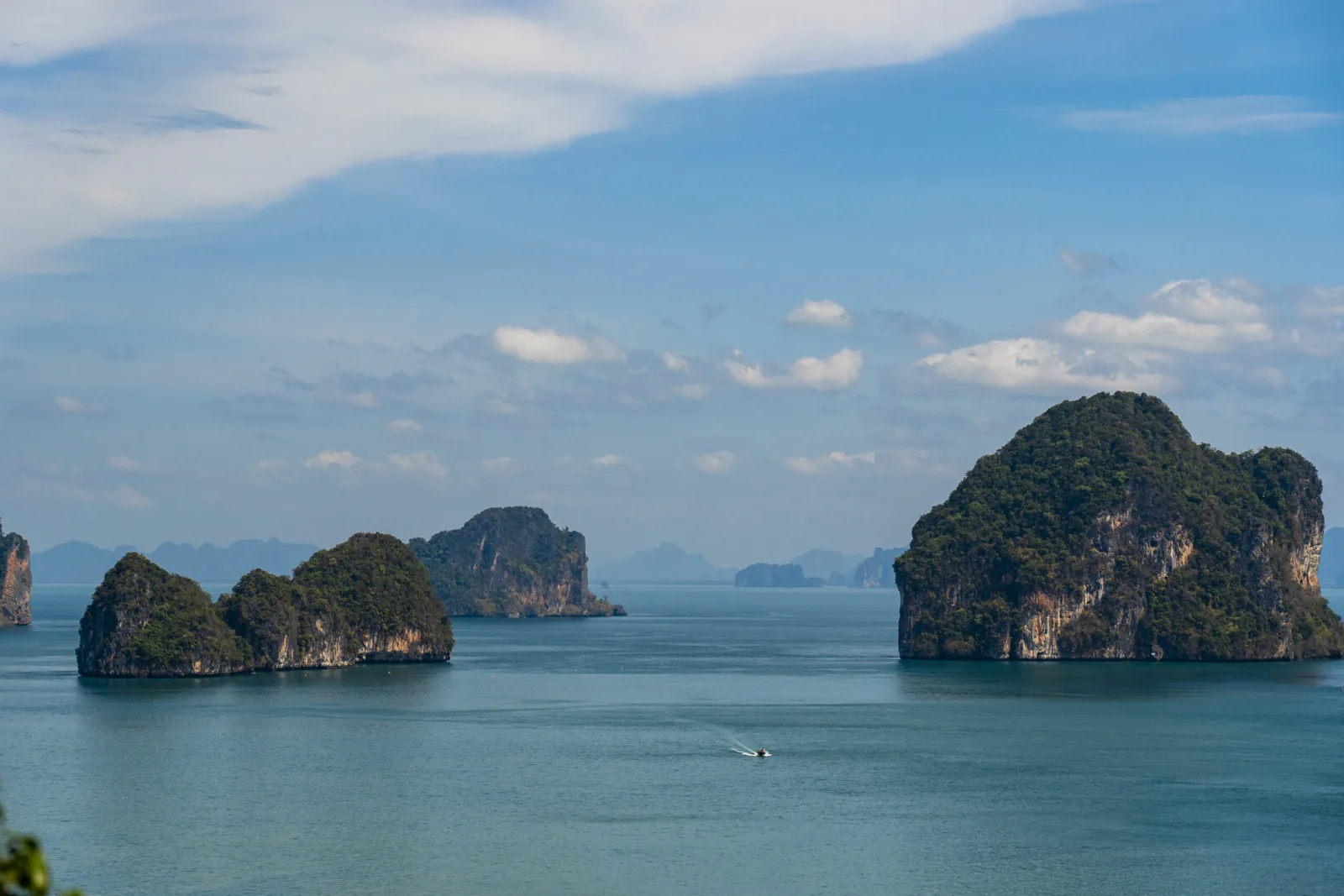
Ao Nang is a shore-based holiday town with limestone cliffs above water and boat diving offshore. The useful reference point is not a beach entry but a day on the water, heading towards the islands and reefs around Krabi or farther into the Phi Phi area. At Koh Haa, shallow lagoons give way to coral gardens, pinnacles and caves; Koh Haa Yai adds the Cathedral cavern and deeper reef. It suits divers who want several days in the water without giving up beaches, island trips and easy land-based sightseeing.
The diving is mainly about boat-accessed limestone scenery rather than a single local reef. Koh Haa combines sheltered, shallow lagoons with coral gardens, walls, pinnacles and underwater caves, reaching 40 metres. Koh Haa Yai is more demanding below the cavern, where the reef continues beyond 40 metres and the deeper pinnacles reach 45 metres. Conditions vary with wind, swell and the particular island, so current may be mild on one dive and more noticeable on another. Visibility is not consistently predictable, especially when monsoon weather affects the coast. Day boats commonly offer several recreational dives, making Nitrox useful for divers comfortable with repetitive profiles. The practical rhythm is an early departure, a full day on the water, and a return to Ao Nang rather than a shore-based schedule.
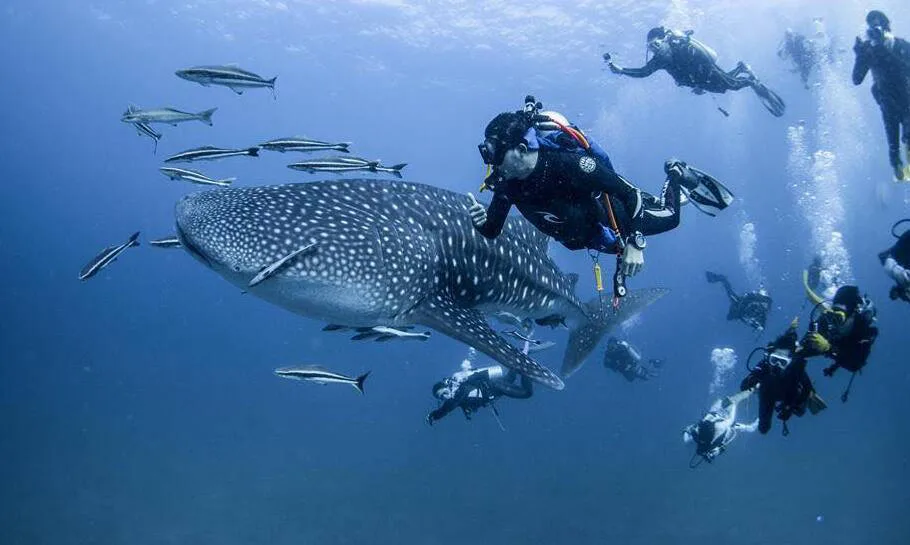
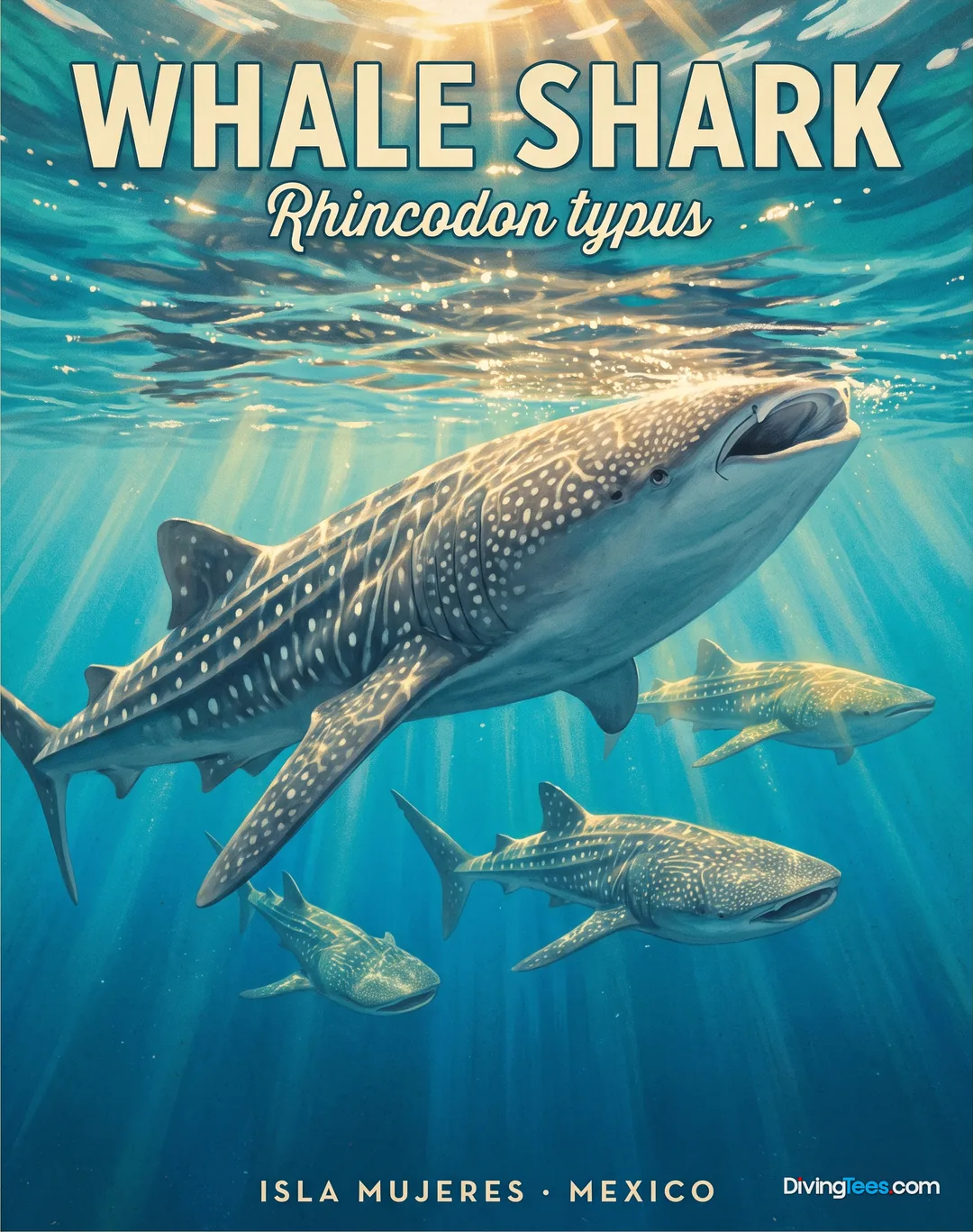
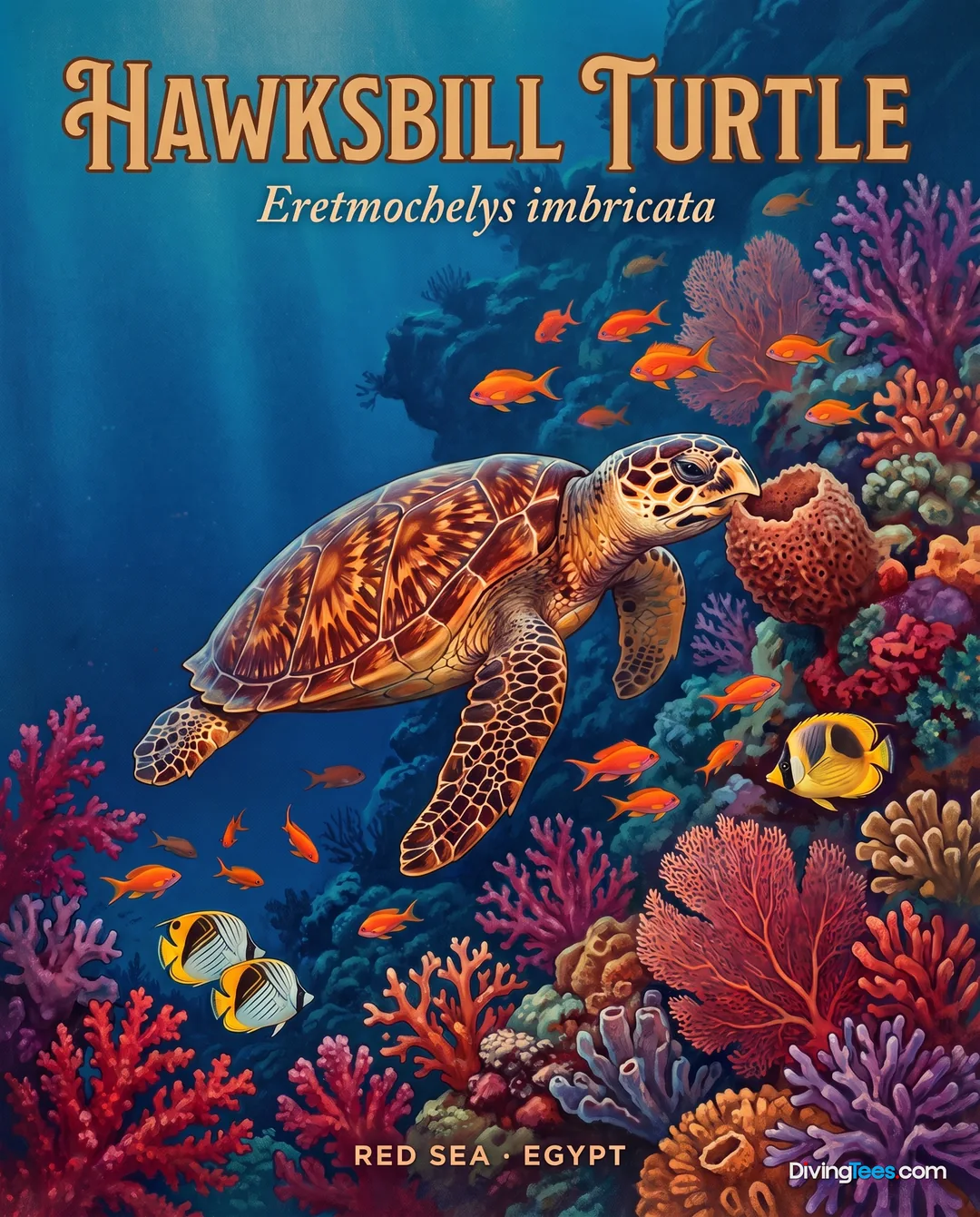
Coral gardens and limestone overhangs provide the setting for moray eels and sea turtles, while the quieter corners of Koh Haa and Koh Haa Yai reward a slower search through the reef and cavern margins. Koh Haa Yai is also known for the yellow Tigertail seahorse, a reason to pause rather than swim quickly through the architecture. Whale sharks and manta rays occur in the wider region, but they are occasional encounters, not dependable appointments. Passing pelagic fish are rarer still. The sensible approach is to treat the rock formations and resident reef life as the substance of the day, with larger animals an unexpected addition rather than the reason to book a particular date.
The most reliable period is November to April, when the Andaman coast is generally in its drier season and boat travel is less exposed to monsoon disruption. Measured conditions place the calmest sea from October to April, while rainfall is lowest from December to April; in practice, November through April is the useful planning window. May to October can bring stronger wind, swell and rain, which affects both the crossing and the comfort of a full day aboard. The high season also brings more boats and visitors, so early departures matter even when the weather is settled.
Ao Nang works for all levels when the day’s sites match the diver’s experience. Sheltered shallow areas at Koh Haa can suit beginners, training dives and straightforward recreational trips. Koh Haa Yai’s shallower reef and cavern sections are approachable from Open Water level, but the deeper pinnacles and sections beyond 40 metres call for Advanced Open Water training and appropriate experience. BSAC, PADI and SSI qualifications should be matched to the planned depth and conditions. Nitrox is a practical advantage for several boat dives over consecutive days, rather than a requirement for the destination.
Travellers from London Heathrow, London Gatwick or Manchester need to plan Ao Nang as a linked journey rather than a direct dive transfer. The route involves reaching Krabi by air arrangements with connections towards Thailand, continuing by road to the Ao Nang area, then joining a boat for the diving itself. The final maritime leg is the structural constraint: sites are reached on day boats, and departures depend on sea conditions and the operator’s schedule. Once in Ao Nang, the town’s compact layout usually allows divers to reach a centre on foot or with a short local transfer from their hotel. Keeping accommodation, equipment collection and the departure point in the same part of town avoids unnecessary road movements before an early boat.
Treat Ao Nang as a navigation base, not as a shore-diving destination. Keep one or more days flexible: if the sea rises, a scheduled island outing can become uncomfortable or less worthwhile, and the monsoon period makes that risk more pronounced. Book accommodation in the same Ao Nang area as the diving arrangements, so early departures do not add avoidable transfers. Start early where possible; morning boats usually face calmer conditions and less competition from the day-excursion traffic. A soft, compact bag is easier when moving repeatedly between hotel, transfer and boat. Bring a changing robe or similar cover for the boat, along with a logbook if making several regional trips. Nitrox can make sense for repetitive boat days. Do not arrive expecting wreck-focused diving, or ignore park rules: do not touch or collect marine life, and never anchor outside designated areas.
Four to seven days gives enough room for several boat trips without making the whole stay depend on one sea state. A typical visit alternates early diving days with beaches, long-tail or speedboat excursions, Railay viewpoints and time in Krabi Town. Non-divers are well catered for through island outings and the surrounding coastal scenery. Keeping a non-diving day before the journey home also leaves room for weather changes and avoids making every day a fixed boat commitment.
Hello, I'm Marina, DivingDeal.com's AI assistant. I guide you through destinations, areas and countries.
Thinking about the whole trip and the flights? Talk it over with Edith →
Marina is an AI. Some links are affiliate links: DivingDeal may earn a commission, at no extra cost to you. Bookings are made with the partner.
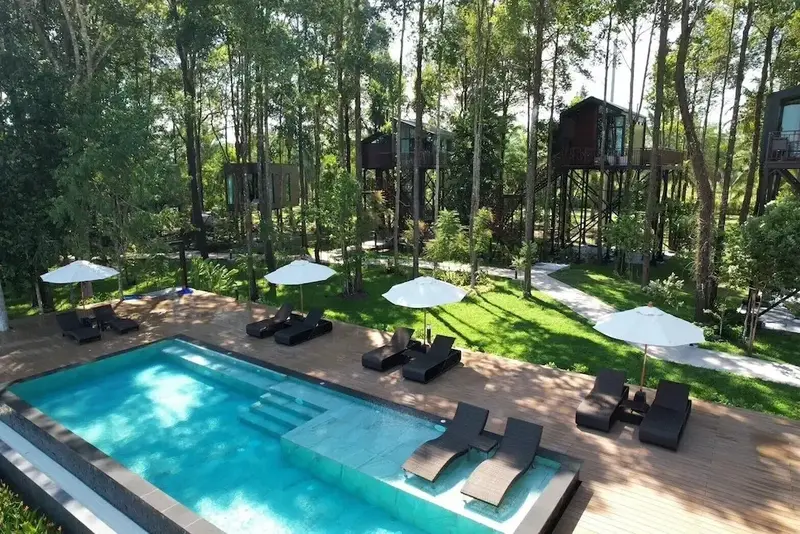
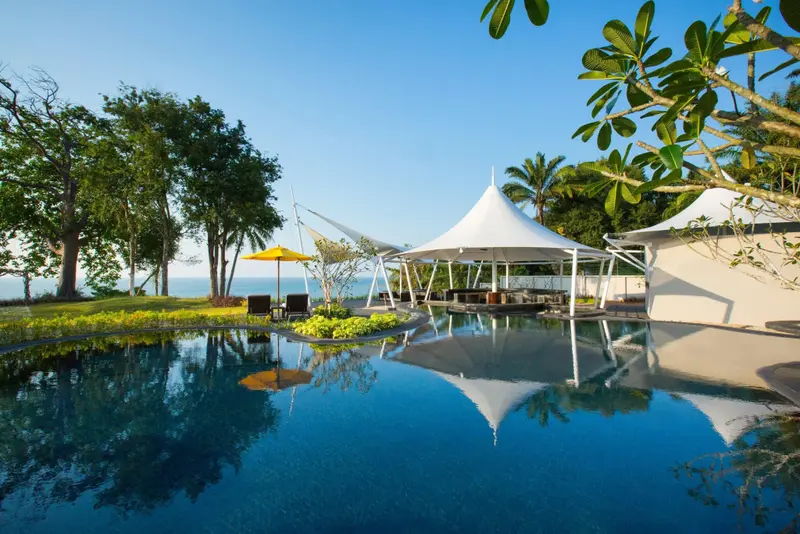
In each one, the dive centre is inside the hotel: step out of your room and go diving.
Dive centre in the hotel★★★★★
Google 4.7/5 (1,467 reviews)
The dive centre
Varana Diving School
PADI
Google 4.7/5 (1,511 reviews)
Dives: Hong Island, Lao Lading Island, Pakbia Island
Your last day stays dry: no diving in the 18-24 hours before a flight, the perfect window to see the destination from another angle.
 Culture
⏱ 3 h · ★ 5.0 (42 reviews)
from £66$88€79
see on Viator ↗
 Adventure
⏱ 5 h · ★ 5.0 (9 reviews)
from £68$91€81
see on Viator ↗

⏱ 4 h · ★ 5.0 (6 reviews)
from £42$57€51
see on Viator ↗
 Adventure
⏱ 2 h · ★ 5.0 (118 reviews)
from £35$47€42
see on Viator ↗
Ratings and reviews collected by Viator and Tripadvisor.
Plan Ao Nang diving from November through April, when the Andaman coast is generally drier and boat travel is less exposed to monsoon disruption. December through April generally brings drier conditions. From May through October, wind, swell and rain can affect crossings and full days aboard, while early departures help during busier periods.
Ao Nang can suit different experience levels when the sites match your training. Sheltered shallow areas at Koh Haa work for beginners and training dives, while shallower reef and cavern sections at Koh Haa Yai suit Open Water divers. Deeper pinnacles and sections beyond forty metres require Advanced Open Water training and appropriate experience.
Ao Nang diving centres on limestone islands, lagoons, coral gardens, walls, pinnacles and underwater caves. You may find moray eels, sea turtles and the yellow Tigertail seahorse around Koh Haa and Koh Haa Yai. Whale sharks and manta rays occur occasionally in the wider region, but larger animals are not dependable encounters.
Use Ao Nang as a base for boat trips toward Krabi, Koh Haa, Koh Haa Yai and the Phi Phi area rather than as a shore-diving destination. Keep accommodation, equipment collection and departure points nearby, allow flexibility for sea conditions, and balance early diving days with beaches, island outings and time in Krabi Town.