

All4Diving® Phuket
Google 4.9/5 (1,050 reviews)
Thailand · Asia
Kata’s 2–12-metre house reef, sandy coral gardens and Racha Noi Bay’s deeper slopes make a practical Phuket base for easy shore and boat diving.
For subtitles in English: start the video firstthen click the gearat the top right of the video, select “Subtitles/CC”, then “Auto-translate” and choose “English”.
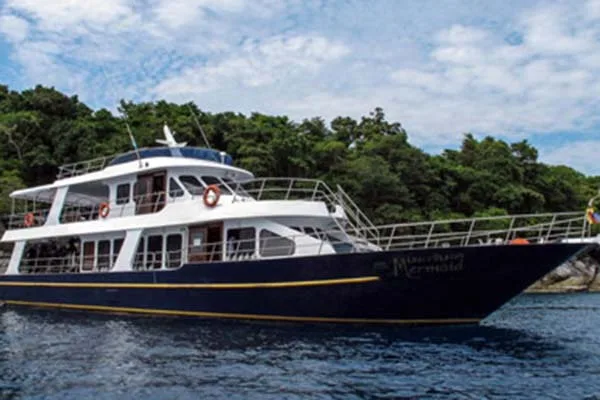
Kata Beach is a straightforward base on Phuket’s south-west coast, built around a shallow house reef rather than a remote liveaboard itinerary. The reef lies in 2 to 12 metres, with hard corals scattered across sand and enough shelter for training, refresher dives and night dives. From the beach, divers can also reach nearby sites such as Crab Island, Karon Rock and Paradise Reef by longtail boat. Longer days from Chalong extend the range to Racha and Phi Phi, including the deeper slopes of Racha Noi Bay.
The house reef is the practical centre of Kata’s diving. Its shallow, sandy bottom is broken by patches of hard coral, giving beginners room to settle in while experienced divers can work slowly along the reef, looking for nudibranchs, cuttlefish, lionfish and smaller reef fish. Visibility is variable, usually around 6 to 12 metres, and improves when the bay is calm and the water is not stirring the sand. Currents are generally light on the house reef, but the beach entry and the swim of roughly 200 metres to the reef matter more than the depth. Sessions are best planned around high water and early in the day. When conditions allow, longtail trips reach Crab Island, Karon Rock and Paradise Reef; full-day boats from Chalong head farther towards Racha and Phi Phi. Racha Noi Bay adds coral gardens, rocky ground and depths down to 30 metres, with more variable currents.
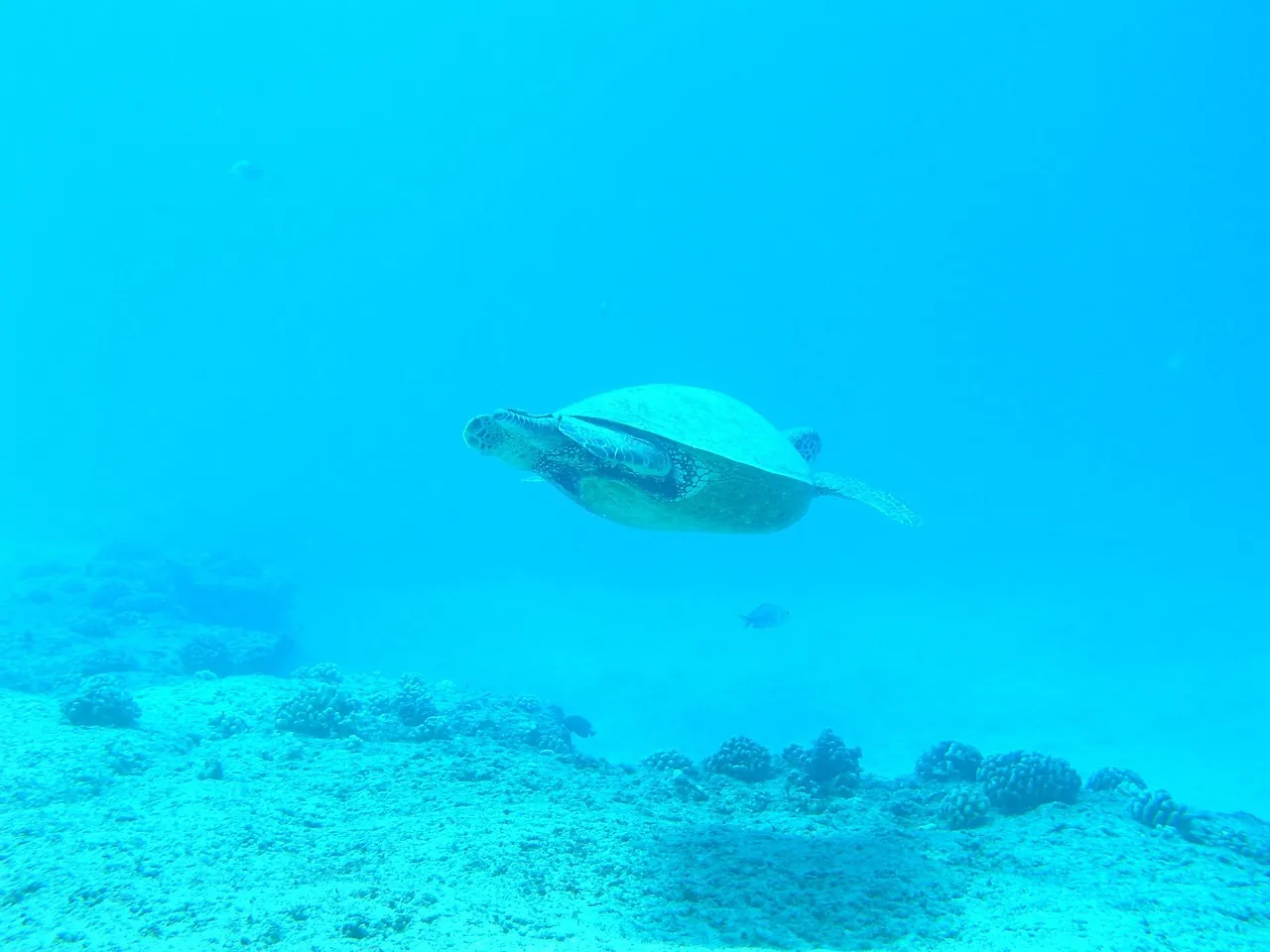
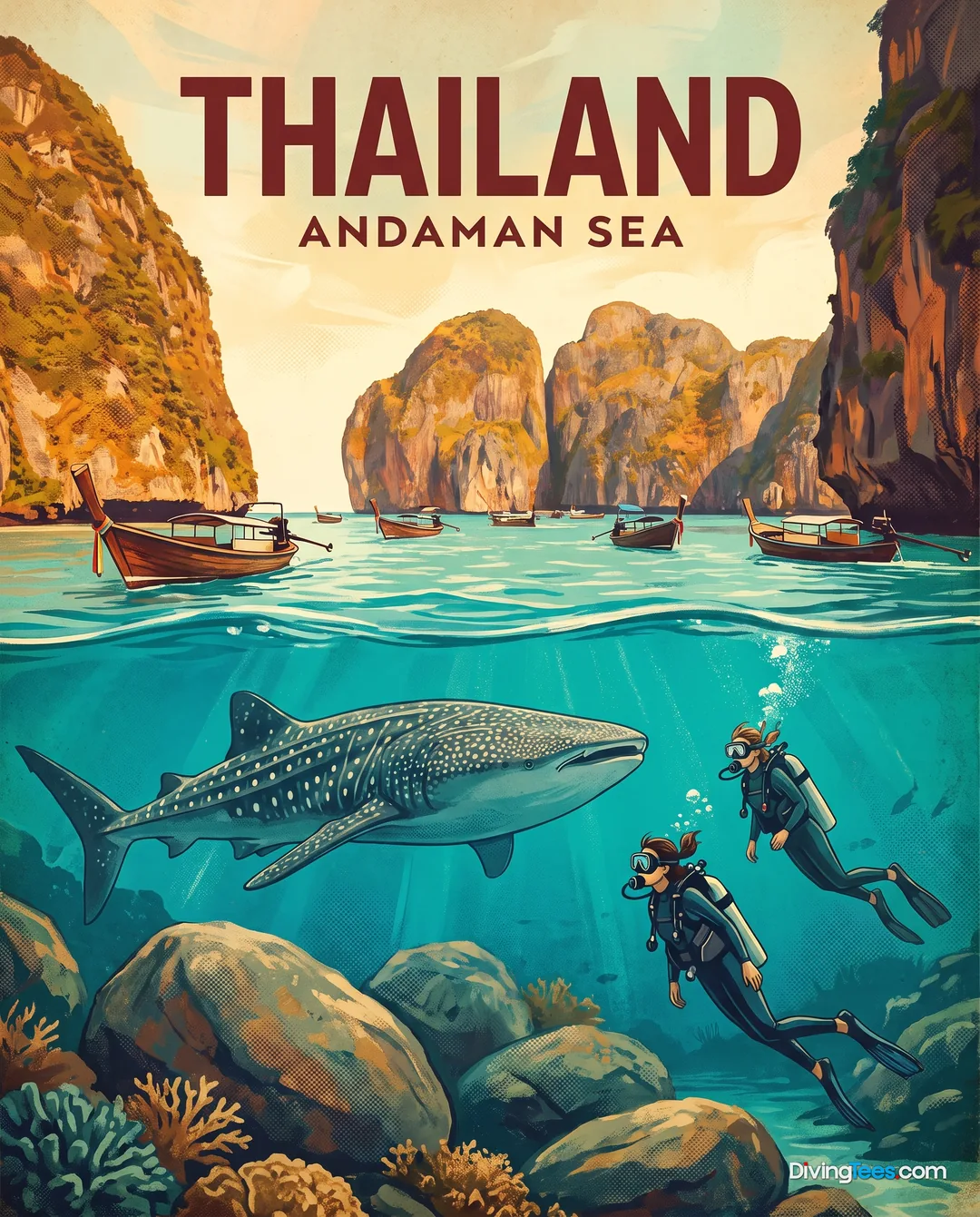
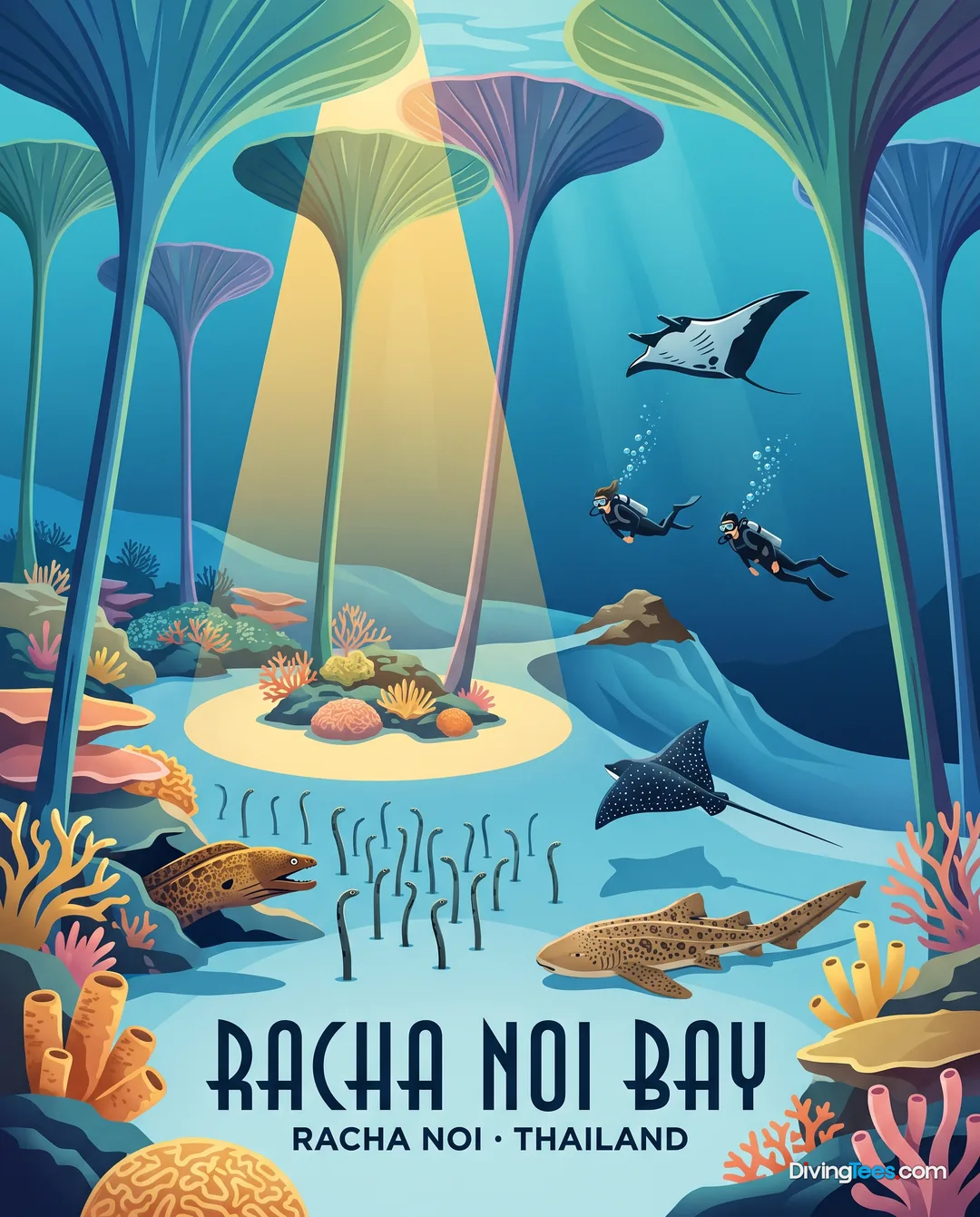
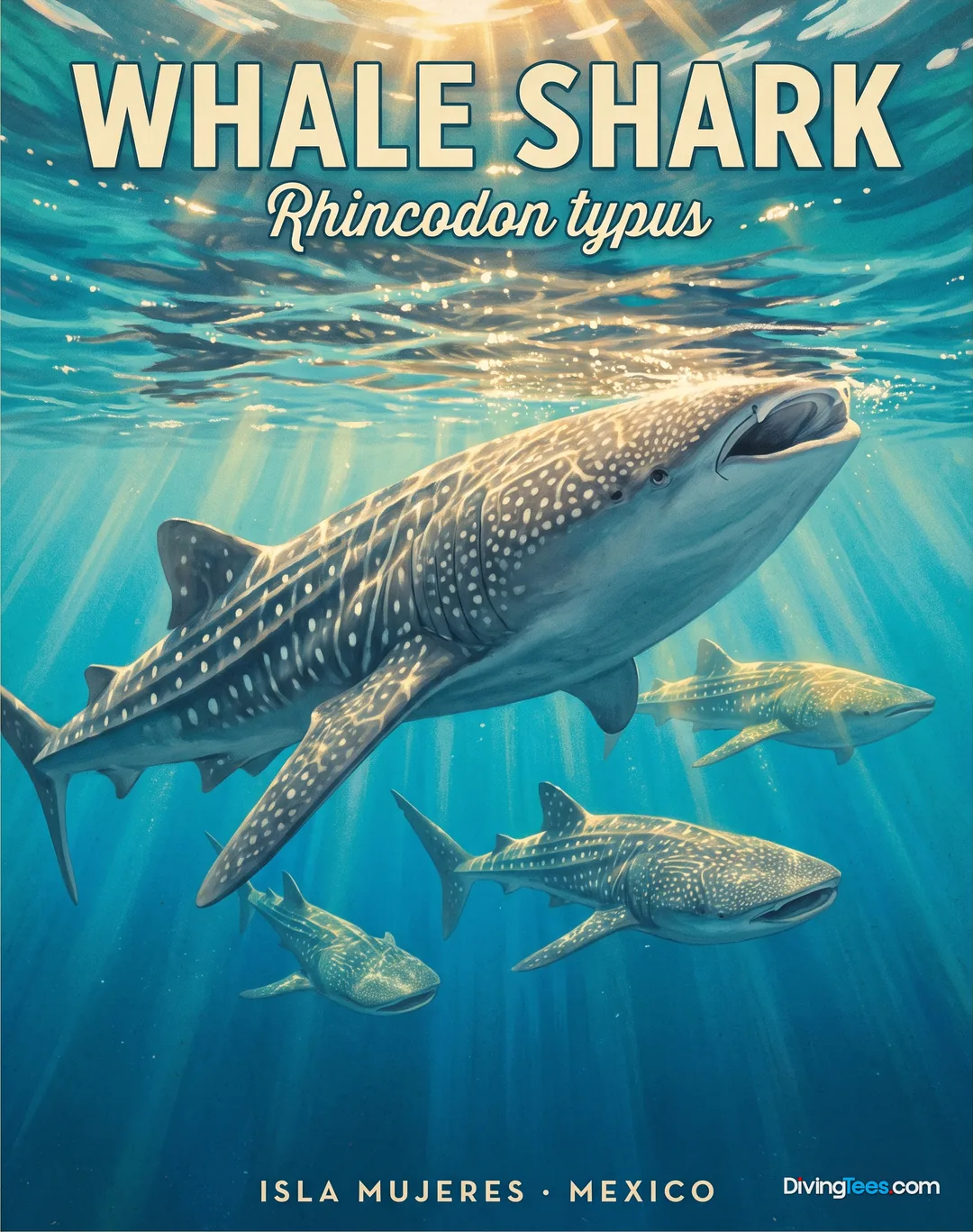
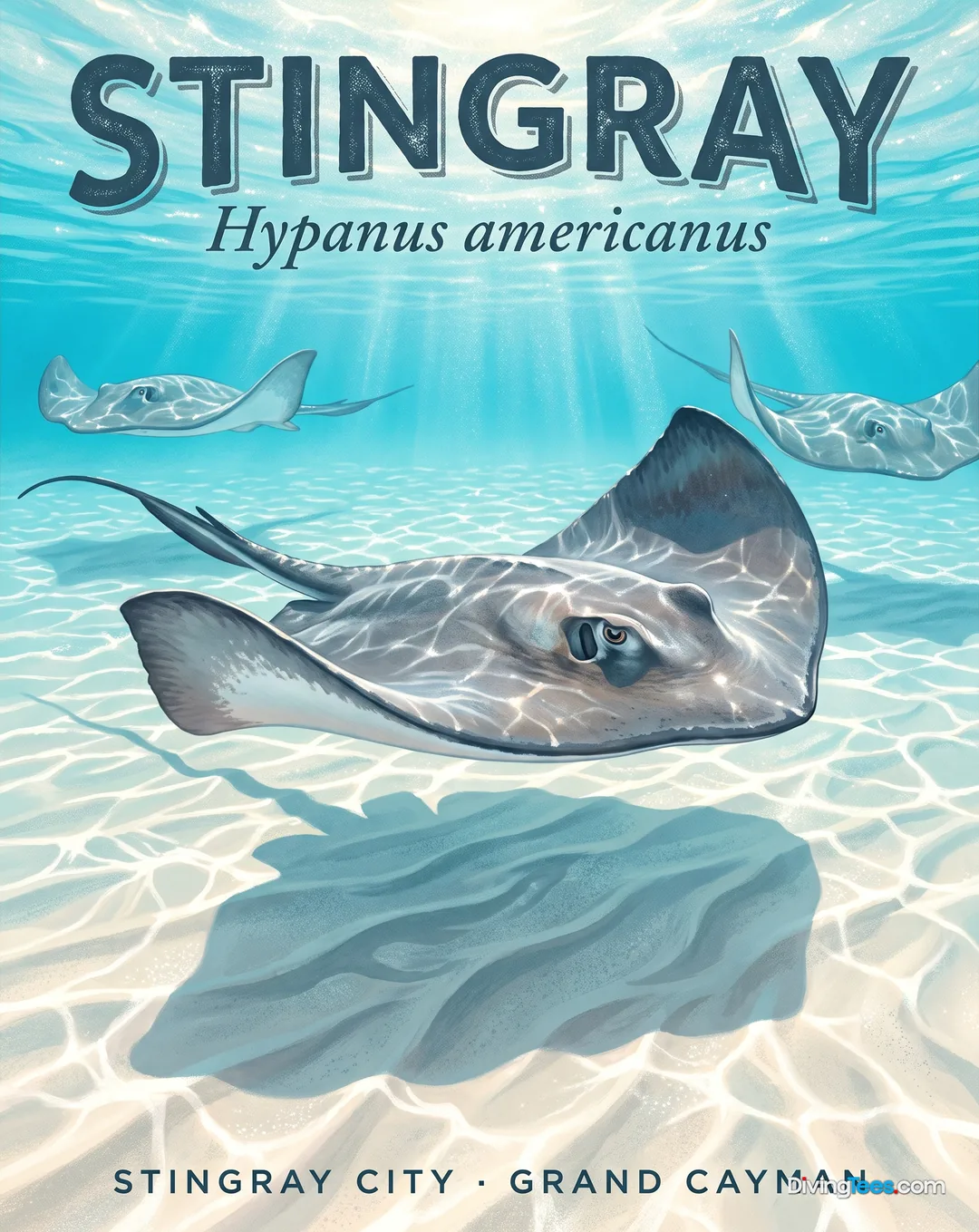
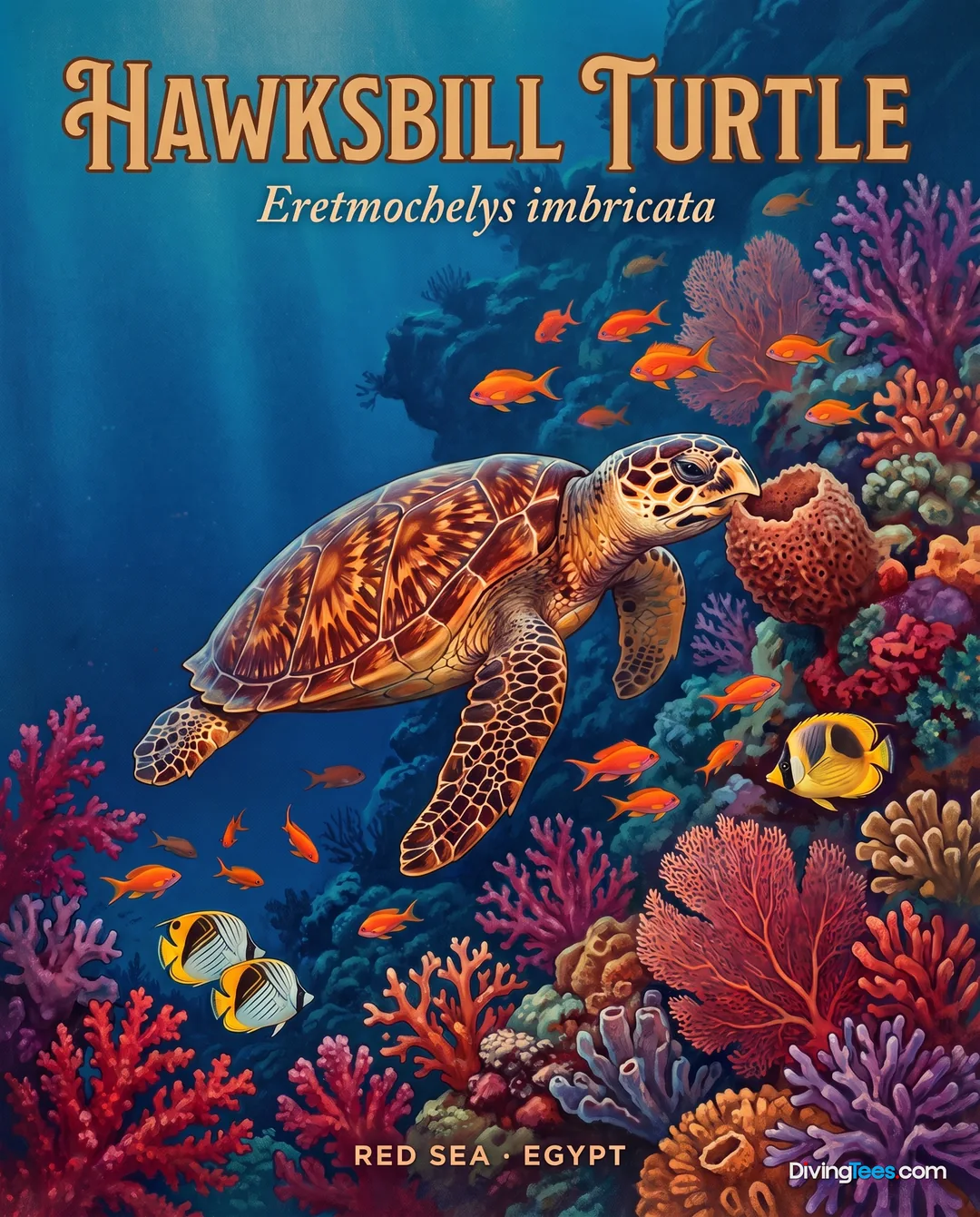
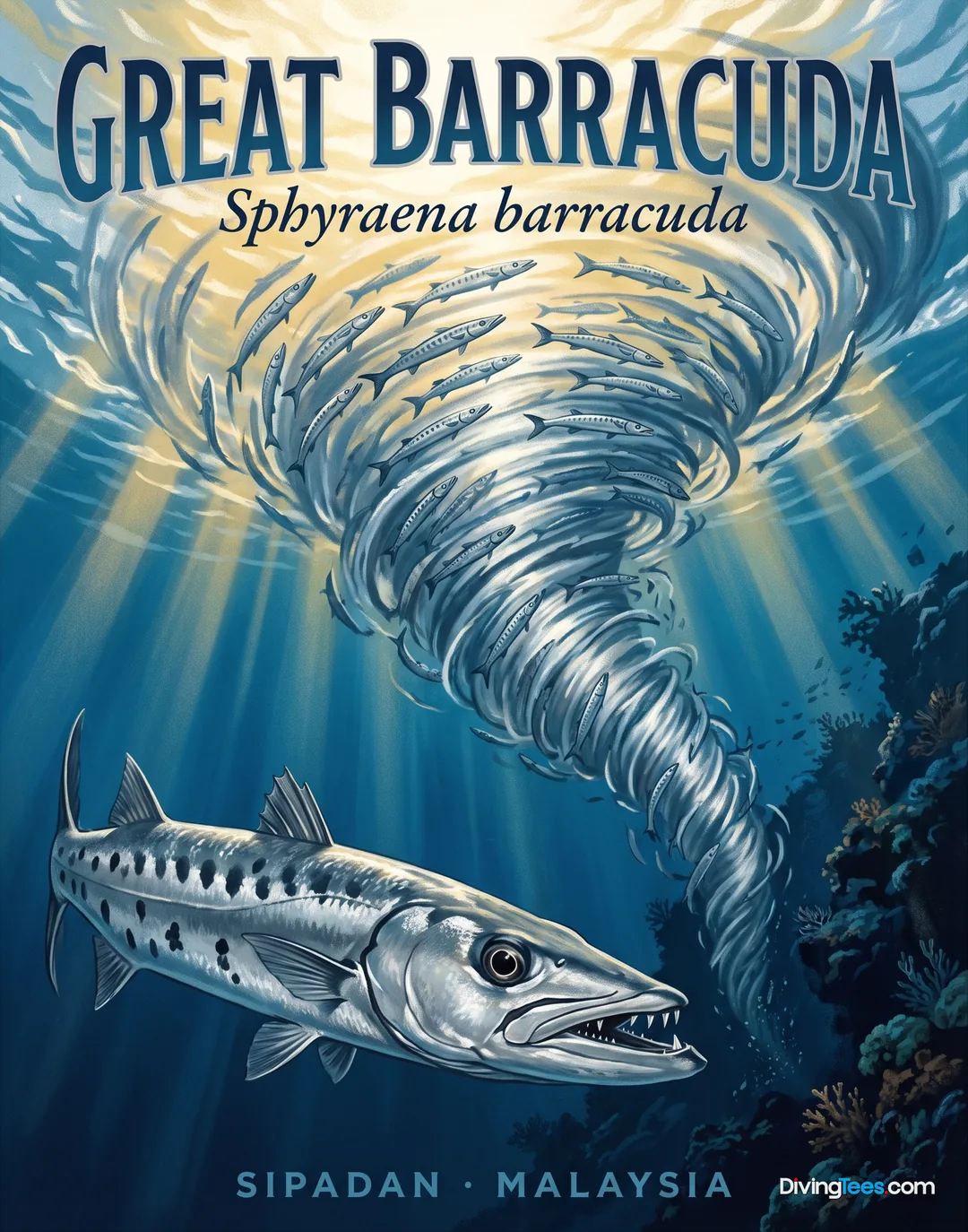
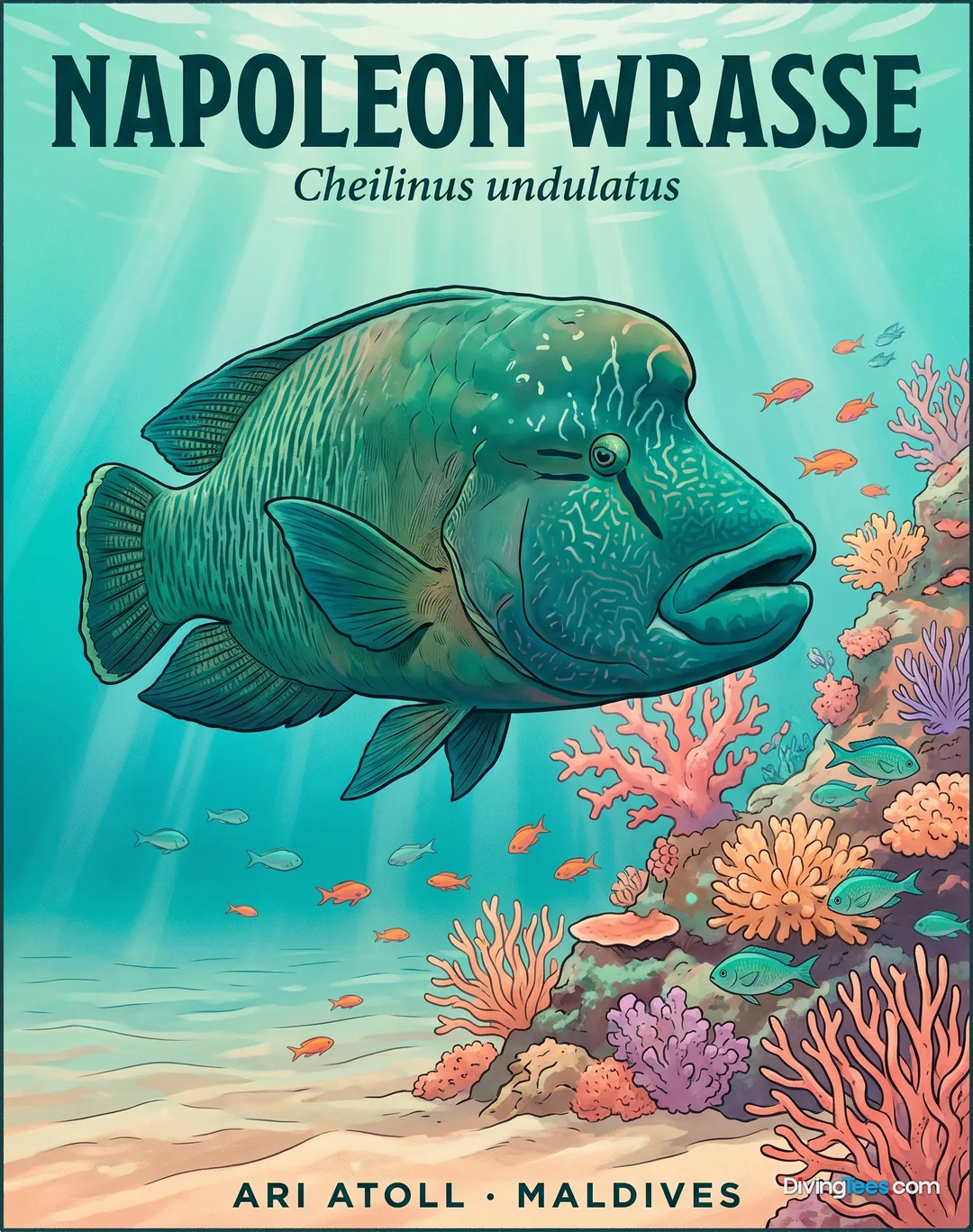
Kata’s shallow reef is a place for patient searching rather than a guaranteed large-animal encounter. Nudibranchs, cuttlefish, lionfish and reef fish suit the slow pace of the site, while soft coral and sandy patches provide the background for close observation. Sea turtles, tuna, great barracuda, Southern stingray and whitetip reef shark are among the wider area’s possible encounters. Racha Noi Bay is the more suitable outing for divers hoping to see larger visitors: its deeper sand and rock can attract manta rays and whale sharks, with the site material identifying these as seasonal possibilities. Leopard shark and Napoleon wrasse are also part of the regional mix. Sightings depend on the individual site, weather and luck, so Kata works better for varied diving than for a single promised species.
The measured calmest period runs from October to April, with the lightest rainfall from December to April. For shore diving at Kata, the more reliable working window is November to April, when weaker winds and flatter water make the beach entry and the swim to the reef manageable. From May through October, the south-west monsoon can push waves into the bay, stir the sand and create awkward currents on the way back to shore. Boat diving may still be possible during a settled weather window, but the house reef should not be treated as a year-round fallback. Early mornings are usually the sensible choice, before the afternoon breeze roughens the surface.
Kata suits all certification levels, particularly beginners, training groups and divers returning after a break. The house reef’s gradual 2–12-metre profile keeps the first sessions uncomplicated, while night dives remain possible from the beach in the dry season. Advanced Open Water or equivalent experience becomes useful for deeper day-boat sites around Racha and Phi Phi, especially where currents and depth increase. Nitrox is useful on repetitive boat days. BSAC, PADI and SSI divers should find the local progression familiar, but a realistic assessment of fitness matters for the long surface swim.
For travellers leaving from London Heathrow, London Gatwick or Manchester, Kata is reached by first getting to Phuket and then continuing overland to the south-west coast. Once on Phuket, the journey is by road: allow roughly 20 minutes from Patong and about 10 minutes from Chalong, the main departure port for dive boats. Kata’s shore-diving logistics are simple because centres in Kata or between Kata and Karon are generally within walking distance of the beach. Boat days require a short transfer to Chalong, arranged through the dive operation, followed by the sea journey to sites around Racha or Phi Phi. Keeping shore-diving accommodation close to the beach avoids adding a taxi journey after a half-day dive, while Chalong departures need to be planned as separate full-day logistics.
Treat the tide as part of the dive plan at Kata, not as a minor detail. High water or slack conditions make both the entry and the visibility more comfortable; an early start also avoids the afternoon chop. The house reef’s roughly 200-metre swim is manageable for a fit diver in calm water, but a surface float is sensible and the return should not be underestimated. In the monsoon months, do not force a beach dive through surf or a visible rip current. Ask about a longtail trip to Crab Island, Karon Rock or Paradise Reef instead, or keep a day available for a Chalong boat if the forecast allows. On the shallow reef, stay neutrally buoyant rather than kneeling when pausing, since fins and feet can damage coral or cloud the bottom. For Phi Phi and other national-park outings, expect guide supervision, depth and daily-dive limits, possible site closures, park fees and buoy moorings rather than anchoring. Those rules can alter the day’s plan.
A five- to seven-day stay gives Kata its proper rhythm: use calm mornings for the house reef, reserve a night dive if offered, and set aside one or two days for boat trips from Chalong. The beach, swimming and high-season snorkelling keep non-divers occupied, while Kata’s position also allows easy outings towards Kata Noi and Karon. During the monsoon, surfing replaces reliable shore diving on suitable days, but sea conditions should decide the programme.
Hello, I'm Marina, DivingDeal.com's AI assistant. I guide you through destinations, areas and countries.
Thinking about the whole trip and the flights? Talk it over with Edith →
Marina is an AI. Some links are affiliate links: DivingDeal may earn a commission, at no extra cost to you. Bookings are made with the partner.
Your last day stays dry: no diving in the 18-24 hours before a flight, the perfect window to see the destination from another angle.
 Nature
⏱ 7 h · ★ 5.0 (148 reviews)
from £908$1,214€1,085
see on Viator ↗
 Culture
⏱ 1 day · ★ 5.0 (35 reviews)
from £89$118€106
see on Viator ↗
 Culture
⏱ 1 h · ★ 5.0 (12 reviews)
from £15$20€18
see on Viator ↗
 City
City⏱ 4 h · ★ 5.0 (11 reviews)
from £79$106€95
see on Viator ↗
Ratings and reviews collected by Viator and Tripadvisor.
Choose Kata Beach for shore diving from November through April, when weaker winds and flatter water make the beach entry and swim to the house reef more manageable. Early mornings are usually preferable before afternoon chop develops. December through April brings lighter rainfall, while boat trips may operate during settled weather outside this window.
Kata Beach suits all certification levels, especially beginners, training groups and divers returning after a break. The gradual house reef provides shallow water for uncomplicated sessions, with night dives possible from the beach in the dry season. Deeper day trips around Racha and Phi Phi suit Advanced Open Water or equivalent experience, particularly where currents and depth increase.
At Kata Beach, patient searching may reveal nudibranchs, cuttlefish, lionfish and smaller reef fish among hard corals and sandy patches. Wider-area encounters can include sea turtles, tuna, great barracuda, Southern stingray and whitetip reef shark. Racha Noi Bay offers coral gardens and rocky ground where seasonal manta rays and whale sharks are possible.
Plan a five- to seven-day stay around calm morning house-reef dives, a possible night dive and one or two boat days from Chalong. Keep shore-diving accommodation near the beach, while arranging transfers for Chalong departures. Consider short longtail trips to Crab Island, Karon Rock or Paradise Reef, and let weather and sea conditions shape the programme.