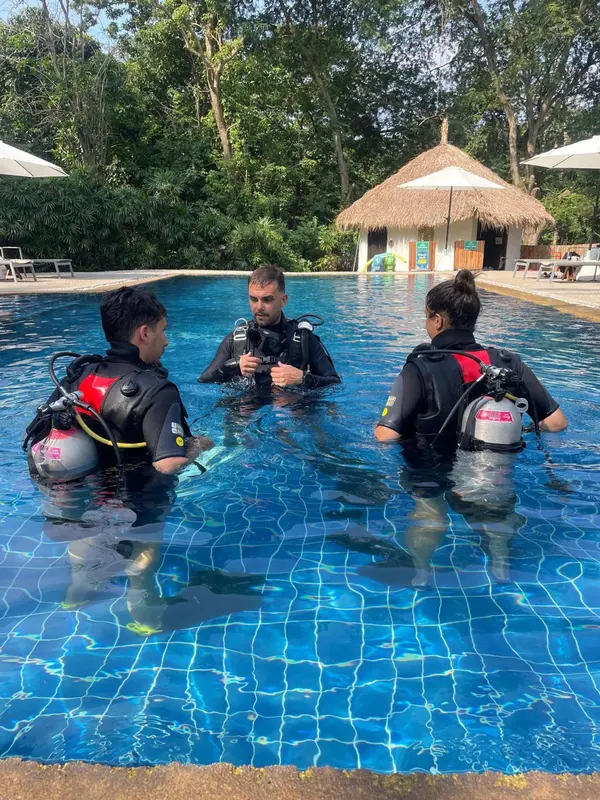
 Dive centre in the hotel
Chalok Reef Divers Hostel
Google 5/5 (237 reviews)
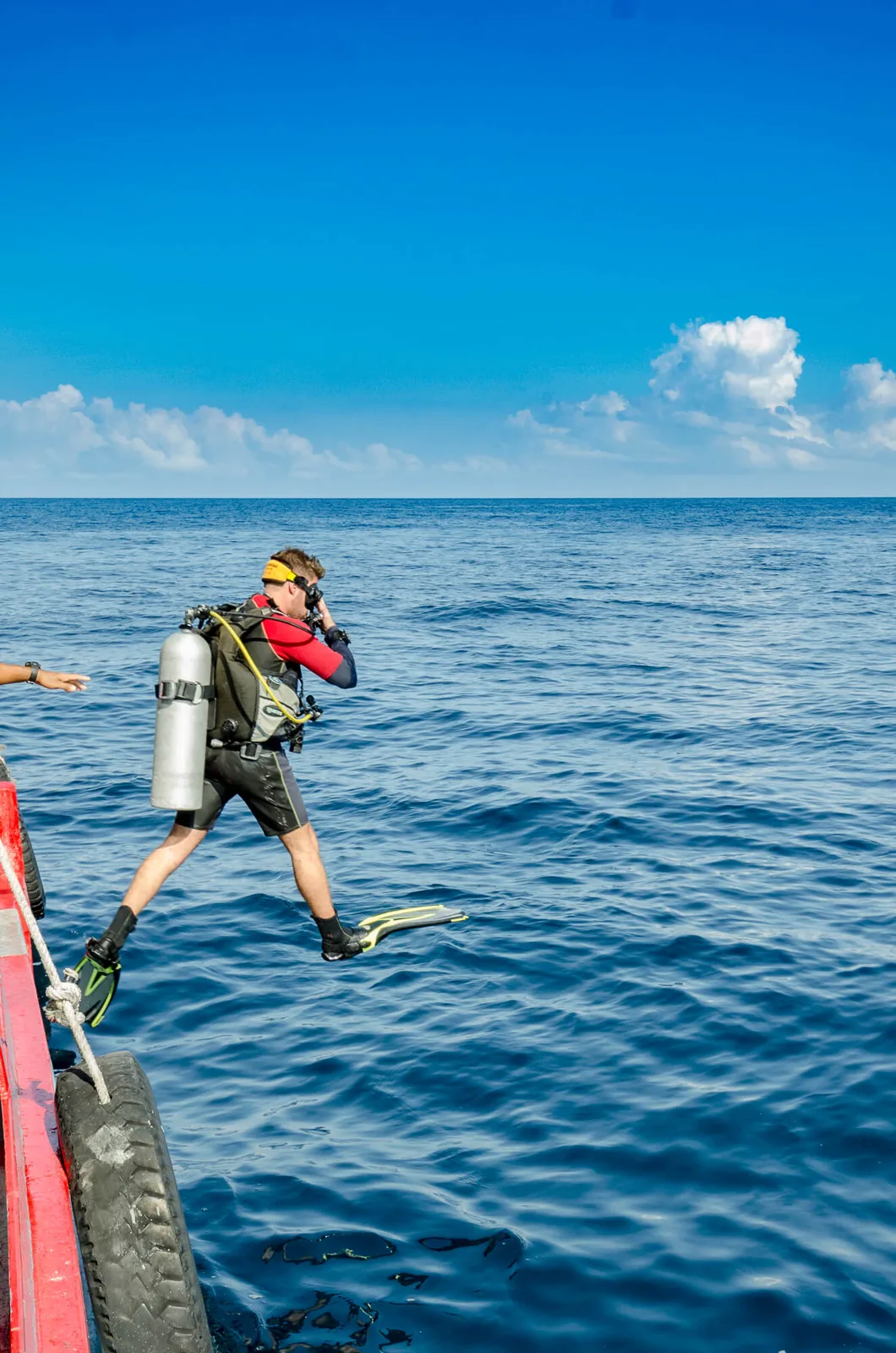
The dive centre
Chalok Reef Divers
SSI
Google 5/5 (275 reviews)
Dives: HTMS Sattakut Wreck, Barracuda Rock, Sail Rock
Thailand · Asia
Granite pinnacles, a sunken naval vessel, green turtles and sheltered coral bays make Koh Tao a practical base for varied day-boat diving.
For subtitles in English: start the video firstthen click the gearat the top right of the video, select “Subtitles/CC”, then “Auto-translate” and choose “English”.
Koh Tao works best as a land-based diving island, where short boat trips link beaches and jetties with granite pinnacles, coral gardens and deliberately sunk naval vessels. It is particularly well suited to training, refreshers and relaxed recreational diving, with sheltered sites such as Twins, Japanese Garden and Aow Leuk alongside deeper, more exposed terrain. Divers who want several straightforward days underwater, rather than a remote expedition or liveaboard, will find the island’s compact layout useful.
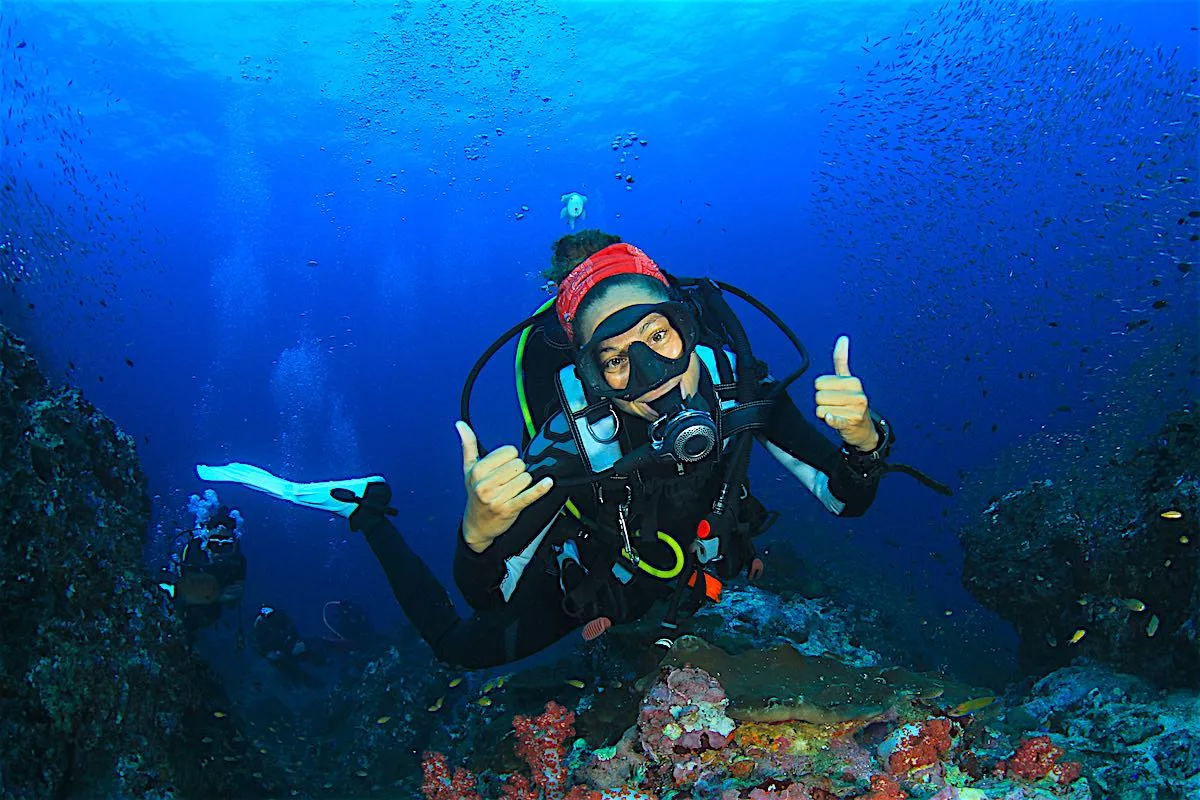
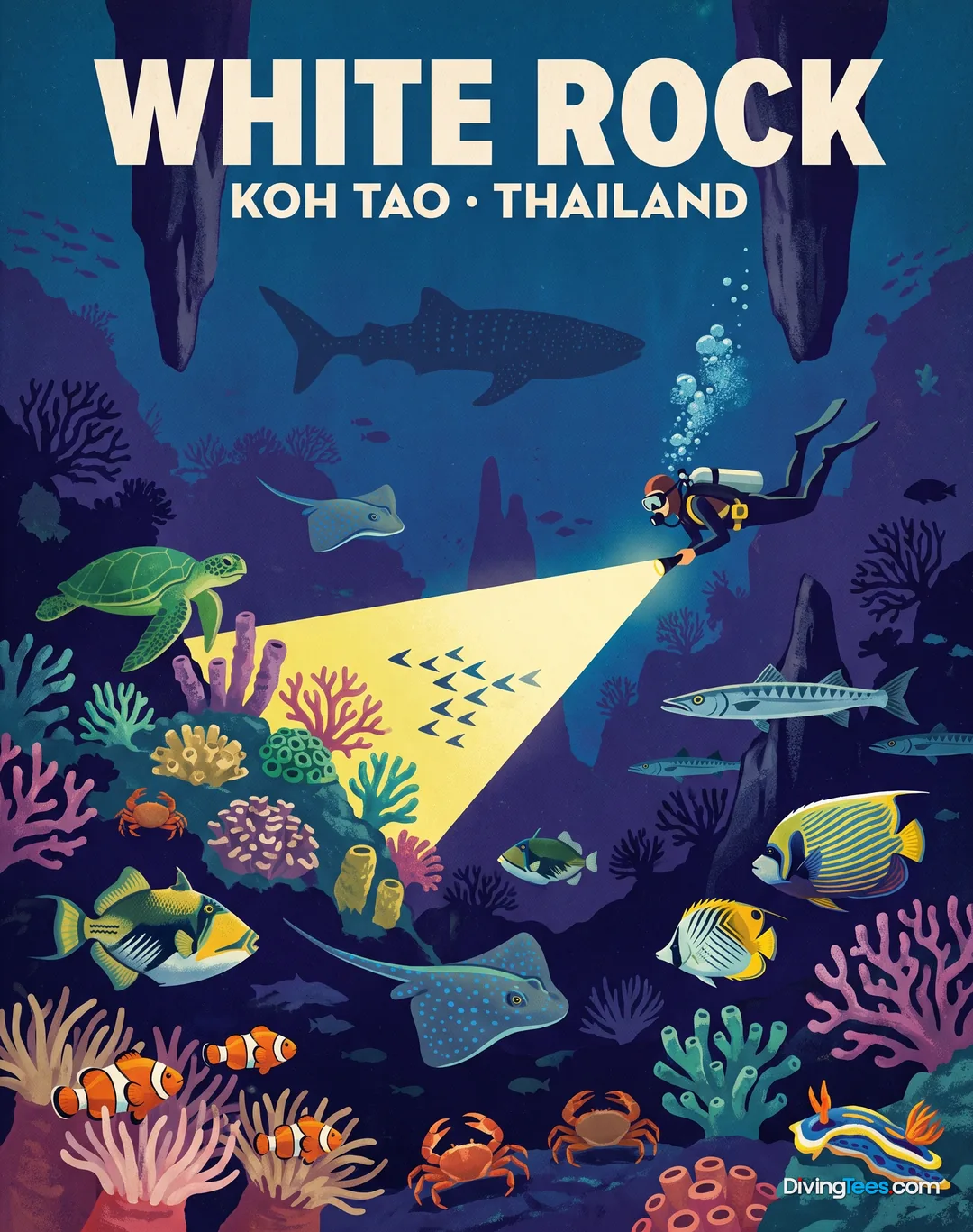
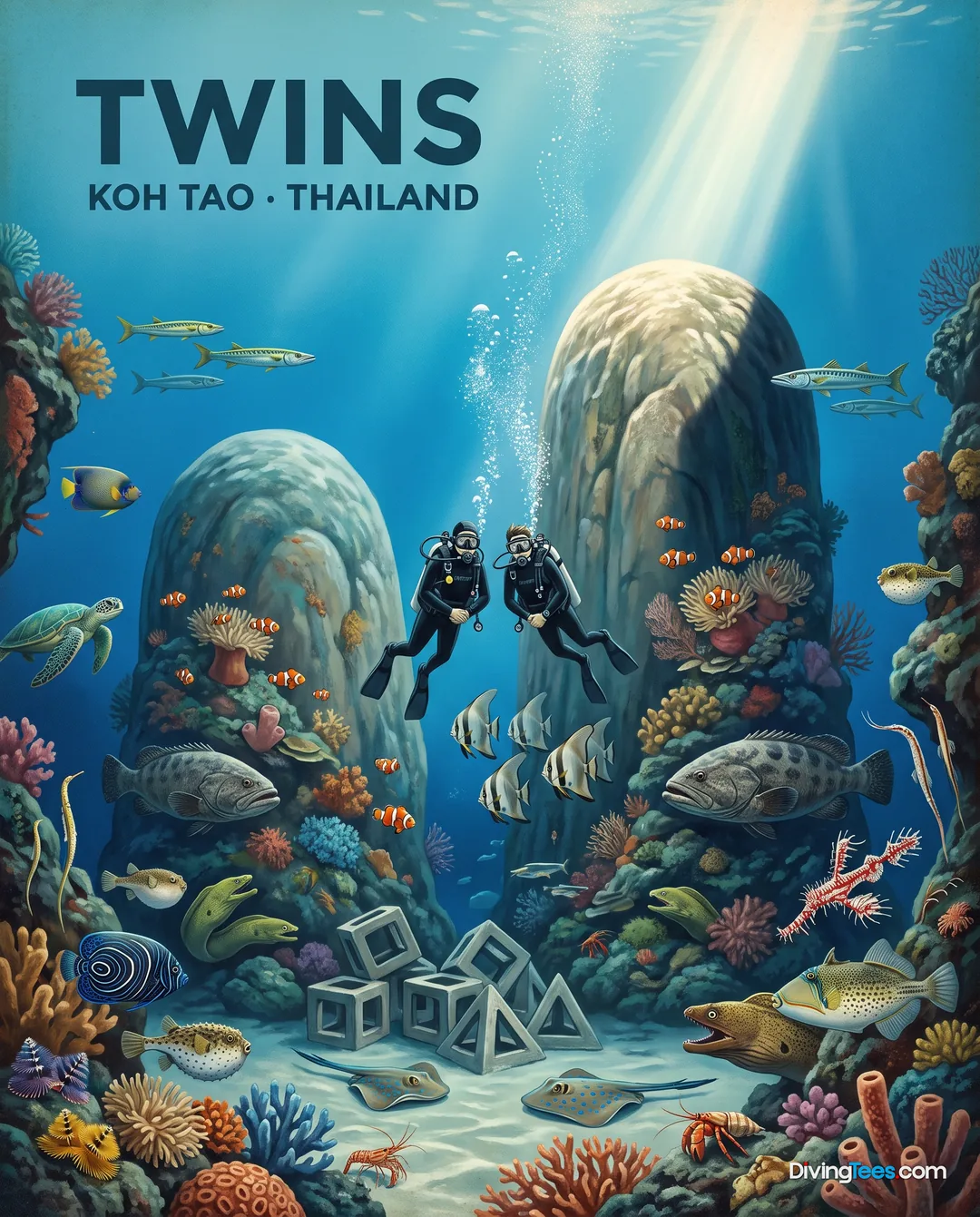
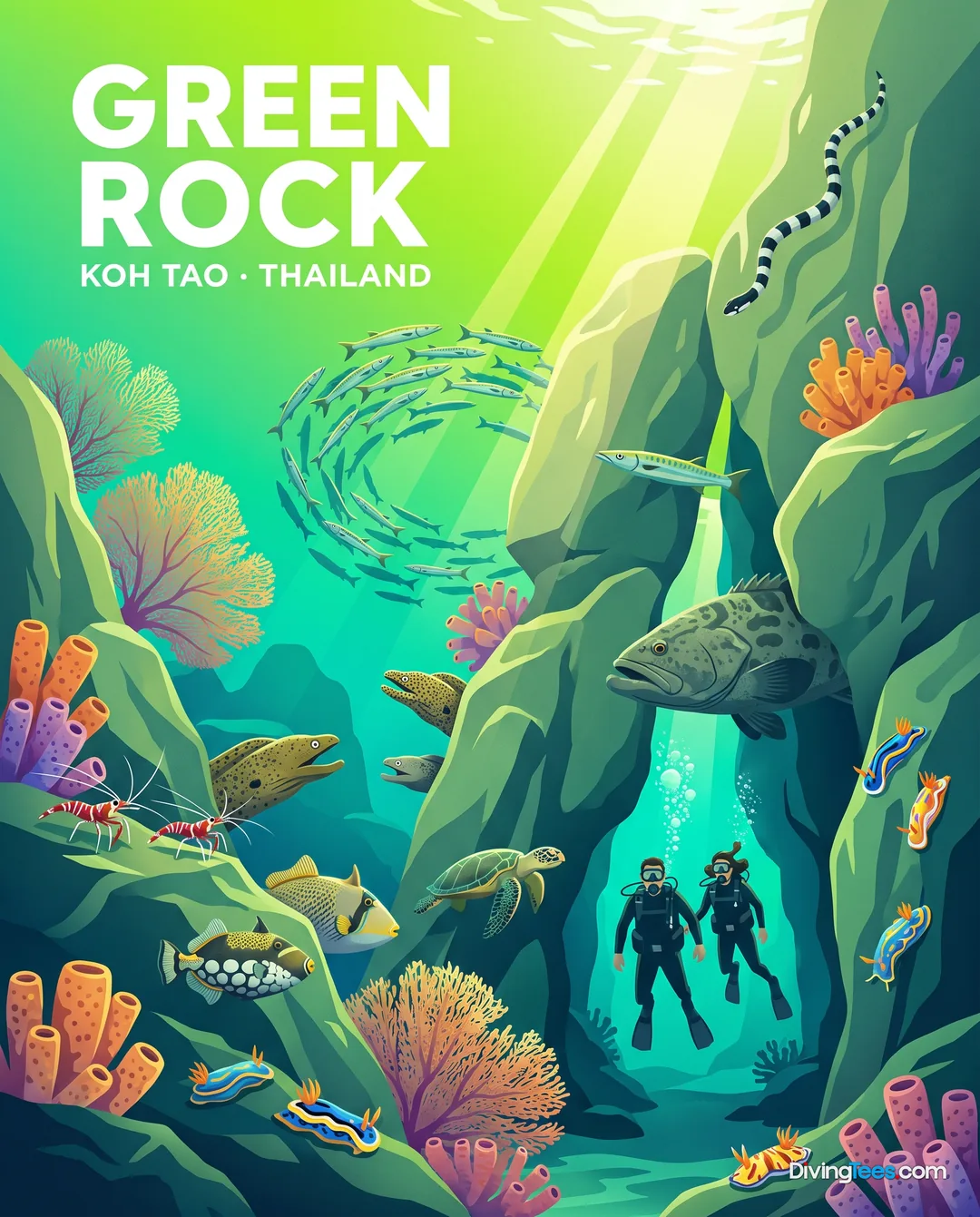
Underwater, Koh Tao moves from sandy-bottomed pinnacles and coral gardens to wrecks, boulder mazes and swim-throughs. Twins and Japanese Garden stay shallow, generally between 5 and 18 metres, while White Rock combines two granite pinnacles with reef from 2 to 28 metres. HTMS Sattakut reaches 31 metres, and Southwest Pinnacle descends to 40 metres for divers comfortable with deeper profiles. Currents are usually light on sheltered sites, but can become moderate at tide changes and stronger around exposed pinnacles such as Green Rock, Hin Wong Pinnacle and Southwest Pinnacle. Visibility is commonly around 10 metres at White Rock and often 10 to 20 metres elsewhere, with some sites reaching 30 metres. Most diving is by day boat, with occasional night diving at suitable reefs.
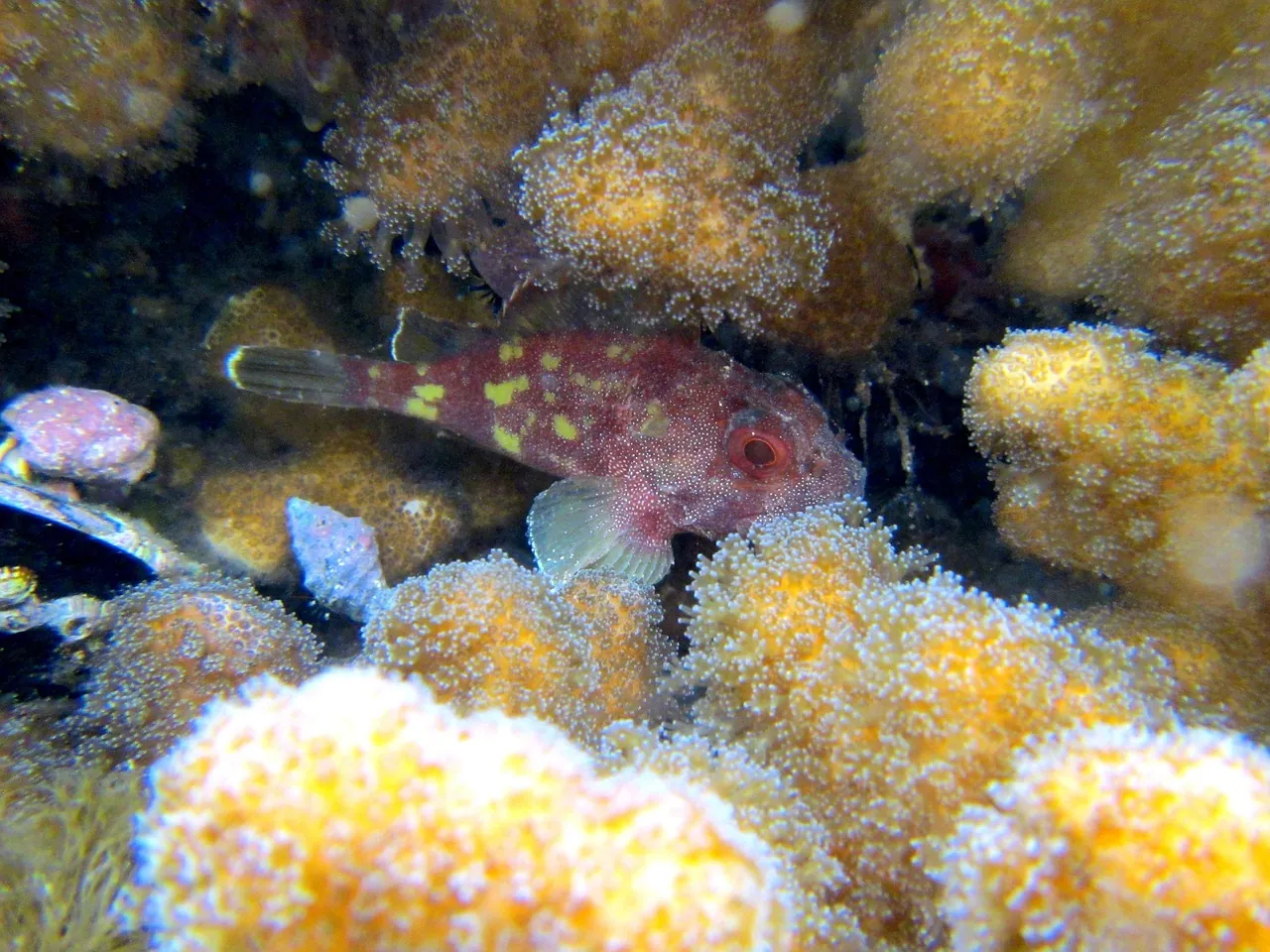
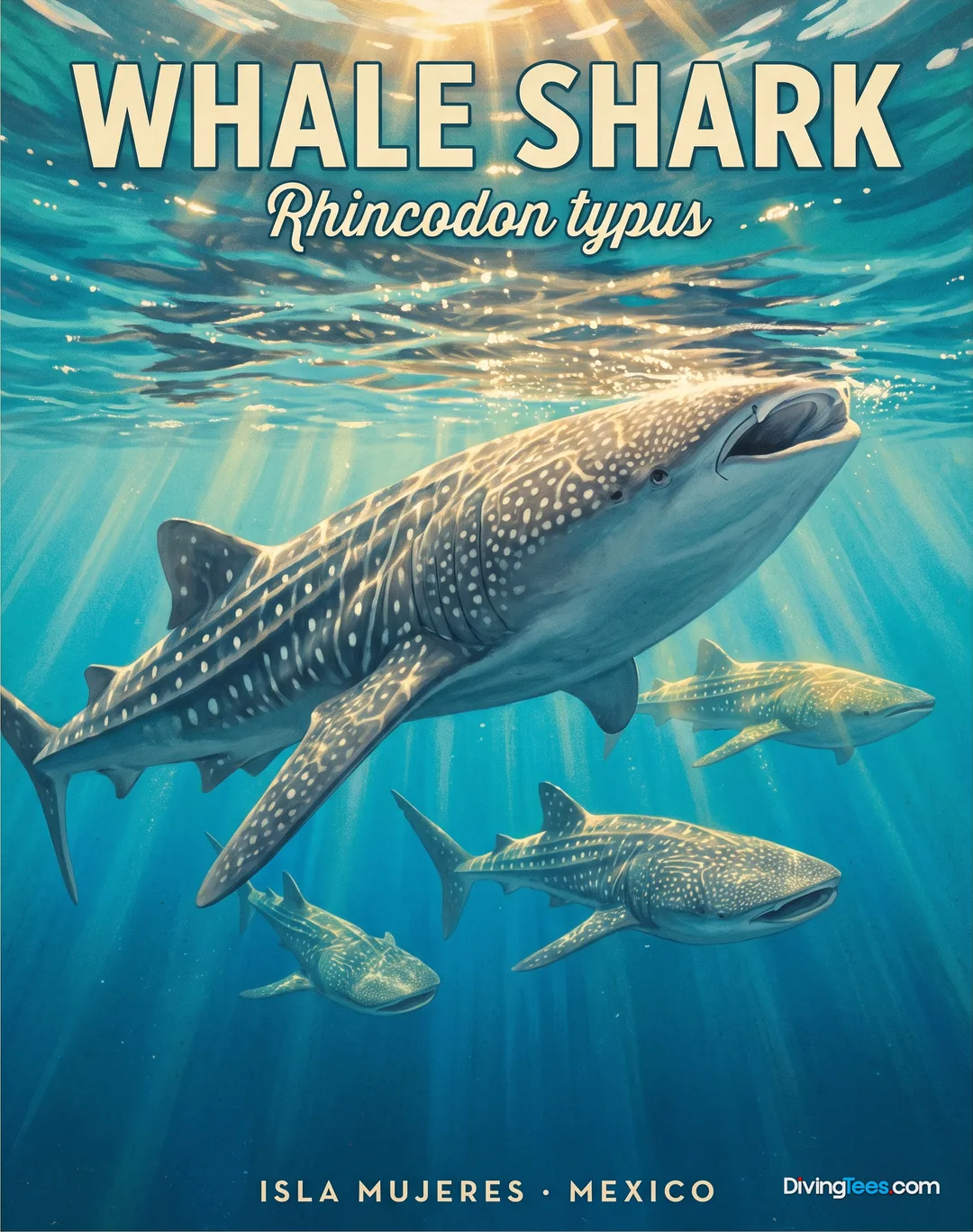
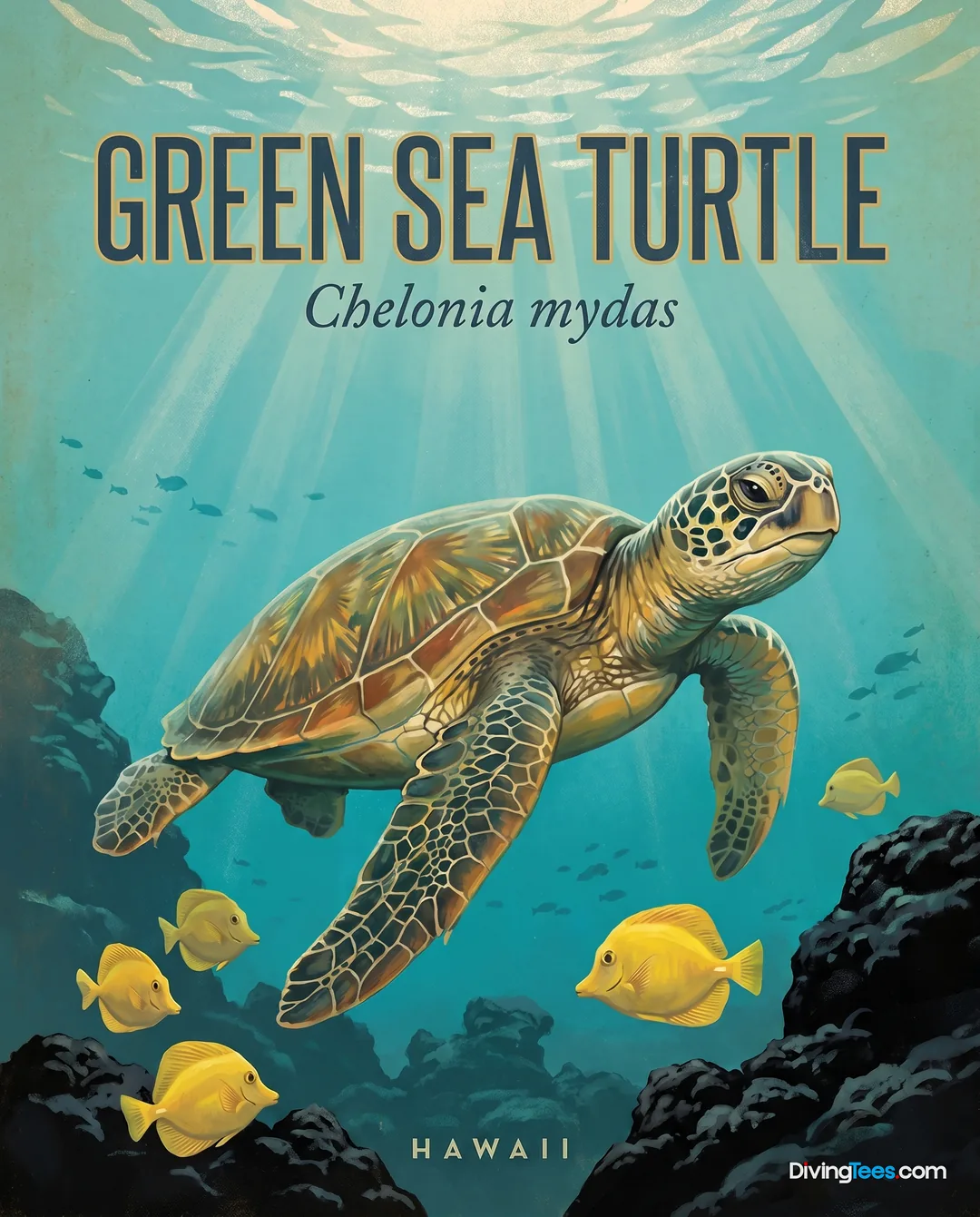
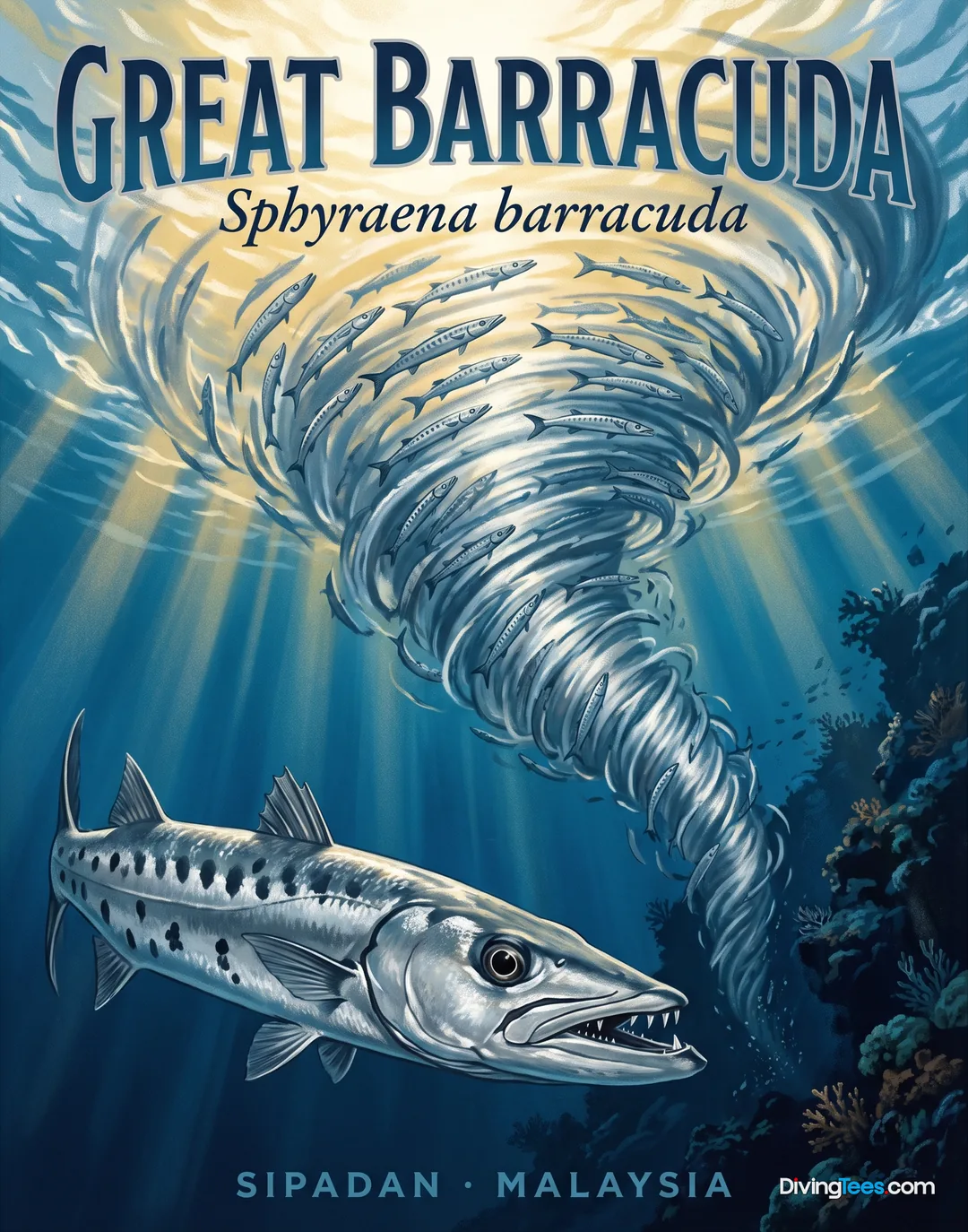
The marine life is varied enough to reward slow, observant diving rather than a search for one headline encounter. Coral gardens and boulders hold nudibranchs, moray eels, butterflyfish, angelfish and groupers, while fusiliers and pilotfish gather above the reef. Great barracuda, batfish and titan triggerfish add interest around pinnacles and wrecks; Green Rock is particularly suited to looking into arches and swim-throughs. Tanote Bay is known for large schools of fusiliers and frequent green turtle sightings, while Aow Leuk can produce juvenile blacktip reef sharks. Blue-spotted stingrays and southern stingrays are found over sandy areas. Whale sharks are occasional visitors around the Gulf of Thailand, so they are a bonus rather than a dependable timetable. Bamboo sharks are reported year-round.
February to June is the clearest practical window in the available seasonal pattern: the sea is generally at its calmest, which matters when several days depend on small-boat departures and exposed pinnacles. Rainfall is lowest from January to April, while May and June are often singled out for calm conditions and good clarity at sites such as Twins and Japanese Garden. That does not make every dive identical; sheltered bays remain useful when open-water sites are less comfortable. Divers planning around whale sharks should keep expectations flexible, as their visits are seasonal but not tied here to a fixed month.
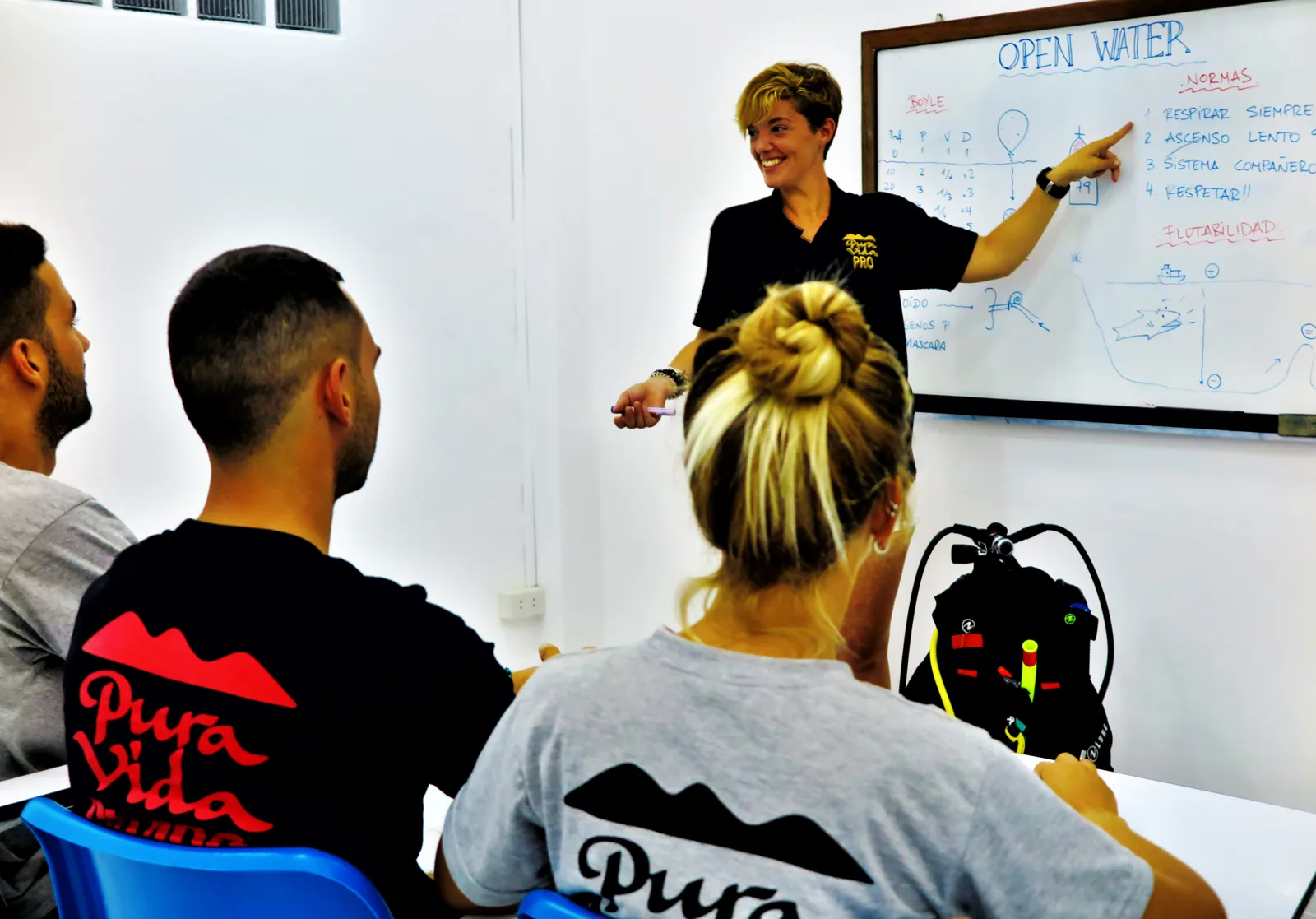
Koh Tao suits all levels, from first training dives in Mango Bay, Aow Leuk or Japanese Garden to deeper wreck and pinnacle profiles. Open Water divers can enjoy much of the sheltered reef, while Advanced Open Water training is useful for HTMS Sattakut, Hin Wong Pinnacle and Southwest Pinnacle. The latter sites require comfort with depth and changing currents rather than simply a qualification card. Nitrox is worthwhile for repetitive shallow reef and pinnacle diving, where no-decompression time may become the practical limit.
From London Heathrow, London Gatwick or Manchester, the journey involves reaching southern Thailand or a nearby Gulf hub, continuing overland to a pier, then taking a ferry or speedboat. There is no airport on Koh Tao, so the final sea crossing is unavoidable and should be planned around published boat timetables and sea conditions. The full journey commonly takes about 16 to 24 hours door to door, depending on connections and the ferry wait. Once on the island, most divers stay close enough to walk to a dive centre, with short taxi or motorbike transfers covering the remaining distances. The return crossing deserves the same margin: it should not be the final link before an international departure.
Treat the ferry as part of the itinerary, not as a minor transfer. Keep the first half-day flexible if the crossing is tiring, and leave generous margin before the journey home. Koh Tao is most rewarding when several days can be spread across sheltered bays and more open pinnacles, so a single-site expectation misses the point. A personal mask is worth packing for anyone particular about fit; it is the rental item most likely to affect a comfortable day. New divers and anyone returning after a break should allow the schedule to move between calm areas and more exposed sites rather than committing every day to one condition. Those combining a course with fun diving will benefit from an unhurried day before long return travel. Nitrox makes sense over repetitive days, but the island should not be approached as a drift-diving or liveaboard destination.
Five to seven days gives enough time for several boat mornings, a possible training block, weather-related reshuffling and a quieter final day. Stay near the working centre of the island if easy access to departures matters; local movement is generally short by foot, taxi or motorbike. Non-divers have beaches, sheltered-bay snorkelling, viewpoint walks and boat trips around coves and headlands. A low-exertion shore day before the return crossing keeps the ferry-and-dive rhythm from becoming unnecessarily tiring.
Hello, I'm Marina, DivingDeal.com's AI assistant. I guide you through destinations, areas and countries.
Thinking about the whole trip and the flights? Talk it over with Edith →
Marina is an AI. Some links are affiliate links: DivingDeal may earn a commission, at no extra cost to you. Bookings are made with the partner.
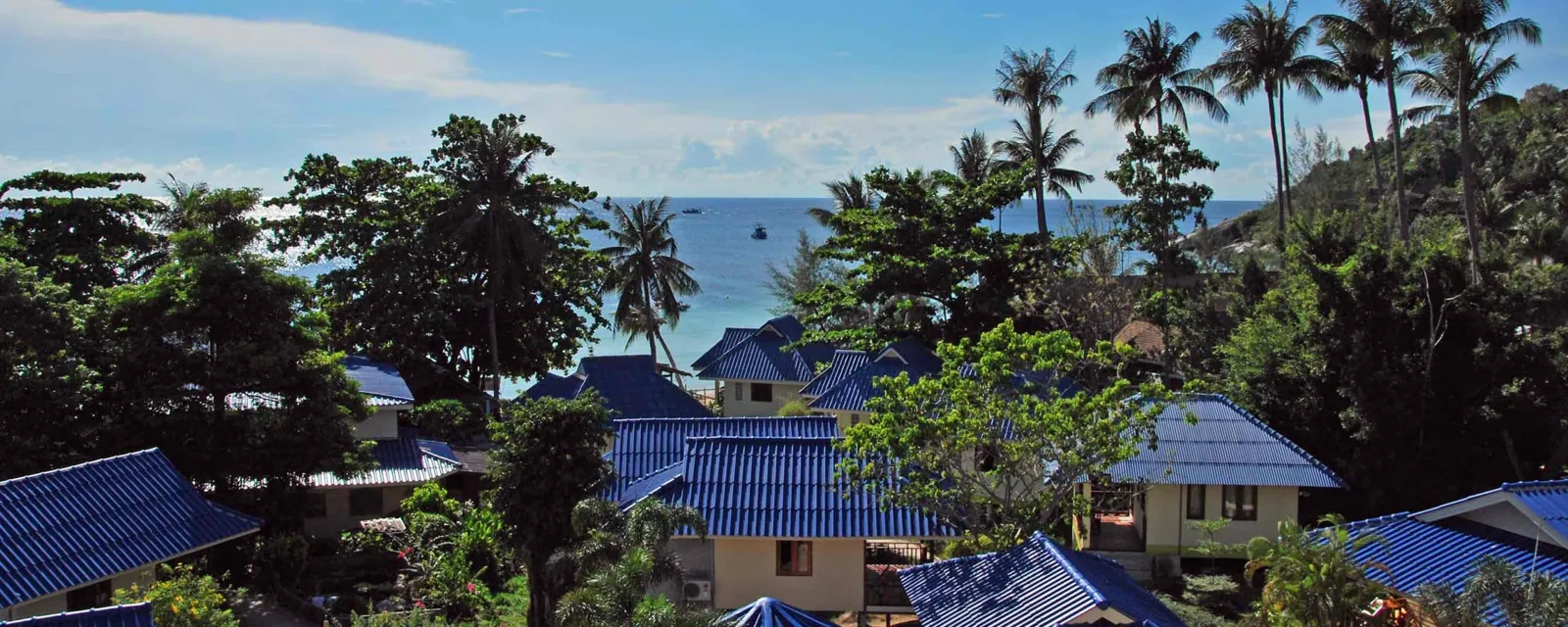
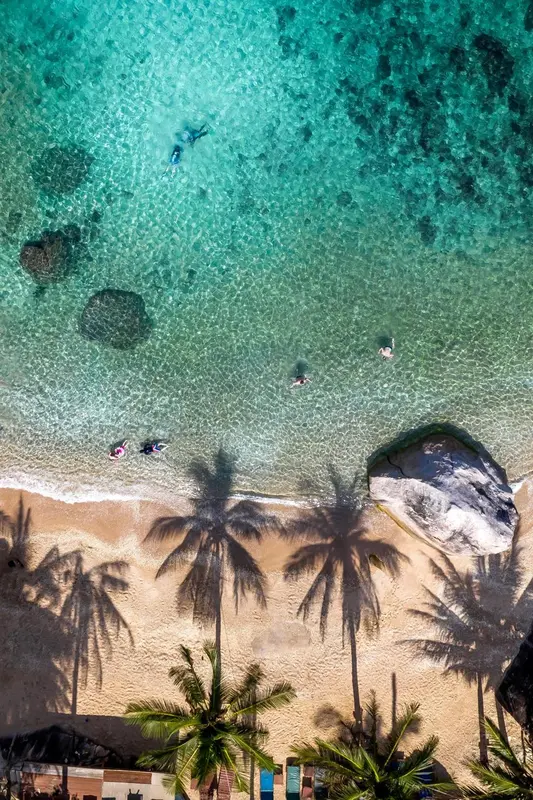
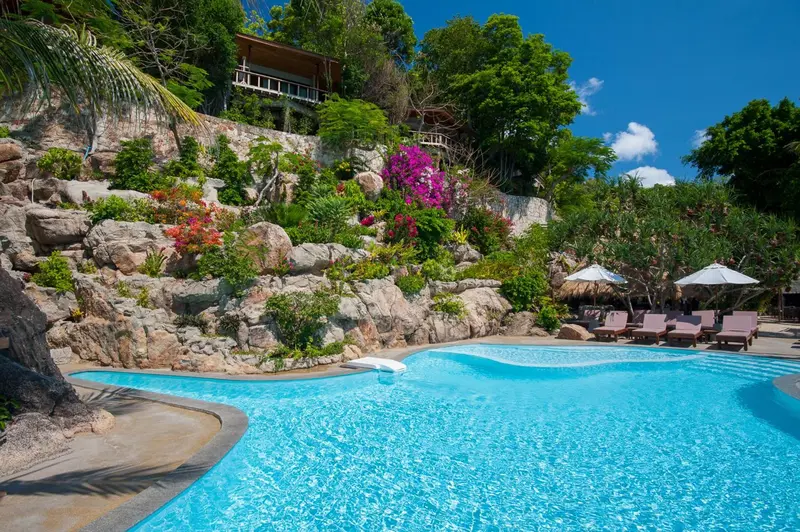
In each one, the dive centre is inside the hotel: step out of your room and go diving.
Dive centre in the hotelGoogle 5/5 (237 reviews)
The dive centre
Chalok Reef Divers
SSI
Google 5/5 (275 reviews)
Dives: HTMS Sattakut Wreck, Barracuda Rock, Sail Rock
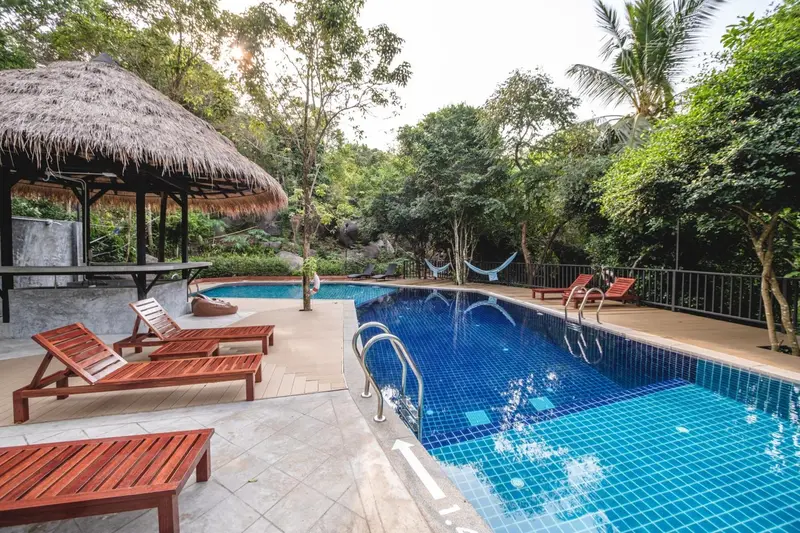 Dive centre in the hotel
Google 4.7/5 (486 reviews)
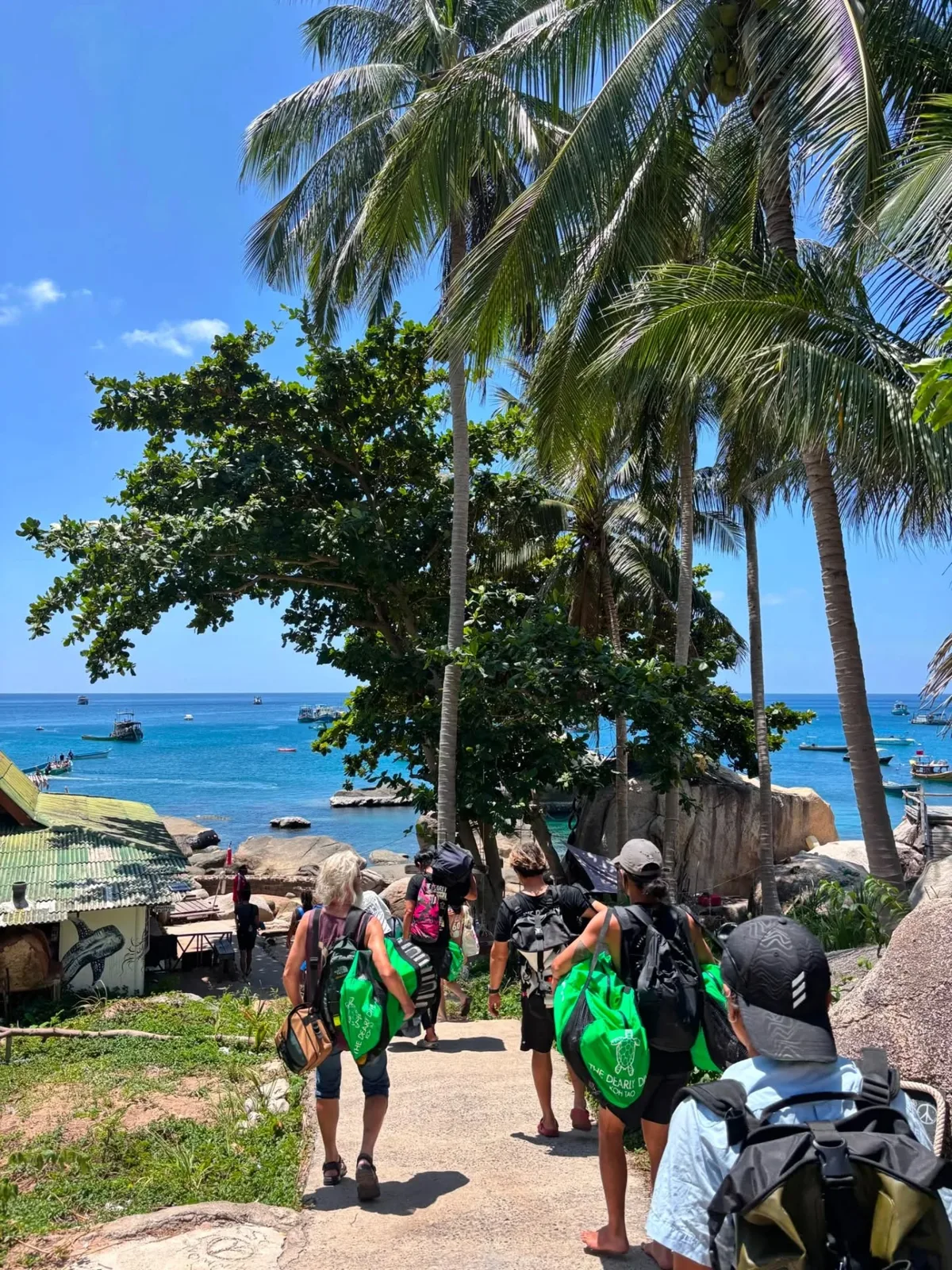
The dive centre
The Dearly Dive
PADI
Google 4.7/5 (495 reviews)
Dives: Chumphon Pinnacle, White Rock, Hin Wong Bay
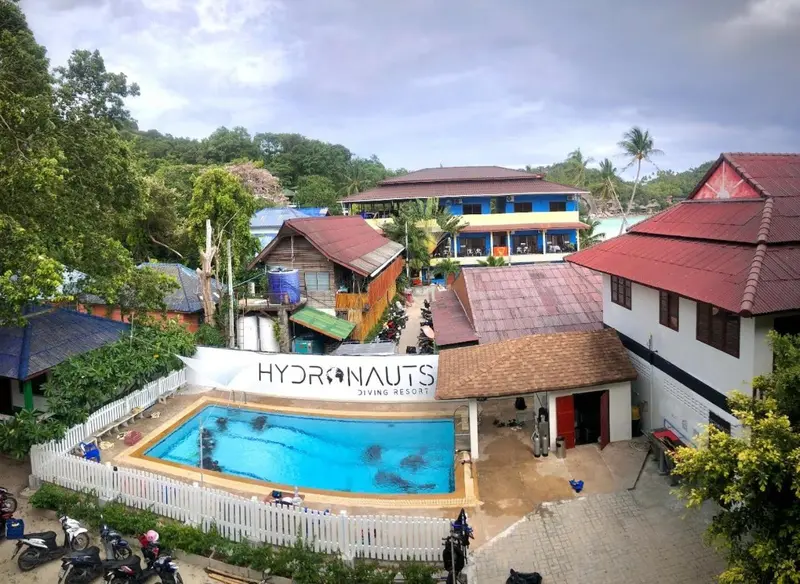
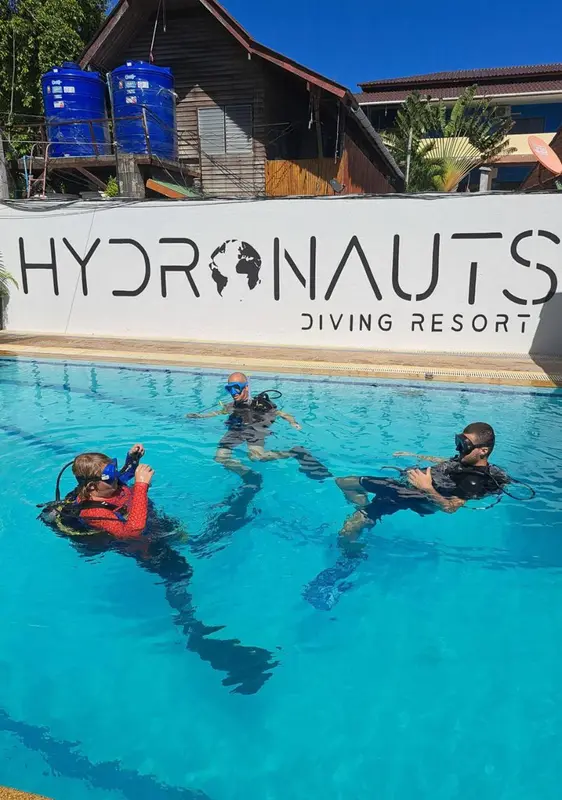 Dive centre in the hotel
★★
Google 4.7/5 (465 reviews)
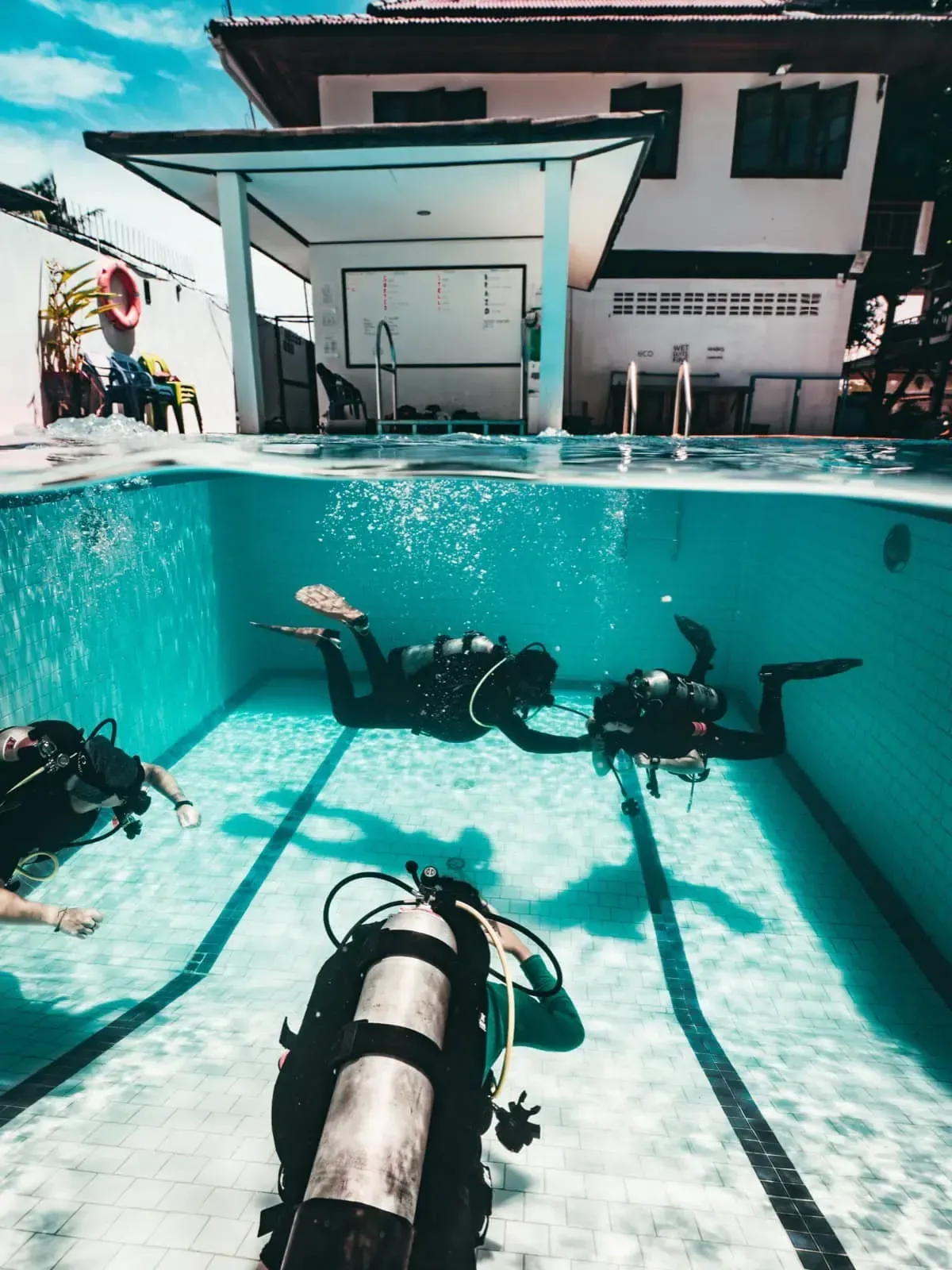
The dive centre
Hydronauts Diving Resort
RAID
Google 4.7/5 (472 reviews)
Dives: Chumphon Pinnacle, Southwest Pinnacle, Sail Rock
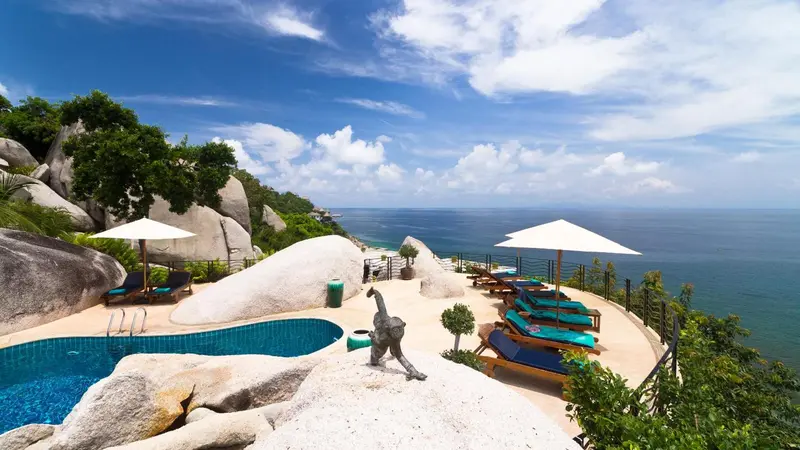 Dive centre in the hotel
★★★★★
Google 4.2/5 (630 reviews)
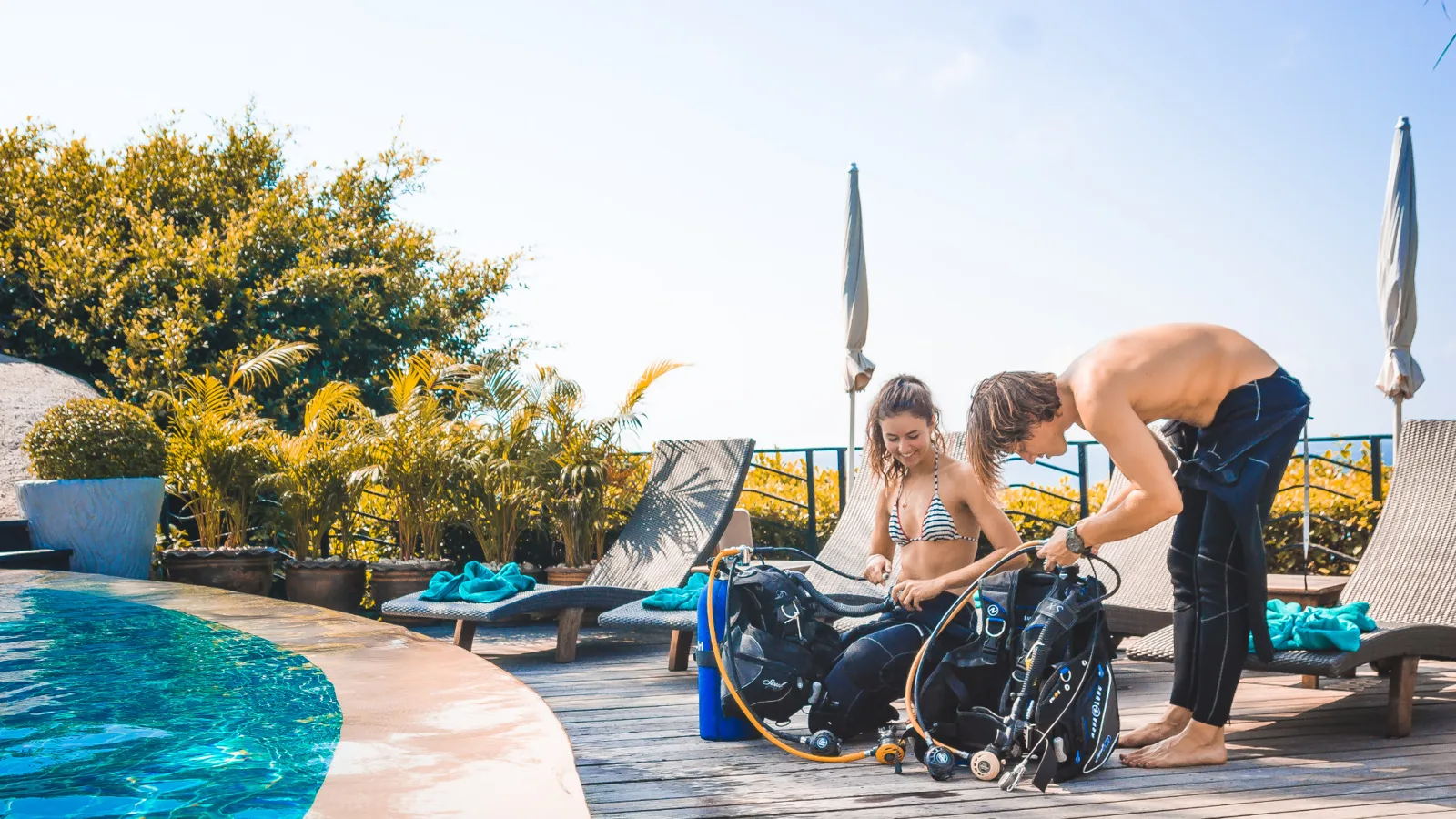
The dive centre
Jamahkiri Diving Club
SSI
Google 4.9/5 (229 reviews)
Dives: Chumphon Pinnacle, HTMS Sattakut, Sail Rock
Your last day stays dry: no diving in the 18-24 hours before a flight, the perfect window to see the destination from another angle.
 Nature
⏱ 6 h · ★ 5.0 (88 reviews)
Solve island clues, meet locals, and visit viewpoints and beaches across Koh Tao in a team adventure.
from £45$61€54
see on Viator ↗
 Adventure
⏱ 7 h · ★ 5.0 (50 reviews)
Cruise on a semi-private boat to explore coastlines, then unwind with a sunset mocktail on board.
from £39$52€46
see on Viator ↗
 Culture
⏱ 3 h · ★ 4.4 (7 reviews)
Learn to prepare three classic Thai dishes at your own station, then taste them at an open-air dining bar.
from £45$61€54
see on Viator ↗
 Nature
⏱ 6 h
Stop at scenic overlooks across the island, from West Coast Viewpoint to John Suwan Viewpoint, each framing bays and beaches from above.
from £33$44€39
see on Viator ↗
Ratings and reviews collected by Viator and Tripadvisor.
Choose Koh Tao from February through June, when sea conditions are generally calm and several days of small-boat diving are easier to arrange. Rainfall is lowest from January through April, while May and June can bring calm conditions and good clarity at Twins and Japanese Garden. Sheltered bays remain useful when open-water sites are less comfortable.
Koh Tao suits beginners, returning divers and recreational divers, with training sites at Mango Bay, Aow Leuk and Japanese Garden. Open Water divers can enjoy much of the sheltered reef. Advanced training is useful for HTMS Sattakut, Hin Wong Pinnacle and Southwest Pinnacle, where greater depth and changing currents require additional comfort.
You can see coral gardens, granite pinnacles, boulder mazes, swim-throughs and the upright HTMS Sattakut wreck. Marine life includes green turtles, fusiliers, nudibranchs, moray eels, reef fish, groupers, barracuda and triggerfish. Aow Leuk can produce juvenile blacktip reef sharks, while whale sharks are occasional visitors and not a dependable encounter.
Plan Koh Tao as a land-based diving stay with short day-boat trips from beaches and jetties. Allow five to seven days for several boat mornings, training, weather changes and a quieter final day. Build flexibility around the ferry, leave generous margin before your return flight, and stay near the island’s working centre for easier departures.