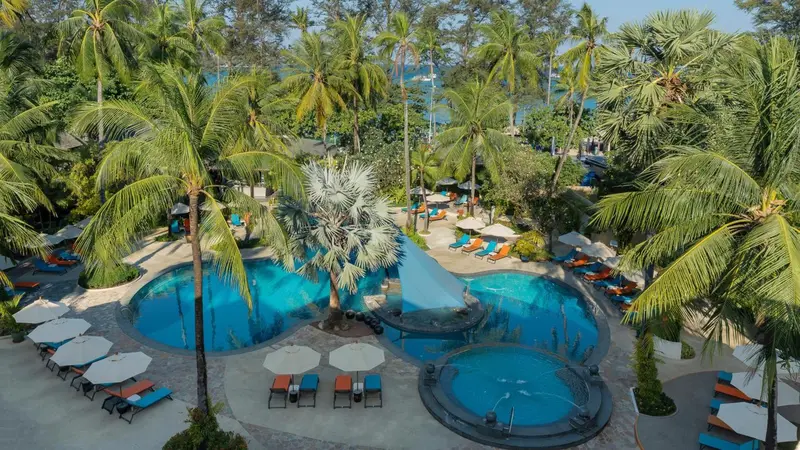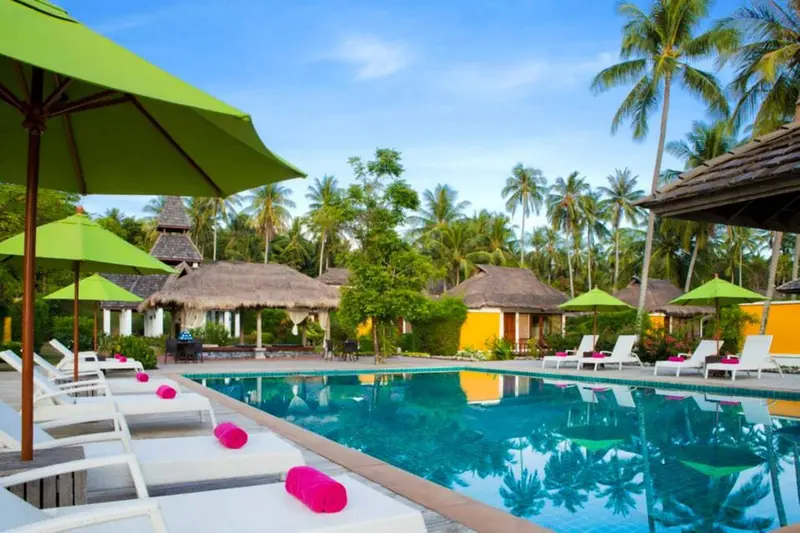
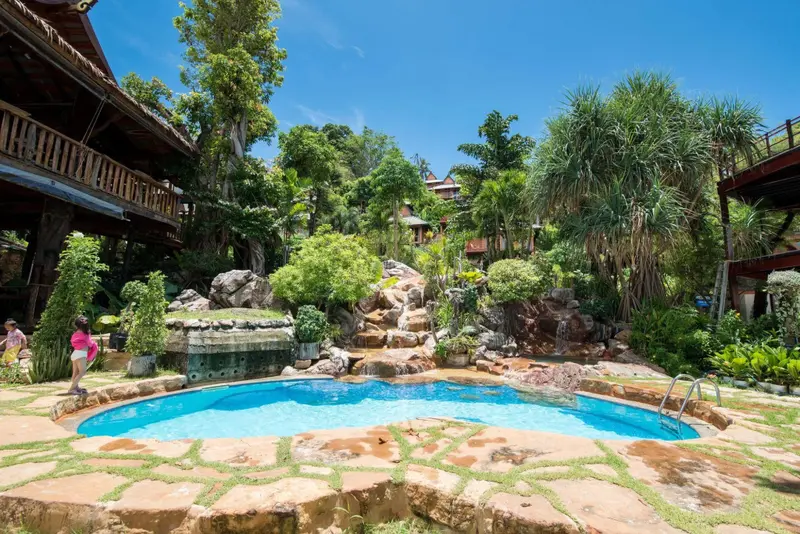
 Dive centre in the hotel
Phi Phi The Beach Resort Hotel
★★★
Google 4.3/5 (2,631 reviews)
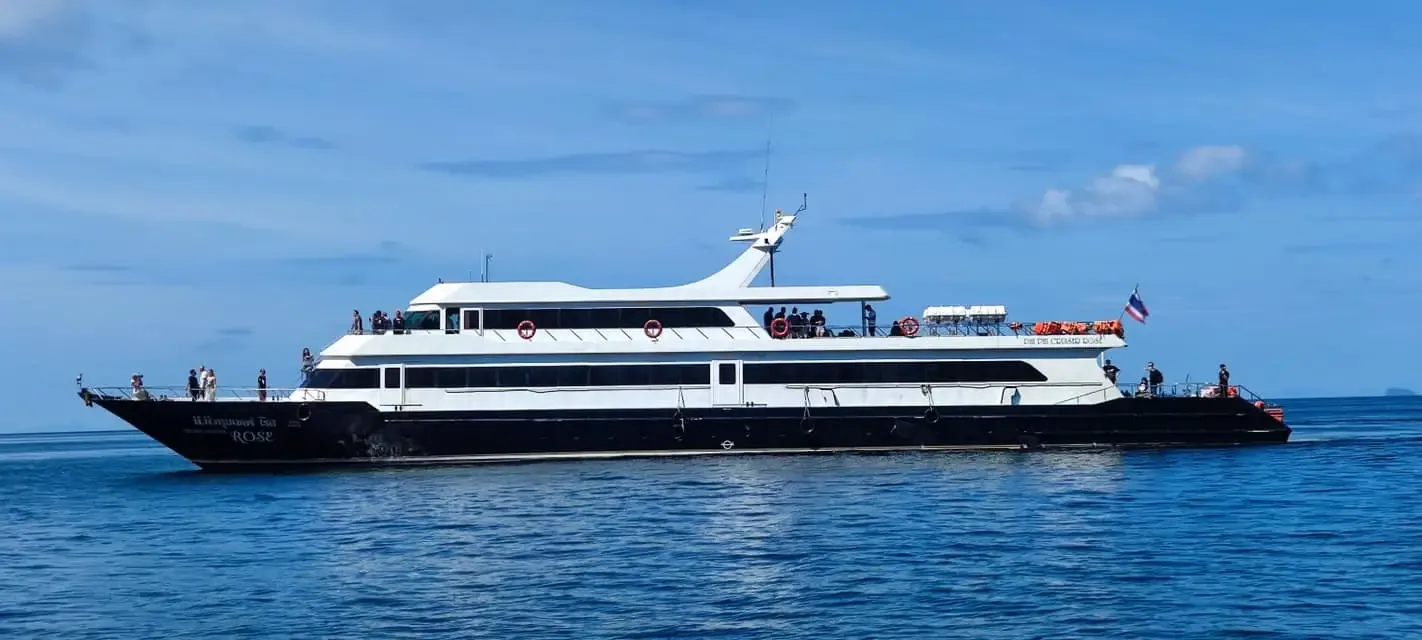
The dive centre
Blacktip Scuba Phi Phi
PADI
Google 4.8/5 (239 reviews)
Dives: Shark Point, Phi Phi Leh Marine Park
Thailand · Asia
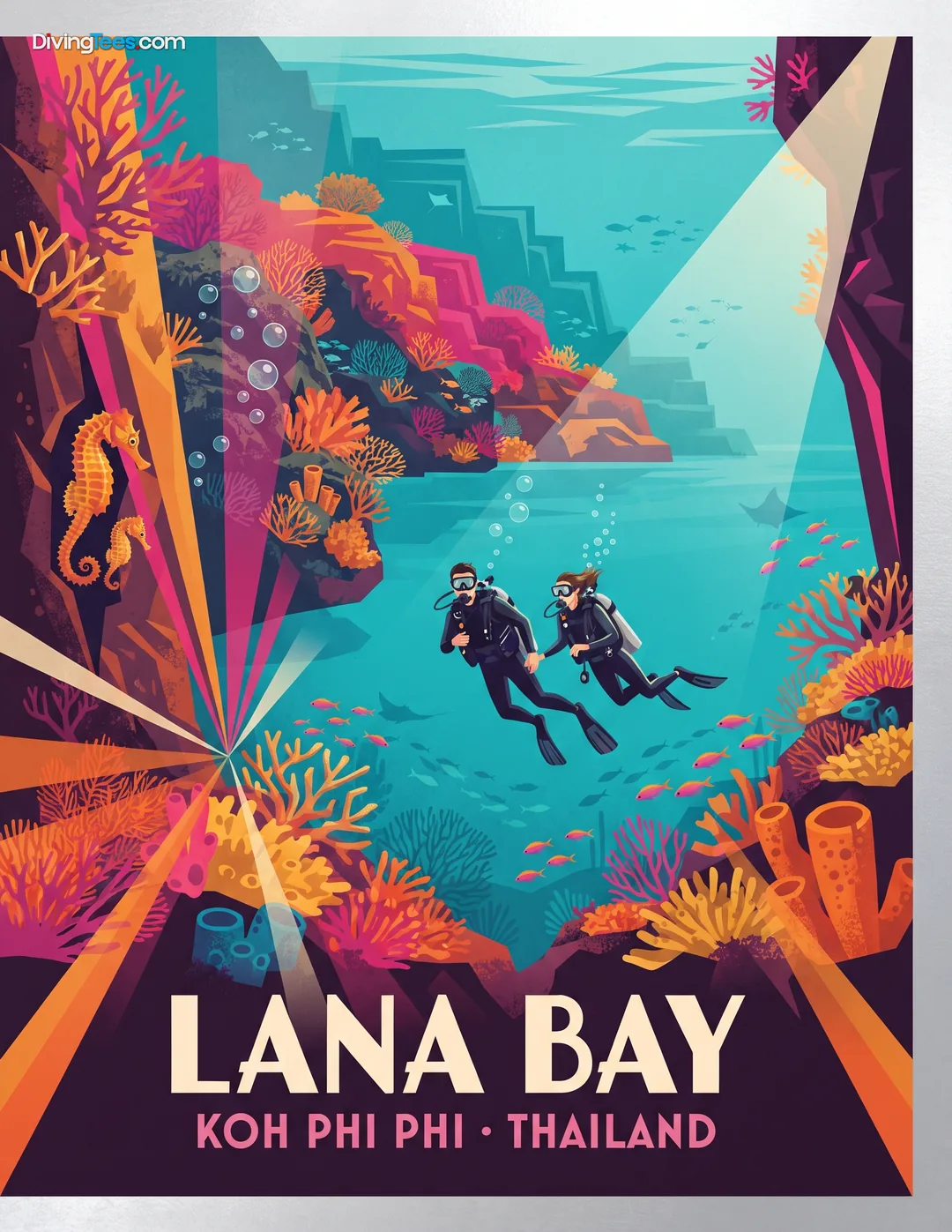
Limestone walls, coral gardens, blacktip reef sharks and turtles shape warm-water boat diving around Koh Bida, Palong, Hin Klang and the Phi Phi islands.
For subtitles in English: start the video firstthen click the gearat the top right of the video, select “Subtitles/CC”, then “Auto-translate” and choose “English”.
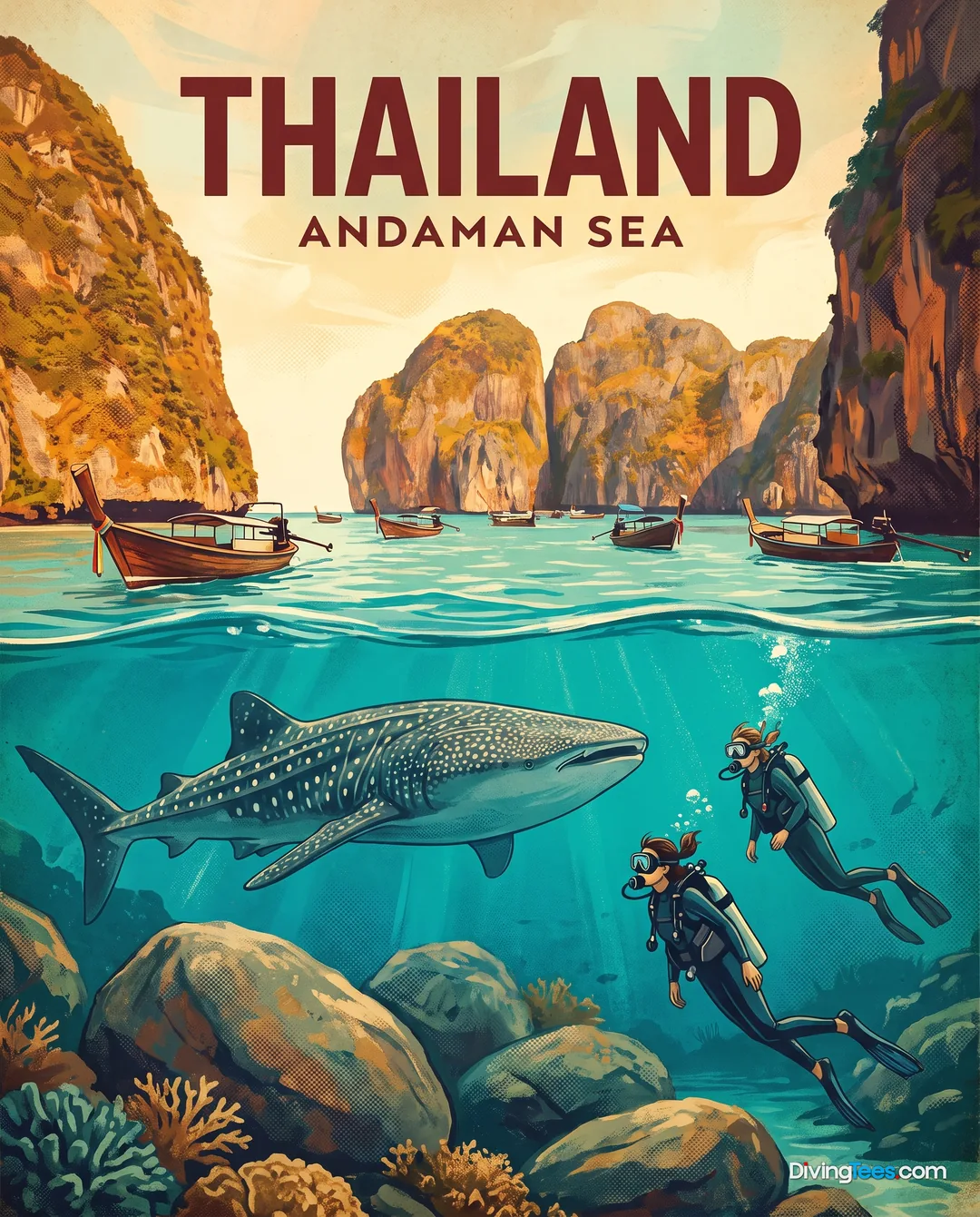
Koh Phi Phi is an island base where diving starts from a boat rather than from the beach. The reward is a succession of limestone islands, reef walls, sheltered bays and rock formations close enough for straightforward day trips. Koh Bida brings coral gardens and deeper walls; Hin Klang stays shallow and fish-filled; Palong adds cliff scenery and the possibility of turtles and blacktip reef sharks. On land, the same compact base offers beaches, viewpoints and boat excursions for non-divers.
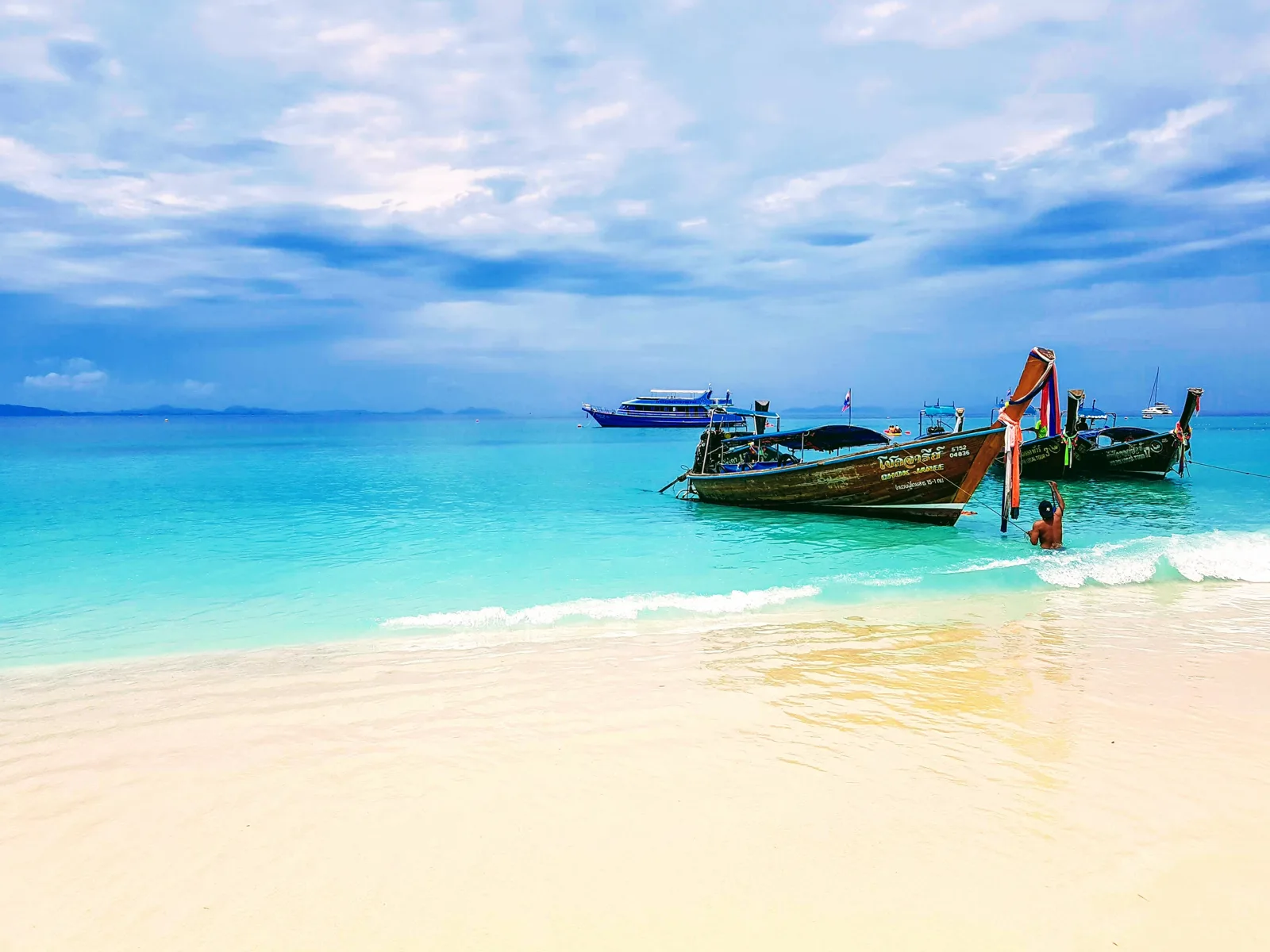
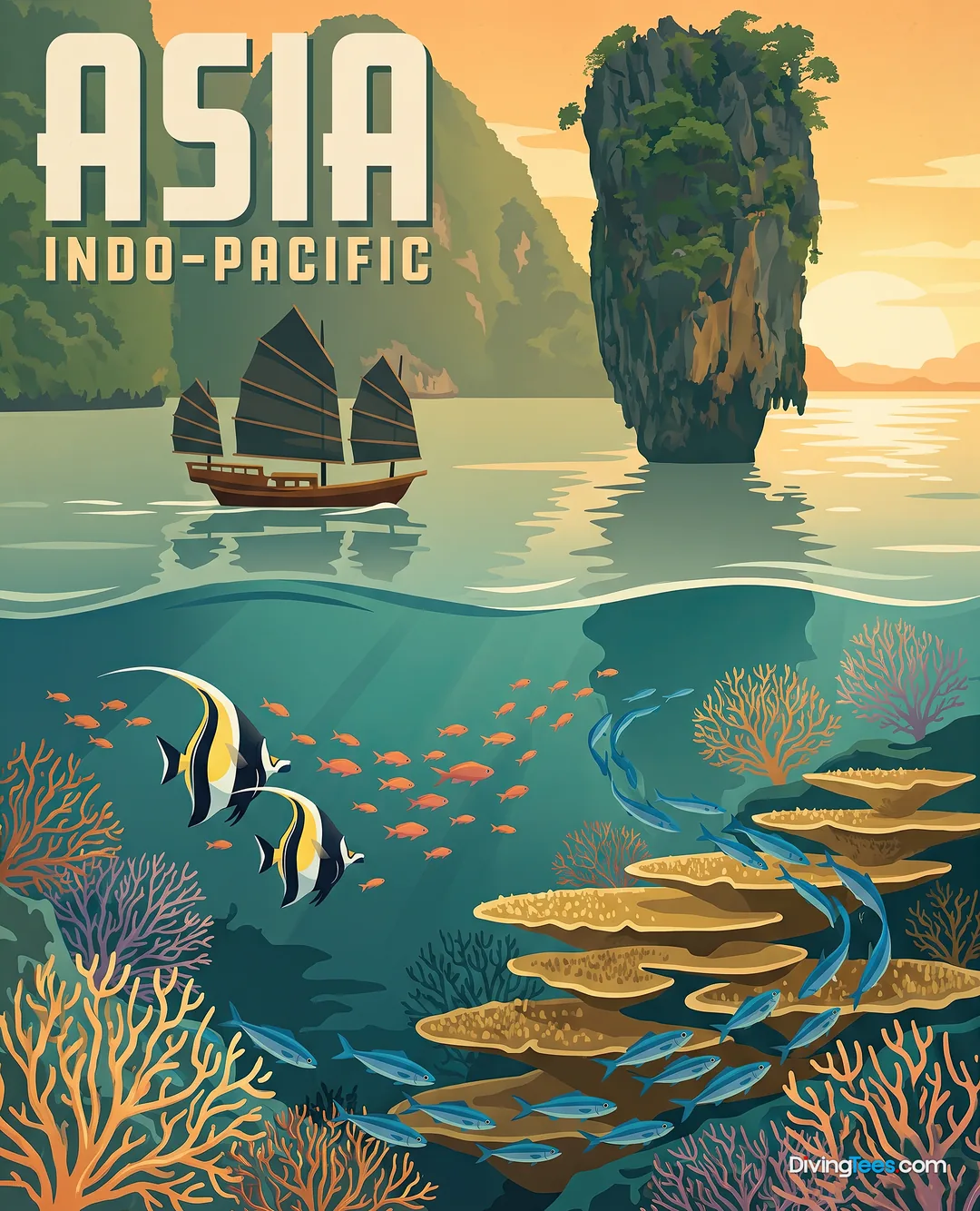
The underwater scenery is built around limestone rather than wrecks: walls, pinnacles, stacked rocks, coral gardens and sandy patches. Koh Bida reaches thirty metres, while Hin Klang is a shallower fifteen-metre reef suited to an easier outing. Hin Bida slopes through finger-like formations, and Nui Rocks gives divers passages to work through among soft corals and macro life. Most diving is arranged as day-boat diving, with traditional longtail boats or larger vessels depending on the trip. Currents are variable, from gentle to moderate at many sites, but can become stronger or shift with tide and wind; the briefing matters. Visibility is not uniform: individual sites report anything from roughly five to twenty-five metres, with rain, swell and plankton reducing the view. Nitrox is useful when several boat dives are planned on consecutive days.
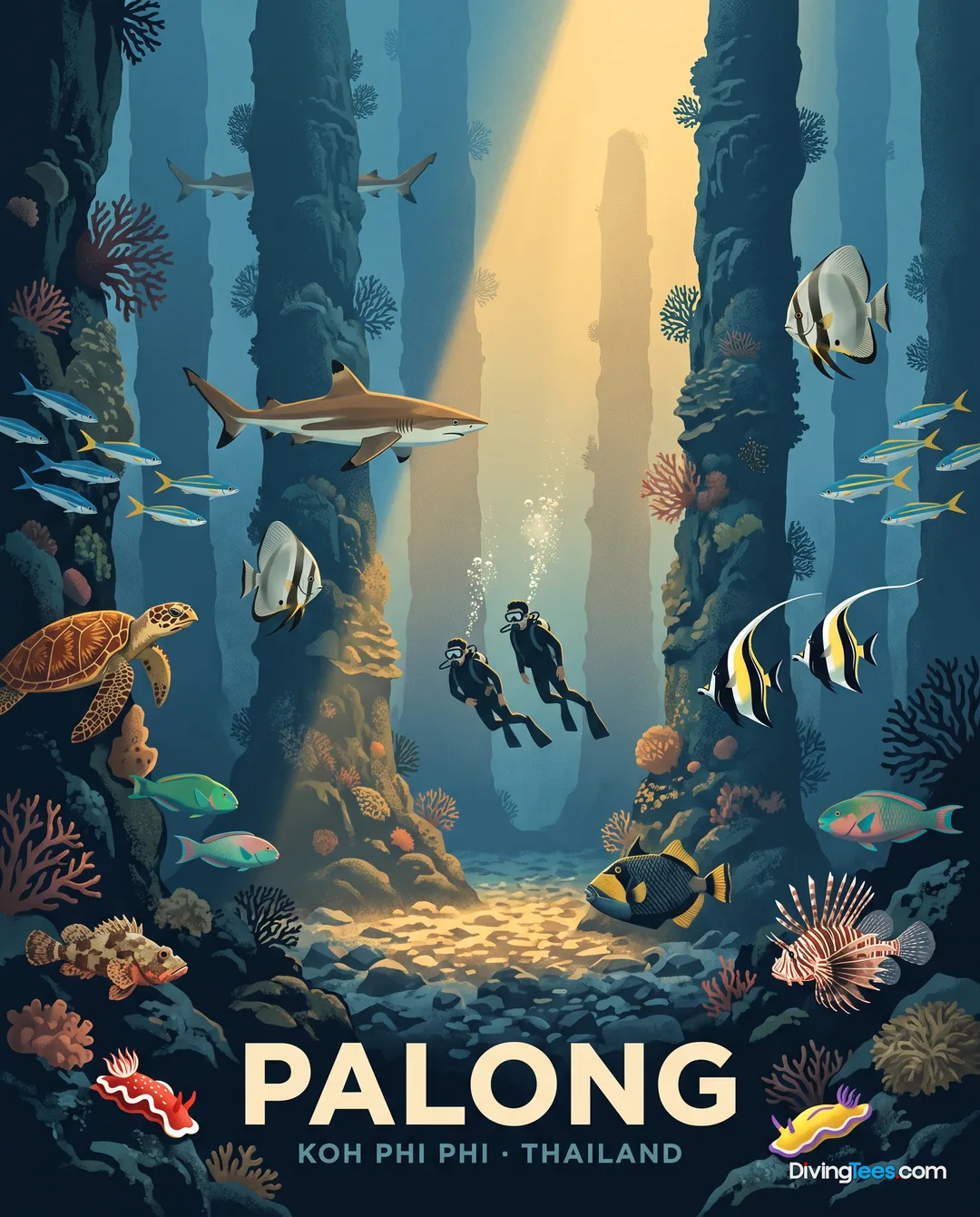
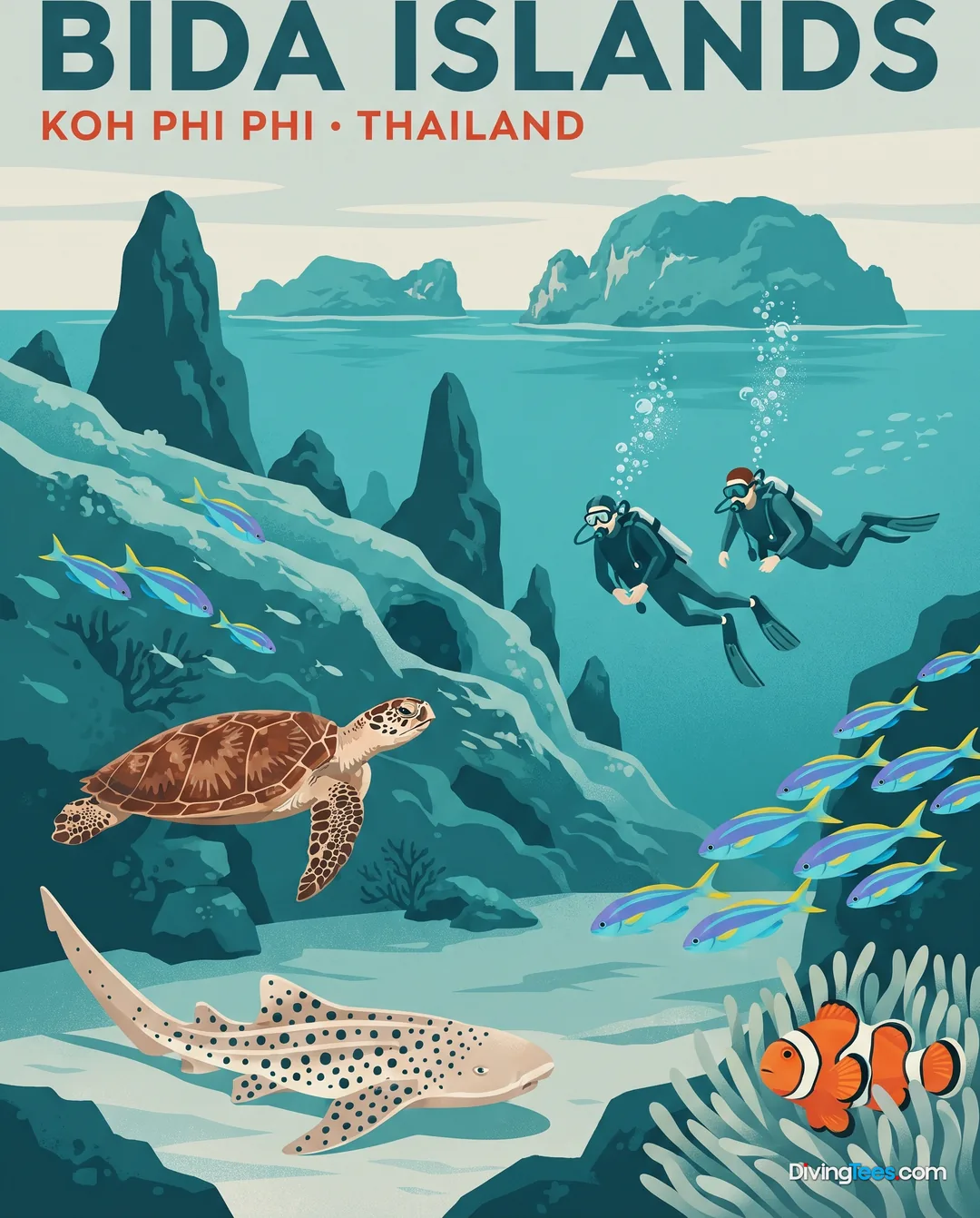
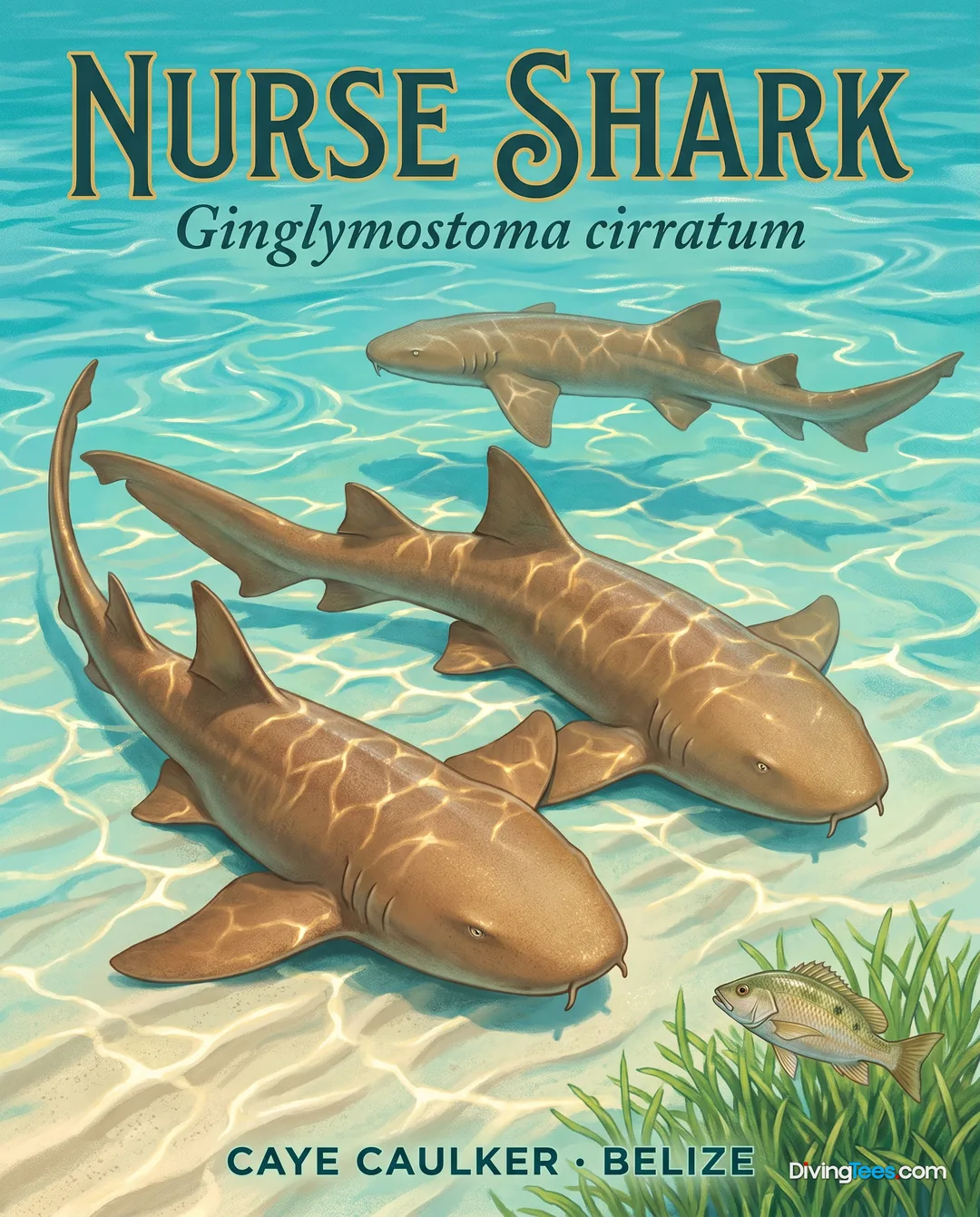
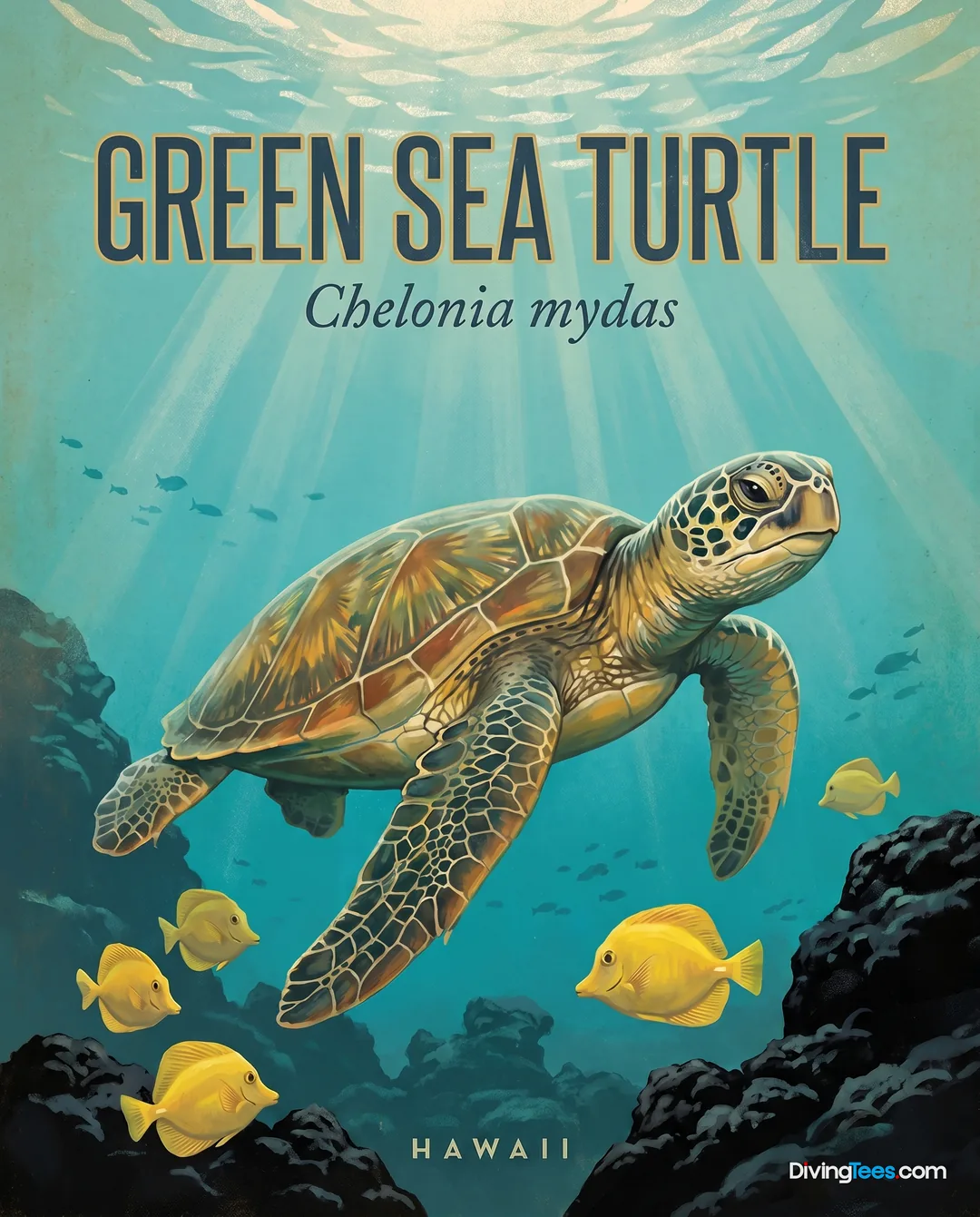
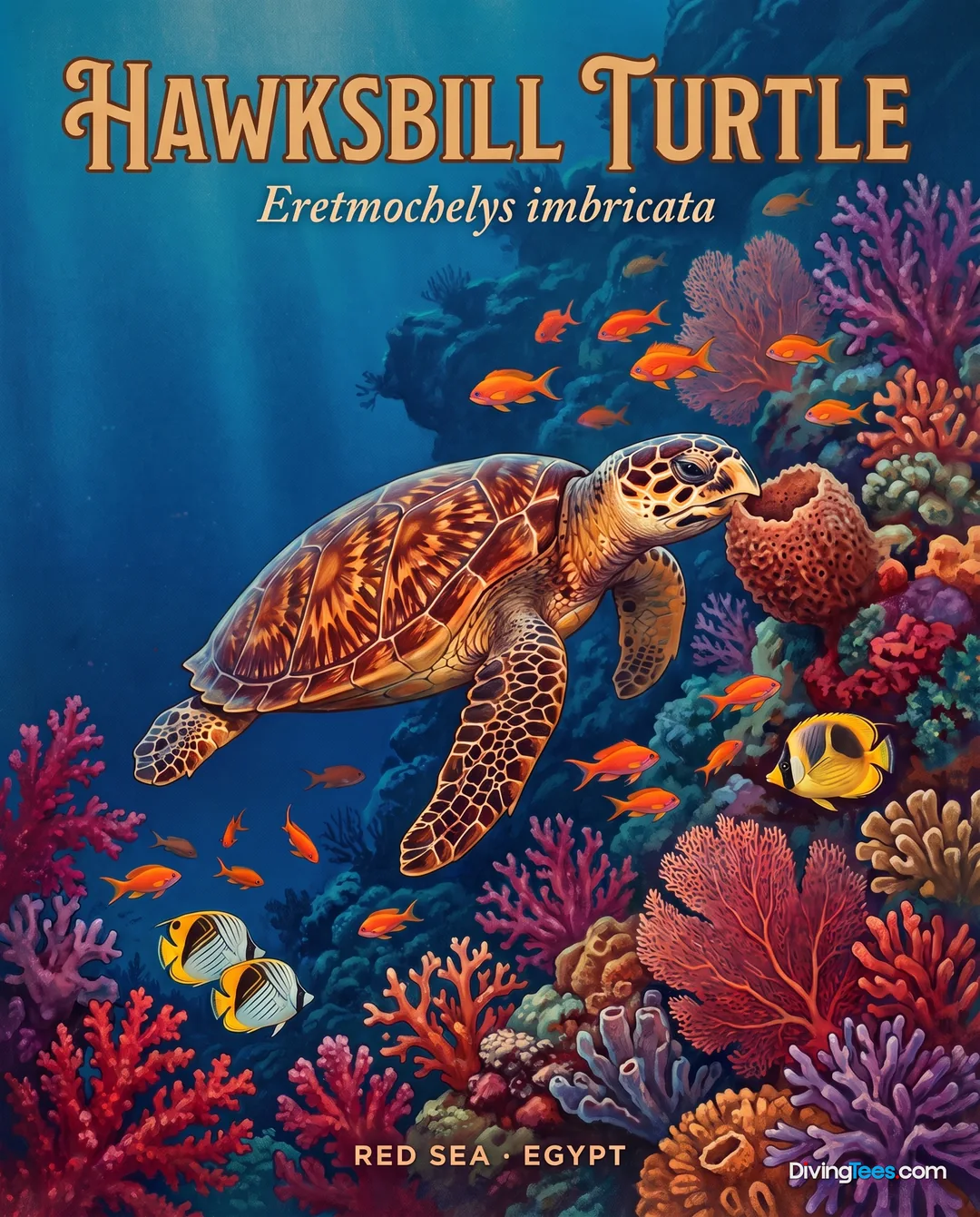
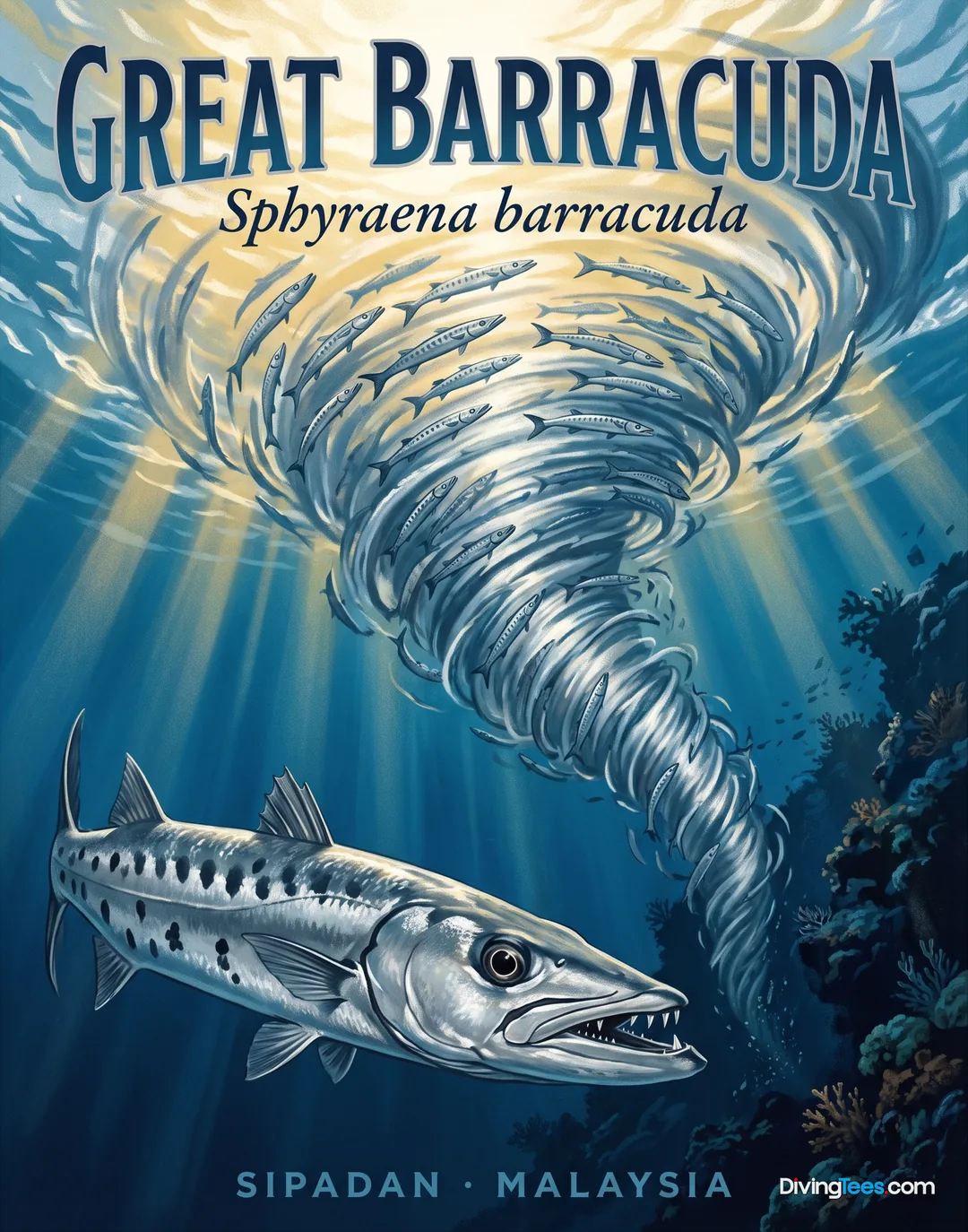
Turtles are a regular possibility, particularly around sites such as Palong and Turtle Rock, where coral gardens, rock stacks and sandy patches provide varied searching. Blacktip reef sharks patrol the perimeter at Palong and Hin Klai, while Hin Bida is associated with leopard sharks resting over sand beside its finger-like reef. Great barracuda, fusilier, snapper and bigeye trevally add movement in the blue, with moray eel and nudibranchs rewarding slower inspection of the reef. Hawksbill turtle and sea turtle sightings are part of the area’s appeal. Whale shark and manta ray encounters are occasional rather than a sensible basis for planning a trip. The strongest general wildlife expectation is warm-water reef life, with larger animals treated as fortunate additions rather than seasonal guarantees.
The measured calmest period runs from October to April, while rainfall is generally lowest from December to April. The main dry season is the practical choice because calmer boat conditions make the short crossings and exposed island sites easier to run. November through April is the most dependable window in the destination dossier, with the west-coast monsoon and stronger swell more influential from May to October. October can be a useful shoulder month, but conditions still deserve flexibility. Outside the busiest high-season weeks, early departures and less famous schedules can make the same reefs feel less crowded.
Koh Phi Phi suits all levels, with shallow reefs such as Hin Klang and the sheltered sections around the Bida Islands useful for newer divers. Open Water divers can enjoy much of the area, while deeper walls, changing current and more demanding boat profiles favour Advanced Open Water experience. BSAC divers should bring the equivalent depth and experience appropriate to the planned site; PADI and SSI qualifications are handled on the same recreational basis. Nitrox is worth considering for repeated day-boat diving, not for a single isolated dive.
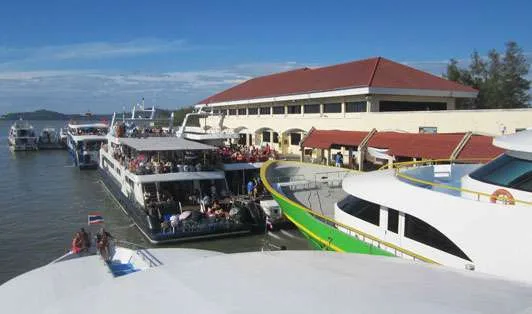
From London Heathrow, London Gatwick or Manchester, the journey involves flying into southern Thailand or the region, then making at least one domestic connection before a road transfer to a ferry pier. The final sea crossing to Koh Phi Phi is compulsory because the island has no airport. Ferry and boat timings are part of the trip rather than a minor detail, and weather can affect the crossing, so a tightly timed onward flight is unwise. Once on Phi Phi, divers staying near the main centre can reach dive offices and much of the practical daily transport on foot. More remote accommodation may require a short taxi or longtail-boat transfer, adding another variable to early departures and luggage handling.
Keep the first boat of the day in mind, especially for Koh Bida, Palong and other heavily visited sites: it usually means less traffic and calmer water before the island excursions arrive. Treat the crossing as weather-dependent and leave breathing room before any onward flight; a dive schedule followed by a ferry and a domestic connection is not a forgiving chain. Staying within walking distance of the main dive offices and pier makes changing schedules far easier than relying on late local transfers. Pack a 3mm shorty or thin full suit, but do not assume a small island will have every rental size. Do not approach Phi Phi as a shore-diving holiday: the useful sites are reached by boat. Finally, leave the reef untouched, collect nothing, feed no marine life and follow national-park mooring rules; at a heavily visited site, poor buoyancy and careless photography have visible consequences.
Three to five days works for a short dive stop, while seven to ten days allows several boat days, island time and a weather margin. The sensible rhythm is a day boat, a land-based break, then another outing rather than treating every day as identical. Koh Phi Phi is well suited to mixed groups: divers can spend the day on reefs and walls while companions use beaches, viewpoints, kayaking or island boat trips. A liveaboard may pass through the wider region, but the island stay is the practical format here.
Hello, I'm Marina, DivingDeal.com's AI assistant. I guide you through destinations, areas and countries.
Thinking about the whole trip and the flights? Talk it over with Edith →
Marina is an AI. Some links are affiliate links: DivingDeal may earn a commission, at no extra cost to you. Bookings are made with the partner.
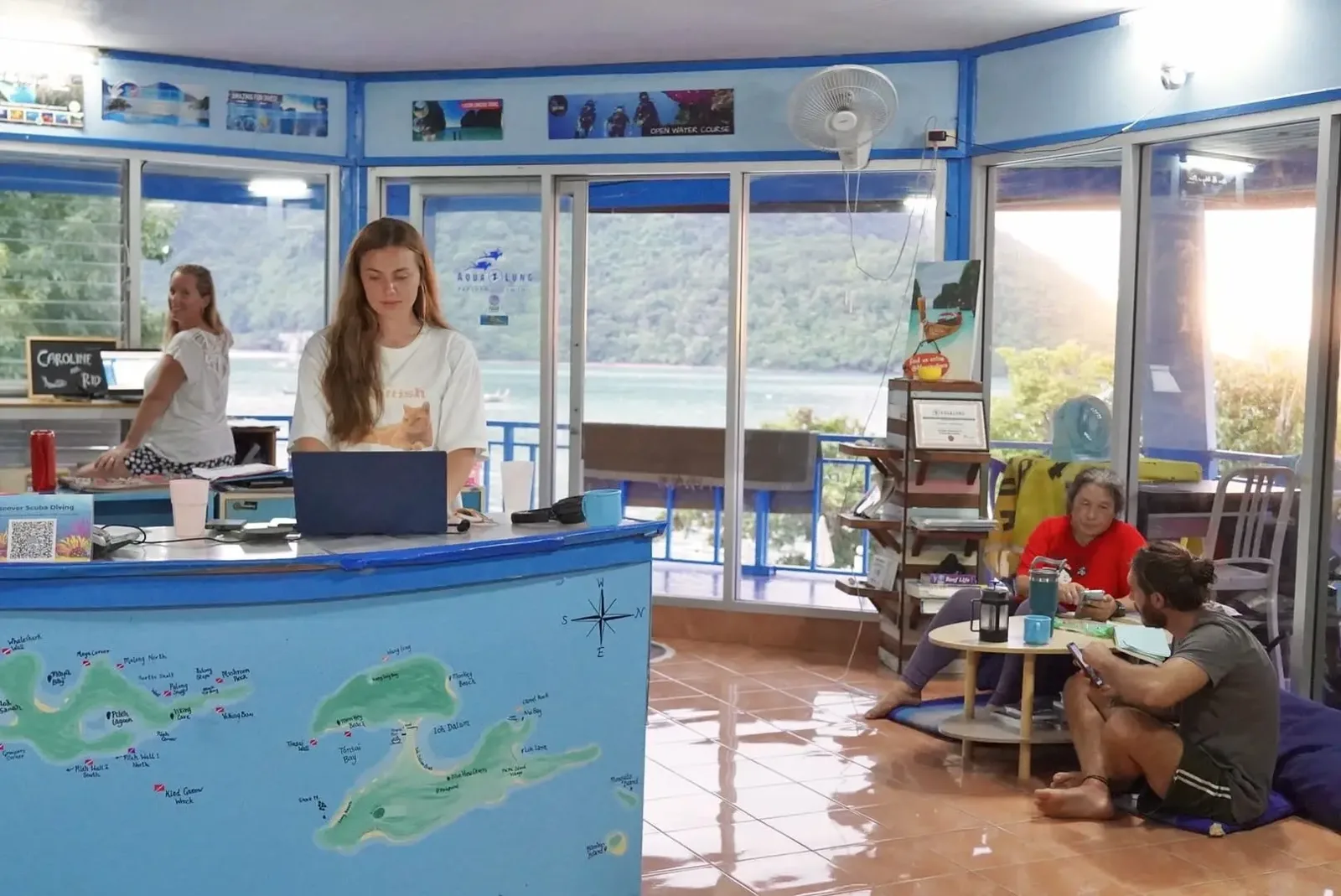
In each one, the dive centre is inside the hotel: step out of your room and go diving.
Dive centre in the hotel★★★
Google 4.3/5 (2,631 reviews)
The dive centre
Blacktip Scuba Phi Phi
PADI
Google 4.8/5 (239 reviews)
Dives: Shark Point, Phi Phi Leh Marine Park
October to April brings the calmest general conditions, while rainfall is usually lowest from December to April. November through April is the most dependable period for boat diving. From May to October, monsoon weather and stronger swell can affect crossings and exposed sites, so keep plans flexible, especially in October.
Koh Phi Phi suits divers of different levels. Open Water divers can enjoy shallow reefs such as Hin Klang and sheltered sections around the Bida Islands. Deeper walls, changing currents and more demanding boat profiles suit Advanced Open Water experience. Your briefing remains important because currents can shift with tide and wind.
You can explore limestone walls, pinnacles, stacked rocks, coral gardens, sandy patches and passages among soft corals. Turtles and blacktip reef sharks are possible around Palong, while Hin Bida is associated with leopard sharks. Barracuda, fusiliers, snapper, trevally, moray eels and nudibranchs add variety, with whale sharks and manta rays occasional.
Plan a boat-based island stay rather than a shore-diving holiday, and consider staying within walking distance of the main dive offices and pier. Three to five days suits a short dive stop, while seven to ten days allows several boat days, island time and weather flexibility. Leave breathing room around ferries and flights.