

Aussie Divers Phuket
Google 5/5 (1,230 reviews)
Thailand · Asia
Limestone walls, shallow coral reefs, a tin-mine wreck and encounters with barracuda, manta rays and whale sharks shape Phuket’s diving.
For subtitles in English: start the video firstthen click the gearat the top right of the video, select “Subtitles/CC”, then “Auto-translate” and choose “English”.
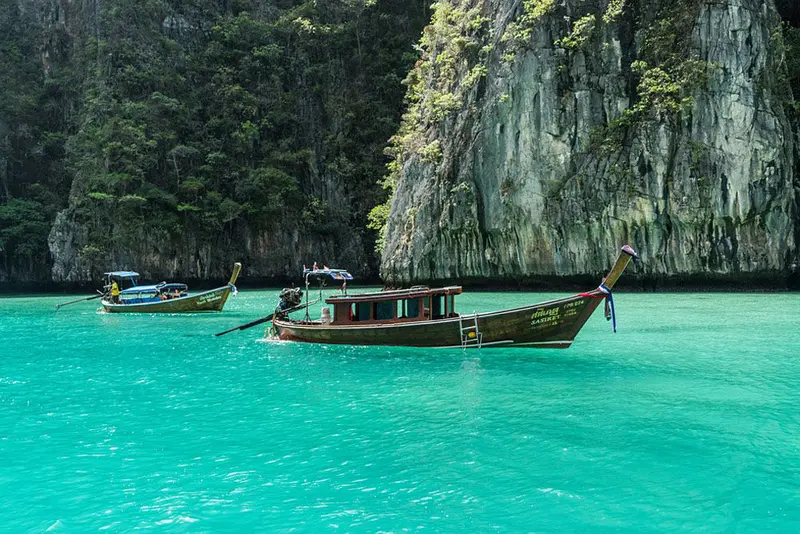
Koh Doc Mai’s limestone walls give Phuket its clearest underwater signature, but the island is less a single dive site than a practical base for boat trips. From the coast, outings reach reefs, pinnacles, islands and protected marine parks, with sites ranging from shallow coral gardens to exposed walls and deeper plateaus. Koh Waeo adds a small tin-mine wreck, while Racha Noi brings clearer water and more demanding current work. Above water, Phuket has enough beaches, transport and sightseeing to suit a mixed group.
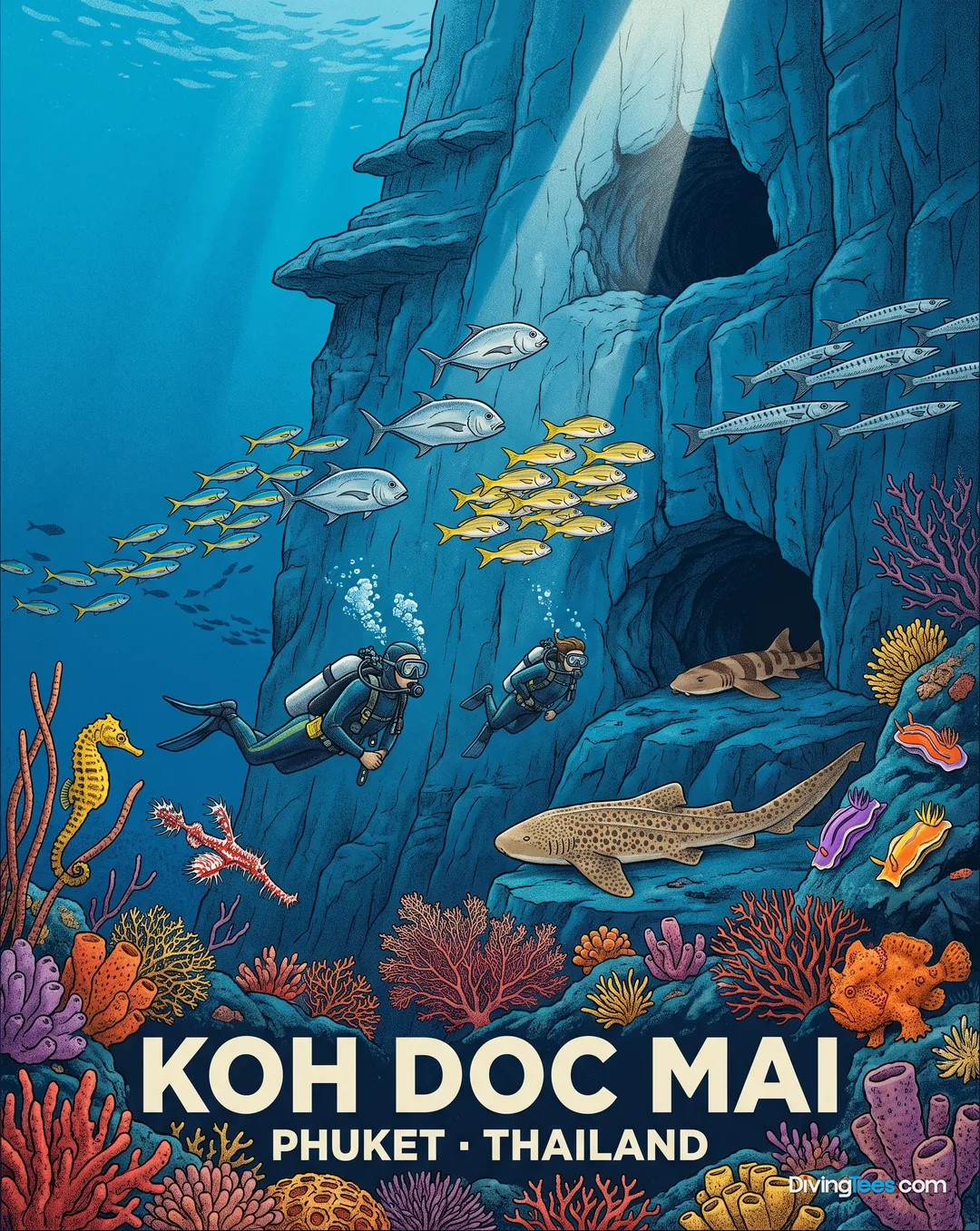
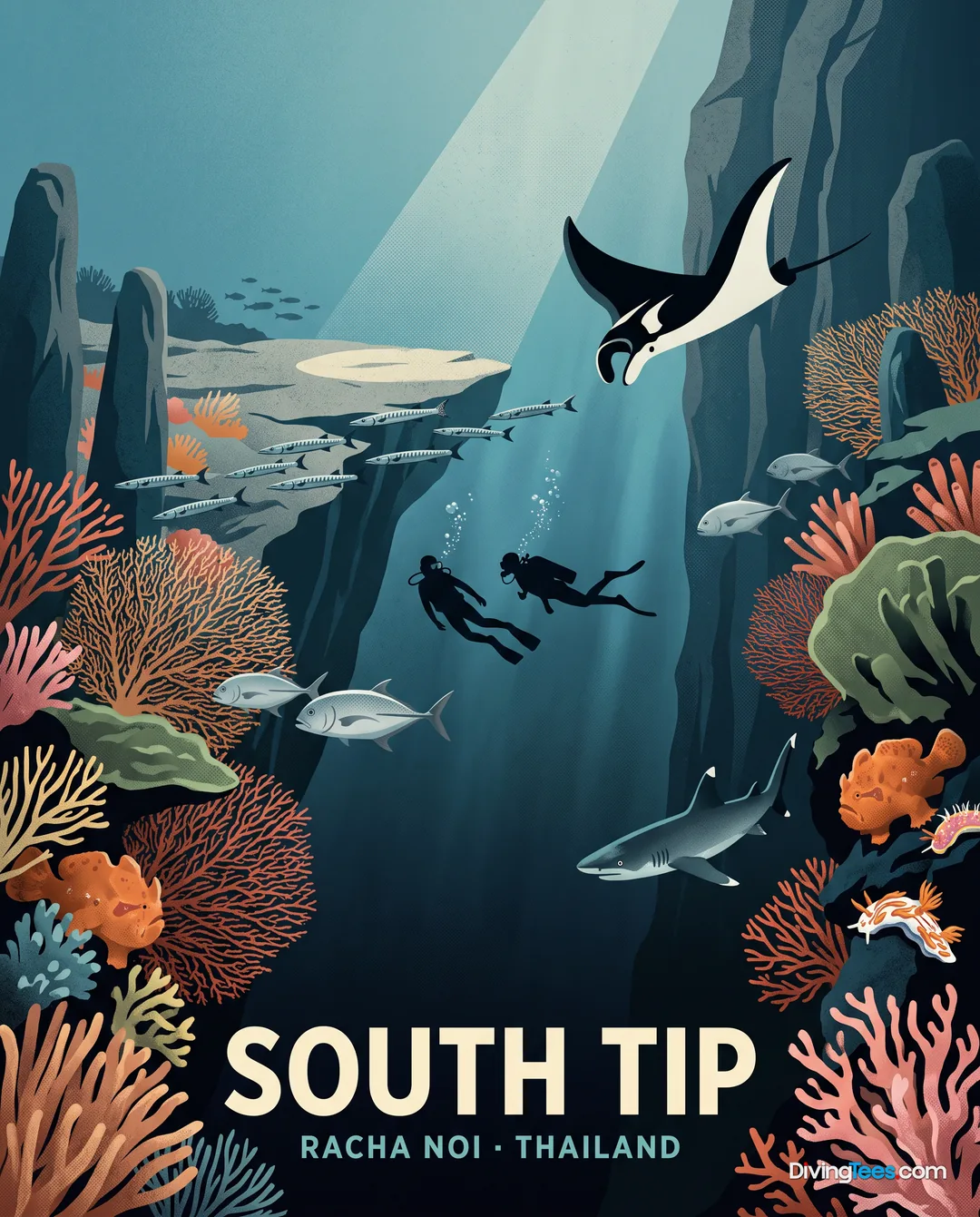
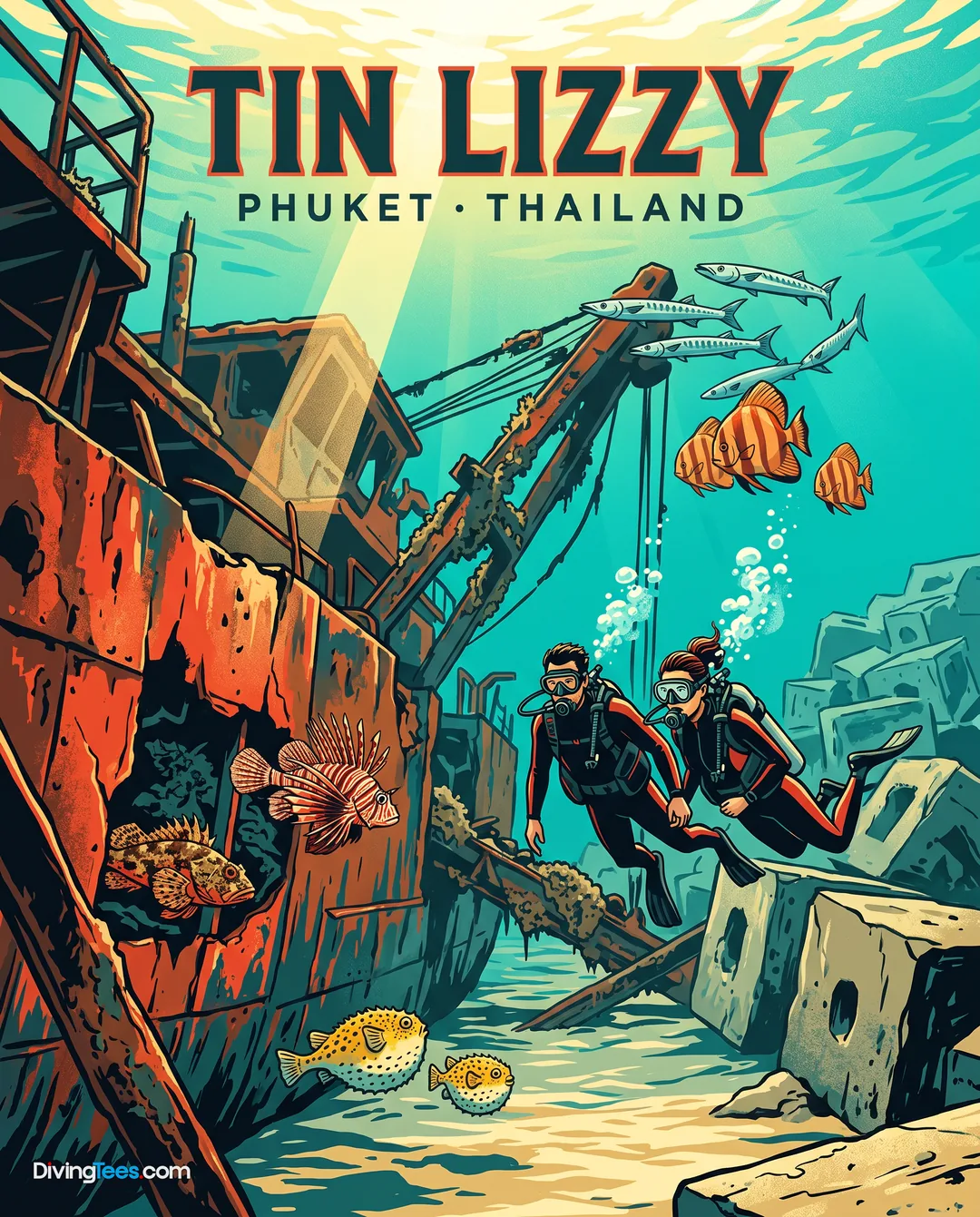
Phuket’s diving moves between coral reefs, limestone walls, pinnacles and occasional wreck structure. Koh Doc Mai is a close-up dive: vertical faces descend to 32 metres, with coral growth, small caves and macro life tucked into the wall. Koh Waeo is gentler, with hard coral and a tin-mine wreck in roughly 14 to 15 metres. At the other end, South Tip on Racha Noi combines steep walls and broad plateaus from 9 metres towards 70 metres, where strong currents can turn the dive into a careful drift. Conditions are variable rather than uniformly easy. Visibility may range from 5 to 20 metres at Koh Doc Mai and as much as 25 metres at South Tip, while Racha Noi can offer 20 to 30 metres. Most diving is organised as day-boat travel, with longer Andaman itineraries available by liveaboard.
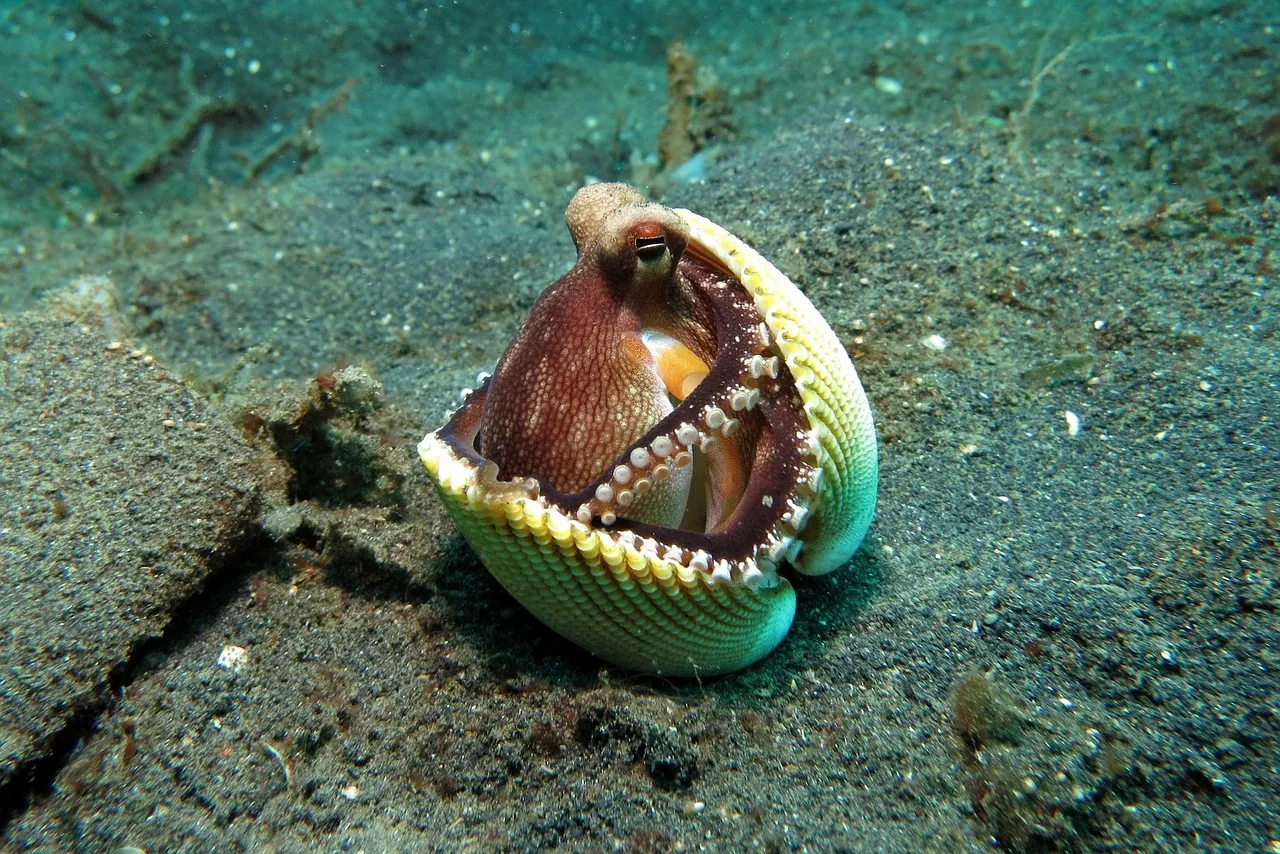
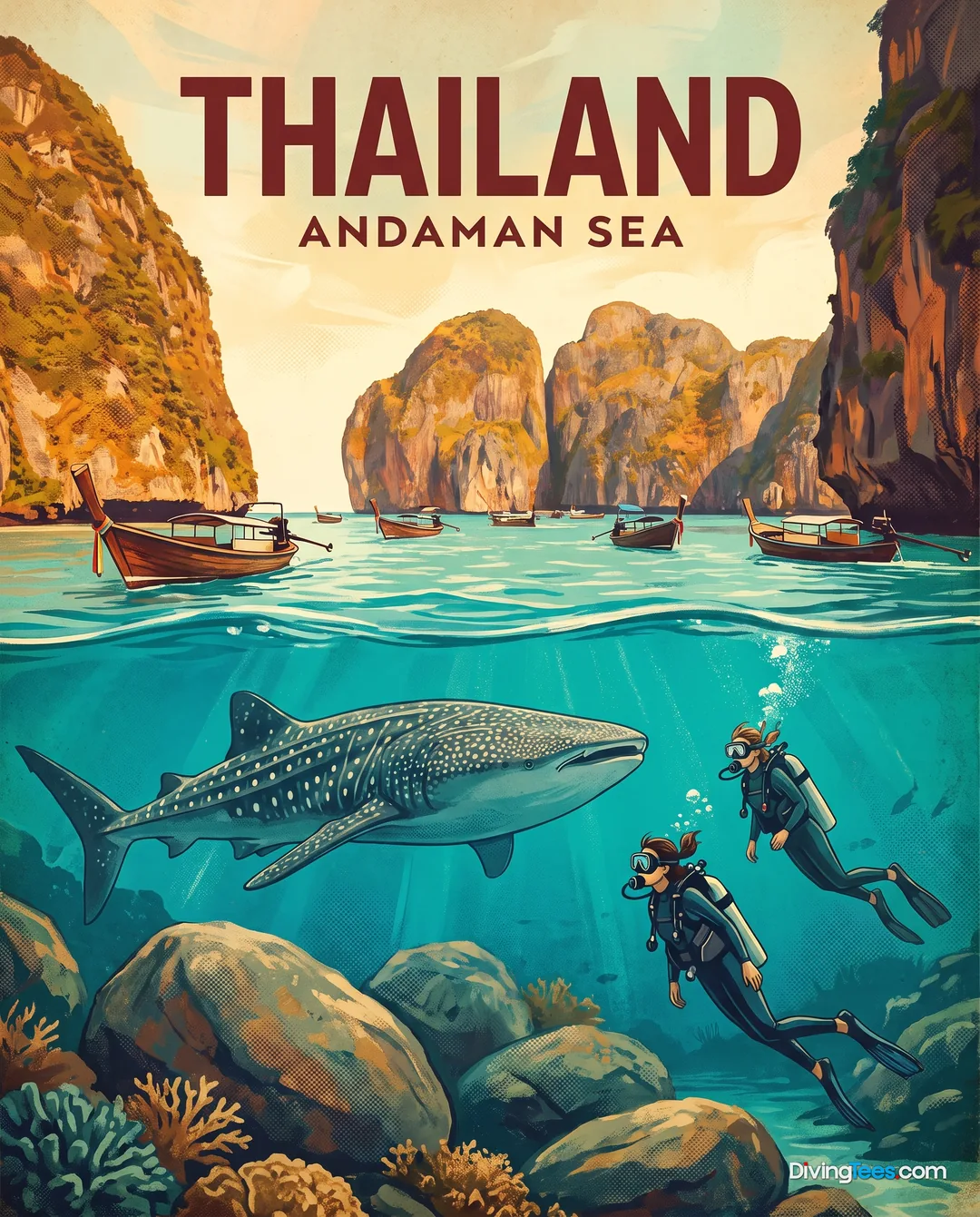
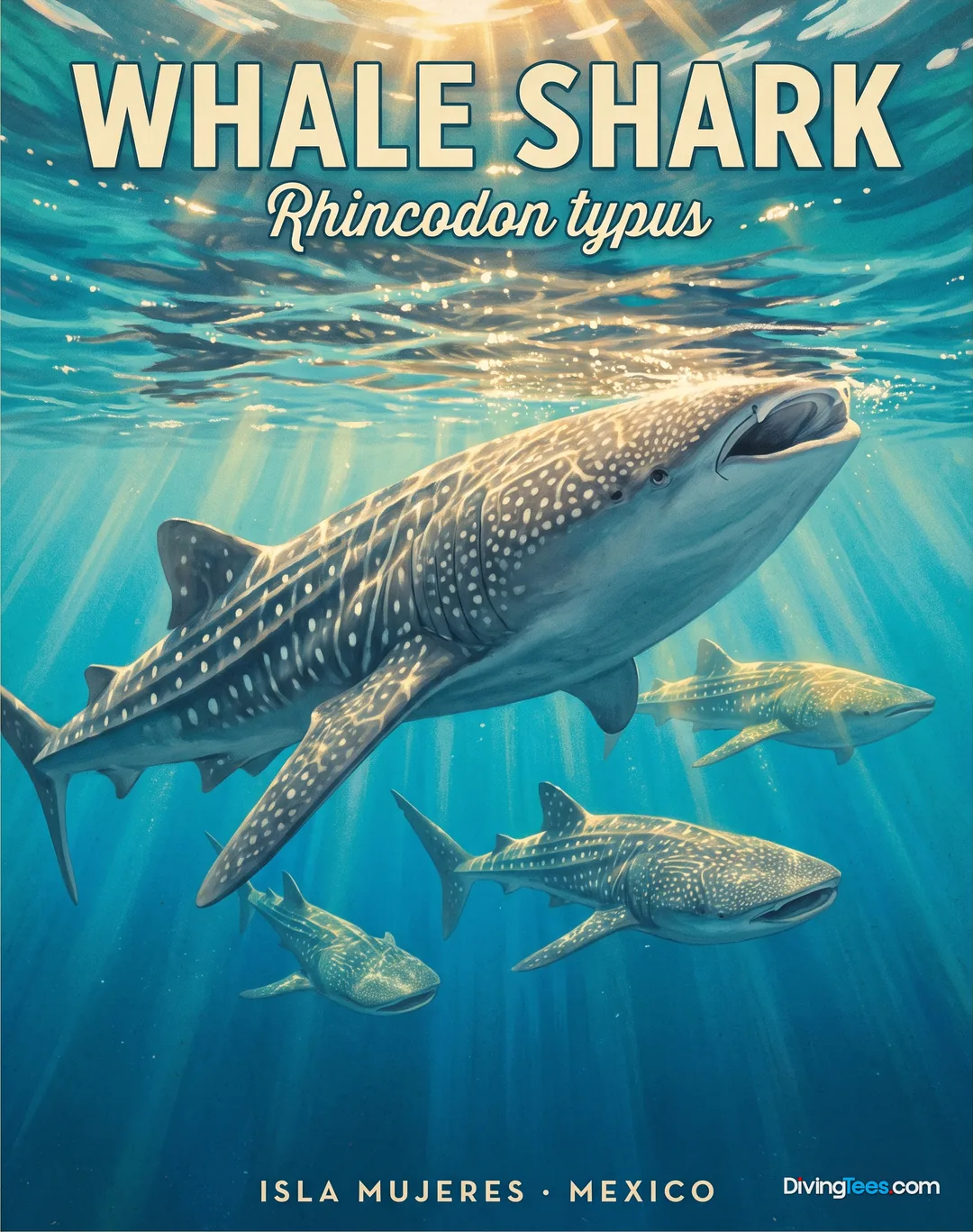
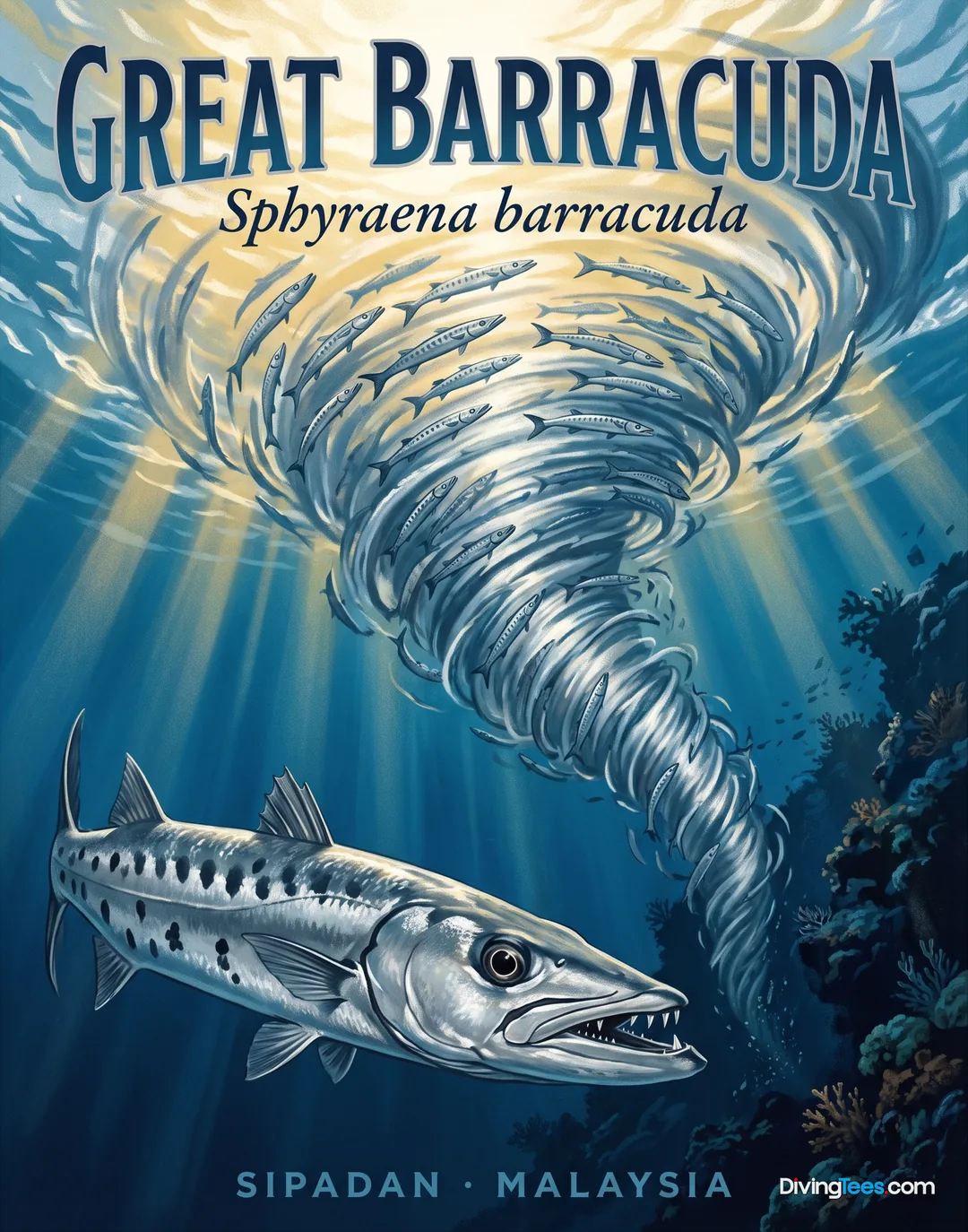
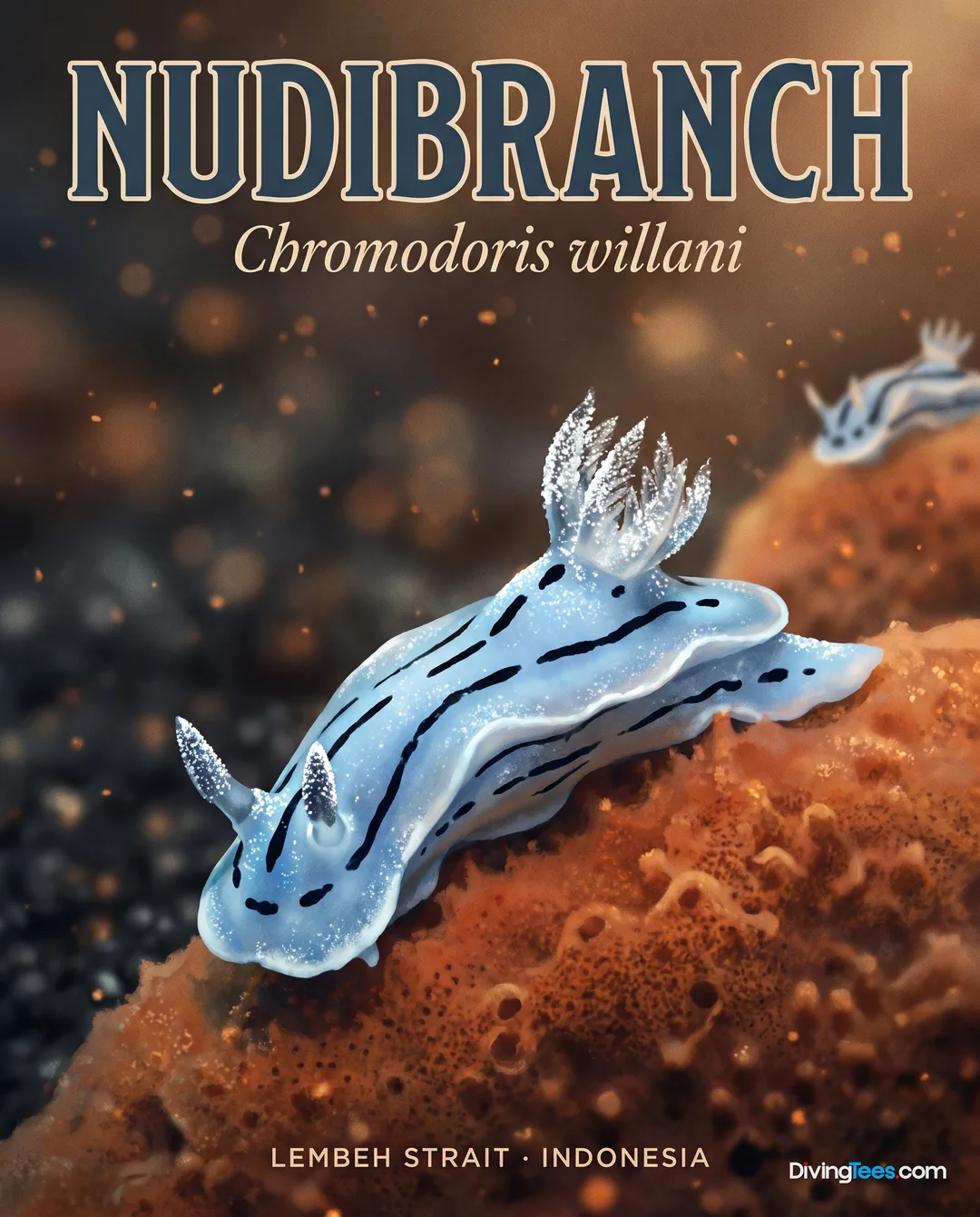
The reefs support fusilier, reef fish, jack and bigeye trevally, with great barracudas providing the larger, more obvious encounters. Koh Waeo’s hard coral and shallow wreck suit slow searching and underwater photography, while Koh Doc Mai rewards a torch and patient inspection of the wall for nudibranchs, bamboo shark and coral-banded sea snakes. Marbled rays and leopard shark are among the animals associated with the wider area. Manta ray and whale shark sightings are seasonal possibilities rather than dependable appointments, reported most often on Andaman trips during the dry season. October to April is the period most associated with the calmer conditions and better chance of making those longer journeys.
The practical diving window runs from November to April, although measured conditions show the sea at its calmest from October through April. Rainfall is lowest from December to April, which helps with boat travel as well as the view underwater. From May to October, the south-west monsoon brings more wind, surface chop and suspended material; some sites and operators also become less available. High season means more boats and divers at the popular sites, so a flexible plan matters. A three-millimetre full suit or a shorty is usually suitable, depending on personal tolerance.
Phuket works for beginners and experienced divers because the area includes sheltered, shallow reefs as well as exposed sites with stronger current. Koh Waeo is suitable for all levels, whereas Koh Doc Mai demands comfort with current and care around its narrower caves. South Tip is an Advanced Open Water level proposition, with practical experience in strong current more important than the card alone. PADI, SSI and BSAC divers should match the site to recent experience. Nitrox is useful for repeated, relatively shallow diving over several days.
From London Heathrow, Gatwick or Manchester, the journey is organised around air connections to Phuket airport. Once there, the important transfer is overland: taxis, minibuses or hotel shuttles connect coastal accommodation with the marinas, piers and dive departures, particularly around the south-west coast. Phuket is therefore not a walk-from-the-beach diving destination; the boat departure is part of every excursion and may be some distance from the accommodation. Allow time for the road transfer before an early sailing, and avoid building a tightly timed onward journey around the return boat, since departures and returns depend on sea conditions and the season.
Treat Phuket as a network of boat routes rather than a single local reef. Spread the diving across different sectors so the itinerary does not repeatedly return to the busiest sites. For the most sought-after marine parks, book early in the dry-season months: access can depend on park controls and authorised boat capacity, not simply on finding a spare place on a boat. Morning departures are worthwhile because exposed island crossings can become rougher later in the day. Keep one day free as weather insurance; a monsoon cancellation or a re-routed trip can otherwise remove an important part of the plan. Bring personal mask, computer and other comfort-critical basics if possible, as rental quality can vary on a busy destination. Staying in the south-west or near the roads to the marinas cuts repeated transfers. Do not assume that Phuket means easy, short dives: Koh Doc Mai can carry current, South Tip is a serious advanced site, and the more distant parks involve substantial time on the water. In protected areas, follow the no-touch and no-anchoring rules exactly, and expect park fees or permits to form part of the day’s arrangements.
Five to seven days allows a sensible mix of local reefs, wall dives and longer island trips, with a spare day for rough weather. A land-based stay suits most visitors and gives non-divers beaches, coastal boat excursions and Phuket Old Town. Liveaboards are the alternative when the priority is reaching more distant Andaman sectors. Before flying home, a shore-based rest day is more useful than scheduling one last long boat journey.
Hello, I'm Marina, DivingDeal.com's AI assistant. I guide you through destinations, areas and countries.
Thinking about the whole trip and the flights? Talk it over with Edith →
Marina is an AI. Some links are affiliate links: DivingDeal may earn a commission, at no extra cost to you. Bookings are made with the partner.
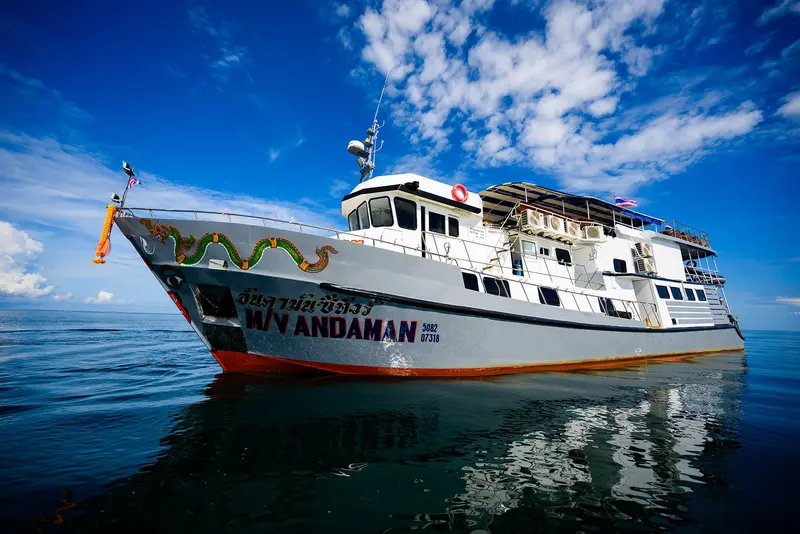
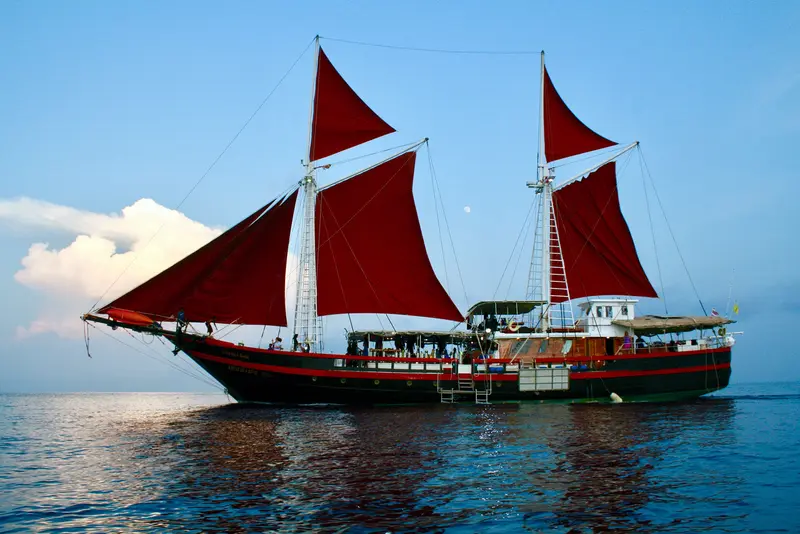
9 liveaboards depart from Phuket another way to explore the region, over several days at sea.
Your last day stays dry: no diving in the 18-24 hours before a flight, the perfect window to see the destination from another angle.
 Nature
⏱ 7 h · ★ 5.0 (148 reviews)
from £908$1,214€1,085
see on Viator ↗
 Culture
⏱ 3 h · ★ 5.0 (43 reviews)
from £34$46€41
see on Viator ↗
 Culture
⏱ 1 day · ★ 5.0 (35 reviews)
from £89$118€106
see on Viator ↗

⏱ 1 h · ★ 5.0 (29 reviews)
from £79$106€95
see on Viator ↗
Ratings and reviews collected by Viator and Tripadvisor.
Plan your Phuket diving between November and April, when boat conditions are generally calmer and rainfall is lower. October through April is associated with calmer seas, while May to October can bring wind, surface chop and suspended material. Seasonal Andaman trips during the dry season may offer manta rays and whale sharks.
Phuket suits beginners and experienced divers because you can choose sheltered, shallow reefs or exposed sites with stronger current. Koh Waeo suits all levels, while Koh Doc Mai requires comfort with current and care around narrower caves. South Tip is for Advanced Open Water divers with practical strong-current experience.
Phuket offers coral reefs, limestone walls, pinnacles and a tin-mine wreck. At Koh Doc Mai, you can inspect coral growth, small caves and macro life such as nudibranchs, bamboo sharks and coral-banded sea snakes. Koh Waeo suits slow searches, while barracuda, trevally, manta rays and whale sharks may feature on suitable trips.
Treat Phuket as a base for boat routes rather than a walk-from-the-beach destination. A land-based stay gives you access to local reefs, wall dives and island trips, while non-divers can enjoy beaches and Old Town. Allow time for transfers, keep a weather day free, and consider staying near marina roads.