
 Dive centre in the hotel
The Racha
★★★★★
Google 4.5/5 (1,757 reviews)

The dive centre
The Racha Dive Center
PADI
Google 4.8/5 (26 reviews)
Dives: Lucy’s Reef, Staghorn Reef, Lah Bay
Thailand · Asia
Racha Yai’s wrecks, Racha Noi’s deep pinnacles, sandy coral gardens and occasional manta rays shape Rawai’s day-boat diving.
For subtitles in English: start the video firstthen click the gearat the top right of the video, select “Subtitles/CC”, then “Auto-translate” and choose “English”.
Racha Yai’s wrecks and coral gardens show what Rawai is really for: a shore-based stay on southern Phuket, followed by boat trips to the islands and reefs offshore. Rawai is not a self-contained dive island or a place built around daily shore dives. It is a practical base for divers who want to return to the same accommodation each evening, while non-divers have beaches, restaurants and land excursions close at hand. The trade-off is road and boat logistics rather than a walk-in-to-the-water holiday.
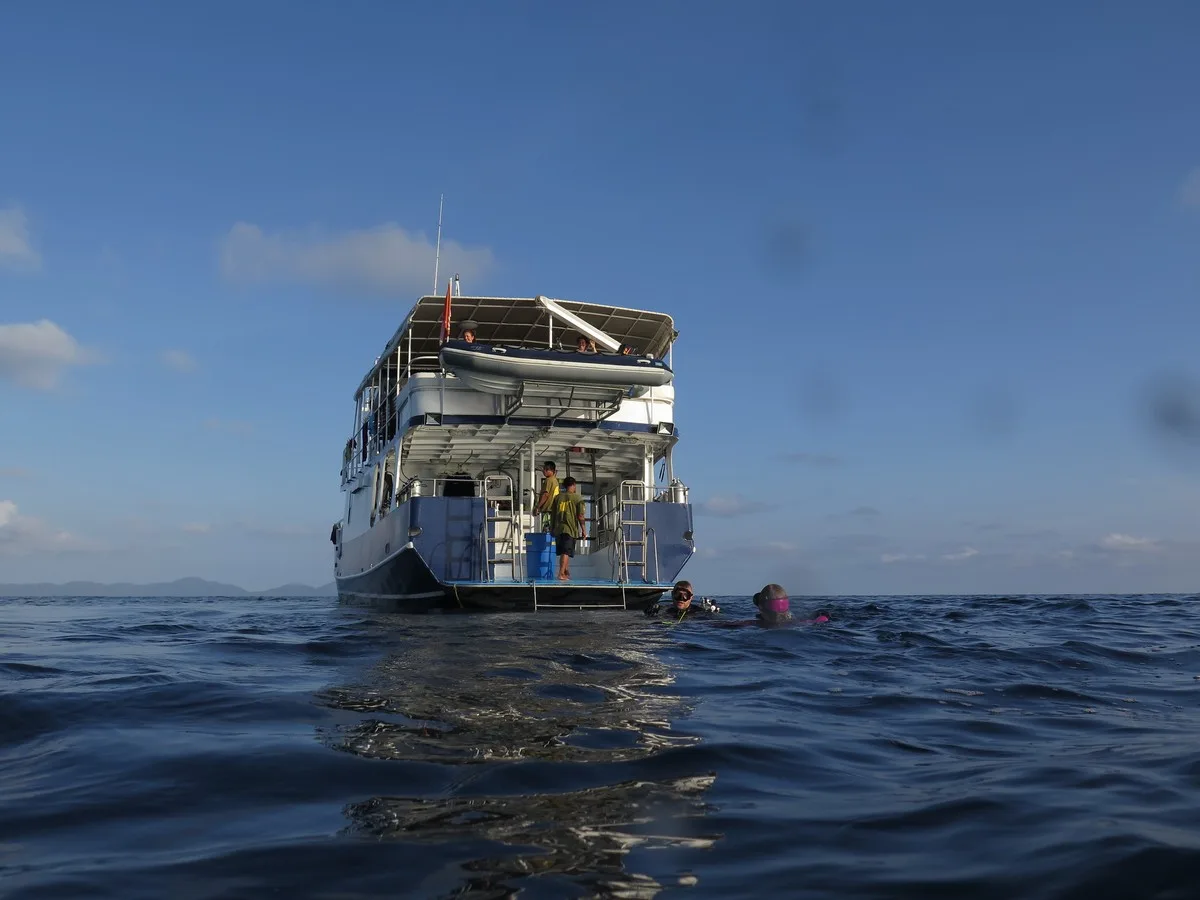
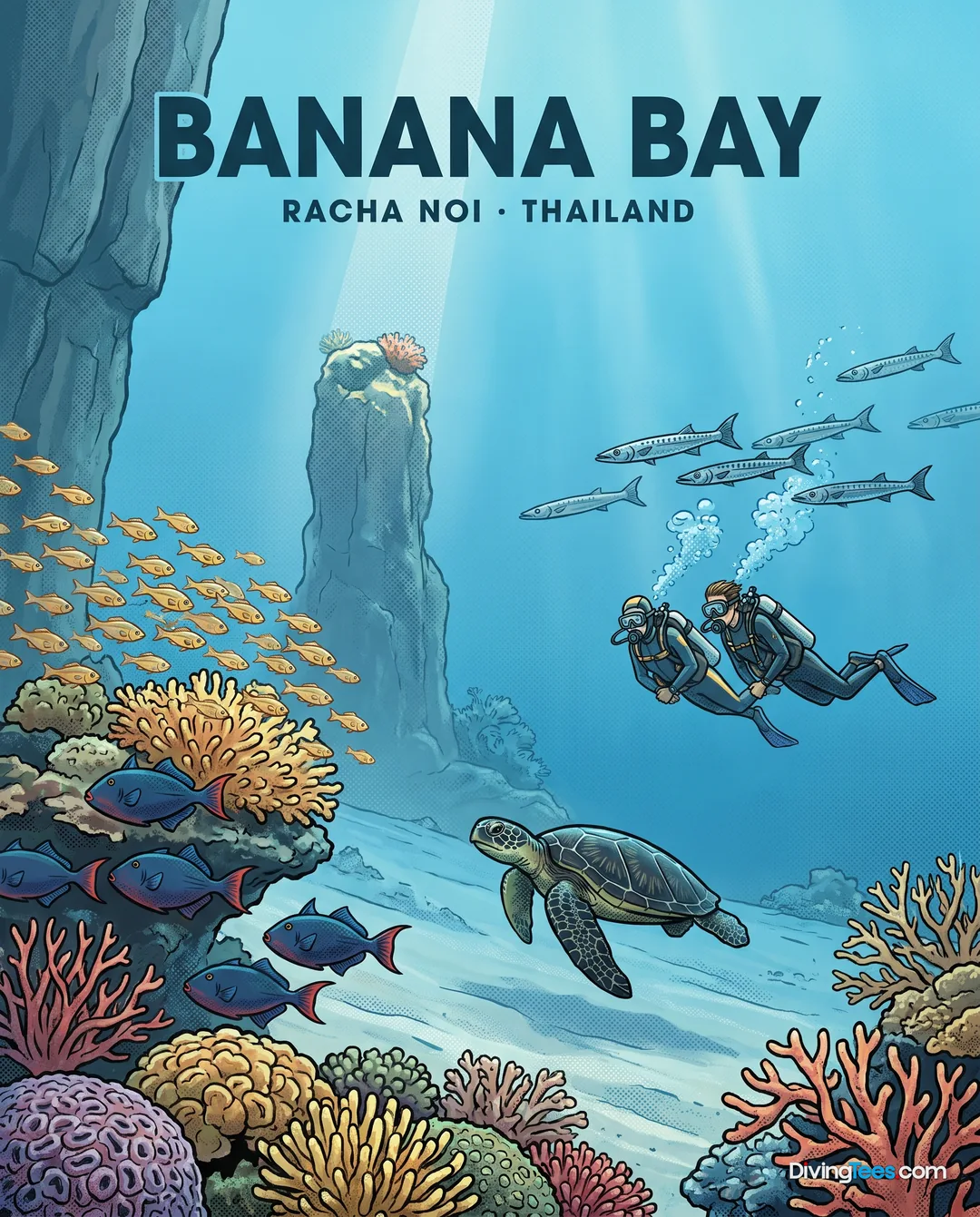
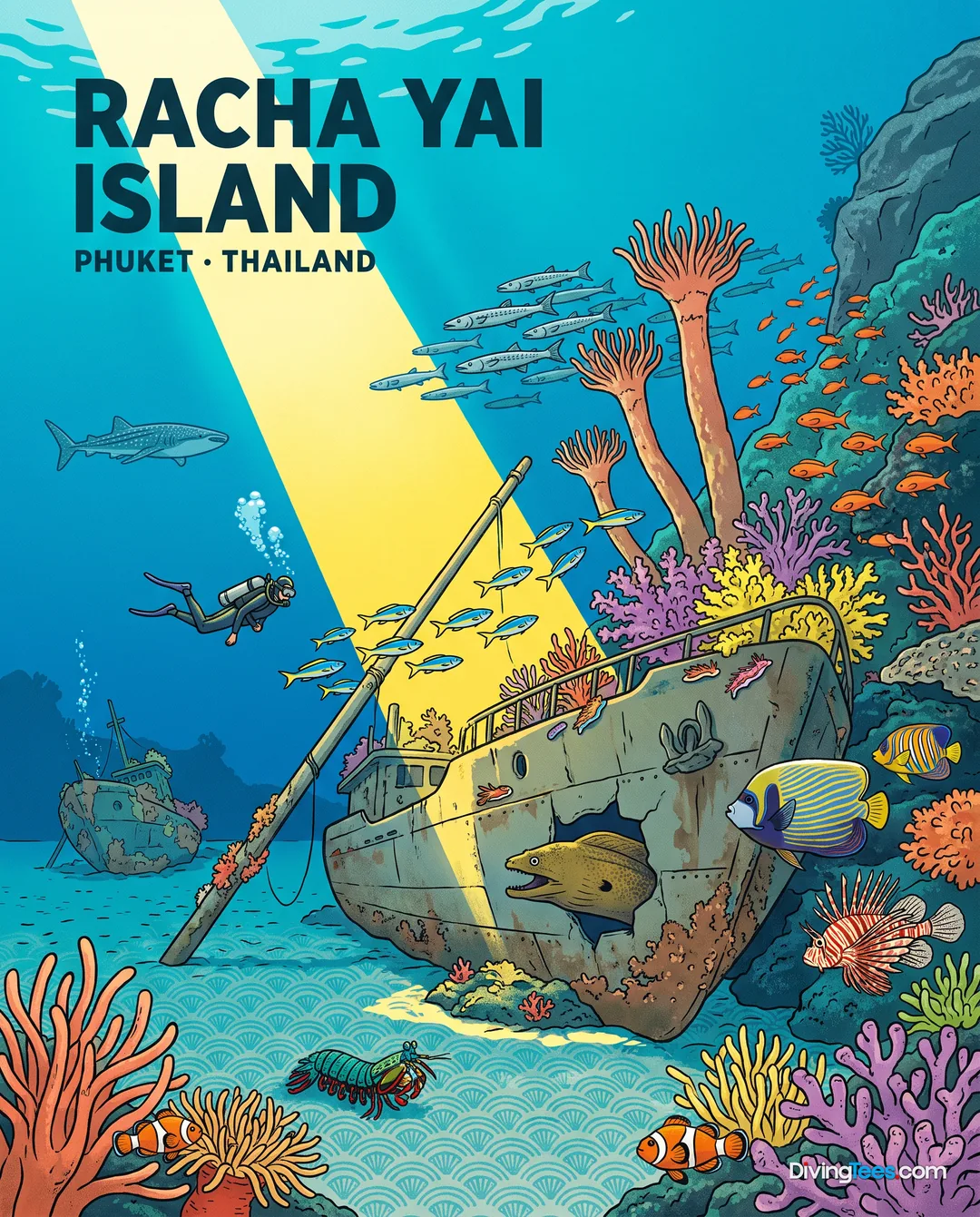
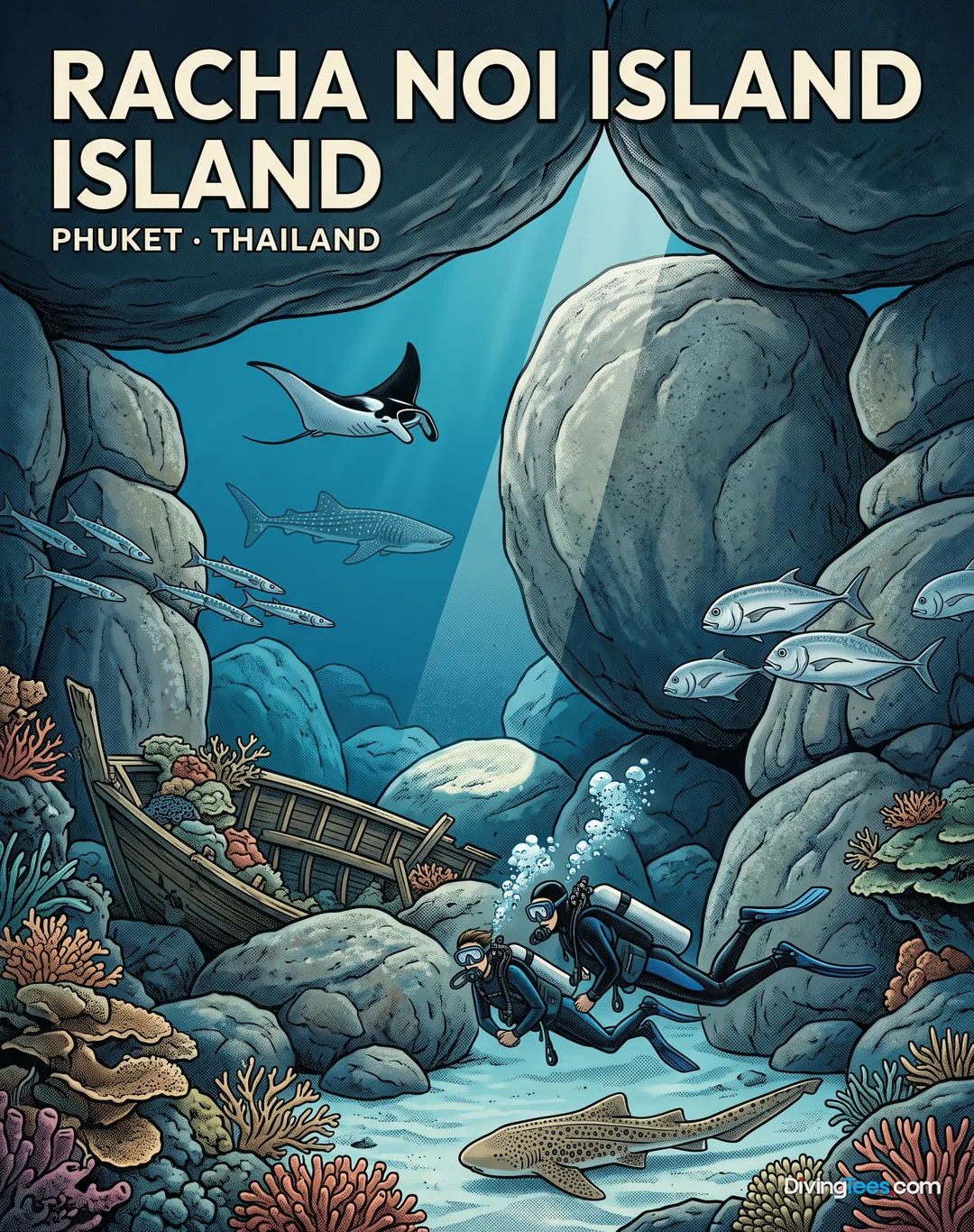
Diving from Rawai means day boats to reefs, rocky pinnacles, sheltered bays and wrecks. Racha Yai offers sandy areas, coral and several wrecks, with generally weak current and depths suitable for relaxed recreational diving. At Racha Noi, the scenery becomes more substantial: large rock formations, walls and offshore pinnacles, with deeper sections reaching technical depths. Banana Bay combines shallow coral gardens with sandy expanses, while Marina Bay adds swim-throughs and deeper rock. Siam Bay is gentler, with sandy slopes, coral sections and artificial reef structures. Currents are variable across the wider programme; sheltered bays can be mild, while the exposed tips and pinnacles at Racha Noi may demand more experience. Visibility is often clear, but rain, runoff, wind and seasonal swell can reduce it.
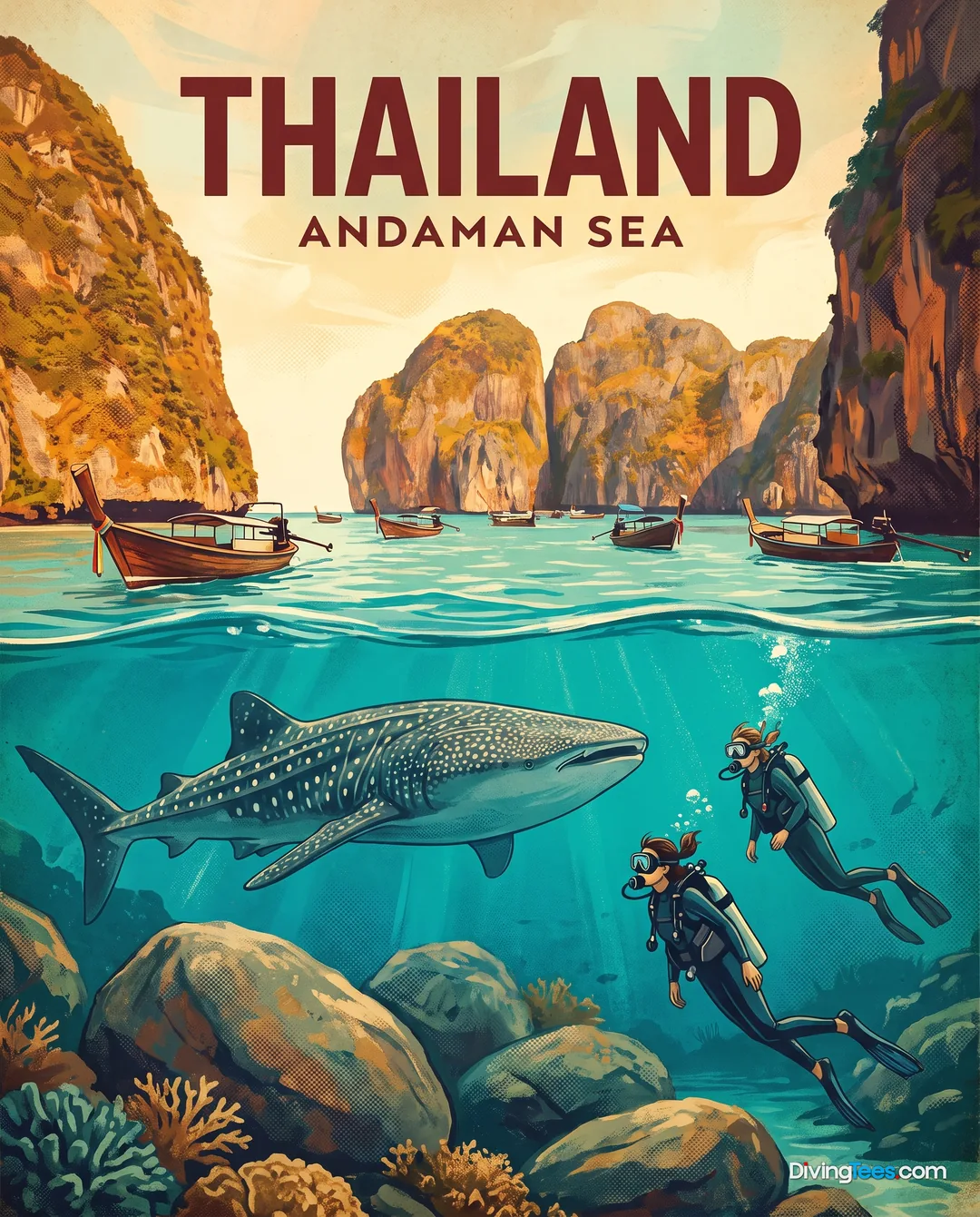
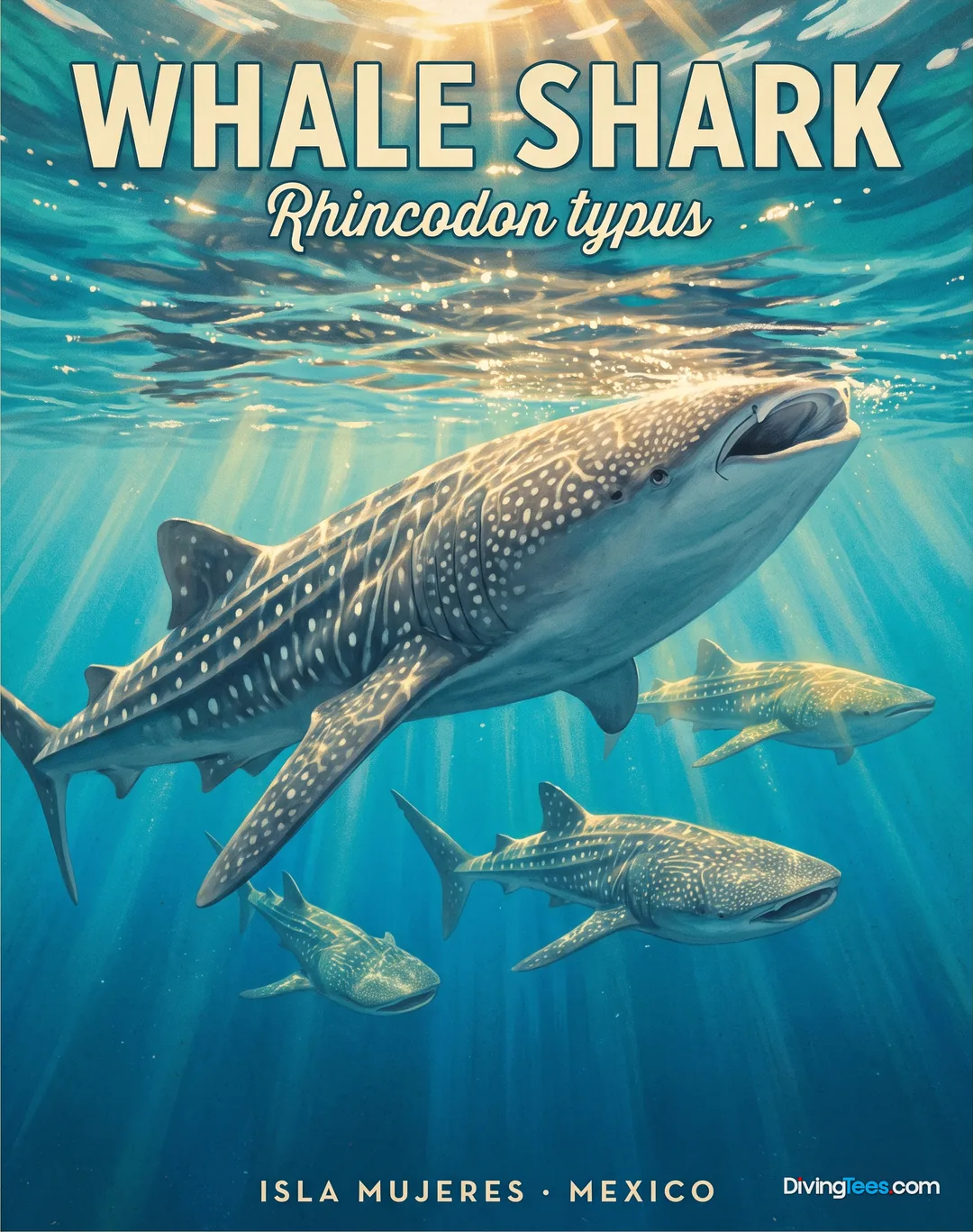
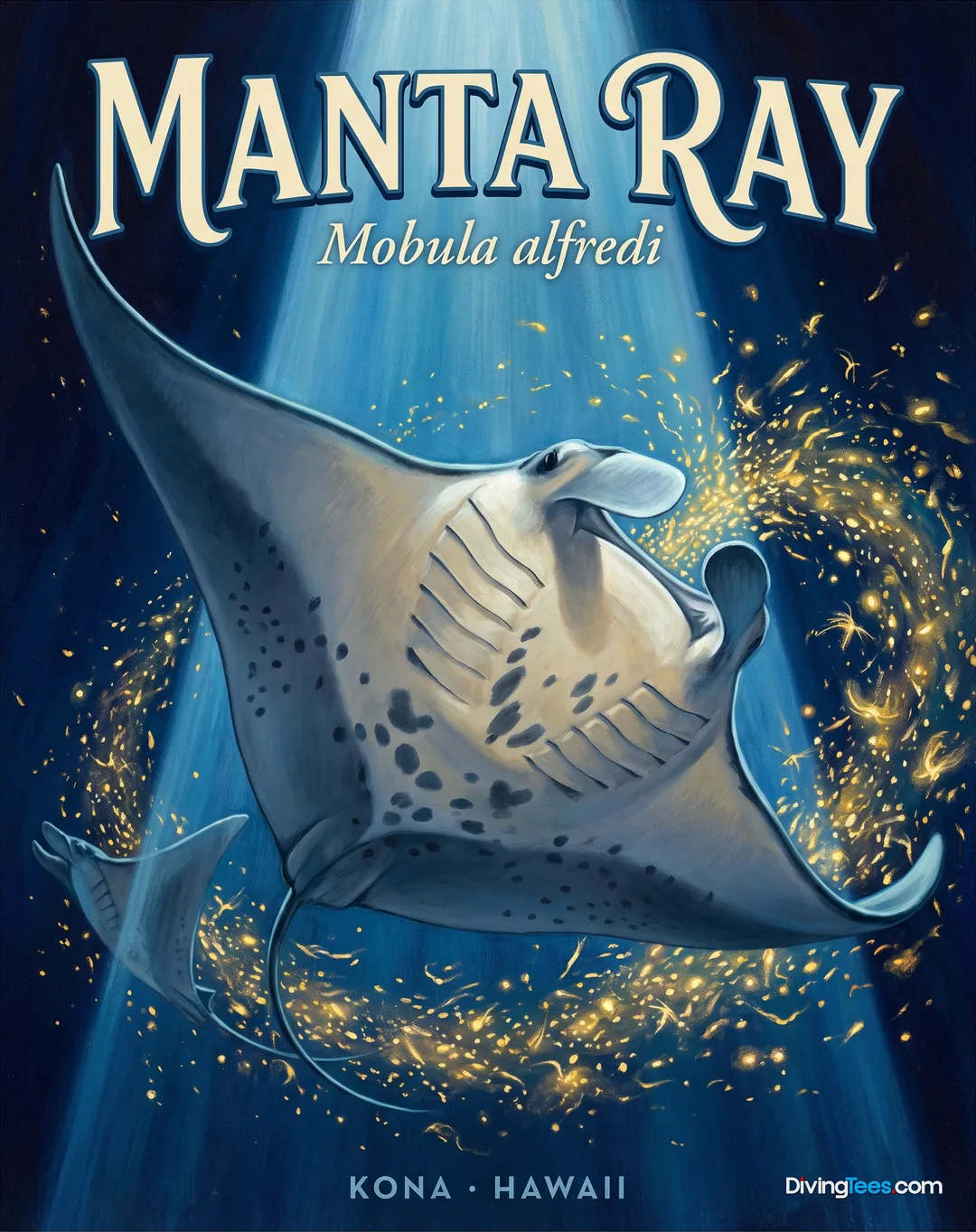
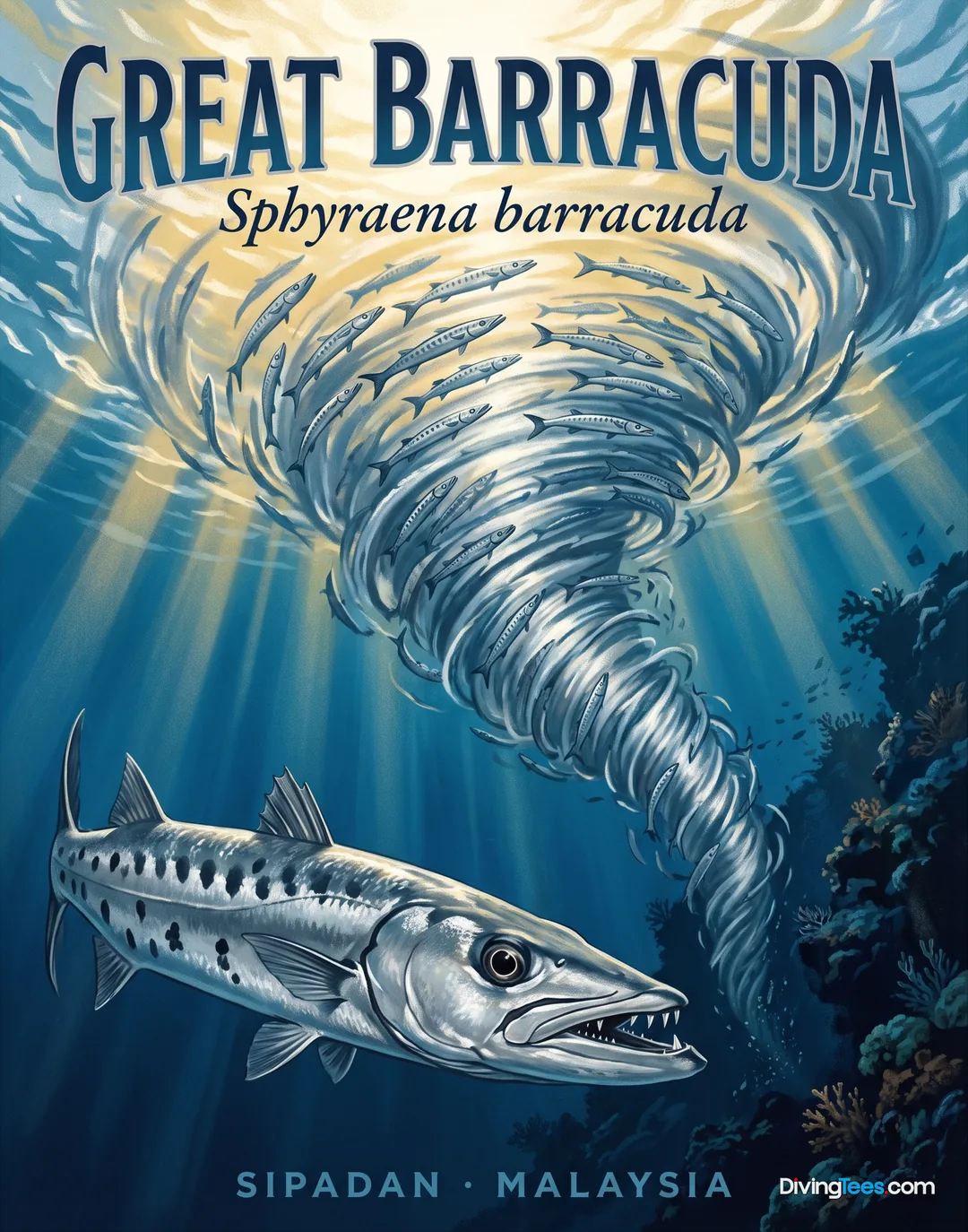
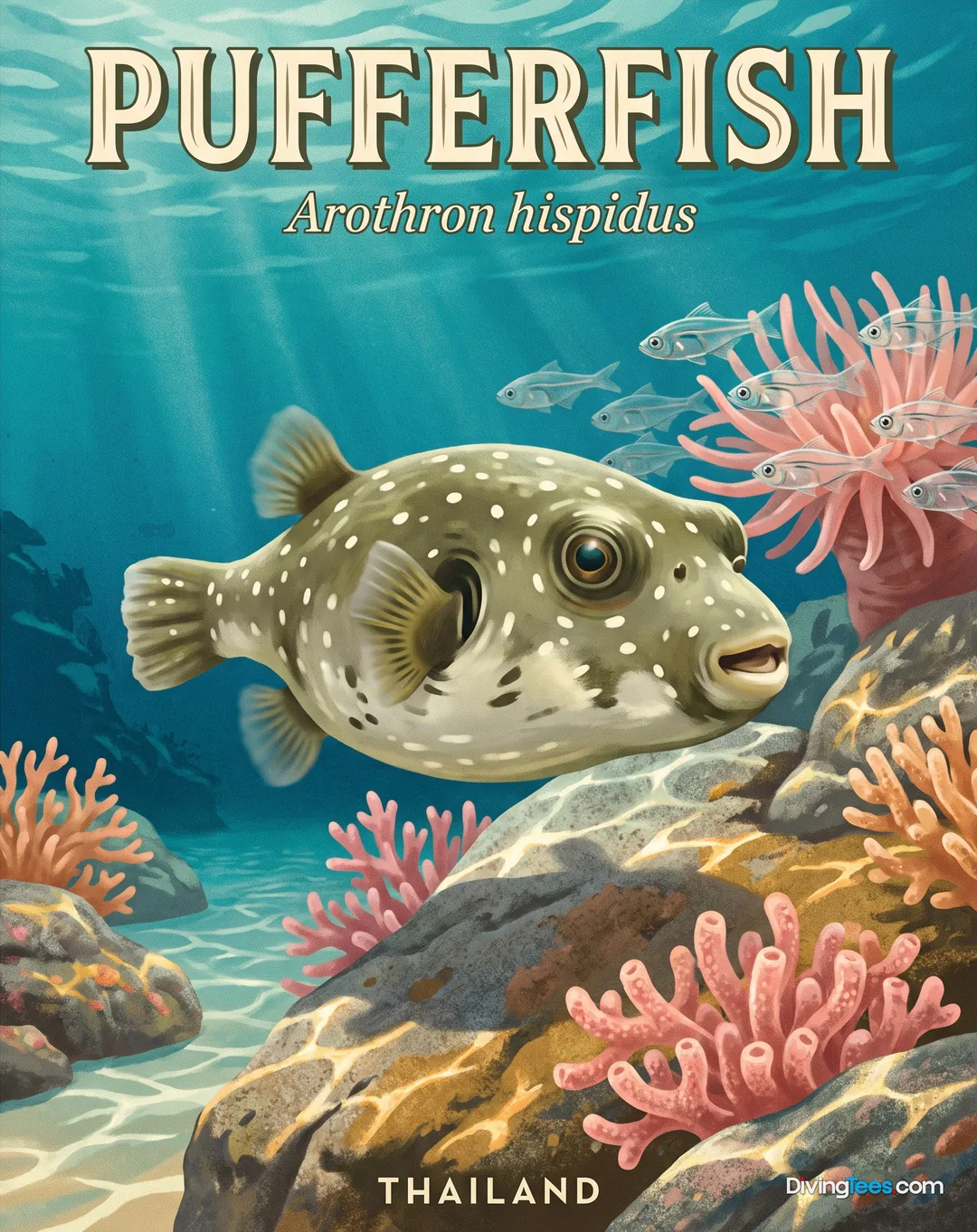
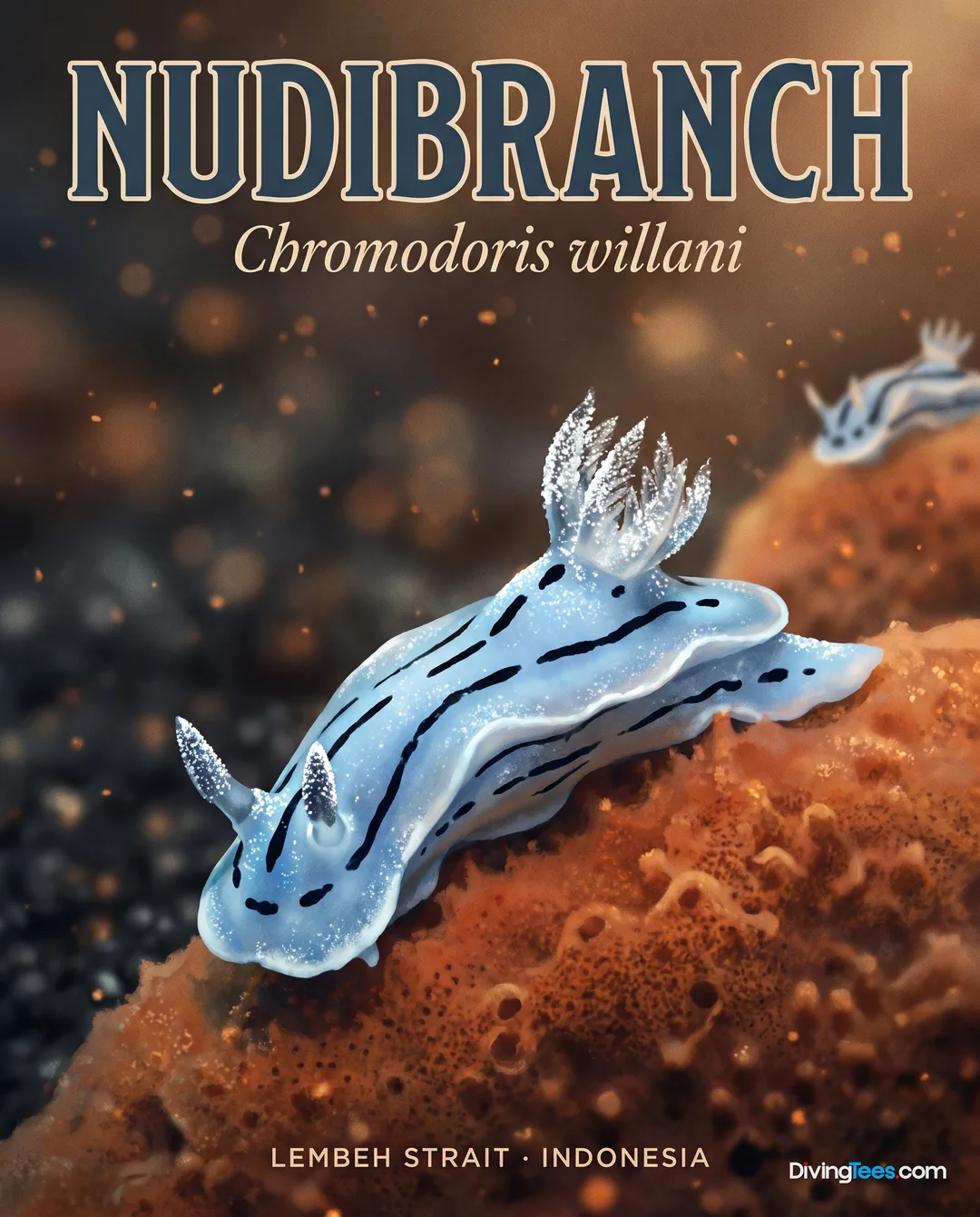
The wildlife is typical of productive tropical reef and rock sites, with enough variety to keep both wide-angle and slow-looking divers occupied. Reef fish, snapper, butterflyfish and parrotfish move across the coral, while moray eel, octopus, pufferfish and stonefish reward a careful look into the structure and sand. Cuttlefish, trumpetfish and nudibranchs suit divers who prefer to search rather than swim far. Sea turtles, reef shark and great barracuda are among the larger encounters recorded in the area. Manta rays and whale sharks are occasional visitors, mainly around the larger southern Andaman sites during the dry season, so they should be treated as possibilities rather than the reason to book every trip. Nudibranchs and other macro creatures remain a regular, year-round interest.
The most dependable period is October to April, when the sea is generally calmer and the western coast is less affected by the south-west monsoon. Rainfall is lowest from December to April, which usually helps keep wind, swell and coastal runoff in check. November to April is the clearest practical window for regular boat diving, although December to March also brings the busiest boats and sites. May to October can still produce diveable days, particularly in sheltered areas, but sea conditions are less settled and trips are more liable to change or cancel. The dry season is also when manta rays and whale sharks are most plausible around the more exposed southern Andaman sites.
Rawai suits all levels, from Open Water divers to BSAC, PADI or SSI equivalents, particularly on the sheltered bays and shallower reefs of Racha Yai and Racha Noi. Advanced training is useful for exposed tips, deeper walls and variable-current pinnacles. Nitrox makes sense for consecutive day-boat diving with repeated recreational profiles. The deeper sections at Marina Bay and Racha Noi are technical territory, not an extension of an ordinary recreational qualification; divers should stay within their certification, experience and planned gas limits.
From London Heathrow, Gatwick or Manchester, the journey to Phuket typically takes around twelve to sixteen hours door to door, depending on the connection and waiting time. The fixed complication comes after the flight: Rawai requires a road transfer across Phuket before the boat departure, rather than a ferry hop to a dedicated dive island. From Phuket airport, a taxi or pre-arranged road transfer usually takes roughly an hour to an hour and a quarter, with traffic making the difference. Once in the south of the island, local taxis and transfers connect accommodation with dive centres and embarkation points. Check where the boat actually leaves and whether the programme is for southern Phuket, the national-park islands or the farther southern Andaman sites; the same base can lead to very different days on the water.
Treat the boat itinerary as the key booking detail, not simply the word “Rawai”. Ask whether the day heads to southern Phuket, the islands within the national-park system or farther south into the Andaman region, because departure point, travelling time and exposure can differ sharply. Keep one day free in a four- to seven-day stay: western Phuket’s sea state can change, and that buffer is more useful than squeezing the itinerary tight. Early departures help avoid the worst road bottlenecks and the busiest boat periods; avoiding Thai holiday weekends can also make the day less crowded. Pack a compact line cutter or similar safety tool, as busy sites and mooring areas involve plenty of lines and equipment. If using Nitrox for repeated shallow reef dives, confirm the plan before boarding. At park sites, expect regulated moorings, no touching the reef and no collecting natural items; park access rules and fees form part of the day’s logistics.
Allow four to seven days on the ground. That gives enough time for several day boats, a weather margin and a quieter land-based day rather than making every morning dependent on the sea state. A typical stay combines Racha Yai’s accessible reefs with the more exposed scenery of Racha Noi when conditions suit. Rawai also works well for couples or groups with mixed interests: divers return from the boats while companions use Phuket’s beaches, restaurants and coastal excursions. Liveaboards are possible for reaching farther southern Andaman sites, but Rawai itself is primarily a day-boat base.
Hello, I'm Marina, DivingDeal.com's AI assistant. I guide you through destinations, areas and countries.
Thinking about the whole trip and the flights? Talk it over with Edith →
Marina is an AI. Some links are affiliate links: DivingDeal may earn a commission, at no extra cost to you. Bookings are made with the partner.
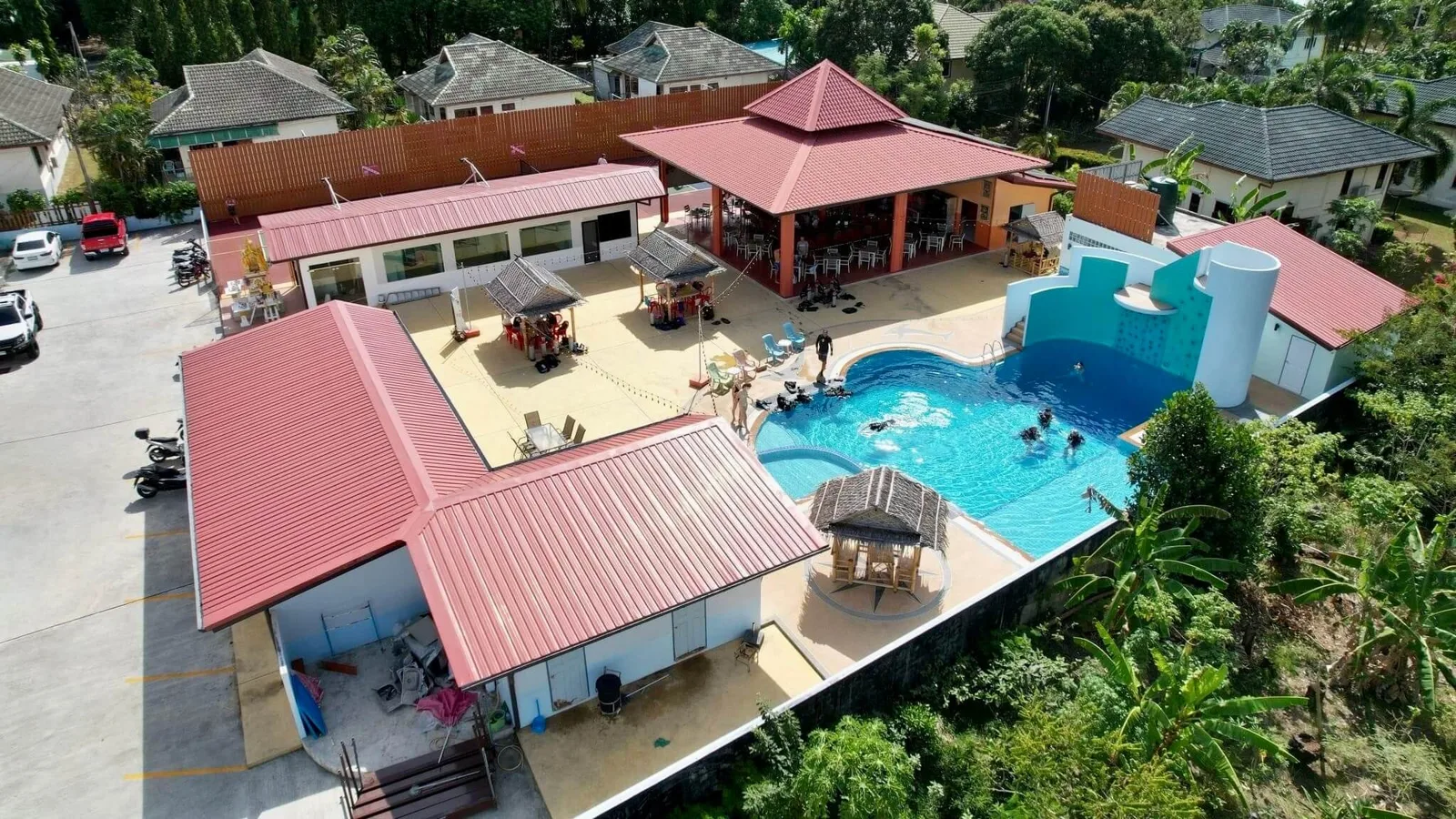
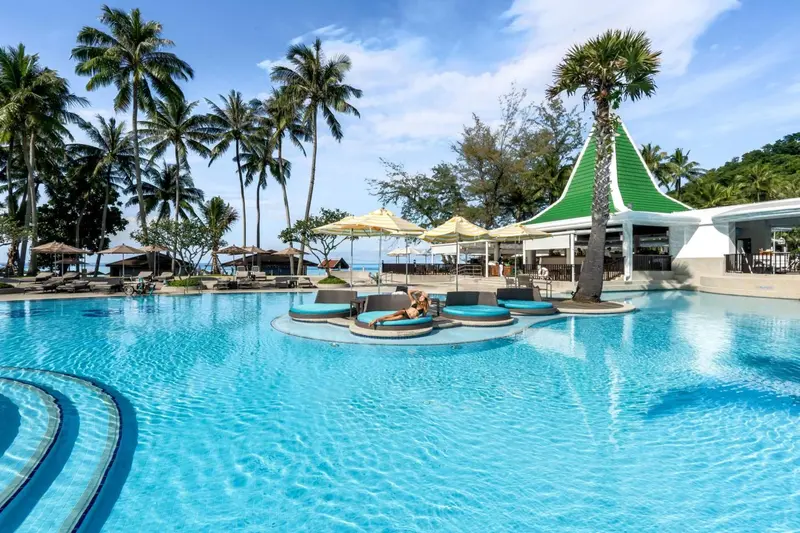
In each one, the dive centre is inside the hotel: step out of your room and go diving.
Dive centre in the hotel★★★★★
Google 4.5/5 (1,757 reviews)
The dive centre
The Racha Dive Center
PADI
Google 4.8/5 (26 reviews)
Dives: Lucy’s Reef, Staghorn Reef, Lah Bay
Choose Rawai between October and April, when seas are generally calmer and the western coast is less affected by the south-west monsoon. November to April is the clearest practical window for regular boat diving. May to October can still offer sheltered trips, but conditions are less settled and cancellations are more likely.
Rawai suits you if you are an Open Water diver or hold an equivalent BSAC, PADI or SSI qualification, especially for Racha Yai’s sheltered bays and shallow reefs. Advanced experience helps at exposed tips, deeper walls and variable-current pinnacles. Racha Noi’s deeper sections and Marina Bay’s deeper areas are technical territory.
Diving from Rawai can include Racha Yai wrecks and coral gardens, Racha Noi pinnacles, Banana Bay’s sandy coral slopes, Marina Bay swim-throughs and Siam Bay artificial reefs. Look for reef fish, morays, octopus, cuttlefish, nudibranchs, turtles, reef sharks and barracuda. Manta rays and whale sharks are occasional dry-season possibilities.
Plan Rawai as a shore-based stay with day boats, not a walk-in shore-diving holiday. Check the exact departure and itinerary, because southern Phuket, national-park islands and farther Andaman sites involve different travel and exposure. Allow four to seven days, keep one weather day free, and arrange the airport road transfer.