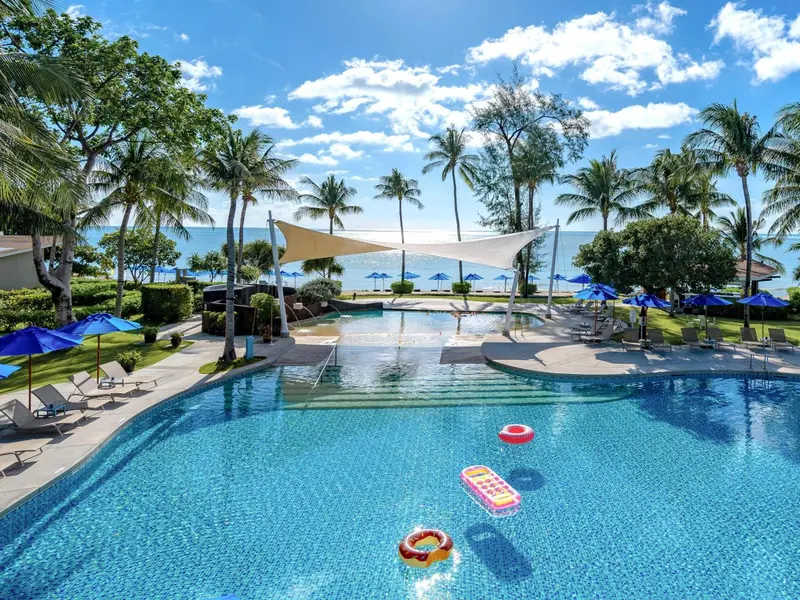
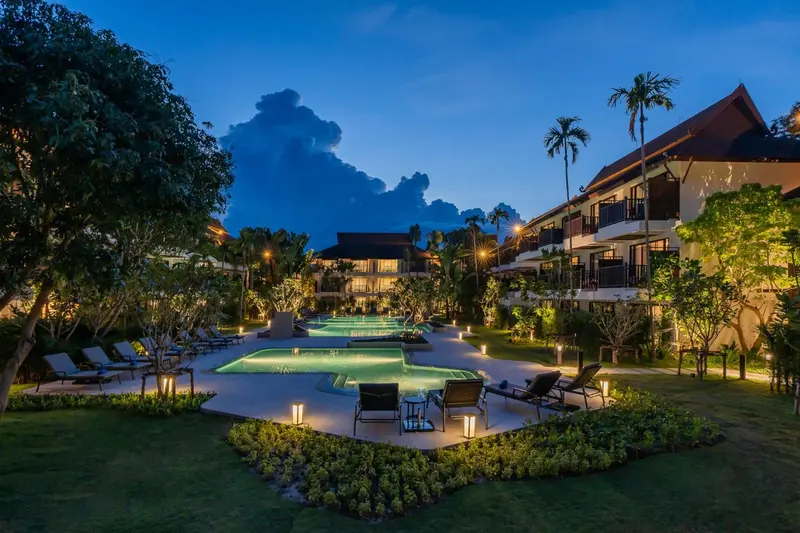
 Dive centre in the hotel
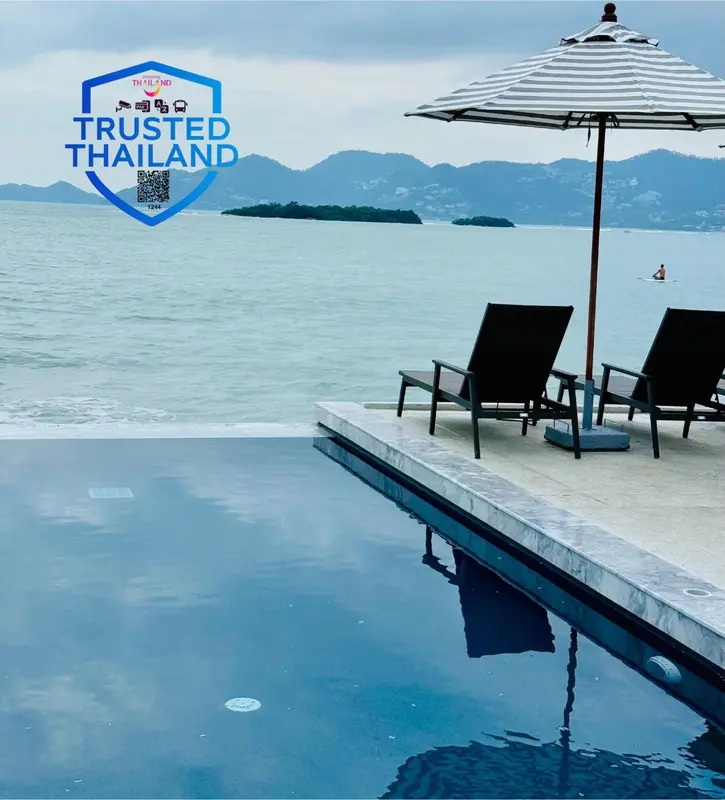
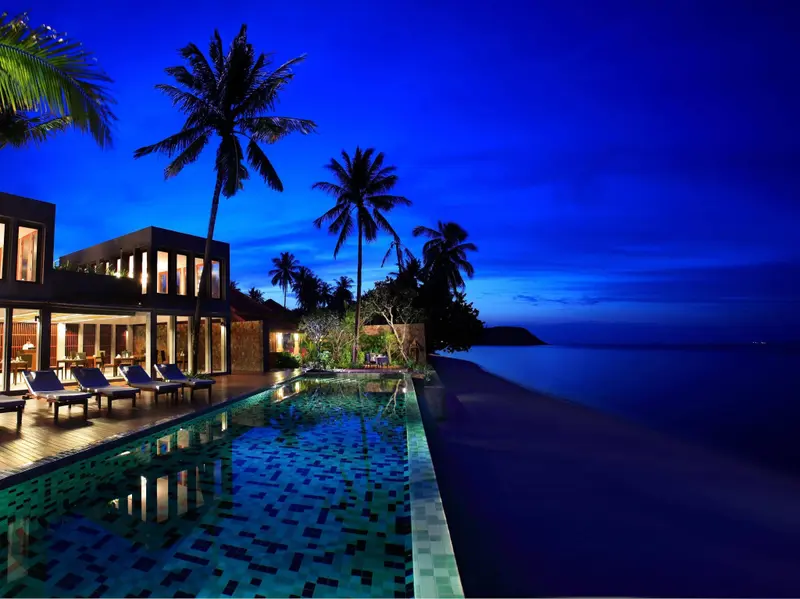
OZO Chaweng Samui
★★★★
Google 4.6/5 (3,136 reviews)
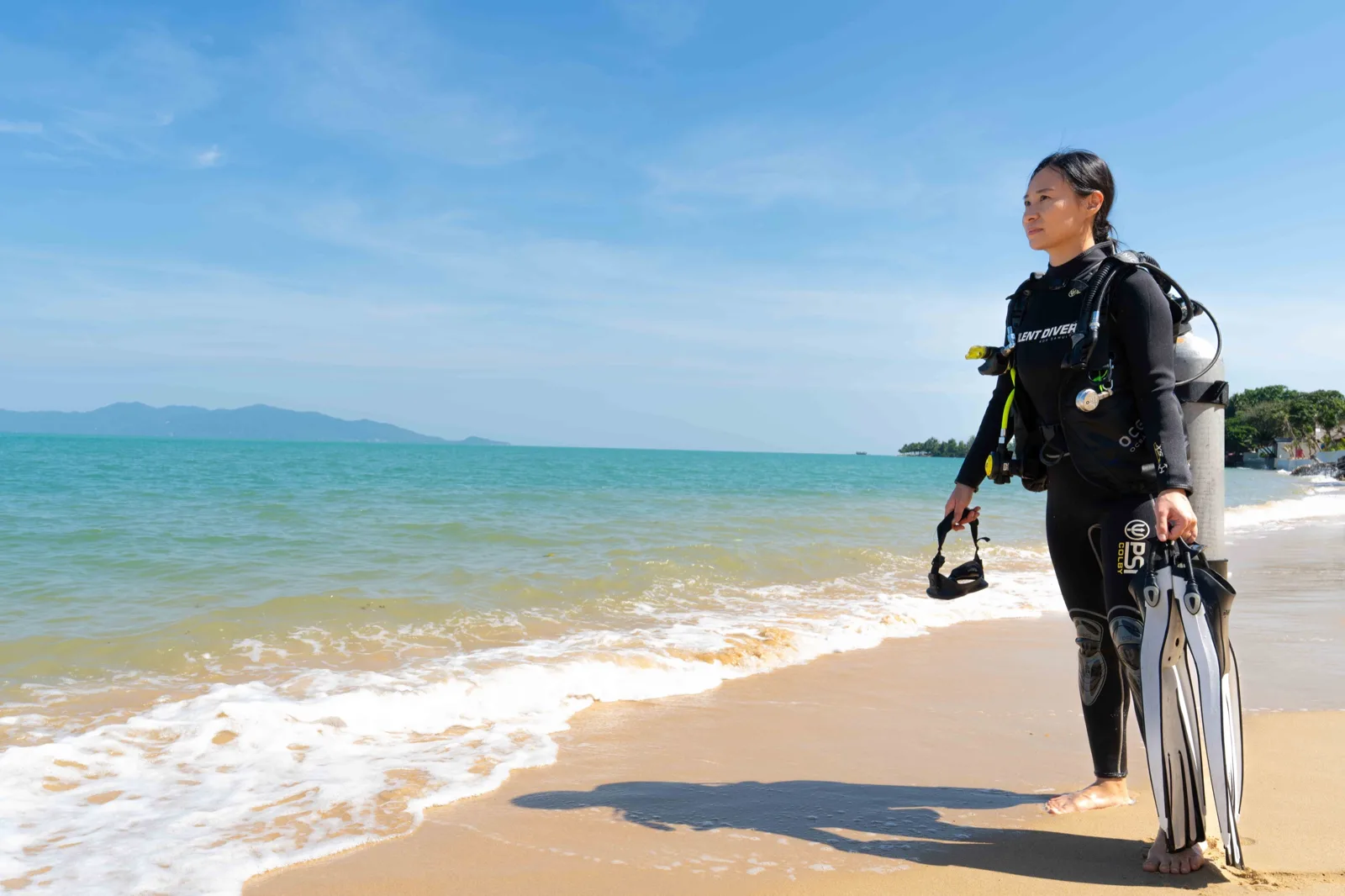
The dive centre
Silent Diver
PADI
Google 4.9/5 (1,565 reviews)
Dives: Sail Rock (Hin Bai), Koh Tao, Chumphon Pinnacle
Thailand · Asia
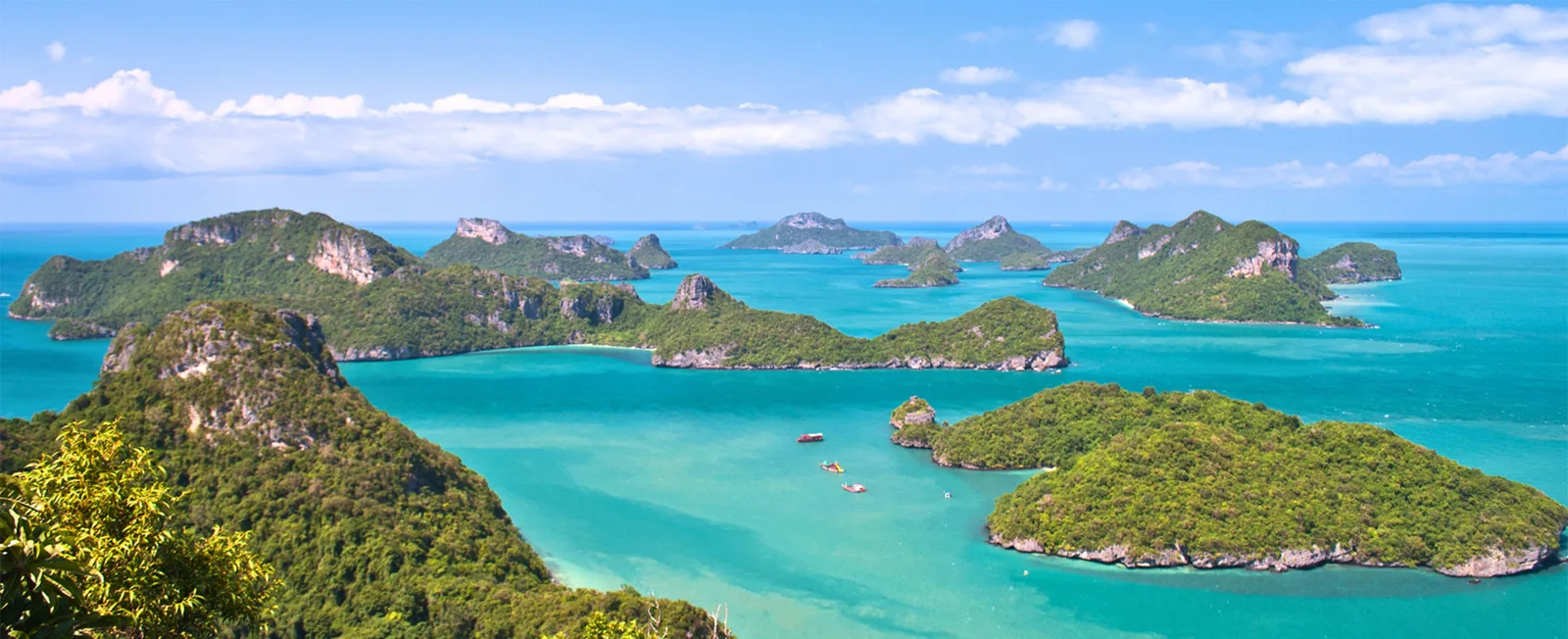
Granite pinnacles, pink anemones, schooling barracudas and rocky Shark Island shape Koh Samui’s boat-led diving in the Gulf of Thailand.
For subtitles in English: start the video firstthen click the gearat the top right of the video, select “Subtitles/CC”, then “Auto-translate” and choose “English”.
Chumphon Pinnacle, with its granite pinnacles and pink anemones, gives Koh Samui its clearest underwater identity. The island itself is primarily a comfortable base for day boats rather than a shore-diving destination, with access to sites around the neighbouring islands and reefs of the Gulf of Thailand. It suits divers who want to combine diving with a proper beach stay, while a non-diving companion can enjoy the island without being tied to the boat timetable.
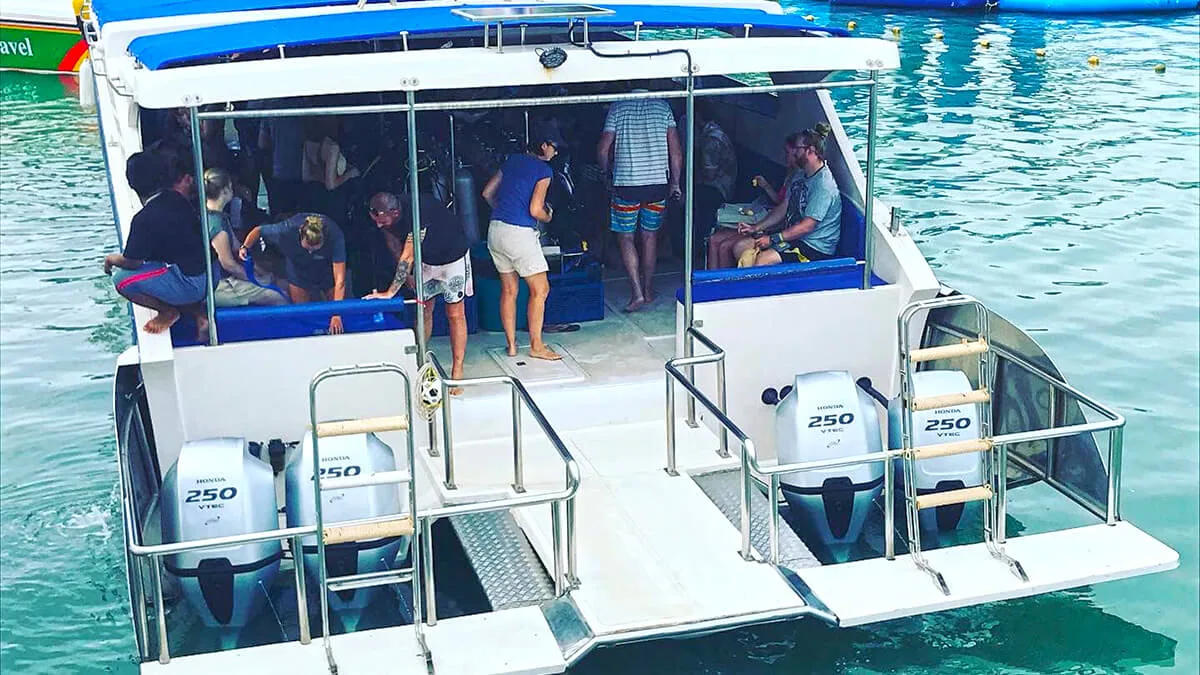
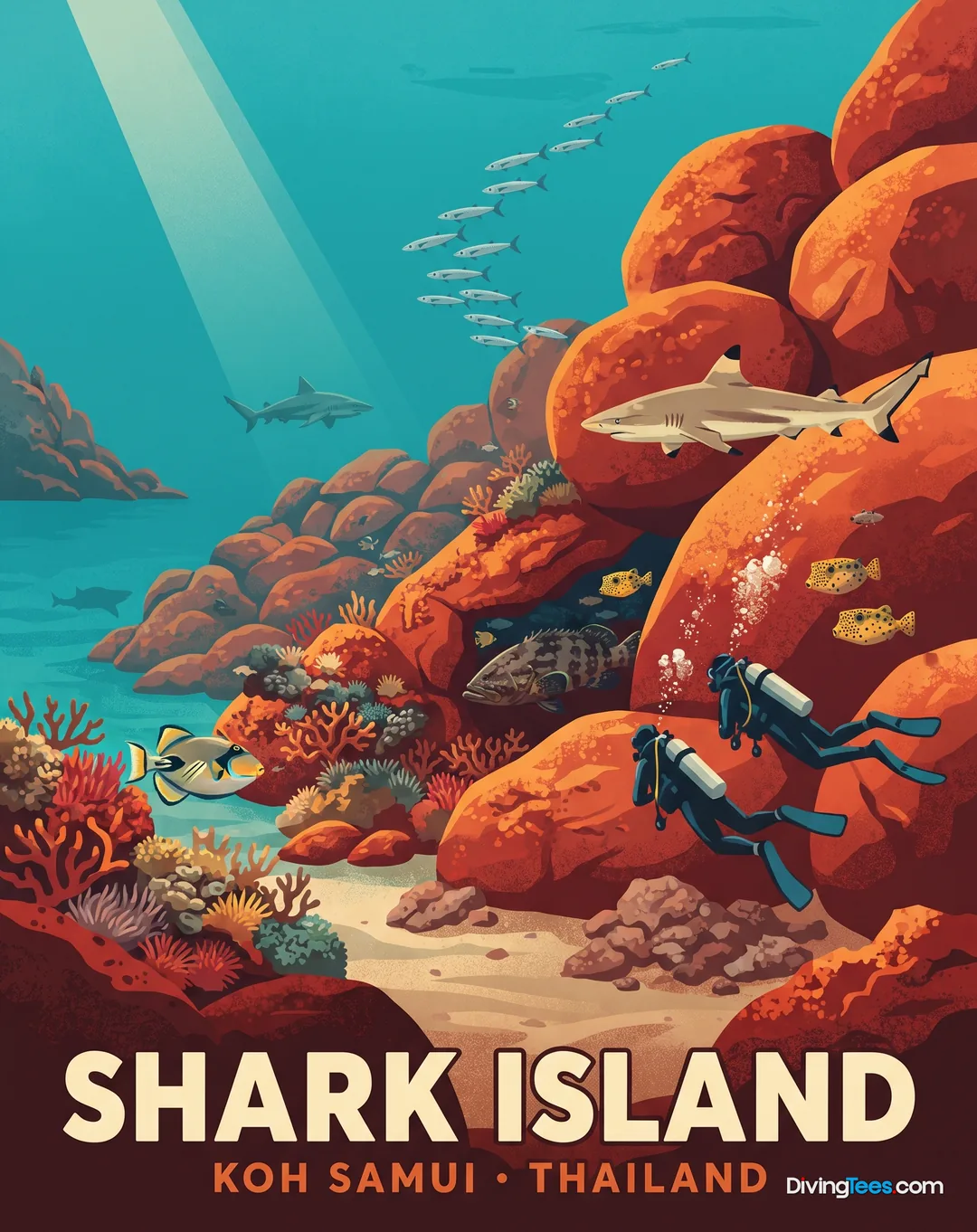
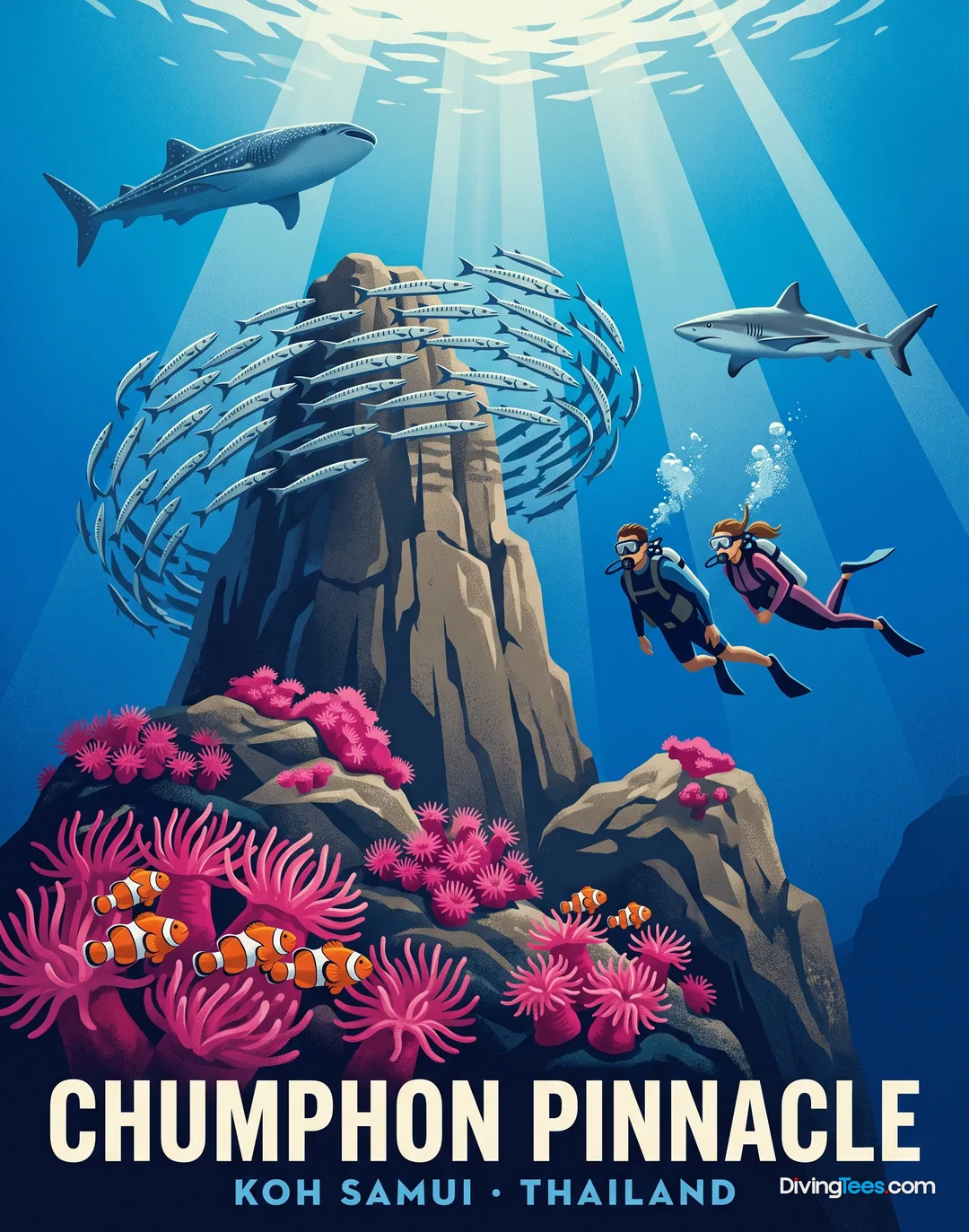
The diving is built around boat trips and exposed rocky formations rather than long shore dives. At Chumphon Pinnacle, the rock rises through roughly 14 to 30 metres, with pink anemones covering the granite and schooling fish gathering where the current moves across the structure. Currents can be weak, moderate or strong, so the site demands sensible planning and, at its more demanding moments, advanced experience. Shark Island offers a different shape: a rocky outcrop dropping into hard-coral formations, with generally good visibility and currents that sweep gently across parts of the reef. Conditions are not uniform across the area, and boat schedules may change with the sea. Nitrox is useful when several boat dives are planned over consecutive days, particularly for divers who prefer a little more margin between repetitive dives.
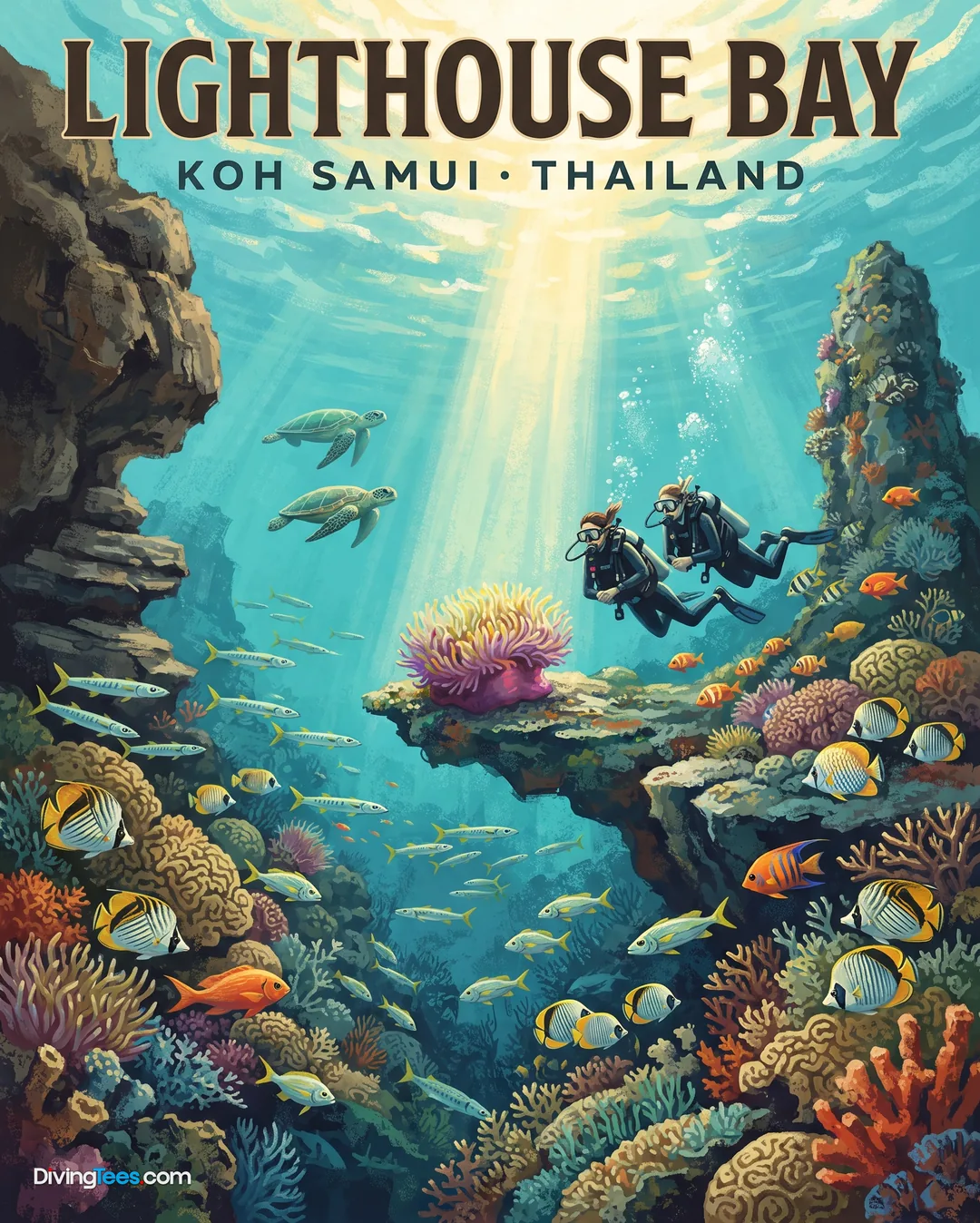
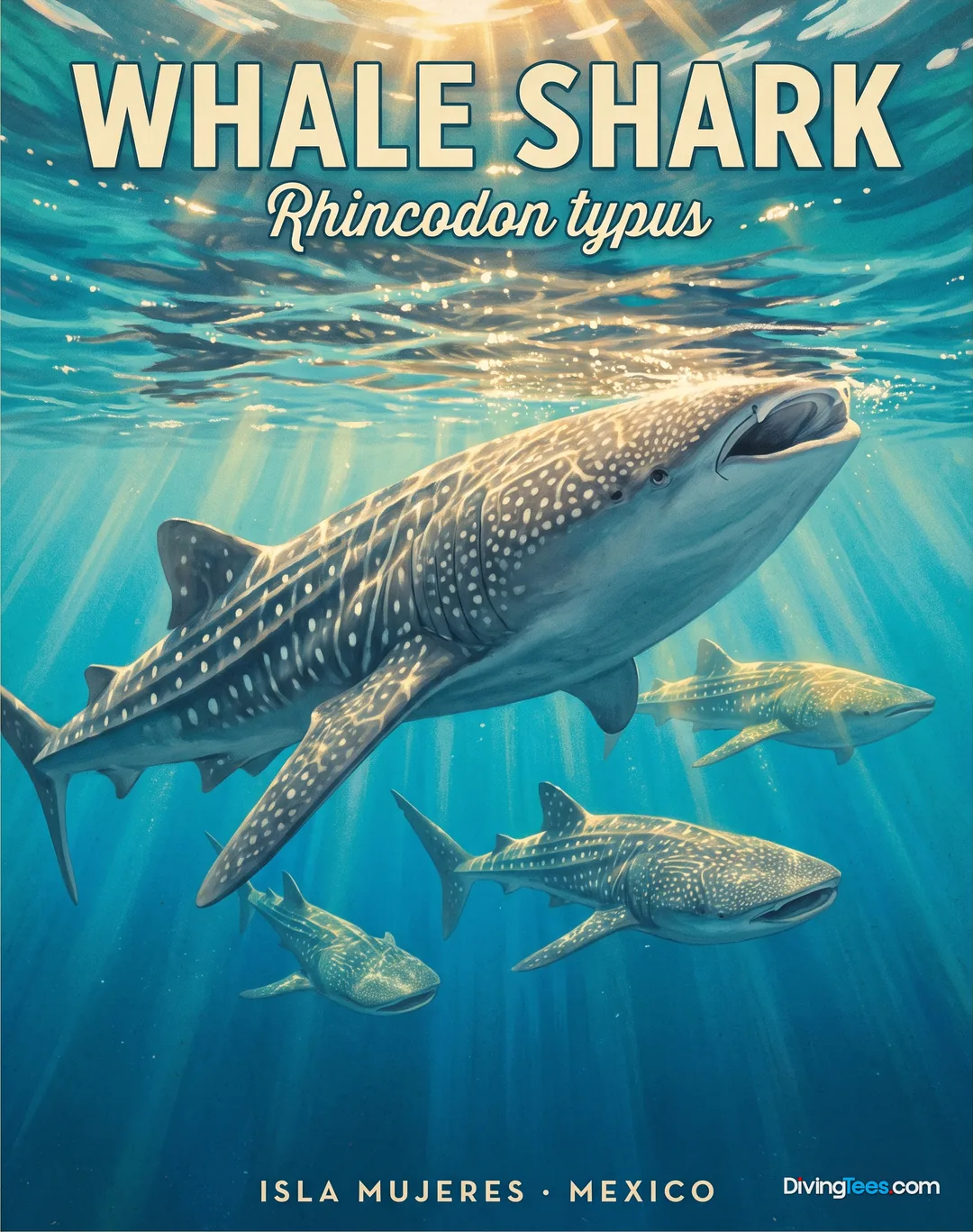
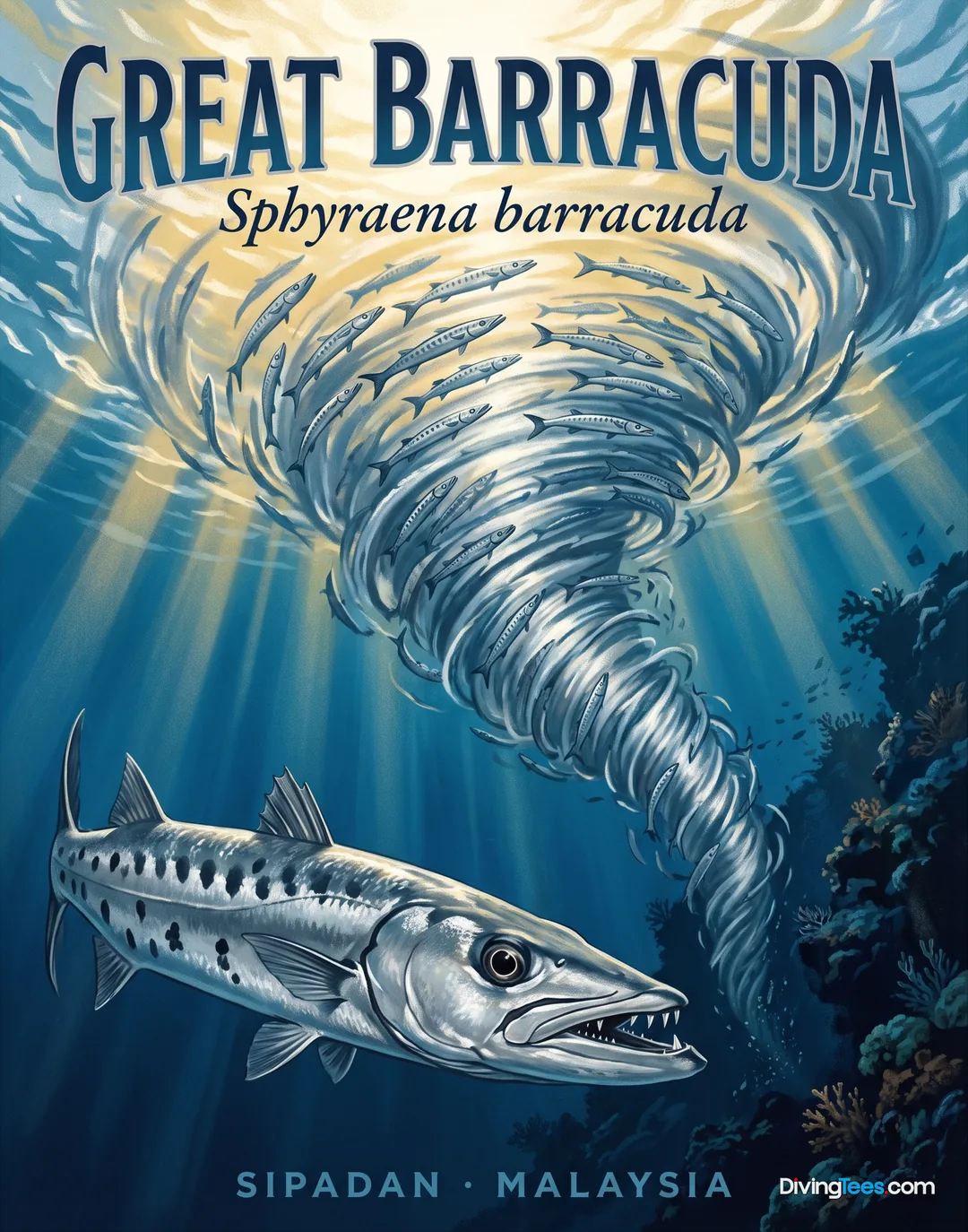
The main attraction is the movement of fish around the rock rather than a single guaranteed animal encounter. Chumphon Pinnacle can hold chevron barracudas, yellowfin barracudas, Bigeye trevally, cobias and schools of fish, with the possibility of whale sharks adding an occasional pelagic bonus. Around the reef, divers may find white-eyed moray eels, Batfish and colourful reef fish, while Shark Island’s hard coral provides the setting for blacktip reef sharks as well as smaller reef life. Fish activity is strongest where current meets the pinnacles and reef edges. April to October is the measured calmer period for boat diving, making it the more practical window for spending time at these exposed formations, though wildlife sightings remain naturally variable.
April to October is the most useful period for Koh Samui’s boat diving because the sea is measured as at its calmest then. That matters more here than a promise of a particular animal: the destination depends on boats reaching exposed sites such as Chumphon Pinnacle and Shark Island. Rainfall is measured as lowest from January to August, so January to March may appeal to travellers placing more weight on generally drier conditions, while April to August combines the rainfall pattern with the calmer sea window. Conditions remain changeable, and no particular month should be treated as an absolute guarantee.
Koh Samui can suit all levels, provided the day’s sites match the diver’s experience and the sea conditions. Beginners should expect the programme to be shaped by the conditions and by the site selected, rather than assume every boat trip will be equally straightforward. Chumphon Pinnacle is the more demanding proposition, with depth and potentially strong current; Advanced Open Water, or equivalent BSAC or SSI experience, is appropriate for that sort of dive. Nitrox is useful for repetitive boat diving, but no technical qualification is central to the destination.
Travellers from London Heathrow, London Gatwick or Manchester normally reach Koh Samui either by a domestic flight connection or by flying to the mainland and continuing by road and ferry. The second option adds a fixed sea crossing to the journey, while the first still involves an onward connection before the island is reached. Allow generous time between flights, road transfers, ferries and the first boat departure: a late arrival or a delayed crossing can remove the first planned diving day. Once on Koh Samui, the dive departure is usually reached from the accommodation by a short walk, taxi journey or centre shuttle, depending on where the stay is based. Staying near the boat departure reduces early-morning transfers.
Koh Samui works best when treated as an island base for boat diving, not as a direct alternative to Koh Tao’s more diving-led identity. Keep enough margin around any ferry, mainland transfer or domestic connection; a missed connection can cost a full day on the water. If diving is the main purpose, staying close to the departure area avoids turning every morning into another transfer. The destination makes more sense when several boat days are planned, rather than travelling this far for a single outing. Pack personal essentials such as a mask, computer or exposure accessories if fit matters, since island kit ranges can be less forgiving. Anyone combining diving with a non-diver should base the stay where beaches and land excursions are easy to reach. For trips touching Mu Ko Ang Thong National Park or another managed area, check the day’s applicable access rules locally rather than assuming every site follows the same arrangement.
A typical stay is land-based, with diving arranged as day-boat outings and evenings spent back on the island. Several consecutive diving days make the boat logistics worthwhile, while a flexible day is sensible in case sea conditions alter the programme. Koh Samui also works well for couples or groups with mixed interests: one person can spend the day diving while the other uses the beaches, boat excursions or land-based activities. A light final day is preferable before the return journey.
Hello, I'm Marina, DivingDeal.com's AI assistant. I guide you through destinations, areas and countries.
Thinking about the whole trip and the flights? Talk it over with Edith →
Marina is an AI. Some links are affiliate links: DivingDeal may earn a commission, at no extra cost to you. Bookings are made with the partner.
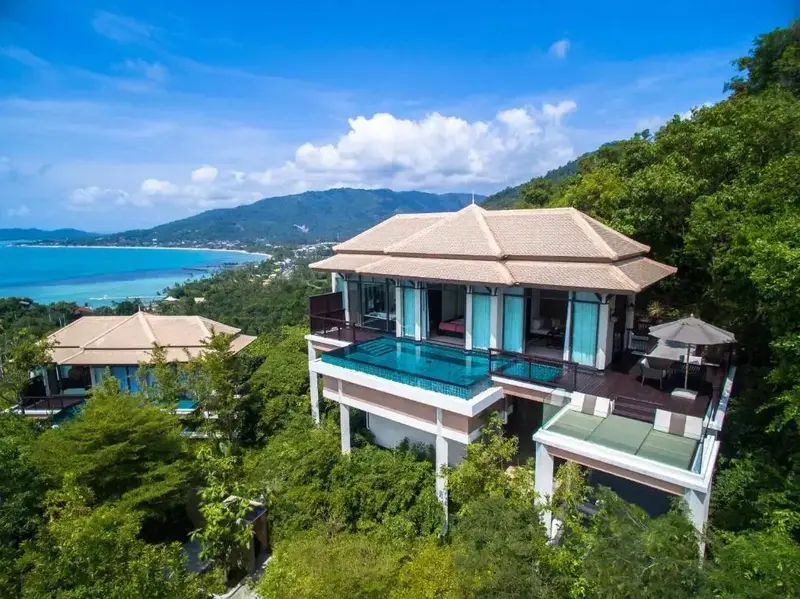
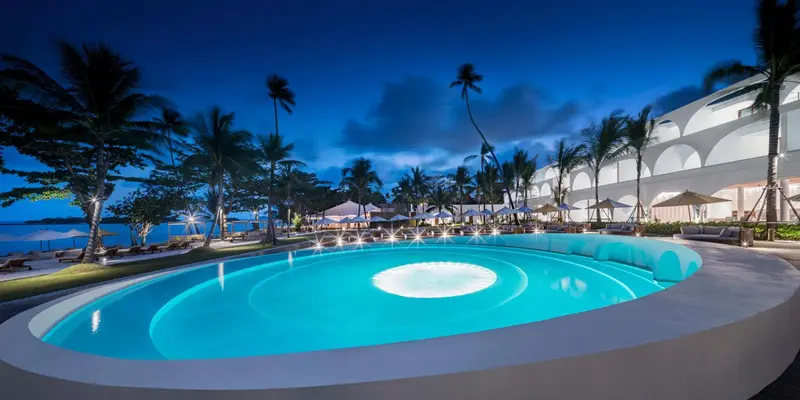
In each one, the dive centre is inside the hotel: step out of your room and go diving.
Dive centre in the hotel★★★★
Google 4.6/5 (3,136 reviews)
The dive centre
Silent Diver
PADI
Google 4.9/5 (1,565 reviews)
Dives: Sail Rock (Hin Bai), Koh Tao, Chumphon Pinnacle
 Dive centre in the hotel
★★★★★
Google 4.5/5 (2,130 reviews)
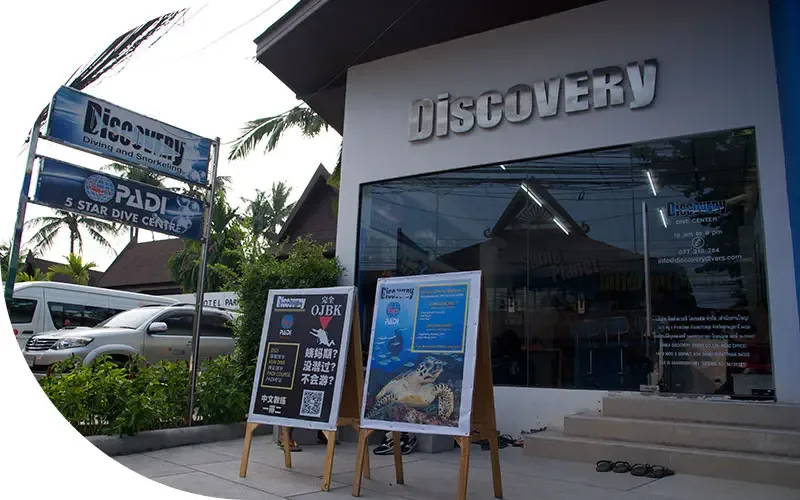
The dive centre
Samui Discovery Divers, Co Ltd
PADI
Google 4.8/5 (447 reviews)
Dives: Sail Rock (Hin Bai), Chumphon Pinnacle, Southwest Pinnacle
Your last day stays dry: no diving in the 18-24 hours before a flight, the perfect window to see the destination from another angle.
 Nature
⏱ 5 h · ★ 5.0 (21 reviews)
from £18$24€22
see on Viator ↗
 Nature
⏱ 4 h · ★ 5.0 (16 reviews)
from £133$178€159
see on Viator ↗
 Culture
⏱ 6 h · ★ 5.0 (13 reviews)
from £51$68€61
see on Viator ↗
 Culture
⏱ 4 h · ★ 5.0 (11 reviews)
from £45$60€53
see on Viator ↗
Ratings and reviews collected by Viator and Tripadvisor.
April to October is the calmer period for Koh Samui’s boat diving, which helps boats reach exposed sites such as Chumphon Pinnacle and Shark Island. January to March may suit you if drier conditions matter more. Sea conditions can still change, so treat the seasonal pattern as guidance rather than a guarantee.
Koh Samui can suit different experience levels when the site matches your ability and the conditions. Chumphon Pinnacle is more demanding because of its depth and potentially strong current, so Advanced Open Water or equivalent experience is appropriate there. Beginners should choose trips according to the day’s conditions and selected site.
Around Koh Samui, you can see granite pinnacles covered with pink anemones, schooling fish, chevron and yellowfin barracudas, Bigeye trevally, cobias, moray eels, Batfish and colourful reef fish. Shark Island offers hard coral and possible blacktip reef sharks. Whale sharks may appear occasionally, but wildlife sightings remain naturally variable.
Plan Koh Samui as a land-based stay with day-boat diving, ideally near the departure area to reduce transfers. Leave generous time around flights, road journeys and ferries, and keep a flexible day for changing sea conditions. Several diving days make the boat logistics worthwhile, while beaches and excursions suit non-diving companions.