

Real Divers Pattaya PADI 5 Star IDC Center
Google 4.9/5 (527 reviews)
Thailand · Asia
Turtle-lined shallows around Koh Sak and Koh Khrok lead to granite rocks, coral gardens and wartime wrecks within a short boat ride of Pattaya.
For subtitles in English: start the video firstthen click the gearat the top right of the video, select “Subtitles/CC”, then “Auto-translate” and choose “English”.
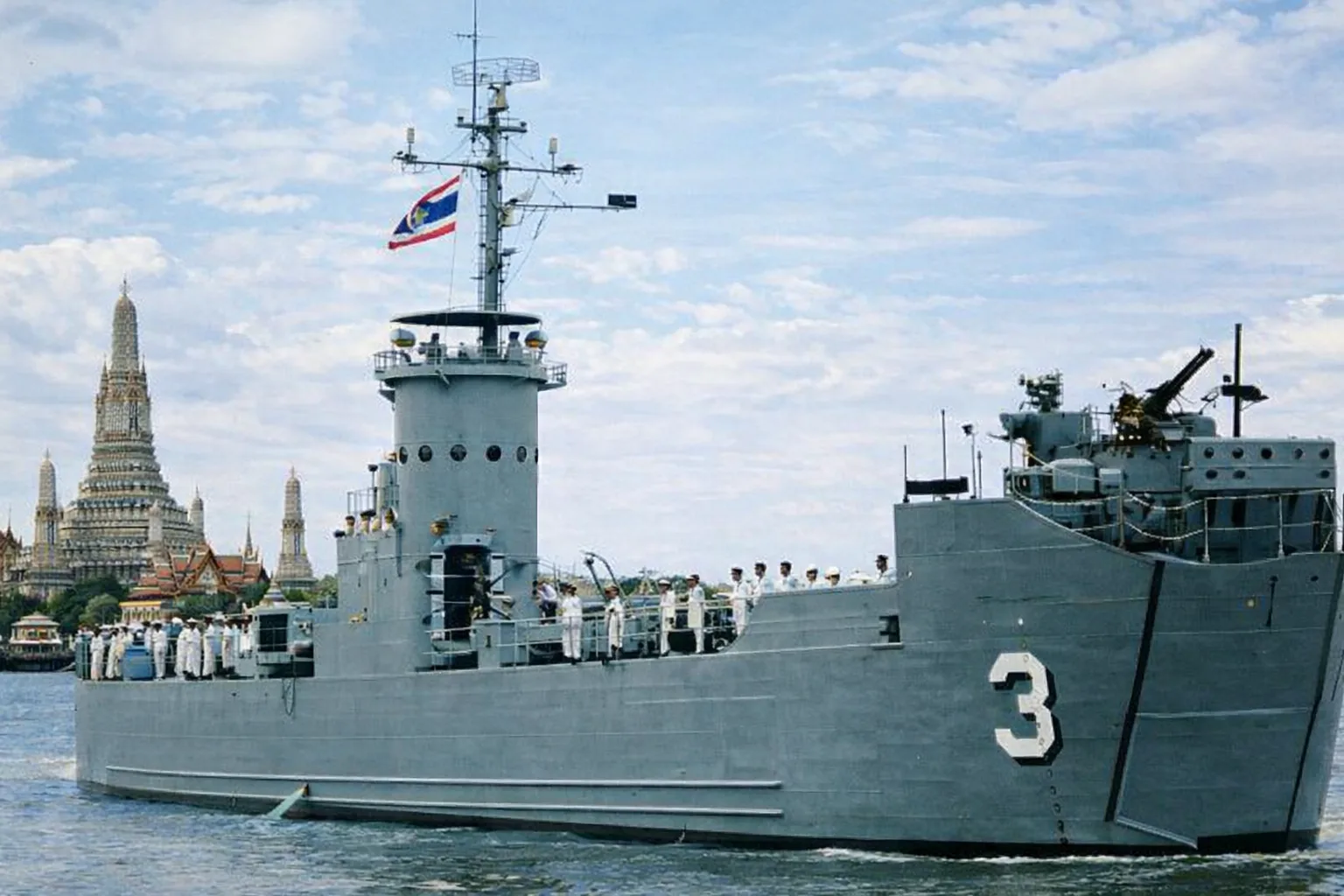
Pattaya is a practical shore-based diving base rather than a liveaboard destination. Boats run from the city towards nearby islands, coral reefs, artificial structures and several proper wrecks, allowing a short stay to include different sorts of diving without moving hotel. Koh Sak and Koh Khrok suit straightforward shallow dives, while the HTMS Khram and Hardeep Wreck provide deeper, more purposeful outings. The attraction is the combination of easy logistics and changing subjects, not an isolated, untouched reef experience.
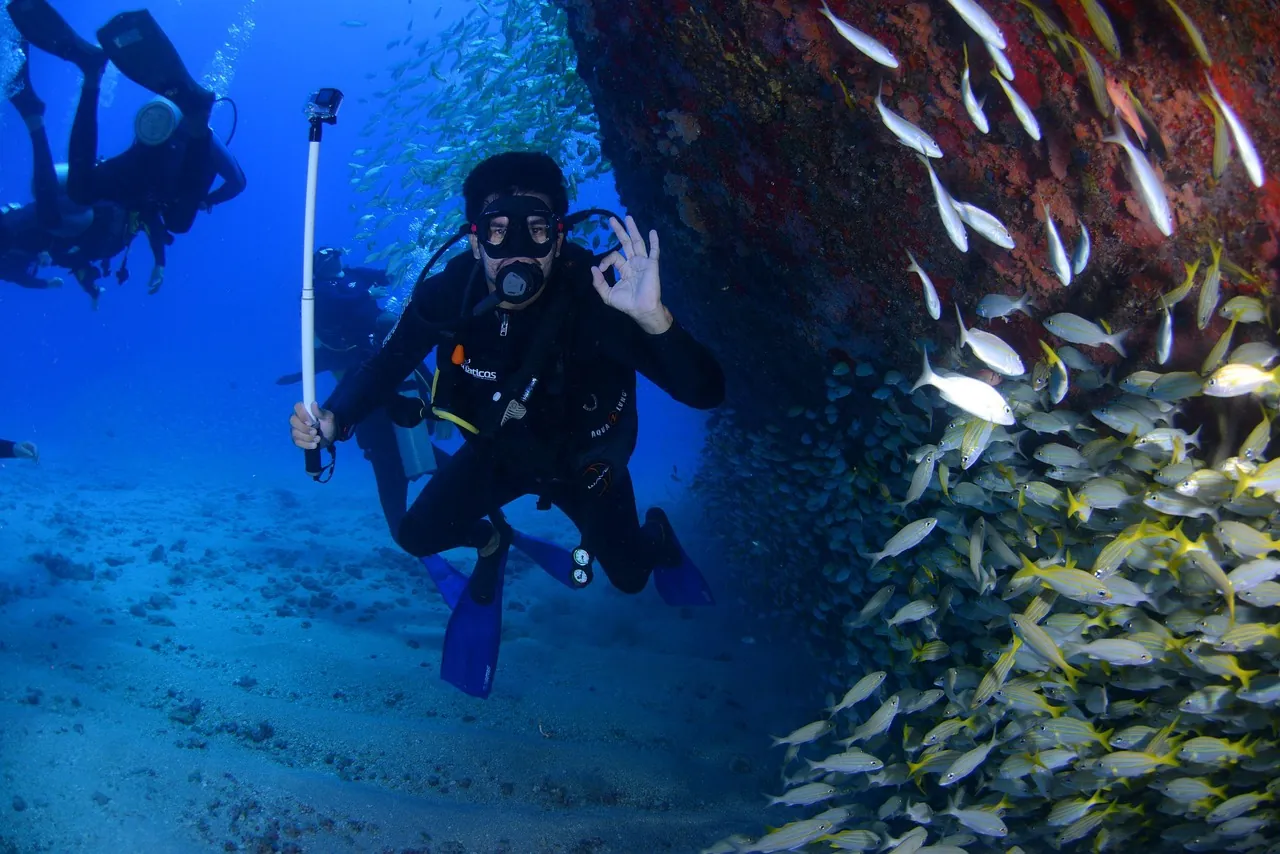
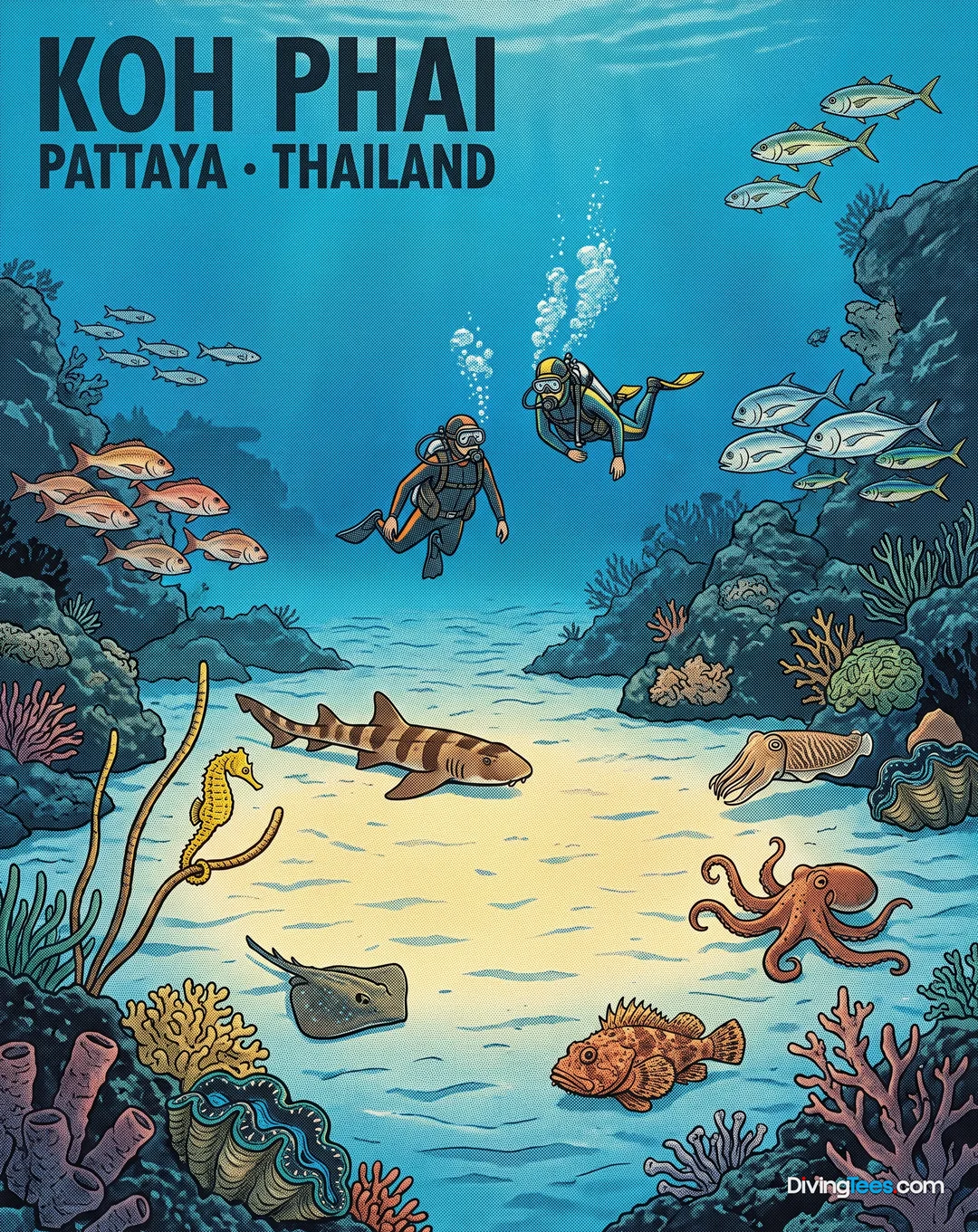
The diving moves from shallow coral gardens and sheltered bays to rocky caps, pinnacles, walls and purpose-sunk wrecks. Koh Sak drops only to about nine metres, while Koh Rin reaches 18 metres and Koh Phai about 24 metres, with deeper sections where current can make the dive more demanding. The HTMS Khram lies upright, with decks and prepared routes between roughly 15 and 28 metres; the Hardeep Wreck rests on its starboard side at 26–28 metres, with engine-room and cargo-hold sections that require proper wreck judgement. Currents are variable rather than consistently strong, and can increase around exposed rocks, deeper caps, tides and shifting winds. Visibility is commonly changeable, with site information ranging from about five to 15 metres on the near islands and up to 30 metres on the Hardeep Wreck. Expect day boats and repeated dives, not long offshore passages.
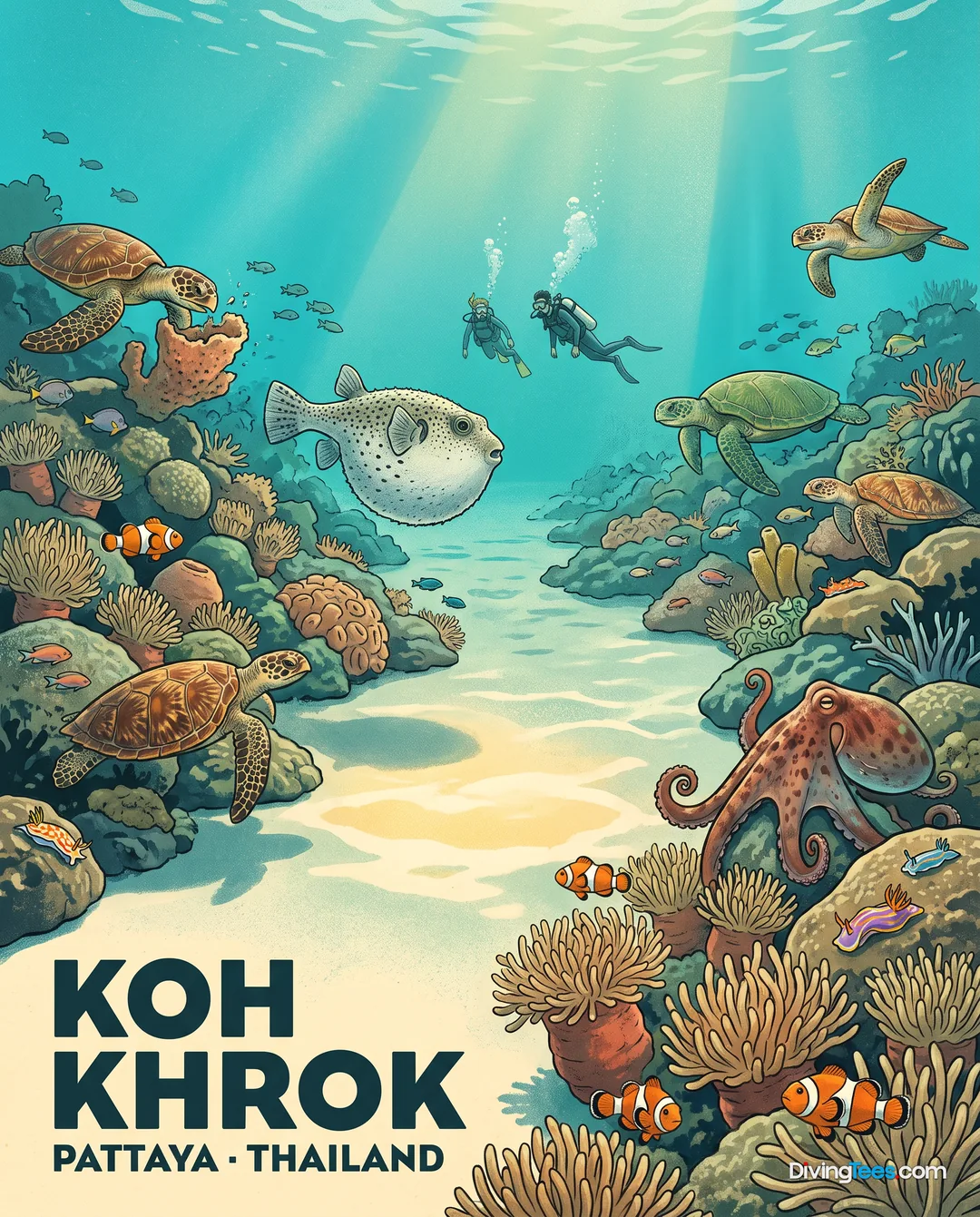
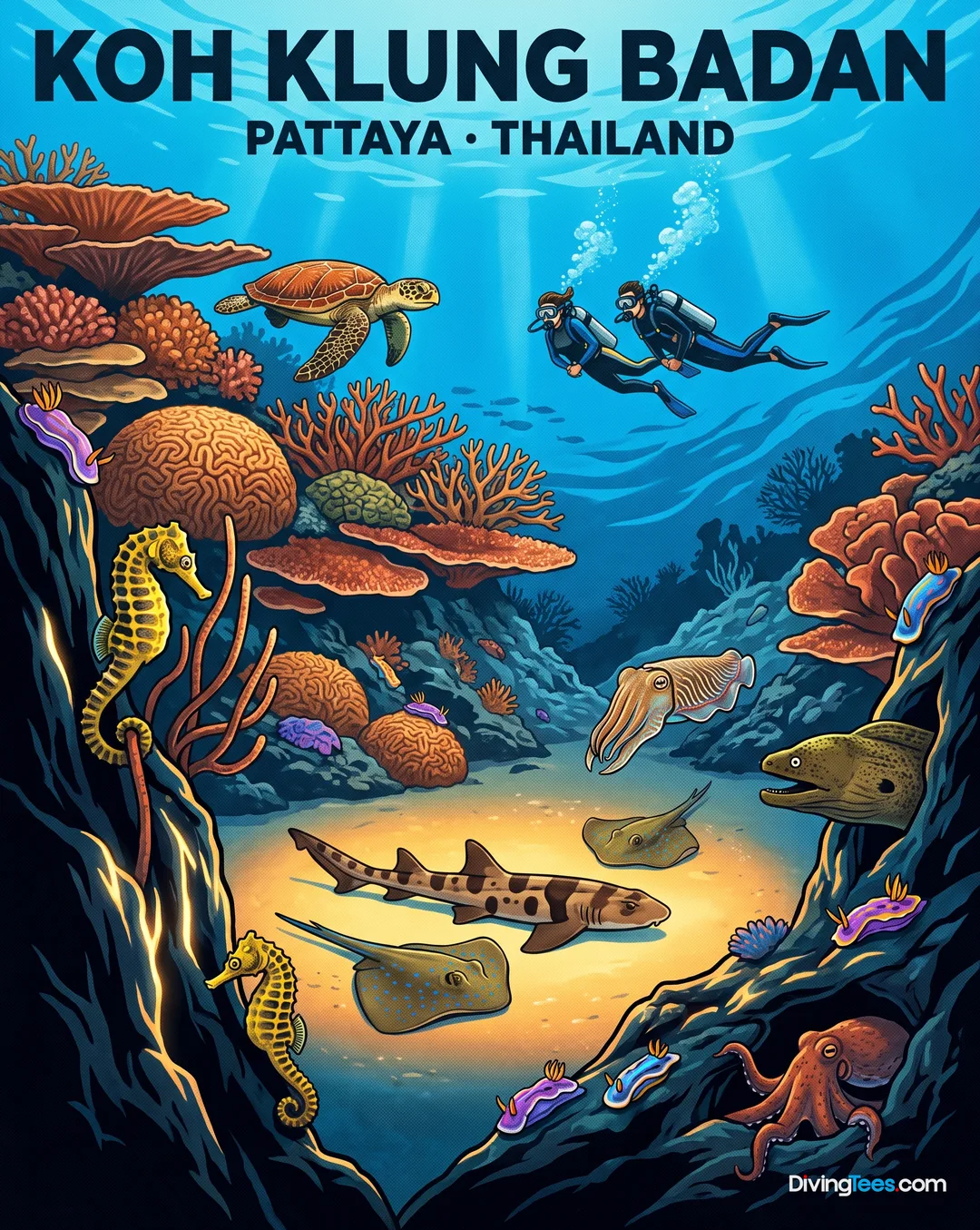
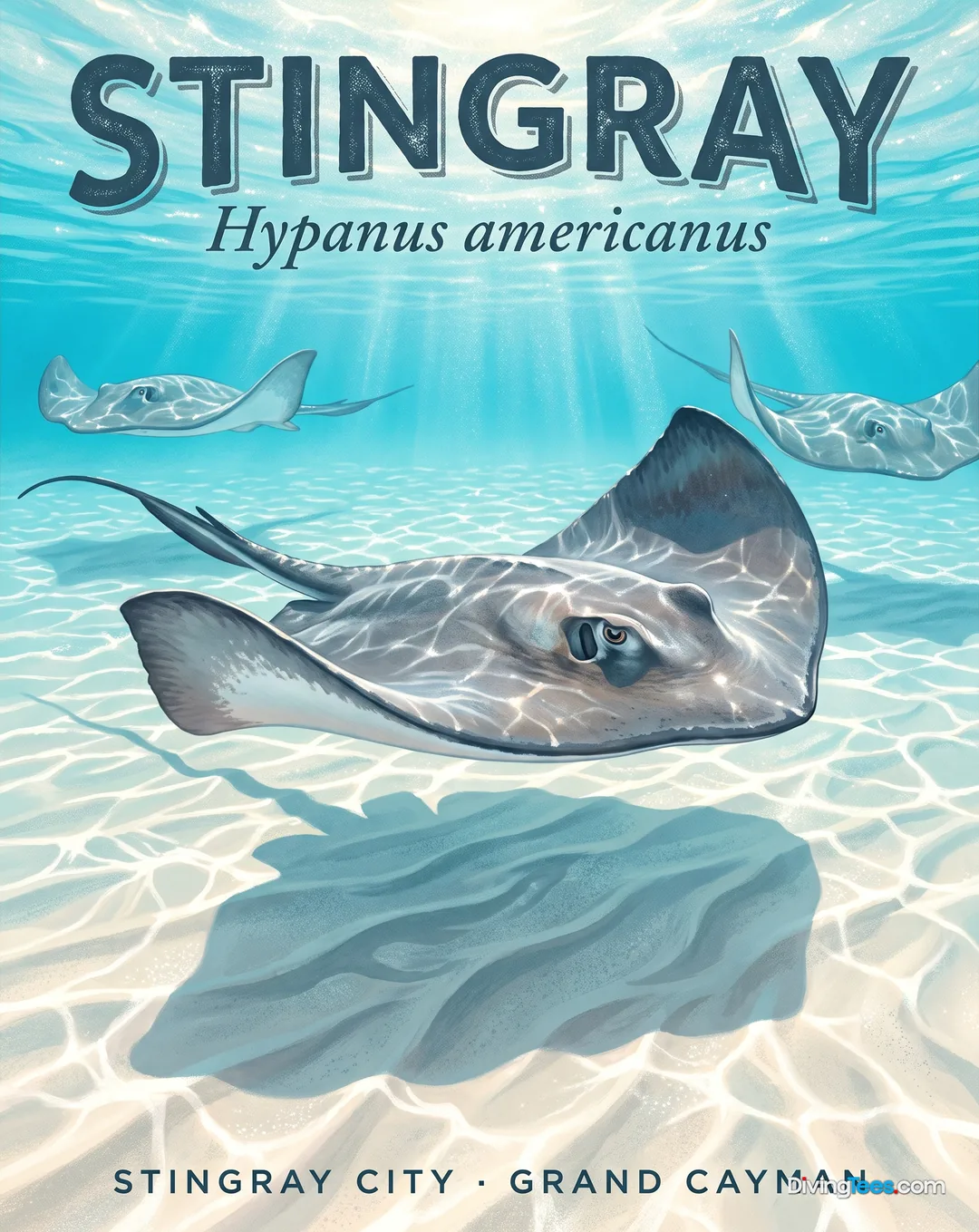
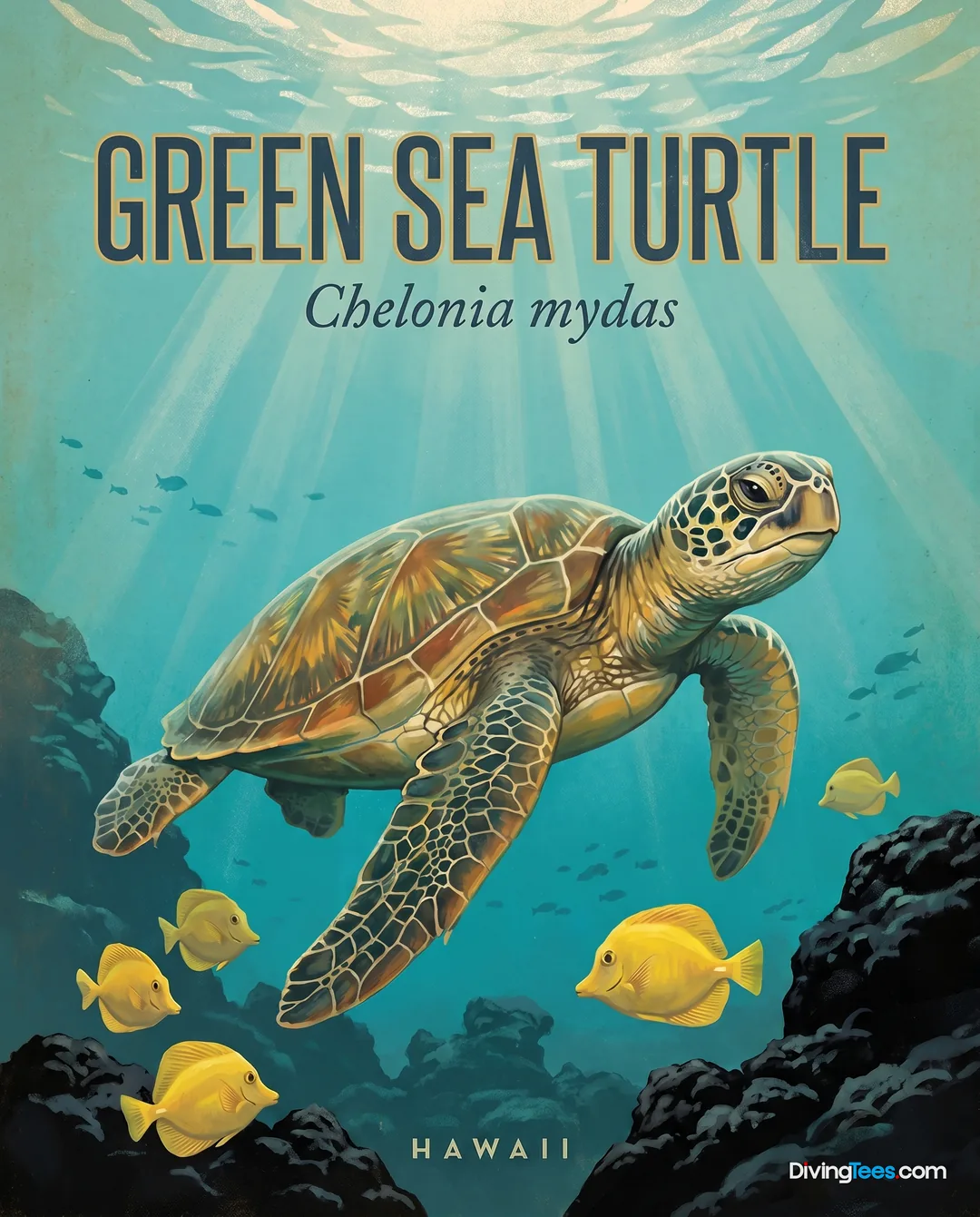
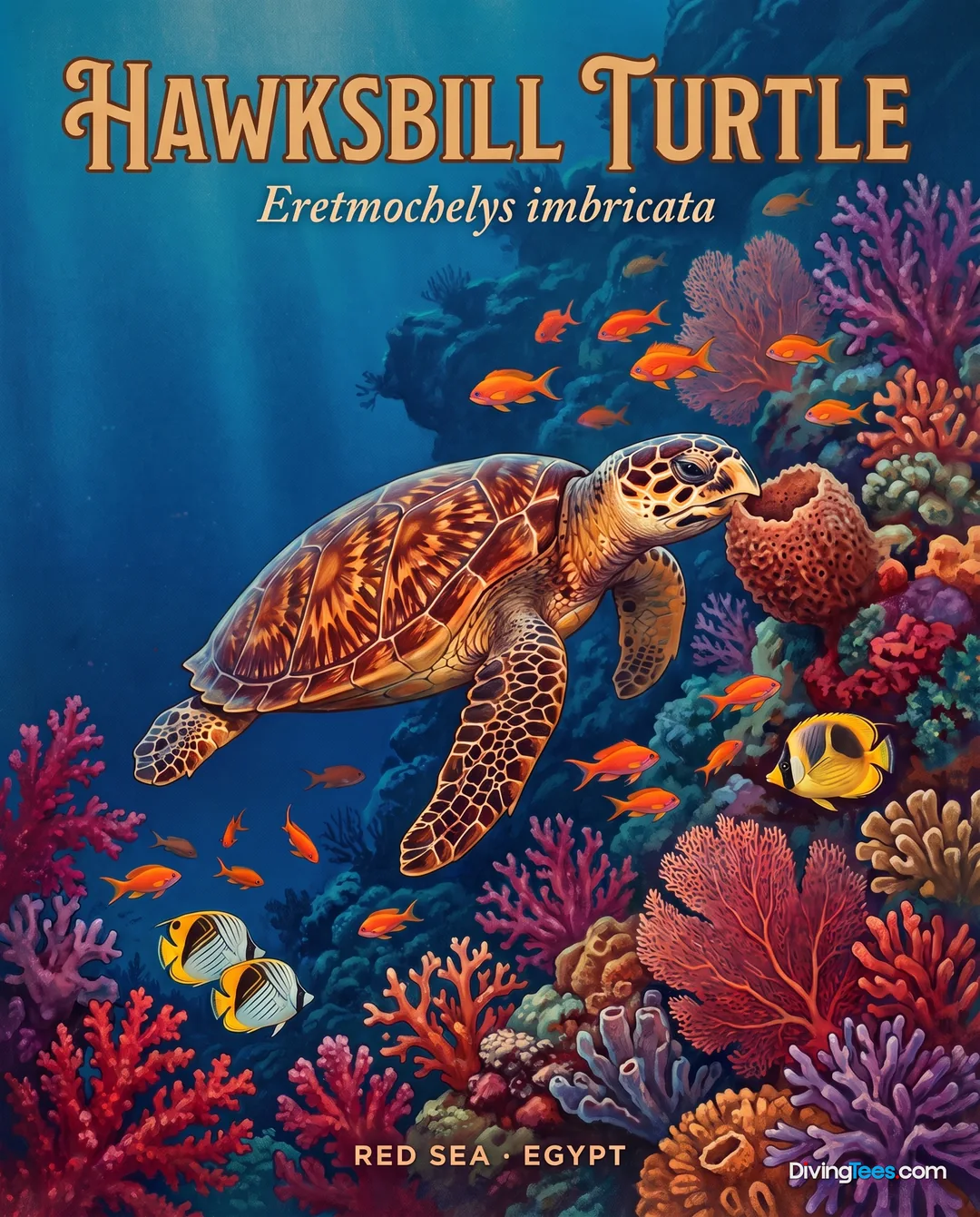
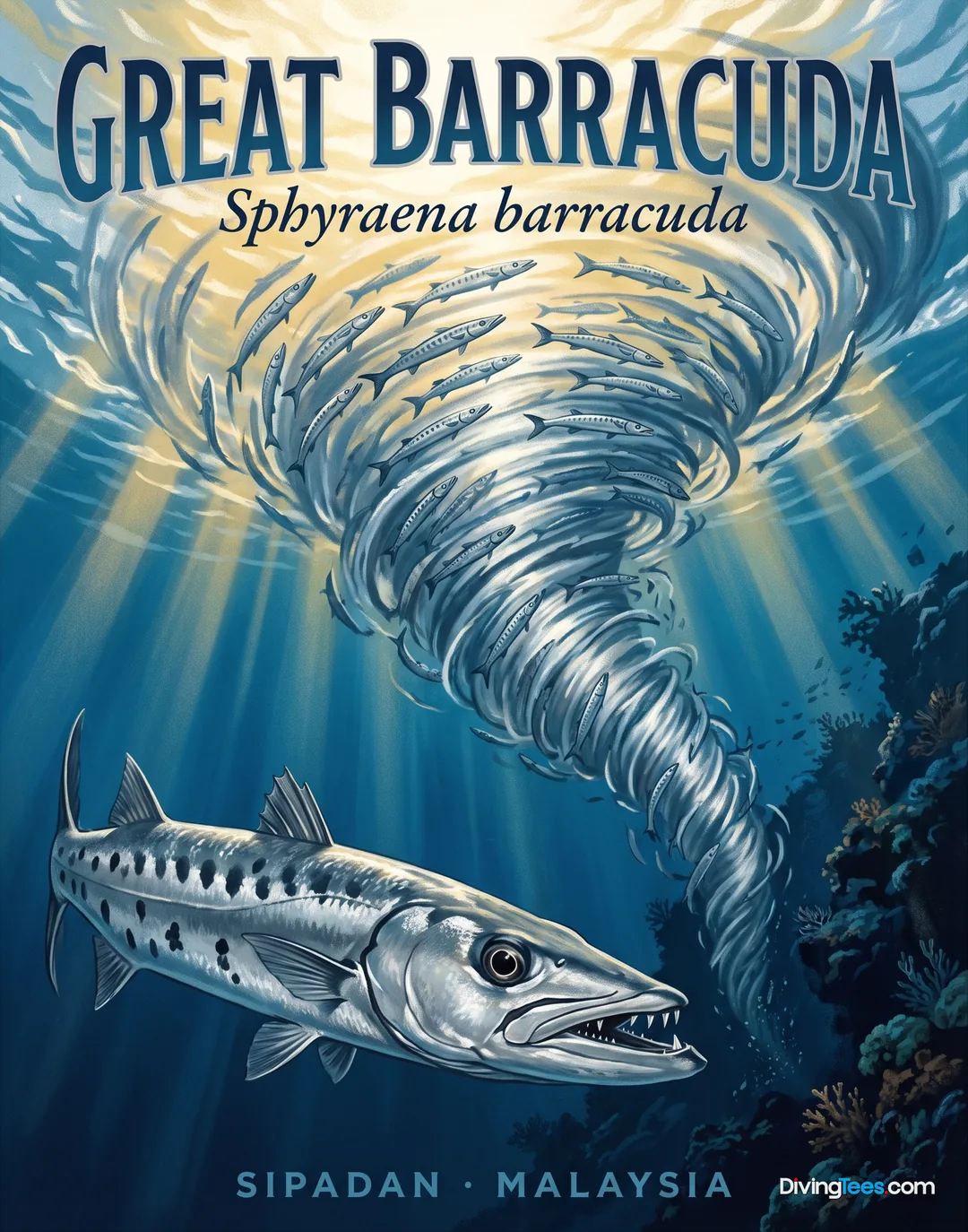
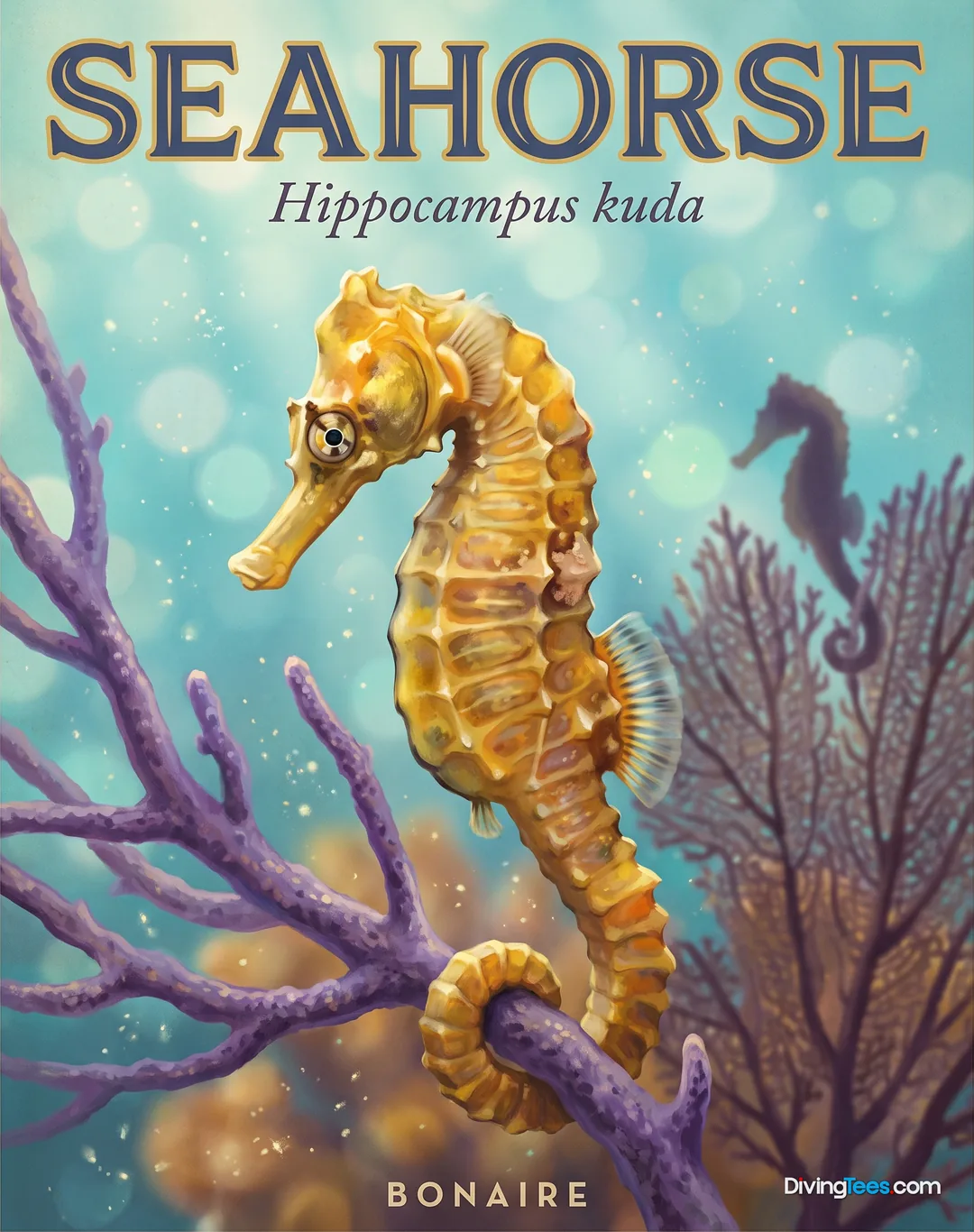
The smaller subjects are often the reason to slow down: nudibranchs, shrimp, seahorses, moray eels, scorpionfish and angelfish occupy the reef and artificial structures. Koh Klung Badan is particularly suited to searching hard-coral fields for macro life and tiger tail seahorses. Around Koh Sak and Koh Khrok, turtles are a recurring attraction, including Hawksbill turtles and Greenback turtles, while bamboo sharks may turn up in the shallows. Fusiliers, jacks and great barracuda add movement around the deeper caps and wrecks. Octopus and stingrays are among the less predictable encounters. Whale shark sightings are possible within the recorded local fauna, but they should not be treated as a seasonal appointment.
The measured window for Pattaya is October to March, when the sea is generally at its calmest. Rainfall is lowest from November into April, so the most settled run overlaps the drier part of the year, although April is not included in the measured calm-sea window. Calmer water matters here because the choice between near islands, exposed rocks and wrecks is strongly affected by wind and sea state. Plan with some flexibility even in the preferred months: plankton, run-off and changing Gulf conditions can reduce visibility, and a boat may sensibly switch sites rather than force an exposed dive.
Pattaya works for all certification levels, from Open Water divers on the shallow reefs of Koh Sak and Koh Khrok to experienced divers tackling the outer islands and wrecks. Advanced certification is appropriate for the HTMS Kut, HTMS Khram and Hardeep Wreck, where depth, current or wreck procedures change the demands of the dive. Wreck experience is particularly relevant to the Hardeep’s penetrable areas. Advanced divers and those with substantial logged experience will be more comfortable when current affects North Rock, deeper caps or Koh Phai.
For travellers leaving from London or Manchester, Pattaya is reached by arranging the journey to Bangkok first, then continuing by road to the coastal city. The structural point is that Bangkok is the arrival gateway used for the destination; Pattaya itself is not treated as a separate international dive gateway in the available arrangements. Once in Pattaya, the diving still depends on the water: boats take divers from the local port towards the islands and sites in the Gulf of Thailand. Accommodation is normally in the city or near the shore, with the dive centre reached on foot, by taxi or by an operator’s shuttle. Check the exact pick-up point and port in advance, as the boat departure determines the practical shape of each diving day.
Treat Pattaya as a land base with a boat schedule, not as a substitute for a liveaboard. Before booking a day, check whether it is aimed at natural reef, artificial reef or wreck diving; the experience is markedly different, especially for photographers and divers who want meaningful wreck time. Keep the itinerary flexible so a wind- or current-affected site can be replaced without wasting the whole stay. Early or less popular departure windows can reduce the concentration of leisure groups on the easiest sites. For repeated boat dives, Nitrox and disciplined gas planning are more useful here than highly specialised equipment. A DSMB and sound current awareness are sensible for exposed islands and wrecks. Do not assume one marine-reserve regime covers the whole area: local rules can differ by site, so follow the stated mooring and no-touch requirements. Pattaya’s urban setting and mixed reef condition are part of the bargain; arrive for accessible variety, not an immaculate sanctuary.
Four to seven days gives the shore-based format time to work: several boat days can be mixed with a rest day or a non-diving island outing. Divers can alternate shallow coral and macro dives around Koh Sak, Koh Larn or Koh Khrok with deeper island reefs and wrecks such as the HTMS Khram or Hardeep Wreck. A non-diving companion can remain in Pattaya, where the seafront, urban promenade and coastal activities provide an independent day ashore.
Hello, I'm Marina, DivingDeal.com's AI assistant. I guide you through destinations, areas and countries.
Thinking about the whole trip and the flights? Talk it over with Edith →
Marina is an AI. Some links are affiliate links: DivingDeal may earn a commission, at no extra cost to you. Bookings are made with the partner.
Your last day stays dry: no diving in the 18-24 hours before a flight, the perfect window to see the destination from another angle.
 Culture
⏱ 2 h · ★ 5.0 (10 reviews)
from £15$20€18
see on Viator ↗
 Culture
⏱ 4 h · ★ 5.0 (8 reviews)
from £37$50€45
see on Viator ↗
 Adventure
⏱ 8 h · ★ 4.9 (24 reviews)
from £178$239€213
see on Viator ↗
 Nature
⏱ 6 h · ★ 4.9 (119 reviews)
from £136$182€162
see on Viator ↗
Ratings and reviews collected by Viator and Tripadvisor.
Choose Pattaya between October and March, when the sea is generally at its calmest. November through March also overlaps the lower-rainfall period. Conditions can still change because plankton, runoff and Gulf weather affect visibility and site access, so keep your boat schedule flexible rather than planning every dive around one exposed location.
Pattaya suits all certification levels. Open Water divers can explore the shallow reefs of Koh Sak and Koh Khrok. Advanced certification is appropriate for the HTMS Khram, HTMS Kut and Hardeep Wreck, where depth, current and wreck procedures increase the demands. Wreck experience matters especially for penetrable areas of the Hardeep.
Pattaya offers coral gardens, granite rocks, pinnacles, walls, artificial reefs and proper wrecks. You may encounter turtles, bamboo sharks, nudibranchs, shrimp, tiger tail seahorses, moray eels, scorpionfish, angelfish, fusiliers, jacks, barracuda, octopus and stingrays. Koh Klung Badan suits macro searches, while the wrecks provide deeper, more purposeful diving.
Use Pattaya as a land base, with boats departing from the local port for nearby islands and wrecks. Four to seven days allows several boat days, a rest day or an island outing. Stay in the city or near shore, confirm the pickup point and port, and alternate shallow reefs, macro sites and deeper wrecks.