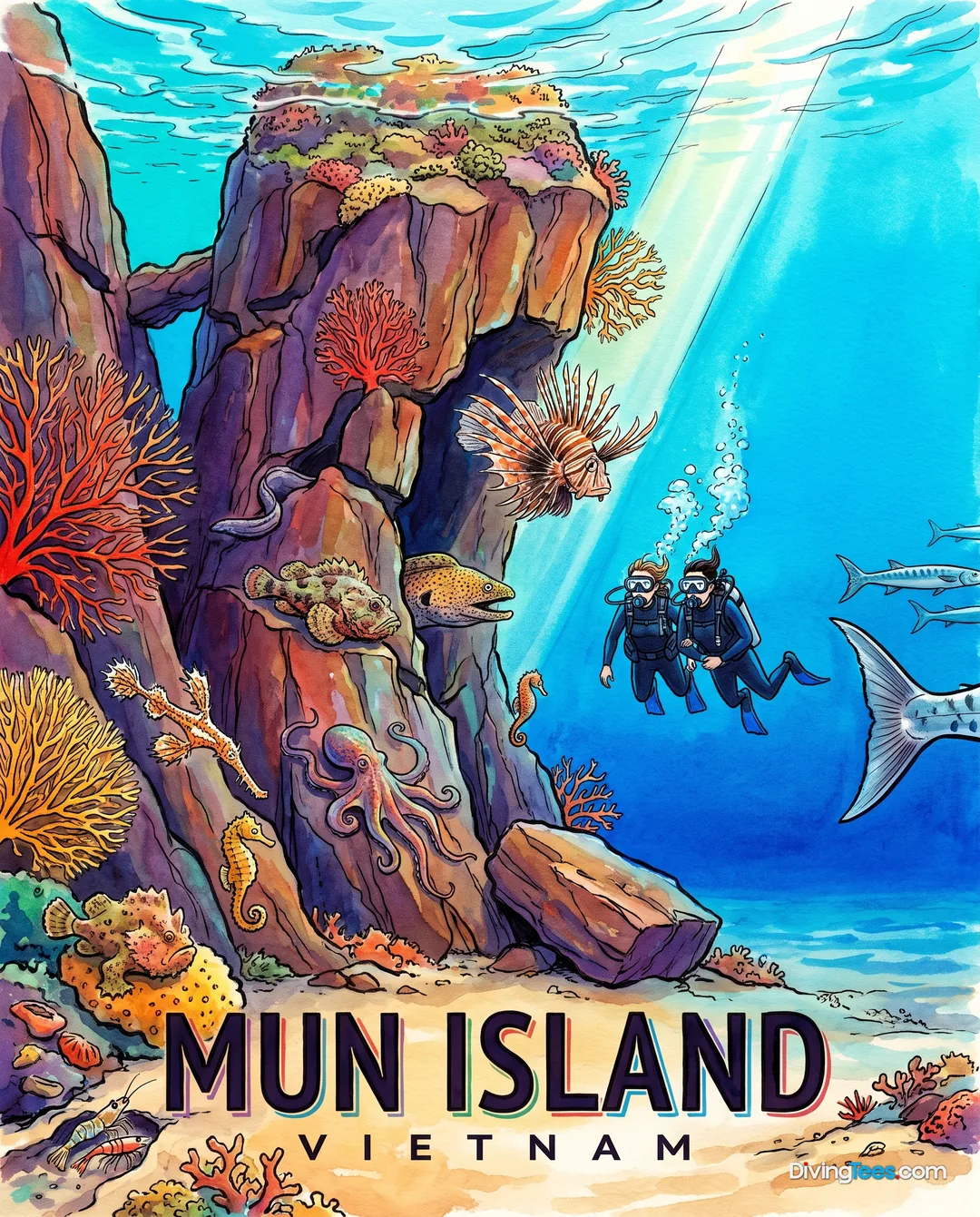
Mun Island · Vietnam · Asia
Max. depth · 35 mMadonna Rock, Mun Island: Twin Pinnacles and Hidden Caves
Descend into the intricate topography of Madonna Rock, where twin pinnacles rise from the sandy bottom, creating a labyrinth of swim-throughs and sheltered crevices teeming with life.
What makes this site special
- Explore a complex network of swim-throughs and narrow caves.
- Navigate around distinct twin-pinnacle formations.
- Encounter giant moray eels and green moray eels in crevices.
- Spot camouflaged lionfish and scorpionfish on the rocks.
- Search for octopus and diverse nudibranchs.
- Look for seahorses and groupers in calmer sections.
- Dive among rugged rock formations and soft coral gardens.
Madonna Rock about the site
Madonna Rock is a prominent twin-pinnacle formation rising from the seabed off Mun Island. Rather than a continuous reef, you'll find a compact, dramatic underwater landscape characterized by steep rocky flanks and high cliffs that demand attention to detail as you explore. The site's distinct structure means you'll spend your dive navigating around and through these large rock formations, often encountering marine life clustered in the shelter of overhangs and crevices.
The dive profile typically begins with a descent onto one of the pinnacles, where you can trace the rugged rock formations down to the sandy bottom at 35 metres. Along the way, soft coral gardens cling to the rock faces, providing habitat and structure. It's a dive where paying attention to the contours of the rock is key, as the site rewards exploration of its nooks and crannies rather than simply cruising over a broad expanse.
One of the defining features of Madonna Rock is its extensive network of swim-throughs and narrow caves. These passages offer an engaging challenge, requiring good buoyancy control and an awareness of your surroundings. Moving through these natural formations provides a sense of discovery, leading you from one section of the rock to another while showcasing different micro-environments and the species that inhabit them.
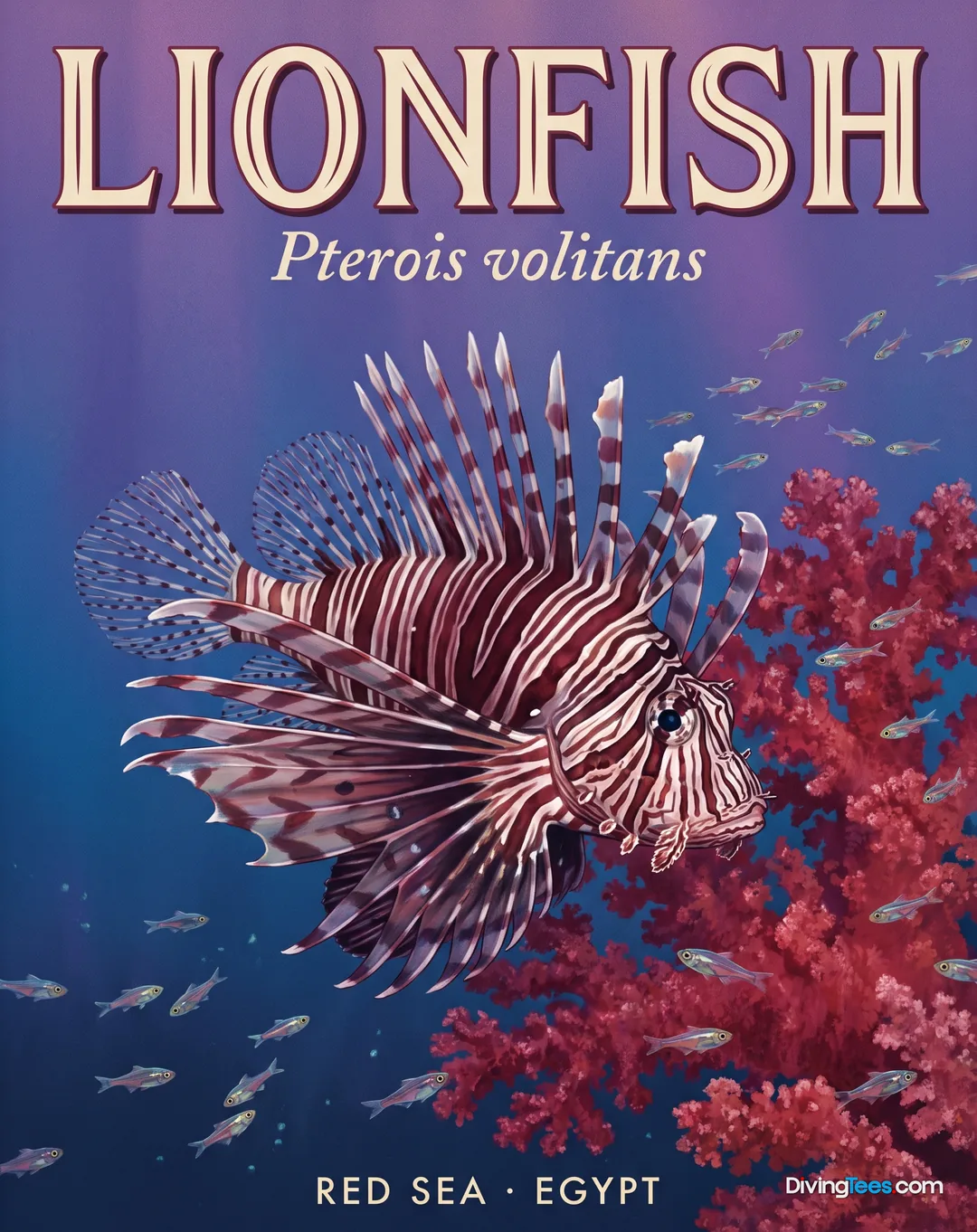
Within the crevices and overhangs, you'll often spot resident species such as the giant moray eel and green moray eel, frequently peering out from their rocky hideouts. Lionfish and scorpionfish are also common, blending seamlessly with the rockwork, demanding a careful eye to spot their camouflaged forms. These encounters are generally close-up, given the confined spaces many of these fish prefer.
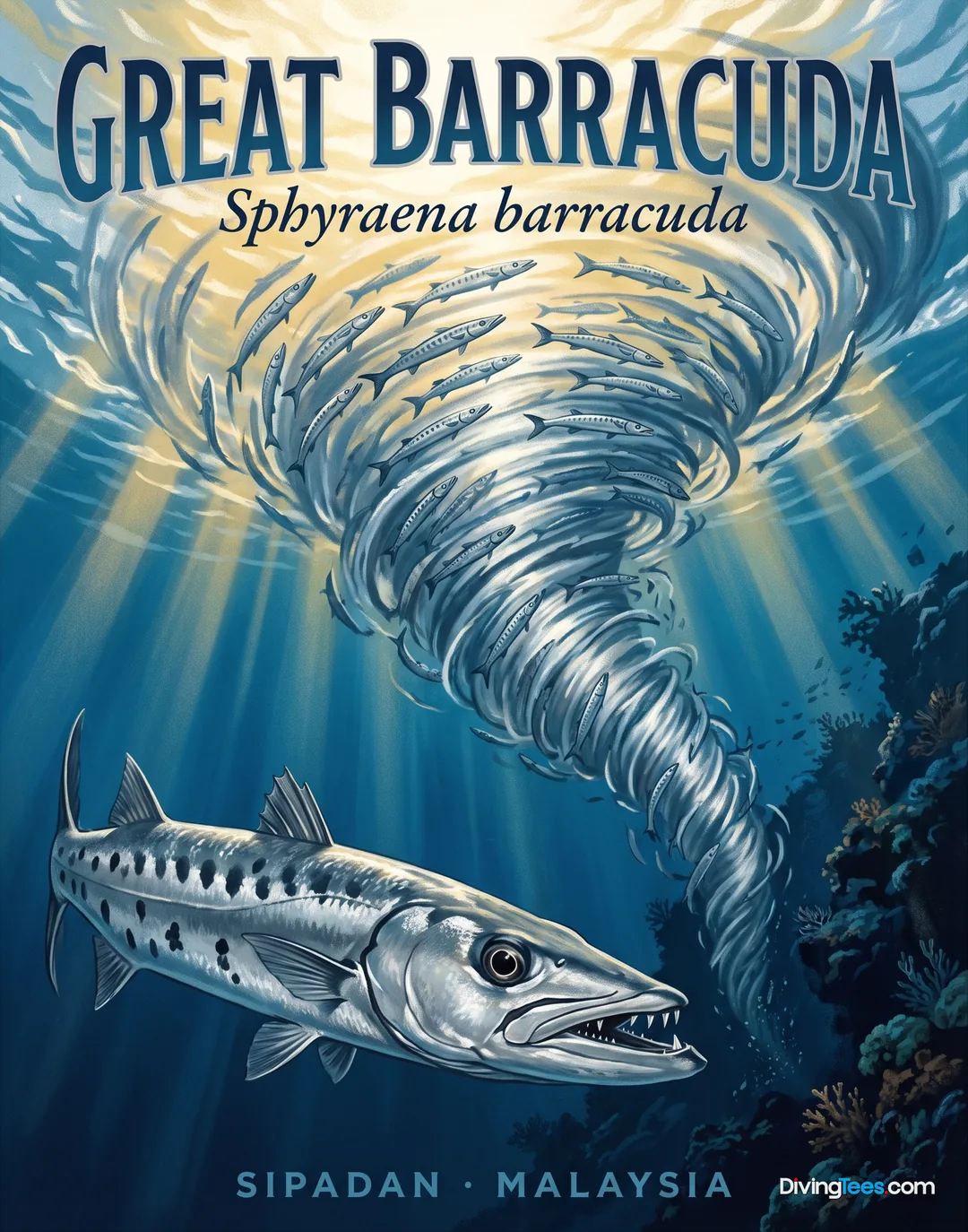
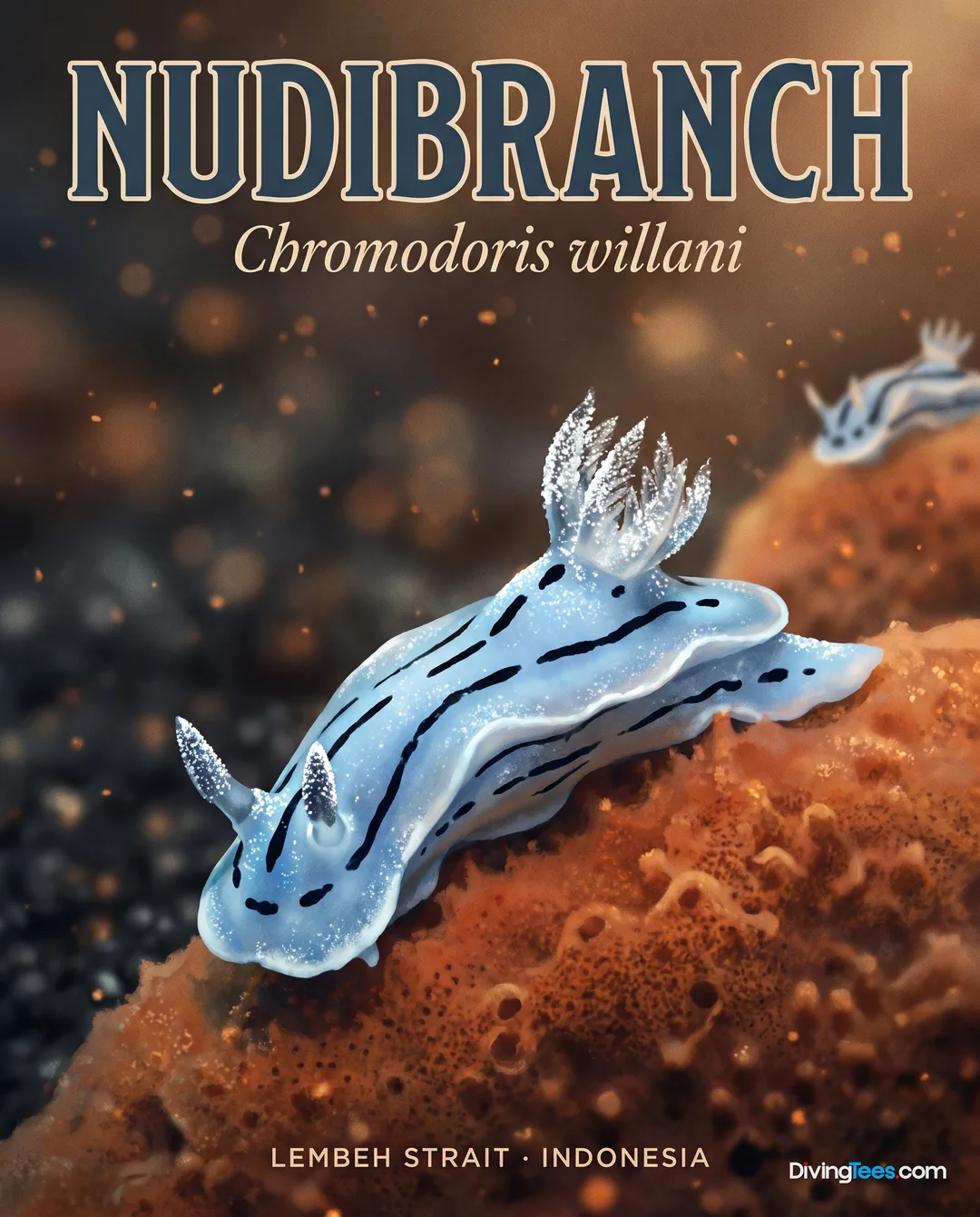
Barracuda are sometimes seen patrolling the open water around the pinnacles, while parrotfish graze on the algae coating the rocks. Look closely into the smaller cracks and under ledges, and you might find octopus or various nudibranchs, often moving slowly across the substrate. The rugged nature of the site provides a protective habitat for a range of smaller, more sedentary creatures.
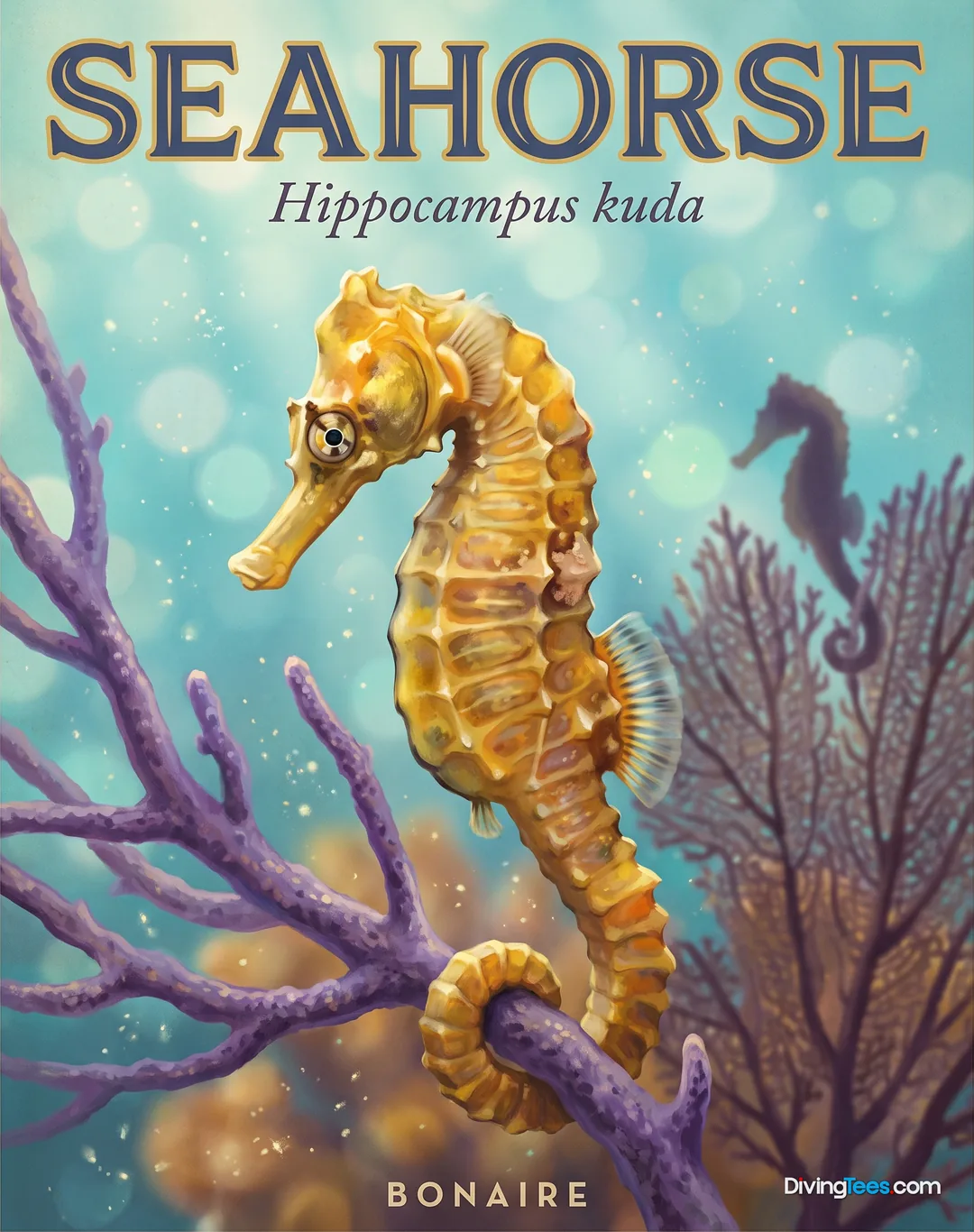
While exploring the shallower sections, particularly the plateaus of the pinnacles, you might encounter seahorses, delicate and often well-camouflaged among the corals and hydroids. Groupers are also present, often resting near the larger rock structures or patrolling their territories. The stonefish, masters of disguise, are another resident that requires vigilance to identify, typically blending perfectly with the rocky bottom.
Visibility at Madonna Rock can range from 5 to 20 metres, influenced by the season and sea state. Moderate currents are common, occasionally picking up, which adds a dynamic element to navigating the pinnacles and swim-throughs. The best conditions for exploring this site, particularly for its unique topography, are generally found between March and October, with clearer waters and calmer seas.
Diving Madonna Rock: the marine life you’ll meet
Diving conditions
Accessible from Open Water Diver certification, Madonna Rock does require comfort navigating moderate current and through swim-throughs. The dive site reaches a maximum depth of 35 metres, with shallower sections starting at 5 metres. Visibility typically ranges from 5 to 20 metres. Moderate currents are frequently encountered here, so be prepared for conditions that can shift. The optimal period for diving this site is between March and October, offering the most stable weather and sea conditions.
Three dives not to miss

Map of hotels, dive sites and dive centres in Mun Island
Frequently asked questions about Madonna Rock
When should you dive Madonna Rock?
Plan your dive at Madonna Rock between March and October, when weather and sea conditions are generally more stable. This period is associated with clearer waters and calmer seas, which suit exploration of the twin pinnacles, rugged rock formations, swim-throughs, and narrow caves.
What certification and experience do you need for Madonna Rock?
Madonna Rock is accessible from an Open Water Diver certification, but you should be comfortable navigating moderate current and moving through swim-throughs. Good buoyancy control and awareness of your surroundings are important because the site includes narrow caves, confined passages, steep rocky flanks, and overhangs.
How deep is Madonna Rock, and what currents should you expect?
Madonna Rock ranges from 5 to 35 metres, with the dive profile descending from a pinnacle toward a sandy bottom at 35 metres. Moderate currents are frequently encountered and can occasionally pick up, while visibility typically ranges from 5 to 20 metres depending on the season and sea state.
What can you see while diving Madonna Rock?
At Madonna Rock, you can explore twin pinnacles, rugged formations, soft coral gardens, swim-throughs, and narrow caves. Look for giant and green moray eels, camouflaged lionfish, scorpionfish, octopus, nudibranchs, seahorses, groupers, stonefish, barracuda, and parrotfish around crevices, rocks, coral, and calmer sections.