
Sailing Club Divers
Google 5/5 (983 reviews)
8.7 km away as the crow flies
Nha Trang · Vietnam · Asia
Max. depth · 30 mFire Coral offers a dense, three-dimensional coral landscape, shaped by a unique concentration of fire coral growth, making it visually distinct from other Mot Island reefs.
Diving Fire Coral off Mot Island means descending onto a reef system primarily defined by its dense cover of Millepora, the fire coral that gives the site its name. This isn't a flat patch of reef; the coral growth here creates a three-dimensional topography, forming intricate structures that support a rich ecosystem. As you move through the site, the reef edge drops more steeply towards deeper water, allowing for varied dive profiles depending on your comfort and experience with current.
The terrain at Fire Coral transitions between expansive coral gardens and distinct reef edges. You'll find yourself navigating formations that provide ample hiding spots and foraging grounds for smaller reef inhabitants. These structures are not just visual; they are active biological hubs. The mixed coral gardens here contribute to the site's ecological diversity, often supporting both schooling reef fish and the macro life that seeks refuge within the coral branches.
Visibility at Fire Coral typically ranges from 15 to 25 metres, though this can be influenced by seasonal weather. The site's exposed nature means that while conditions can be excellent, it is also more susceptible to chop and reduced visibility during periods of strong winds or monsoonal activity. Planning your dive here involves checking local conditions, as the outer-reef exposure directly impacts the overall clarity and water movement you'll encounter.
Current is a defining characteristic of Fire Coral. While often moderate, it can be more assertive here than at other reefs closer to Mot Island, especially during tide changes or when exposed to stronger seasonal weather patterns. This exposure means you'll often be drifting along sections of the reef, making good buoyancy control essential. You'll need to stay aware of your position relative to the reef and your dive buddy, particularly when navigating the more pronounced reef edges.
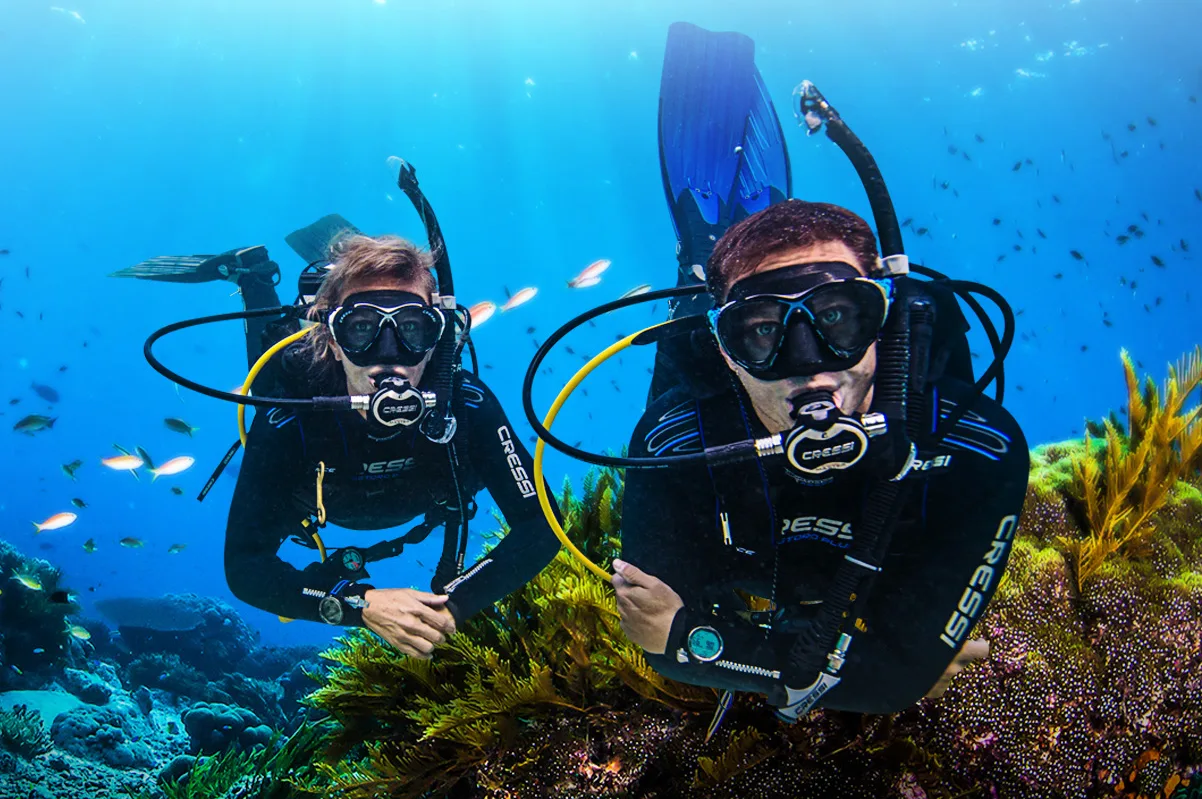
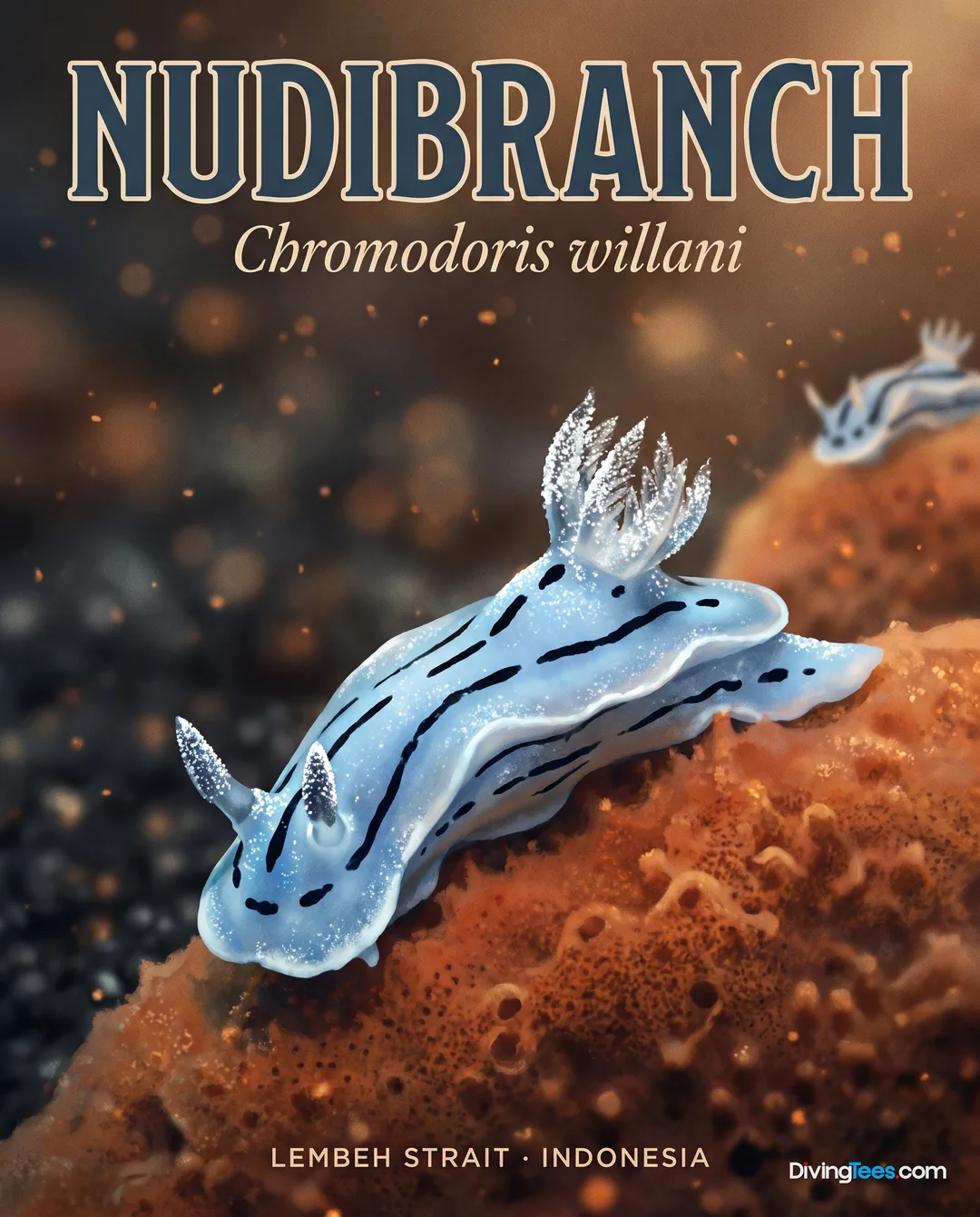
Beyond the coral itself, Fire Coral hosts a range of marine life. You can encounter grey reef sharks patrolling the deeper sections, adding a pelagic element to the dive. The site is also a rewarding spot for macro enthusiasts, with nudibranchs often found along the coral surfaces. Keep an eye out for anthias, butterflyfish, and various schooling reef fish moving through the water column, alongside crabs and shrimp tucked into crevices.
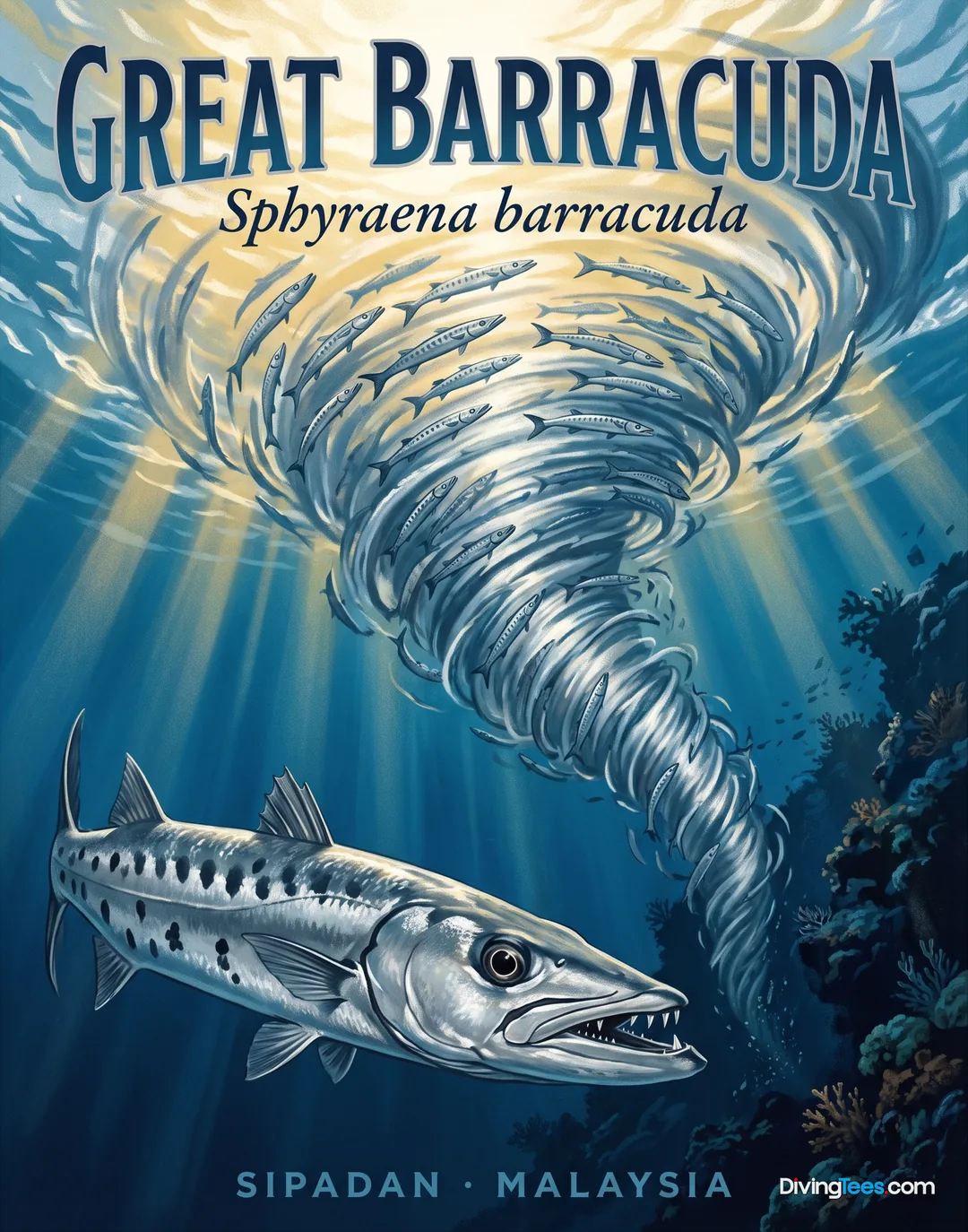
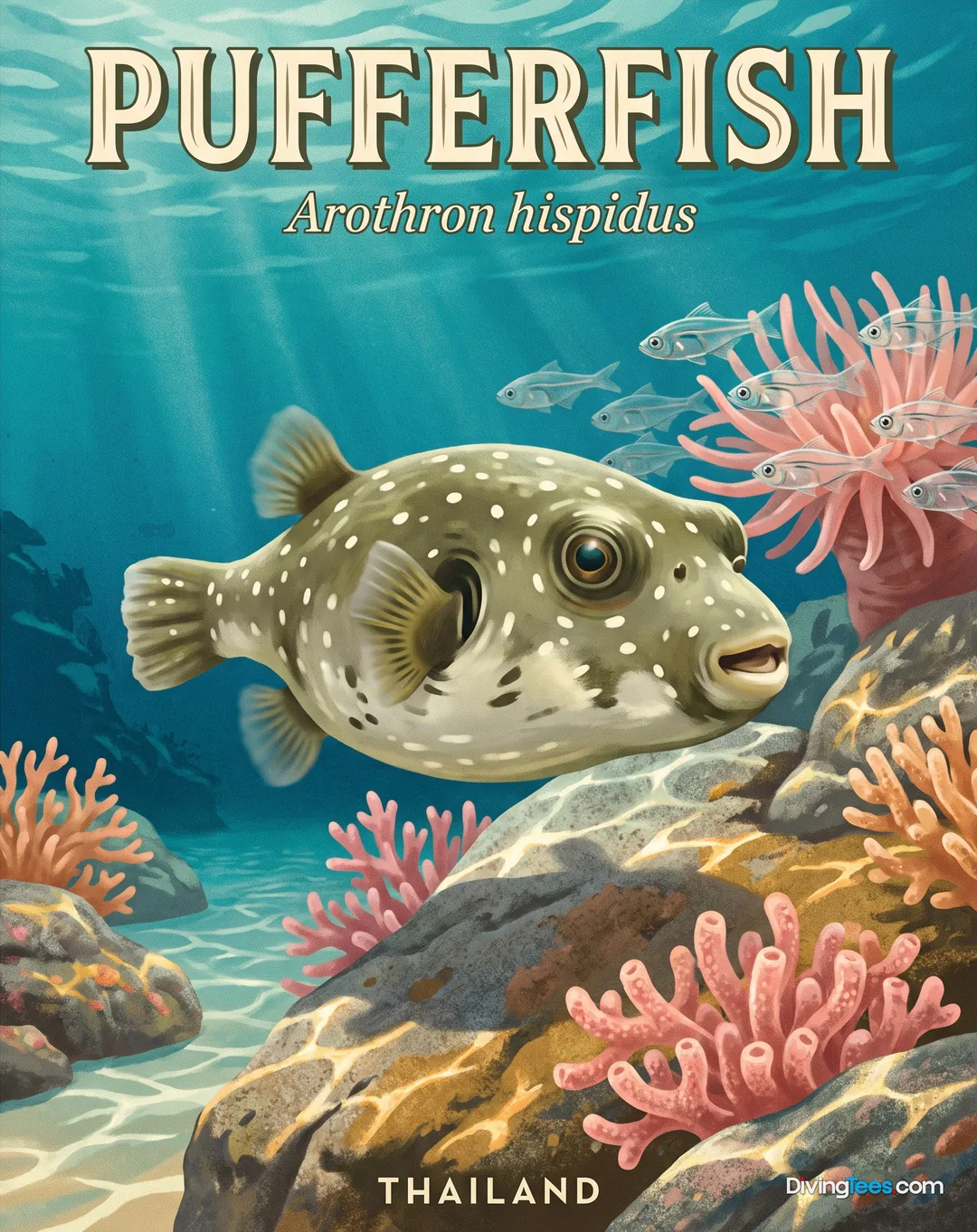
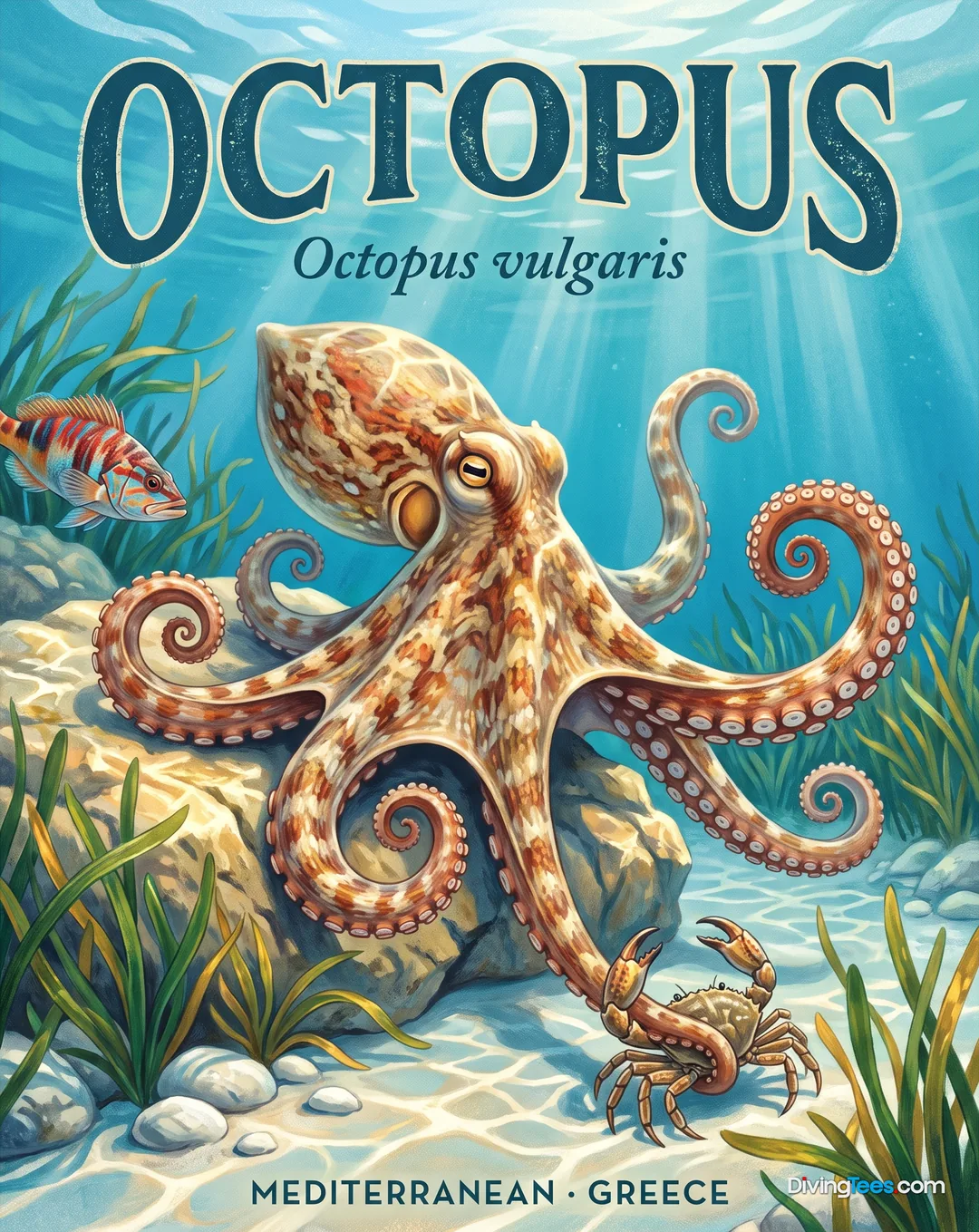
As you explore, other residents like angelfish, barracuda, and pufferfish are common sights. Hawksbill turtles are occasionally observed, moving gracefully over the reef, and you might spot a moray eel or an octopus in its den. This mix of pelagic and reef dwellers, combined with the distinctive coral landscape, gives Fire Coral a character that stands apart from more generic reef dives in the region.
The ecological distinction of Fire Coral primarily comes from its unusually concentrated fire coral growth. This dominant presence shapes the entire reef, creating a specific habitat that attracts a different density of marine life compared to sites where fire coral is less prominent. It’s this unique coral architecture, rather than just the individual species, that defines the diving experience here, offering both refuge and hunting grounds for its inhabitants.
Dive depth at Fire Coral ranges from a minimum of 3 metres down to a maximum of 30 metres. This site is accessible from Open Water Diver level, but given the potential for more assertive current patterns, good buoyancy control is essential. Visibility typically holds between 15 and 25 metres. The best season for diving here runs from November to April, with March to May often bringing the warmest water and clearest visibility.
You can dive Fire Coral during the main season from November to April. March to May often brings warmer water and clearer visibility. Because the site is exposed, seasonal weather can affect chop and clarity, so check local conditions before entering the water, particularly during strong winds or monsoonal activity.
Fire Coral is accessible from Open Water Diver level, with depths ranging from three to thirty metres. The reef includes coral gardens and edges that descend more steeply into deeper water, allowing varied profiles. Good buoyancy control is essential because current may become assertive, especially around pronounced reef edges.
Current is a defining feature of Fire Coral and is often moderate, though it can become more assertive than at reefs closer to Mot Island. Tide changes and seasonal weather can strengthen movement. You may drift along the reef, so stay aware of your position, your buddy, and the reef edge.
At Fire Coral, dense three-dimensional Millepora formations shelter nudibranchs, crabs, shrimp, and varied reef fish. You may encounter schooling fish, anthias, butterflyfish, angelfish, barracuda, pufferfish, moray eels, octopuses, and hawksbill turtles. Grey reef sharks patrol deeper sections, adding larger pelagic life to the coral and macro encounters.