

Best Spot Azores Dive Center
Google 4.9/5 (1,355 reviews)
Sao Miguel · Azores · Atlantic
Max. depth · 20 mDive the open ocean at Manta Blue Spot, a remote seamount off São Miguel, known for encounters with manta and mobula rays in the deep blue.
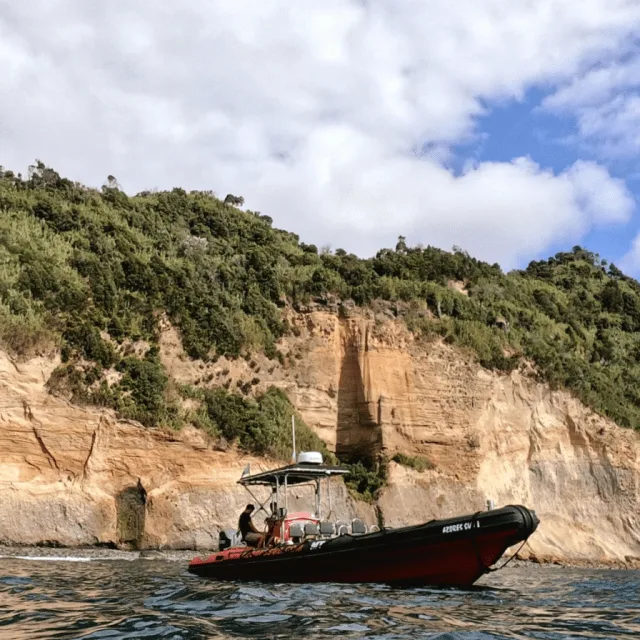
Reaching Manta Blue Spot is an expedition that begins with a 25-nautical-mile boat journey from Vila Franca do Campo marina, heading directly to the far north-eastern tip of São Miguel. This distance means a significant boat ride, typically around 1 to 1.3 hours, setting the tone for a truly remote, oceanic dive. You're leaving the coast behind, moving into the vastness of the Atlantic, where the deep blue begins to define the experience long before you enter the water.
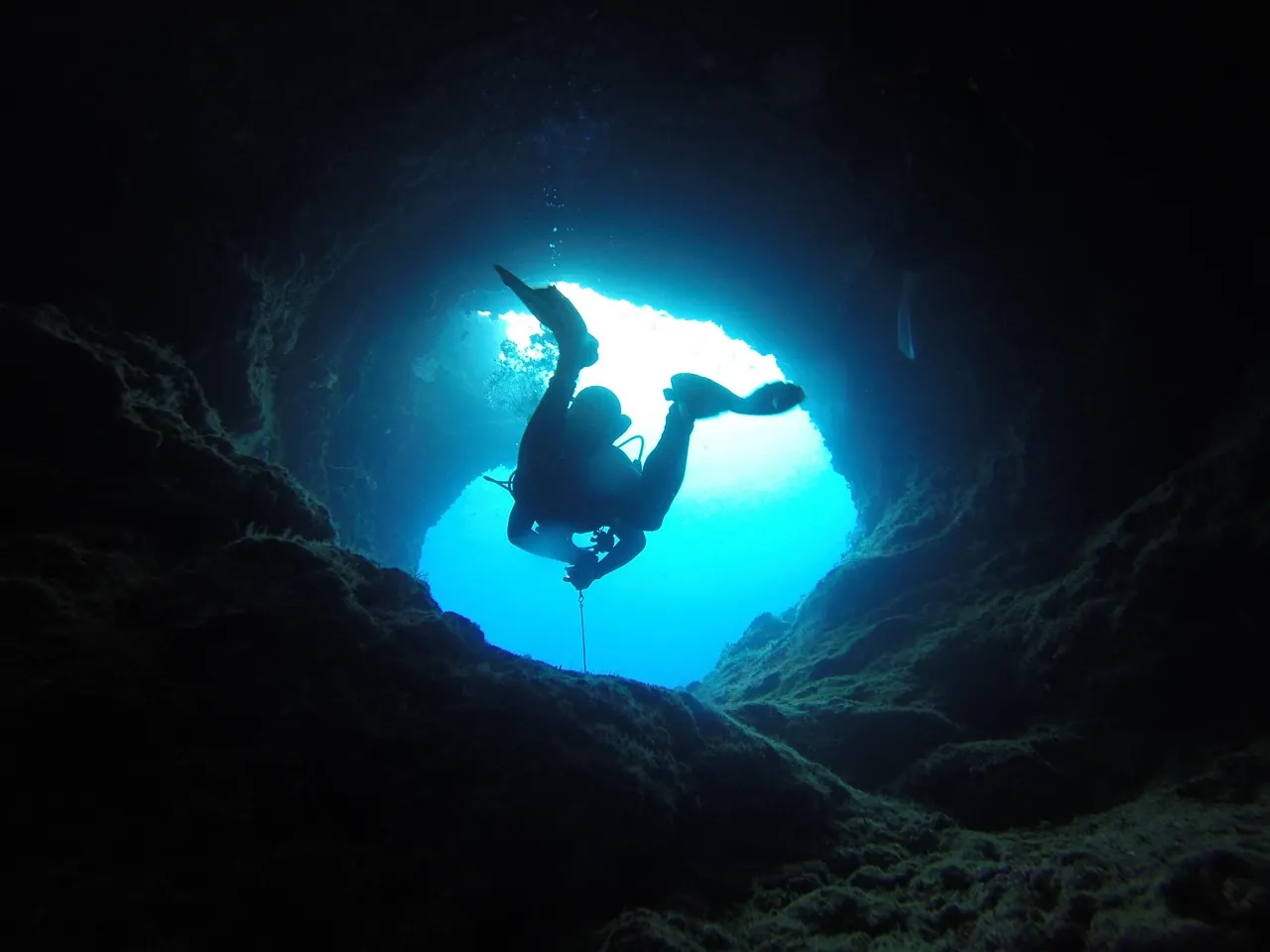
As you prepare to descend at Manta Blue Spot, you're not dropping onto a reef; you're entering the open ocean environment. The site is an offshore seamount, a rocky pinnacle that rises from approximately 100 metres to a shallowest point around 50 to 60 metres below the surface. Dives here are conducted mid-water, typically between 10 and 20 metres, using an anchor line as a reference point. This approach allows you to suspend yourself in the water column, focusing entirely on the pelagic life that congregates around this isolated feature.
The topography of Manta Blue Spot, as an exposed seamount at the edge of the island, acts as a magnet for transient marine life. The nutrient-rich currents that sweep through the Azorean waters bring a consistent flow of pelagic species to this area. While you won't find intricate coral gardens, the expansive feeling of being suspended in the boundless blue, with the seamount far below, creates a unique sense of immersion in the wider ocean ecosystem.
Manta Blue Spot is renowned for its pelagic encounters, particularly with manta rays (Manta birostris) and devil rays (Mobula tarapacana). These large cartilaginous fish are the primary draw, often seen cruising in the water column. Beyond the rays, you can expect to encounter schools of jacks, barracuda, and wahoo, all drawn to this oceanic beacon. The dive here is about keeping your eyes scanning the blue in all directions, ready for whatever the open ocean might present.
Visibility at Manta Blue Spot is typically excellent, ranging from 15 to 40 metres, a characteristic of offshore Azorean sites. The light penetrates deep into the clear water, painting the environment in various shades of blue as you descend. This clarity enhances the experience of blue water diving, allowing you to spot pelagic life from a distance and appreciate the sheer scale of the open ocean around you.
Currents at Manta Blue Spot can be variable. As an open-ocean offshore site, it is directly influenced by Atlantic currents, and strong currents can occur, making the dive more challenging. This variability means that while conditions can be calm, you should be prepared for potential shifts in current strength, which can impact your dive plan and energy expenditure. Dive operators often note the possibility of strong currents, requiring a mindful approach to your dive profile.
The remote nature of Manta Blue Spot, 25 nautical miles from the nearest marina, contributes to its pristine condition and the abundance of pelagic life. This isolation means fewer divers and less human impact, preserving the natural behaviour of the marine species. It's a site that offers a genuine sense of exploration, far from the more frequented coastal areas, providing a distinct experience for those seeking true open-ocean encounters.
Manta Blue Spot is accessible for Advanced Open Water certified divers, or those holding an equivalent international level 2 certification, with a prior coastal dive with the operator recommended. Dives are conducted mid-water, typically between 10 and 20 metres, over a seamount whose shallowest point is around 50 to 60 metres. Visibility generally ranges from 15 to 40 metres. Currents can be variable and strong, so be prepared for potentially challenging conditions. The best season for manta and pelagic encounters is from July to September, with the overall pelagic diving peak in the Azores extending from June to October.
The manta and pelagic encounter season at Manta Blue Spot runs from July to September. Pelagic diving in the Azores extends from June to October. During a dive, you scan the open water for manta rays, devil rays, schools of jacks, barracuda, and wahoo around the remote seamount.
Manta Blue Spot is accessible to Advanced Open Water certified divers or divers with an equivalent international level 2 certification. A prior coastal dive with the operator is recommended. The site involves mid-water diving in the open ocean, with an anchor line used as a reference over the seamount.
Dives at Manta Blue Spot are conducted mid-water, typically between 10 and 20 metres. The site is an offshore seamount whose shallowest point lies around 50 to 60 metres below the surface, so you remain suspended in the water column rather than descending onto its rocky pinnacle.
Currents at Manta Blue Spot are variable, and strong currents can occur, creating potentially challenging conditions. You should be prepared for shifts in current strength that may affect your dive plan and energy use. Visibility generally ranges from 15 to 40 metres in the clear offshore Azorean water.