
Azores Diving
Google 4.9/5 (575 reviews)
79 km away as the crow flies
Sao Miguel · Azores · Atlantic
Max. depth · 50 mDescend onto the Ambrósio seamount, an oceanic peak rising from deep water, to encounter the large pelagics, notably mobulas and mantas, that frequent its waters during the summer months.
For subtitles in English: start the video firstthen click the gearat the top right of the video, select “Subtitles/CC”, then “Auto-translate” and choose “English”.
Ambrósio, also known as Baixa do Ambrósio, is an oceanic seamount that rises from the deep Atlantic waters surrounding Sao Miguel in the Azores. This submerged mountain acts as a natural aggregation point, drawing in pelagic life from the open ocean. The site's profile involves descending onto the top of this underwater peak, where the interaction of the water column and specific currents creates the conditions for encounters with larger species. The seamount's summit lies around 40 to 50 metres, but most recreational dives are conducted suspended in mid-water, often along a mooring line, rather than touring a structured wall.
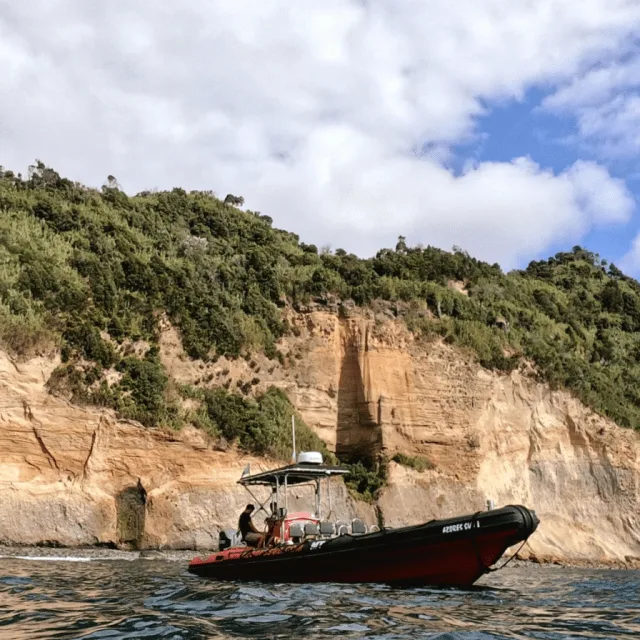
The journey to Ambrósio is a significant part of the experience, typically requiring a full day out on a fast boat due to its offshore location. This commitment means you are dedicating your dive day to an exposed, open-water environment. Once on site, the approach is usually made with an eye for surface activity, which can give an initial indication of what might be waiting below. Preparations are completed on the boat, readying you for an open-water descent into the blue.
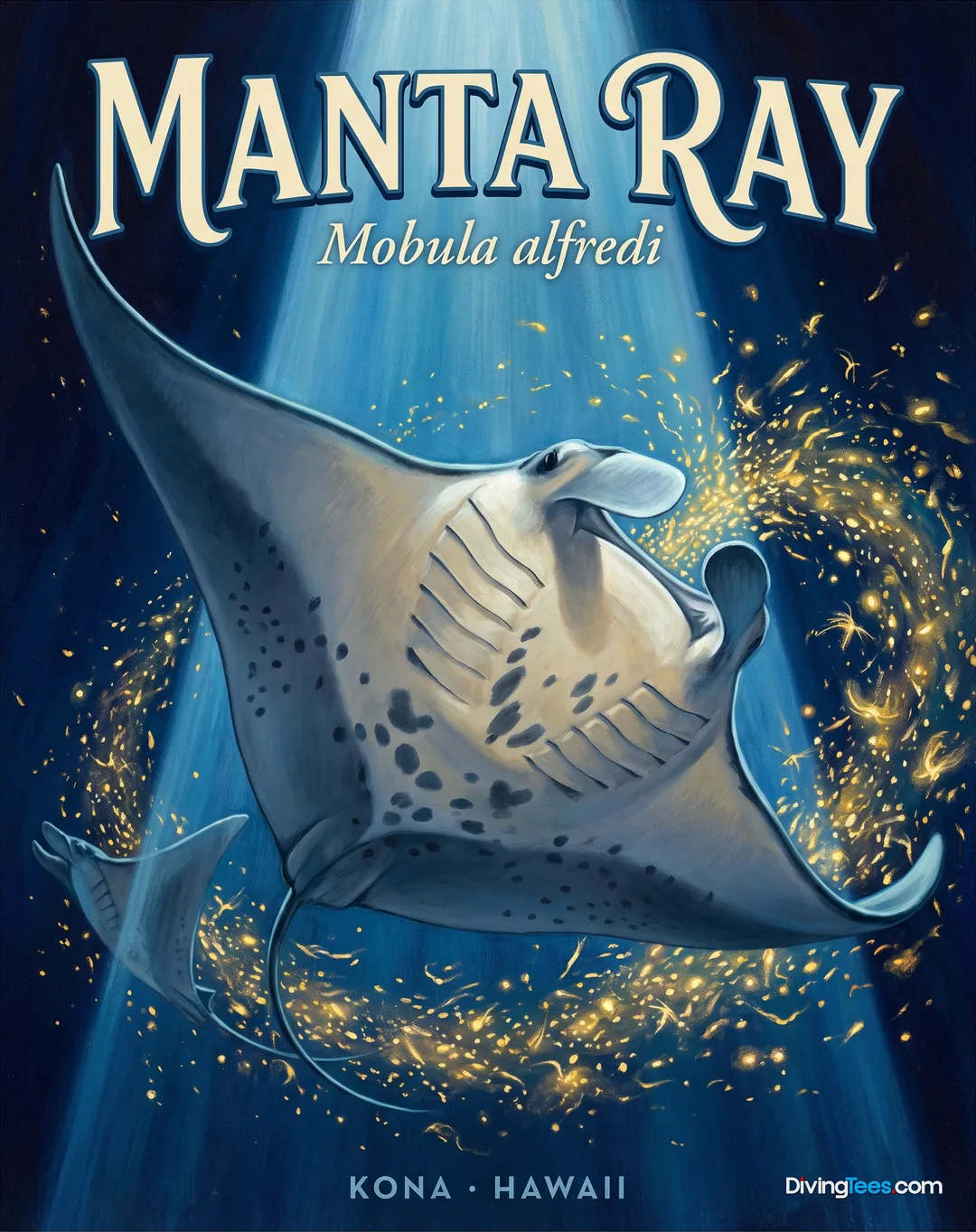
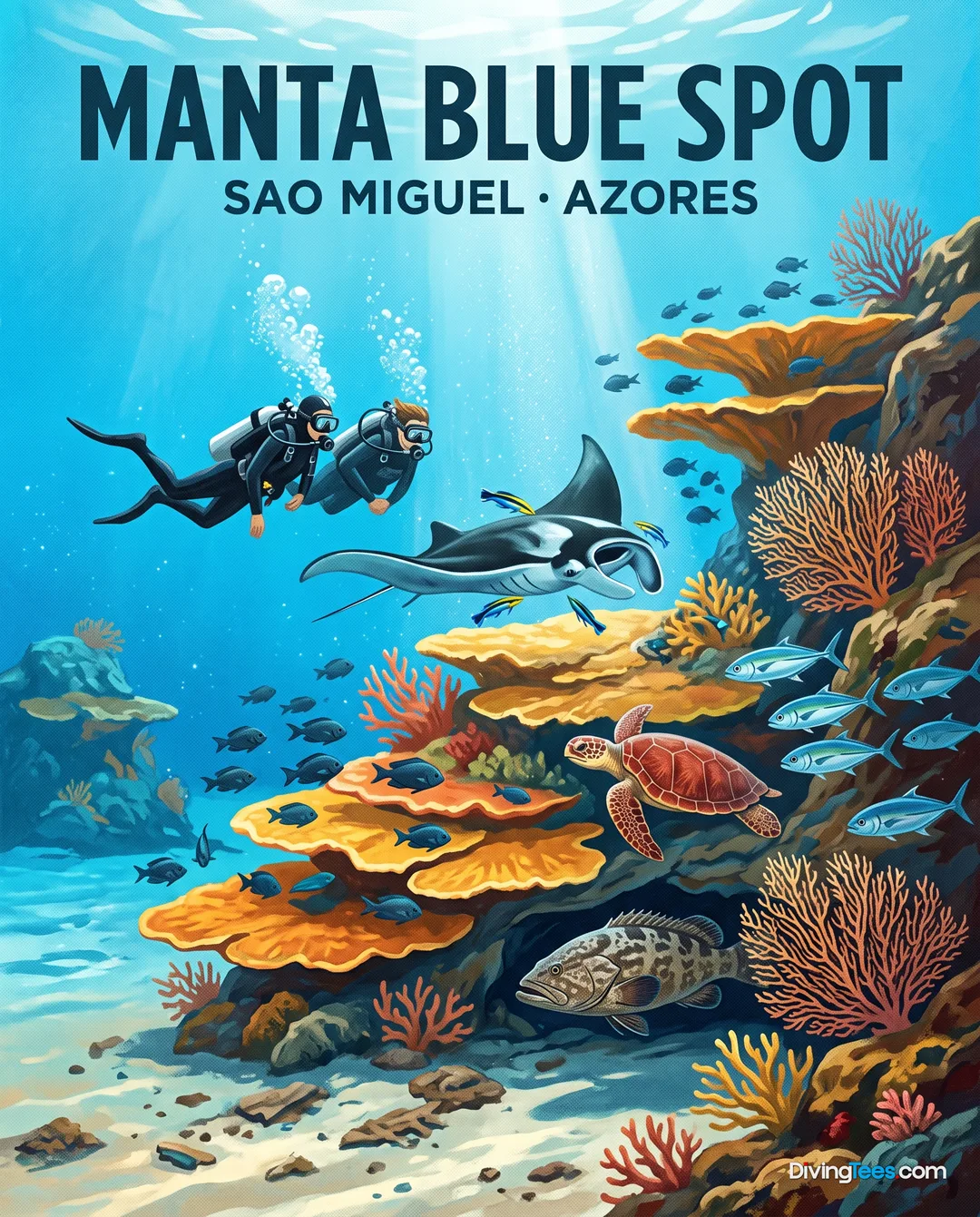
Below the surface, the seamount's topography creates specific current patterns that attract filter feeders. During the summer months, these conditions regularly draw in mobula rays (Mobula birostris) and manta rays (Manta birostris). These large rays cruise around the seamount, often in schools, using the uplift from the currents to feed. Encounters typically involve observing them as they navigate the water column, frequently circling at varying depths around the peak, with reports of 30 or more individuals circling divers on many dives.
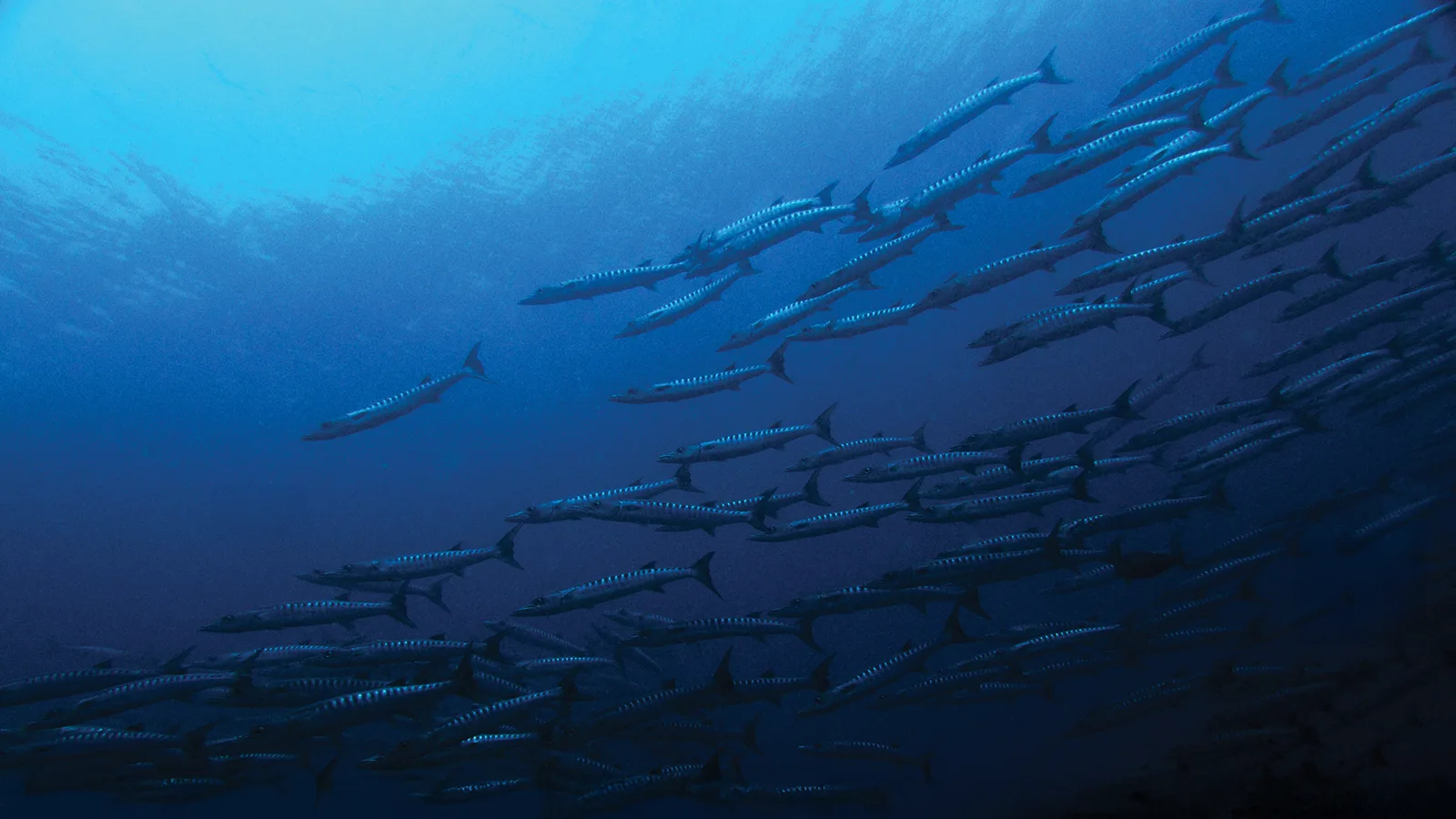
Diving Ambrósio means you are primarily there for these specific pelagic encounters. While the focus is on the mobulas and mantas, the dynamic of an oceanic seamount also implies the potential for other transient visitors. You might also encounter whale sharks, barracuda, Almaco jacks, amberjacks, tuna, wahoo, anchovies, bluefish, round stingrays, red scorpionfish, and ocean sunfish. The open-water environment ensures that the dive is less about intricate reef exploration and more about observing marine life in its natural migratory and feeding patterns in the blue.
The seamount itself is a compact underwater mount, with its shallowest point around 2 metres, though the main dive area for pelagic encounters is deeper. The currents at Ambrósio are variable, ranging from light to moderate, but can at times be strong due to the exposed Atlantic location. Dives are planned around weather and sea state, and divers typically stay on or near the downline to manage current while watching passing pelagics. This approach allows for controlled observation in a dynamic environment.
Visibility at Ambrósio is consistently good, typically ranging from 20 to 30 metres, providing clear views of the approaching pelagics. The site is a marine reserve, and access is boat-only, typically from Santa Maria, with dives guided and scheduled according to weather and sea conditions. This controlled access helps preserve the site's unique ecosystem and ensures a focused diving experience on its renowned big-animal aggregations.
Ambrósio is one of the Azores’ most famous big-animal dives, renowned for large aggregations of mobula or devil rays in summer. The site also offers frequent encounters with schooling pelagic fish and occasional whale sharks and sunfish, making it a flagship marine reserve of Santa Maria and a highlight of Azores diving. The experience is about being suspended in the blue, observing the natural behaviour of these large ocean wanderers as they interact with the seamount's currents.
Ambrósio is accessible from Open Water Diver level for shallow line dives and snorkelling, but Advanced Open Water certification is required for deeper seamount exploration and on days with stronger currents. Due to its exposed Atlantic location, currents are variable and can be strong; divers should be prepared for open-water conditions and potential current management. Depths for recreational dives range from 2 to 50 metres. Visibility typically ranges from 20 to 30 metres. The best period for encountering mobula and manta rays is during the summer months, specifically from July to October, when water temperatures exceed approximately 22°C.
Plan your Ambrósio trip between July and October, when mobula and manta rays are regularly drawn to the seamount by its currents. During these summer months, water temperatures exceed approximately 22°C. Weather and sea conditions still determine whether the boat can reach this exposed Atlantic site.
You can visit Ambrósio as an Open Water Diver for shallow line dives and snorkelling. Advanced Open Water certification is required for deeper seamount exploration and for days when currents are stronger. You should also be prepared for open-water conditions and for managing yourself around the downline.
Recreational dives at Ambrósio range from 2 to 50 metres, while the seamount summit lies around 40 to 50 metres. Currents are variable, from light to moderate, but may become strong because of the exposed Atlantic location. Divers generally remain on or near the downline to manage them.
At Ambrósio, you may observe mobula and manta rays circling the seamount in the blue, along with schooling pelagic fish. Possible additional sightings include whale sharks, barracuda, Almaco jacks, amberjacks, tuna, wahoo, anchovies, bluefish, round stingrays, red scorpionfish, and ocean sunfish. Visibility typically ranges from 20 to 30 metres.