
Fuerteocean
Google 5/5 (706 reviews)
Canary Islands · Atlantic
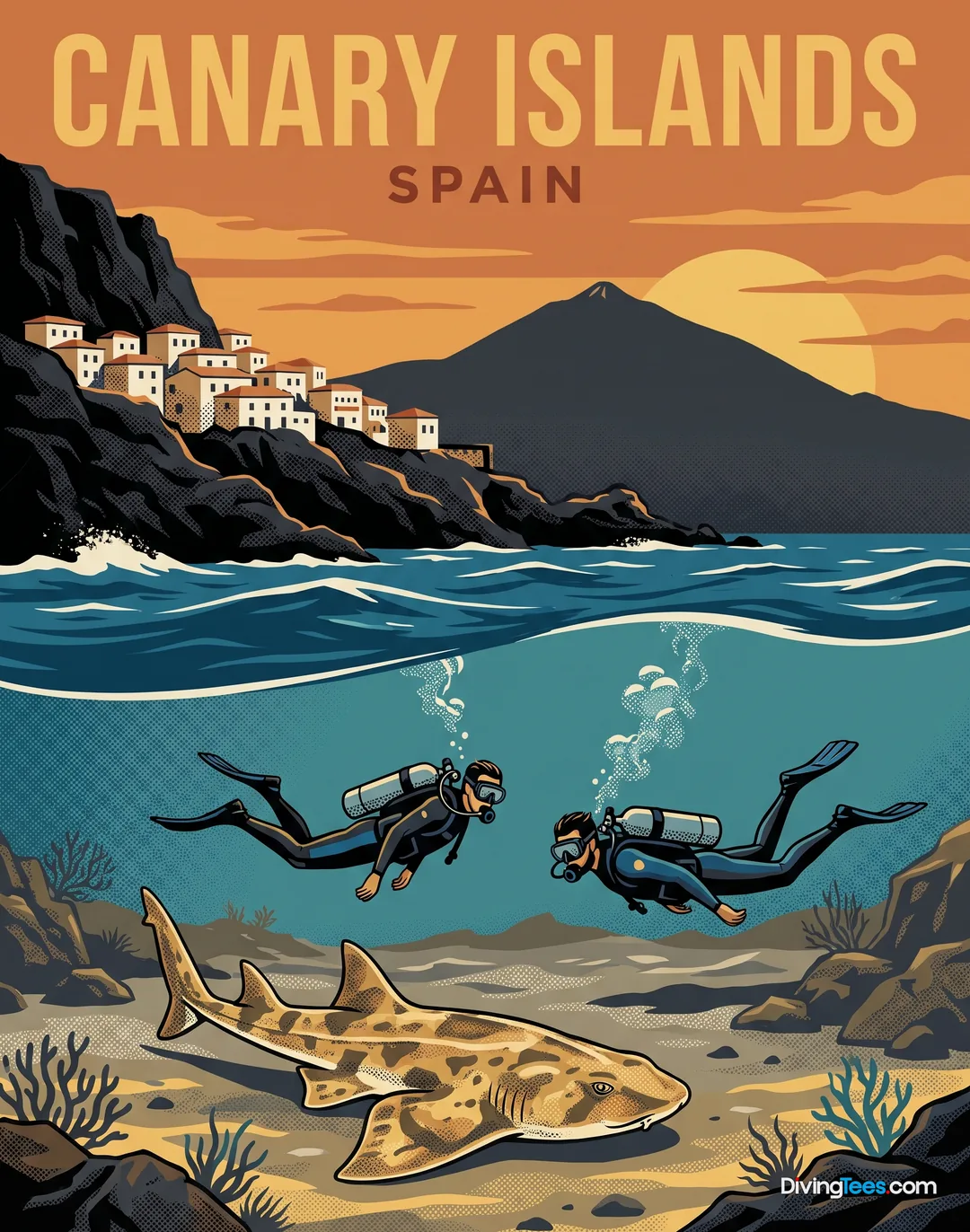
Harbour pilings, sandy seabeds, angel sharks and round butterfly rays make Morro Jable a straightforward Fuerteventura base for coastal and boat diving.
For subtitles in English: start the video firstthen click the gearat the top right of the video, select “Subtitles/CC”, then “Auto-translate” and choose “English”.
The harbour structures at Morro Jable shelter a shallow sandy dive where small fish weave between pilings and rays settle on the bottom. Around the port, the attraction is not a long chain of demanding reef dives, but an easy first look at Fuerteventura's southern waters, followed by boat trips to rock and sand. Morro Jable works particularly well as a land-based holiday: diving occupies part of the day, while Jandía's beach, harbour and dry landscapes give non-divers plenty to do.
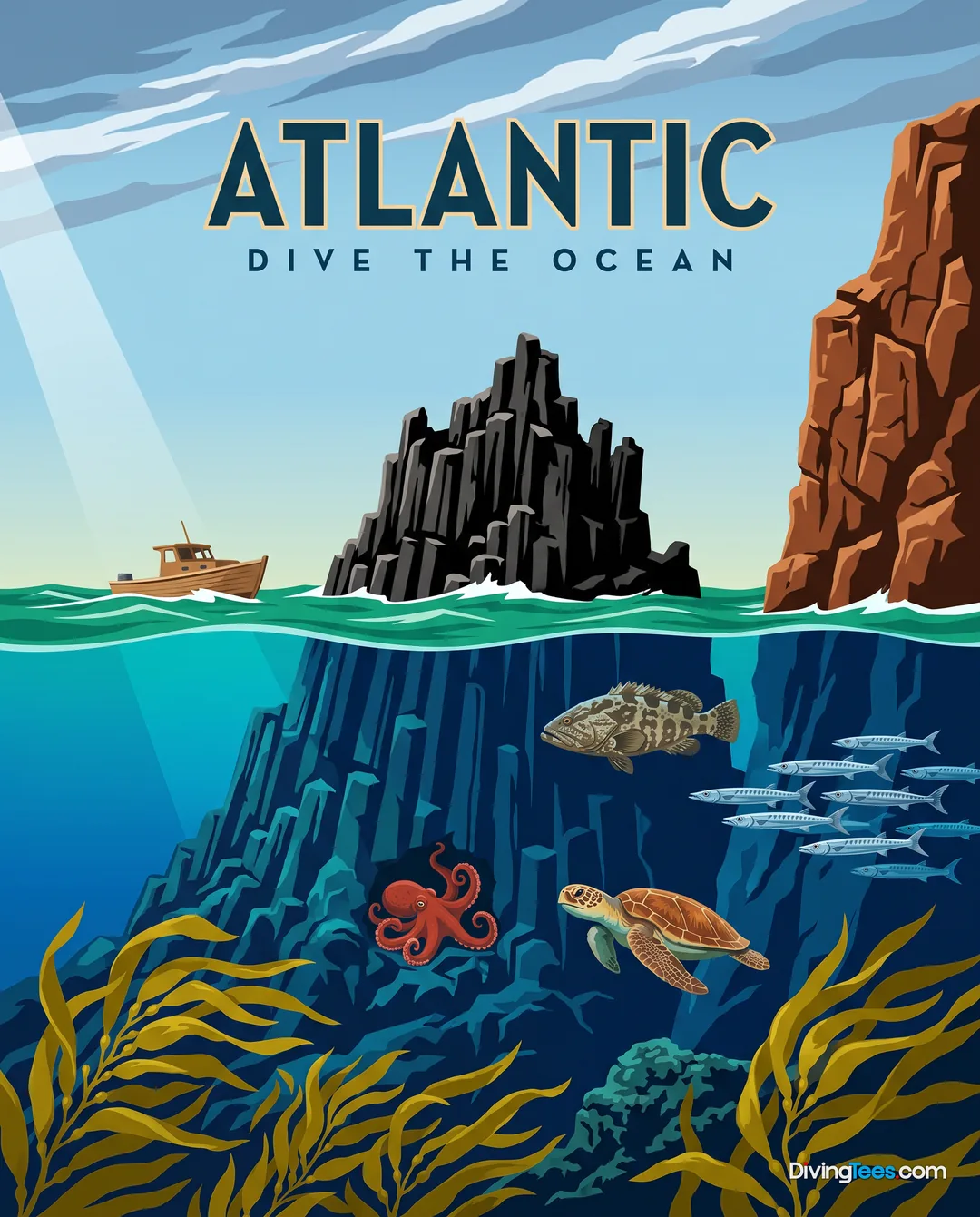
Morro Jable's diving is built around sand, harbour structures and rocky ground rather than walls, wrecks or elaborate volcanic architecture. The Muelle de Morro Jable is the visual anchor, described at roughly six to fourteen metres, or from the surface to fourteen metres, depending on the route. Move slowly over the sand and the bottom may reveal an angel shark or a ray that was invisible a moment earlier. Under the structures, look for moray eels, octopus and smaller fish. Currents are generally light, but the harbour still deserves a check before entry. Boat outings take you farther from the sheltered shallows towards deeper rock and sand, where barracuda, grouper and open-water fish make the dive feel less confined. Visibility is commonly good, around twenty-five to fifty metres, although swell and surface conditions can reduce it. This is relaxed coastal diving with boat variety, not a drift dive destination.
The sandy bottom is where Morro Jable rewards patience. Angel sharks and round butterfly rays are regular encounters, but their colouring and habit of lying still make them easy to swim past. Scan the sand ahead rather than finning quickly from one feature to the next. Eagle rays, torpedo rays and stingrays are possible, while barracuda appear occasionally, particularly on the more open boat sites. Harbour structures add a different scale to the dive, with moray eels and octopus tucked into cover, alongside shoals of small fish. Grouper and trumpetfish are among the larger or more conspicuous residents. Cuttlefish also occur. These sightings are possible throughout the year, so the choice of September to November is about practical sea conditions rather than a brief wildlife season.
Diving is possible throughout the year, but September, October and November offer the most versatile window for combining the harbour with boat trips. The summer trade winds can make exposed areas rougher, which may affect comfort and the sites available on a particular day. Late summer and autumn usually make it easier to plan around both sheltered shallows and more open water, while the generally good visibility still allows careful searches over sand. There is no rainy season or monsoon pattern shaping the trip, and the angel sharks and rays are present year-round. Conditions on the day matter more than chasing a particular calendar date.
Morro Jable suits new divers, returning divers and experienced visitors who want uncomplicated water between boat outings. The shallow Muelle de Morro Jable is suitable for beginners and can sometimes be observed while snorkelling, although current checks still matter. PADI, SSI and BSAC divers can match the dive to their qualification and comfort, while deeper or more exposed boat sites may call for appropriate experience. It is a sensible place to regain rhythm without pretending every dive is a training exercise.
From London Heathrow, London Gatwick or Manchester, travel starts with a flight to Fuerteventura Airport, followed by the structural part of the journey: Morro Jable is at the southern end of the island, reached by the FV-2. Allow about one hour and fifteen minutes by hire car, or roughly two hours by bus, after landing. Connections and seasonal flight patterns need checking before fixing the diving schedule, because the final transfer is overland rather than a short airport hop. Morro Jable can also be reached by inter-island ferry from Gran Canaria, with services also linking the port and Tenerife, but that is relevant to an arrival by sea rather than the normal European route. Once in town, the harbour and diving activities may be walkable, while some accommodation needs a taxi or centre shuttle.
Start at the harbour rather than booking the deepest boat outing first. Its shallow water is useful for acclimatisation, a refresher or a day when exposed sites are uncomfortable, and the sand gives you a realistic chance of finding an angel shark or ray. Move slowly and carry a small torch if you have one, since it helps inspect the darker spaces beneath structures for moray eels, octopus and small fish. Check the current before entering, even when the site is being used by beginners. Do not assume the Muelle is simply a walk-in beach dive: the described dive access is by boat, with some shallow areas suitable for snorkelling. If barracuda, grouper and open-water fish are the priority, include a boat trip rather than repeating only the sheltered harbour ground. Summer trade winds can alter exposed plans. Finally, leave a proper interval before flying home, especially when the last useful dive is reached by boat and the long road transfer still lies ahead.
Allow five to seven days for a comfortable Morro Jable stay. That gives room for several local or boat dives, a harbour acclimatisation dive, and a full day away from the water without turning the holiday into a race. Stay near the centre or harbour if walking matters, but check whether your accommodation needs a taxi or shuttle. Non-divers can use the long Morro Jable and Jandía beaches, snorkel in calmer bay water, join a boat excursion, or walk through the dry landscapes of the peninsula. This is a hotel-based diving holiday, not a liveaboard itinerary.
Hello, I'm Marina, DivingDeal.com's AI assistant. I guide you through destinations, areas and countries.
Thinking about the whole trip and the flights? Talk it over with Edith →
Marina is an AI. Some links are affiliate links: DivingDeal may earn a commission, at no extra cost to you. Bookings are made with the partner.
You can dive in Morro Jable throughout the year, and angel sharks and rays are present year-round. September, October and November offer versatile conditions for combining the sheltered harbour with boat trips. Summer trade winds can make exposed areas rougher, so conditions on the day matter when planning your dives.
Morro Jable suits new divers, returning divers and experienced visitors seeking uncomplicated coastal diving. The shallow Muelle de Morro Jable is suitable for beginners, although you should still check the current before entering. Deeper or more exposed boat sites may require appropriate experience, depending on your qualification and comfort.
Morro Jable offers sandy seabeds, harbour pilings and rocky boat sites. You may find angel sharks, round butterfly rays, eagle rays, torpedo rays and stingrays resting on the sand. Beneath structures, look for moray eels, octopus, cuttlefish and small fish, while boat outings can reveal barracuda, grouper and open-water fish.
Allow five to seven days for a comfortable Morro Jable stay, with time for a harbour acclimatisation dive, boat outings and a day away from the water. Stay near the centre or harbour if walking matters, while checking whether accommodation needs a taxi or shuttle. Non-divers can enjoy beaches, calmer bay water, boat excursions and dry landscapes.