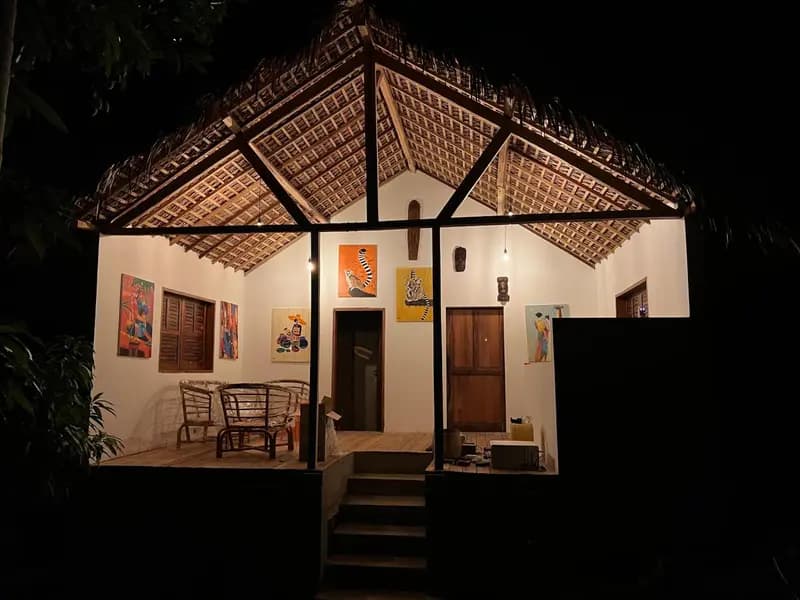
Canopee Lodge
★ 9.1/10 (160 reviews)
2.8 km away as the crow flies
Dive centre · Nosy Be · Madagascar
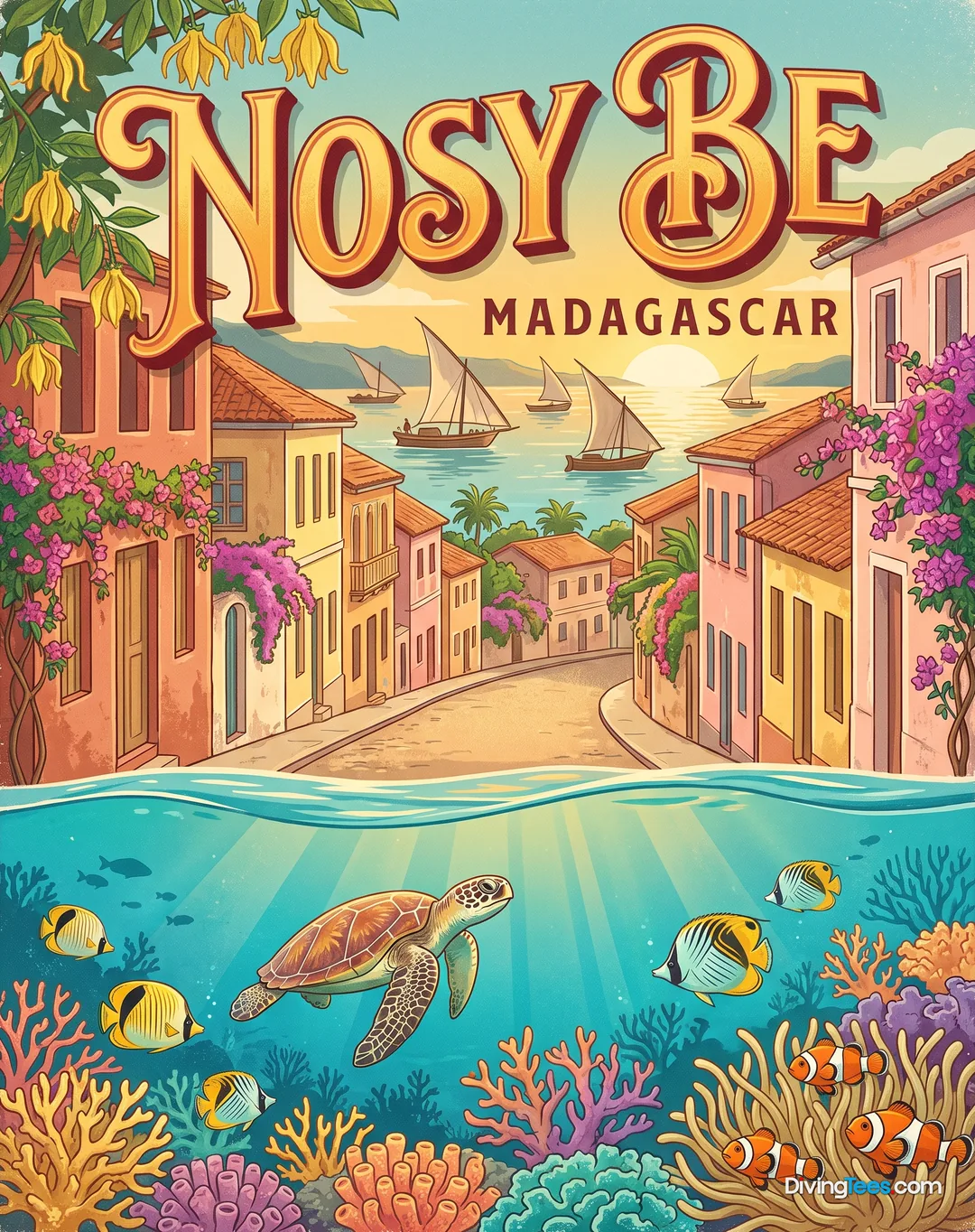
4.6159 Google reviewsExplore the protected marine park of Nosy Tanikely, where sea turtles and diverse reef life thrive in the waters between Nosy Be and Nosy Komba.
For subtitles in English: start the video firstthen click the gearat the top right of the video, select “Subtitles/CC”, then “Auto-translate” and choose “English”.
Nosy Komba, also known as Nosy Ambariovato, is a volcanic island situated in the northwest of Madagascar. It sits as a natural link between the larger island of Nosy Be and the mainland. The landscape is defined by dense tropical vegetation and emerald waters, offering a quiet alternative to more developed coastal areas.
Life on the island follows a traditional rhythm, with no roads or cars to disrupt the atmosphere. Instead, movement is dictated by the sun and the local sailing pirogues. The island is home to sacred macaco lemur groups and maintains strong local customs, providing a backdrop of cultural authenticity to your diving trip.
The local diving activities are supported by a team capable of communicating in English, French, and Italian. This ensures that instruction and dive briefings are clear for a variety of international divers.
While the specific number of instructors is not detailed, the focus remains on the rich marine environment and the local culture. The island's accessibility via boat from Nosy Be or Ankify allows for a seamless transition from your arrival to your underwater excursions.
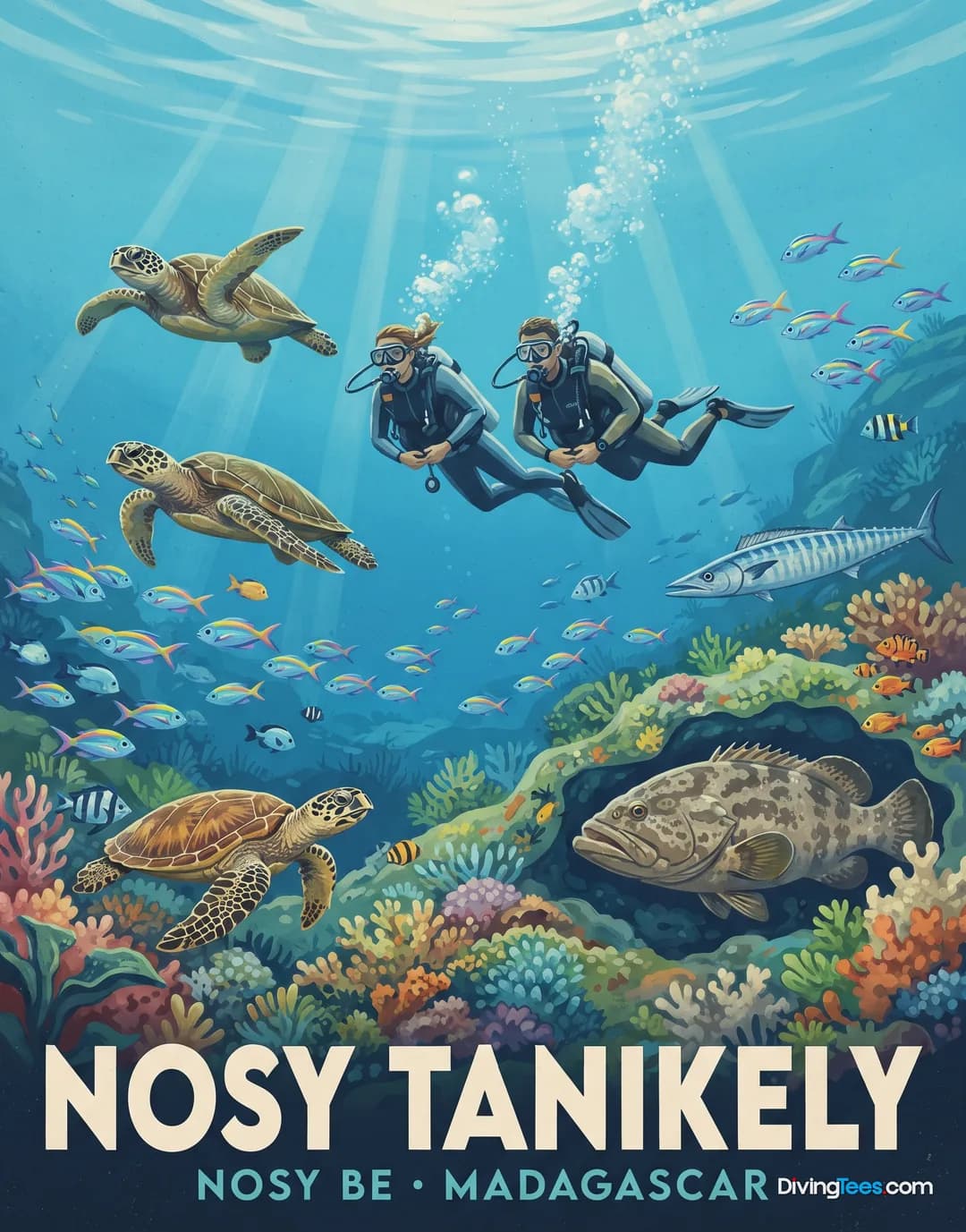
Nosy Tanikely is a protected marine park located in the middle of the bay of Nosy Be. This site is suitable for all levels, from beginners to experienced divers, offering a reliable environment to observe healthy reef ecosystems and diverse marine life.
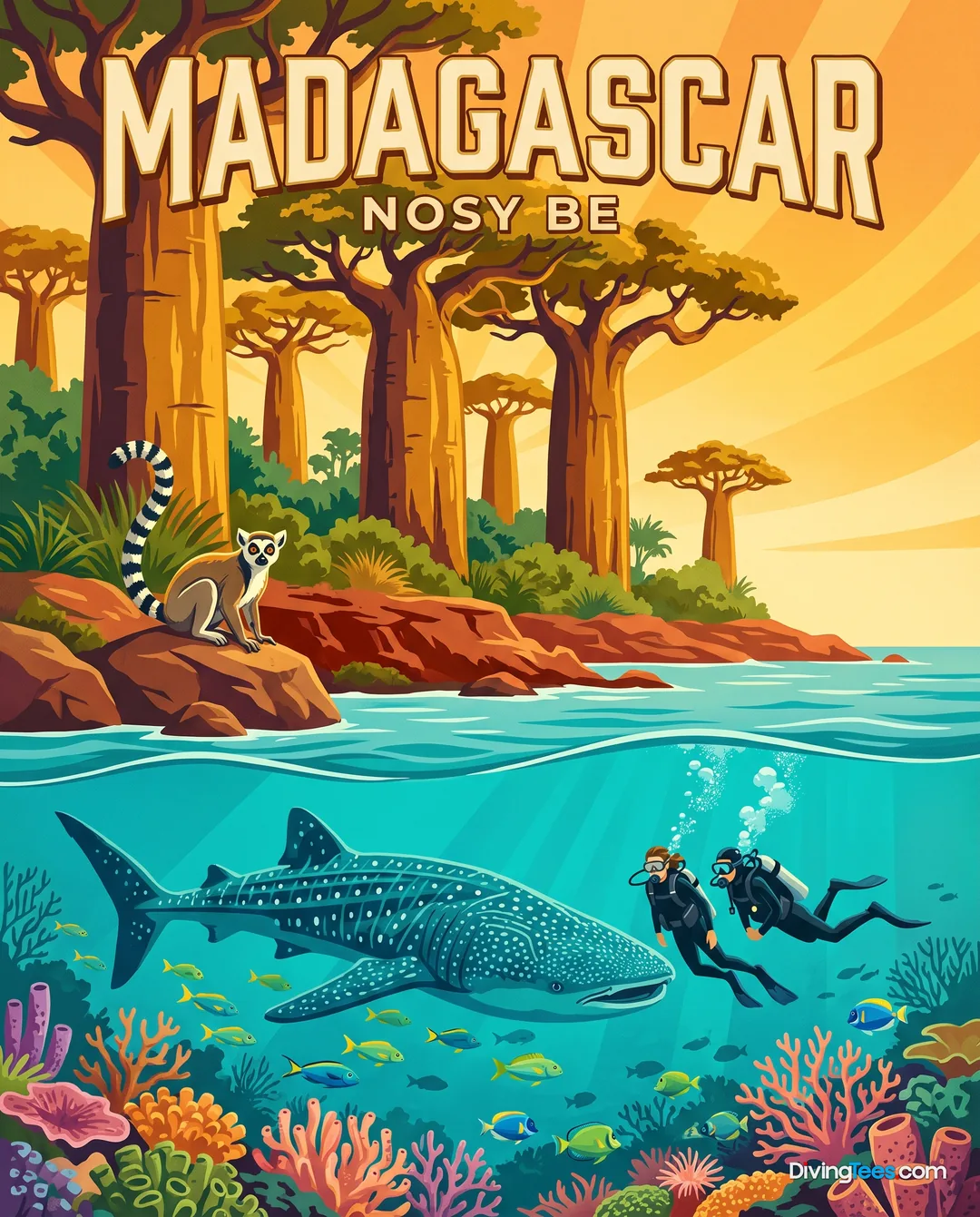
The reefs are teeming with life, from large pelagics to smaller reef residents. You will regularly encounter various species of turtles, including Green sea turtle (Chelonia mydas) and Hawksbill turtle (Eretmochelys imbricata). Schools of snappers, fusiliers, and jacks move through the water, while predators like the Great barracuda (Sphyraena barracuda), various reef sharks, and Leopard shark (Triakis semifasciata) patrol the area.
Macro life and smaller inhabitants add significant detail to the dive. Look closely for Seahorse (Hippocampus kuda), various species of nudibranchs, and Frogfish (Antennarius). You may also find leaf scorpionfish, stonefish (Synanceia), and various types of pipefish and ribbon eels tucked into the reef structure.
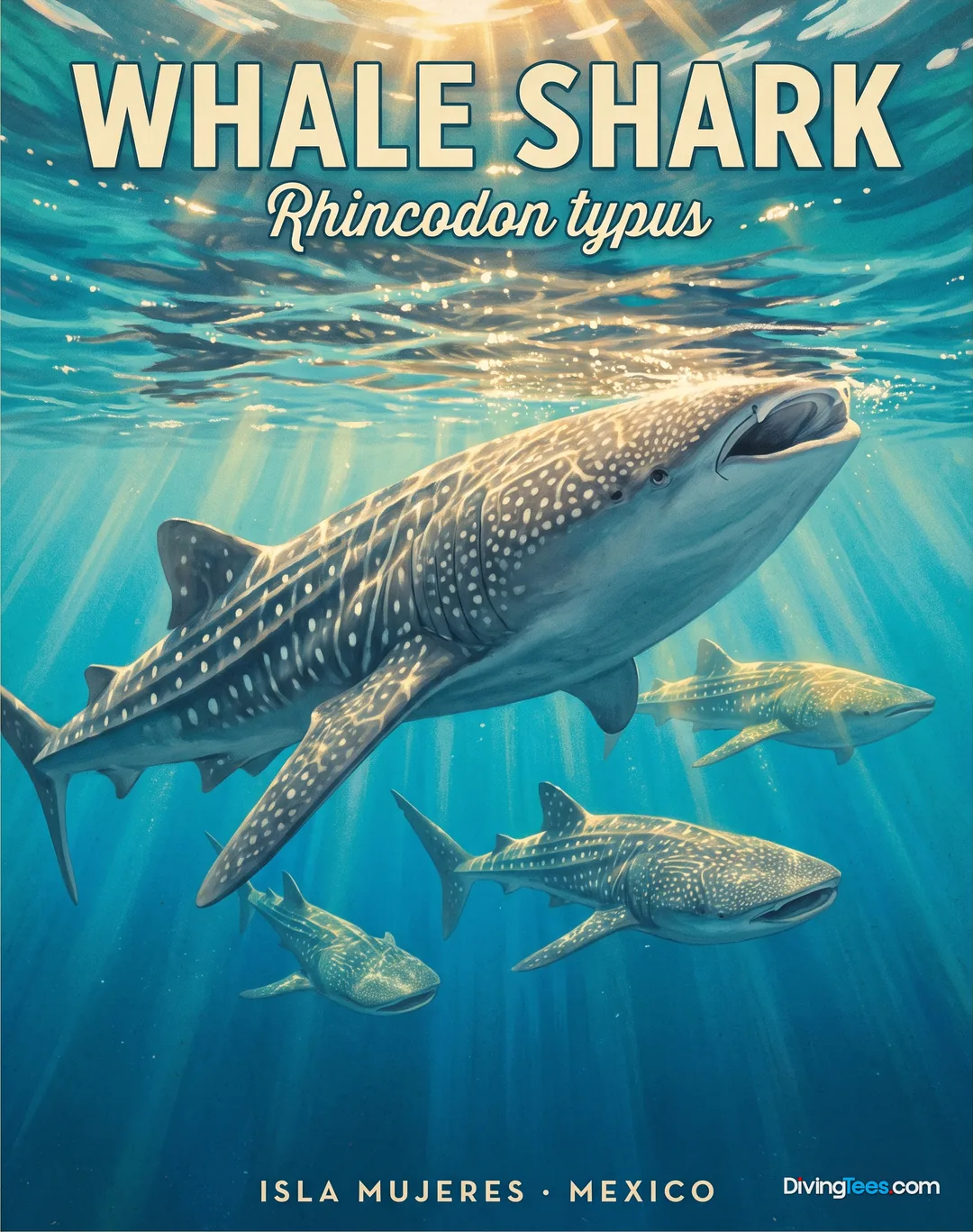
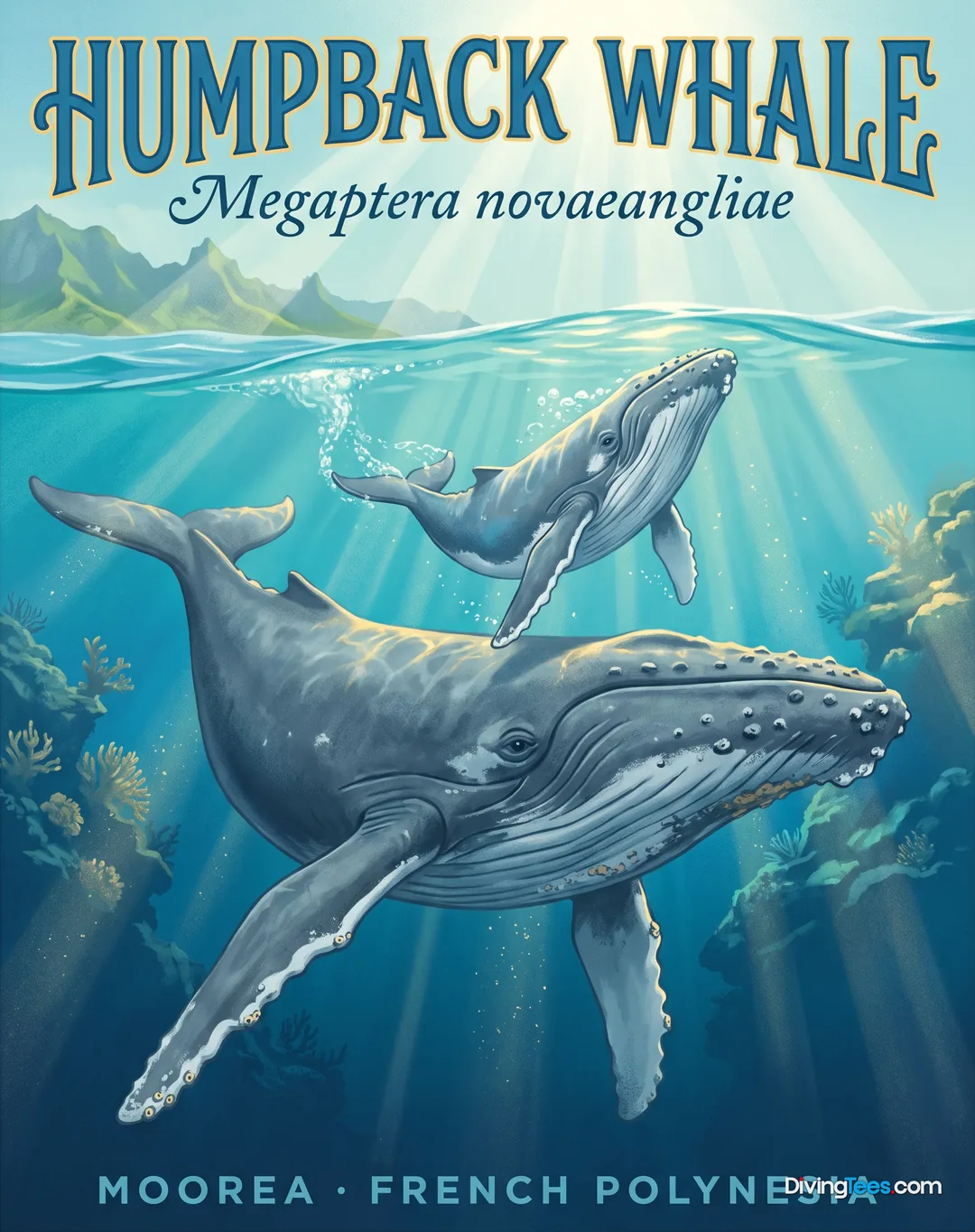
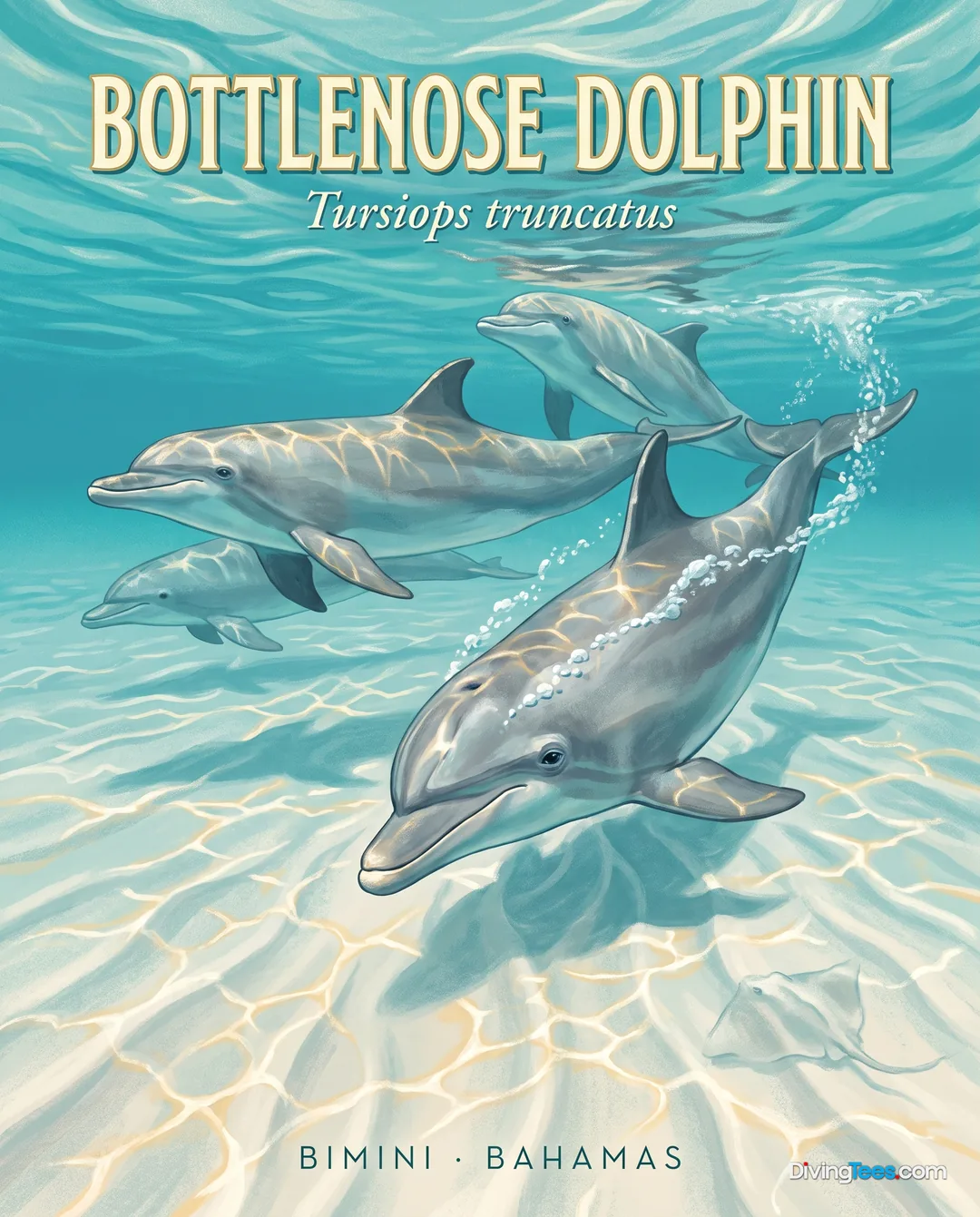
For those visiting during specific windows, the ocean offers spectacular seasonal encounters. Humpback whales can be observed from July to November, and Whale shark (Rhincodon typus) sightings are possible between September and December. Dolphins, including the Indo-Pacific humpback dolphins and various species of bottlenose dolphins, are also frequent visitors to these waters.
way the reef is built provides essential habitat for many species. The seabed is decorated with various corals, gorgonians, and sea fans (Gorgoniidae), alongside sponges and sea anemones (Actiniaria). These structures support a wide array of residents, from colorful Butterflyfish (Chaetodon) and Surgeonfish (Acanthuridae) to the more elusive crustaceans like Spiny lobster (Palinuridae).
The best time to plan your diving is between April and November, which corresponds to the austral winter when the weather is drier. During the period from December to March, the region experiences the rainy season, which brings higher humidity and increased rainfall.
Hello, I'm Marina, DivingDeal.com's AI assistant. I answer in detail about hotels, dive centres and liveaboards.

Thinking about the whole trip and the flights? Talk it over with Edith →
Marina is an AI. Some links are affiliate links: DivingDeal may earn a commission, at no extra cost to you. Bookings are made with the partner.
★ 9.1/10 (160 reviews)
2.8 km away as the crow flies
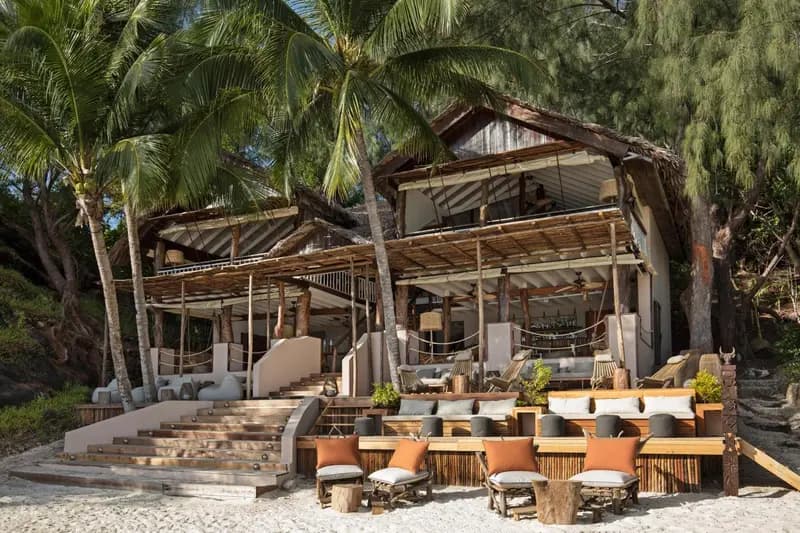
★★★★★
★ 9.8/10 (46 reviews)
54 km away as the crow flies
★★
★ 9.1/10 (79 reviews)
17 km away as the crow flies
★★
★ 8.4/10 (424 reviews)
28 km away as the crow flies
Your last day stays dry: no diving in the 18-24 hours before a flight the perfect window to see the destination from another angle.
 Culture
⏱ 6 h · ★ 4.8 (32 reviews)
from €86
see on Viator ↗
 Culture
⏱ 9 h · ★ 4.4 (14 reviews)
from €80
see on Viator ↗
Ratings and reviews collected by Viator and Tripadvisor.