
Scuba Nosy Be
Google 4.8/5 (195 reviews)
Nosy Be · Madagascar · Indian Ocean
Max. depth · 22 mGreat Exterior Bank offers an aquarium-like experience for divers of all levels, where abundant coral reefs teem with a diverse spectrum of marine life, from tiny nudibranchs to cruising sharks.
Dropping onto the Great Exterior Bank, you'll immediately be enveloped by a dynamic reef system that stretches across its submerged landscape. The dive begins with an immersion into a vibrant tapestry of corals, which flourish here with remarkable variety and profusion. This healthy ecosystem supports a complex web of life, from the smallest invertebrates to larger reef inhabitants, creating an engaging environment from the moment you descend. Your focus will initially be drawn to the smaller residents, carefully navigating through the coral gardens that define the bank's structure.
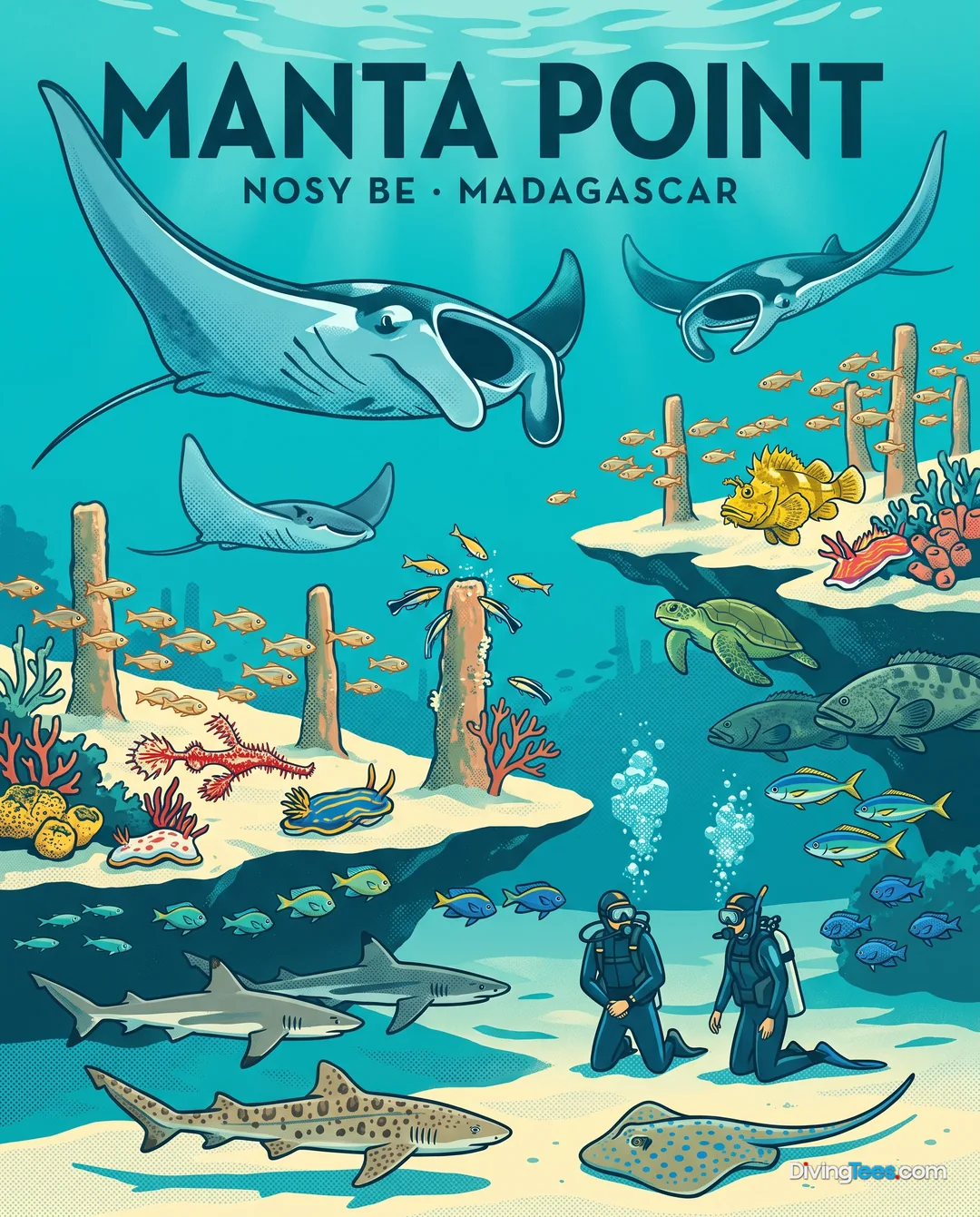
The reef at Great Exterior Bank is a living showcase for an extraordinary collection of marine fauna, where macro enthusiasts will find themselves captivated. As you move along, keep an eye out for detailed subjects such as the intricate leaf fish, the cleverly camouflaged antennae fish, and the elusive ghost fish, all masters of disguise within the coral. The true jewels of the reef, the nudibranchs, also make their presence known here, with their vibrant colours and patterns offering endless photographic opportunities. This specific density of unique, smaller species distinguishes the site as a macro paradise.
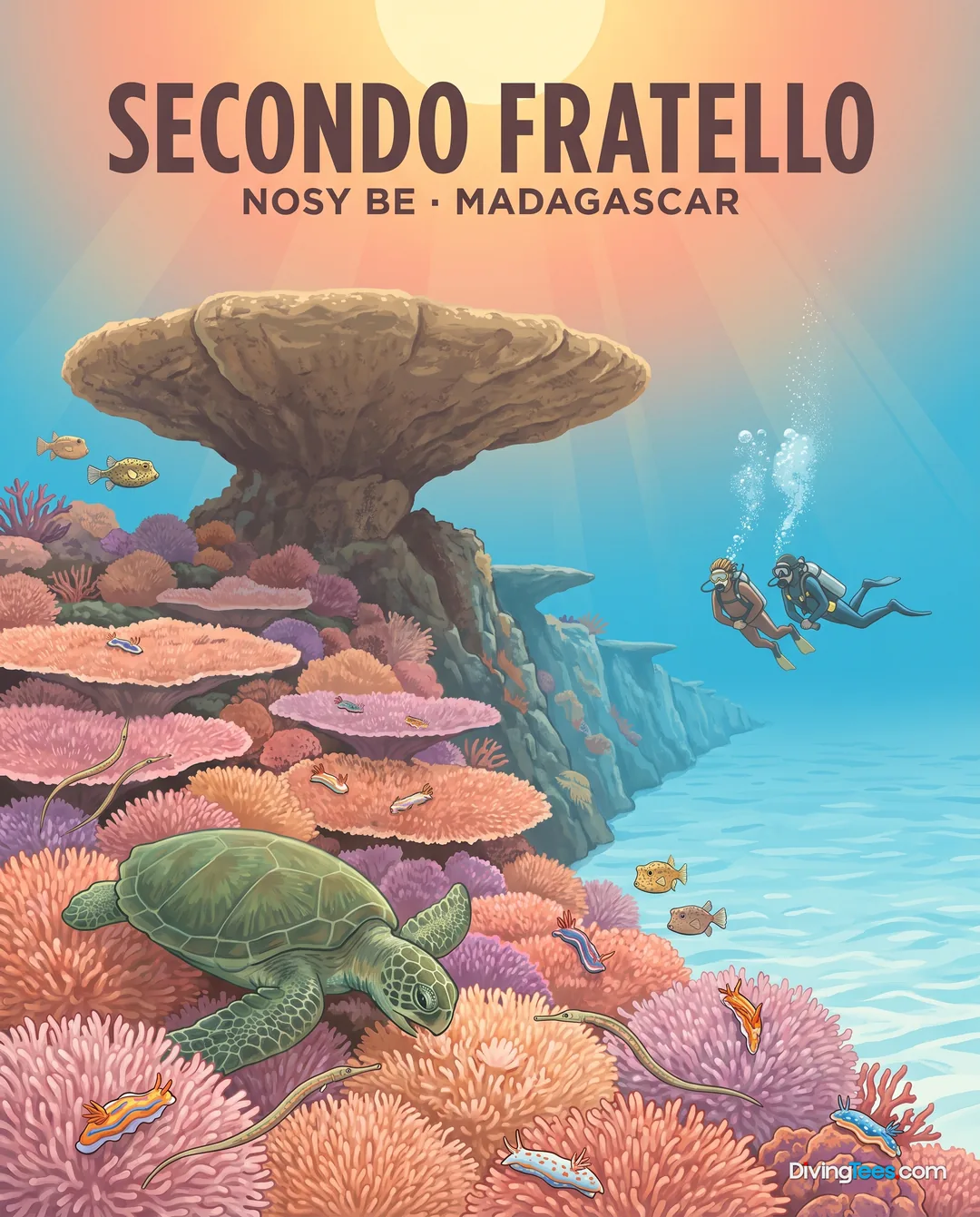
Ascending slightly or moving into different sections of the bank, the scale of marine life begins to expand, presenting you with larger, more familiar reef dwellers. You'll frequently encounter the steady presence of turtles, grazing peacefully among the corals, and the impressive forms of large groupers holding territory. Schools of snappers, damselfish, and fusiliers create shimmering, moving walls of fish that can be disorienting in their numbers, a clear indication of a healthy and nutrient-rich environment. The sheer volume of these schooling fish often defines the visual experience of the dive.
Beyond the reef’s immediate residents, Great Exterior Bank also offers encounters with pelagic species, particularly when observing the blue water off the reef's edge. It's not uncommon to witness the swift passes of wahoos (thazards) and jacks (carangues), their streamlined bodies cutting through the current. This interaction between the static reef and the transient ocean hunters provides a thrilling contrast. Furthermore, the possibility of encountering different shark species adds an apex pelagic dimension to the dive, elevating the sense of an open-ocean encounter right next to the reef.
The Great Exterior Bank dive site is accessible from Open Water Diver level, welcoming divers with varying experience. Depths range from a minimum of 6 metres down to 22 metres, providing ample scope for exploration within recreational limits. For those seeking the best conditions, the period between March and January offers optimal diving, with the months from January to March generally to be avoided due to the rainy season. This site is known for its generally calm conditions, allowing for relaxed and thorough exploration of its rich marine landscape.
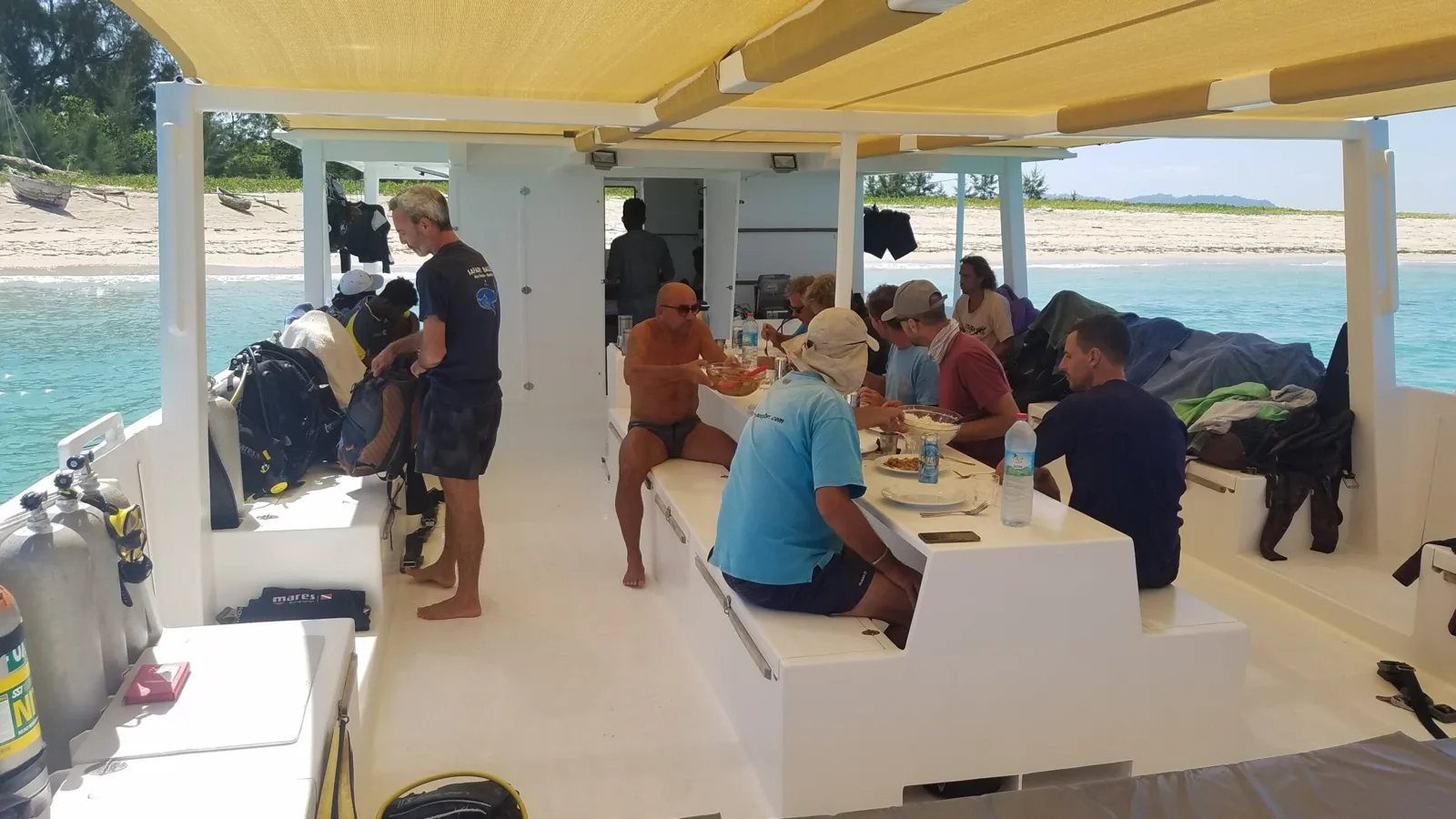
1 liveaboard departs from Nosy Be another way to explore the region, over several days at sea.
You can dive Great Exterior Bank during the period from March to January, when conditions are described as optimal. You should generally avoid the months from January to March, which are associated with the rainy season. Planning your visit around the preferred period supports a more suitable diving experience.
Great Exterior Bank is accessible to Open Water Divers and welcomes divers with varying experience. You can explore depths from six metres to twenty-two metres, keeping the dive within recreational limits. This range offers opportunities to move through the reef system while remaining suitable for recreational scuba diving.
You can expect generally calm conditions at Great Exterior Bank, allowing relaxed and thorough exploration of the marine landscape. The site includes a reef edge where thazards and carangues may cruise, but the stated overall conditions are calm, supporting a comfortable dive while you examine the coral structures and reef life.
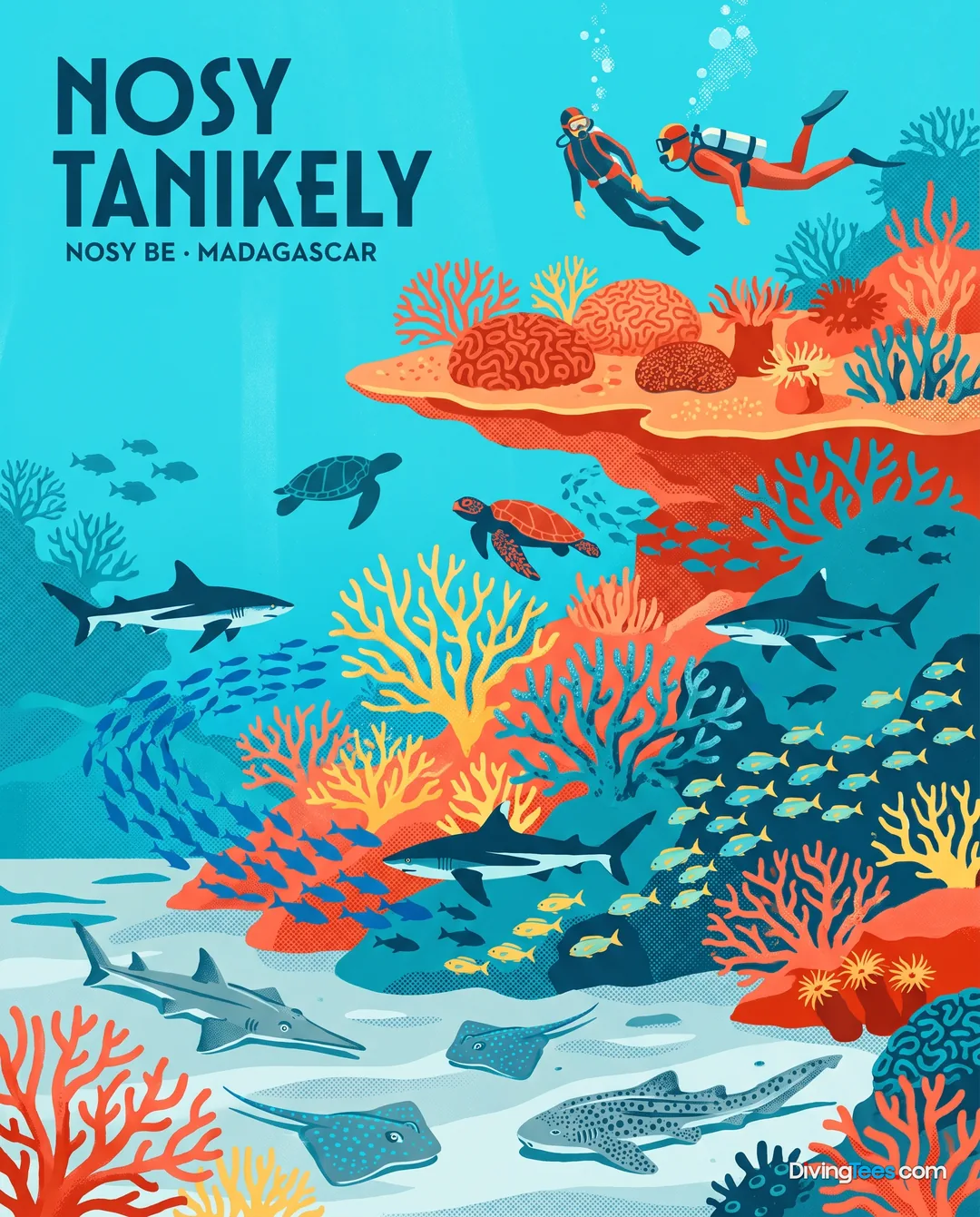
You can see diverse coral gardens, leaf fish, antennae fish, ghost fish, and colourful nudibranchs. Turtles and large groupers are regular sightings, while schools of snappers, damselfish, and fusiliers fill the reef. You may also encounter thazards, carangues, several shark species, and blue spotted or blue rays.