
Scuba Nosy Be
Google 4.8/5 (195 reviews)
Nosy Be · Madagascar · Indian Ocean
Max. depth · 23 mDescend into Madrépore, where intricate fan coral fields give way to thriving reefs, home to cruising reef sharks and curious sea turtles.
Dropping into Madrépore, you're immediately welcomed by a vibrant underwater landscape. The dive begins at a gentle 20 to 23 metres, where an expansive field of magnificent fan corals unfurls before you. These delicate, intricate structures sway gently with the subtle movements of the water, creating a tableau of living art. The sheer density and health of these corals are what truly set the initial phase of this dive apart, providing shelter and hunting grounds for smaller reef inhabitants, making every glance a discovery.
Beyond the initial fan coral fields, the topography transitions into a rich coral reef, a true labyrinth built by generations of stony corals, known as Madrépores, from which the site takes its name. As you navigate these formations, the reef's complex architecture reveals itself, offering numerous crevices and overhangs. It's within these nooks that you'll begin to notice the more elusive residents, engaging in their daily routines, perfectly camouflaged against the vibrant coral tapestry.
Keep a keen eye out as you explore, for Madrépore is known for a diverse cast of characters. You might find sleek white-tip reef sharks (Triaenodon obesus) patrolling the edges of the reef, their graceful movements a testament to their mastery of this environment. Close by, tranquil green sea turtles (Chelonia mydas) glide effortlessly, often spotted resting or foraging amongst the coral. Their calm presence adds a serene dimension to the dive, allowing for close, respectful observation before they slowly propel themselves into the azure.
The resident fauna extends further into the fascinating and the camouflaged. You may spot cunning crocodilefish (Cymbacephalus beauforti), perfectly blended with the sandy patches, waiting for an unsuspecting meal. Nurse sharks (Ginglymostoma cirratum), often found nestled under ledges, bring a sense of ancient calm to the reef. Smaller, but equally captivating, are the vibrant nudibranchs (Nudibranchia), which dot the corals in a kaleidoscope of colours, alongside well-hidden scorpionfish (Scorpaenidae), masters of disguise, observing the world with their watchful eyes.
The macro world here is just as engaging as the larger inhabitants. As you glide closer to the reef, the intricate patterns of blue-spotted stingrays (Neotrygon kuhlii) emerge from the sand, their electric blue spots a vivid contrast to the seafloor. These graceful flatfish add another layer of visual interest to the reef. The careful observer will also find an array of other creatures thriving within the Madrépore labyrinth, each contributing to the site's rich biodiversity.
This dual-spot composition, transitioning from expansive fan corals to a dense coral reef, ensures a dynamic dive experience. The relative shallow depth between 20 and 23 metres allows for ample bottom time, letting you immerse yourself fully in the details of Madrépore. It’s the kind of site where every metre reveals something new, from the grand coral formations to the tiniest, most colourful nudibranch, making it a compelling exploration for any diver seeking Nosy Be's underwater beauty.
Diving at Madrépore is accessible to all levels of divers, making it an excellent choice whether you're just starting out or have thousands of dives under your belt. The dive profile typically ranges between a minimum depth of 20 metres and a maximum of 23 metres. The best period to dive at this site, conforming to regional conditions, is from April to November.
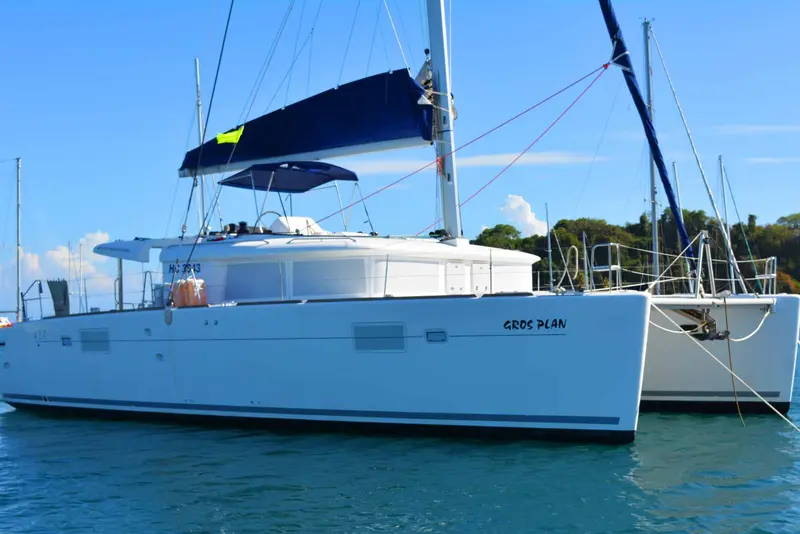
1 liveaboard departs from Nosy Be another way to explore the region, over several days at sea.
You can dive Madrépore from April to November, a period that follows the regional diving conditions around Nosy Be. Planning your visit within these months aligns your trip with the site’s stated diving season and lets you explore its fan coral fields and dense coral reef during the recommended period.
Madrépore is accessible to all levels of divers, so you can choose it whether you are beginning your diving experience or already have thousands of dives. The site offers a welcoming setting for exploring its coral formations and marine life without being limited to a particular level of experience.
Madrépore is typically dived between 20 and 23 metres deep. You begin among extensive fan coral fields before moving across a dense coral reef with crevices and overhangs. This depth range gives you time to examine both the larger reef structures and the smaller creatures living among the corals.
At Madrépore, you can see extensive fan corals, a dense healthy coral reef, and creatures including white-tip reef sharks, green sea turtles, crocodilefish, nurse sharks, nudibranchs, scorpionfish, and blue-spotted stingrays. The reef’s crevices, ledges, and sandy patches provide places to look for both large animals and camouflaged smaller life.