
Extreme Dive Fuvahmulah
Google 4.9/5 (321 reviews)
3.6 km away as the crow flies
Fuvahmulah · Maldives · Indian Ocean
Max. depth · 15 mDescend onto Farikede's reef plateau, where washing-machine currents can bring you face-to-face with pelagic species near oceanic cleaning stations.
For subtitles in English: start the video firstthen click the gearat the top right of the video, select “Subtitles/CC”, then “Auto-translate” and choose “English”.
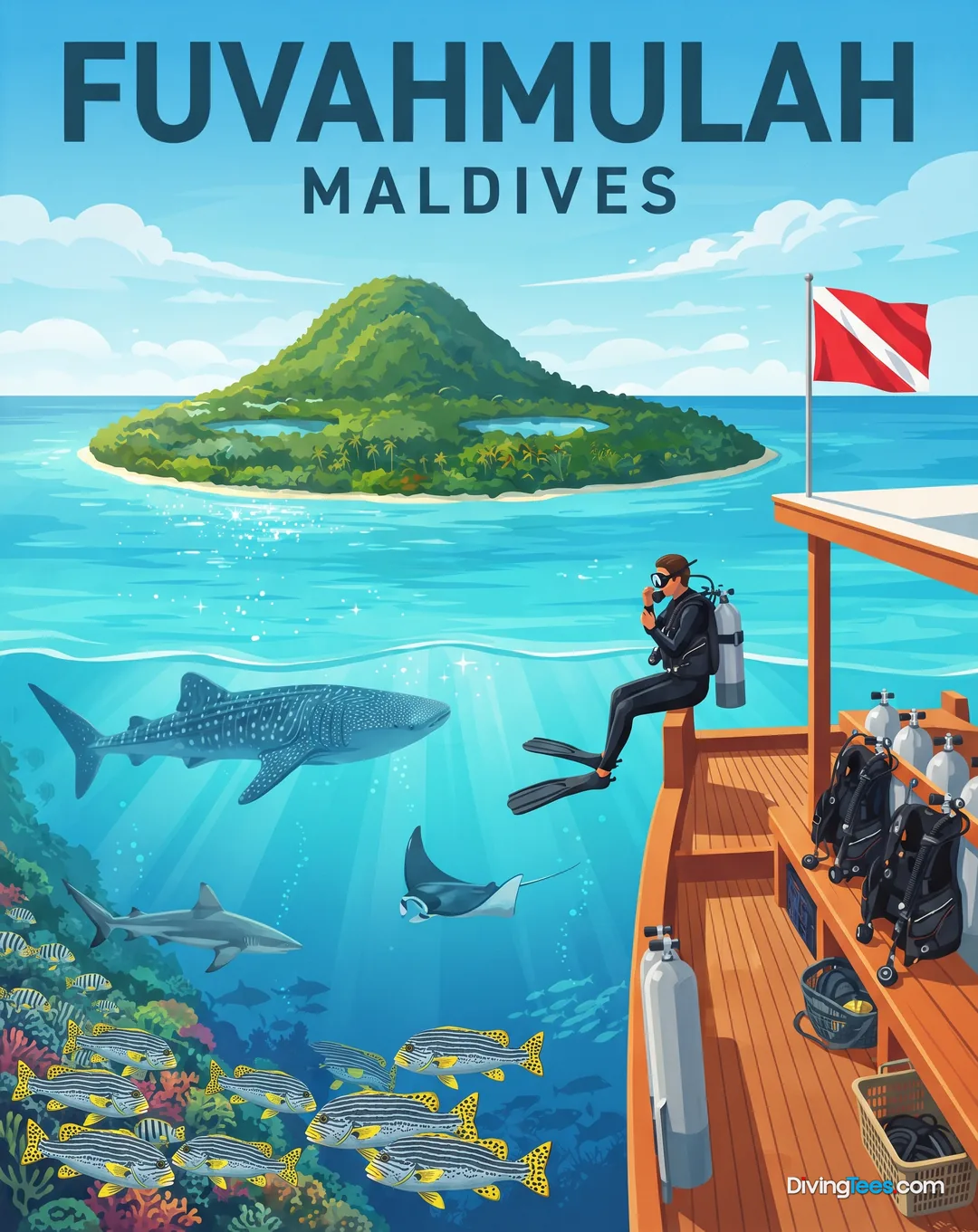
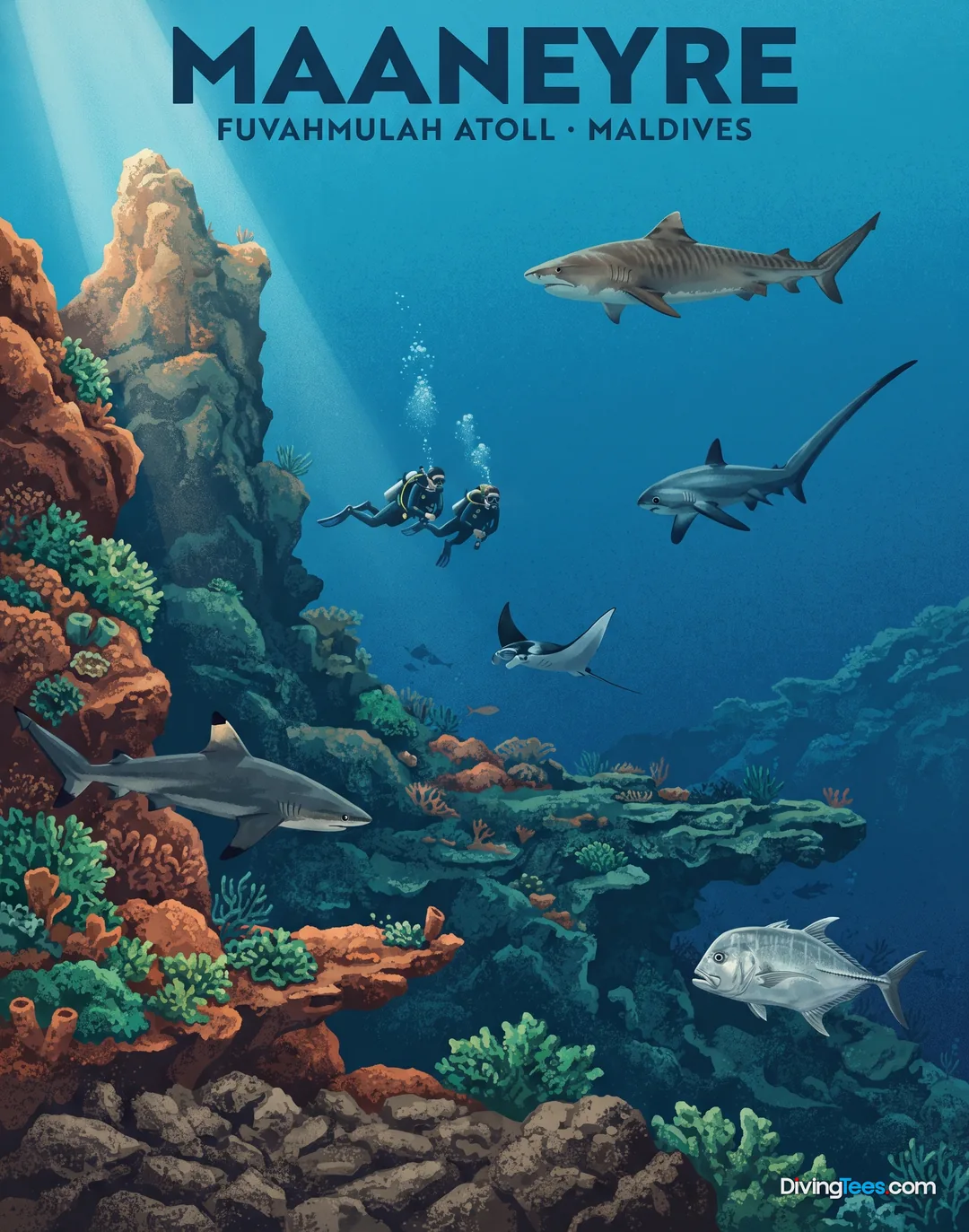
Farikede is positioned at the southernmost tip of Fuvahmulah, marking the extension of the island's underwater topography into the open ocean. This site is primarily a reef dive, where the top of the reef starts at depths between 10 and 15 metres before sloping away into considerable oceanic depths. The profile demands an awareness of your depth, as the drop-off can quickly lead you into deeper water, especially when focused on the pelagic activity.
Given its exposed location, Farikede is subject to strong, often unpredictable currents, frequently described as 'washing-machine' conditions. These currents are a defining characteristic of the dive, pushing nutrient-rich water over and around the reef. Managing these variable flows is crucial for a safe and controlled dive, and they are directly responsible for attracting the larger marine life that makes this site notable.
The currents, while challenging, also contribute to making Farikede a significant pelagic cleaning station. While the exact species of cleaning fish are part of the reef ecosystem, the consistent flow attracts a variety of apex predators looking to utilize these services. This interaction between the strong currents, the reef structure, and the pelagic visitors creates a dynamic underwater environment.
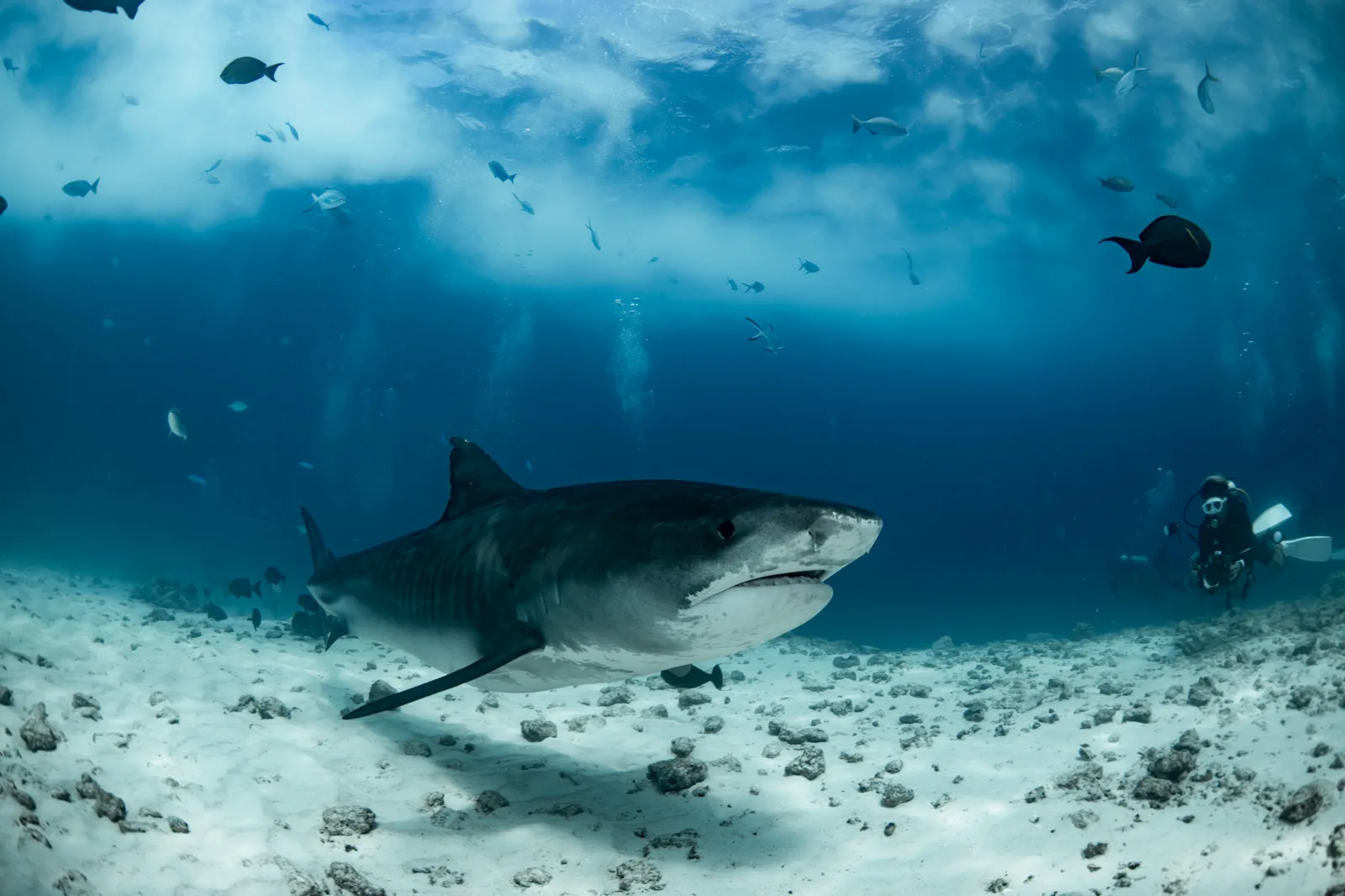
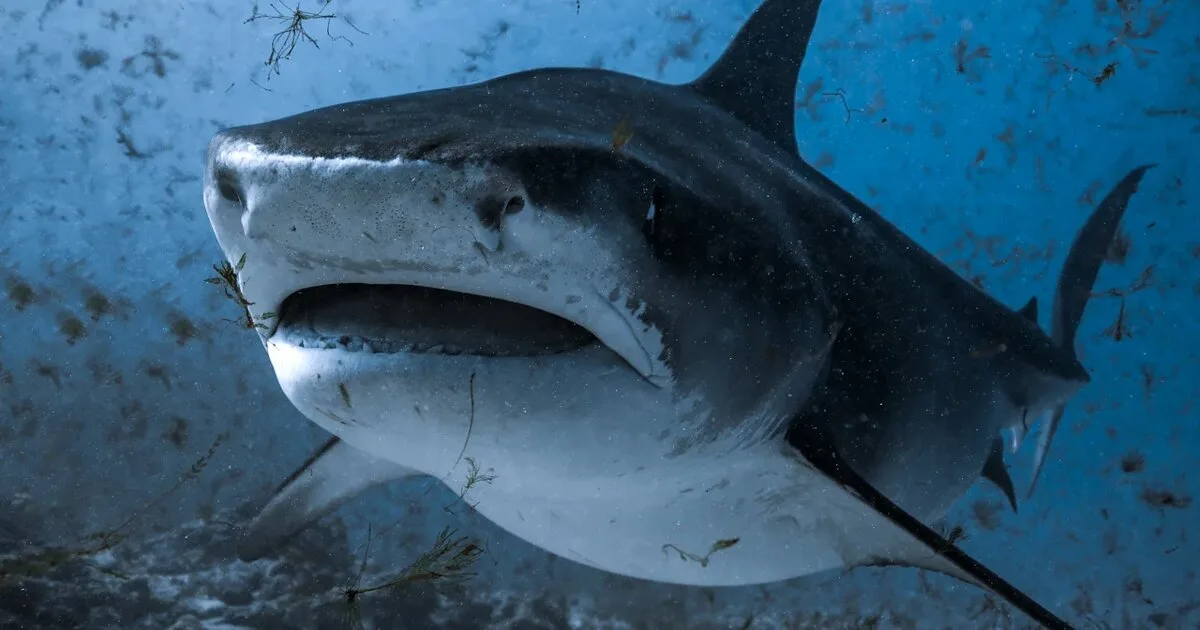
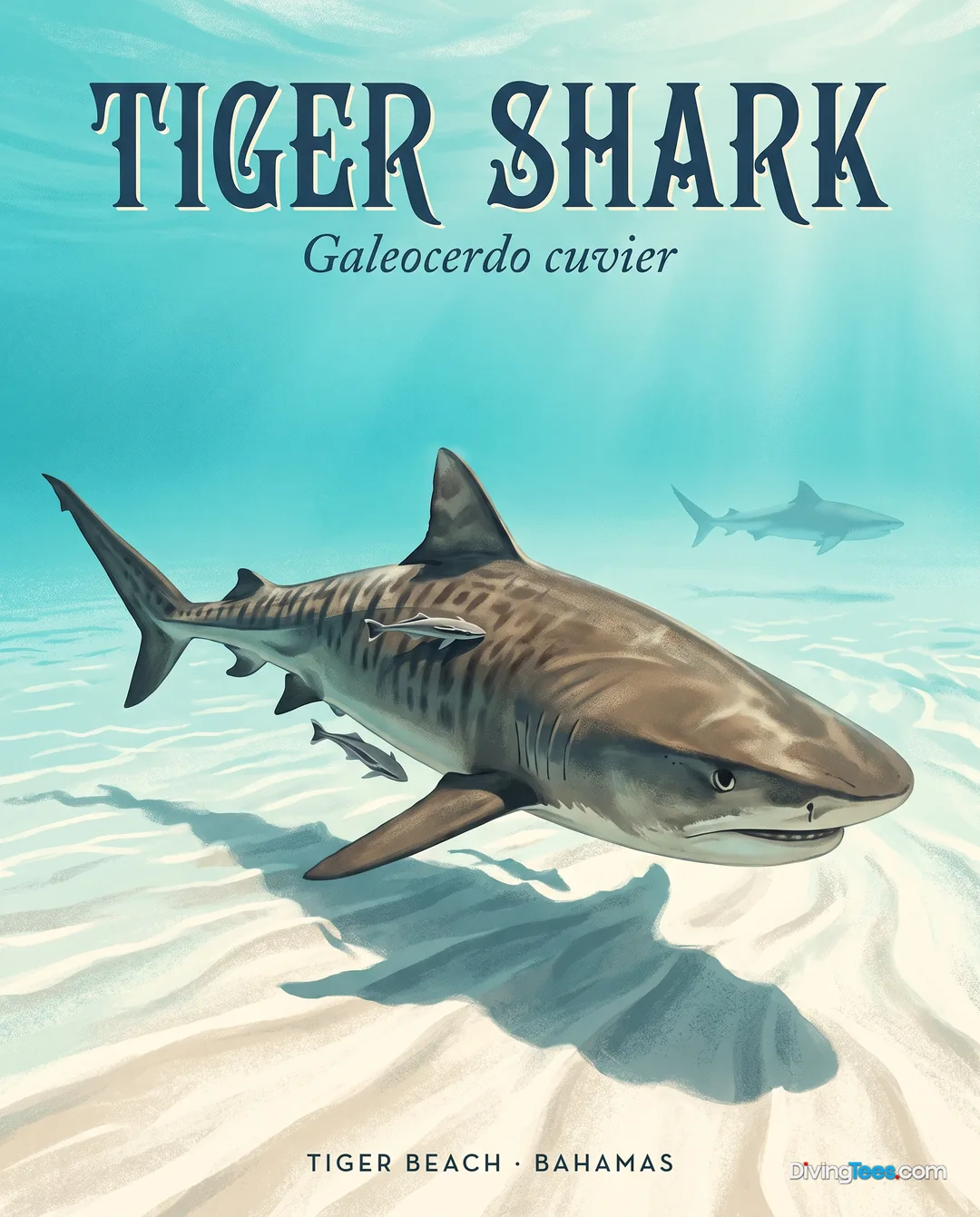
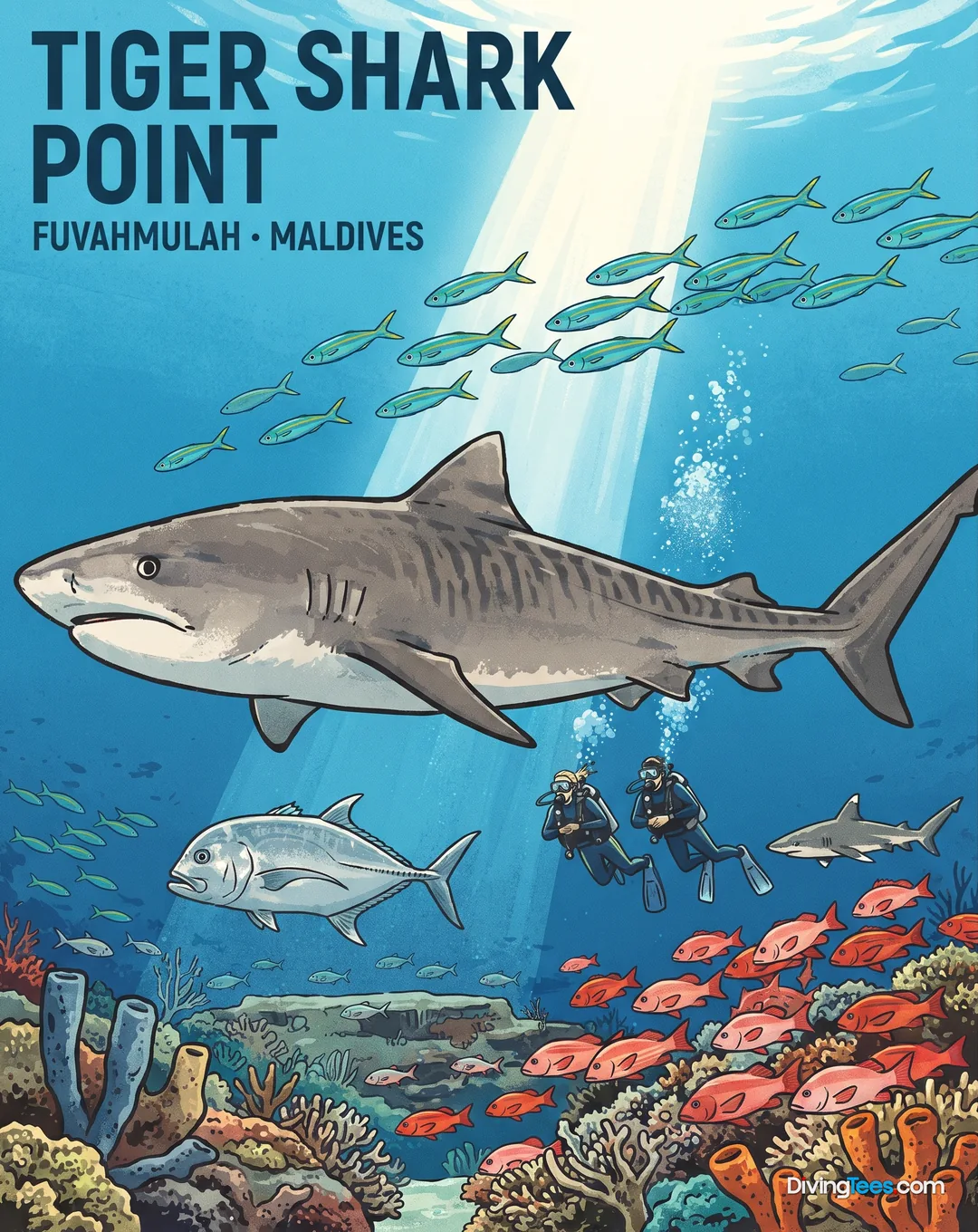
Among the most consistently observed large predators at Farikede are tiger sharks. These powerful animals are a regular presence, often encountered patrolling the reef's edge or moving through the stronger currents. Encountering them here is a natural aspect of the dive, a direct consequence of the site's rich ecosystem and exposed oceanic position. You're not looking for them in a specific nook; they are part of the larger environment.
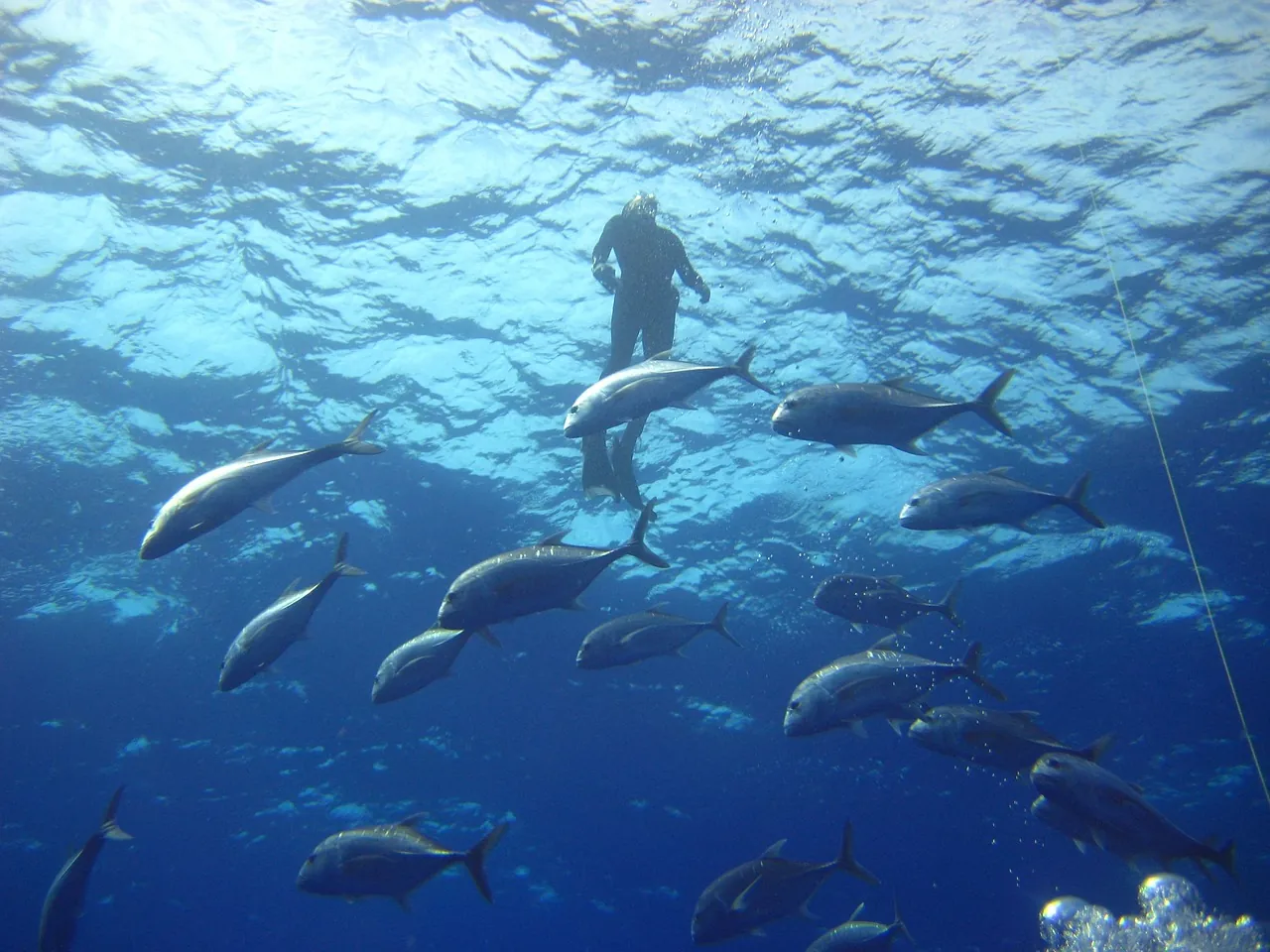
Beyond tiger sharks, expect to encounter a broader spectrum of pelagic species drawn to the nutrient upwellings and abundant life. While specific sightings can vary, Farikede's reputation is built on the possibility of seeing a range of oceanic fauna. This can include species like tuna, marlins, and other large fish, often in transit or utilizing the cleaning stations. The consistent deep pelagic currents around Fuvahmulah contribute to this rich environment.
The reef itself provides structure and shelter for smaller marine life, supporting the base of the food web that attracts the larger predators. While the emphasis might be on the open water, taking time to observe the reef top and its inhabitants can reveal common reef fish species, supporting a complex ecosystem. The interaction between the resident reef biodiversity and the transient pelagics defines the character of Farikede.
Farikede is considered an advanced to expert level dive due to its strong, often unpredictable currents. A minimum certification of Advanced Open Water, coupled with significant practical experience in demanding current conditions, is advised. The top of the reef starts at 10 to 15 metres, but the site extends to depths of 30 metres and beyond, requiring careful depth management. While exact visibility figures are not consistently reported for this specific site, the region generally offers excellent visibility during the drier seasons, though strong currents can sometimes stir suspended particles. The best period for diving here generally aligns with the regional peak seasons from December to April and July to September, although tiger sharks are present year-round.
You can dive Farikede during the regional peak periods from December to April and July to September. These seasons generally offer the region’s clearest conditions, although strong currents may stir suspended particles. Tiger sharks are present year-round, so encounters with them are possible outside these periods as well.
Farikede suits advanced to expert divers because its currents are strong and often unpredictable. You should hold at least an Advanced Open Water certification and have significant practical experience in demanding current conditions. Careful control and awareness are important throughout the dive, particularly near the exposed reef edge and drop-off.
The reef plateau at Farikede begins between ten and fifteen metres, then slopes toward oceanic depths of thirty metres and beyond. You need to manage your depth carefully because the drop-off can lead you quickly into deeper water, especially when pelagic activity draws your attention away from the reef.
Farikede is exposed to strong, variable currents often described as washing-machine conditions. These flows attract pelagic species to a reef cleaning station. You may encounter tiger sharks, tuna, marlins, other large fish, and common reef fish. Sightings vary, while the currents create a dynamic setting around the reef edge.