
Extreme Dive Fuvahmulah
Google 4.9/5 (321 reviews)
1.1 km away as the crow flies
Fuvahmulah · Maldives · Indian Ocean
Maaneyre offers a direct descent along a vibrant reef front, where the current brings both nutrient-rich water and pelagic surprises from the blue.
Maaneyre functions as a continuation of the Fuvahmulah coastline, beginning its slope around 12 metres and extending into the deeper ocean. This site was historically a landing beach before the development of the island's port, and traces of this history shape how the reef presents itself underwater. You will find a structure that transitions from a vibrant shallow reef into a more dramatic drop-off, providing a varied profile for exploration. The initial descent reveals a diverse ecosystem of hard corals, which form the foundation of the reef structure.
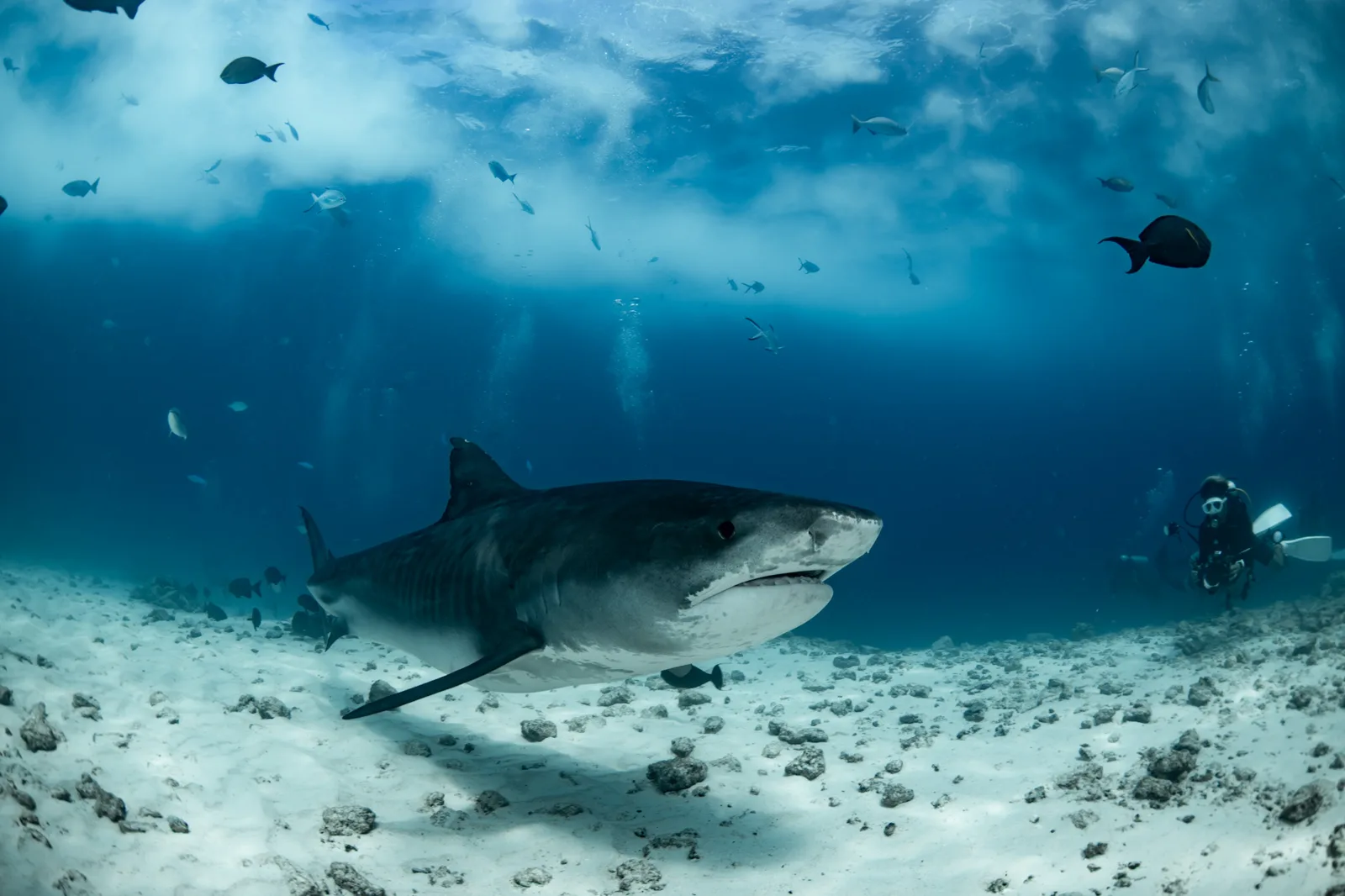
Navigating Maaneyre, you follow the contours of the reef as it drops away, with the primary characteristic being the profusion of hard coral species that adorn the upper sections. This coral growth is significant, starting from the 12-metre mark and extending outwards and downwards. These corals create an intricate habitat, fostering a healthy population of reef fish. You'll observe these colourful fish moving actively in the water column, often reacting to the ocean currents that sweep past the site.
The topography of Maaneyre also features deep overhangs, particularly as you approach the deeper sections of the reef, at depths around 30 metres. These geological formations provide shelter and create dramatic light effects, enhancing the exploration. Visibility at Maaneyre is typically noteworthy, with the clear water allowing for excellent long-range viewing both along the reef face and out into the open blue. This clarity is a consistent feature, regardless of the pelagic activity.
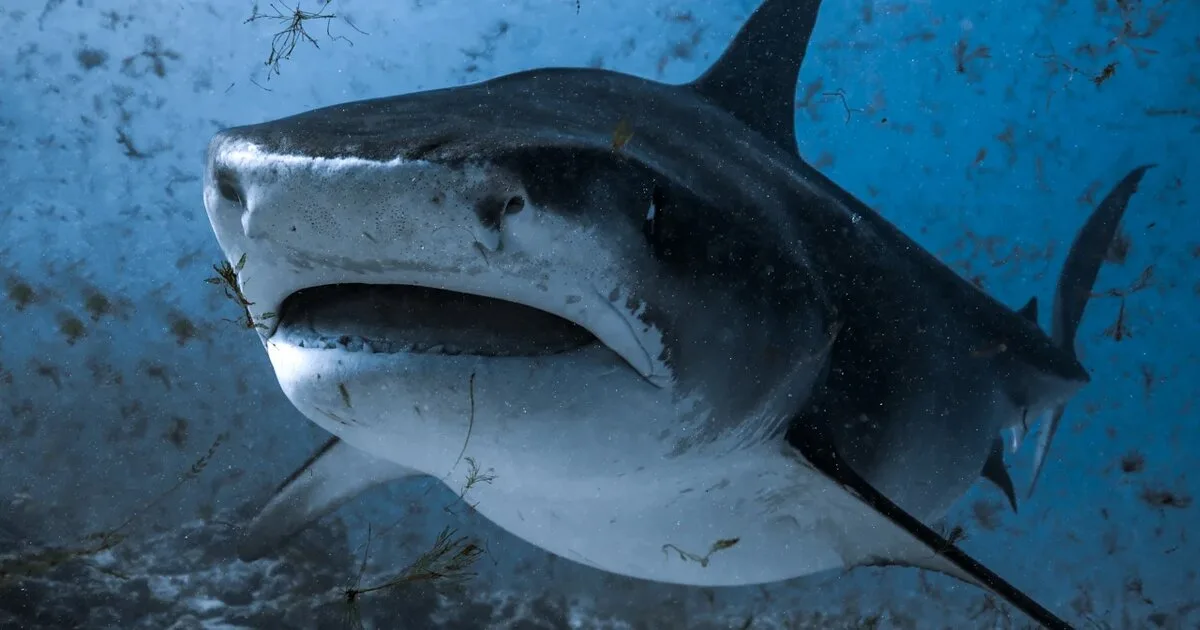
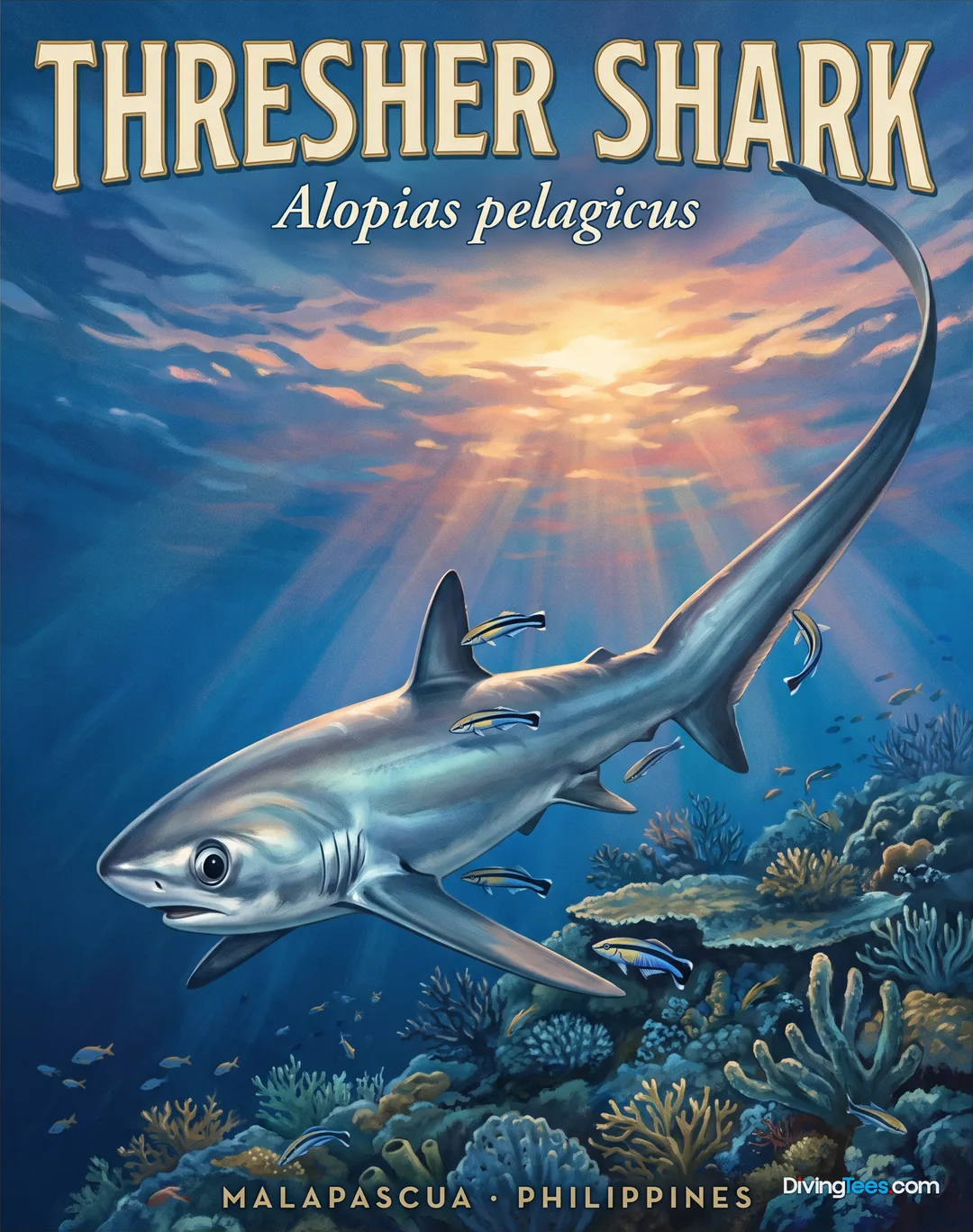
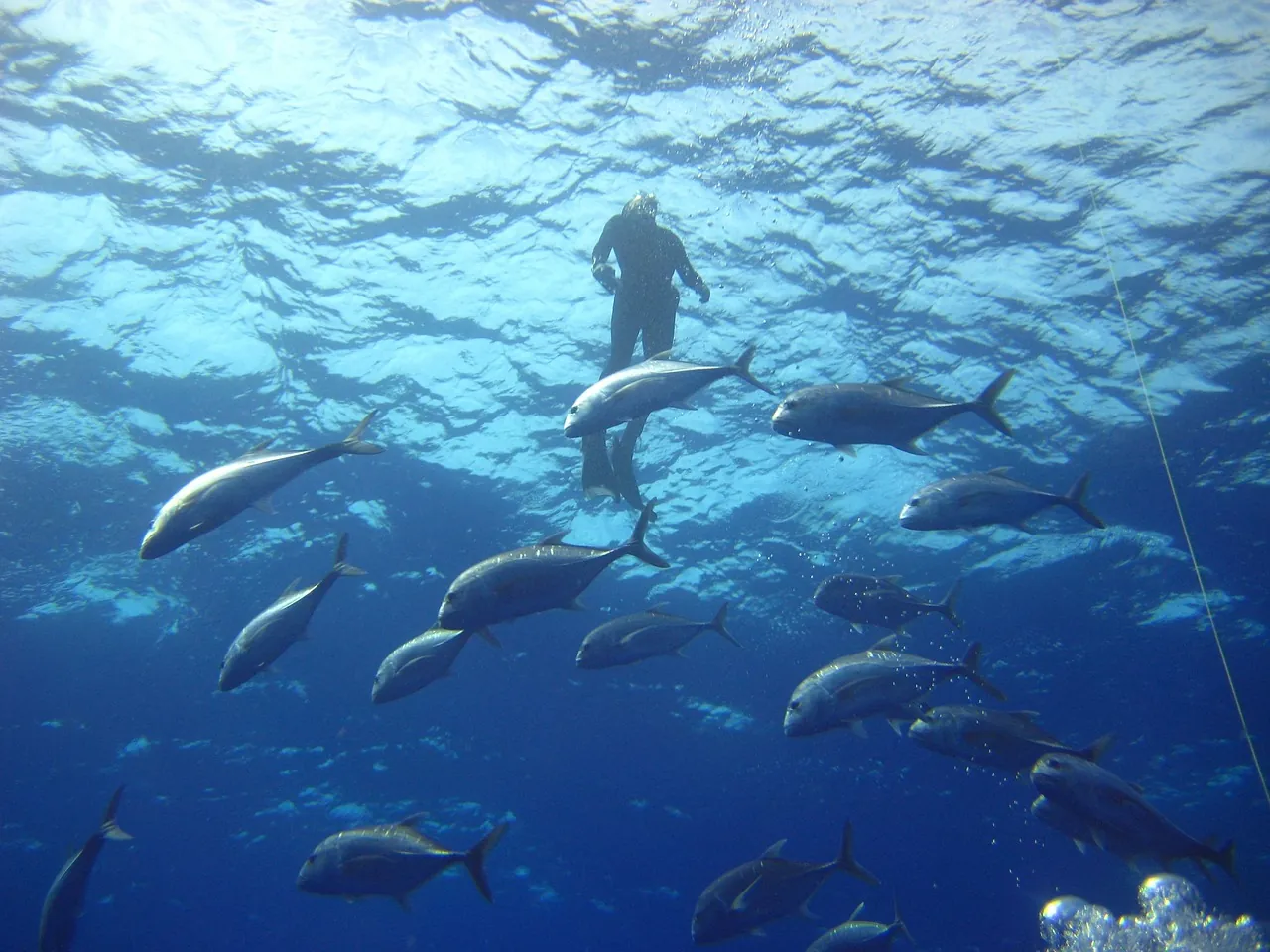
While the reef itself holds a rich diversity of resident species, a key draw here is the potential for encounters with larger oceanic life. Thresher sharks (Alopias vulpinus) are known to frequent Maaneyre, often observed making passes from the blue, particularly around the deeper ledges and overhangs. These sightings require an awareness of your surroundings and a regular check of the open water away from the reef. Keeping an eye on the blue is part of the established routine when diving this site, as various pelagic species can transition through.
The presence of rich ocean currents at Maaneyre is central to its ecosystem. These currents are responsible for bringing a continuous supply of nutrients, which in turn support the extensive coral growth and the diverse reef fish populations. For divers, this means a dynamic environment where water movement can be a factor, influencing both the behaviour of marine life and the dive profile. Understanding and working with these currents is part of the experience, ensuring you get the most out of the site while maintaining control.
These clear ocean currents, while carrying nutrients, also serve as highways for larger pelagic animals, which makes Maaneyre more than just a coral reef. The site's position as a former natural harbour means it is exposed to the open ocean, providing regular opportunities to observe reef fish alongside transient visitors. It's this combination of a thriving coral environment and the regular passage of oceanic species that defines the unique character of Maaneyre as a dive destination in Fuvahmulah Atoll.
Maaneyre is accessible from Open Water Diver certification for its shallower sections, with deeper areas around 30 metres requiring at least an Advanced Open Water certification. The site is known for strong pelagic currents that carry rich nutrients, which can be variable depending on the season and sea state. Visibility is consistently clear, often exceeding 20 metres. The best period for diving, considering overall conditions and pelagic encounters, runs from November to May, which generally offers the best visibility and calmer seas in the region.
You will generally find the best overall conditions at Maaneyre from November to May. This period usually brings clearer visibility and calmer seas around the region, while also supporting opportunities for pelagic encounters. Conditions can still vary with the season and sea state, especially where currents influence the dive.
You can explore the shallower sections of Maaneyre with an Open Water Diver certification. The deeper parts, including areas around 30 metres, require at least an Advanced Open Water certification. Your experience should also match the site’s strong, variable pelagic currents and the need to maintain control in moving water.
Maaneyre begins around 12 metres, where the slope develops into a vibrant hard-coral reef, then continues down into deeper water. Around 30 metres, you can encounter deep overhangs and ledges. This profile lets you explore shallower coral habitats or descend farther when your certification and experience are appropriate.
You should expect strong pelagic currents at Maaneyre, with movement that can vary according to the season and sea state. These nutrient-rich currents support extensive hard corals and thriving reef fish, while also attracting oceanic visitors. Watch the blue as well as the reef for regular thresher shark passes near deeper ledges and overhangs.