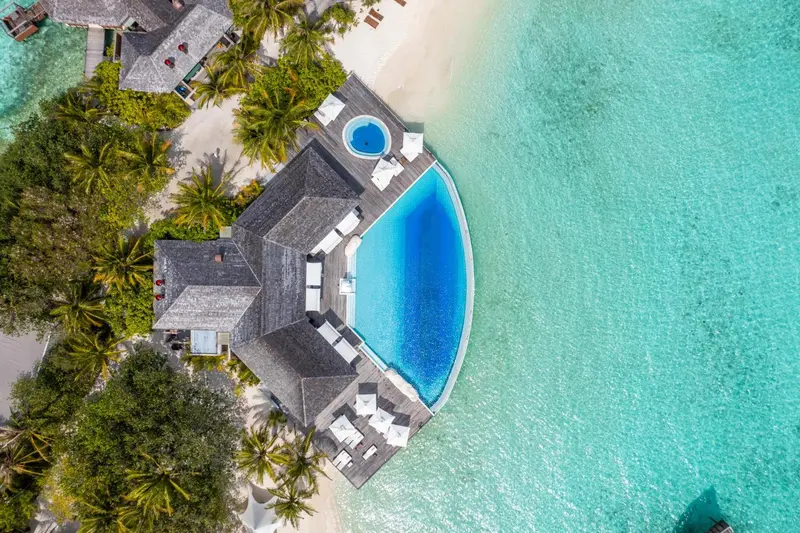
 Dive centre in the hotel
Lily Beach Resort and Spa - All Inclusive
★★★★★
Google 4.8/5 (1,264 reviews)
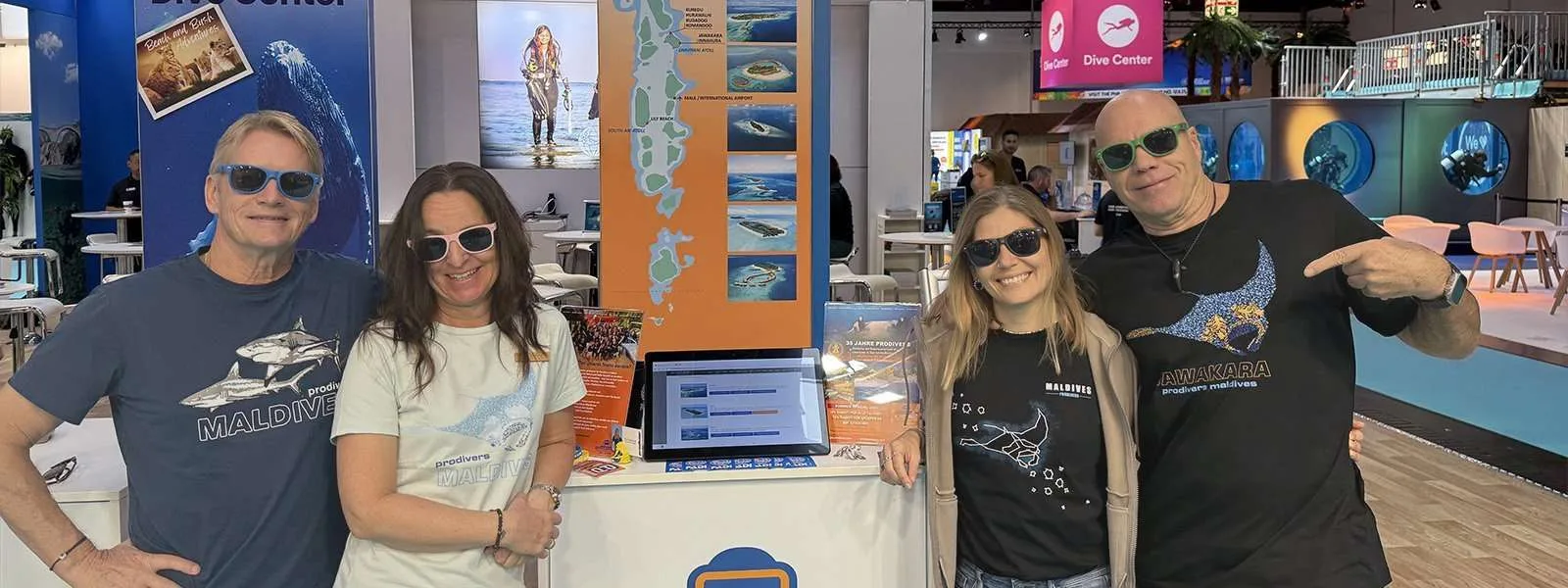
The dive centre
Prodivers Lily Beach
PADI
Google 5/5 (13 reviews)
Dives: House Reef de Lily Beach
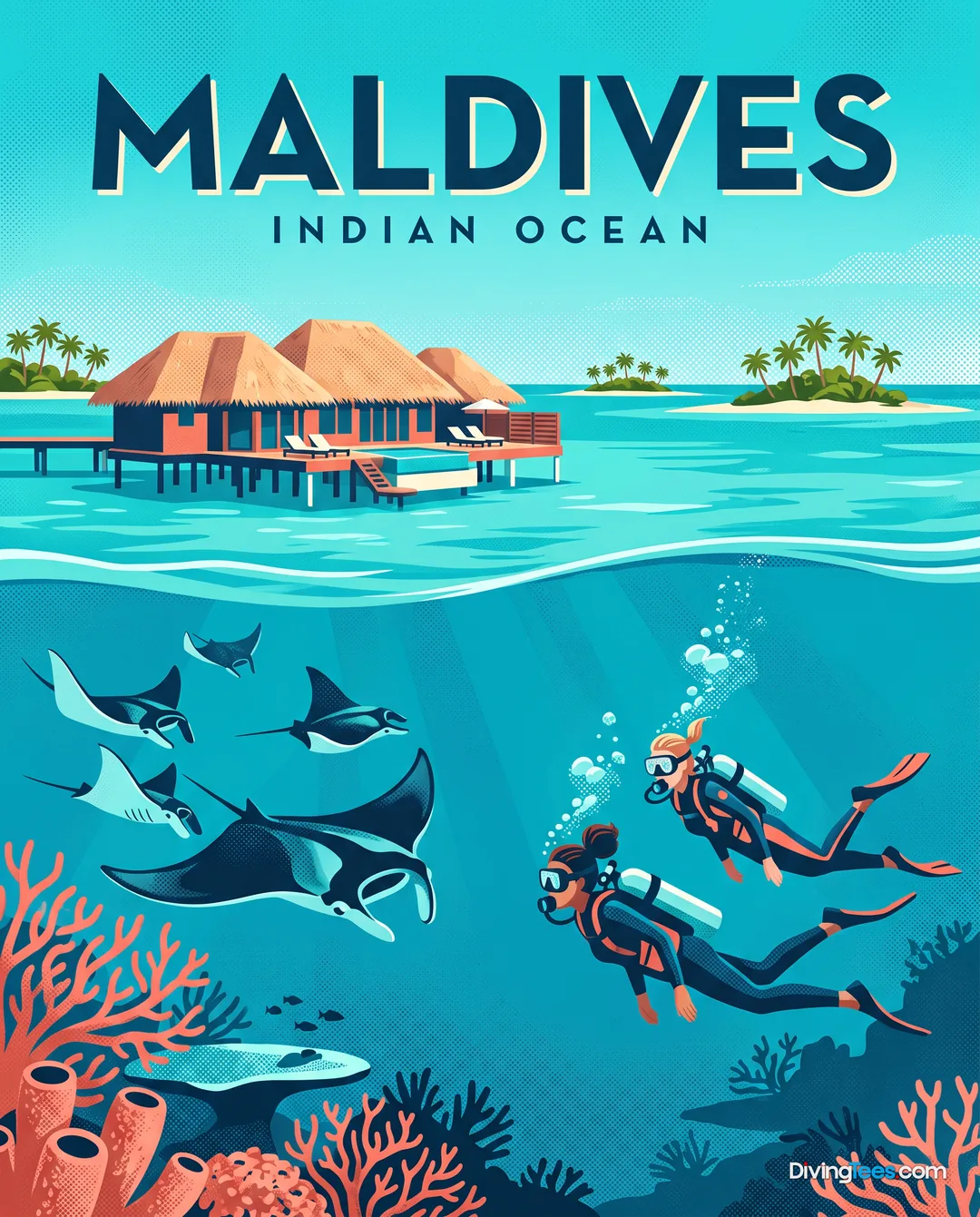
Maldives · Indian Ocean
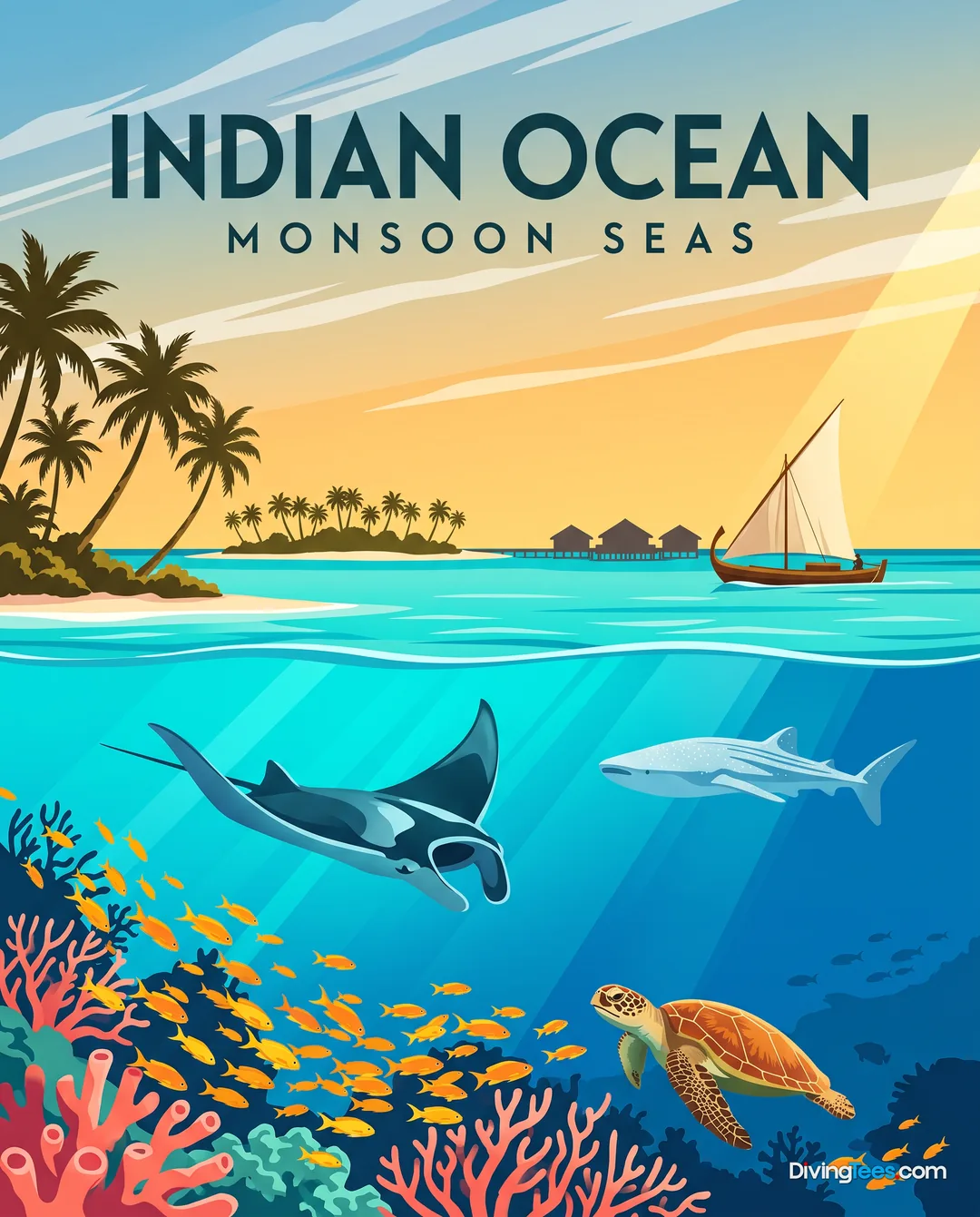
Whale sharks in the SAMPA, manta rays at Madivaru, thilas, passes, canyons and overhangs shape South Ari’s diving through the monsoon year.
South Ari is for divers who want the structure of Maldivian reef diving with a serious chance of meeting large pelagic animals. The focus is the South Ari Marine Protected Area, where whale sharks are present throughout the year, alongside manta cleaning stations whose position follows the monsoon. Between those encounters, days are filled with thilas, passes, overhangs, canyons and drop-offs. It is not a whale-shark-only destination, and that is part of its appeal: the itinerary can switch from patient wildlife searching to properly absorbing drift dives.
Most diving is by boat, combining thilas, passes and protected reefs with cleaning stations and open-water searches for whale sharks. The underwater scenery includes canyons, overhangs and drop-offs, while current strength varies from one site and day to the next. Some dives are gentle enough for less experienced divers, but passes and exposed sites can become committed drift dives, where an assured descent, good buoyancy control and a calm response to moving water matter more than depth. Advanced Open Water is useful for deeper sites and passes, and Drift Diver training is relevant to an itinerary built around current. Expect plankton-rich water and seasonal changes in conditions rather than a uniform level of visibility. A typical day alternates wildlife-focused outings with conventional reef and pass dives.
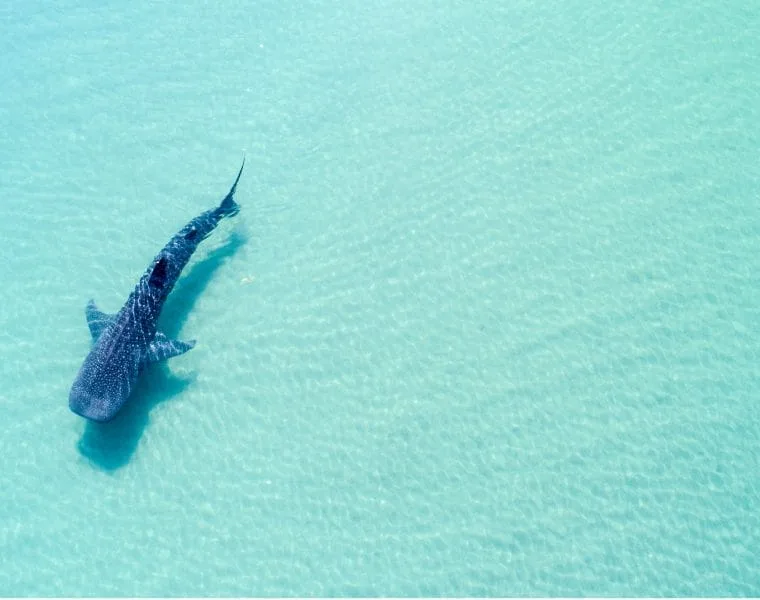
The signature encounter is the whale shark, which South Ari is known for finding throughout the year. In the SAMPA, the experience is a controlled approach rather than a chase: boats, divers and snorkellers operate under rules designed to limit disturbance. Manta rays are the other seasonal draw. From December to April, cleaning stations on the western side, including Madivaru, are often the focus, while sightings shift more towards the eastern side from May to November. Numbers of boats can build around both mantas and whale sharks when animals are present. Turtles and other pelagic species may add to the day, but the sensible expectation is a natural-history search, not a guaranteed appointment with a particular animal.
December to April is the most straightforward choice for divers putting manta rays high on the list, because the north-east monsoon brings the main concentration towards western South Ari and the Madivaru cleaning stations. Whale sharks remain a year-round reason to visit, so the rest of the year is not a write-off. From May to November, during the south-west monsoon, manta activity is more often found on the eastern side of the atoll. Discuss the current side of the atoll with the local team before booking excursions, as wildlife movement matters more here than a single fixed calendar.
South Ari can suit beginners on sheltered, well-supervised sites, particularly when the day is organised around reefs rather than passes. The more exposed thilas and channels are a better match for divers with sound buoyancy, confident descents and experience in moving water. Advanced Open Water is useful for deeper dives and passes, while a Drift Diver qualification is worthwhile if the itinerary includes repeated current-running sites. BSAC, PADI and SSI divers should judge the programme by recent experience, not simply by the minimum certification accepted.
From London Heathrow, London Gatwick or Manchester, the journey is built around reaching Malé first. From Malé, the final leg to South Ari is either a sea transfer or a domestic flight followed by the onward arrangements for the particular island. These options are not interchangeable between resorts and local islands, so allow connection time and have the accommodation coordinate the complete transfer rather than booking the elements in isolation. Once on the island, resort-based diving normally operates from the island itself, while local-island trips leave from the jetty or local dive base. Liveaboards use their own boat itinerary, so their meeting arrangements need confirming before departure.
Treat a whale-shark outing as a search, not a guaranteed encounter, and keep several diving days available rather than staking the holiday on one trip. Ask which side of the atoll is being favoured for mantas during your stay, since the useful direction changes between the north-east and south-west monsoons. For SAMPA trips, check before boarding that the required permit and advance reservation have been arranged. At the wildlife site, follow the limits on boat numbers, distance and approach. Do not touch, pursue or feed animals, use lights to draw them in, or use an underwater flash in the regulated contact area. Bring photo equipment you can handle without chasing a subject. Around the better-known whale-shark and manta areas, ask whether an earlier departure can avoid the main boat arrivals. Keep an open day in the plan, because the animals and the boats do not follow a timetable.
A resort or local-island stay works best when several boat days are planned around nearby thilas, passes and cleaning stations, with the manta search adjusted to the monsoon side. Seven to ten days gives enough room for repeated wildlife outings and different sectors, although it will not cover the whole atoll. A liveaboard offers wider geographical coverage and can follow moving manta activity more readily. Non-divers have resort, island, boat and water-based activities available, so the destination can work for a mixed travelling party.
Hello, I'm Marina, DivingDeal.com's AI assistant. I guide you through destinations, areas and countries.
Thinking about the whole trip and the flights? Talk it over with Edith →
Marina is an AI. Some links are affiliate links: DivingDeal may earn a commission, at no extra cost to you. Bookings are made with the partner.
In each one, the dive centre is inside the hotel: step out of your room and go diving.
Dive centre in the hotel★★★★★
Google 4.8/5 (1,264 reviews)
The dive centre
Prodivers Lily Beach
PADI
Google 5/5 (13 reviews)
Dives: House Reef de Lily Beach
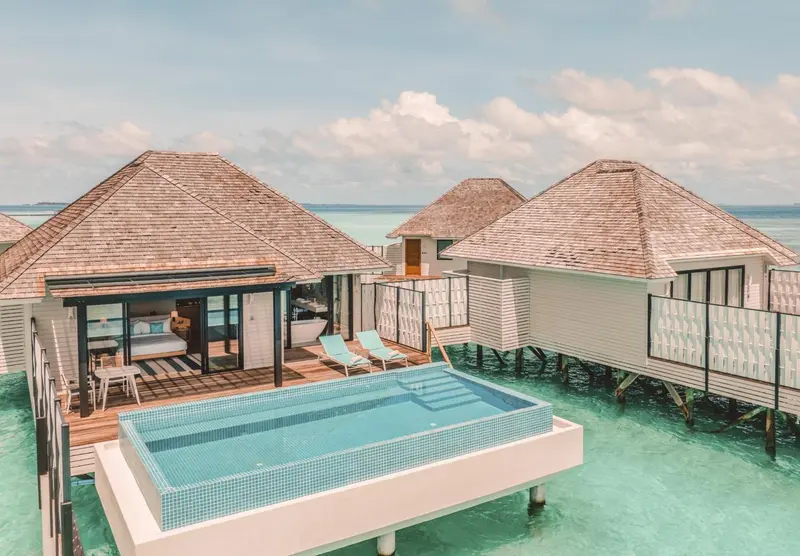 Dive centre in the hotel
★★★★★
Google 4.8/5 (355 reviews)
The dive centre
Aquaholics-Nova
PADI
Google 4.8/5 (371 reviews)
Dives: Kudha Rah Thila, Broken Rock, Reethi Thila
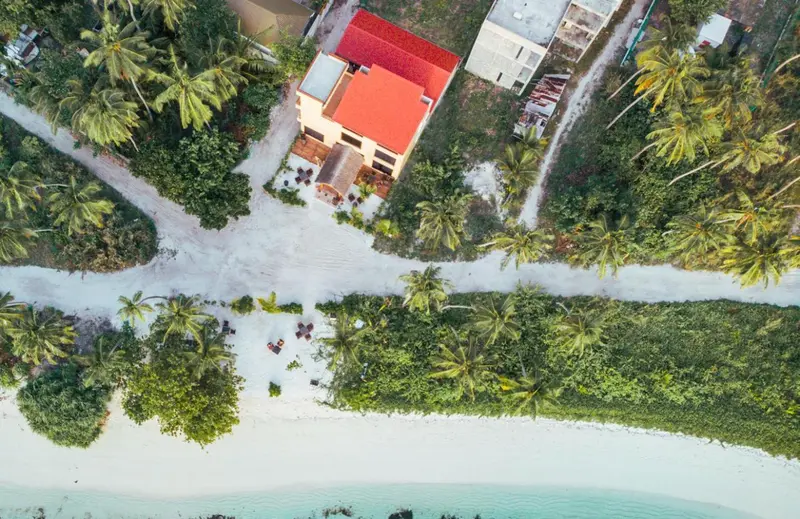 Dive centre in the hotel
★★★
Google 4.5/5 (152 reviews)
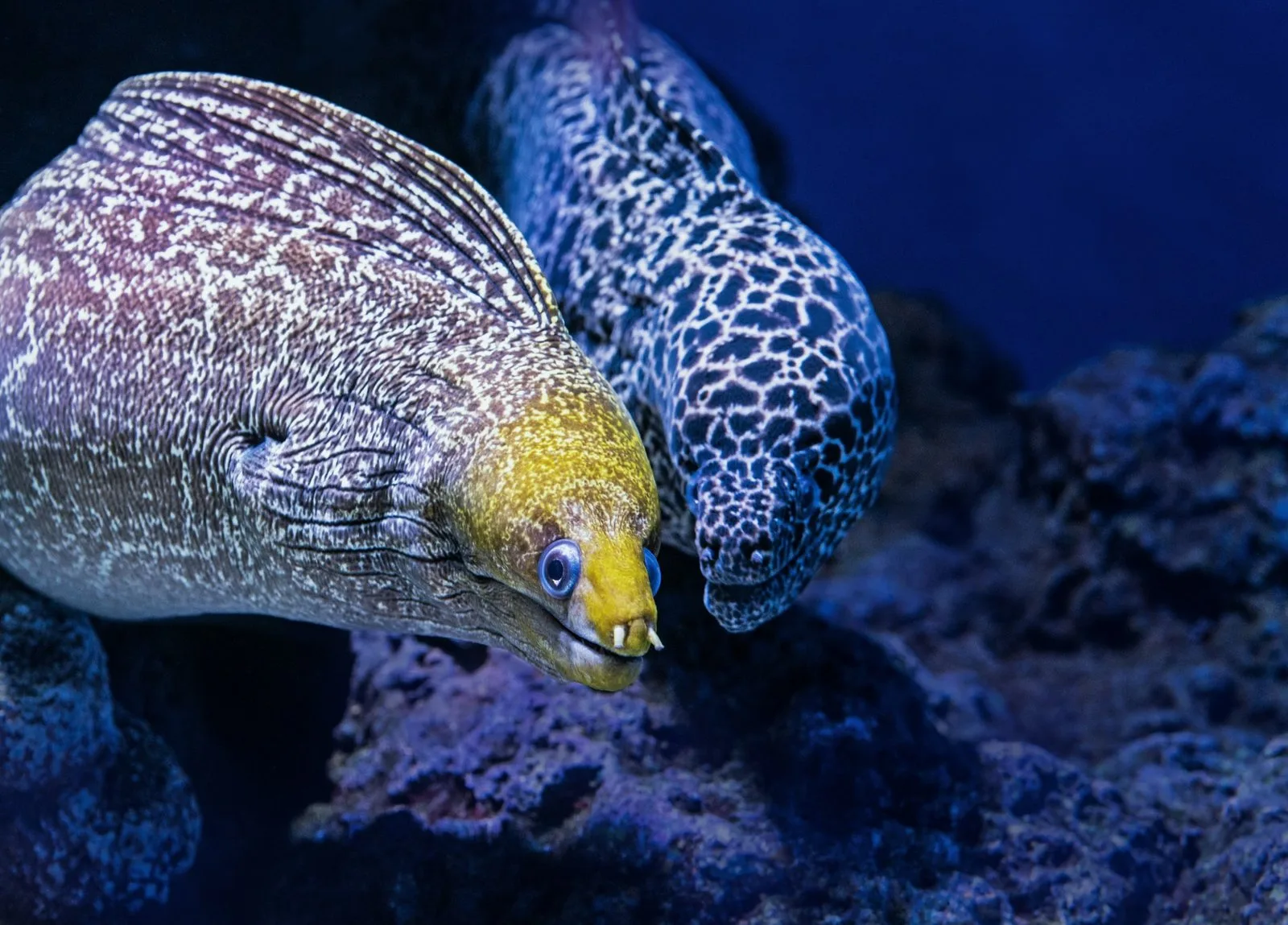
The dive centre
Endheri Dive Center
PADI
Google 4.4/5 (82 reviews)
Dives: BANANA REEF, MAHIBADHOO MANTA ROCK, RANGALI MADIVARU MANTA POINT