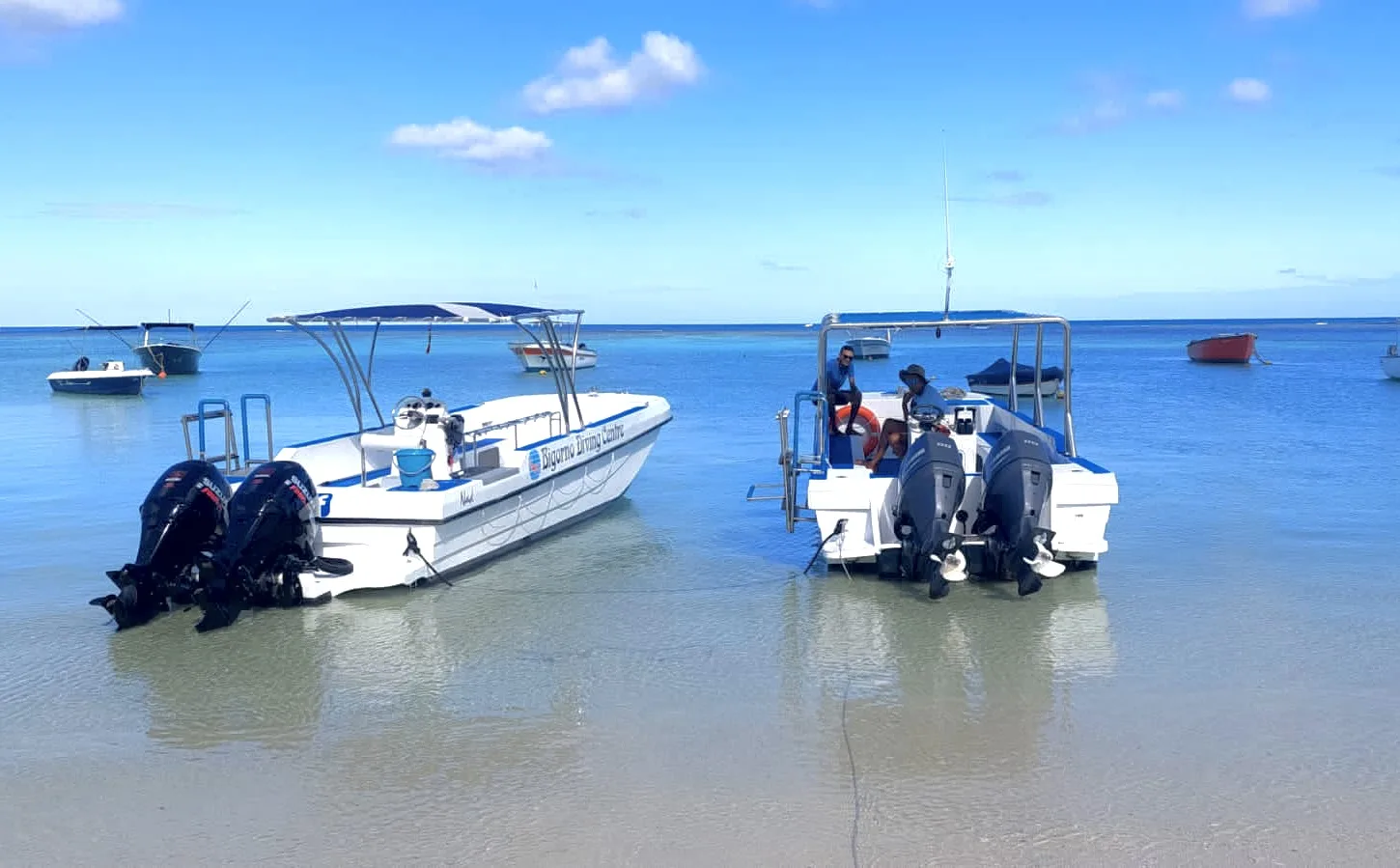

Bigorno Diving Center
Google 5/5 (558 reviews)
Trou aux biches · Mauritius · Indian Ocean
Max. depth · 22 mDescend into the gentle embrace of Turtle House Reef, where remarkably large green and hawksbill turtles slumber beneath rocky overhangs, inviting respectful observation.
Dropping into Turtle House Reef, you find yourself amidst a series of distinct reef formations, distributed across a comfortable depth range, perfect for extended bottom time. The topography here is characterized by these scattered coral heads and rocky outcrops, creating a diverse landscape that provides both shelter and feeding grounds for a variety of marine life. This gentle reef system allows for a relaxed exploration, letting you absorb the rich biodiversity at your own pace as you navigate between the various structures.
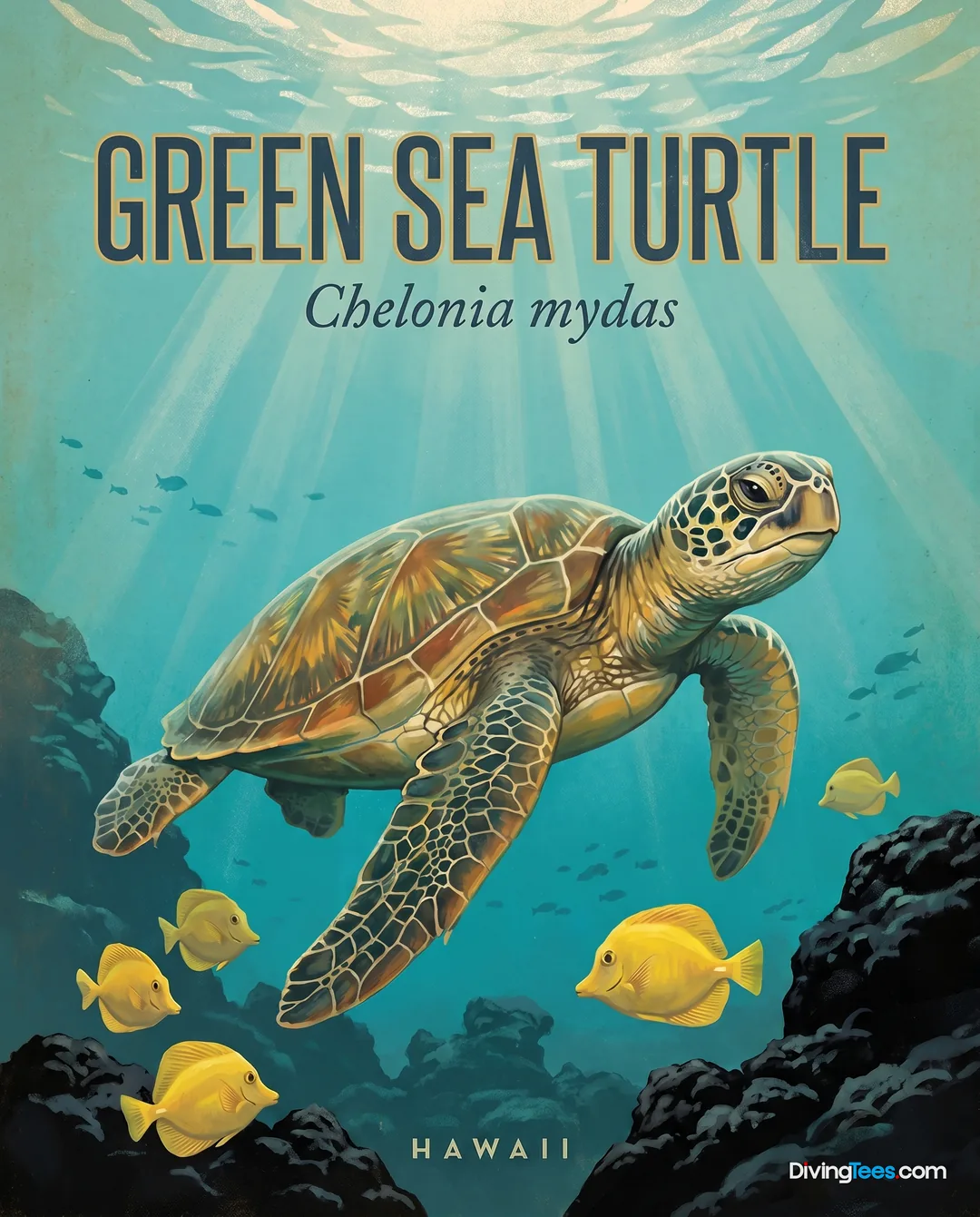
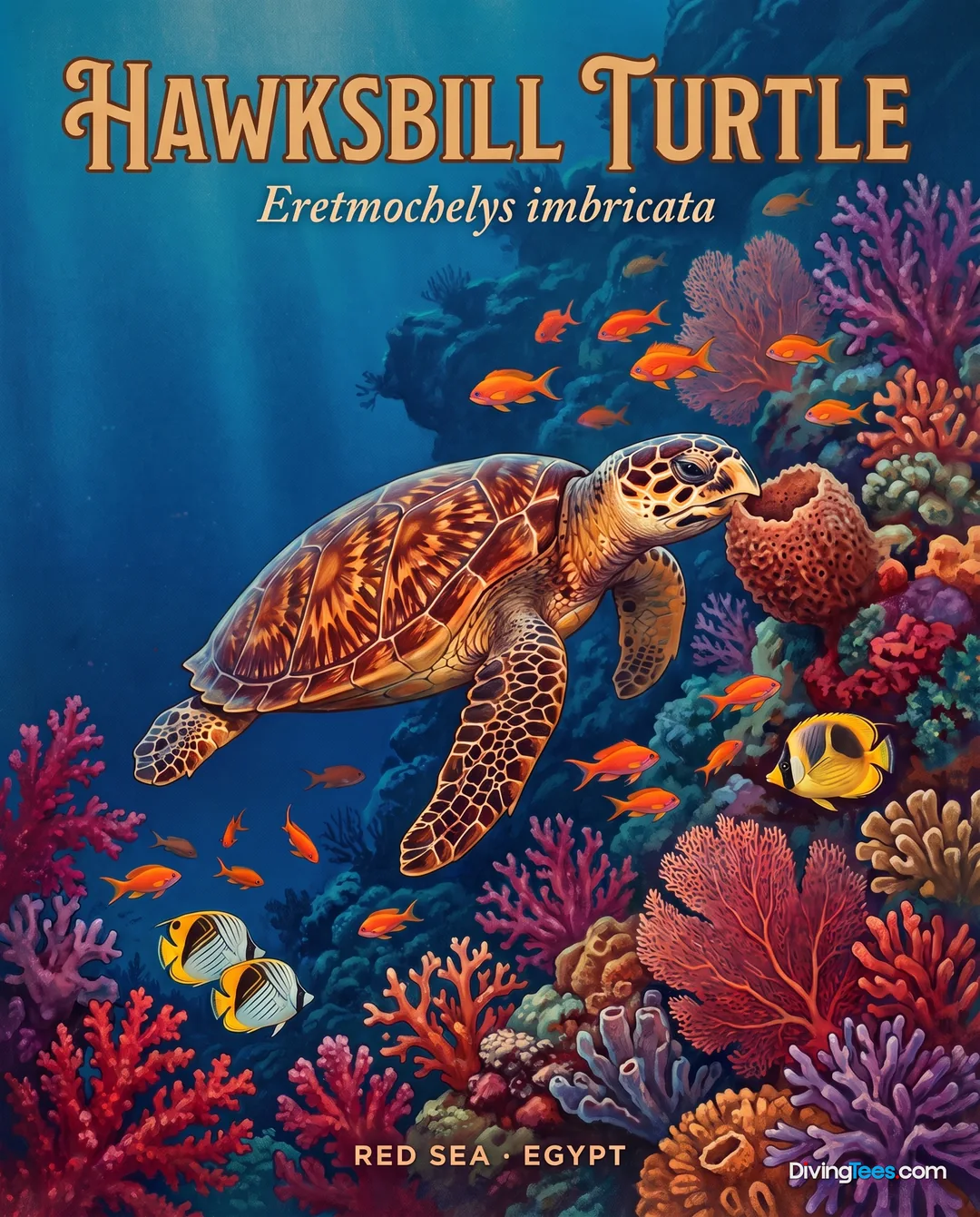
The undeniable stars of Turtle House Reef are its impressive resident turtles, primarily large green turtles (Chelonia mydas), though you will also encounter the delicate hawksbill turtles. These ancient mariners are often found settled beneath substantial rocks, seeking refuge and rest in these protected alcoves. Their presence is a constant, provided you approach with the quiet respect they deserve, ensuring they remain undisturbed in their tranquil slumber.
Observing turtles at Turtle House Reef comes with a specific etiquette, crucial for their well-being and your continued opportunity to share their habitat. They are primarily approached from the side and slightly ahead, carefully avoiding any direct frontal encounter that might startle them. It's imperative not to kick up sand if they are resting on the seabed, as this can disorient or disturb them. Maintaining a respectful distance ensures that these magnificent creatures feel secure in their home.
Approaching a resting turtle from behind should be strictly avoided; any perceived threat from the rear can trigger a stress response. Remember that despite their aquatic grace, turtles are amphibious and must surface to breathe, and keeping them underwater or causing them distress can have dire consequences. Your patience and considerate behaviour are key to truly appreciating these animals in their natural environment, allowing you to witness their peaceful existence without intrusion.
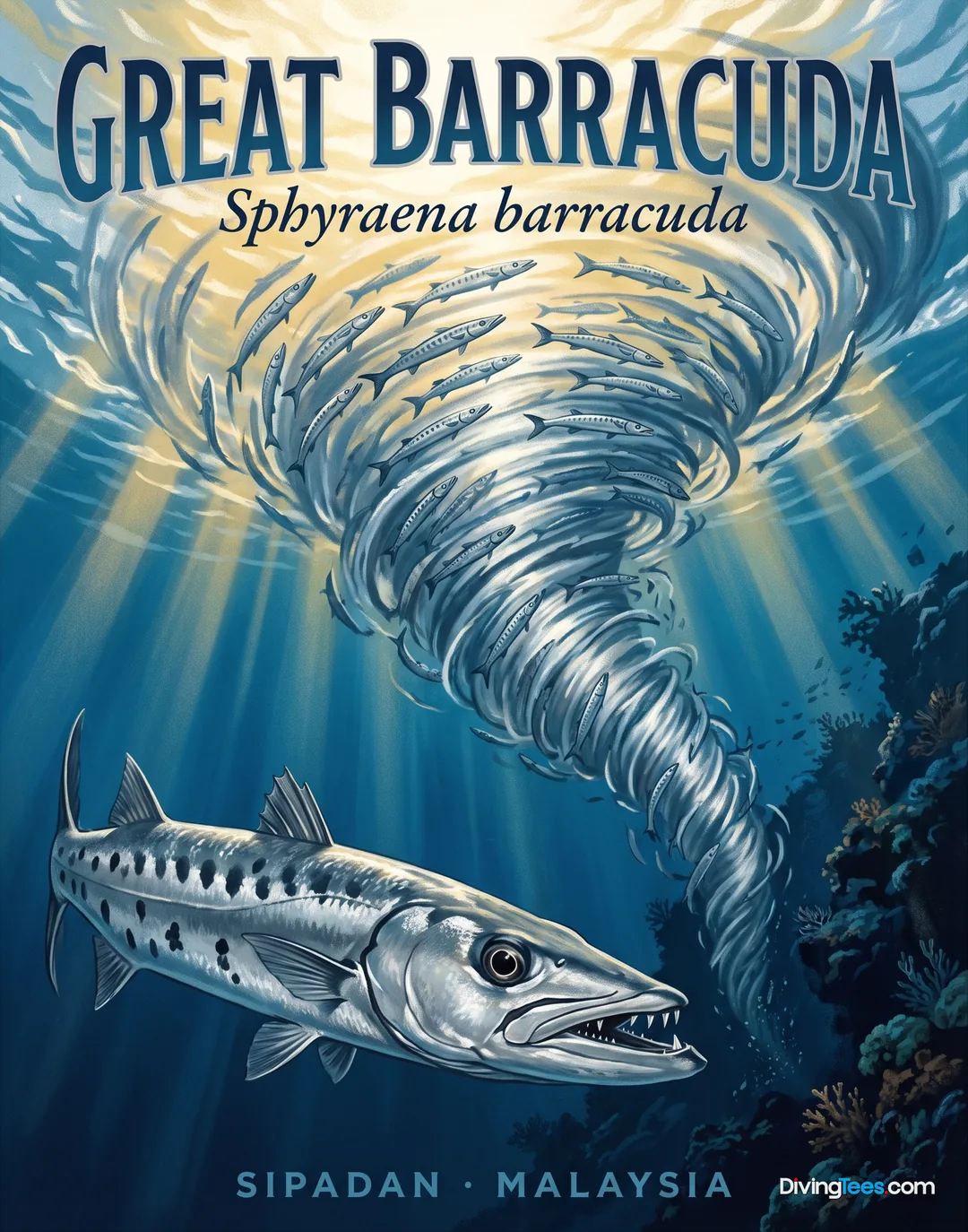
Beyond the turtles, the reef is a bustling ecosystem, supporting schools of fusiliers (Pterocaesio). These quick-moving fish form shimmering curtains in the mid-water, a vibrant contrast to the more sedentary life on the reef. Barracudas (Sphyraena) are also a regular sight, often seen patrolling the perimeters of the reef structures, their sleek forms a reminder of the reef's predatory dynamics. This combination creates a rich tapestry of marine activity, offering a dynamic backdrop to your turtle encounters.
Turtle House Reef is accessible for divers of all levels, making it a great choice for both beginning and experienced enthusiasts. The dive depth ranges from a minimum of 10 metres to a maximum of 22 metres, providing ample scope for exploration within recreational limits. While specific current details for this site are not provided, regional conditions suggest that currents can be influenced by winds and may initiate drift dives. The northern-west coast of Mauritius generally offers good diving conditions year-round, making Turtle House Reef a viable destination throughout the seasons.
You can dive Turtle House Reef throughout the seasons, as the northern-west coast of Mauritius generally offers good diving conditions year-round. Winds can influence regional conditions and may initiate drift dives, so your experience may vary with the conditions on the day. The site is in Trou aux biches.
Turtle House Reef is accessible to divers of all levels, including beginning and experienced enthusiasts. Its gentle reef system and scattered formations allow you to explore at a relaxed pace, moving between coral heads and rocky outcrops while observing the surrounding marine life. You can enjoy the site within recreational limits.
Turtle House Reef ranges from 10 to 22 metres deep, offering scattered reef formations and rocky outcrops across its recreational depth range. You can navigate between the structures and explore the diverse landscape while allowing ample scope for extended bottom time, depending on your training, experience, and dive plan.
At Turtle House Reef, you can encounter large green turtles resting beneath rocks and observe hawksbill turtles in their natural reef habitat. Schools of fusiliers move across the reef, while barracudas patrol its edges. The scattered coral heads and rocky outcrops also provide shelter and feeding grounds for marine life.