Liveaboards · Seychelles
Basilisk — a small expedition catamaran for remote Seychelles diving
What makes this boat unique
- Basilisk carries a maximum of six guests in three private en-suite cabins.
- She combines liveaboard diving with flexible expeditions to the Inner Islands, Amirantes and remote Outer Islands.
- The dive setup includes two Coltri air compressors, a dedicated dive deck and a 7.6-metre SAFEBoat tender.
- There is no nitrox and no standard onboard gear rental, so divers should bring their own equipment.
The invitation
Basilisk is for divers who want the Seychelles beyond the usual island circuit. Her long-range capability opens routes towards Astove and the Outer Islands, while the small guest list keeps the trip closer to a private expedition than a conventional liveaboard. The boat can shape cruises around diving, nature excursions, photography, kayaking or a mixed group rather than forcing every guest into the same programme. That flexibility matters here: one day may mean granite walls and wrecks around Mahé, another a remote atoll reached after a long passage. The reason to choose Basilisk is not a polished resort feeling. It is access, space and a crew able to adapt the route to the people aboard. Six divers can settle into one group, one tender and one shared plan without losing the sense that the voyage is built around what they came to see.
Boarding
Basilisk arrives with the practical look of a working vessel rather than a yacht built only for holidays. She began life as a North Atlantic commercial fishing vessel, later served as a research vessel and was converted into an expedition yacht in 2015. The aluminium hull, broad working areas and stern dive pontoon still show that history. There are four levels connected by ship’s ladders, so moving from cabin to salon, fly deck and dive platform takes some balance. The layout rewards people who want to live outside their cabin: the aft deck is the main working and eating space, while the upper deck gives a higher lookout over the water. The crew can launch the diving tender, support land excursions and handle long passages from the same practical platform. It feels more like a capable field vessel than a floating hotel. That is precisely the point.
The atmosphere on board
The atmosphere is shaped by the small group. With no more than six guests and five or six crew members depending on the programme, the people aboard quickly become one working unit: divers, guide, tender crew and deck crew all meet at the same aft-deck table. The crew can work in English, French or Creole. Their role is broader than guiding dives. They support kayaking, land visits, wildlife watching and excursions to places where guests may snorkel with scientists, meet giant tortoises or visit an isolated beach. Private charters can be built around families, friends, nature work or research, so the social tone depends on the group rather than a fixed entertainment schedule. Evenings are suited to talking through the day over dinner or a drink on the upper deck. Basilisk works best for guests who want a close expedition atmosphere, not a large boat with anonymity and constant activity.
The sites you’ll dive
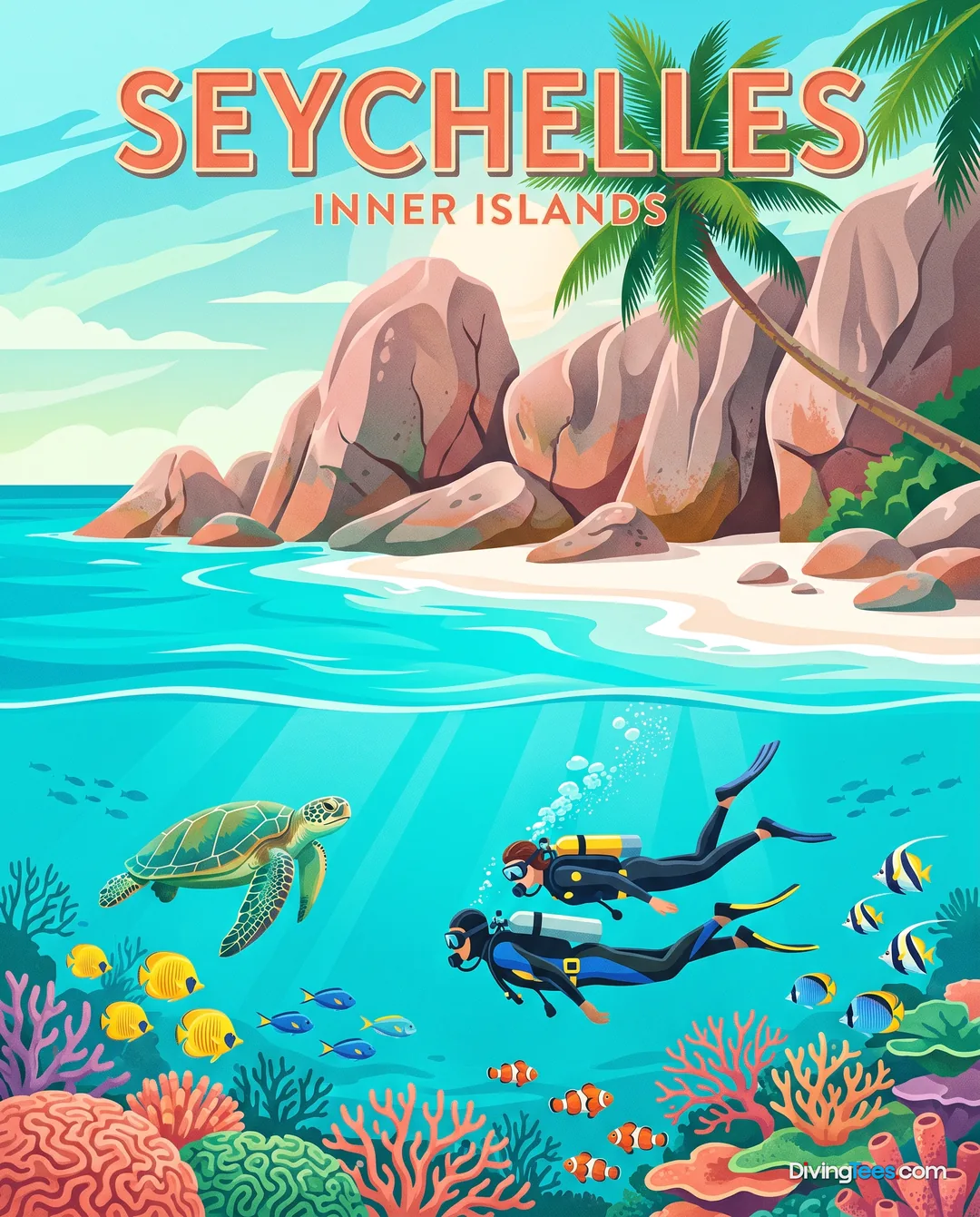
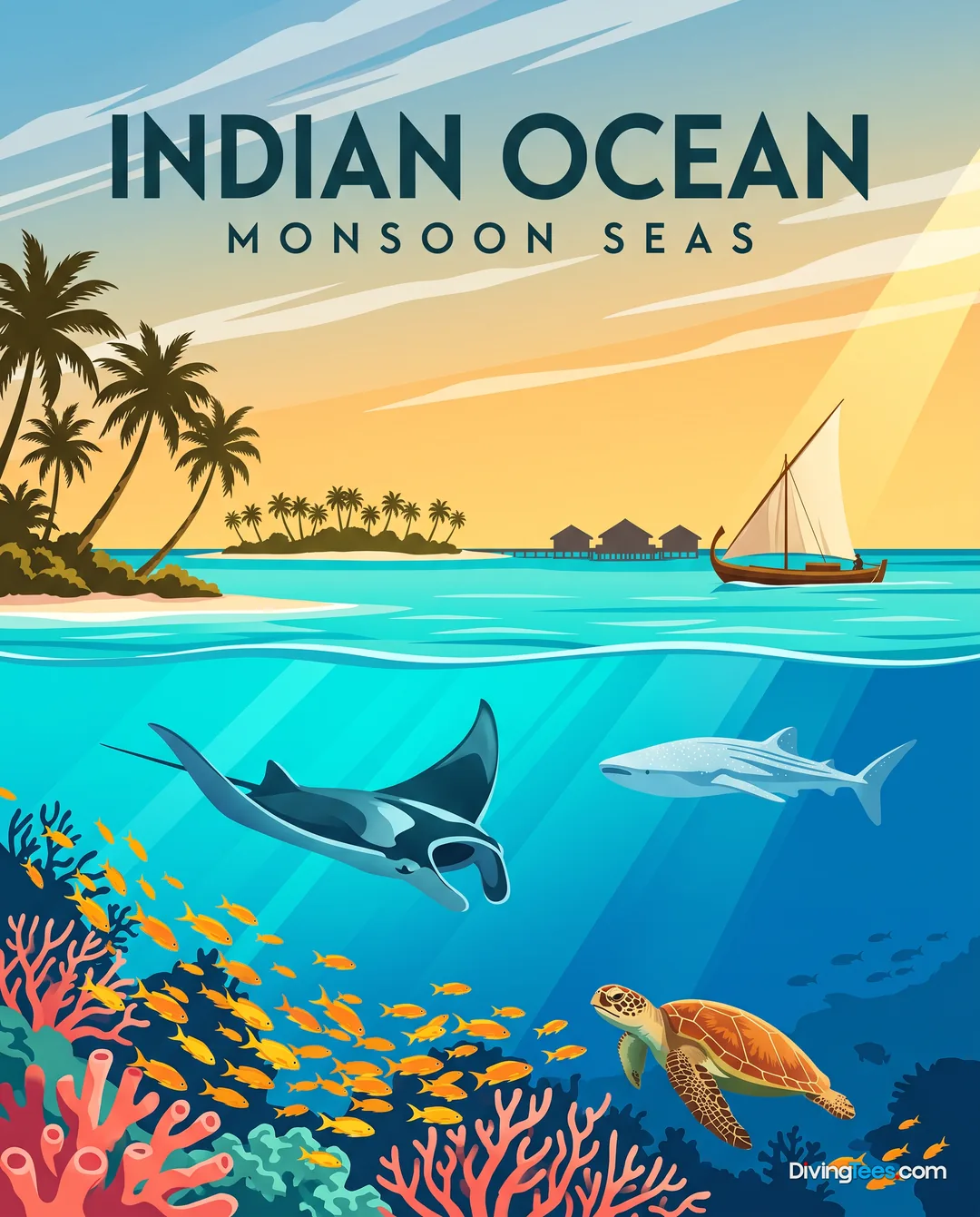
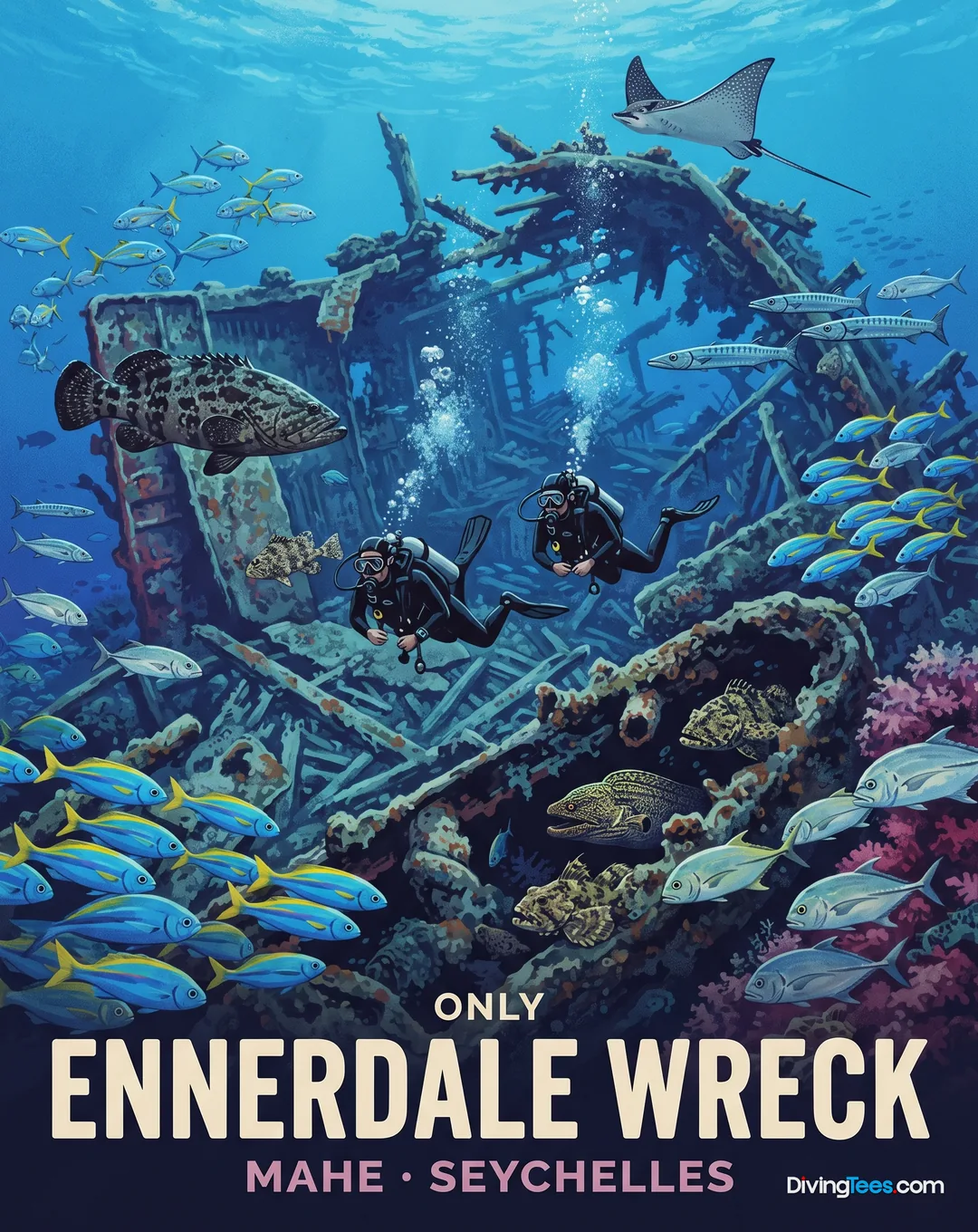
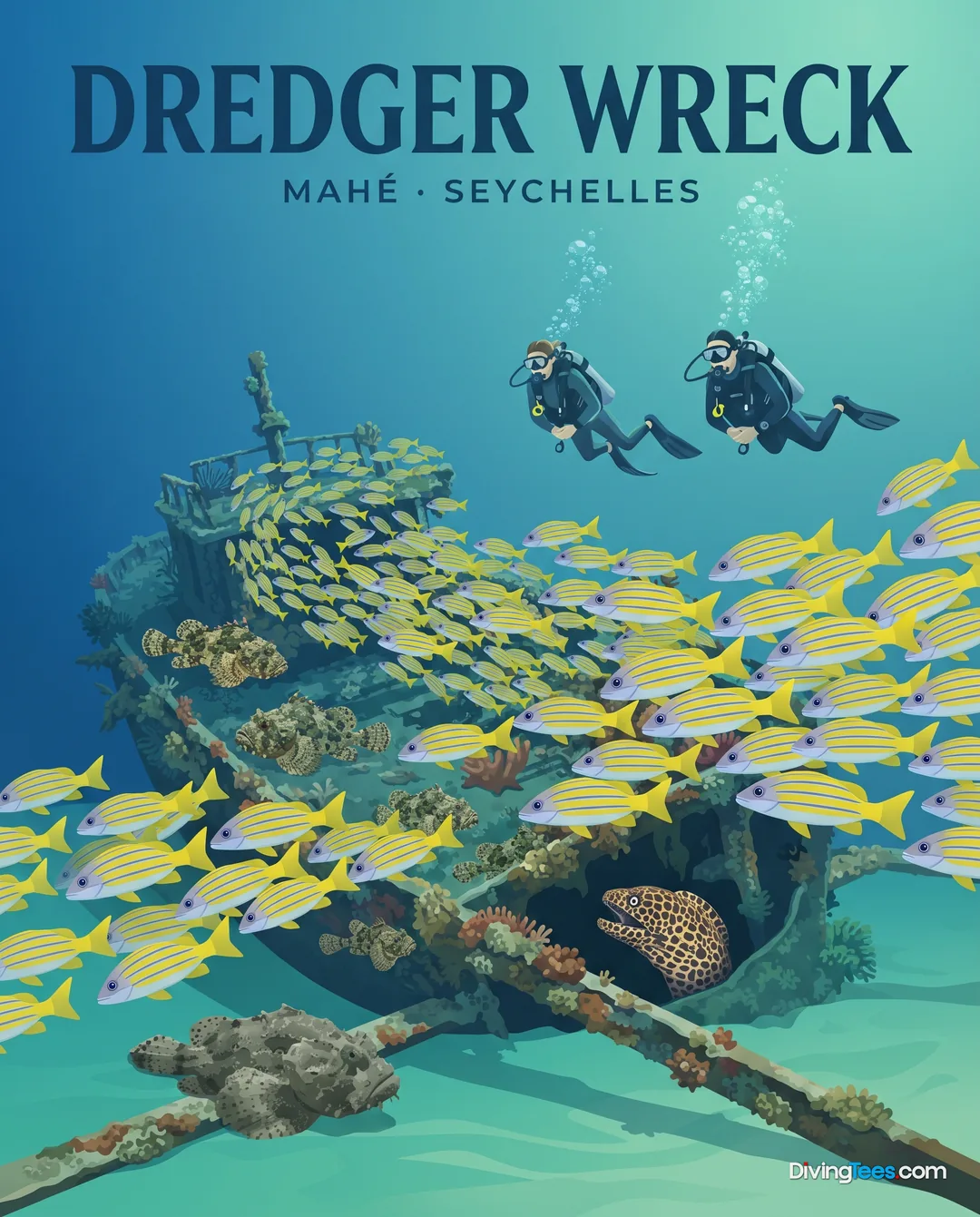
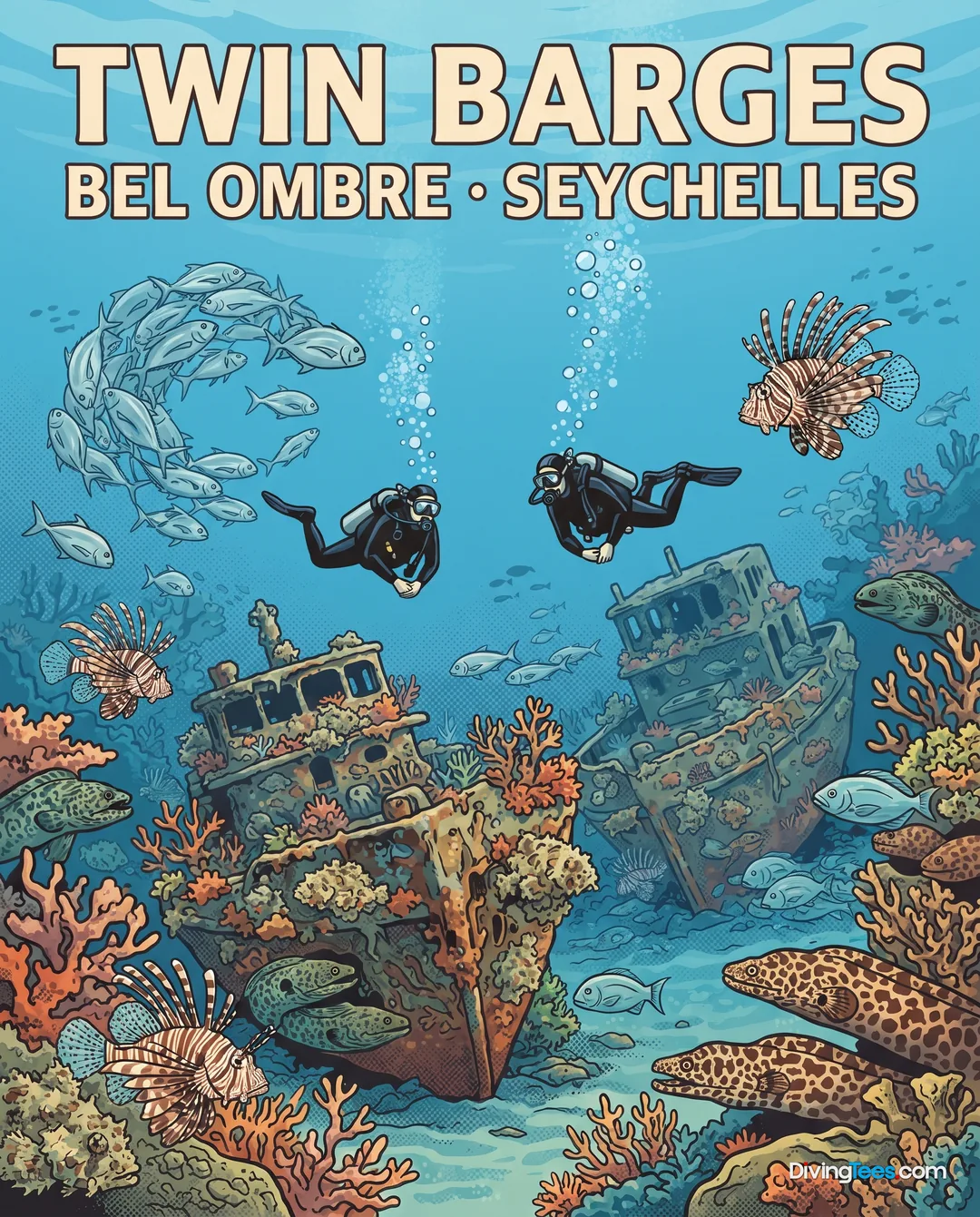
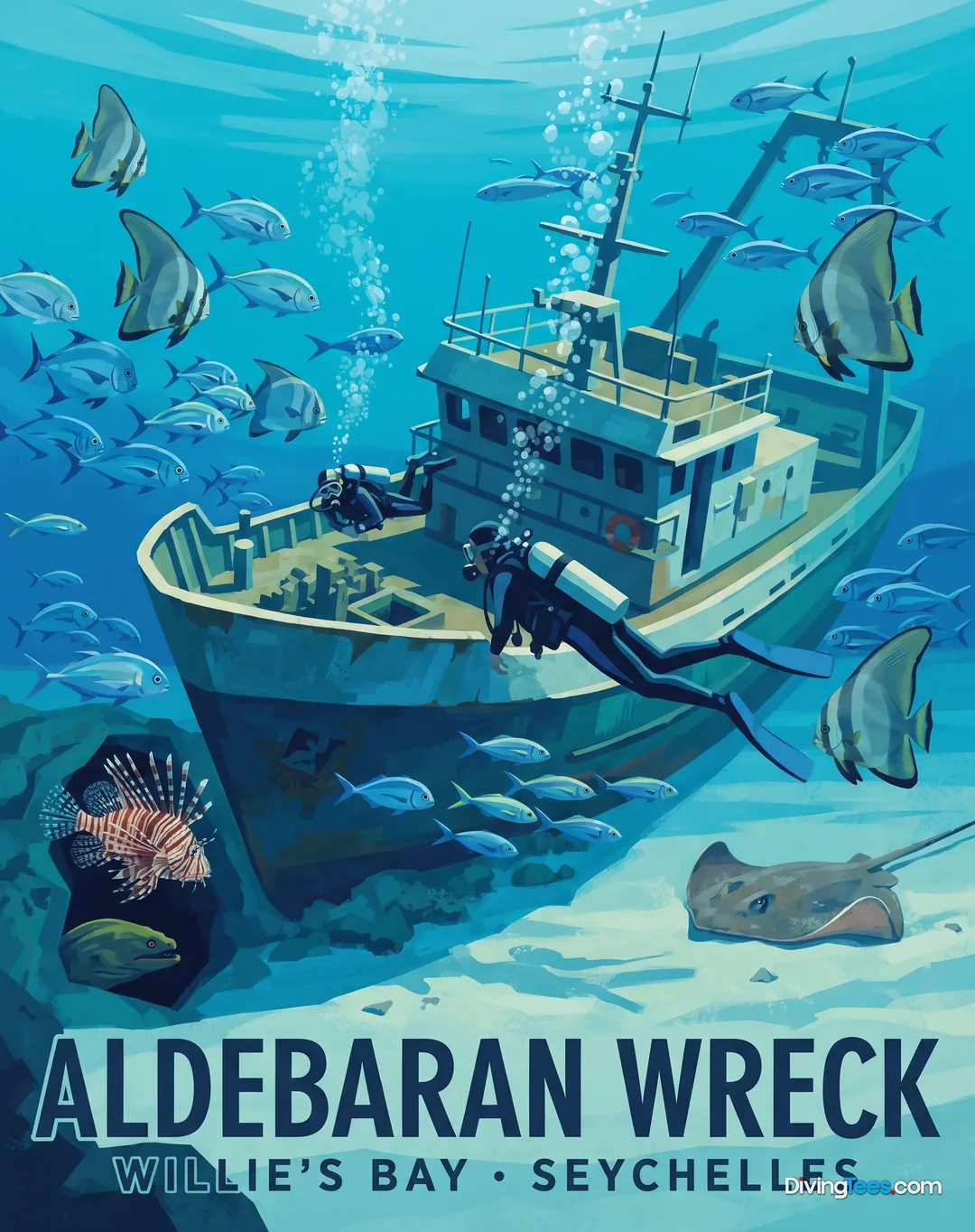
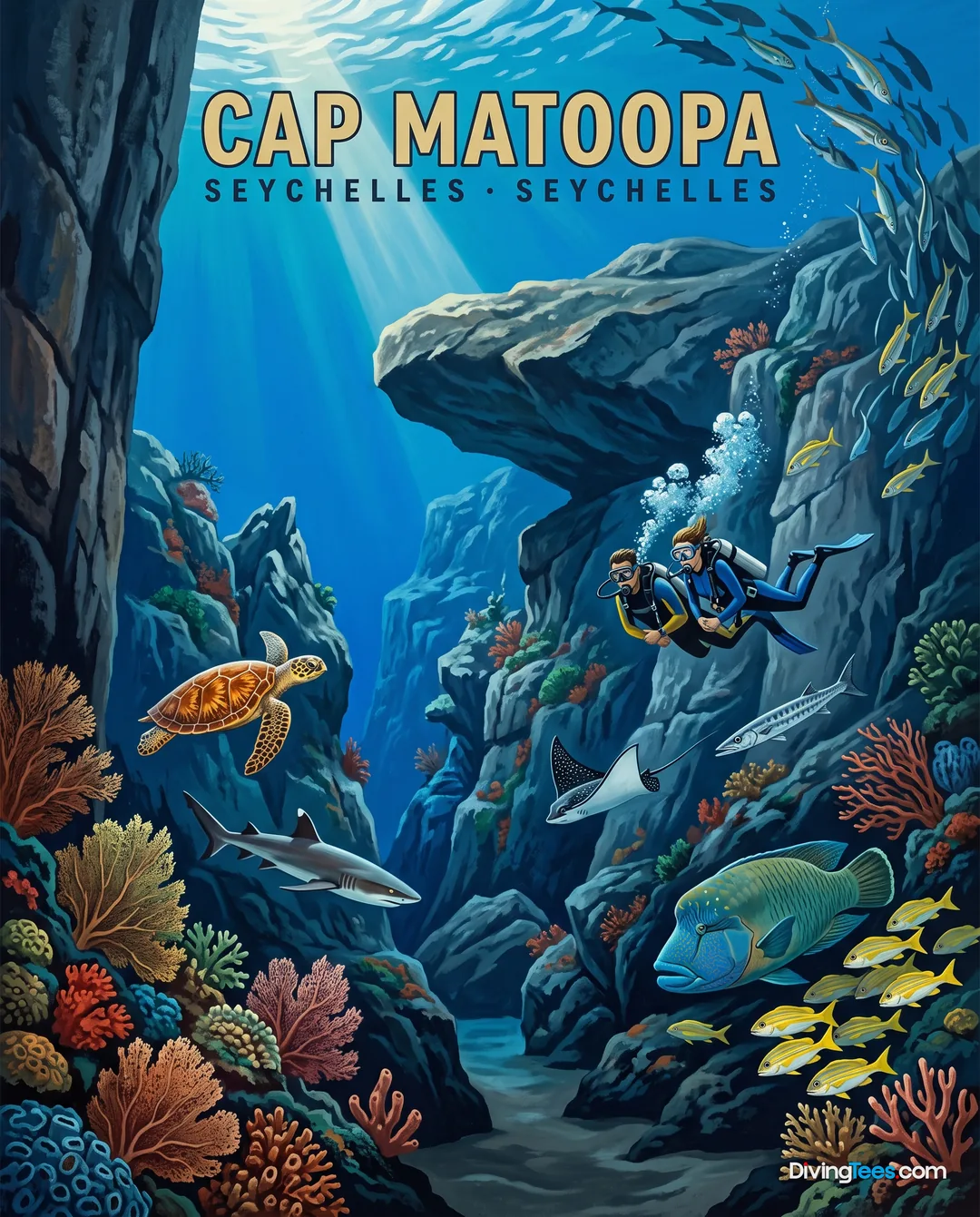
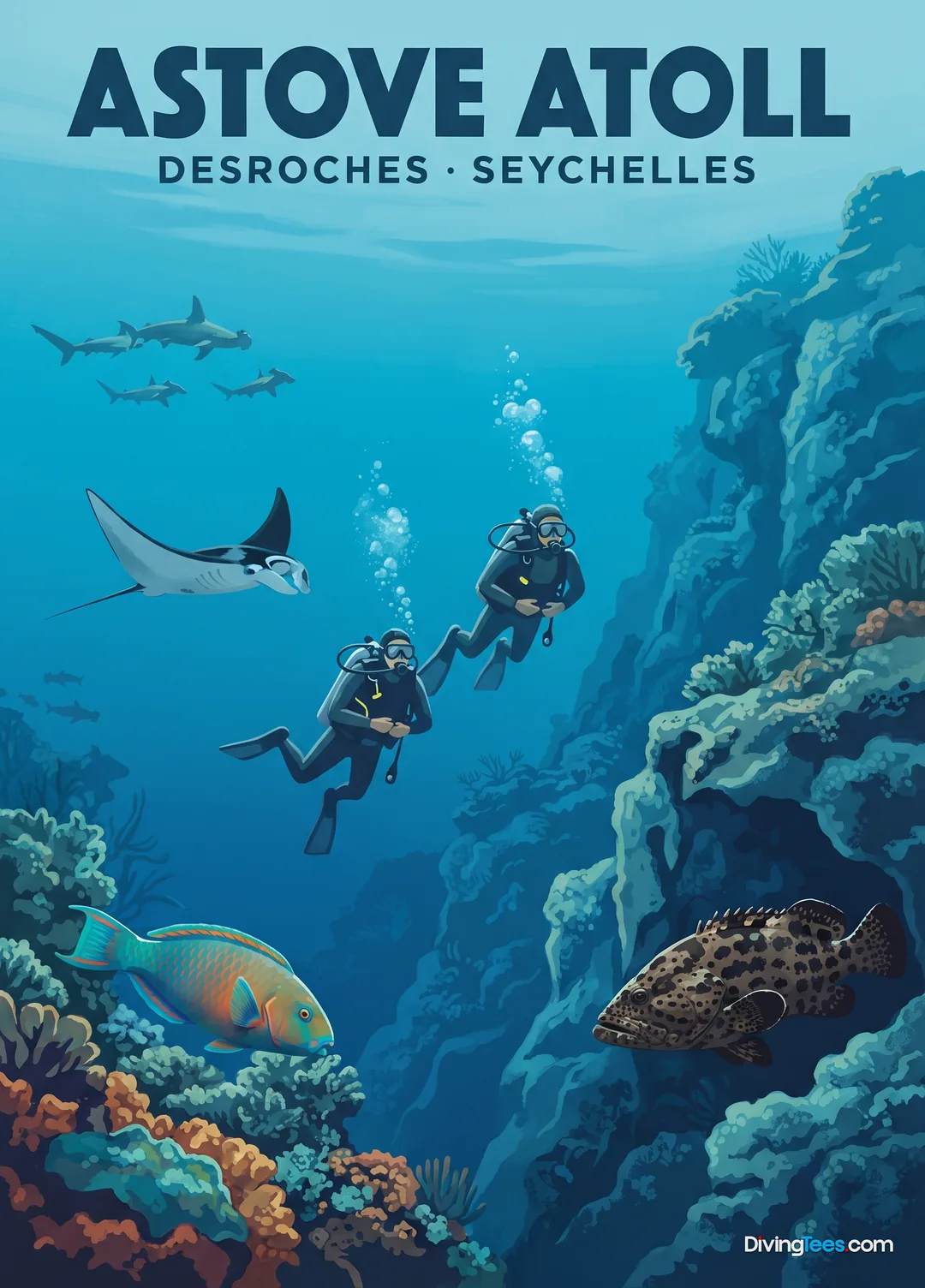
The route can combine the granite Inner Islands with remote southern expeditions. Recorded programmes include 10-day/9-night voyages between Mahé, Astove and Eden Island, 15-day/14-night round trips from Eden Island, and a 9-day/8-night Inner Islands Explorer. Around Mahé, Ennerdale Wreck reaches -30m: the 62,000-ton British auxiliary tanker is now inhabited by giant groupers, morays and circling sharks. Dredger Wreck also reaches -30m, its intentionally scuttled hull turned into an artificial reef crowded with schooling snapper. Twin Barges, to -26m, consists of two deliberately sunk barges now covered by marine life. Aldebaran Wreck descends to -40m, where the preserved 28-metre wreck has become an artificial reef. Cap Matoopa is a shallower granite site to -24m, with gullies and steep walls beside a deep-water channel. Farther out, Astove Atoll drops to -40m at a sheer reef edge that falls beyond recreational limits. This is the site for a genuine oceanic drop-off, with turtles and the possibility of large sharks.
What you’ll meet underwater
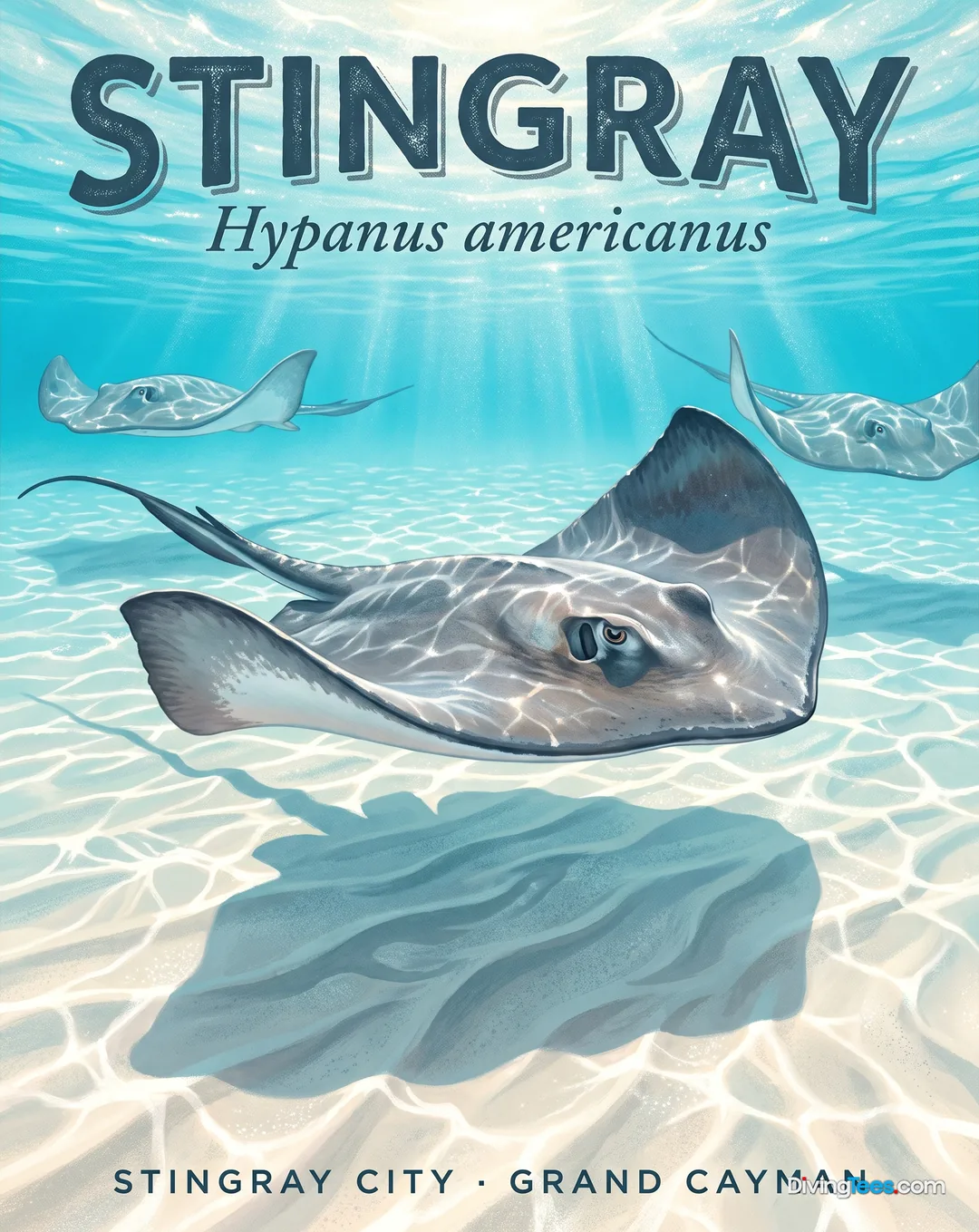
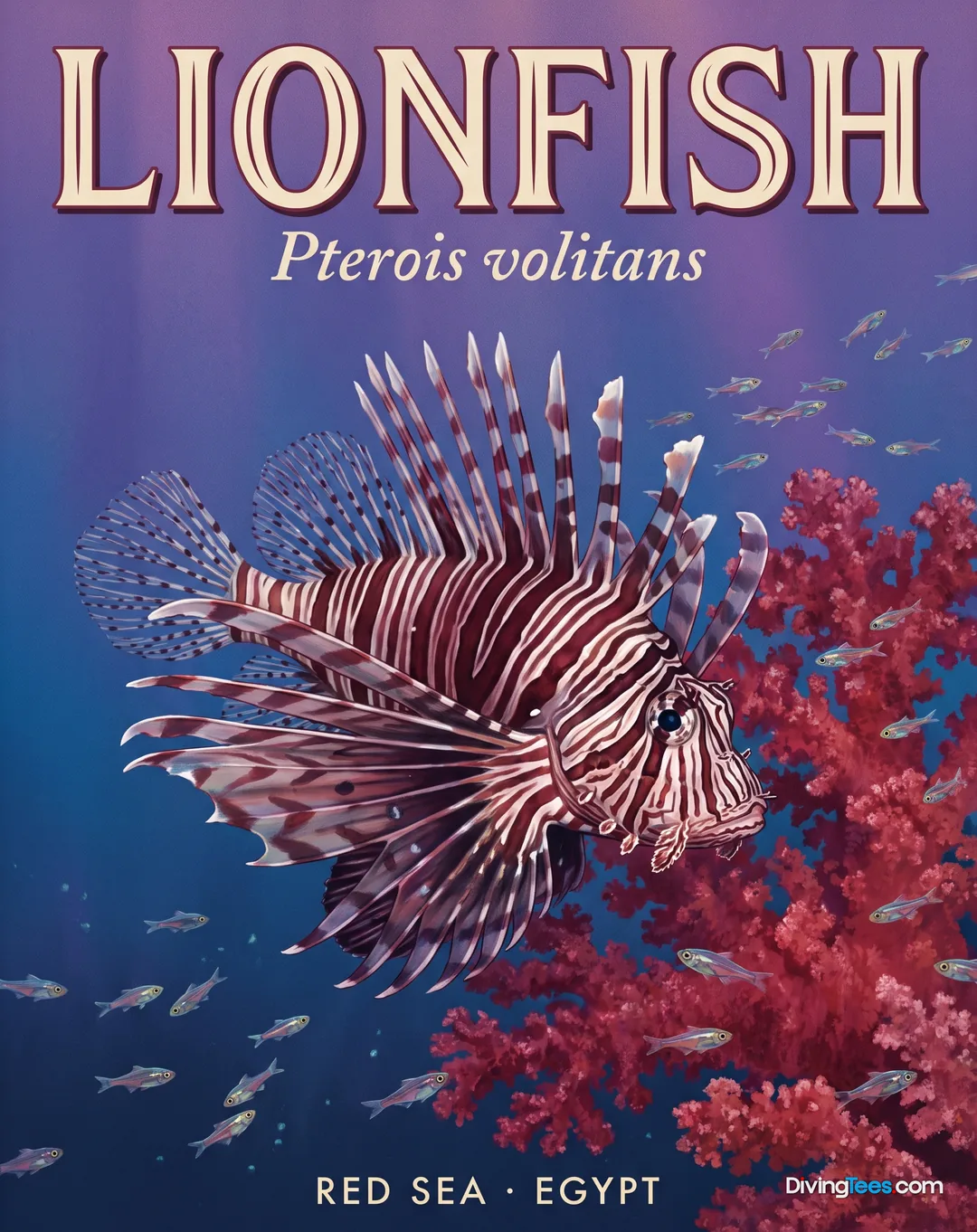
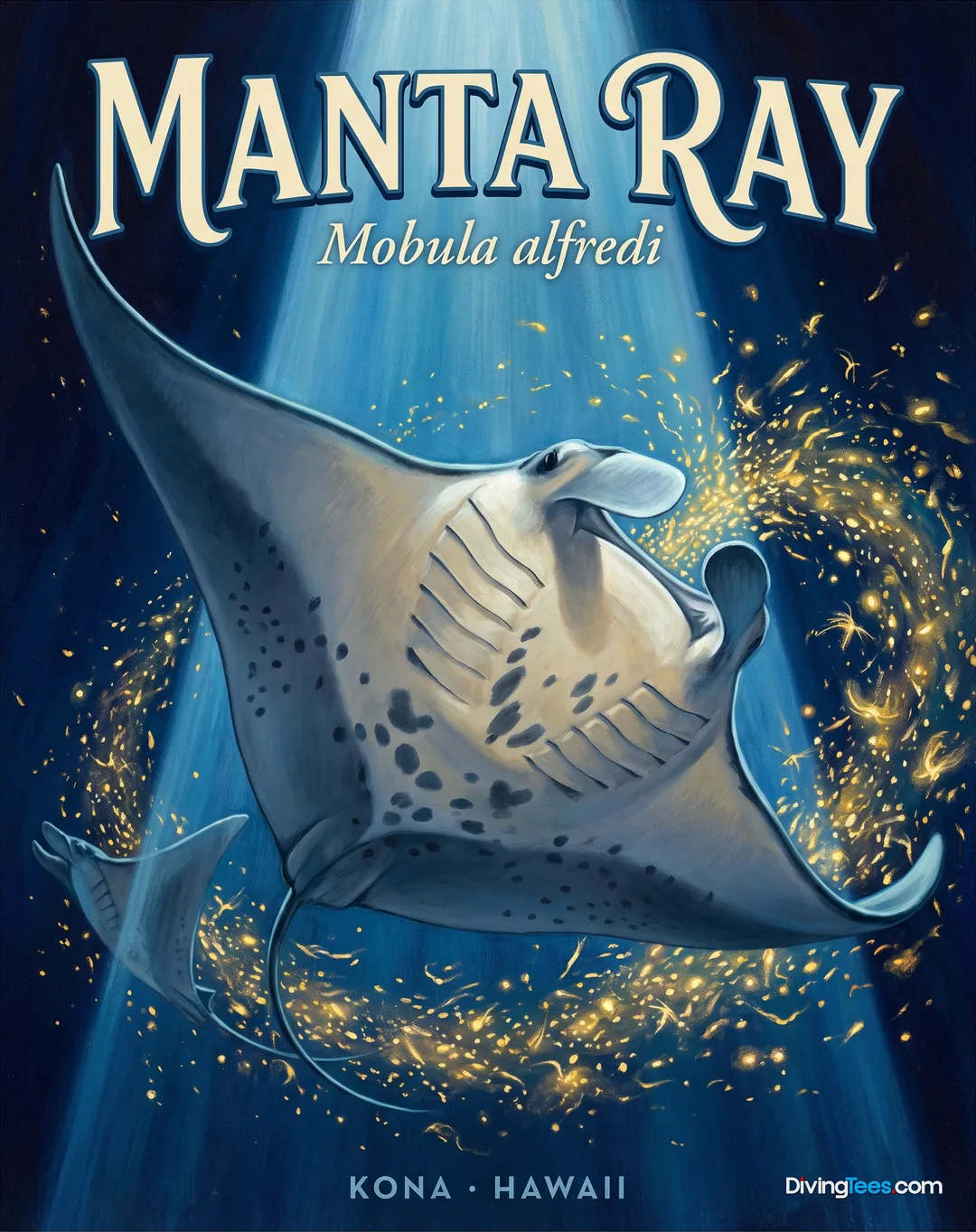
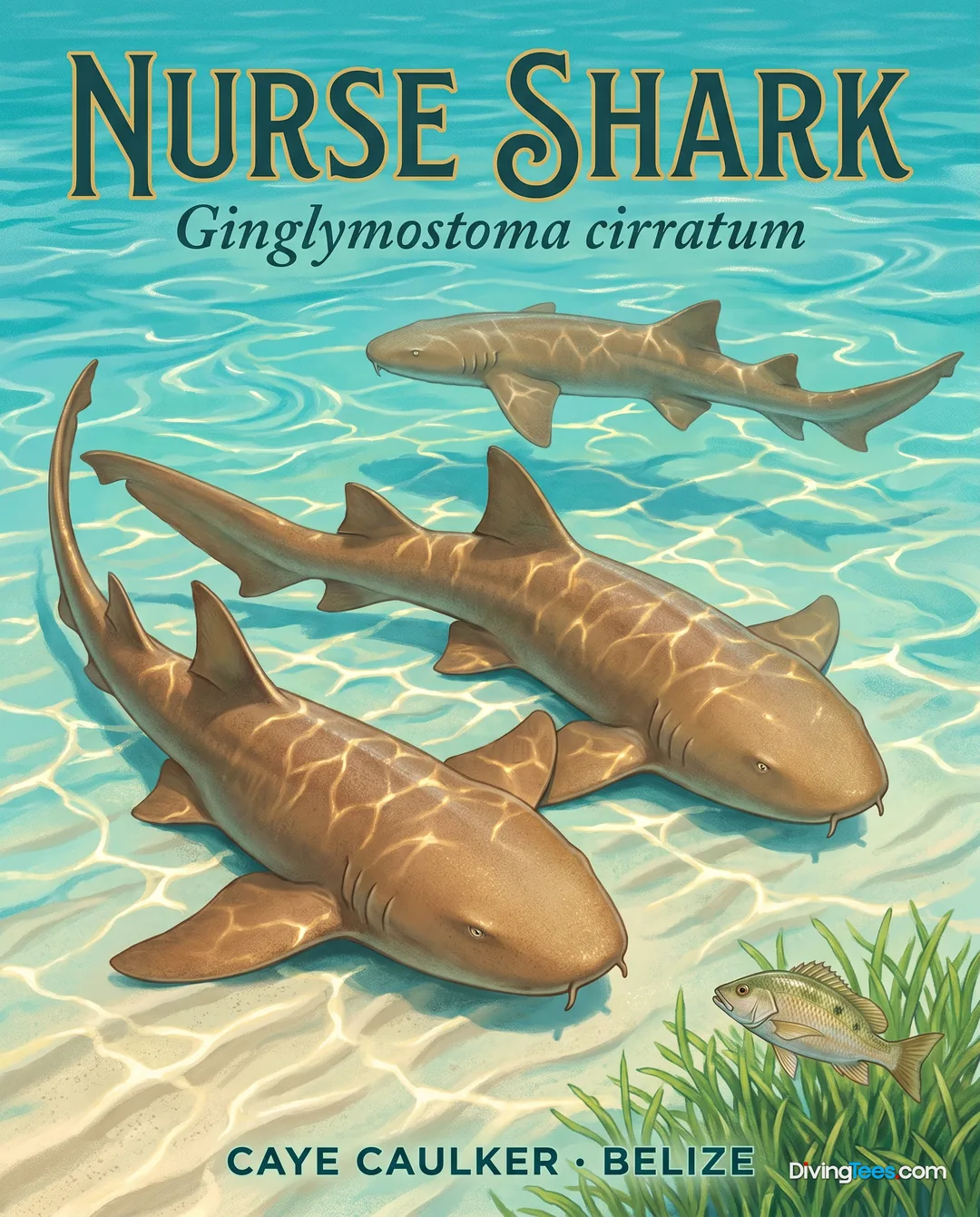
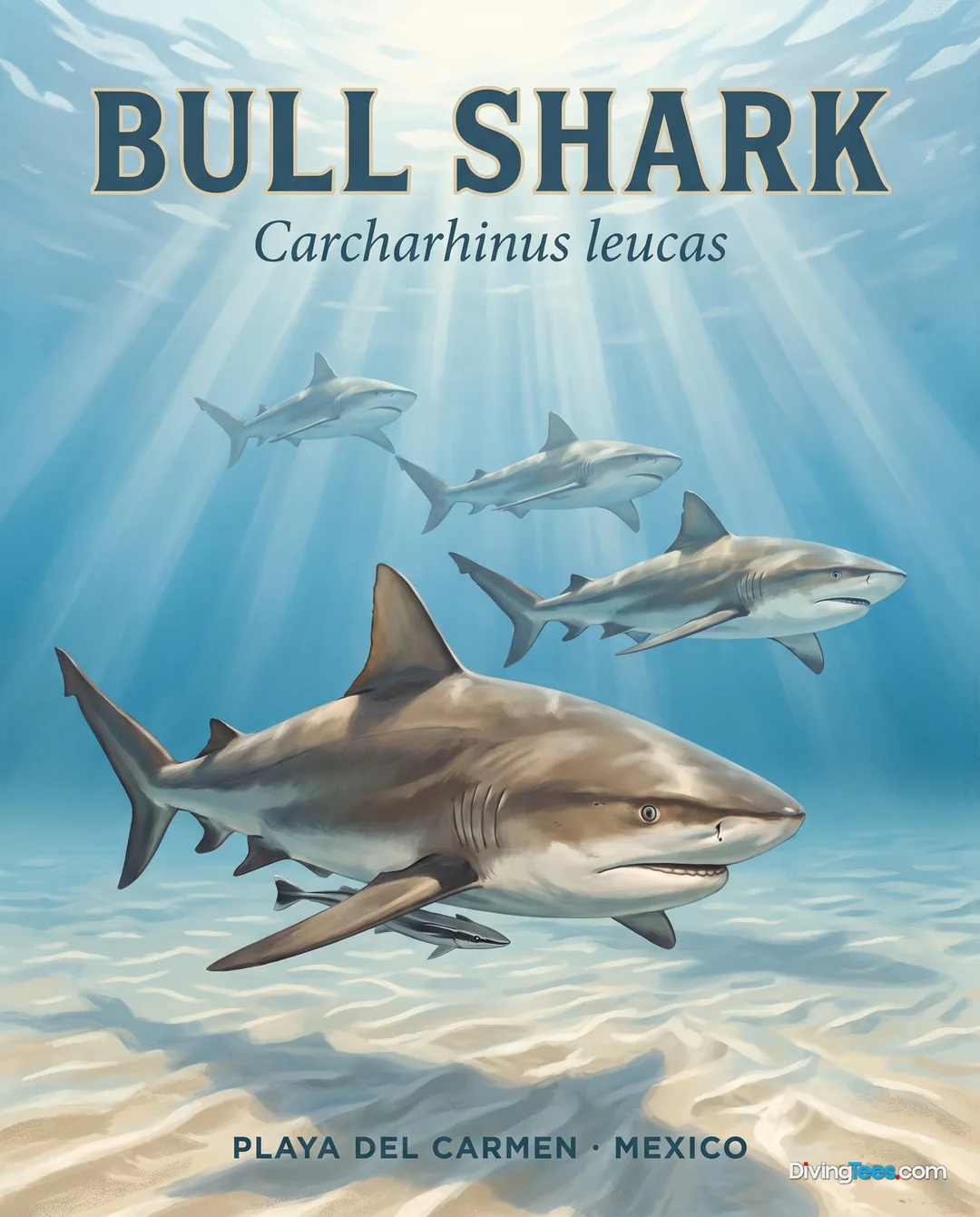
Across these sites, the recurring cast is substantial: groupers, trevallies, giant morays, scorpionfish, fusiliers, batfish, eagle rays, stingrays, lionfish and yellow snapper appear across several parts of the route. The special sightings are tied to particular places rather than promised for every dive. Cap Matoopa is the site associated with manta rays, whitetip reef sharks and the small mantis shrimp that rewards a careful search. Ennerdale Wreck can produce reef sharks and nurse sharks among the wreck structure. Astove Atoll is the remote drop-off for bull sharks and hammerheads, including scalloped hammerheads. Twin Barges has the more concentrated artificial-reef story: big-eyed trevally, octopus, porcupinefish, angelfish and parrotfish are recorded there. The attraction is the contrast—large pelagic animals at exposed sites, then the patient examination of wreck plates, cracks and reef growth on the Mahé sites. Encounters remain dependent on conditions and animal behaviour.
Who puts you in the water
One dive guide is assigned to a maximum of six divers, which allows the whole group to receive the same briefing and remain together underwater. The crew languages are English, French and Creole. Guests need at least 50 logged dives and an Advanced Open Water Diver qualification or equivalent; Basilisk is not a boat for learning to dive, and the guide does not provide training courses. A check dive is made at the start of a cruise to assess buoyancy and help divers settle into unfamiliar equipment and conditions. The guide briefs the site, leads the group and helps identify marine life, while each diver remains responsible for planning and executing a safe dive. Emergency oxygen is carried, alongside the boat’s wider safety equipment. The captain may change the site or diving plan when weather, current or sea conditions make the original plan unsuitable.
The dive deck and the gear
The diving starts from a dedicated lower-level pontoon and uses tenders rather than a giant platform dropped beside a reef. The main dive tender is a 7.6-metre SAFEBoat with twin Honda outboards, GPS and a sounder; a smaller 3.6-metre Highfield RIB supports general excursions. Two Coltri compressors fill air, with each compressor set up for eight tanks. Nitrox is not available. Standard gear rental is not offered, so divers should bring their own equipment; DIN adaptors are carried, and personal storage is provided. Lead weights and belts are complimentary. A separate freshwater rinse tank is reserved for underwater cameras, and the aft deck has a dedicated camera area alongside equipment storage. The programme can reach three or four dives per day, including night dives when conditions and the itinerary allow. Divers should be comfortable carrying and handling their equipment around a working tender and dive pontoon.
Between dives
Between dives, Basilisk gives guests room to spread out rather than forcing everyone into one lounge. The shaded aft deck is the centre of the boat, with space for meals, snacks, cameras and dive equipment. The fly deck offers sun or shade and a higher view while the boat is underway; it is also where guests can watch for dolphins, whales and seabirds. The air-conditioned salon provides sofas, indoor dining and shelter when the sea turns uncomfortable. Kayaks, swimming, snorkelling and land excursions widen the day beyond scuba, particularly on private or mixed-group cruises. Some passages are part of the expedition itself: the boat’s range allows remote islands and atolls that cannot be treated as a quick day trip from Mahé. On a no-dive afternoon, the useful choice is simple—sit under the awning, climb to the fly deck, or go ashore by tender.
A day on board
A diving day begins with coffee and the first briefing before the boat settles into its sequence of dives. The first descent is followed by food, a surface interval and time on the aft deck while the crew prepares the next launch. Three or four dives may fit into the day, with the exact plan shaped by the site, weather, current and the distance the boat needs to cover. Meals and two snacks keep the gaps between dives practical rather than ceremonial. On a passage, the tender and compressors give way to the movement of the main vessel, with guests watching from the shaded deck or fly deck. A fourth dive may be a night dive when the programme and sea conditions support it. Afterward, equipment is rinsed, cameras are checked and dinner brings the group back together. The next day starts again with the boat already positioned for the next site.
What you eat aboard
Food is served as part of the day’s working rhythm, with full-board meals and two snacks between them. The table moves between Western and local Seychelles cooking, with buffet and plated service both used aboard. Hot and cold soft drinks, water, coffee and tea are available, while alcoholic drinks are separate. Meals are served in the shaded aft-deck dining area when conditions allow, with the air-conditioned salon as the indoor alternative. Dietary restrictions and vegetarian meals can be accommodated when arranged in advance; vegan dining is not offered. After several dives, that distinction matters more than elaborate presentation. The table is where wet gear is forgotten for a while, cameras are compared and the next dive is discussed without turning the whole trip into a formal restaurant service.
Nights at sea
The three double cabins are separated from one another, with two in the lower pontoons and one on the main deck. Each is about 14 square metres, with a queen bed that converts into two singles, an en-suite bathroom with a large glass shower, storage in drawers and cupboards, and individually controlled air conditioning. A fan, reading lamps and USB connections cover the practical details. The main-deck cabin has two screened windows that can be opened for fresh air; the other cabins rely more on air conditioning and their position within the pontoons. After a dive, the privacy is useful: no corridor of identical doors and no crowd passing the bunk. The boat’s ladders and separated cabin locations also mean that nights are not entirely effortless for anyone with poor balance or limited mobility. For the right diver, the reward is quiet space in a small boat where every cabin feels set apart.
Double Cabin
What to know before boarding
Recorded cruises depart from Eden Island, with some expeditions beginning from Mahé for the passage to Astove and returning to Eden Island. Transfers between the airport or hotel and the boat are arranged separately and are not included. The exact embarkation and disembarkation instructions follow the chosen itinerary. Arriving in the Seychelles at least one night before boarding is strongly advised.
What the boat does for the ocean
Basilisk uses a solar-electric system, low-fuel-consumption engines and two reverse-osmosis water-makers. An anaerobic black-water treatment plant and a grey-water holding system reduce the discharge burden at sea. The boat also uses environmentally focused cleaning products whenever possible. These systems fit the vessel’s long-range role: carrying its own water and managing wastewater matters more when the route reaches remote atolls far from shore facilities.
- Year built
- 2004
- Year renovated
- 2015
- Length
- 27.4 m
- Beam
- 9.1 m
- Maximum number of passengers
- 6
- Number of cabins
- 3
- Engines
- 2 × Cummins NTA855 400 hp
- Tenders
- 1 × SAFEBoat 25 (7.6 m) with 2 Honda 136 hp, GPS, sounder; 1 × Highfield RIB (3.6 m) with 20 hp Honda, sounder
- Website
- aaa-basilisk.com ↗
Hello, I'm Marina, DivingDeal.com's AI assistant. I answer in detail about hotels, dive centres and liveaboards.

Thinking about the whole trip and the flights? Talk it over with Edith →
Marina is an AI. Some links are affiliate links: DivingDeal may earn a commission, at no extra cost to you. Bookings are made with the partner.