Liveaboards · Seychelles
Explorer 1 — a fast, small-group Seychelles dive catamaran
What makes this boat unique
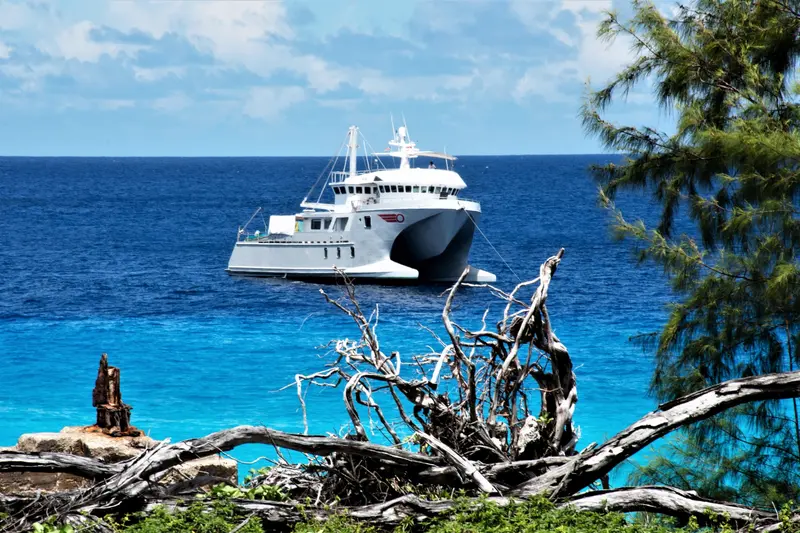
- Explorer 1 is a rebuilt power catamaran dedicated to recreational, technical and professional diving.
- Only six divers share the boat, with three air-conditioned cabins and two bathrooms.
- Its speed and range open routes from Mahé to Praslin, La Digue, Frégate, Bird, Denis and the Amirantes.
- The diving setup includes three compressors, a dedicated Nitrox compressor, DIN adaptors, a shaded platform and a separate camera rinse.
- English- and French-speaking crew work with a strong focus on local food and lower-waste routines.
The invitation
Explorer 1 is for divers who would rather reach a quiet site than join a queue of tenders. The boat’s reason for being is clear: cover the Seychelles by water, move quickly between islands and spend the time saved on reefs, walls and wrecks. Six divers is the ceiling, not a target to be exceeded, so the underwater groups stay small and the crew can adjust the route around weather, experience and what the group wants to see. That matters in the Seychelles, where one day may be about granite pinnacles and the next about a wreck or a remote atoll. The choice here is not a floating resort with diving added to the itinerary. It is a compact expedition boat with comfortable cabins, serious diving equipment and access to routes that see relatively few divers. Choose Explorer 1 when the point of the trip is being in the water, not merely getting there.
Boarding
Explorer 1 arrives as a purpose-built working boat rather than a dressed-up yacht. The rebuilt power catamaran has the space and systems for recreational, technical and professional diving, but the passenger count remains deliberately low. That changes the first hour aboard: the crew can settle everyone into the three cabins, run the safety briefing and shape the programme without managing a crowd. Two Yanmar turbo-diesels give the boat the range to link Mahé with the outer islands and the speed to spend less of the day in transit. Underway, the practical layout is easy to read: outdoor upper decks for sun and air, an aft lounge, a covered dining area beside the diving platform, and the galley, main cockpit and indoor salon inside. The boat can welcome non-divers too, but its centre of gravity is the dive platform. This is a vessel arranged around getting divers back into the water efficiently.
The atmosphere on board
Explorer 1 feels closer to a small working expedition than to a formal hotel. With six divers at most and a crew-to-passenger ratio close to one, the same people handle the briefings, the deck, the food and the evening routine. That proximity is useful after a long day: questions about the next site are answered by the people actually arranging it, not passed through a reception desk. English and French are spoken aboard. The crew’s role is especially visible when the programme needs changing; sites are selected around weather, safety, diver wishes and the route rather than treated as fixed appointments. Evenings can end over a Creole meal, a drink in the salon or a night dive, with the upper decks available for air and darkness between them. The boat’s hull scores below its crew, food and diving, which is a fair reading of the experience: the vessel is functional and compact, while the people make the week run smoothly.
The sites you’ll dive
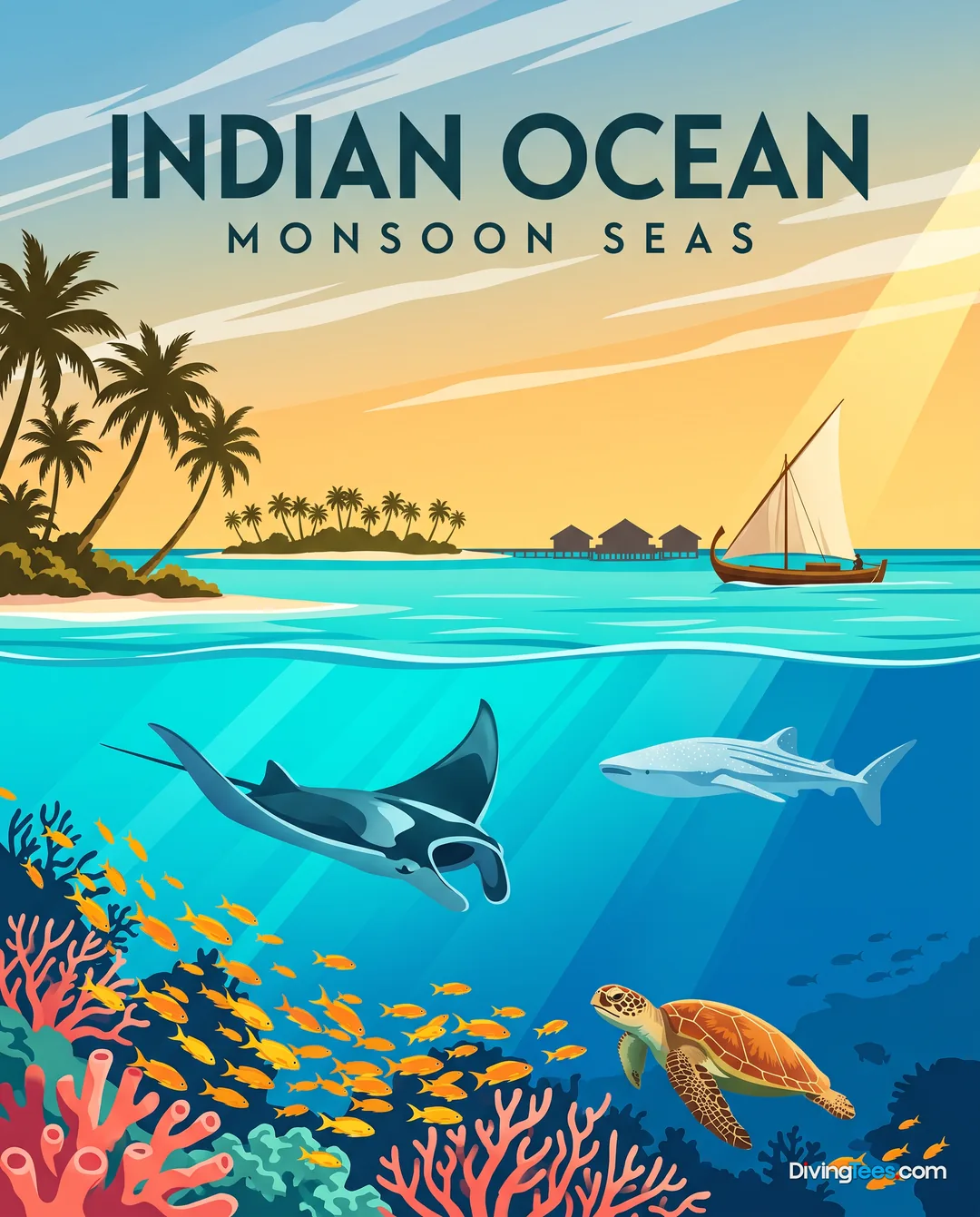
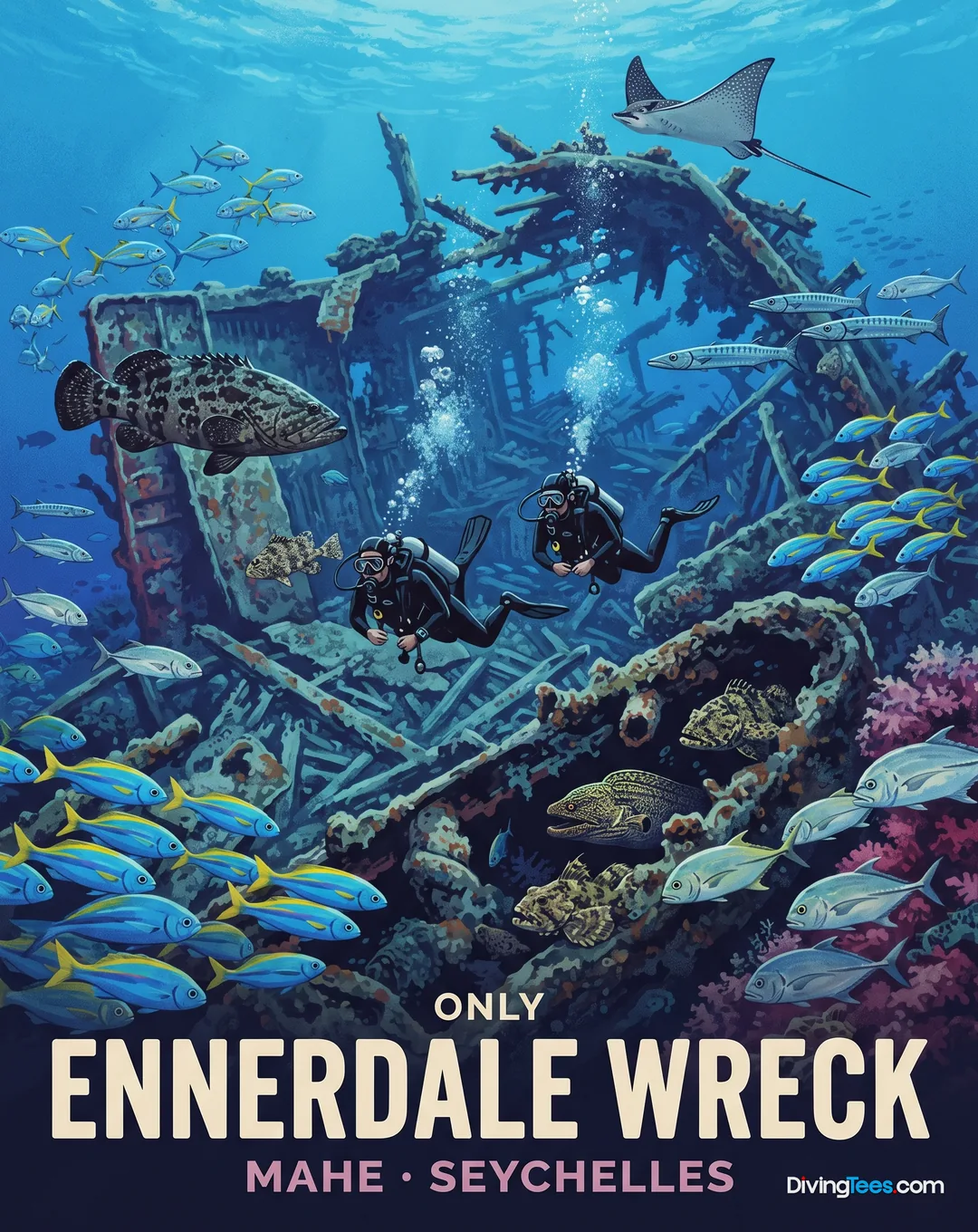
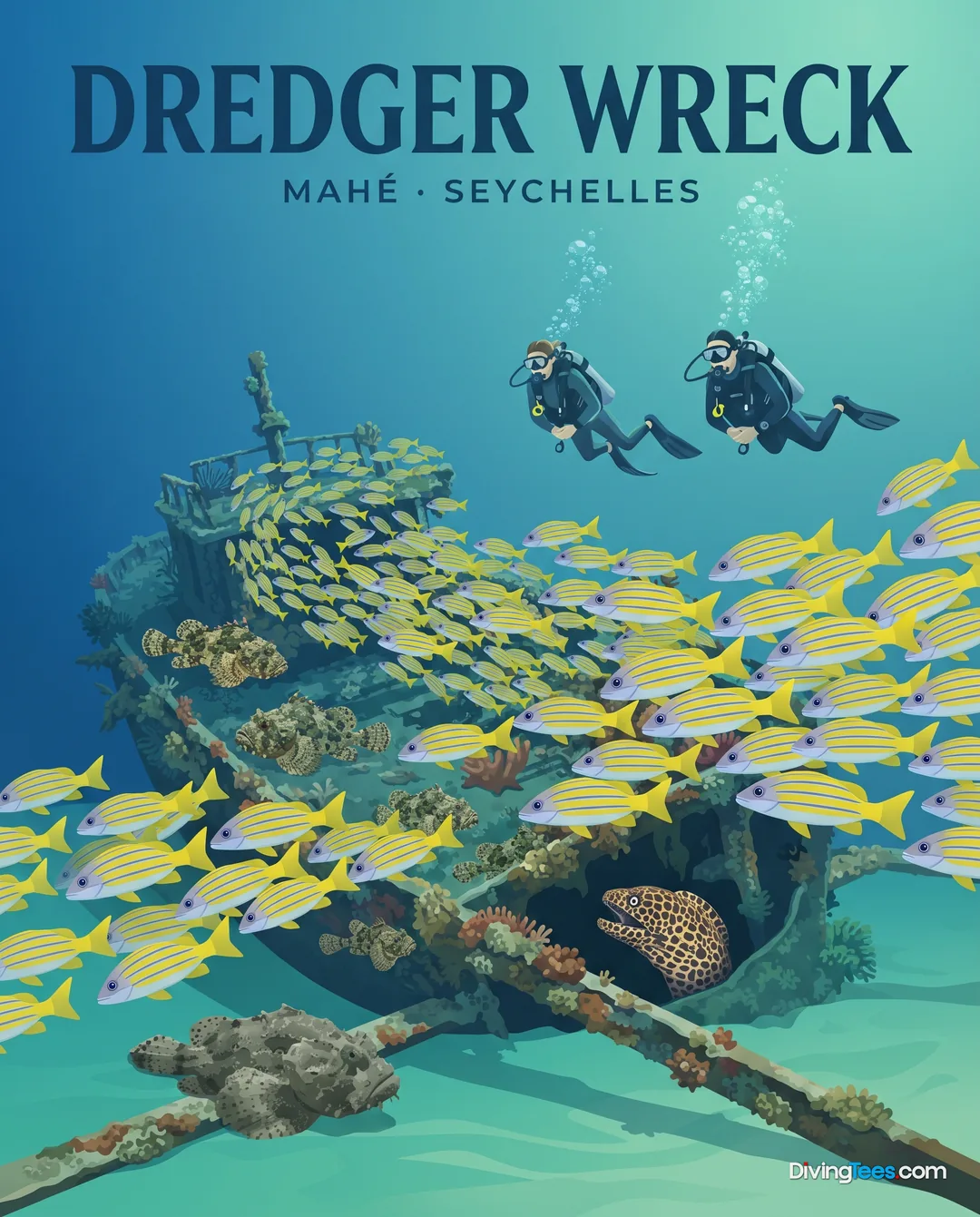
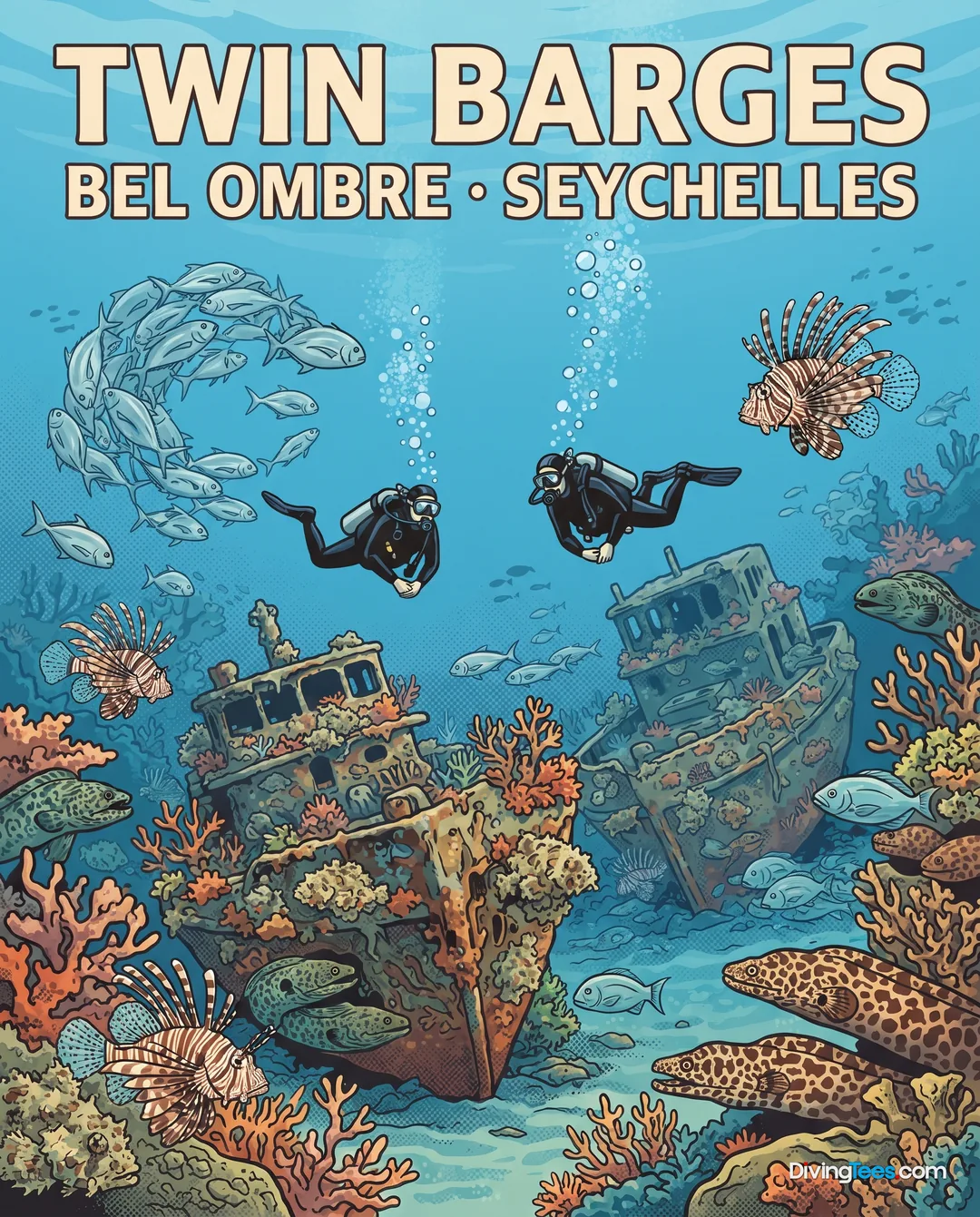
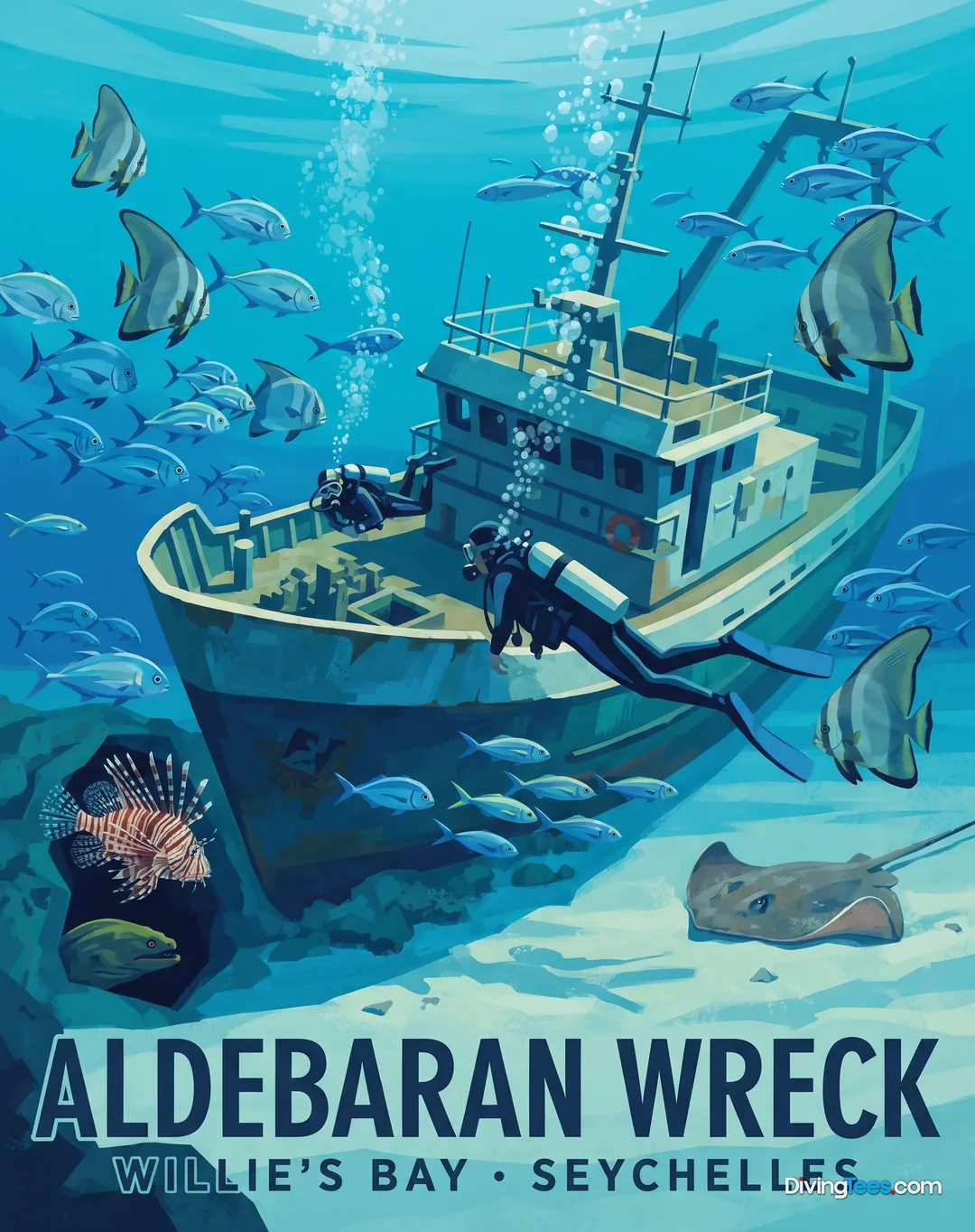
The Mahé routes put wrecks and granite reefs within reach, while the longer cruises use Explorer 1’s speed to reach Frégate, Praslin, La Digue, Bird, Denis and the Amirantes. Ennerdale Wreck is the standout wreck: the 62,000-ton British auxiliary tanker reaches a maximum depth of -30m and holds groupers, morays and circling sharks. Dredger Wreck, also at -30m, is an intentionally scuttled hull now covered as an artificial reef, with schools of snapper moving through it. Twin Barges lie off Bel Ombre at a maximum of -26m, two identical wrecks transformed into reefs. Aldebaran Wreck is the deeper option, descending to -40m around a remarkably preserved 28-metre hull. The two-day Mahé mini-cruise carries seven dives, including a night dive; the three-day West Granite trip carries nine, the seven-day Granite Tour 21, and the six-day Bird and Denis route 19. The Amirantes Expedition runs six days and five nights with 15 dives, for experienced divers.
Itineraries, dates and prices
Prices per person. Each month shows its lowest price: click a month, or pick an itinerary.
Next departures · 96 departuresfrom £1,319$1,763€1,575
November 2026
See dates and prices
If you click these links and make a purchase on the partner site, DivingDeal may earn a commission, at no extra cost to you.
Dates and prices taken from liveaboard.com, updated 26 October 2026
What you’ll meet underwater
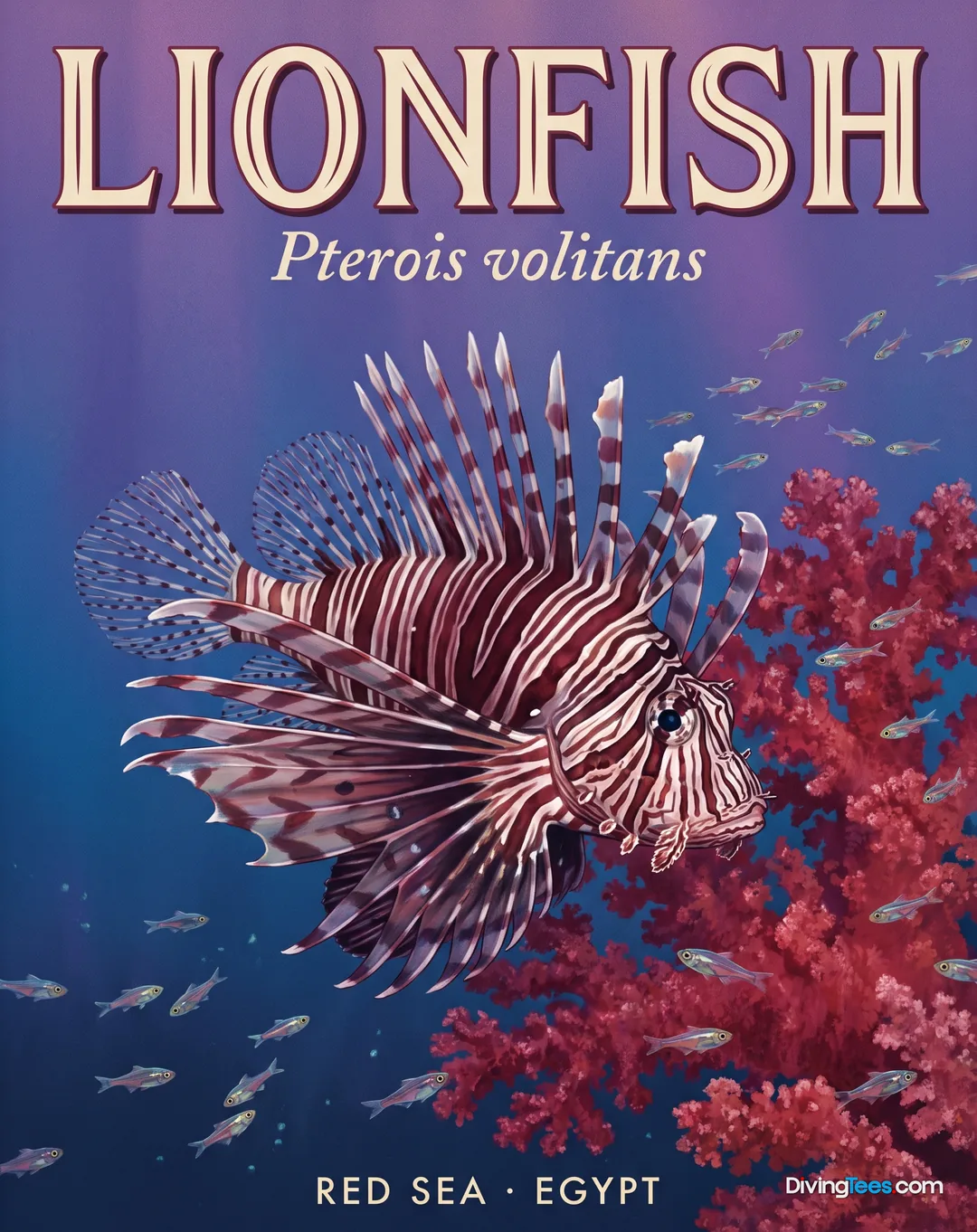
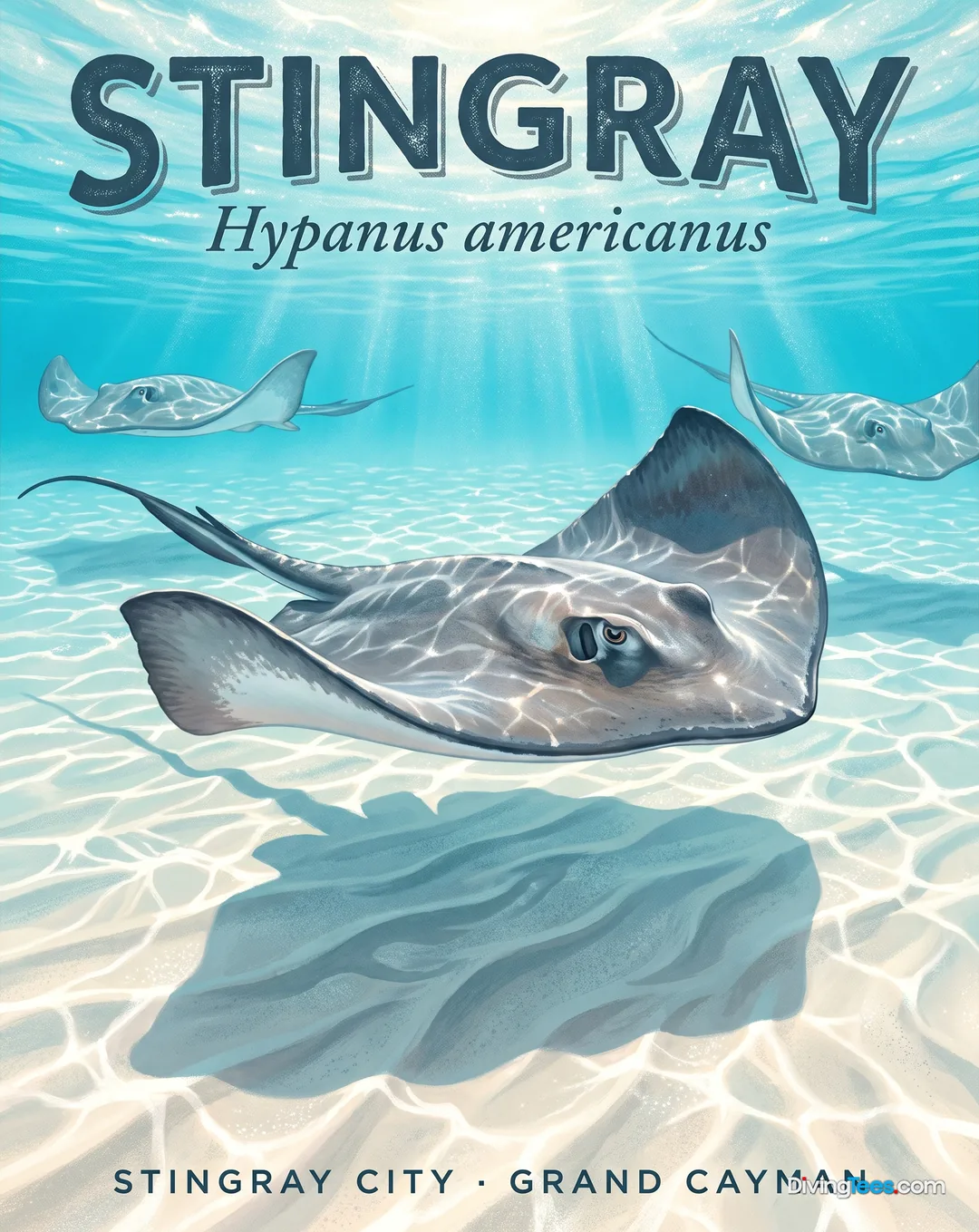
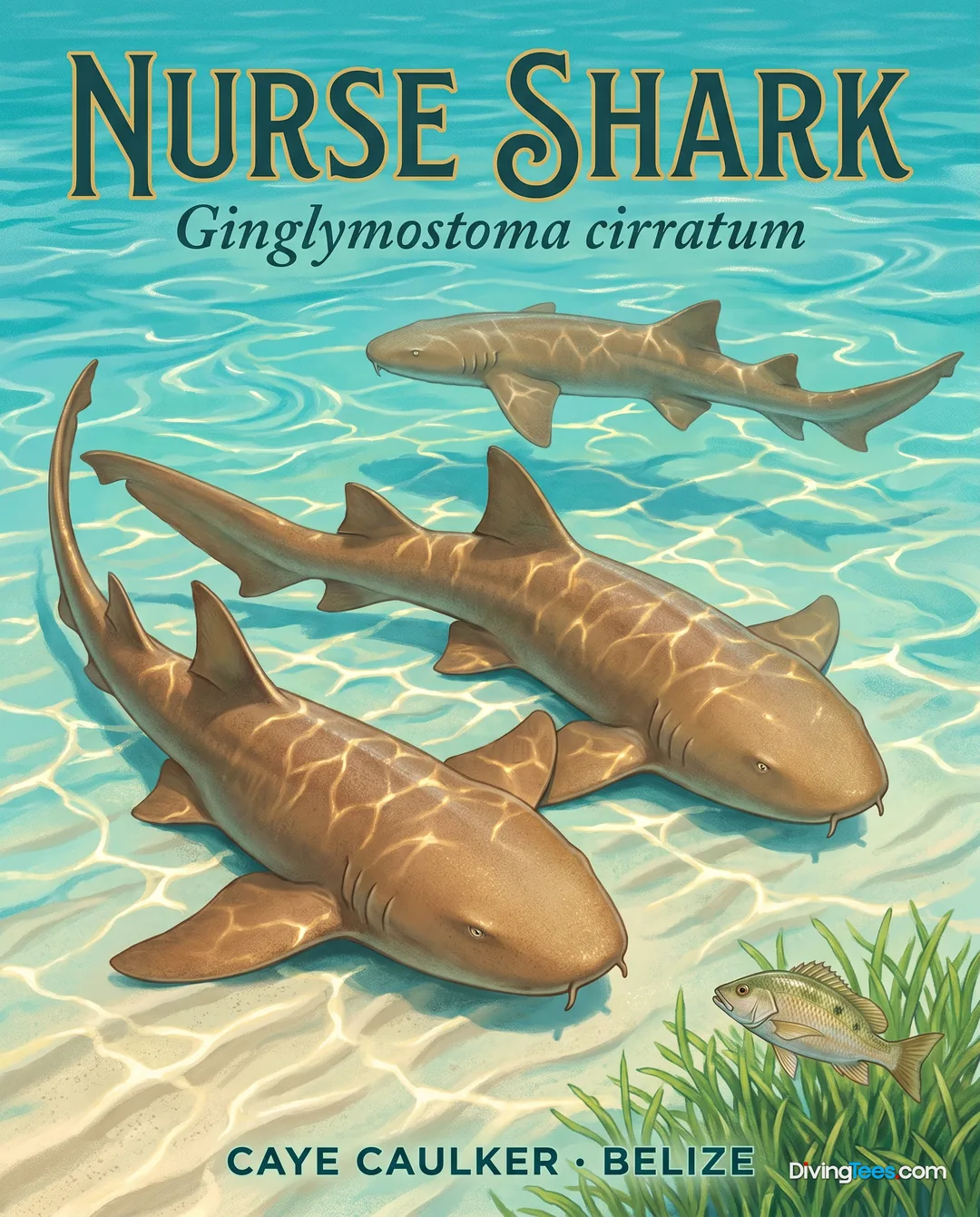
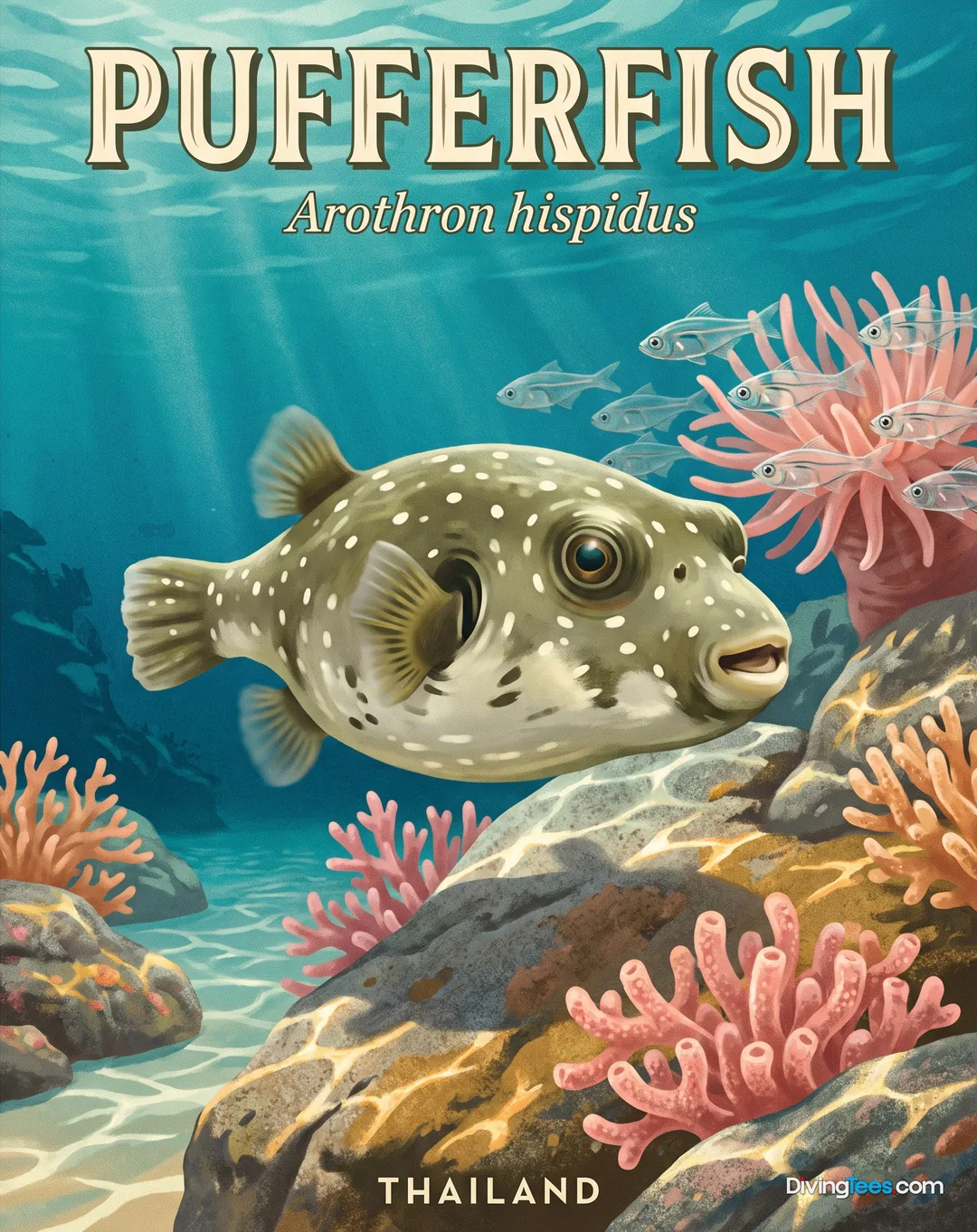
Carangue, giant moray, scorpionfish, lionfish and stingrays form the recurring background of this route, with carangue and giant morays recorded across all four named wreck and reef sites. Ennerdale Wreck is where the scale can change: barracuda, grouper and reef sharks are recorded there, including grey reef sharks and nurse sharks. Twin Barges has its own reasons to slow down, with sea turtles, octopus, porcupinefish, pufferfish, angelfish and parrotfish found specifically at that site. The wrecks concentrate life in different ways. Dredger Wreck is crossed by blue-striped and yellow snapper, while Twin Barges puts lionfish, stonefish and tattooed morays among the structure. Aldebaran Wreck adds batfish, stingrays, fusiliers, trevally and lionfish around the preserved hull. The bigger encounters remain encounters, not promises; the reason to choose these sites is the mix of structure, current and shelter that gives animals somewhere to gather.
Who puts you in the water
The crew speaks English and French, and each dive group is limited to six divers per guide. Briefings cover the selected site, the route and the conditions before divers kit up; the programme is built with the group but remains subject to weather and safety. The crew’s stated training includes STCW international training, Rescue Diver, Oxygen Provider, Emergency First Responder and hyperbaric chamber operator qualifications. Explorer 1 carries an oxygen therapy station with a 20,000-litre medical oxygen reserve and a hyperbaric decompression chamber. The regular itineraries accept divers of all levels, while the Northern Atolls and Amirantes routes require experienced divers qualified for dives to 42 metres; Nitrox qualification is also required, with training possible aboard. Nitrox and deep-diving courses run on the boat. The deep course covers dives between 18 and 30 metres, never exceeding 40 metres, with a recommended three-minute safety stop at 5 metres rather than a planned decompression stop.
The dive deck and the gear
The dive platform is shaded and opens directly onto the water. Divers work from one tender and return to the platform, while tanks, weights and the supplied recreational set are prepared around the deck. The boat carries three air compressors, including one for Nitrox, and has DIN adaptors, tank rinse bins and a separate camera rinse area with charging stations. Rental equipment includes a BCD, regulator, fins, mask, weights, tank, torch and dive computer. Nitrox is available for certified divers as an optional extra, and Nitrox training can be completed aboard. The setup is more substantial than a basic day-boat arrangement: three compressors support repeated diving, the platform is built for the job, and camera equipment has its own rinse point. The boat’s diving equipment also extends to technical and professional work, not only holiday no-decompression dives.
Between dives
Between dives, the boat gives a choice that matters in tropical water: shade under the covered dining area or sun on the upper decks. Divers can dry gear, sit in the rear lounge, read, use the indoor salon or watch something while the boat moves to the next site. Navigation is usually placed in the evening, at night or early in the morning, so daylight is more often spent at anchor, in a lagoon or on an island. The tender allows shore landings for a beach, a village walk or a local drink when the itinerary permits. Non-divers can snorkel with the guide, join land excursions or simply use the boat as a quiet base. The small passenger load keeps these pauses from becoming a scramble for one shaded seat. They are the useful gaps in a diving day: eat, rinse, dry, rest, then listen for the next briefing.
A day on board
A typical day starts with coffee, tea and cake for early divers, then a first briefing and the first dive at 7:00. Breakfast follows at 8:30, with eggs, omelettes, ham, cheese, fruit, pancakes, juice and hot drinks. The boat then moves or settles for a second dive or snorkel at 10:00, lunch at noon, and a third dive or snorkel at 14:30. Tea, coffee, infusions and cakes appear at 16:00 before a fourth dive, another snorkel or a pause until the night dive. When there is a night dive, the later entry is scheduled for 18:30; cocktails and snacks follow, then dinner at 19:30 or 20:30. This is a four-dive rhythm when conditions and surface intervals allow, but not a promise that every route will use every slot. Longer crossings are normally made at night, early morning or in the evening, leaving the daylight for reefs, islands and the next descent.
What you eat aboard
Meals are full-board and shaped by the Seychelles rather than by a generic buffet. The onboard kitchen serves local Creole cooking alongside fish or chicken, salads, fruit, breakfast staples, snacks and the occasional barbecue on the beach. Breakfast follows the first dive, when the appetite is real; lunch breaks the middle of the day, and dinner comes after the final dive or night dive. Tea, coffee and snacks fill the shorter surface intervals. Vegetarian choices are available, and beer, wine and cocktails can be taken in the bar area, while alcohol is separate from the regular meal service. The food score is one of the boat’s strongest points, and that makes a difference after three or four dives: the table is not decoration between excursions but part of the recovery cycle. Dinner can be served outside, turning the post-dive conversation toward the site just finished rather than toward another restaurant menu.
Nights at sea
Three cabins keep the nights personal rather than anonymous. Aldabra is the master cabin, with twin beds and a private bathroom; Granite has twin beds and uses a shared bathroom; Amirantes has two single bunk beds and also shares the bathroom. Each cabin has independently adjustable air conditioning and ventilation, USB sockets and a porthole, while the common areas are also air-conditioned. The practical advantage is control: a diver who wants a cool, quiet cabin can set it without arguing with the rest of the boat. There is a reading corner, music and video for the hours when sleep does not come immediately. Explorer 1 is not selling a large private suite in every cabin; the real luxury is the low occupancy and the space kept clear by limiting the number of rooms. Water use is expected to stay reasonable, even with watermakers aboard.
Master Cabin
Double Cabin
Single Bunk Cabin
What to know before boarding
Explorer 1 departs from Mahé, with day-cruise boarding at the Cascade or Bel Ombre base. Longer routes also use Mahé as their departure point, while some mini-cruises board or finish at Praslin or La Digue. Airport-to-boat transfers are included on the itineraries that specify them; local transfers are separate. Arriving in Mahé the night before is the sensible way to protect the first morning’s boarding.
What the boat does for the ocean
Explorer 1 uses a fountain with cold and hot water plus insulated bottles instead of small disposable water bottles. The boat avoids aluminium coffee capsules, provides environmentally friendly shower gel and shampoo, and asks guests to use water and toilet paper reasonably even though a saltwater separator and watermakers are installed. The crew also asks divers to choose sunscreen that does not harm coral. These are practical onboard measures, not a claim that a working vessel has no footprint.
- Year built
- 2019
- Length
- 17 m
- Maximum number of passengers
- 6
- Number of cabins
- 3
- Number of bathrooms
- 2
- Engines
- 2 Yanmar turbo diesel, 6 cyl., 440 hp
- Cruising speed
- 10 to 12 knots
- Tenders
- 1
Hello, I'm Marina, DivingDeal.com's AI assistant. I answer in detail about hotels, dive centres and liveaboards.
Thinking about the whole trip and the flights? Talk it over with Edith →
Marina is an AI. Some links are affiliate links: DivingDeal may earn a commission, at no extra cost to you. Bookings are made with the partner.