
Nauga
Google 4.9/5 (182 reviews)
Spain · Mediterranean
Granite ledges, shadowed cracks, anemones, wrecks and shoals of fanecas give A Coruña its distinctly temperate Atlantic character.
For subtitles in English: start the video firstthen click the gearat the top right of the video, select “Subtitles/CC”, then “Auto-translate” and choose “English”.
Granite ledges, cracks and channels lead down towards sand off A Coruña, with wrecks adding a second thread to the diving. This is a land-based destination rather than a liveaboard port, combining boat trips from the city with an urban stay. The attraction is the contrast between a working harbour base, exposed coastal rock and temperate Atlantic life. It suits divers who are happy to let the sea state shape the plan, and who would rather pair a few solid dives with food, architecture and the waterfront than spend an entire week aboard a boat.
Expect rocky Atlantic diving built around granite ridges, fissures, channels and slopes that run towards sand. Some outings use the ria, others head for the more open coastline, and wrecks provide a change from following natural relief. Currents are variable, so the same site may feel straightforward on one visit and more demanding on another. Visibility is commonly around 5 to 15 metres, but swell, suspended particles and coastal run-off can alter the picture quickly. Orientation matters on the repeated shapes of granite: remember the main ridges and the route back to the mooring before the view closes in. These are principally boat dives from the city or nearby ports, with individual runs ranging from a few minutes to nearly half an hour. Ask whether your booking is for the ria, open coast or a wreck, because the exposure and character of the outing differ.
The rock is the main stage for octopuses, conger eels, crabs and anemones, with sponges adding colour to cracks and shaded faces. Nécoras and other crabs reward a slow look into the fissures rather than a fast fin over the top. Shoals of fanecas may pass above the reef, while rays are an occasional possibility rather than something to build the trip around. The same animals can appear on the natural rock and around wreck structure, but the balance changes with shelter, exposure and visibility. There is no dependable seasonal wildlife calendar to plan around here. Spring and autumn are the more promising windows for seeing the terrain clearly, which is important in a place where much of the interest is tucked into cracks, channels and the edges of the sand.
March to May and September to November are the sensible periods to target. Local divers generally find the water more transparent in spring and autumn, giving the granite relief and wreck structure a better chance to show themselves. That advantage is conditional, however: an Atlantic swell can still cancel a boat trip or turn visibility opaque. There is no need to avoid a formal rainy season or monsoon, but there is every reason to leave room in the programme for changing sea conditions. A three to five-day stay gives you several possible departure days instead of making one forecast carry the whole holiday.
Beginners are catered for, including introductory dives and Open Water training, while calm rocky sites can provide a useful first look at Atlantic conditions. PADI and SSI qualifications fit the local recreational offer, and BSAC divers should find the same level of preparation familiar. Experience becomes more important on exposed sites and wrecks, particularly when visibility falls or the current changes. Nitrox is available locally and makes sense for repetitive diving. Whatever your certification, you should be comfortable with a careful descent, a planned return to the mooring and a safety stop in moving water.
From London Heathrow or Gatwick, and from Manchester, reach A Coruña by air via the city’s local airport, or travel by road. There is no compulsory ferry crossing or structural sea passage before the diving begins. Allow flexibility around connections rather than building the holiday around a single tightly timed boat departure. Dive centres operate around the dársena de Oza and the seafront, while the exact meeting point depends on the outing booked. Once in the city, an accommodation near the waterfront may be walkable from the meeting point; elsewhere, use a taxi or urban transport. Road access also makes A Coruña a practical base for adding another Galician coastal sector, but Ferrol, Malpica, Fisterra and the Rías Baixas are separate journeys, not interchangeable local sites.
Keep the weather marine, not the calendar, in charge of the trip. Leave gaps between planned diving days, because a promising spring or autumn forecast does not guarantee that the boat will leave. Ask before setting out whether the route is inside the ria, on open coast or over a wreck, and whether the return to the mooring relies on following a particular granite ridge. Under moderate visibility, fix those main edges in your mind before moving away from them. Do not treat a visibility figure from one local site as a promise for every corner of the coast. Pack thermal protection suited to Atlantic diving unless the booked service confirms what is supplied. If Illas Atlánticas is on the itinerary, check the park authorisation procedure in advance: a dive booking alone may not cover the required permission. Keep one non-diving day for the Tower of Hercules, the old quarter or a coastal walk, rather than risking the flight home after a late final dive.
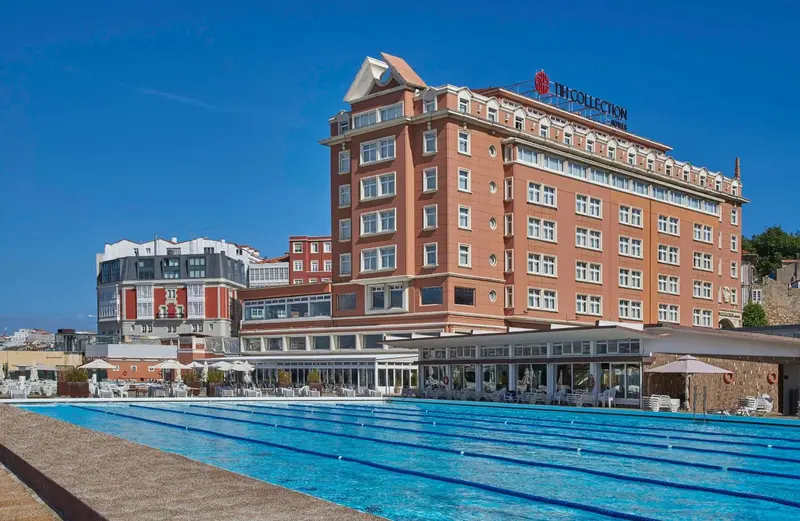
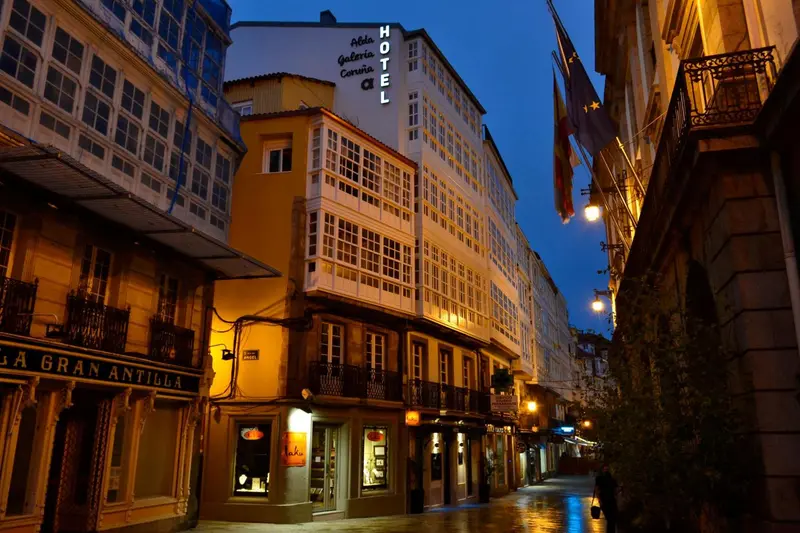
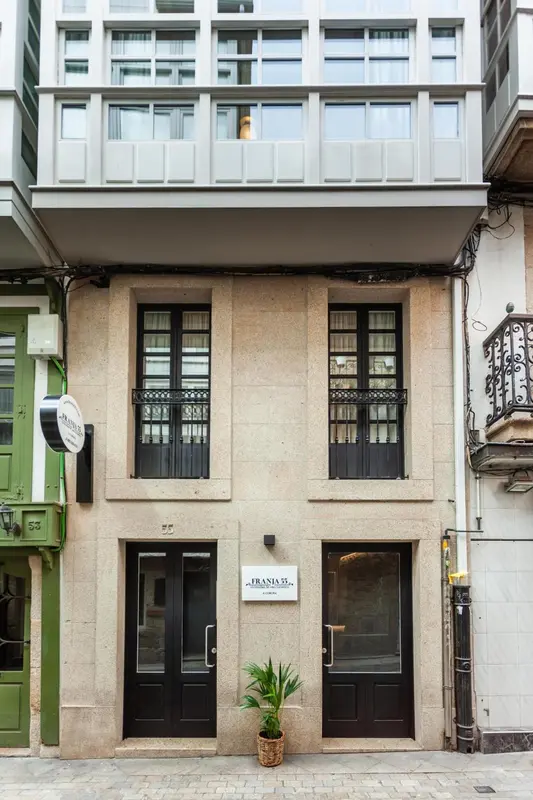
Plan A Coruña as a three to five-day land-based stay, with diving fitted around the sea state rather than stacked rigidly from morning to morning. The city works well for companions, offering the Tower of Hercules, the seafront, glazed galleries and a historic centre when boats cannot run. The waterfront and dársena de Oza are the practical anchors for diving, while taxis, walking and urban transport cover the gaps between accommodation and meeting point. A longer trip can link A Coruña with another Galician coast sector.
Hello, I'm Marina, DivingDeal.com's AI assistant. I guide you through destinations, areas and countries.
Thinking about the whole trip and the flights? Talk it over with Edith →
Marina is an AI. Some links are affiliate links: DivingDeal may earn a commission, at no extra cost to you. Bookings are made with the partner.
Spring and autumn are sensible periods to target, as local divers generally find the water more transparent then. Atlantic swell can still cancel a boat trip or reduce visibility, so let marine conditions guide your plans. Leave gaps between diving days, and consider a three to five-day stay for flexibility.
Beginners can try introductory dives, Open Water training and calm rocky sites, while PADI, SSI and BSAC qualifications fit the recreational offer. Exposed sites and wrecks require more experience, especially when visibility falls or currents change. You should be comfortable with a careful descent, a planned return to the mooring and a safety stop in moving water.
You can explore granite ridges, fissures, channels and slopes leading towards sand, with wrecks providing a different setting. Octopuses, conger eels, crabs, anemones and sponges occupy the rock and shaded cracks. Shoals of fanecas may pass above the reefs, while rays are an occasional possibility. Spring and autumn can help reveal this terrain more clearly.
Plan a three to five-day land-based stay, fitting boat dives around the sea state rather than scheduling every day rigidly. Choose accommodation near the waterfront when practical, and use walking, taxis or urban transport for meetings. Ask whether each outing visits the ria, open coast or a wreck. If visiting Illas Atlánticas, check park authorisation in advance.