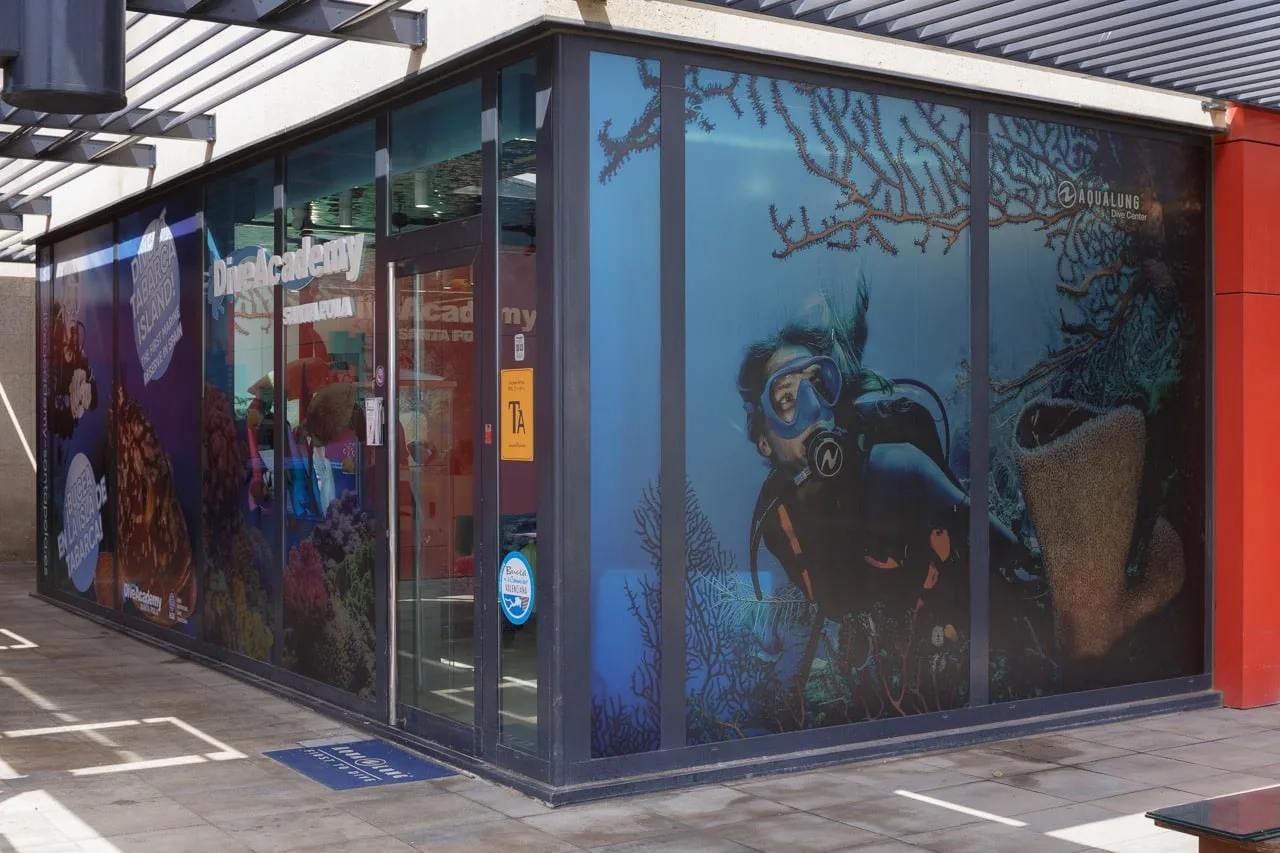

Dive Academy Santa Pola
Google 4.9/5 (1,488 reviews)
Spain · Mediterranean
Posidonia meadows, rocky arches, barracuda and wrecks shape Alicante’s coastal diving, with Tabarca’s marine reserve adding deeper outer sites down to 28 metres.
For subtitles in English: start the video firstthen click the gearat the top right of the video, select “Subtitles/CC”, then “Auto-translate” and choose “English”.
Alicante gives you two quite different ways into the water. Around the city, shore and boat dives explore rocks, small drop-offs, arches, Posidonia meadows and wrecks. Offshore, Tabarca brings a marine reserve with protected seagrass and rocky habitat, reached by boat from Alicante or more directly from Santa Pola. It makes a practical land-based holiday, with proper diving on the doorstep and a full day’s outing to an island reserve.
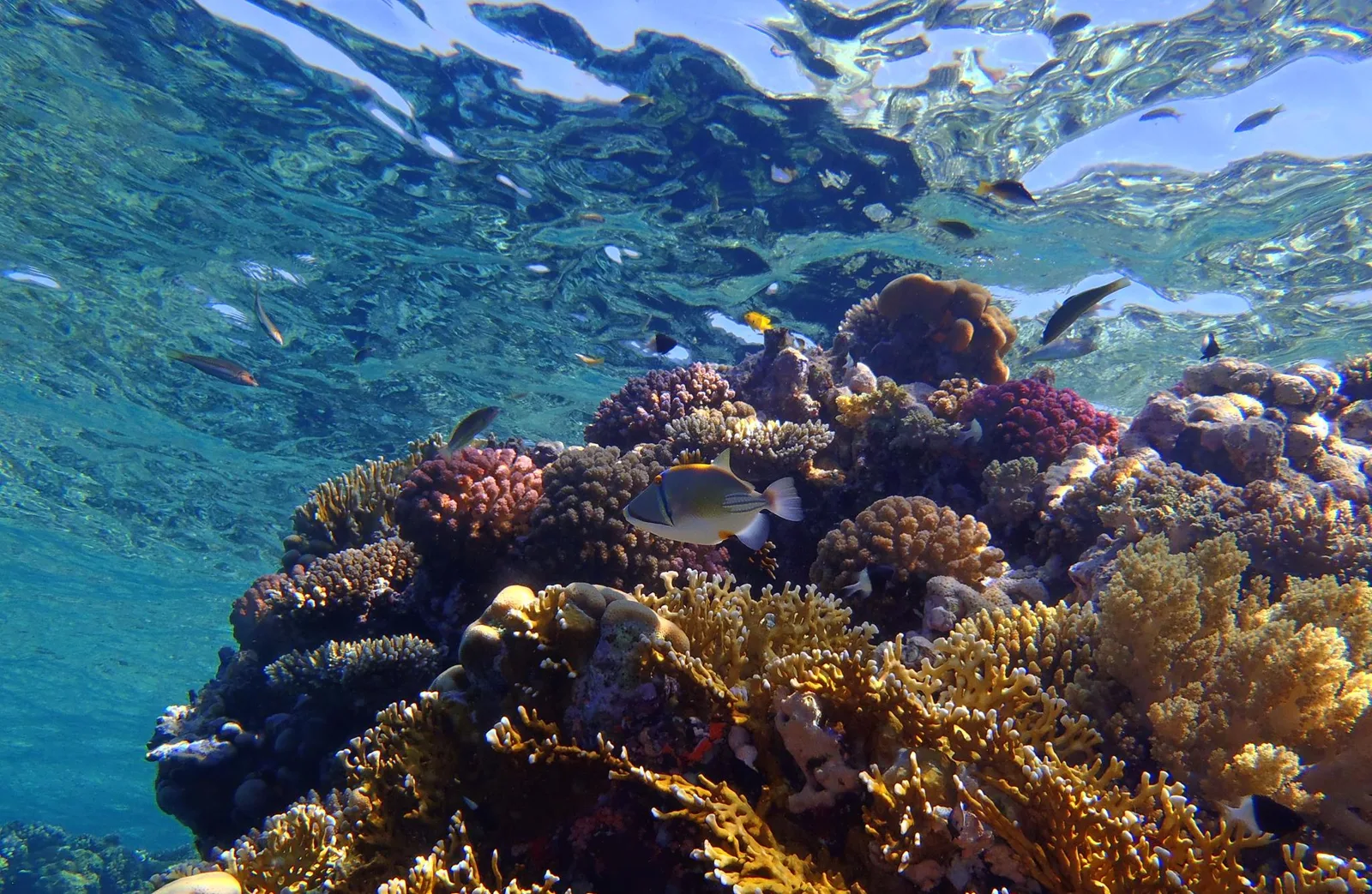
The underwater scenery is Mediterranean rather than dramatic wall country: rocky ledges, cavities, arches, small drop-offs, seagrass and occasional wrecks. Around Alicante, dives can begin from the shore or a local boat. Tabarca adds shallower sites suitable for Open Water divers, while the outer reserve reaches roughly 24 to 28 metres and brings more demanding profiles. Currents are variable, so the same site may feel straightforward on one outing and call for tighter buddy awareness on another. Water can be clear, but swell, suspended particles and coastal run-off can reduce the view. Expect a conventional guided dive rather than a guaranteed drift dive, with the boat plan shaped by sea conditions and the reserve area being visited.
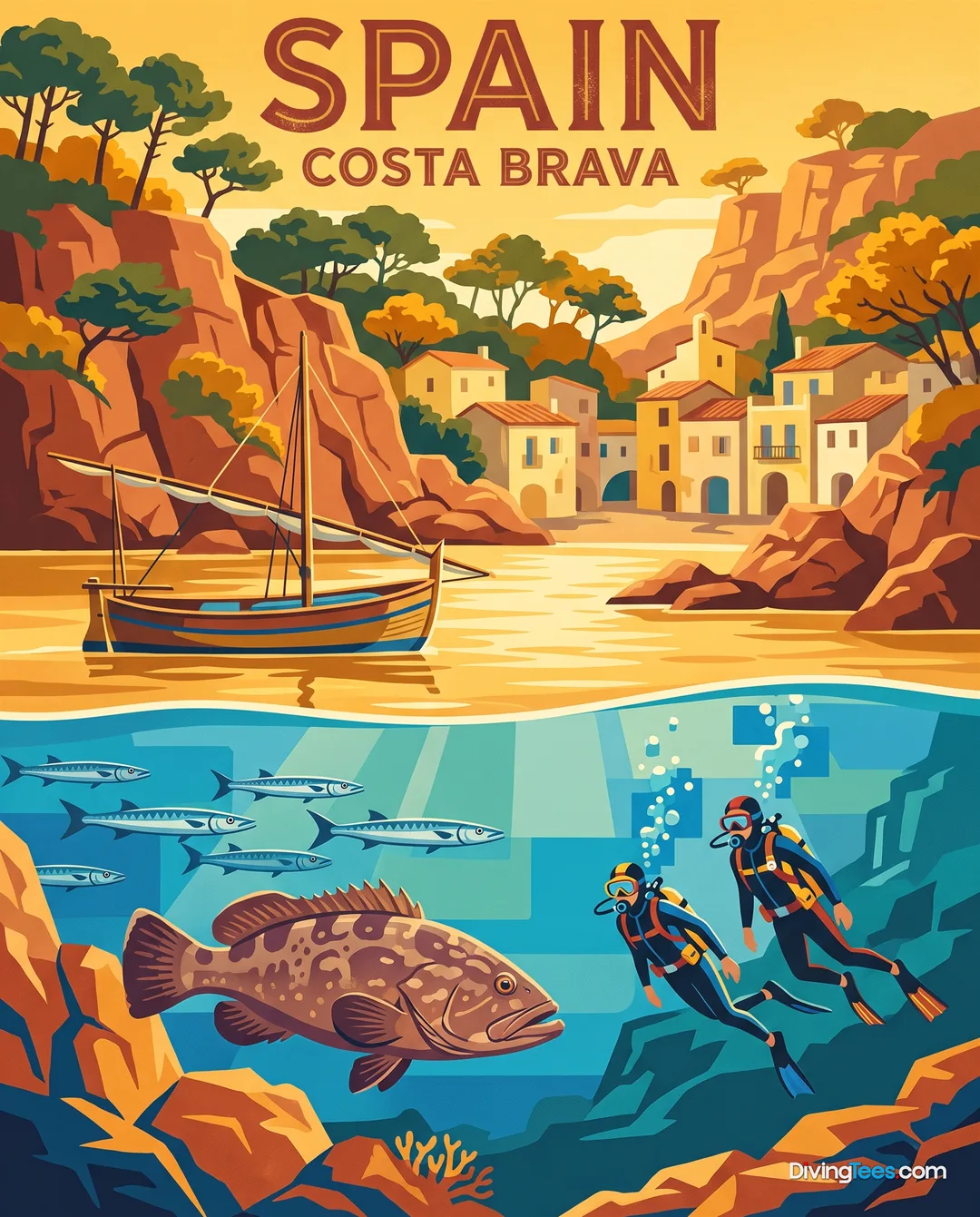
Tabarca’s protected rocks and Posidonia meadows provide the setting for the area’s most recognisable encounters. Groupers hold around rocky shelter, while barracuda move above the relief in open water. Look into cavities for congers and morays, and across the bottom for octopus, bream, sars, nudibranchs and crustaceans. Doradas are part of the regular Mediterranean cast, with the seagrass adding structure as well as interest. The same broad mix can be found across the main diving season, although the reserve generally offers a stronger sense of fish life than heavily used coastal bathing areas. Wrecks around Alicante add a man-made surface for marine life, but they are an alternative to, not a replacement for, Tabarca’s rocks and seagrass.
Diving is possible for much of the year, but May, June, September and October make the most sensible compromise. Late spring and early autumn usually bring a better balance of workable sea conditions, marine life and fewer visitors than high summer. July and August are the busiest period, with more leisure traffic and boats concentrated around accessible areas, particularly at weekends and on public holidays. A weekday trip outside the main summer rush is therefore easier to organise and generally less crowded. Alicante’s coastal sites are useful throughout the year when conditions make the longer run to Tabarca uncomfortable.
Alicante suits a mixed group, from newly qualified Open Water divers to experienced divers wanting deeper reserve sites. PADI and SSI qualifications, or the equivalent BSAC training, cover the shallower outings when matched to the operator’s requirements. For the outer reserve, plan on Advanced-level experience or an equivalent qualification, particularly where the profile reaches 24 to 28 metres. Certification and a current logbook are needed for reserve diving, which is not an informal island shore dive.
From London Heathrow, Gatwick or Manchester, travel by air to Alicante-Elche, then continue by road or local transport to Alicante. Tabarca has no road connection, so a boat trip is compulsory. Departures can be arranged from Alicante, although Santa Pola is the nearer mainland base and shortens the sea crossing, with fast boats taking about 20 minutes depending on the vessel. That choice is a trade-off: Alicante avoids an extra land transfer, while Santa Pola reduces time on the water. From a central Alicante base, local dive centres may be reachable on foot or by taxi. Trips leaving Santa Pola require a separate journey from the city.
Book Tabarca through an authorised diving operator before turning up at the port. The reserve authorisation and boat place need to be coordinated, and a sightseeing boat ticket is not a diving departure. Ask whether the plan is for the inner or outer reserve, since the outer sites are farther away and may reach 24 to 28 metres. Confirm how equipment gets to the boat, and whether both dives stay in the same reserve area. Santa Pola is the practical choice for a shorter crossing; Alicante is simpler if you are staying in the city. Keep Alicante’s coastal sites as a weather back-up rather than forcing a rough Tabarca day. Go midweek or outside July and August where possible. Finally, treat the Posidonia as a protected habitat: do not touch it, fin close to it or anchor on it.
Allow four to seven days on land. Use the city as a base for local shore or boat diving, then set aside a full day for Tabarca, allowing for the crossing and reserve arrangements. Santa Pola works as a separate departure point rather than an extension of central Alicante. Leave a day for Alicante’s old town, Santa Bárbara Castle, beaches and harbour, or visit Tabarca as a non-diving excursion. Keep the final day free of anything requiring a rapid ascent before flying.
Hello, I'm Marina, DivingDeal.com's AI assistant. I guide you through destinations, areas and countries.
Thinking about the whole trip and the flights? Talk it over with Edith →
Marina is an AI. Some links are affiliate links: DivingDeal may earn a commission, at no extra cost to you. Bookings are made with the partner.
May, June, September and October offer a useful balance of workable sea conditions, marine life and fewer visitors than the busiest summer period. July and August bring more leisure traffic and boats, especially at weekends and on public holidays. Coastal Alicante sites remain a weather back-up when Tabarca is uncomfortable.
Alicante suits newly qualified Open Water divers on shallower outings, provided the operator’s requirements are met. The outer Tabarca reserve calls for Advanced-level experience or an equivalent qualification, especially for deeper profiles. You need certification and a current logbook for reserve diving, while variable currents require careful buddy awareness.
Alicante offers rocky ledges, cavities, arches, small drop-offs, Posidonia meadows and occasional First World War wrecks. Around Tabarca, you may encounter groupers, barracuda, congers, morays, octopus, bream, sars, nudibranchs, crustaceans and doradas. Protected rocky habitat and seagrass create the setting, with wrecks providing an alternative marine surface.
Use Alicante as a land base for local shore or boat dives, then allow a full day for Tabarca. Book the reserve trip with an authorised diving operator before reaching the port, and confirm the inner or outer reserve, equipment arrangements and boat departure. Allow four to seven days, with time for weather flexibility and land activities.