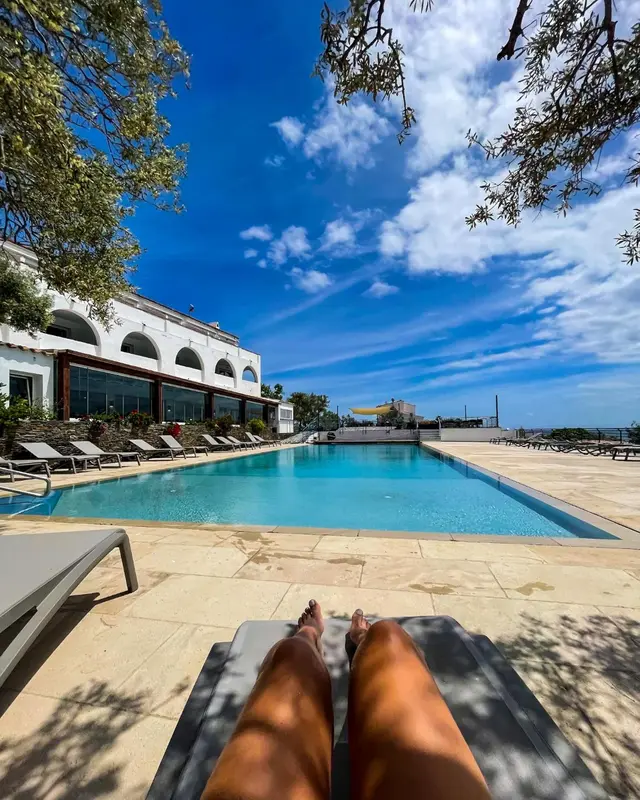
 Dive centre in the hotel
Carpe Diem Cadaqués
★★
Google 4.6/5 (491 reviews)
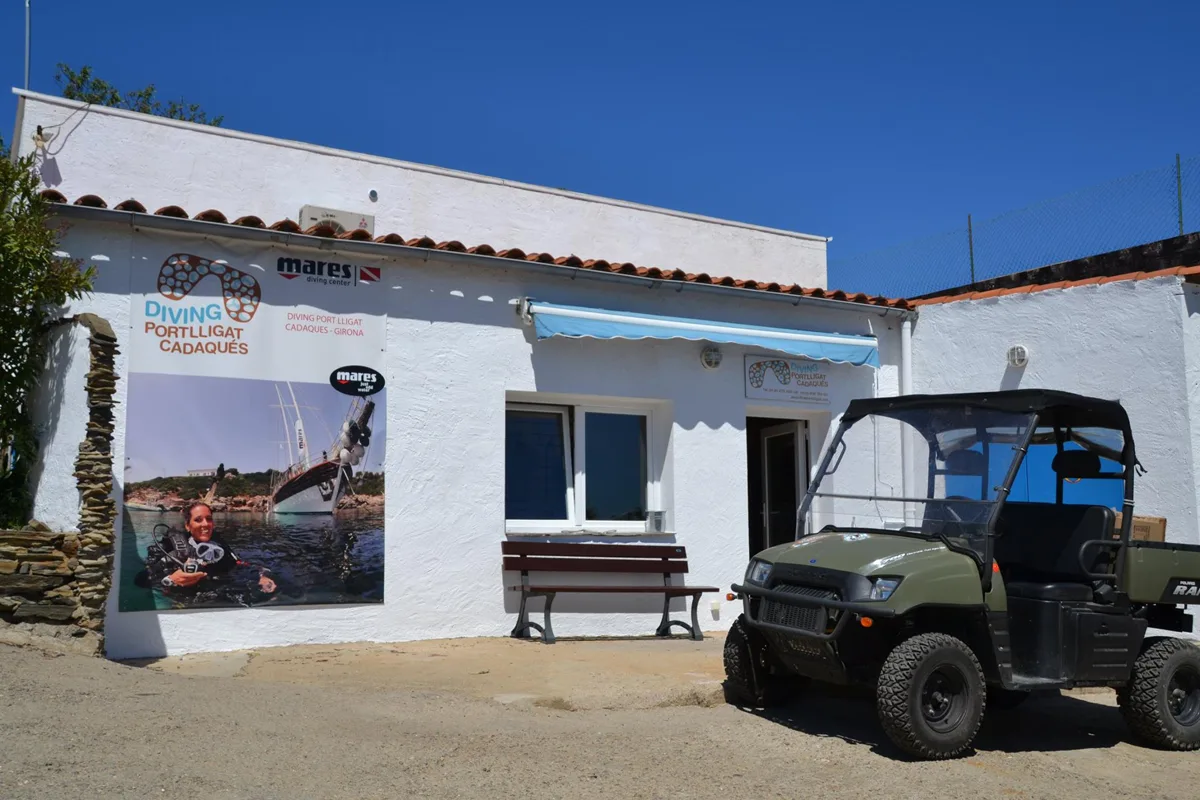
The dive centre
DIVING PORTLLIGAT
SSI, PADI
Google 4.8/5 (102 reviews)
Dives: ES GAT, LA REPARADA, SA COUA DES PELEGRÍ
Spain · Mediterranean
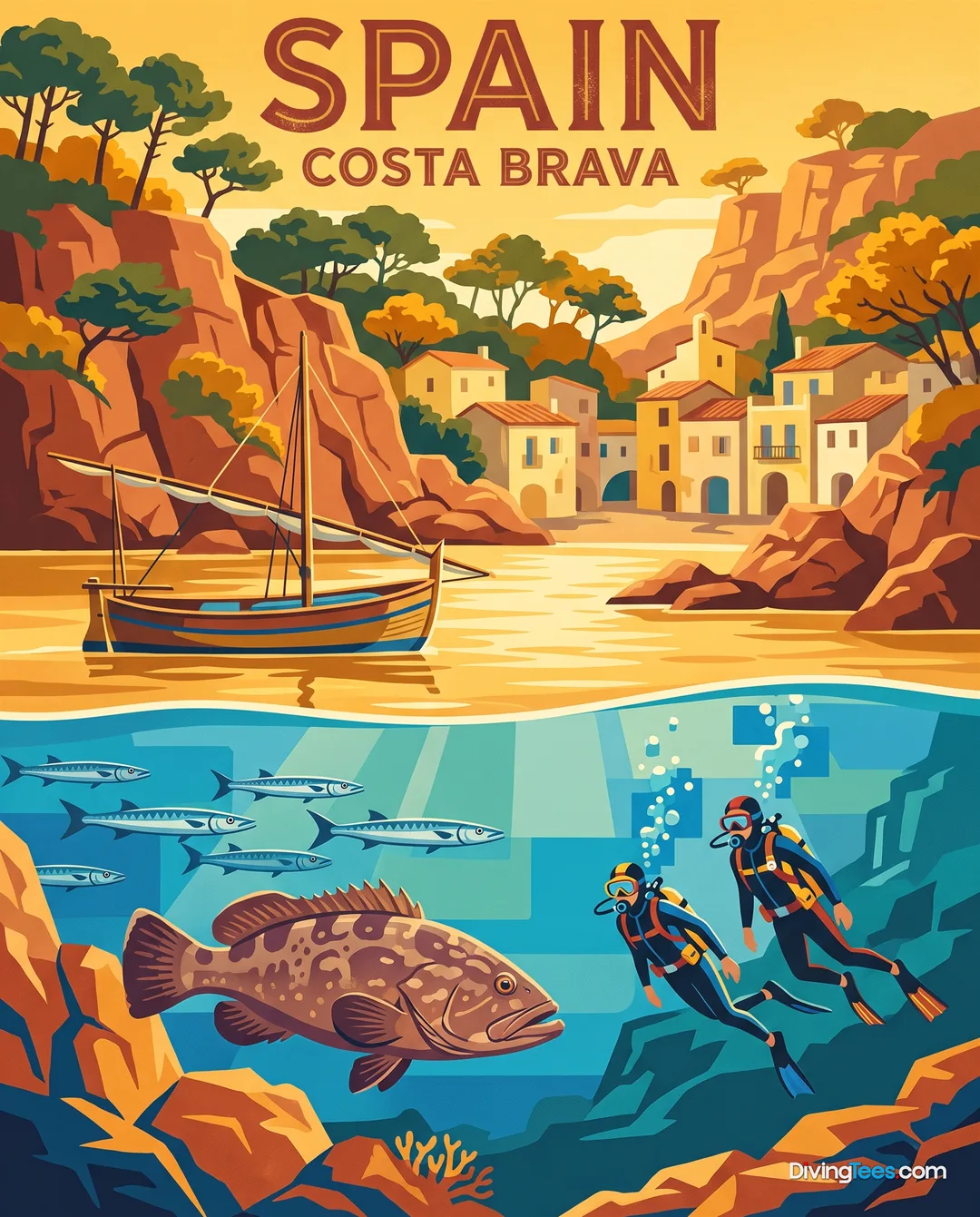
Rocky drop-offs, Posidonia seagrass, caves, gorgonians, groupers and barracuda shape boat diving around the Cap de Creus from Cadaqués harbour.
For subtitles in English: start the video firstthen click the gearat the top right of the video, select “Subtitles/CC”, then “Auto-translate” and choose “English”.
Gorgonians cling to rocky walls around the Cap de Creus, where boat dives move between drop-offs, caves, islets and Posidonia seagrass. Cadaqués is a shore-based Mediterranean destination rather than a liveaboard port, with local boats reaching the park’s more exposed coastline. The diving suits several levels, provided the site is matched to the day’s wind and current. Above water, the village, Portlligat and the surrounding park give non-diving days a proper purpose.
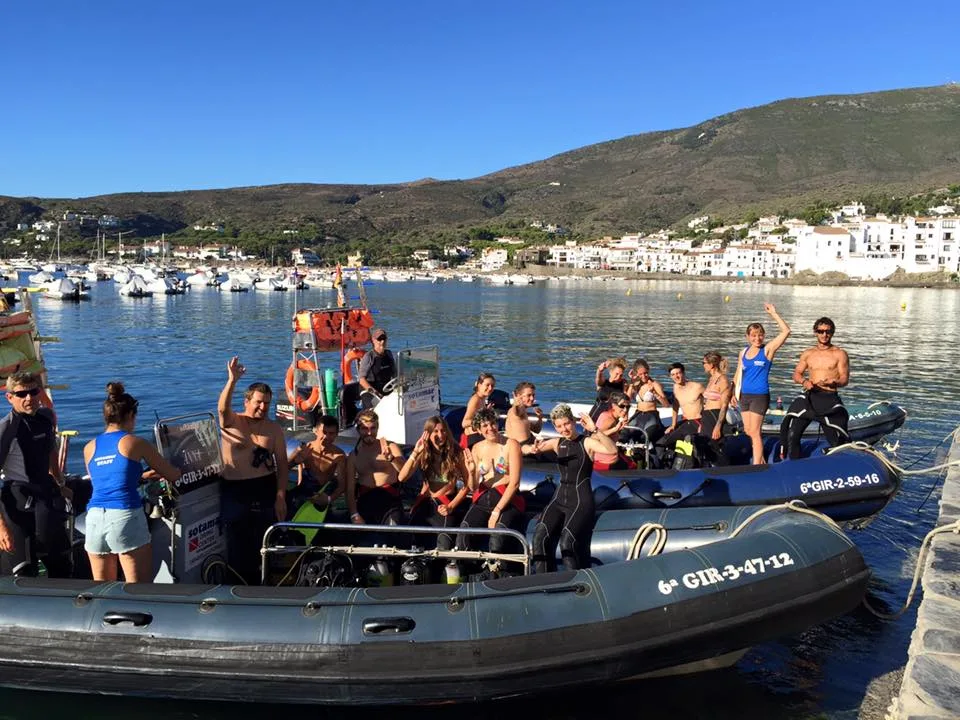
Most diving starts from a boat and heads towards the broken coastline of the Cap de Creus. Expect rocky drop-offs, narrow passages between islets, caves, Posidonia meadows, coralligenous growth and occasional historic wrecks. The character changes quickly with exposure: sheltered sectors can suit a broad range of divers, while the outer capes may produce a fast, unexpected current or a downcurrent even when Cadaqués itself looks calm. A drift dive qualification is useful where current is established, and an Advanced qualification helps with deeper or more exposed sites. Visibility is often rewarding from spring through autumn, but wind, swell, coastal run-off and plankton can reduce it. The sensible approach is to let the local boat plan follow the conditions, rather than treating the most exposed sites as fixed appointments.
Mérous hold station around the rock, morays occupy cracks and octopuses disappear into the same terrain as the diver’s gaze moves from wall to ledge. Barracuda are regular from spring through autumn, joining the larger movement of fish around capes and islets. Gorgonians and coralligenous communities give the walls their structure, while Posidonia meadows bring a different, greener setting close to the coast. Nudibranchs and lobsters are possible year-round but are occasional encounters rather than guaranteed sightings. The same applies to the most memorable animals: a grouper may be settled in one area, while a moray or octopus can be found throughout the year. Anglerfish are associated with colder periods, adding a reason to consider the cooler end of the diving calendar.
May, June, September and October make the most practical window for Cadaqués. Diving runs from spring into autumn, with barracuda and groupers regularly present during that broader period. The shoulder months usually avoid the heaviest summer traffic while retaining access to the Cap de Creus sites, and they leave more room for boats to work around wind and swell. July and August can be busier around the accessible park sites and harbour. There is no single rainy season or monsoon pattern to plan around here: local wind, sea state and current decide whether an exposed cape is sensible on a particular day.
Cadaqués can work for beginners when the boat selects a sheltered site and keeps the route inside manageable water. It also gives experienced divers more demanding options around the outer Cap de Creus, where current can change rapidly. An Advanced qualification is useful for deeper or exposed dives, while Drift Diver training is relevant to sites with a regular flow. All levels should take the local briefing seriously, particularly the difference between a calm bay and an exposed headland.
From London or Manchester, the journey ends with a road approach to Cadaqués rather than a direct arrival in the village by air. The usual land route comes through Figueres or Roses, followed by a narrow, sinuous coastal road. Regional buses also link Cadaqués with nearby hubs, which can be useful if you are not hiring a car. Allow extra time for the final connection: the road is slow in places, and parking becomes difficult during the high season. Once in the village, a waterside dive centre in central Cadaqués is within walking distance of many accommodations. Staying farther out means another road transfer each day.
Do not read a calm bay as a promise of calm water at the tip of the Cap de Creus. Ask before every departure whether the planned site is exposed, current-prone or affected by the park’s access rules, especially around S’Encalladora, where scuba diving is prohibited. Keep a spare day in the programme for the outer capes, because wind or a fast current can change the plan. A morning boat is often the quieter choice at sites close to Cadaqués, before later departures overlap. Bring your own mask, snorkel and fins, and your wetsuit and computer if fit and availability matter to you. Check that the boat will use suitable anchorage, never Posidonia or fragile rock. Do not assume that a site change means a poor day: the sheltered alternatives can still offer caves, gorgonians, morays and octopuses. Treat the park’s speed, navigation and anchoring rules as part of the dive briefing.
Plan on four to seven days in Cadaqués, with several boat outings and enough slack for wind, swell or current to remove an exposed site from the programme. The village works well as a walking base for divers staying near the harbour, while those in outlying accommodation should allow for road transfers. Non-diving days can combine the Cap de Creus trails, coves, Portlligat, kayaking and the Dalí connection. That balance is one of the destination’s practical strengths.
Hello, I'm Marina, DivingDeal.com's AI assistant. I guide you through destinations, areas and countries.
Thinking about the whole trip and the flights? Talk it over with Edith →
Marina is an AI. Some links are affiliate links: DivingDeal may earn a commission, at no extra cost to you. Bookings are made with the partner.
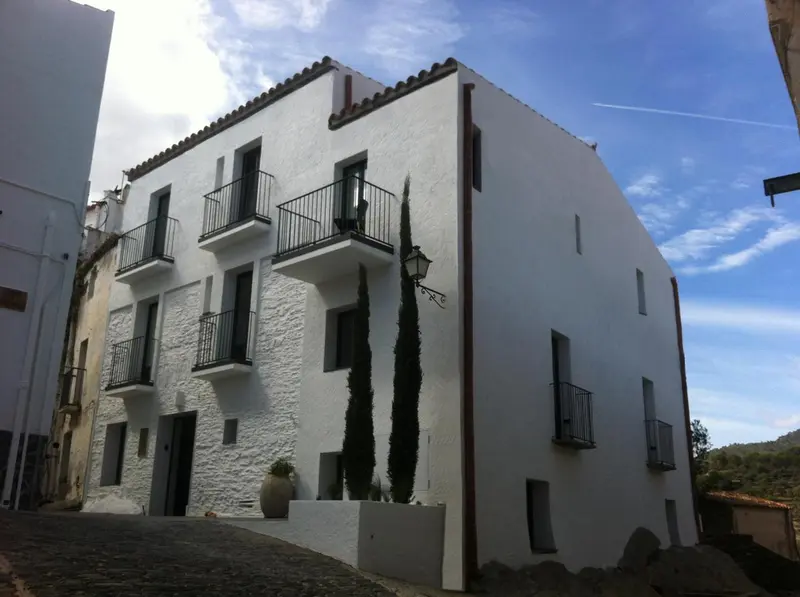
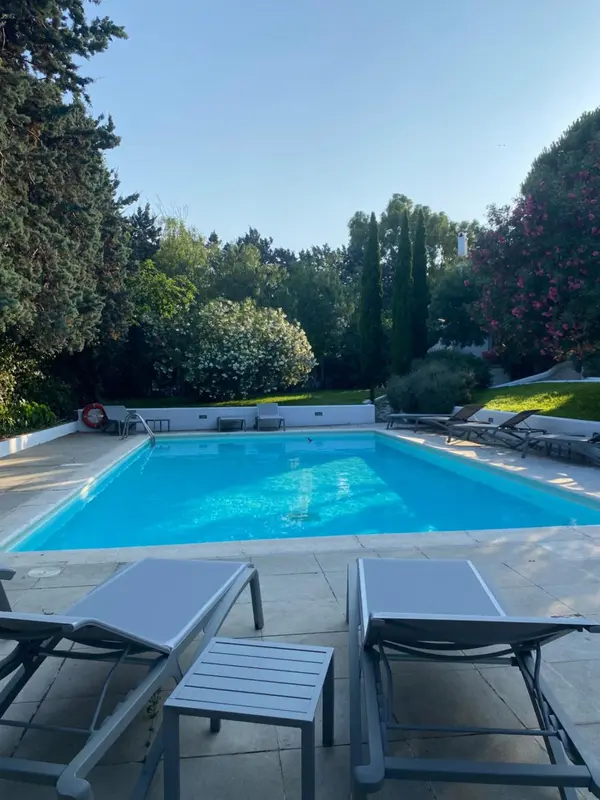
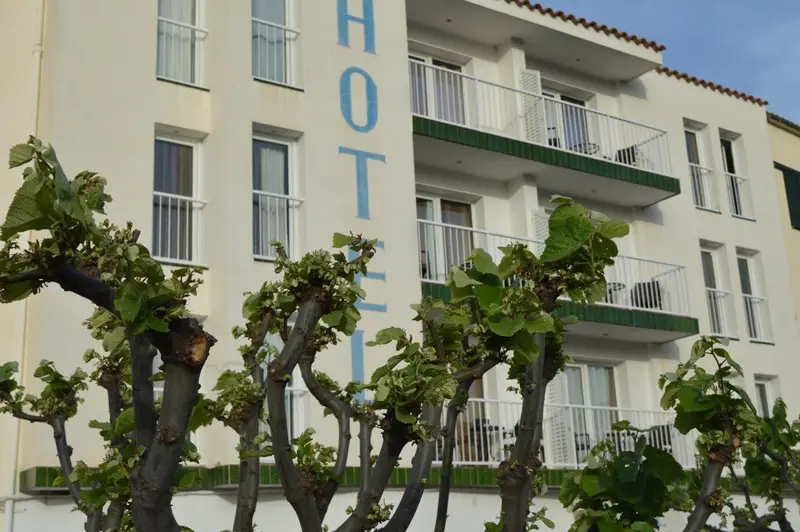
In each one, the dive centre is inside the hotel: step out of your room and go diving.
Dive centre in the hotel★★
Google 4.6/5 (491 reviews)
The dive centre
DIVING PORTLLIGAT
SSI, PADI
Google 4.8/5 (102 reviews)
Dives: ES GAT, LA REPARADA, SA COUA DES PELEGRÍ
Plan diving from spring through autumn, with May, June, September and October offering a practical window. Barracuda and groupers are regularly present during this broader period. Local wind, swell, current, coastal run-off and plankton can affect visibility and site access, so leave flexibility for changing conditions.
Cadaqués can suit beginners when local boats choose sheltered sites and manageable water. Experienced divers can explore more demanding outer Cap de Creus locations, where current may change quickly. An Advanced qualification helps with deeper or exposed dives, while Drift Diver training is relevant where a regular flow is established.
Around Cadaqués, boat dives reach rocky drop-offs, caves, passages between islets, Posidonia meadows and walls covered with gorgonians and coralligenous communities. You may encounter groupers, morays, octopuses and barracuda, while nudibranchs and lobsters are possible. Anglerfish are associated with colder periods, and historic wrecks occur occasionally.
Use Cadaqués as a shore-based base near the harbour, with several boat outings and spare time for wind, swell or current to alter plans. Allow extra time for the road approach from Figueres or Roses, and consider parking and transfers. Non-diving days can include Cap de Creus trails, coves, Portlligat, kayaking and the Dalí connection.