
Glups Diving Cambrils
Google 4.8/5 (252 reviews)
Spain · Mediterranean
Posidonia meadows, small rocky formations, summer shoals and boat trips to Tarragona wrecks define Cambrils, a practical base for relaxed coastal diving.
For subtitles in English: start the video firstthen click the gearat the top right of the video, select “Subtitles/CC”, then “Auto-translate” and choose “English”.
At Cavet, small rocky formations sit beside broad Posidonia meadows, giving Cambrils its clearest underwater identity. The town works particularly well for divers who want straightforward coastal immersion rather than a deep-wall itinerary: there are shore dives, boat departures from the harbour and easy access to nearby sectors. Beginners and families can start in shallow water, while more experienced divers can extend the programme to the Tarragona Underwater Park and its wrecks. It is a land-based holiday, with the promenade, beaches and working port available to non-divers.
Expect a mixture of rocky ground, sand and Posidonia seagrass, with the local diving generally concentrated in shallow coastal water. Cavet is the obvious first orientation dive, combining small rock formations with extensive seagrass rather than dramatic walls or deep drop-offs. Conditions can include variable currents, so the character of a dive depends on the site and the day. Visibility is generally described as good to very good, although it can change with local conditions. Cambrils offers both shore diving and boat outings from the harbour. The latter open access to nearby sectors and to the Tarragona Underwater Park, where wreck diving becomes part of the programme. This is not a destination built around technical depth, long drift dives or liveaboards. Its appeal lies in an uncomplicated entry into Mediterranean terrain, with the option to add a more structured boat excursion.
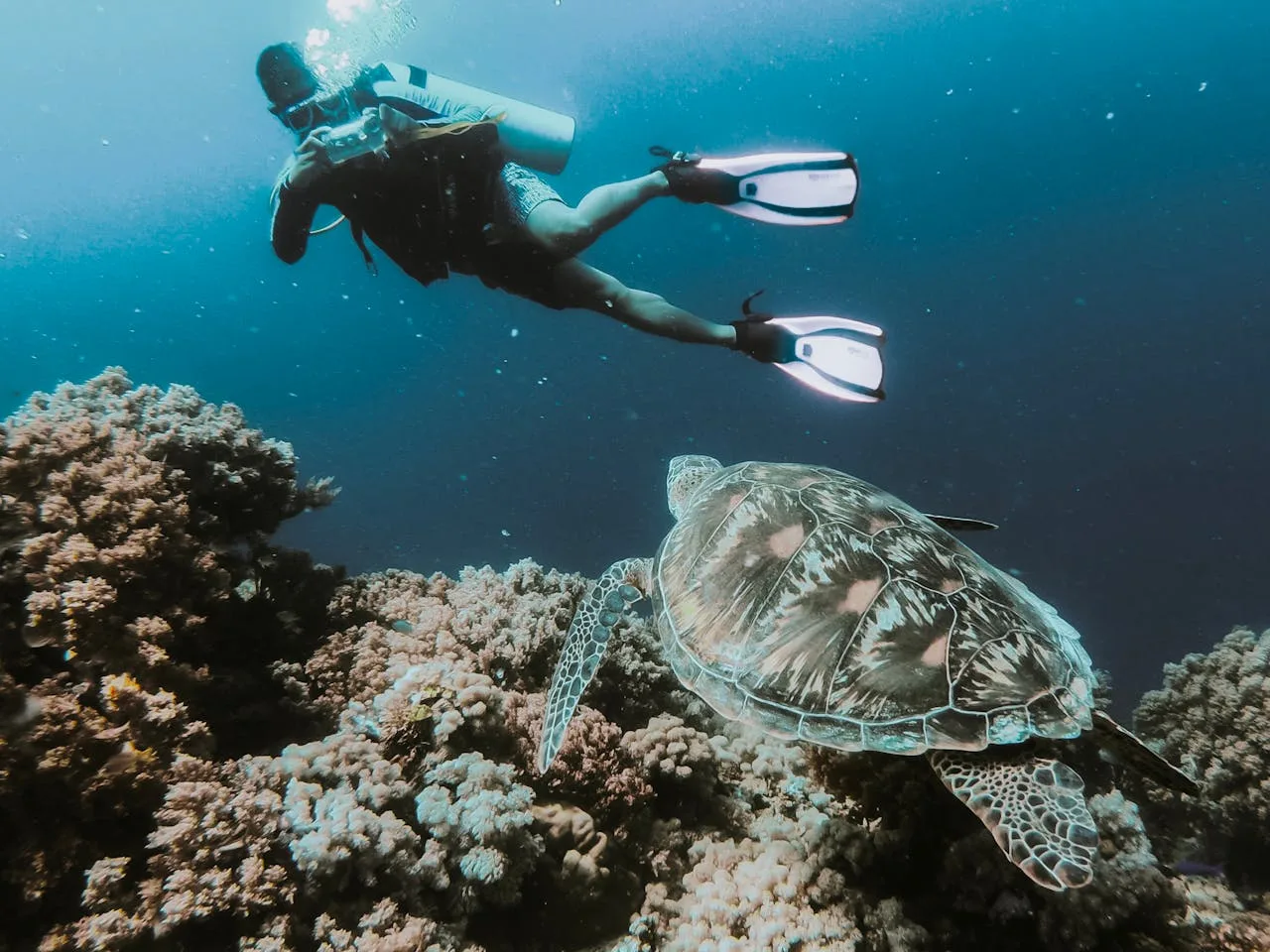
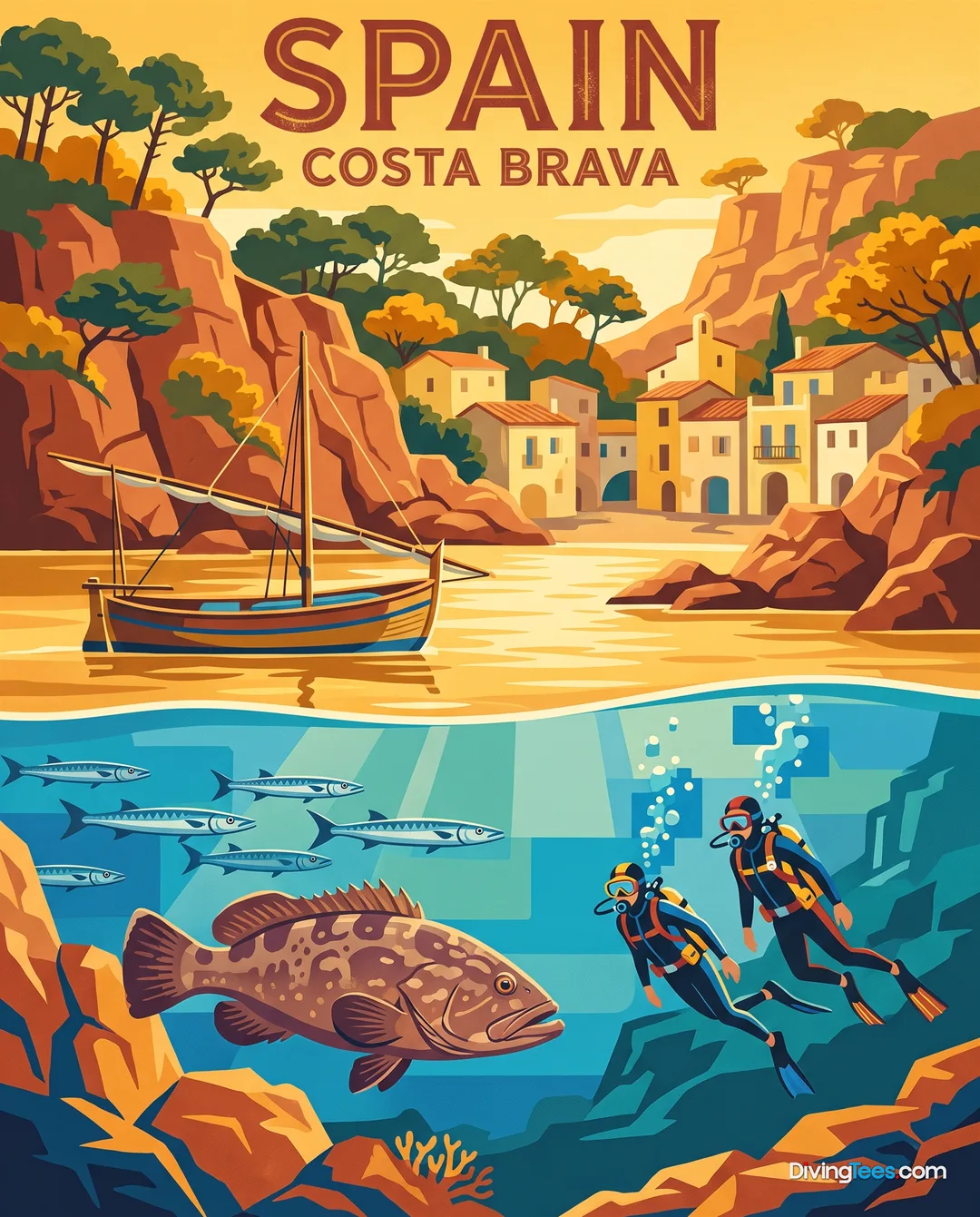
The Posidonia meadows are the main wildlife setting around Cambrils. In summer, they can hold shoals of fish, including bream and other sparids, while salps may add movement to the water column. Barracuda are an occasional sight rather than a dependable feature of every dive. Around the rocks and seagrass, regular encounters include octopus and cuttlefish, with nudibranchs appearing from time to time. These are dives for patient looking rather than a guaranteed parade of large animals. The same shallow habitat that suits beginners also rewards a slower pace, particularly around the edge of the rocky patches and across the seagrass. Summer is the period associated with the liveliest fish activity, but octopus and cuttlefish are not restricted to that window.
June to September is the most rewarding period if marine life is the priority. Summer brings the strongest biological activity described around the Posidonia meadows, with shoals of fish and the possibility of salps, while occasional barracuda add a little unpredictability. Cambrils remains diveable throughout the year, so the choice outside summer is less about a closed season than about accepting a quieter holiday atmosphere and less assured fish activity. Beaches and boating are busiest in summer, and boat places can be more sought after then. A spring or autumn stay therefore suits divers who value a calmer resort, while summer suits those coming specifically to watch life moving over the seagrass.
Cambrils suits all certification levels, with Cavet and other shallow coastal dives offering a sensible introduction for newly qualified divers, families and anyone returning to the water after a break. PADI, SSI and BSAC divers can use the local centres, subject to the requirements of the planned outing. More experience becomes relevant for the Tarragona Underwater Park wrecks. Check that the proposed wreck dive matches your training and recent experience, rather than assuming that an easy coastal holiday automatically includes every boat option.
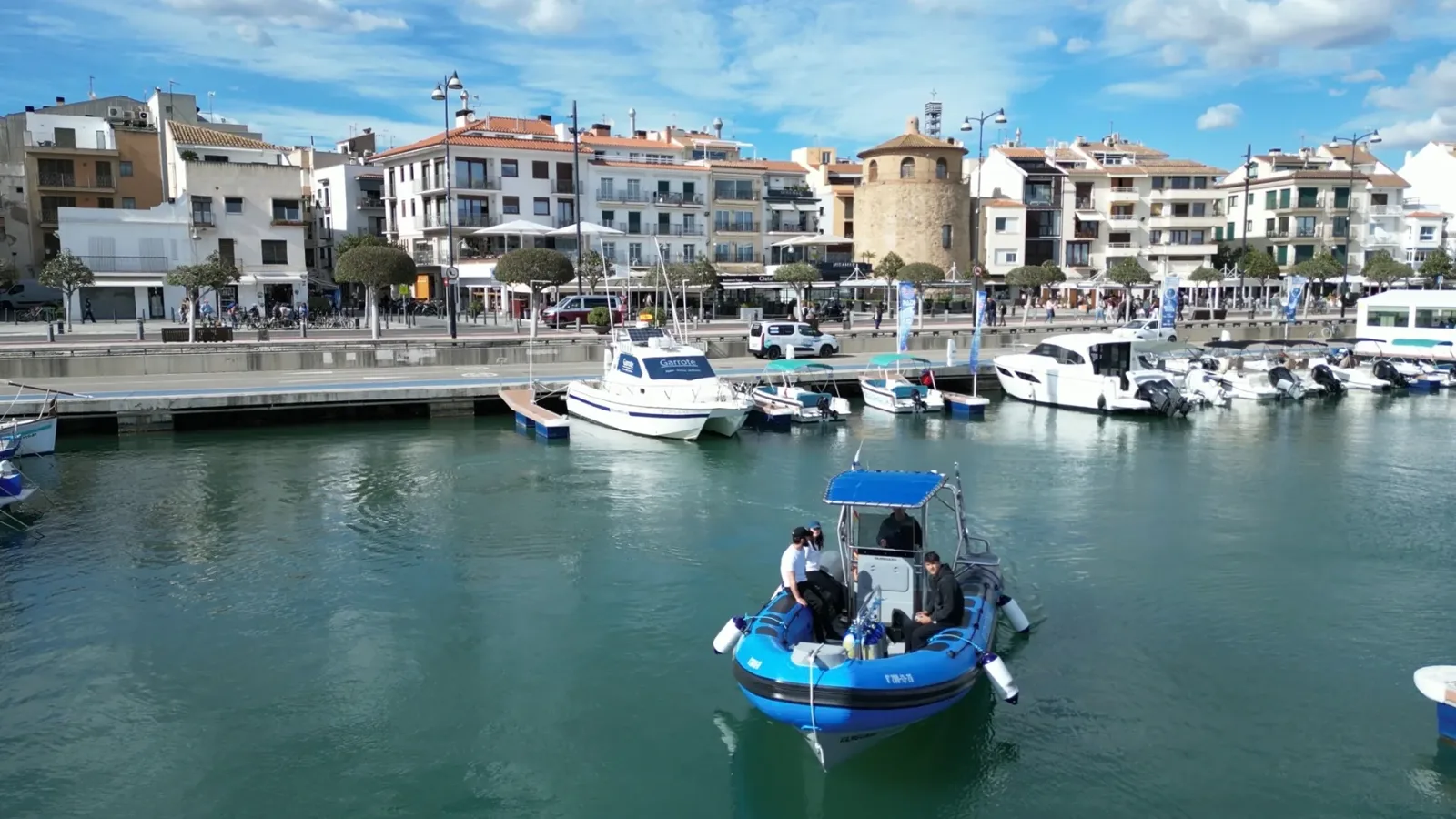
From London or Manchester, Cambrils is reached by continuing into Catalonia and then travelling overland to the resort. The final approach is by road, using the N-340 or the AP-7 and taking exit 37. There is no compulsory ferry or domestic flight to reach the destination, so the journey is structurally simpler than a trip that depends on an island connection. Allow for the road leg after your international travel, particularly if the diving schedule begins soon after arrival. Once in Cambrils, departures leave from the harbour. Depending on where you stay, the port and front may be walkable, while other accommodation calls for a short local journey. A base near the harbour reduces that daily transfer.
Start with Cavet or another shallow coastal dive before committing to a more distant boat outing. It lets you see how the local conditions feel without making the first day depend on a longer trip. When booking, ask specifically whether the plan is from the shore or from the boat, because the two formats reach different parts of the area. Do not assume that a Cambrils booking includes the Tarragona Underwater Park: the wreck excursions are a separate part of the programme, and they call for suitable wreck experience. The same caution applies to site descriptions, since beaches around the Costa Daurada do not all offer the same underwater profile. In high summer, reserve boat days ahead if your dates are fixed. For a mixed group, keep the shallow Cavet dives alongside harbour and coastal activities rather than planning every day around deeper boat diving.
Allow three to five days for a balanced Cambrils stay: local shore diving, a boat outing and time for the town itself. Staying near the harbour or seafront makes departures and centre visits easier, often on foot. The format works well for couples or families, since non-divers have beaches, the promenade, the port and nearby activities while diving occupies only part of the day. A longer stay can add the Tarragona Underwater Park and a cultural visit to Tarragona.
Hello, I'm Marina, DivingDeal.com's AI assistant. I guide you through destinations, areas and countries.
Thinking about the whole trip and the flights? Talk it over with Edith →
Marina is an AI. Some links are affiliate links: DivingDeal may earn a commission, at no extra cost to you. Bookings are made with the partner.
Visit Cambrils from June to September if marine life is your priority. Summer brings stronger activity around the Posidonia meadows, including shoals of bream and other sparids, possible salps and occasional barracuda. Spring or autumn can suit you if you prefer a calmer resort and quieter holiday atmosphere, although fish activity is less assured.
Cambrils suits all certification levels. You can begin with shallow shore dives at Cavet or other coastal sites, making the area suitable for newly qualified divers, families and anyone returning after a break. More experience matters for Tarragona Underwater Park wreck excursions, so check that the planned wreck dive matches your training and recent experience.
In Cambrils, you can explore rocky patches, sand and broad Posidonia meadows in generally shallow coastal water. Summer may bring shoals of bream and other sparids, while octopus and cuttlefish occur around the rocks and seagrass. Salps, occasional barracuda and occasional nudibranchs add variety, but patient observation is important.
Plan a land-based stay with Cavet or another shallow coastal dive first, then consider a harbour boat outing or a separate Tarragona Underwater Park wreck excursion. Staying near the harbour or seafront can simplify departures and centre visits. Allow time for beaches, the promenade and port, and reserve boat days ahead in high summer if your dates are fixed.