
Diving Center Colera | Centre de plongée Costa Brava
Google 4.5/5 (78 reviews)
Spain · Mediterranean
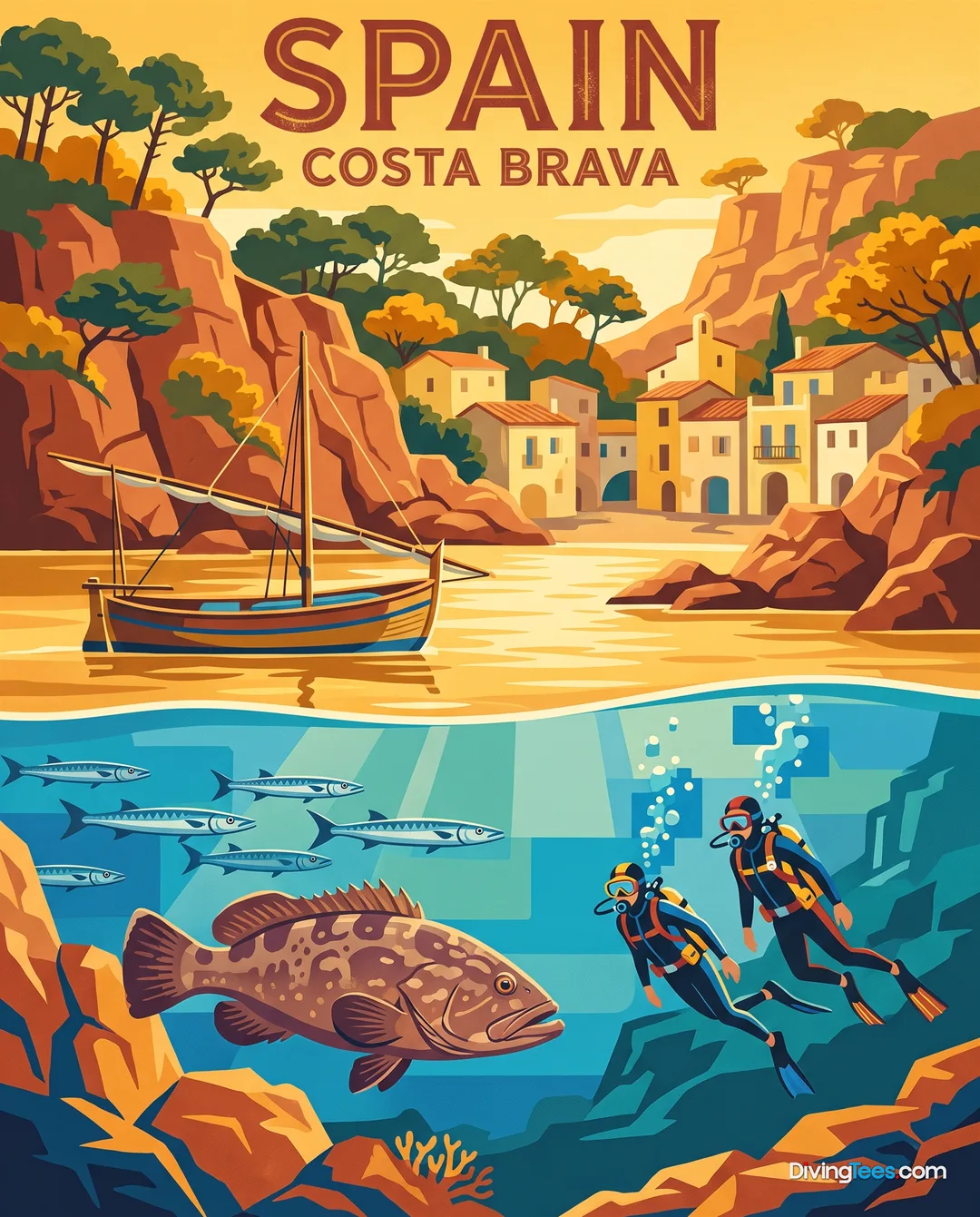
Gorgonians on coralligenous walls, red coral in shadowed crevices, barracuda over rocky ground and boat trips to Cap de Creus define Colera.
For subtitles in English: start the video firstthen click the gearat the top right of the video, select “Subtitles/CC”, then “Auto-translate” and choose “English”.
Red gorgonians spread across the walls and coralligenous rock of Cap de Creus, while grottos, canyons and rocky shallows give the dives a distinctly Mediterranean shape. Colera is a small harbour base for reaching these exposed sites by boat, then switching sectors when the wind dictates. Banyuls-Cerbère adds more sheltered, shallower terrain across the border. The result suits a diver who wants several kinds of underwater landscape without changing accommodation every day.
This is boat diving over rock, coralligenous growth, gorgonian-covered walls, caves, canyons and occasional wreckage. Near Cap de Creus, the relief becomes more dramatic, with walls and deep sections reaching 40 or 50 metres. Around the harbour and towards Banyuls-Cerbère, the profile is generally more forgiving, with shallower ground available when conditions turn awkward. Currents are variable rather than a permanent feature, so the skipper’s choice of sector matters more than chasing a particular depth. Water around Cap de Creus can be very clear, although visibility is not something to treat as fixed. A normal outing means boarding in Colera, travelling to the selected site, and diving from the boat rather than walking in from the beach. The appeal is the change of scenery: exposed rock and depth one day, sheltered walls and caverns the next.
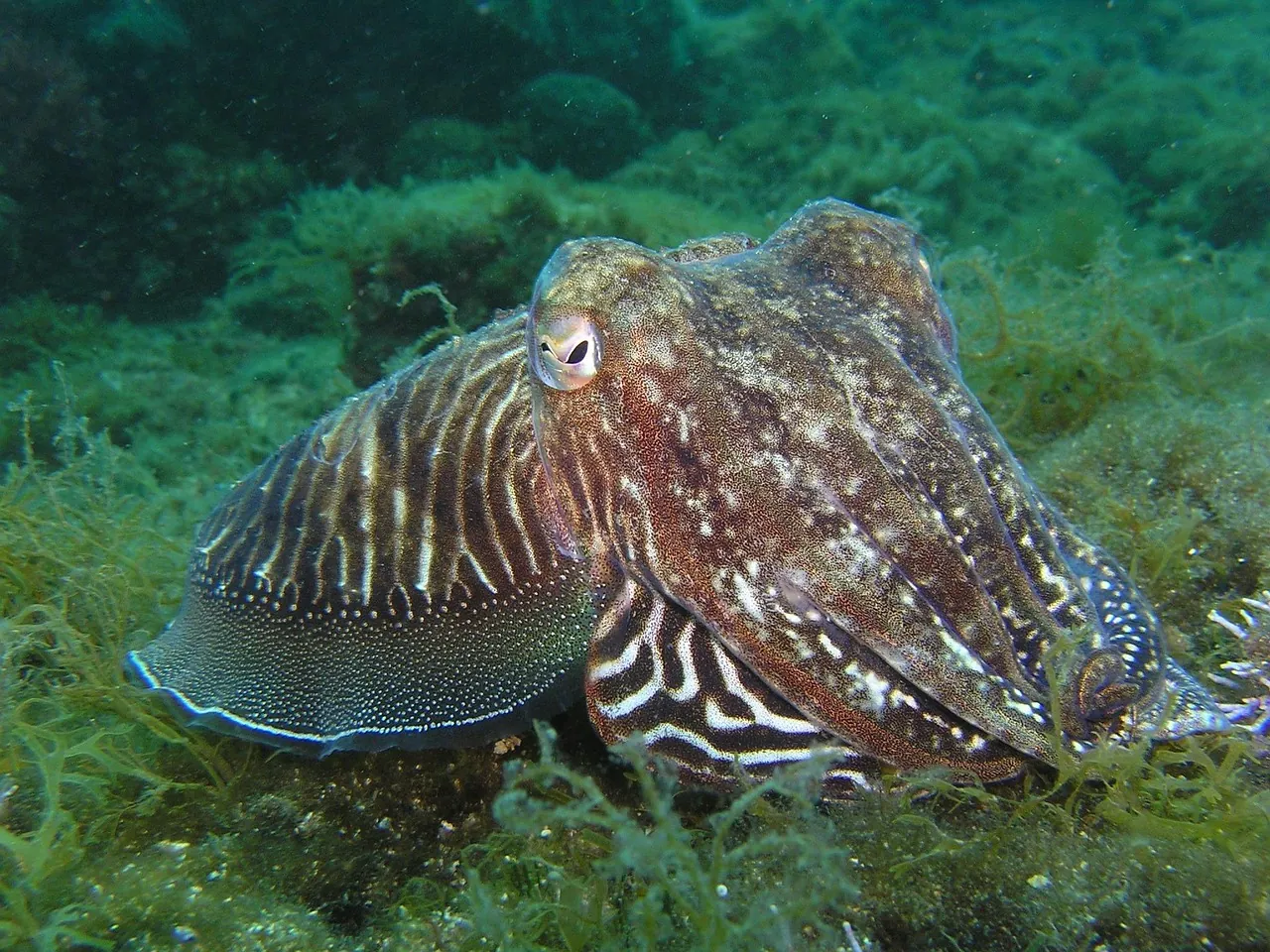
Gorgonians are a defining sight on the deeper rocky relief, with red coral tucked into darker corners and coralligenous surfaces supporting a close look at Mediterranean life. Groupers, moray eels and octopus are regular encounters, while nudibranchs reward a slower inspection of the rock. Spiny lobsters may appear in crevices, and barracuda can pass over the more open ground. Tuna, bonito and ocean sunfish are occasional rather than dependable targets, so they belong to the element of luck in a day at Cap de Creus. The protected setting around Cap de Creus and Banyuls-Cerbère helps explain the variety of habitats available from the same harbour, but this is not a destination to book solely around one promised animal. The strongest wildlife dives are those that leave time for both the wide view and the small stuff.
Go with a flexible window rather than tying the trip to one supposedly perfect month. Colera is exposed to strong winds, and the most attractive Cap de Creus sites may become uncomfortable or unavailable when they rise. A stay of several diving days gives the boat more options: exposed walls when the sea permits, then harbour-side sites or Banyuls-Cerbère when shelter matters more. Clear water is possible around Cap de Creus, but conditions can change with the wind. This is not a rainy season or monsoon destination with a simple calendar rule. The useful seasonal decision is whether you can allow spare days for the skipper to move between sectors.
Colera works for beginners as well as experienced divers, provided each outing is matched to its actual depth and profile. Discovery dives use the boat and stay shallow, so a first visit need not involve a deep wall. Certified divers with PADI, SSI or BSAC backgrounds can use the wider range of sites, while deeper canyon and wall dives demand appropriate experience, depth planning and comfort in changing conditions. Ask specifically about the maximum depth before boarding, because the same base serves both introductory dives and descents to 40 or 50 metres.
From London or Manchester, reach the region by air to a regional airport, then continue by road or regional train to Colera. Allow time for that connection rather than treating the airport arrival as the end of the journey. There is no ferry leg and no domestic flight requirement once the regional journey is arranged. Colera is also reachable by road, with the drive from Barcelona generally taking around two and a half to three hours, and from Perpignan around one and a half to two hours. Once there, diving starts from the harbour, while the distance from accommodation to the boat may mean walking, driving or taking a taxi, depending on where you stay.
Build the trip around the wind, not around a demand for the deepest Cap de Creus site. Ask for a sheltered alternative when exposed water is unpleasant: local boats can use areas near the harbour or Banyuls-Cerbère instead. Keep several diving days available, because that flexibility is what lets the boat move to the better-protected sector rather than losing the day. Before any deep outing, check the maximum depth and the experience expected; Colera ranges from shallow discovery dives to 40 or 50-metre walls. Do not arrive expecting shore diving, since the principal sectors are reached by boat from the harbour. A lamp is worth packing for the grottos, canyons and shaded rock if one is not supplied. Finally, remember that Cap de Creus and Banyuls-Cerbère are separate protected areas, with different settings on opposite sides of the border.
Plan on a land-based stay, using Colera as the fixed point for boat trips towards Cap de Creus, nearby coastal sites and Banyuls-Cerbère. Three to five diving days gives room to use more than one sector and hold back when the wind changes. The diving base is at a campsite near Colera, while other accommodation may require walking, a car or a taxi to reach the harbour. Non-diving days suit coastal walks, beaches, the port and Cap de Creus landscapes.
Hello, I'm Marina, DivingDeal.com's AI assistant. I guide you through destinations, areas and countries.
Thinking about the whole trip and the flights? Talk it over with Edith →
Marina is an AI. Some links are affiliate links: DivingDeal may earn a commission, at no extra cost to you. Bookings are made with the partner.
Choose a flexible window rather than a fixed month, because strong winds can make exposed Cap de Creus sites uncomfortable or unavailable. Allow several diving days so the boat can switch between exposed walls, harbour-area sites and sheltered Banyuls-Cerbère locations. Cap de Creus may have clear water, but wind can change conditions.
Colera suits beginners and experienced divers, with shallow discovery dives available from the boat. Certified divers can explore a wider range of sites, while deeper walls and canyons require suitable experience, depth planning and comfort in changing conditions. Ask the operator about the maximum depth before boarding, since profiles vary considerably.
You can explore gorgonian-covered walls, coralligenous rock, grottos, canyons, shaded walls and occasional wreckage. Red coral grows in darker crevices, while groupers, moray eels, octopus, nudibranchs, spiny lobsters and barracuda may appear. Tuna, bonito and ocean sunfish are occasional encounters, so the strongest dives combine scenery with patient searching.
Use Colera as a land-based harbour for boat trips towards Cap de Creus, nearby coastal sites and Banyuls-Cerbère. Keep several diving days available so the boat can respond to wind and change sectors. Plan transport from your accommodation to the harbour, and pack a lamp for grottos, canyons and shaded rock.